The Ohio Birds That Arrive In October And Stay All Winter
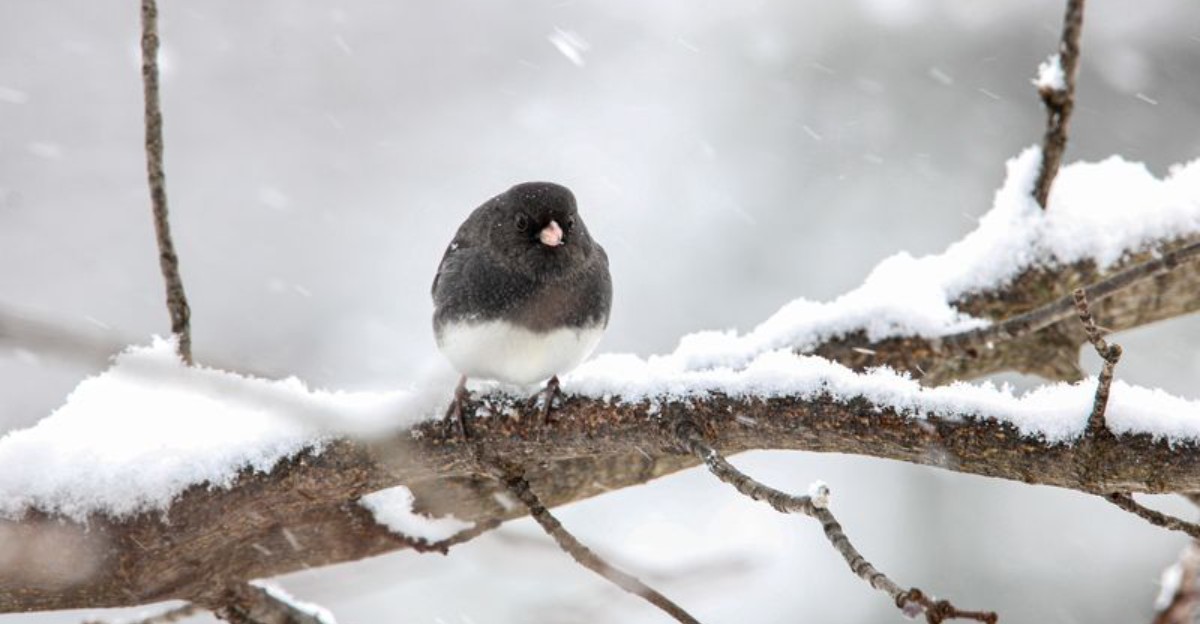
Your Ohio yard is about to get a new set of regulars, and they’re not just passing through this time.
October brings a wave of birds that actually plan to stick around, a different crowd from the ones you spotted moving south a few weeks back. These arrivals treat Ohio as the destination, not a rest stop, settling in for the entire cold stretch ahead.
Most homeowners lump every fall bird into the same “migrating through” category, missing the fact that a handful of them just moved in for good.
Recognizing who’s here to stay changes how you handle your feeder for the rest of the season, since these birds need something different than the quick refuel crowd passing through earlier.
Watch your feeder closely this week and start telling the difference. Some of what shows up in October might be sticking around until spring.
1. Dark-Eyed Juncos Return To Ohio For Winter
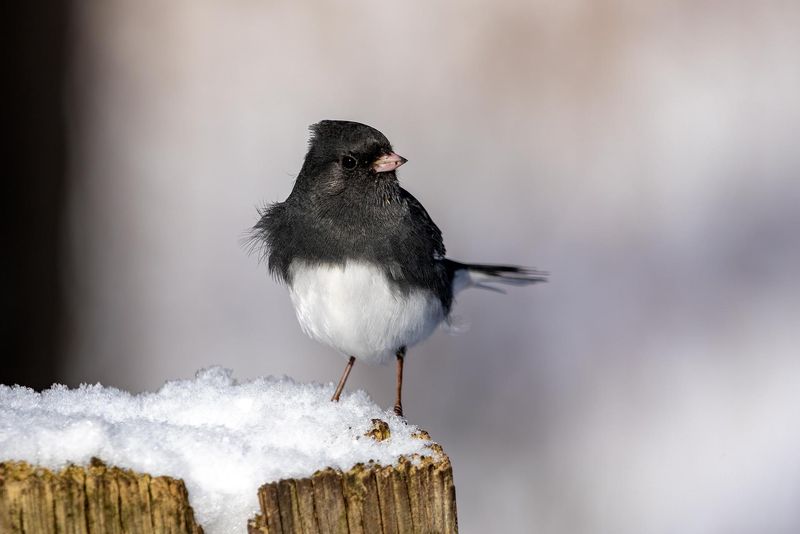
Old-timers call them snowbirds, and the nickname fits nicely. When these gray little birds show up, colder weather is usually right behind them.
Dark-eyed juncos breed in northern forests and head south with the first brisk fall winds. Most reach Ohio around October, though a few eager ones appear as early as August.
They typically stay until March or April before flying north again.
You can spot a junco by its slate-gray back, white belly, and pale pink bill. Watch for flashes of white tail feathers when one takes off.
That quick white flicker is a handy clue for new birders.
Juncos love the ground. They kick through leaf litter and snow to uncover seeds, which make up about 75 percent of their diet.
Summer brings more insects, but winter is mostly about seeds.
Want them in your yard? Scatter millet or cracked corn on the ground near shrubs or a brush pile.
These birds feel safer with cover close by, so a messy corner of the garden can be a real welcome mat.
Here is a fun surprise for northeast readers. Some juncos there stay all year, nesting in cool hemlock ravines.
So your snowbird might actually be a local.
2. White-Throated Sparrows Join The Fall Migration
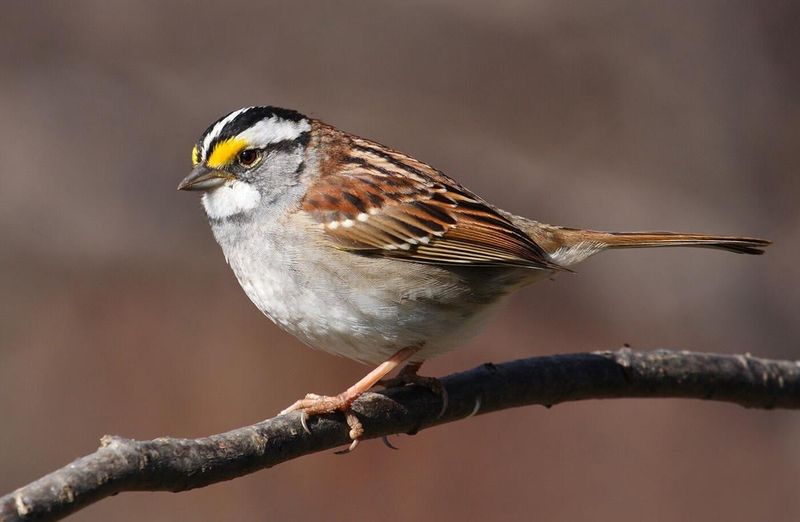
Oh sweet Canada, Canada, Canada! That clear, whistled song is how many people first meet the white-throated sparrow.
Some folks hear it as Poor Sam Peabody instead, which is just as catchy.
Most sparrows pour through the state in late September and October, and white-throats are part of that rush. Many keep going south, but plenty decide Ohio is a fine place to spend the winter.
You will find them in thickets, weedy fields, city parks, and suburban yards.
Look for a crisp white throat patch and a small yellow spot between the eye and bill. The head has bold stripes that can be white or tan.
Both types are the same species, just different looks.
Watching one feed is pure entertainment. The bird hops forward and scratches backward with both feet at once, like a tiny dancer.
Your Ohio Garden Changes Every Week. Your Plan Should Too.
Gardening in Ohio changes quickly throughout the season. Every Friday you’ll receive a simple weekly plan showing exactly what to plant, prune, fertilize, harvest, and protect so you never miss the right timing.
Leaves fly everywhere as it searches for hidden snacks.
In winter, white-throats eat seeds, fruits, and buds. They happily visit feeders with millet and sunflower seeds, especially if food is spread on the ground or a low tray.
Tip for your yard: leave a leaf pile under your bushes this fall. You might just earn a front-row seat to the sparrow shuffle.
3. American Tree Sparrows Arrive As Temperatures Drop
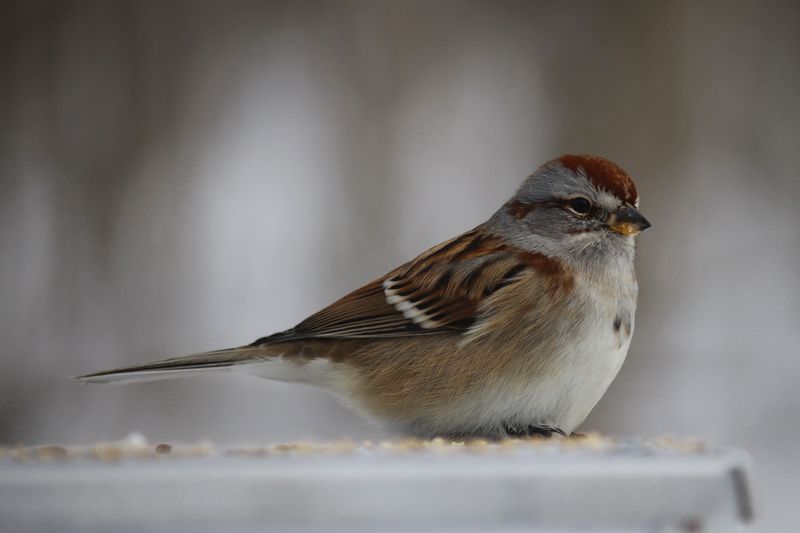
Here is a bird with a funny name mix-up. American tree sparrows actually prefer open fields, meadows, and weedy spots instead of thick forests.
Early European settlers named them because they reminded them of a sparrow back home. The name stuck, even though these birds spend most of their time near the ground.
For our state, winter is the season to see them. They breed far up in northern Canada and Alaska, then spread across the northern two-thirds of the United States.
The first ones trickle in as fall cools, and bigger numbers usually arrive in November.
Spotting one is fairly easy once you know the clues. Look for a rusty cap, a gray face, and a small dark spot in the middle of a plain chest.
A two-toned bill, dark on top and yellow below, seals the deal.
Their winter menu is almost all seeds from grasses and weeds. On bitter mornings, they puff their feathers out and look like tiny round snowballs.
That fluffing traps warm air close to the body.
Small flocks may drop by feeders for millet and sunflower seeds. A great trick is leaving some garden plants standing through winter.
Those seed heads become a natural buffet for these hardy visitors.
4. Red-Breasted Nuthatches Wander Into Ohio Yards
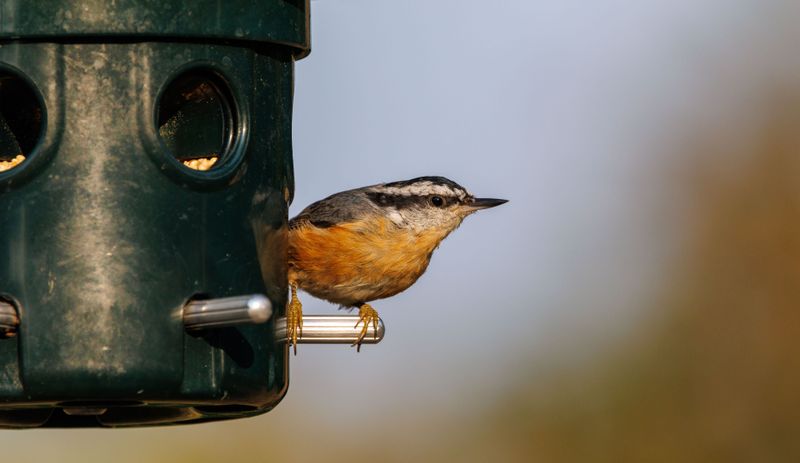
Picture a tiny bird that walks down trees headfirst like it forgot which way is up. That upside-down acrobat is the red-breasted nuthatch, and it sounds a bit like a toy horn.
Some winters, our state barely sees any. Other years, they seem to pop up everywhere.
Birders call those busy years irruptions, and they are exciting to watch.
Here is the secret behind the surprise visits. These birds do not leave the north because of cold weather.
They leave when northern forests have a poor crop of pine and spruce cones, since conifer seeds are their main winter food.
Arrivals can start in August and become widespread by late October. A few stragglers keep coming even in January and February.
That makes every fall feel like a guessing game.
Look for a black eye stripe, a white eyebrow, and a warm rusty belly. The bird is smaller than its cousin, the white-breasted nuthatch.
It often grabs one seed, flies off, and tucks it into bark for later.
To invite one over, offer sunflower seeds or suet. Planting pines or spruces helps too, since these birds feel right at home around evergreens.
Keep your ears open for that nasal yank-yank call.
5. Purple Finches May Settle In For The Cold Months
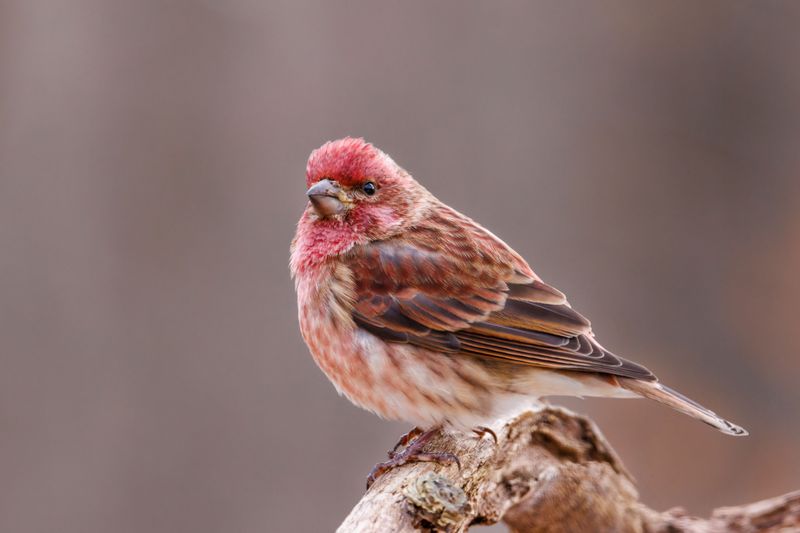
Famous bird writer Roger Tory Peterson once said the male purple finch looks like a sparrow dipped in raspberry juice. Once you see one, you will agree.
The color is soft, rosy, and totally charming.
Purple finches travel south through Ohio mostly in late September and October. Some keep moving, while others stay for the winter.
Their numbers change a lot from year to year, so each season is a little different.
Many people mix them up with house finches. Purple finches have a rosier wash that covers the head and back, with fewer brown streaks on the belly.
Females are brown and white, with a bold white stripe above the eye.
These finches eat seeds, buds, and fruits. In warmer months, they also munch on beetles, caterpillars, and aphids.
That makes them handy garden helpers.
Black oil sunflower seeds are the best way to attract them. A tube or platform feeder near some trees works well.
Keep the seed fresh and dry, since wet seed can grow mold.
Sightings often peak from mid-autumn into early winter, but a few arrive as late as February. So do not lose hope if your feeders seem quiet in November.
A raspberry surprise might still be on its way.
6. Pine Siskins Follow Winter Food Sources
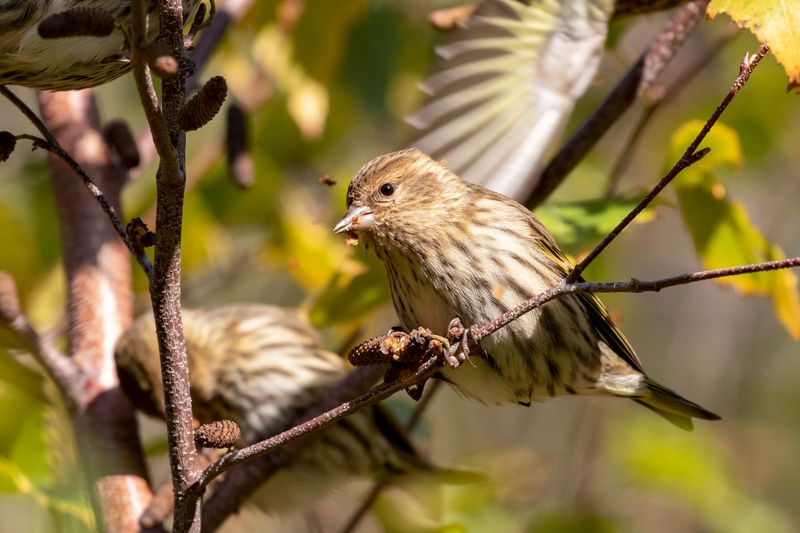
Zreeeet! If you hear a buzzy call that rises like a zipper, look up.
A flock of pine siskins may be dropping in to raid your feeders.
These little finches are wanderers with no set schedule. Some years they barely appear, and other years they flood into the state starting in October or November.
The big invasions usually happen when seeds run short up north.
At first glance, a siskin looks like a plain brown sparrow with heavy streaks. Watch for flashes of yellow on the wings and tail when it flutters.
Those golden edges are the giveaway.
Siskins love conifer seeds, but they are not picky. They also eat seeds from sweetgum balls, elms, maples, and ash trees.
In winter, they roam thickets and roadsides picking at weed seeds.
During an irruption year, they can become one of the most common birds at feeders. Nyjer thistle and sunflower seeds are favorites, and some will even nibble suet.
A crowd of them can empty a feeder surprisingly fast.
One helpful tip: clean your feeders often when siskins are around. Large flocks can spread illness, so a quick wash with mild soap and water every week or two keeps everyone healthier.
Your feathered guests will thank you.
7. Northern Cardinals Stay Through Ohio’s Deepest Cold
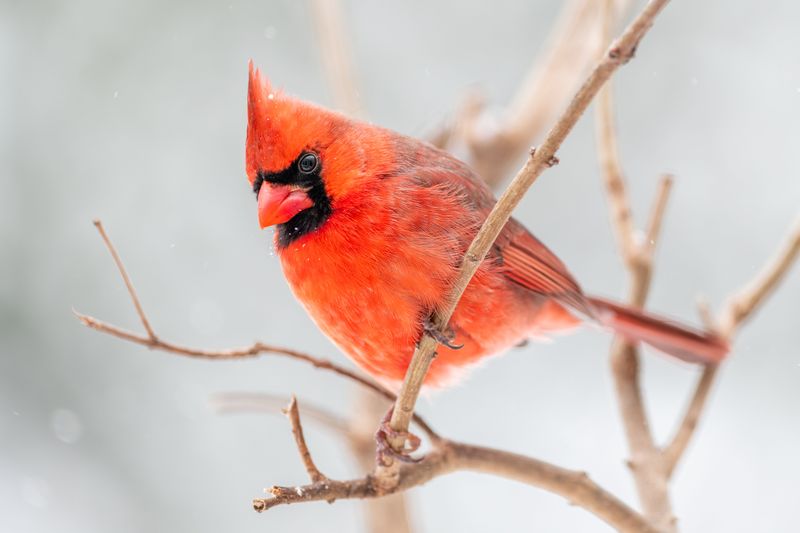
Nothing brightens a gray January morning quite like a red cardinal against white snow. It is no wonder Ohio chose it as the state bird.
Cardinals do not migrate. They stick around all year, braving every blizzard and cold snap.
So why include them here? Because fall and winter bring a big change in how they act.
In spring and summer, cardinals guard their territories fiercely. By winter, they relax and gather in flocks, sometimes several dozen strong.
Suddenly, your feeder might host a whole crowd of red and brown birds instead of just one pair.
How do they stay warm? Cardinals shiver and tense their muscles to make body heat.
They also fluff their feathers into a cozy puffball.
Food matters most in cold months. Their favorites are black oil sunflower and safflower seeds.
A sturdy platform or hopper feeder gives them room to perch, since their big bodies do not fit well on tiny tube feeders.
Here is a neat fact: both males and females sing, and they do it year-round. Planting native fruit shrubs like dogwood or winterberry helps them stay healthy.
Those berries even support the bright color of their feathers.
8. Black-Capped Chickadees Remain Year-Round Residents
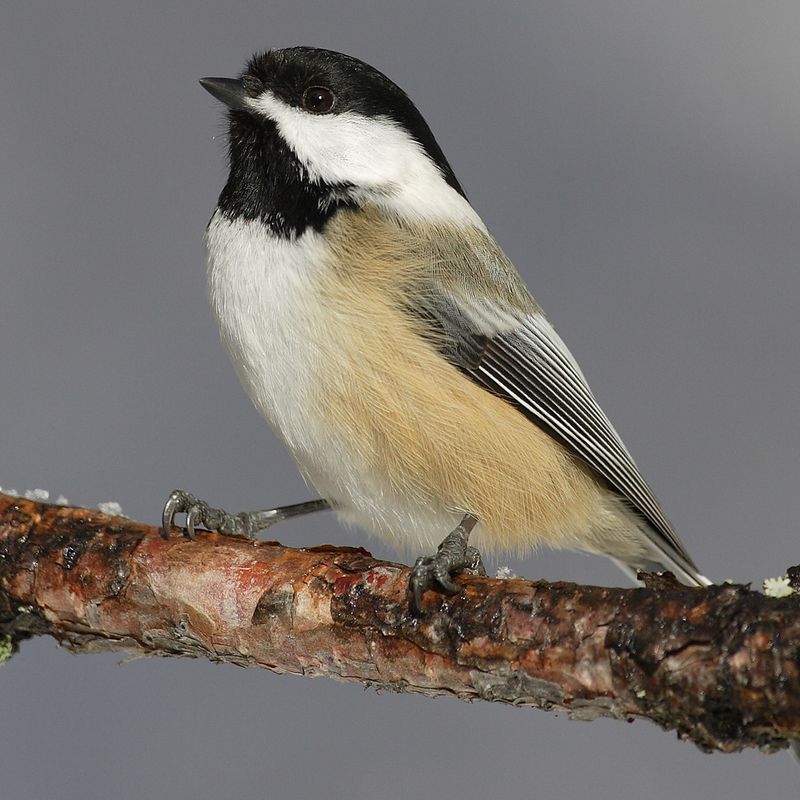
Small but mighty, the black-capped chickadee might be the smartest bird at your feeder. It weighs about as much as a few paper clips, yet it handles our winters like a champ.
Chickadees live in Ohio all year and are especially common up north. Winter is when they truly shine, though.
They become bold, busy, and full of personality.
Their memory is amazing. In late summer and fall, they hide seeds and insects in bark cracks and branches.
Later, they can find thousands of those hidden snacks again.
Staying warm takes a lot of fuel. A chickadee needs far more food in winter than in summer just to stay warm.
Their winter diet is about half seeds and berries, and half insects and spider eggs.
Listen to their famous chick-a-dee-dee-dee call. It works like an alarm system for other birds.
More dee notes mean a bigger threat, like a hawk or owl nearby.
Chickadees love sunflower seeds, peanuts, suet, peanut butter, and mealworms. With patience, some will even take seeds from your open hand.
Stand still near a feeder, hold out a few seeds, and see who is brave enough to land.