The Secret To Keeping Lantana Blooming All Summer Long In Ohio
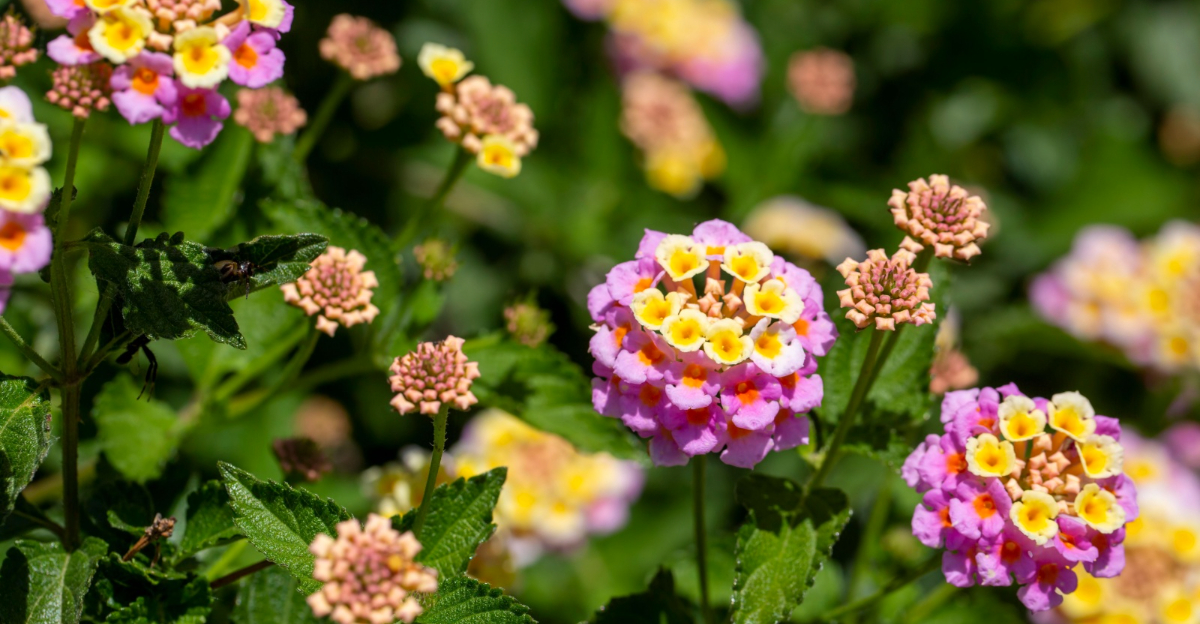
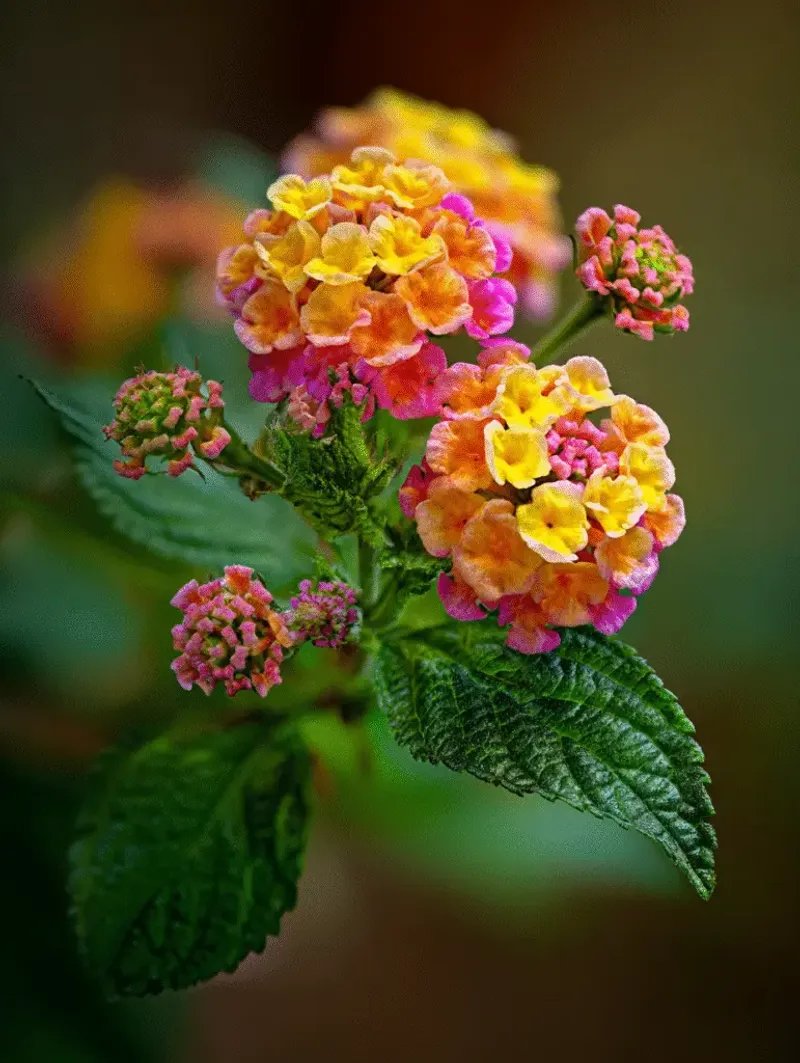
Lantana shows up to the party looking absolutely incredible. Those clusters of bright, color-shifting blooms are basically the life of the summer garden, and Ohio gardeners know it.
There’s a reason these plants fly off the shelves at garden centers every June. But here’s the thing: a lot of lantana plants start the season strong and then quietly lose their spark by midsummer, and most gardeners have no idea why.
Spoiler: it’s usually something small and totally fixable. Lantana is not a high-maintenance plant, but it does have opinions about how it’s treated.
Get a few key things right and it will reward you with nonstop color from June straight through September. Get them wrong and you’ll be staring at a lot of green and not much else.
Let’s fix that.
1. Full Sun Keeps Lantana Blooming Strongest
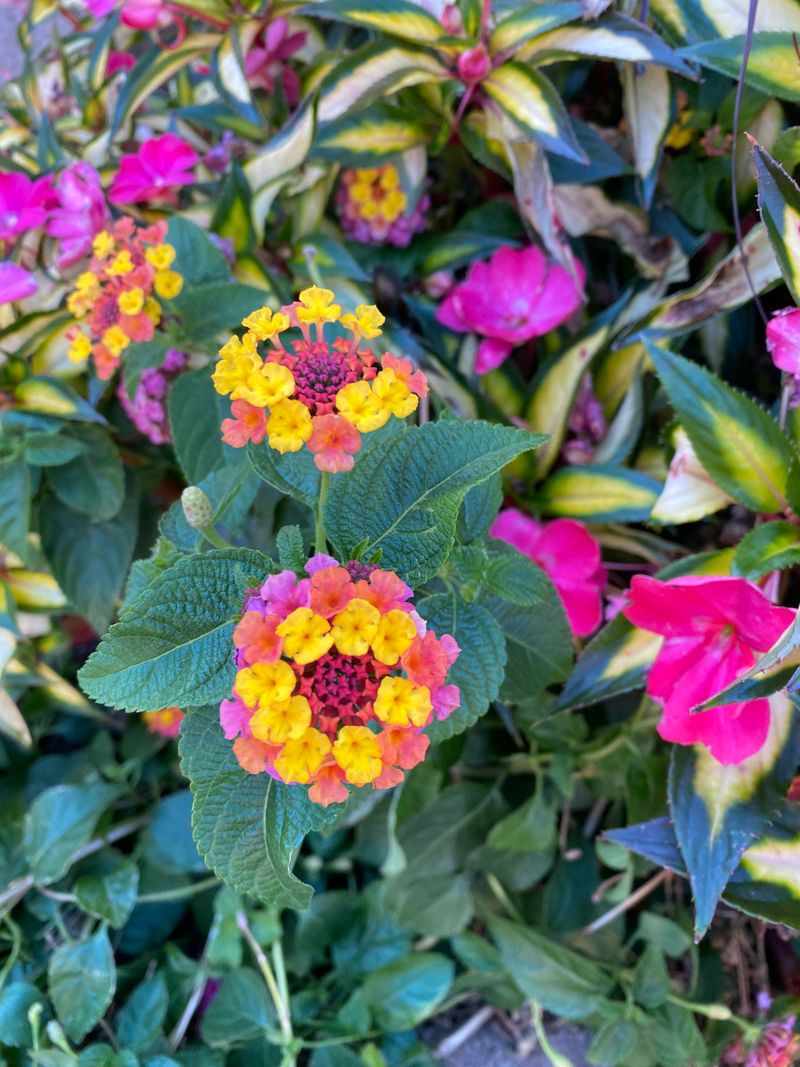
Patio pots and sunny borders in Ohio are where lantana really comes into its own. This plant is built for heat and light, and it rewards gardeners who give it a spot that gets at least six to eight hours of direct sun each day.
When lantana gets the light it craves, the flower clusters stay full and colorful from early summer well into fall.
When plants are placed in partly shaded spots, the stems tend to grow longer and leggier while the blooms become sparse.
Ohio summers offer plenty of sunny days, especially from June through August, and lantana takes full advantage of that warmth and brightness when positioned correctly.
A south- or west-facing bed or container spot is often a strong choice.
Gardeners who notice their lantana producing fewer blooms than expected should first check how many hours of sun the plant actually receives.
Trees, fences, or nearby structures can cast more shade than expected, especially as summer progresses and the sun angle shifts.
Moving a container to a sunnier location or choosing a brighter spot in the garden can make a noticeable difference in how consistently lantana blooms through the hottest part of the summer season.
2. Good Drainage Matters More Than Many Gardeners Expect
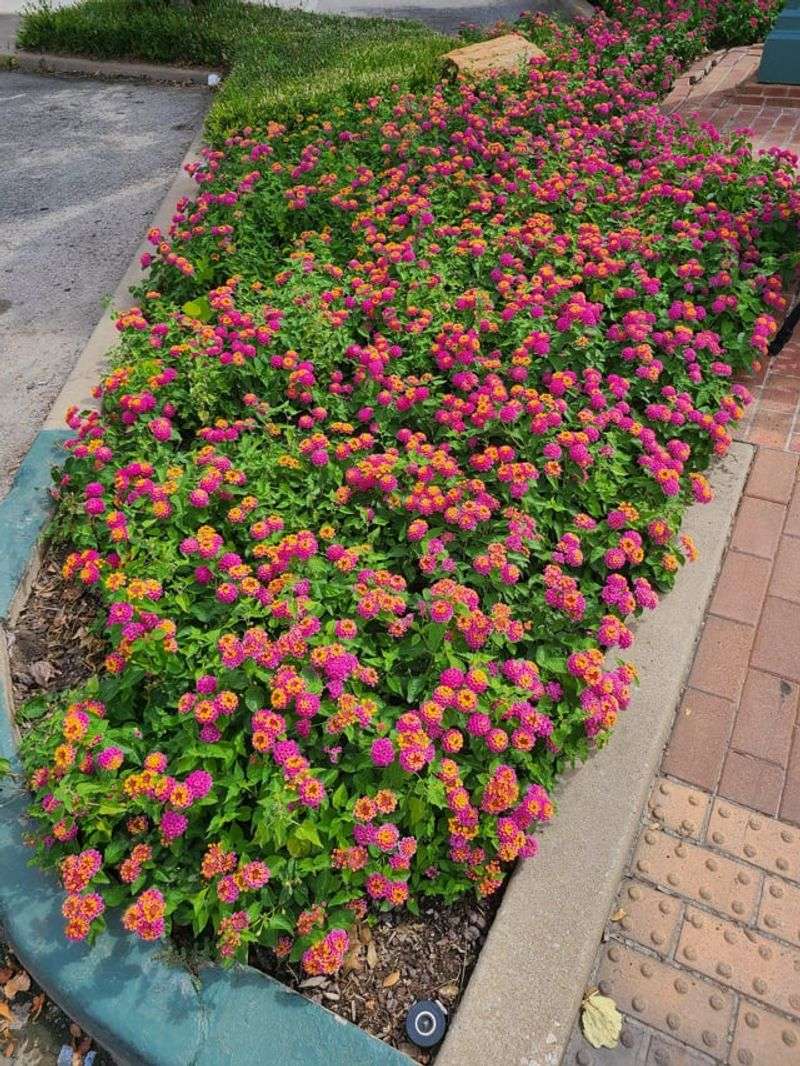
Soggy roots are one of the quieter problems that can cut lantana’s bloom production without obvious warning signs. Lantana originates from warm, dry regions, and it performs best in soil that drains freely after rain or watering.
In Ohio, where summer storms can drop a lot of rain in a short time, poor drainage can become a real issue for plants growing in heavy clay soils.
Many yards have soil with a higher clay content, which holds moisture longer than lantana prefers. Amending planting beds with compost or coarse material before planting can help improve drainage and give roots a more comfortable environment.
Raised beds are another option that works well for gardeners dealing with heavy or compacted soil.
Signs that drainage may be a problem include yellowing lower leaves, soft stems near the base, or a general lack of energy in the plant despite adequate sun and care. These symptoms often point to roots sitting in moisture longer than they should.
Your Ohio Garden Changes Every Week. Your Plan Should Too.
Gardening in Ohio changes quickly throughout the season. Every Friday you’ll receive a simple weekly plan showing exactly what to plant, prune, fertilize, harvest, and protect so you never miss the right timing.
Choosing a slightly elevated planting spot in the landscape, or mixing in organic matter to loosen the soil structure, can help lantana stay healthier and more productive.
When roots are comfortable and not waterlogged, the plant can focus its energy on producing the steady stream of blooms that makes it so popular in Ohio home gardens.
3. Too Much Water Can Lead To Fewer Blooms
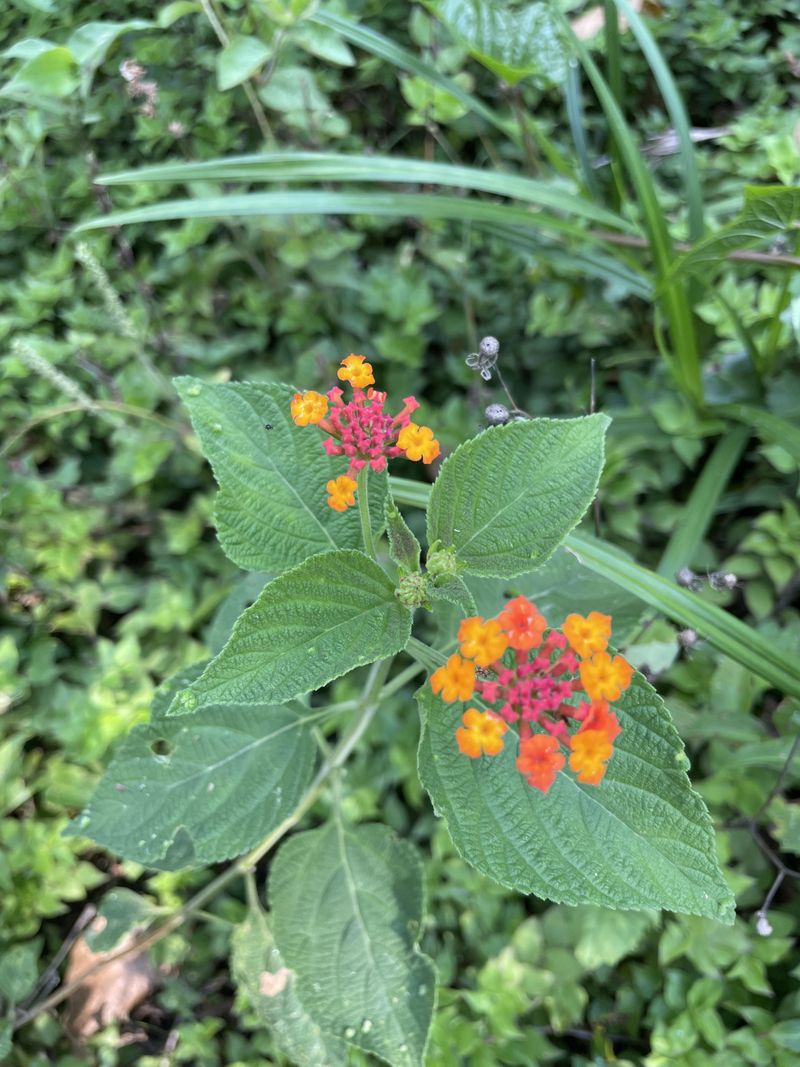
Watering habits have a bigger effect on lantana bloom production than many gardeners realize. Unlike some annuals that thrive with consistent moisture, lantana actually responds well to letting the soil dry out somewhat between waterings.
Keeping the soil constantly wet can suppress flowering and make the plant focus more on foliage than on producing new flower clusters.
During Ohio’s summer months, rainfall can vary quite a bit from week to week. In wetter periods, lantana in the ground may need little to no supplemental watering.
Checking the soil before reaching for the hose is a simple habit that can prevent overwatering, which is one of the more common reasons lantana underperforms in home landscapes.
A good general approach is to water when the top inch or two of soil feels dry to the touch. Established lantana plants in garden beds tend to be fairly drought-tolerant once they have settled in, and they can handle short dry spells without much trouble.
Container plants dry out faster and need more frequent attention, but even those should not be kept constantly saturated.
Letting lantana experience slight dryness between waterings mimics the conditions it naturally prefers and often encourages more consistent blooming through the warmest and driest stretches of the summer.
4. Too Much Fertilizer Can Cut Down On Flowers
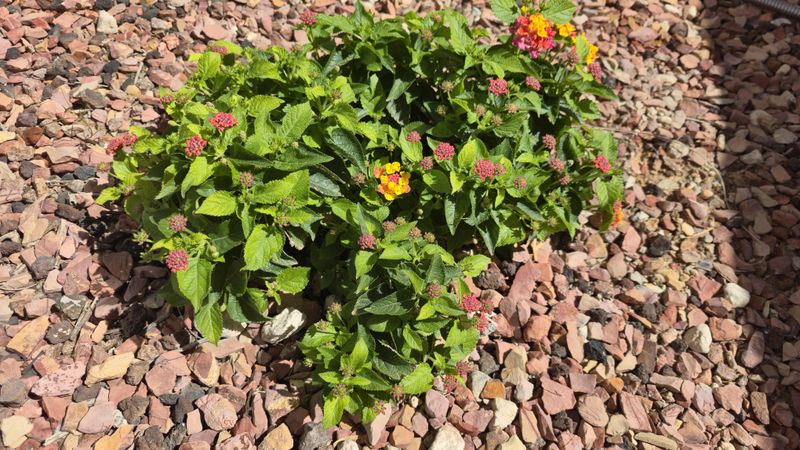
It might seem like feeding lantana more would lead to more blooms, but the opposite is often true.
Lantana is not a heavy feeder, and applying too much nitrogen-rich fertilizer tends to push the plant toward producing lush green growth at the expense of flowers.
Gardeners who regularly fertilize with a high-nitrogen product may find their lantana looking bushy and full of leaves but disappointingly short on blooms.
In Ohio, where the growing season runs from late spring through early fall, a light and balanced approach to fertilizing works better for lantana than aggressive feeding schedules.
A slow-release granular fertilizer applied at the time of planting can provide a steady, gentle supply of nutrients without overwhelming the plant.
If additional feeding seems needed mid-season, a diluted liquid fertilizer used sparingly is usually enough.
Watching how the plant responds is a good way to calibrate feeding. Healthy lantana with steady bloom production likely does not need much additional fertilizer through the season.
If the plant shows pale leaves or very slow growth, a modest boost may help, but the focus should stay on phosphorus and potassium rather than nitrogen.
Keeping fertilizer applications moderate helps lantana channel its energy toward flowering rather than leafy overgrowth, which is exactly what most gardeners are hoping to see all summer long.
5. A Midseason Trim Can Refresh Tired Plants
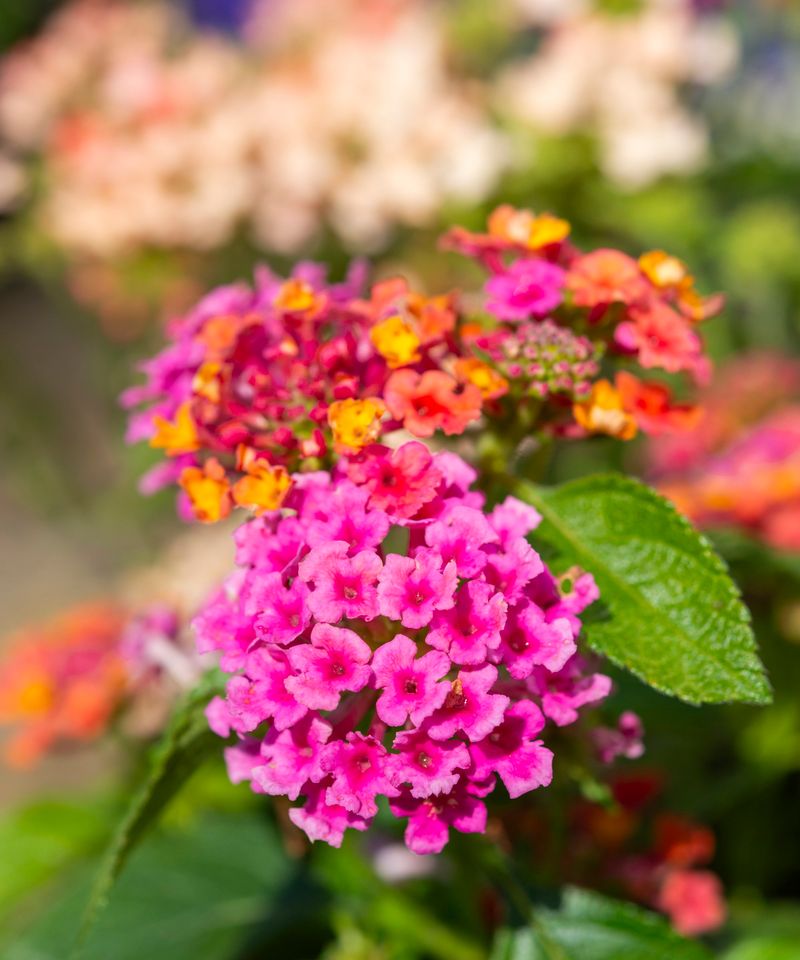
By midsummer, even well-cared-for lantana can start to look a bit worn out. Stems may get leggy, spent flower heads can pile up, and the overall shape of the plant sometimes becomes loose and sprawling.
A light trim at this point in the season can do a lot to encourage a fresh flush of blooms and give the plant a tidier, more compact appearance.
Pruning lantana does not need to be complicated. Cutting back stems by about one-third, removing faded flower clusters, and shaping up any particularly long or unruly branches is usually enough to stimulate new growth and renewed flowering.
In Ohio, where summer stretches from June well into September, there is plenty of warm weather left after a midsummer trim for the plant to recover and bloom again.
Deadheading, or removing spent flower heads before they form seeds, is another simple practice that encourages lantana to keep producing new blooms rather than putting energy into seed development.
Some gardeners make a habit of doing a quick pass over their lantana every week or two to remove fading flowers.
Combined with a light trim when the plant starts to look tired, this kind of routine maintenance can keep lantana looking fresh and colorful through the rest of the summer without much extra effort or expense.
6. Heat Is One Of Lantana’s Biggest Strengths
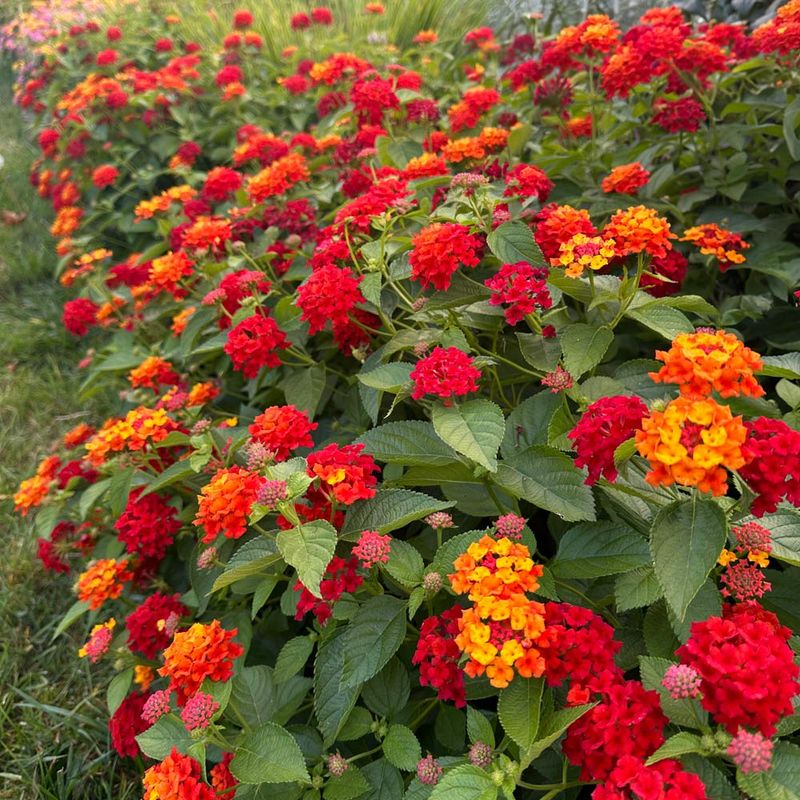
Some annuals struggle when Ohio summers turn brutally hot, but lantana tends to thrive in those conditions. While other plants in the garden wilt, fade, or stop blooming during heat waves, lantana keeps going.
That heat tolerance makes it a standout choice for spots like south-facing entry beds, hot driveway borders, or sun-baked patio containers where few other plants hold up well.
Lantana’s origins in warm tropical and subtropical regions explain its comfort with high temperatures. Ohio summers, especially in July and August, can bring extended stretches of heat that challenge many popular annuals.
Lantana handles those stretches with much more ease than plants that prefer cooler or more moderate conditions, making it a reliable source of color during the hottest weeks of the season.
Gardeners who want consistent summer color in the warmest parts of their yard often find lantana to be one of the best options available.
It tends to bloom more freely as temperatures climb rather than shutting down, which is the opposite of what happens with cool-season plants.
That said, even heat-loving plants benefit from adequate moisture during extreme dry spells, so checking containers and beds during prolonged hot stretches is still a smart habit.
Lantana’s heat tolerance is a genuine asset, but pairing it with reasonable care keeps it performing at its best through the summer.
7. Containers Need More Careful Moisture Management
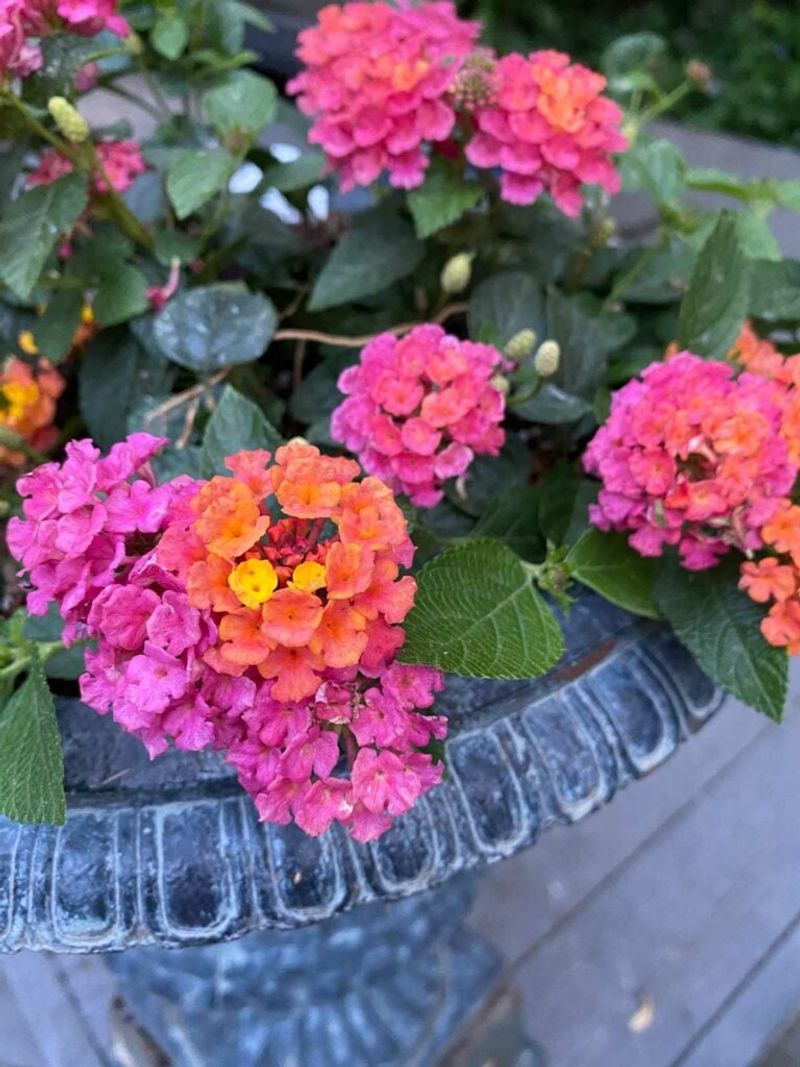
Growing lantana in containers is popular among Ohio gardeners who want flexible, movable color on patios, porches, and decks. Pots and planters warm up quickly in the sun, which lantana loves, but they also dry out much faster than garden beds.
That faster drying cycle means container-grown lantana needs closer attention to moisture than plants growing in the ground.
The key is finding a balance between keeping the roots hydrated and avoiding the waterlogged conditions that suppress blooming.
Checking containers every day or two during hot summer weather is a reasonable habit, especially for smaller pots that dry out quickly.
Using a high-quality potting mix with good drainage properties helps prevent water from pooling around the roots, which can be a problem if the mix becomes compacted over time.
Containers with drainage holes are important for lantana because they allow excess water to escape freely. Pots without drainage can hold moisture at the bottom even when the surface soil feels dry, which creates conditions the plant does not handle well.
In summer heat, a lantana in a well-draining container placed in full sun will often outperform one in a shaded spot or a pot with poor drainage.
Paying attention to how quickly each container dries out and adjusting watering frequency accordingly is one of the most practical steps container gardeners can take to keep lantana blooming consistently all season.
8. Planting After Frost Helps Lantana Settle In Faster
Timing the planting of lantana correctly in Ohio can make a real difference in how quickly the plant establishes and begins blooming.
Lantana is frost-sensitive, and setting it out too early in spring, before nighttime temperatures have settled above freezing, can set the plant back significantly.
Ohio’s last frost dates vary by location, generally falling somewhere between mid-April and mid-May depending on the region.
Waiting until after frost danger has clearly passed and soil temperatures have warmed gives lantana the best start possible. Cold soil slows root development and can stress young transplants in ways that affect their performance for weeks.
When planted into warm, well-drained soil under sunny skies, lantana tends to establish quickly and begin producing its first blooms within a few weeks.
Purchasing transplants from a local nursery or garden center after Mother’s Day is a common and practical approach for many home gardeners. By that point in the season, frost risk is low across most of the state and soil conditions are typically favorable.
Starting with a healthy, well-rooted transplant rather than a stressed or root-bound one also helps.
A plant that goes into the ground under good conditions in late May or early June has the entire summer ahead of it to bloom, and that extended growing window is one of the best things working in a gardener’s favor.