Surprising Ways Georgia Gardeners Can Use Rosemary Beyond Cooking
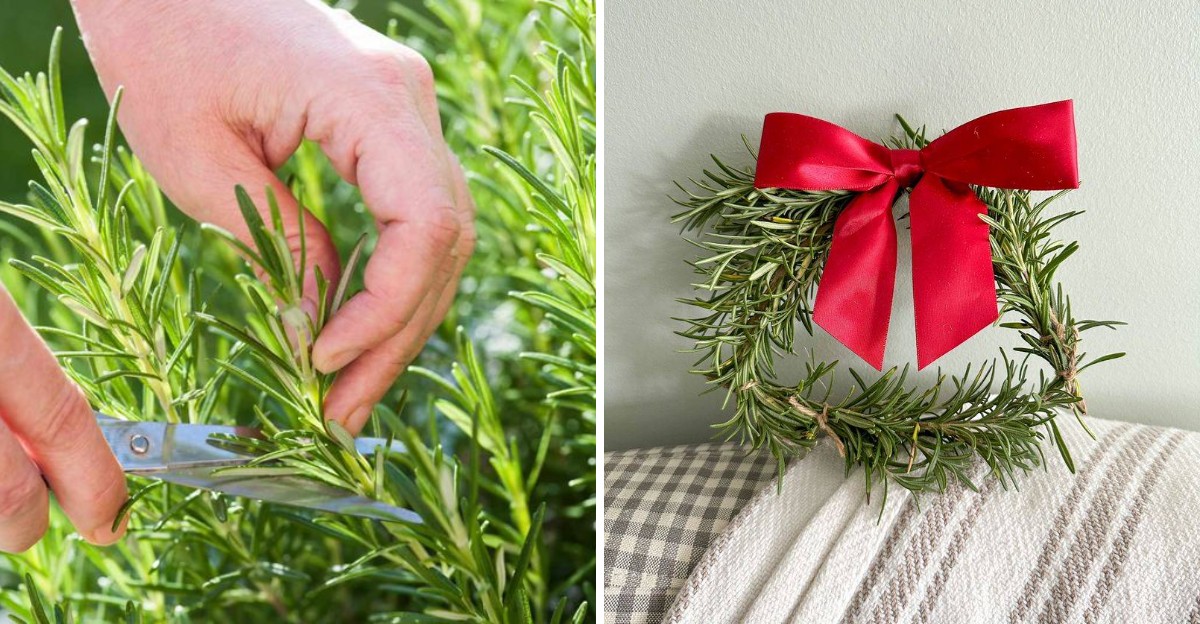
Most rosemary plants spend their lives getting snipped a few sprigs at a time for the kitchen. That leaves much of what this shrub can do in the yard untouched.
Established rosemary is tough, evergreen, and surprisingly useful in parts of the landscape that challenge other plants.
Its fragrant foliage tends to discourage deer, making it a smart choice near beds they like to raid.
Rosemary also blooms during cooler months in much of Georgia, offering flowers when bees have few other options. Flowers can appear on and off from fall into early spring.
Some uses take a little creativity, while others simply require putting the plant in a different spot.
Take a fresh look at the rosemary you already have, since it may be ready for a bigger role.
1. Its Uses Reach Well Past The Spice Rack
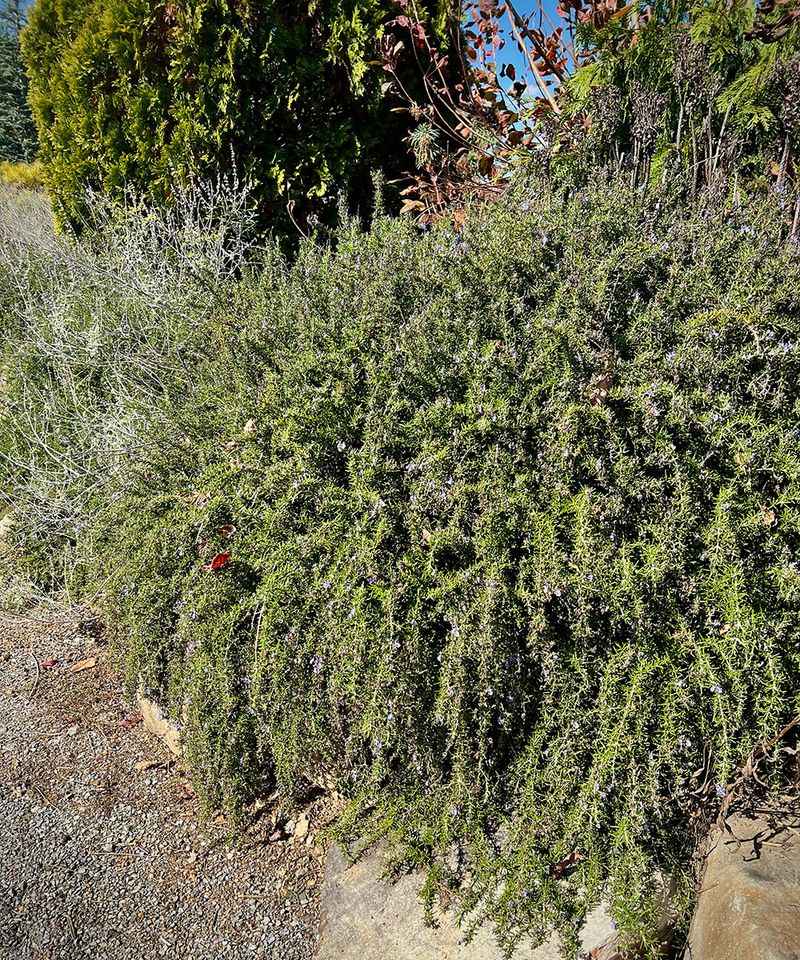
Think of rosemary as a shrub first and a seasoning second. Once it settles in, a healthy plant can grow into a woody, evergreen mound that holds its color all year.
That steady green is a real gift in Georgia landscapes, where many perennials fade back after the first hard frost.
Bees also seem to enjoy the small blue, pink, or white flowers. Bloom timing varies by variety and weather, but plants often flower from late winter into spring.
Deer usually leave rosemary alone, likely because of its strong scent and resin-rich leaves.
No plant is fully deer-proof, though, and a hungry deer in a dry year may nibble things it normally skips. Still, rosemary tends to hold up better than tender herbs in yards with frequent visitors.
Upright types work well as small hedges or anchors at the corner of a bed, while trailing types can spill over a retaining wall.
You can also tuck a plant into a large container on a sunny patio. A pot makes it easy to move rosemary closer to the door, where brushing past the leaves releases that clean, piney smell.
Beyond the garden, the clippings can become wreaths, sachets, and simple decorations, which we will cover later.
2. Traditional Uses Include Herbal Teas And Fragrant Hair Rinses
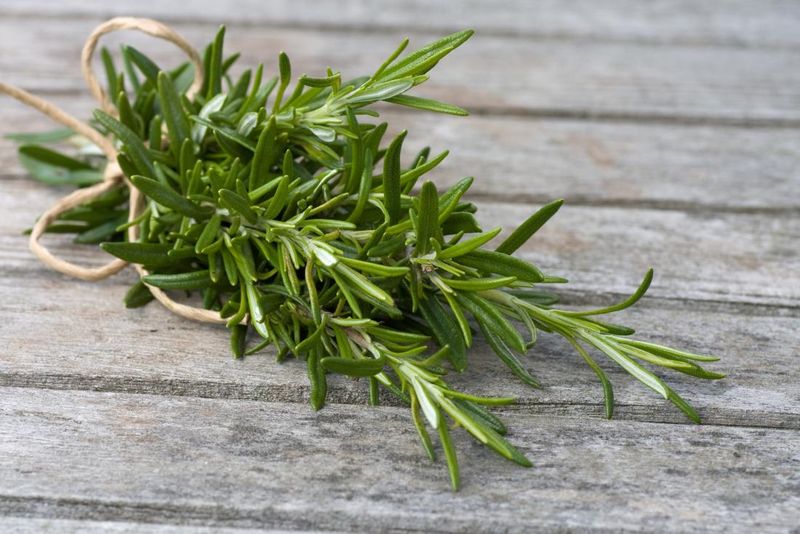
Long before rosemary showed up in grocery store packets, people brewed it, bundled it, and rinsed their hair with it.
A simple tea made by steeping fresh sprigs in hot water is one of the oldest home traditions tied to this herb. People mainly enjoy it for the warm, woodsy flavor and the cozy ritual of brewing something from their own yard.
Only drink tea from rosemary that you grow and handle as a food plant.
Skip plants treated with pesticides not labeled for edible herbs, and avoid ornamental shrubs from nurseries unless you know how they were grown. Roadside or parking lot plantings are not good picks either.
Hair rinses are another old custom. Folks have cooled rosemary-infused water and poured it over freshly washed hair, mostly for the scent and the shine they felt it gave.
Treat both of these as traditions rather than treatments, since rosemary is not a substitute for medical care.
Your Georgia Garden Changes Every Week. Your Plan Should Too.
Gardening in Georgia changes quickly throughout the season. Every Friday you’ll receive a simple weekly plan showing exactly what to plant, prune, fertilize, harvest, and protect so you never miss the right timing.
Anyone who is pregnant, takes medication, or has a health condition should check with a doctor before drinking herbal teas regularly. A small patch test on the skin is also smart before trying a rinse.
For most Georgia gardeners, the real joy here is simple. Your own shrub can give you a fresh cup or a fragrant rinse with just a few snips.
3. Hardier Varieties Like Arp Handle Colder Northern Winters
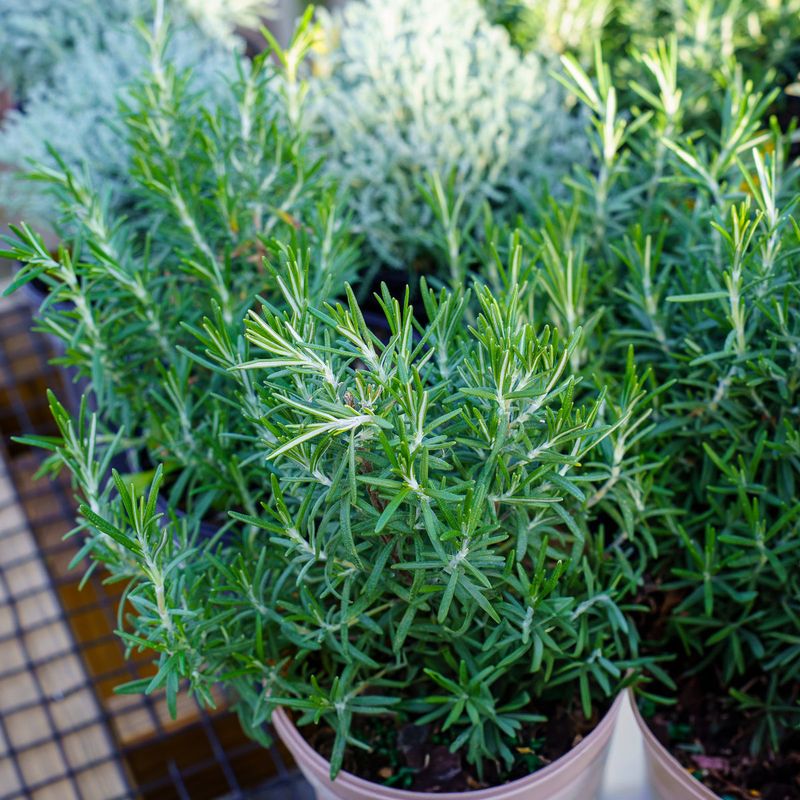
Cold snaps catch rosemary growers off guard more often than heat does, especially in the northern part of the state.
North Georgia mountain areas can see winter lows that damage many common rosemary types. Gardeners in those spots often turn to Arp, a variety known for better cold tolerance than most.
Arp was found in Arp, Texas, and it has a slightly more open, upright habit with grayish-green leaves.
Better tolerance does not mean the plant is winterproof. Harsh winters, wet soil, and drying winds can still cause damage, even to Arp, so results vary from yard to yard.
Placement helps a lot. A spot near a south-facing wall or a sheltered corner can stay a bit warmer and drier than an open, low-lying bed where cold air collects.
Planting in spring gives roots a full season to settle before winter arrives.
In the Piedmont and coastal areas, many standard varieties come through winter fine in most years. Even there, an unusual freeze can scorch tips or harm young plants.
If you live in a colder pocket, growing a backup plant in a container is a practical move. You can slide the pot into a garage or bright, unheated porch during the harshest stretches and bring it back out once the weather eases.
4. Sharp Drainage And Full Sun Matter More Than Rich Soil
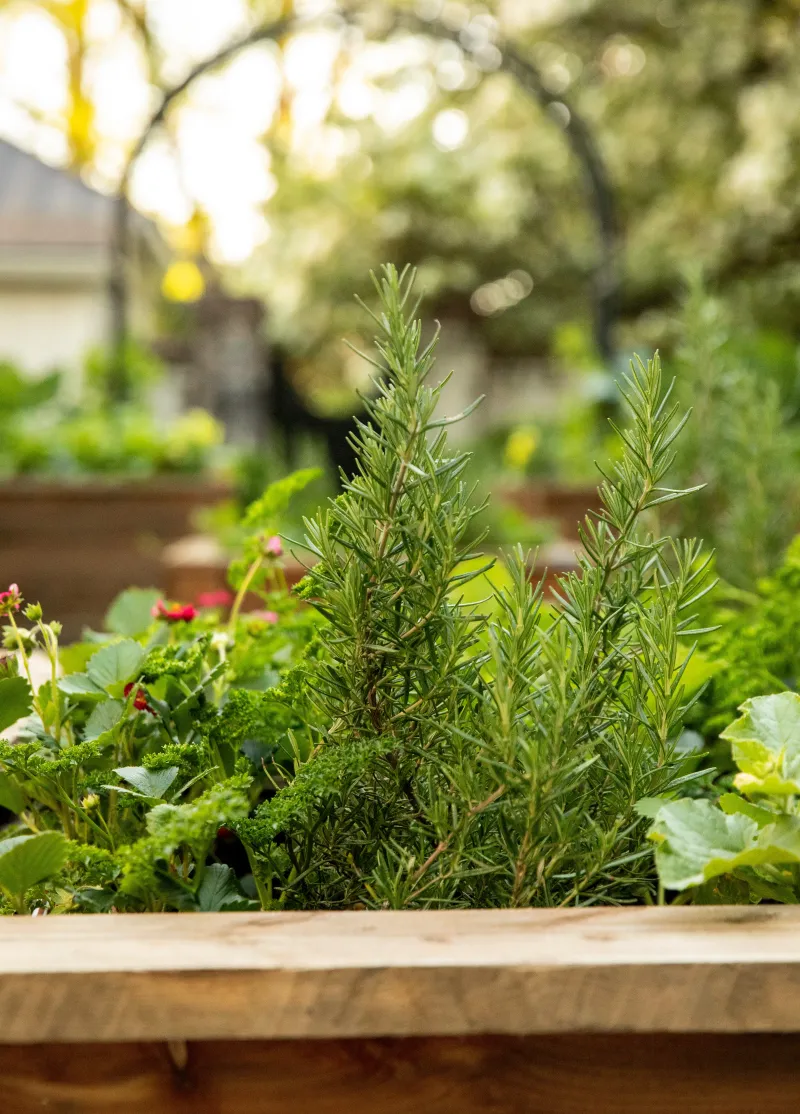
Rich, fluffy garden soil sounds like a treat, yet rosemary often grows better in something lean and gritty.
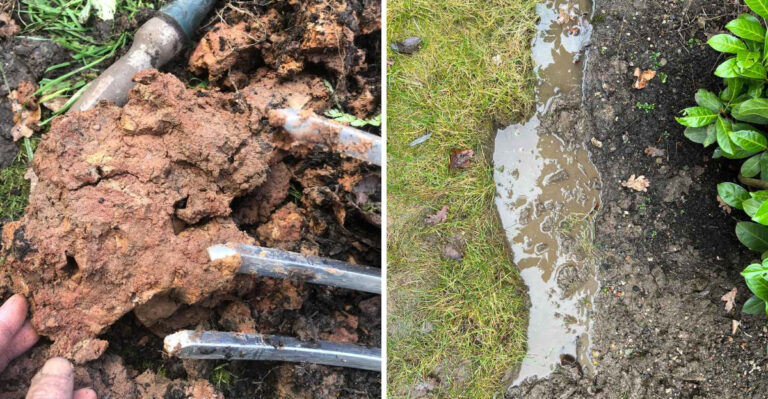
Its roots come from dry, rocky Mediterranean hillsides, so soggy ground causes far more trouble than poor fertility. Heavy red clay, which covers much of Georgia, can hold water around roots for days after a storm.
Raised beds, mounds, or slopes give extra water a way to move off.
Mixing in coarse material like pine bark fines or expanded shale can help loosen clay. Plain sand added to clay in small amounts may actually make drainage worse, so it is not a reliable fix on its own.
Sunlight is the other big piece. Aim for at least six hours of direct sun, and more is usually better.
Plants in partial shade tend to get leggy and thin, with weaker fragrance and fewer blooms.
Spacing matters too in humid weather. Leaving room around each plant lets air move through the branches, which helps leaves dry faster after rain or heavy dew.
Go easy on fertilizer.
Extra nitrogen can push soft, floppy growth that is more prone to problems. A light hand, or no feeding at all in decent soil, tends to keep rosemary compact and aromatic.
5. Overwatering Often Causes More Trouble Than Dry Spells
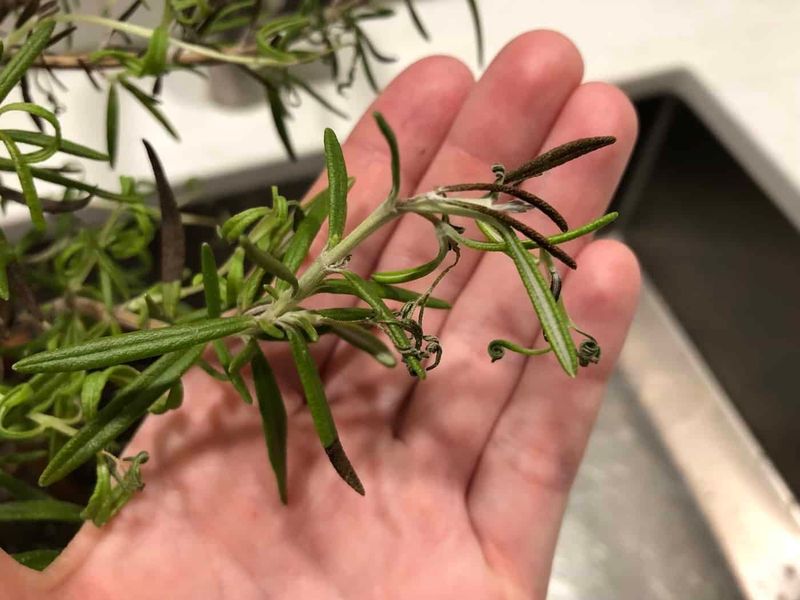
Kind intentions can drown a rosemary plant. Gardeners who water herbs on a set schedule often discover rosemary wants far less than basil or parsley.
Soggy soil starves roots of air and can open the door to root rot.
Early signs can be confusing, since yellowing, browning, or wilting may also come from drought, cold injury, or pests. Checking the soil before watering is the best way to sort it out.
Push a finger a couple of inches into the ground or pot. If it still feels damp, wait.
Newly planted rosemary does need regular water while roots spread into the surrounding soil.
Once established, in-ground plants in Georgia often get by on rainfall through much of the year. During long, hot dry spells, a deep soak every so often usually works better than frequent light sprinkles.
Containers dry faster, so they may need water more often in summer.
Use pots with drainage holes and skip saucers that trap standing water. Terracotta can help because it breathes and lets moisture escape through its walls.
Mulch deserves a careful look as well. A thin layer of gravel or keeping wood mulch pulled back from the base helps the crown stay drier, which matters a lot in humid summers.
6. Snipping Sprigs Regularly Keeps Plants Bushy And Productive
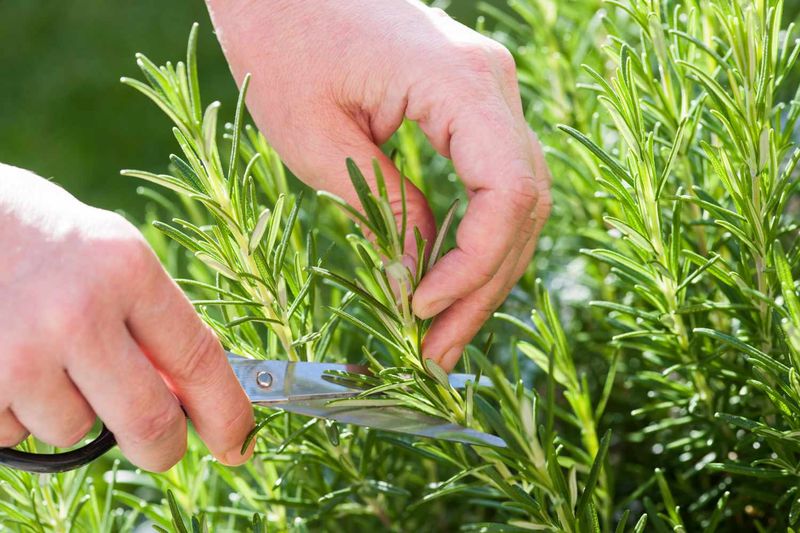
Grab your snips and go easy. Light, frequent harvests shape rosemary better than one big haircut ever could.
When you clip a soft green tip, the plant often responds by pushing out new shoots just below the cut. Over time, that branching creates a fuller, rounder shrub with more sprigs to use.
Cut just above a pair of leaves on green, flexible stems.
Avoid cutting deep into old, bare, woody stems. Rosemary often struggles to sprout new growth from those older sections, which can leave lasting gaps.
A good habit is taking no more than about a third of the plant at one time.
Spring through early fall is generally the busiest harvest window, when growth is active. Heavy pruning late in the season may trigger tender new shoots that are more easily hurt by cold.
Gardeners in north Georgia may want to be extra cautious with fall cutting for that reason. Small snips for the kitchen or a craft project are usually fine.
Morning is a pleasant time to harvest, once dew has dried but before afternoon heat.
Clean, sharp tools make neat cuts and lower the chance of spreading problems between plants. A quick wipe of the blades between shrubs is an easy step worth adding to your routine.
7. Hedges Wreaths And Sachets Put Extra Harvest To Good Use

Extra rosemary piling up on the counter? Put it to work around the house instead of letting it wilt in a jar.
Wreaths are a fun place to start. Fresh, flexible sprigs bend easily around a wire or grapevine form, and you can tie them on with floral wire in overlapping bundles.
Expect a fresh wreath to dry and fade over a few weeks, depending on humidity and sun exposure.
Sachets take even less effort. Dry sprigs by hanging small bundles upside down in a shady, airy room, then strip the leaves into cloth bags for drawers or closets.
The scent is pleasant, though it gradually weakens and will need refreshing.
Some people tuck sprigs into bouquets or tie them onto gift wrap. Others toss a few woody stems onto the grill for a smoky aroma.
Living hedges are a bigger project. Upright varieties can form a low, informal border along a sunny walk if spaced to allow good airflow.
Shaping a hedge should rely on steady light trims rather than hard shearing into old wood.
Across Georgia, a rosemary hedge can be a handy source of clippings all year. You get a tidy border and a constant supply of craft material from the same plants.