8 Signs Your California Christmas Cactus Is About To Set Buds
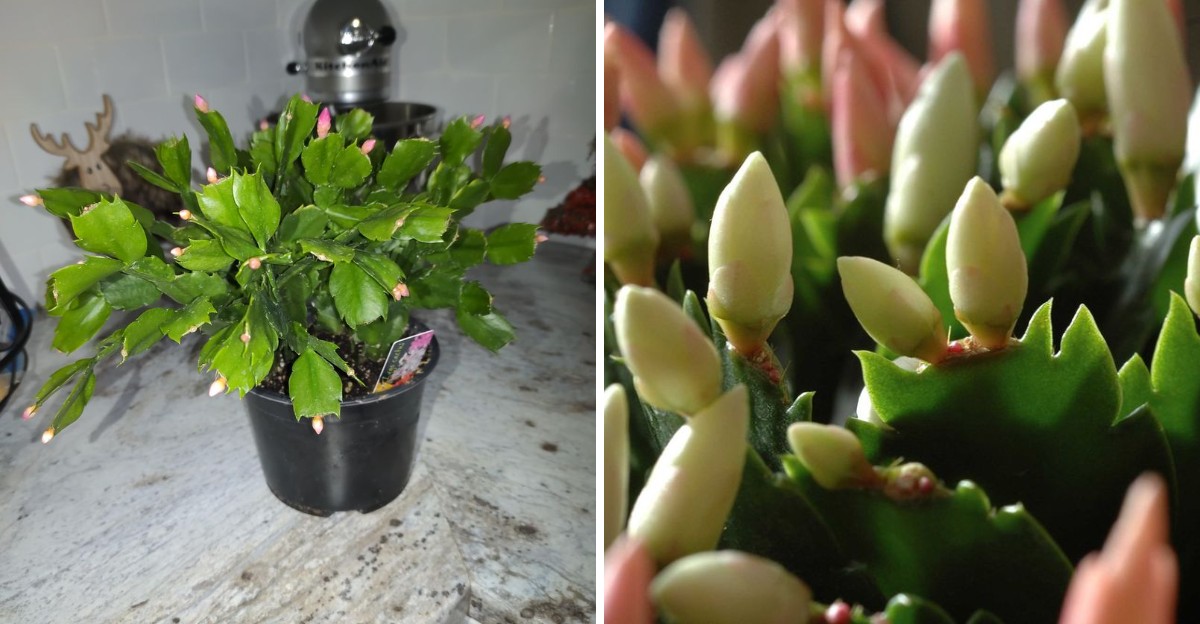
Your Christmas cactus is not just sitting there looking pretty. It is quietly doing something quite significant, and most gardeners completely miss it because a warm October afternoon does not exactly scream holiday blooms are coming.
Fall in California is sneaky that way. The days are getting shorter, the nights are cooling down, and inside that pot on your windowsill a whole series of small but very meaningful changes are already underway.
The exciting part is that your plant actually gives you signals before the buds appear, little clues that tell you exactly what is coming if you know what to look for.
Some of them are visible, some are subtle, and at least one of them is happening in the soil where you cannot even see it.
Let’s talk about all of them.
1. Cooler California Nights Arrive
Your grandma might have said her holiday cactus knew the calendar better than she did. She was partly right, because these plants react to temperature more than dates.
Once nights in California drop to around 50 to 60 degrees, your cactus gets a signal. Those cooler hours tell the plant that winter is near and it is time to make flowers.
Coastal towns like San Diego may not cool down until late October or November. Inland spots like Sacramento often get chilly nights a few weeks sooner.
Keep an eye on your local weather app each evening. When you see a steady run of cool nights, your plant is likely starting its bud plan.
Here is a handy trick if your home stays warm. Move the pot to a cooler room, a garage with a window, or a shaded porch for a few weeks.
Just watch out for frost, which can harm the tender stems. Bring the plant inside if temperatures dip below 45 degrees.
Fun fact: these plants come from the mountains of Brazil, where cool, misty nights are normal. Copying that mountain chill helps your cactus feel right at home.
Steady cool evenings are often the very first clue. Once they show up, the rest of the signs tend to follow over the next several weeks.
2. Shorter Days Change Its Mood
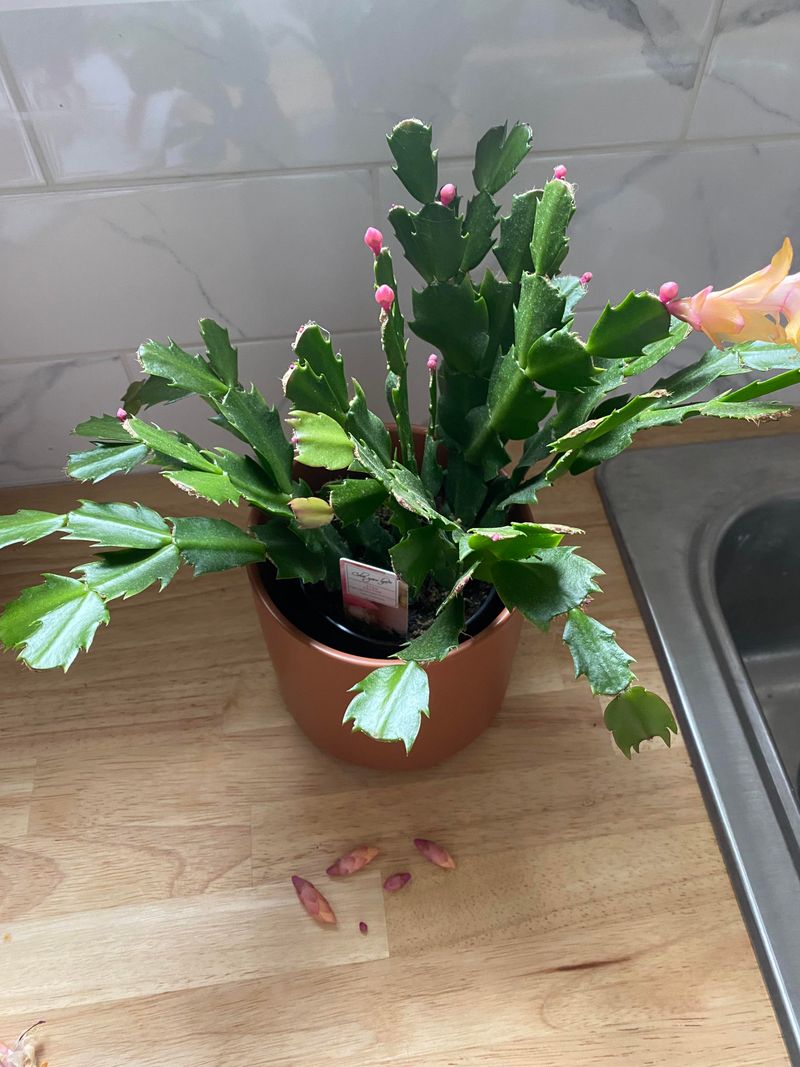
Darkness is a strange gift to give a plant, yet your cactus craves it. Around 12 to 14 hours of darkness each night helps trigger blooms.
As fall settles over California, daylight shrinks a little each day. Your plant notices this shift long before you do.
The tricky part is indoor light. A lamp, TV glow, or porch light can confuse the plant and delay buds.
Try placing your cactus in a spare bedroom or a quiet corner that stays dark after sunset. Some people even cover the plant with a cardboard box from evening until morning.
Do this for about six weeks starting in late September or October. Remove the box each morning so the plant still gets bright, indirect light during the day.
You may notice the leaves look a touch more relaxed and less stretched toward the window. That calmer posture often means the plant is settling into its rest season.
Your California Garden Changes Every Week. Your Plan Should Too.
Gardening in California changes quickly throughout the season. Every Friday you’ll receive a simple weekly plan showing exactly what to plant, prune, fertilize, harvest, and protect so you never miss the right timing.
Kids can help with this job too. Turning the box into a nightly bedtime routine makes plant care feel like tucking in a pet.
Once the dark hours line up with the cool nights, you have two strong signs working together. That combo gives your plant the best chance at a bright holiday show.
3. Growth Slows Down In Fall
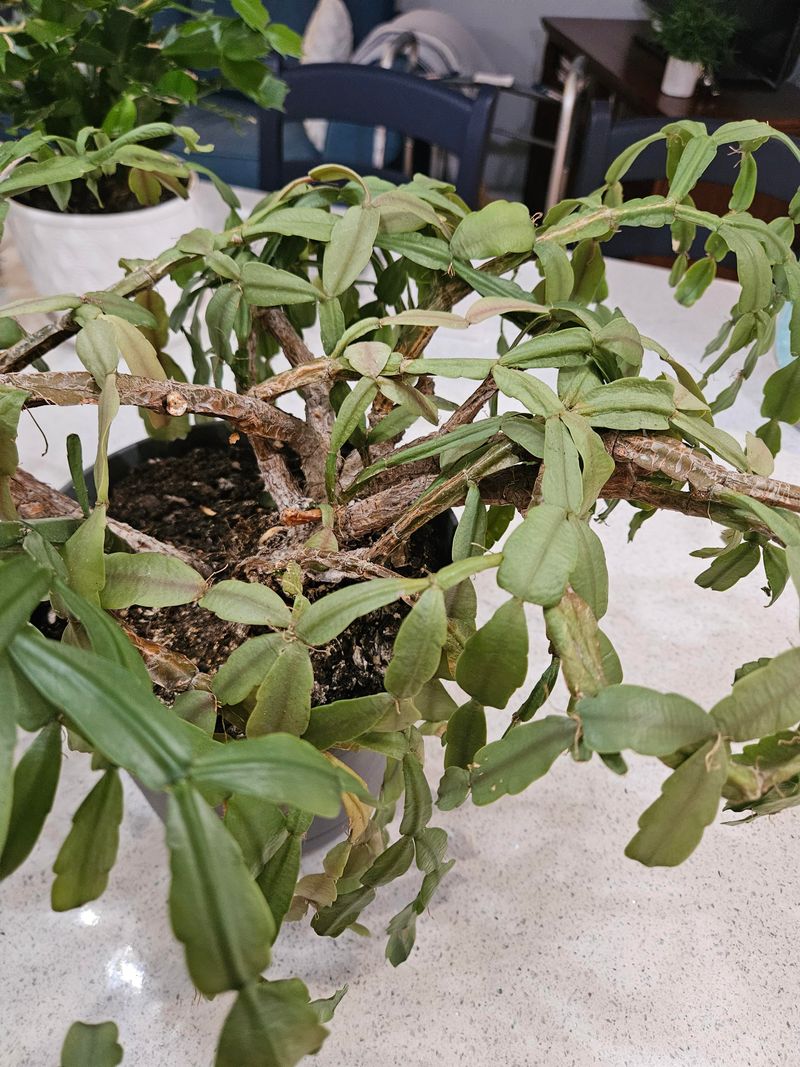
All summer long, your cactus probably kept adding new flat segments like a kid outgrowing shoes. Then one day, it seems to just stop.
Do not worry, because that pause is a good thing. A slowdown in leafy growth often means the plant is saving energy for flowers.
In California, warm summers push lots of fresh, bright green segments. By early fall, those new pads stop showing up as often.
Take a close look at the tips of each stem. If you see no pale, baby segments for a few weeks, your plant is likely shifting gears.
This is a smart time to stop feeding it fertilizer. Extra food can push more leaves instead of buds, which is not what you want right now.
Also go easy on repotting during this stage. Moving the roots can stress the plant and make it skip blooming this year.
A simple way to track changes is to snap a photo every week. Comparing pictures side by side makes small changes much easier to see.
Think of this quiet phase as your plant taking a deep breath. It is resting up before putting on its big holiday performance, so let it relax without too much fuss.
4. Tiny Bumps Pop Up On Stem Tips
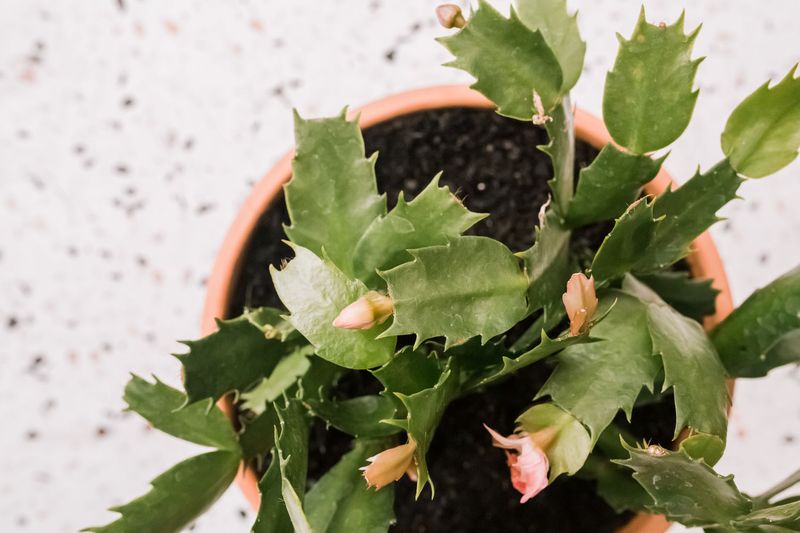
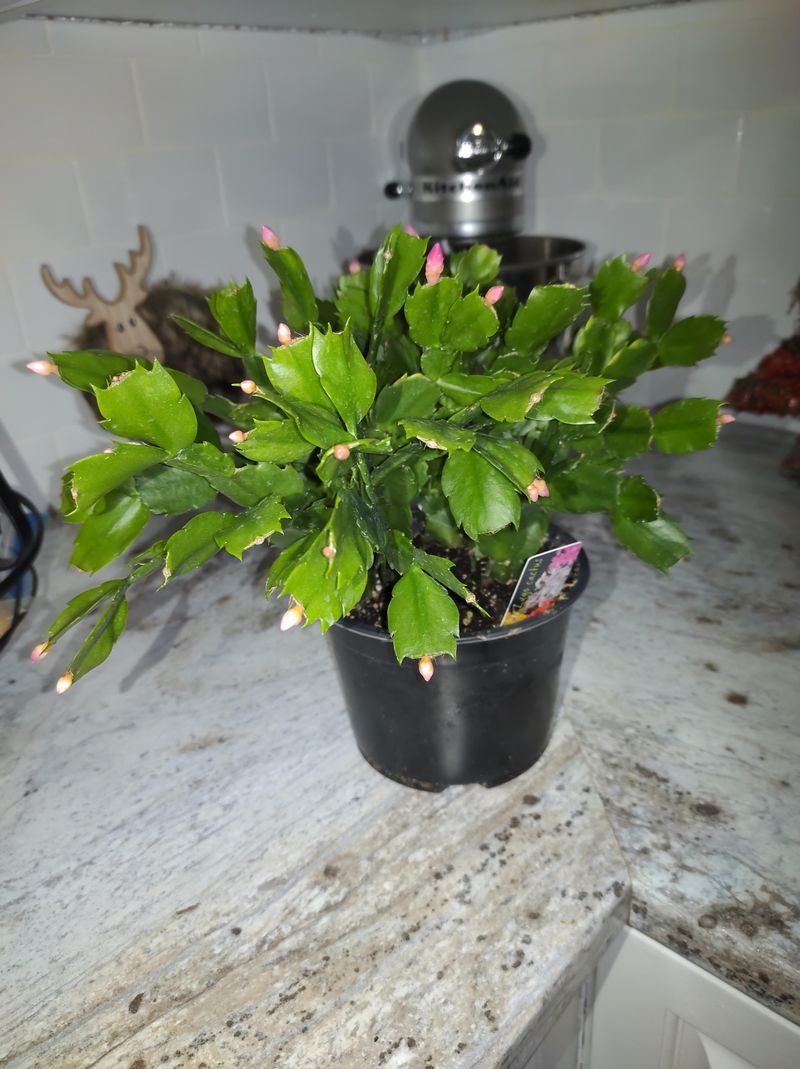
Grab a magnifying glass, because the next clue is small. Tiny bumps at the very ends of the stems are often the first real buds.
At first, they look like little pink or reddish dots. Some people mistake them for new leaves, but buds are rounder and more colorful.
Many California growers spot these bumps in late October or November. The timing depends on how cool and dark your plant’s spot has been.
New leaves usually look flat and green from the start. Buds look plump, almost like tiny beads, and they point outward from the tip.
Once you see them, hold off on moving the plant around. Sudden changes in light or temperature can cause those baby buds to drop off.
Keep watering on a steady schedule, letting the top inch of soil dry first. Too much or too little water can upset the buds at this delicate stage.
Did you know a healthy plant can produce dozens of buds at once? A single stem tip might even hold two or three of them.
Spotting these bumps feels like finding a surprise present early. Give yourself a little cheer, because the hardest waiting part is nearly over.
5. Leaves Take On A Reddish Blush
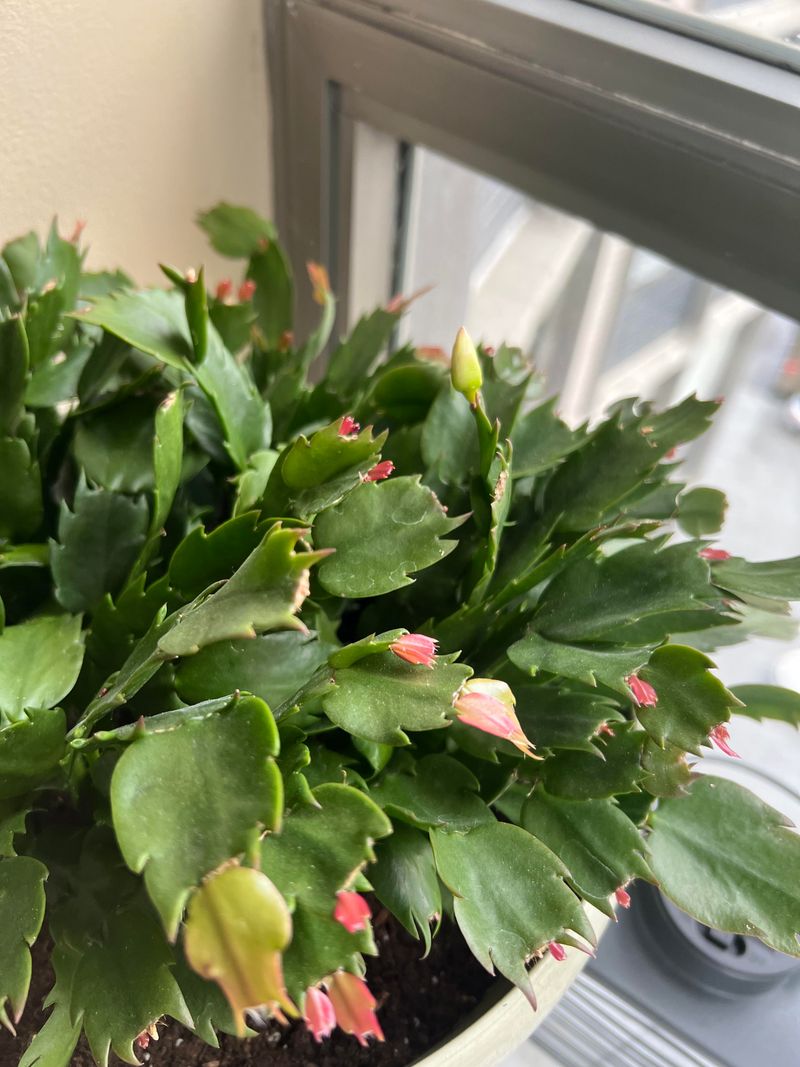
Sometimes your cactus seems to blush like it heard a compliment. A light red or purple tint along the leaf edges can show up in fall.
That color often comes from cooler temperatures and brighter autumn light. In California, the clear fall sunshine can bring out this rosy look.
A soft blush is usually a sign of mild stress that helps prompt blooms. Think of it like a nudge telling the plant to get ready.
Still, too much color can mean trouble. Deep purple leaves that look limp might mean the plant is getting too much direct sun.
Check where your pot sits during the hottest part of the day. Bright, indirect light is ideal, so a sheer curtain can help if sun beams in hard.
Also consider the roots. A plant that sits in soggy soil or is badly root-bound may change color for less cheerful reasons.
Gently tip the pot and check that the drainage hole is clear. A quick fix there can keep your plant healthy through bloom season.
When the blush is light and the leaves stay firm, smile and let it be. Your plant is simply dressing up a bit before the main event.
6. Soil Stays Moist Longer In Fall
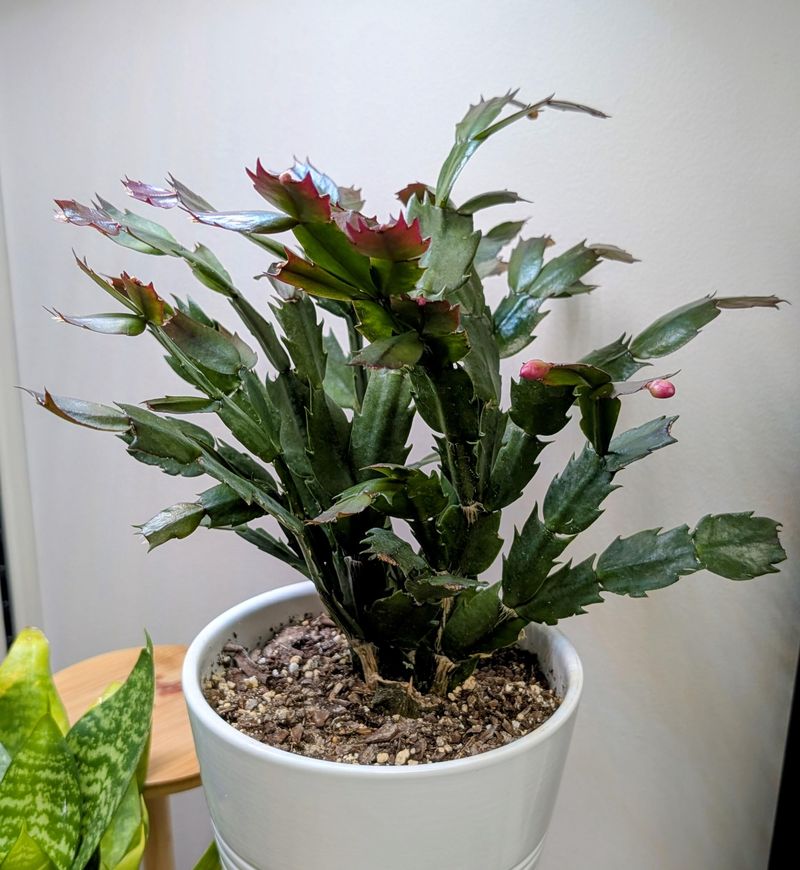
Here is a sneaky clue that lives below the surface. During fall, your plant may drink less water than it did in summer.
That happens because slower growth means the roots need less moisture. Cooler California days also mean less water escapes from the soil.
Stick your finger about an inch into the dirt. If it still feels damp several days after watering, your plant has shifted into bud-making mode.
Adjust your routine to match. Many people water every week in summer, then switch to every ten to fourteen days in fall.
Overwatering at this point can cause root rot and dropped buds. It is better to wait an extra day than to drown the roots.
A cheap moisture meter can take the guessing out of this. Kids love checking the little needle, and it makes a fun daily chore.
Remember that dry Santa Ana winds can change things fast in Southern California. During a windy spell, the soil may dry out quicker than usual, so check more often.
Paying attention to the soil helps you work with your plant, not against it. A happy root system is the secret behind a pot full of bright blooms.
7. Buds Swell And Show Color In California Homes
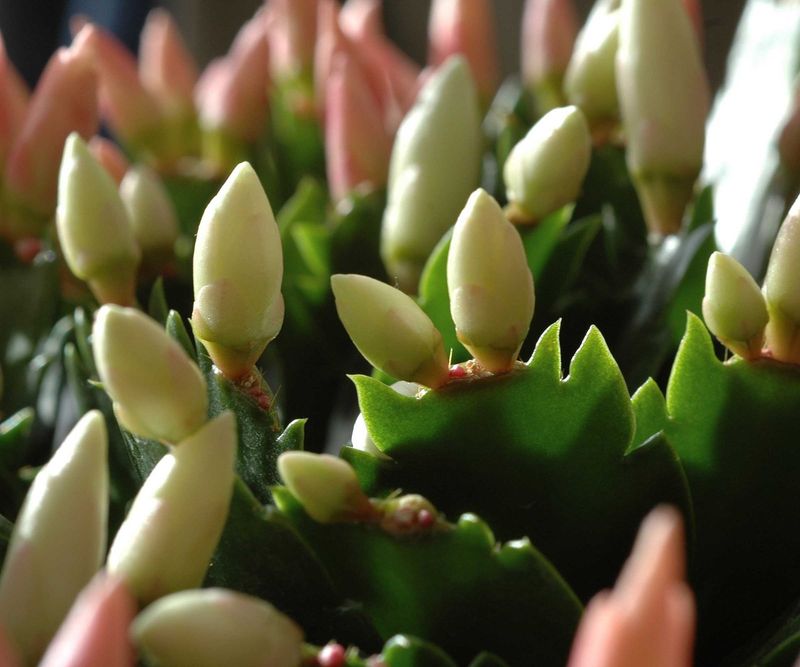
Those tiny dots from a few weeks ago are not so tiny anymore. Now they swell, stretch, and start showing their true colors.
You might see hot pink, red, white, orange, or even soft peach. Each bud grows longer and begins to look like a little teardrop.
In many California homes, this stage arrives around Thanksgiving. It is a fun moment to share with family over a holiday meal.
Now is the time to keep things steady. Avoid placing the plant near heaters, fireplaces, or drafty doors that open often.
Bright, indirect light is still perfect. You can return to a normal light schedule, since the darkness treatment has already done its job.
Some growers like to give the pot a slow quarter turn each week. Just be gentle, because sudden spinning or bumping can still make buds fall.
A quick history note: Schlumbergera species were introduced to European horticulture in the early 1800s after being collected from Brazil, and by the latter half of the 1800s they had gained a following as beloved houseplants during the Victorian era. Families appreciated them because they bloomed right when gardens outside looked bare.
As the buds grow fatter each day, the excitement builds. Snap a photo now so you can compare it with the full bloom in just a week or two.
8. Buds Hang Down Like Ornaments
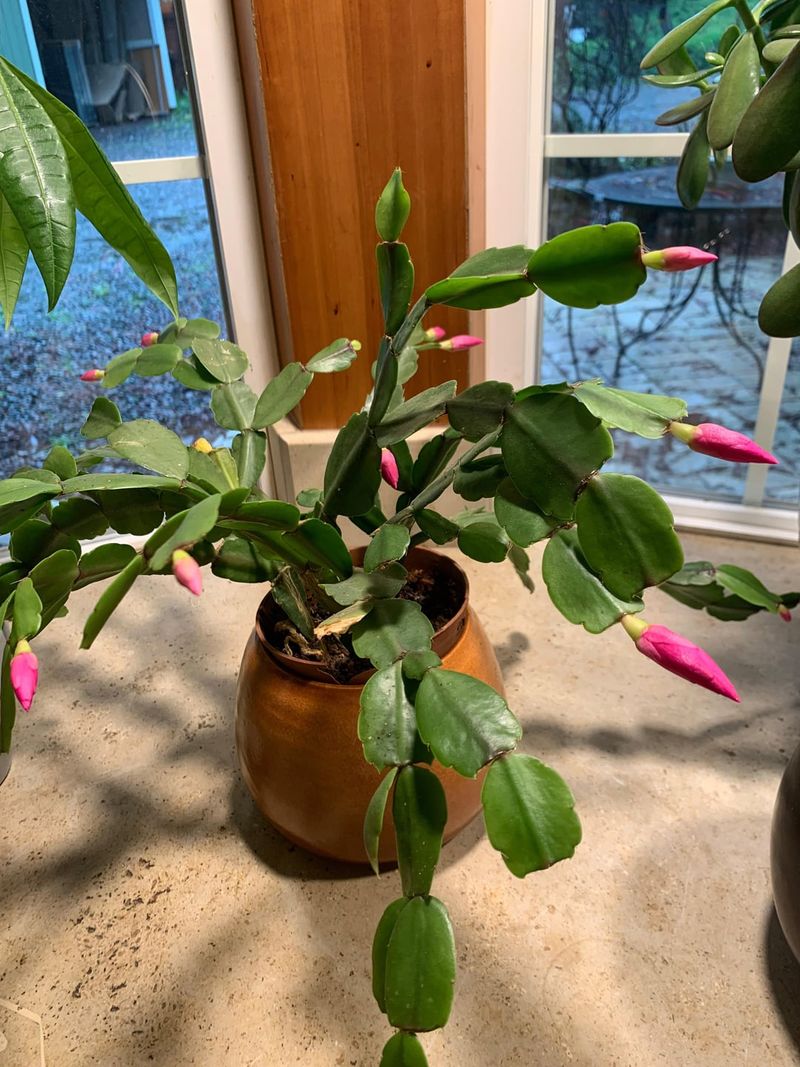
When the buds start to droop, do not panic. That gentle hang is often the last stop before flowers open wide.
The buds grow heavy and tilt downward, almost like tiny ornaments on a tree. Within days, the petals begin to peel back in layers.
Across California, many plants hit this stage in early to mid December. Coastal homes with steady weather may see blooms right on schedule.
Keep watering lightly and steadily. A sudden dry spell or a soggy pot can still cause buds to drop right at the finish line.
Try to keep the room between 60 and 70 degrees. Cooler rooms often make the flowers last longer, sometimes up to several weeks.
Once blooms open, you can pinch off faded flowers to keep things tidy. Doing so also helps the plant save energy for future growth.
Here is a sweet idea for gift giving. Take a cutting after blooming, root it in soil, and share a baby plant with a friend next year.
Watching those hanging buds burst open feels like the best kind of reward. All your patience, cool nights, and careful watering finally pay off in a splash of holiday color.