What This Weekend’s Freeze Means For The Spring Bulbs You Just Planted In Michigan
The bulbs are in the ground, the knees are muddy, and then the forecast drops a number that makes the whole afternoon feel like a mistake.
A freeze warning after planting is one of those Michigan gardening moments that sends people straight to search engines at ten o’clock at night.
The good news, and there genuinely is good news here, is that the forecast is not the enemy. Spring bulbs are not fragile little things that need coddling through their first frost.
They are built for exactly this. The cold is not a threat to undo your afternoon of digging.
It is actually the trigger the bulbs have been waiting for. Understanding what is happening underground right now changes the whole weekend from a source of worry into something worth feeling good about.
1. Why Michigan Bulbs Actually Like A Little Cold
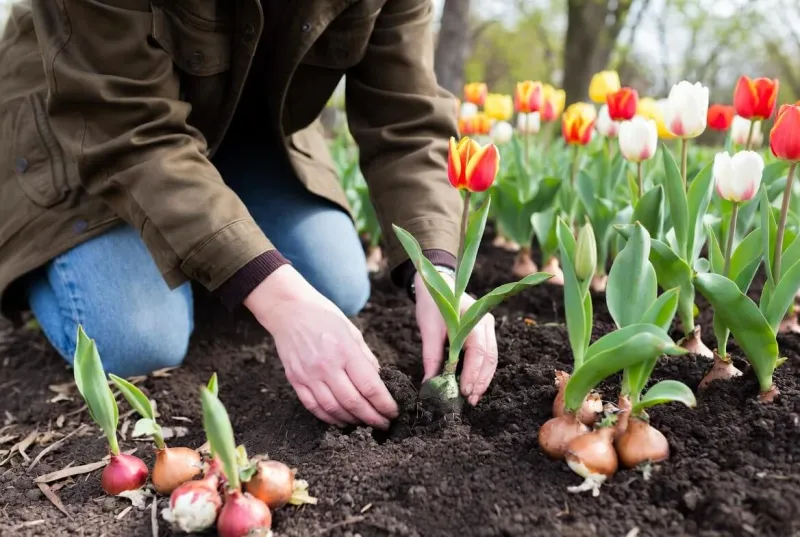
Here is a fun twist that surprises plenty of new gardeners. Tulips, daffodils, and crocuses need a long cold spell before they can bloom.
Gardeners call it chilling time, and most spring bulbs want somewhere between 12 to 18 weeks of it depending on the type. Crocuses and daffodils typically need closer to the longer end of that range, around 15 to 17 weeks, while tulips generally do well with 12 to 15 weeks.
Without that chill, the flowers may come up short, weak, or skip blooming altogether.
Michigan winters handle that job for free. A frosty weekend is basically the first page of the instruction manual your bulbs were waiting to read.
Deep inside each bulb, the cold slowly turns stored starch into sugars. Those sugars act a bit like antifreeze, helping the cells stay flexible when temperatures drop.
The chill also sets off an internal clock. Once enough cold hours pile up, the bulb gets the signal that spring is coming and it is safe to grow.
Did you know growers in warm places like Florida often stick bulbs in the fridge for weeks? They are faking the exact weather you are getting naturally right now.
So instead of panicking, try thinking of the freeze as a helpful coach. It is training your bulbs for a strong performance next April.
Your main job is simple. Let the weather do its work, keep the soil covered, and resist the urge to dig anything up to check on it.
2. How Deep Michigan Soil Stays Warmer Than The Air
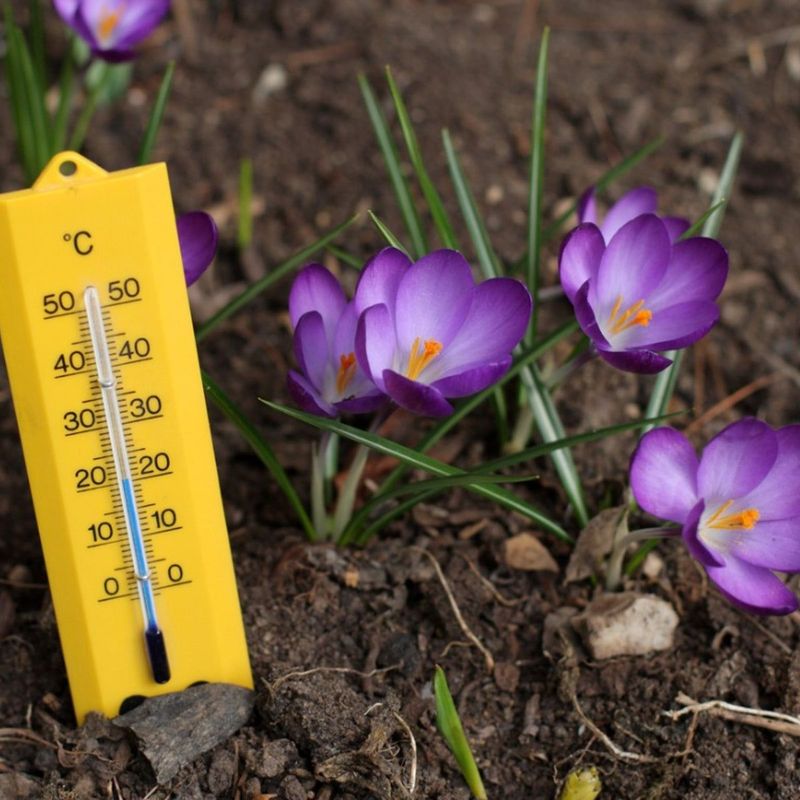
Ever notice how a basement feels warmer than the yard in November? Soil works the same way, holding onto heat long after the air turns frosty.
When the thermometer outside reads 25 degrees, the ground six inches down might still sit near 40. Earth changes temperature slowly, so a quick weekend freeze barely reaches your bulbs.
Depth is the secret ingredient here. Most bulbs like to be planted about three times as deep as they are tall.
For big tulips and daffodils, that usually means six to eight inches. Smaller crocuses and grape hyacinths are happy around three to four inches down.
If you followed those numbers, your bulbs are tucked into a cozy layer of insulation. The top inch of soil may get crunchy, but the bulbs rest safely below.
Your Michigan Garden Changes Every Week. Your Plan Should Too.
Gardening in Michigan changes quickly throughout the season. Every Friday you’ll receive a simple weekly plan showing exactly what to plant, prune, fertilize, harvest, and protect so you never miss the right timing.
Curious gardeners can test this themselves with a cheap soil thermometer. Push it in at bulb depth one cold morning and compare it to the air.
Most folks across Michigan are amazed at the difference. It is a quick science lesson right in your own flower bed.
If you planted a little shallow, do not stress. Simply add a couple of inches of loose soil or compost on top to give those bulbs an extra blanket.
3. Fresh Roots Are The Real Freeze Story
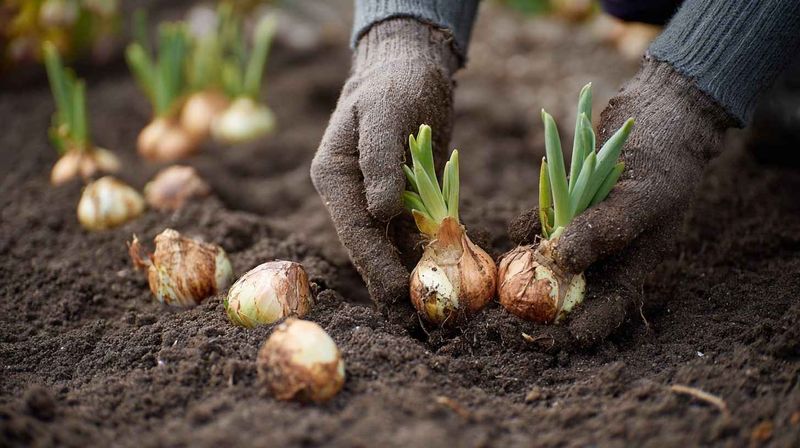
Underground, your bulbs are busy even when nothing shows above the dirt. Right after planting, they start pushing out thin white roots.
Those roots matter more than anything else this fall. They soak up water and anchor the bulb so it can feed itself later.
A short freeze does not usually stop root growth for long. As soon as the soil warms a few degrees on a sunny afternoon, those roots go right back to work.
Most bulbs need about four to six weeks of soil above 40 degrees to settle in well. Bulbs planted in early or mid October across Michigan are likely already well on their way.
If you planted just last week, you may worry a bit more. Still, the ground stays workable for a while, and a freeze rarely locks it solid this early.
One handy trick is giving freshly planted beds a deep drink before the hard cold arrives. Moist soil holds heat better than dry soil, and it helps new roots grow.
Think of it like packing a lunch for a long trip. A good watering now gives roots what they need to get started.
Skip the fertilizer for now, though. Strong roots grow from the energy stored inside the bulb, not from extra food sprinkled on top.
4. Early Sprouts Are Tougher Than They Look
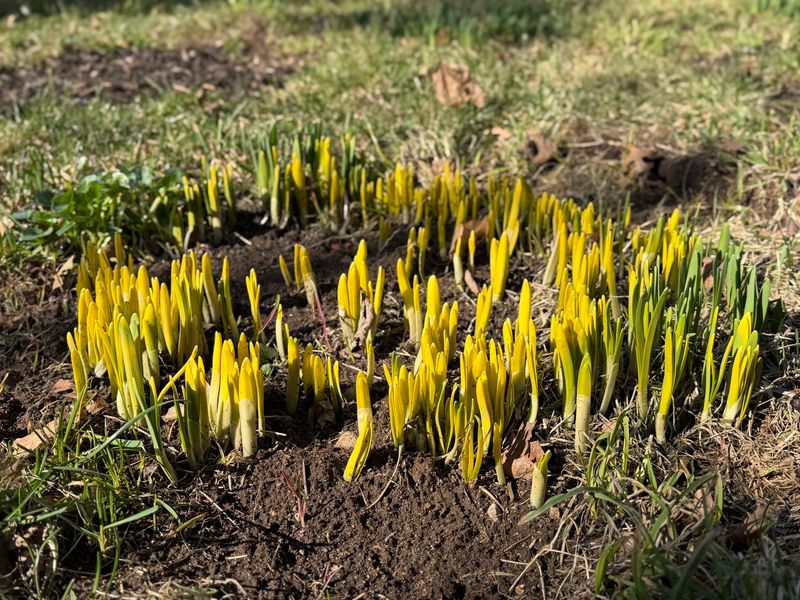
Spotting green tips poking up in November can feel like finding your kid outside without a coat. It happens more often than you might guess.
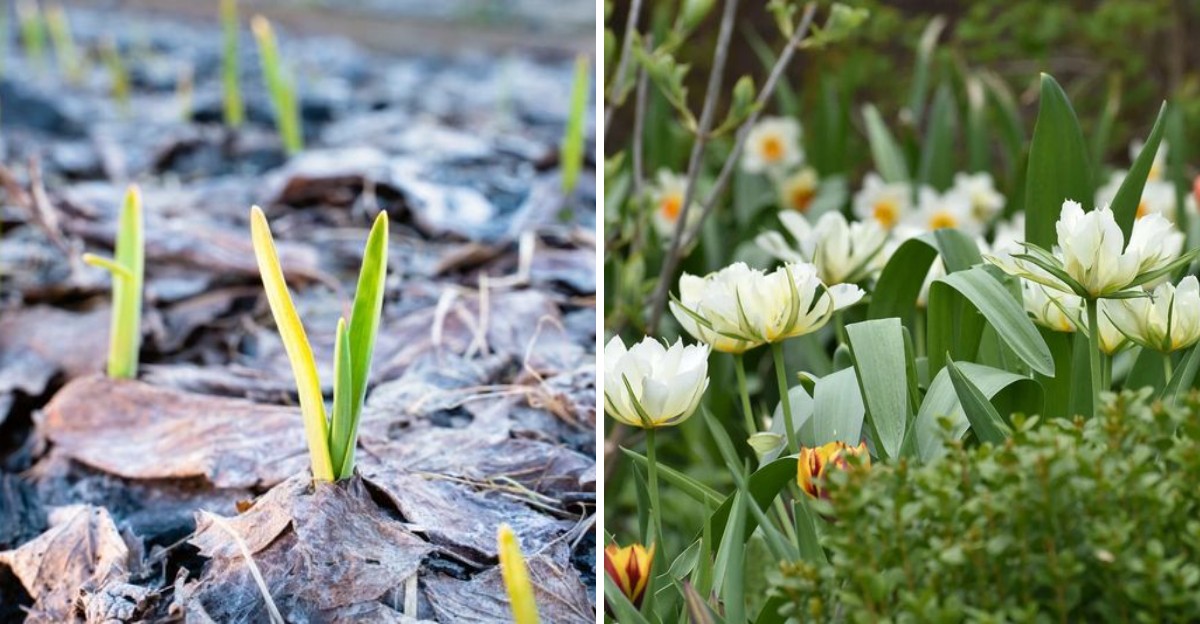
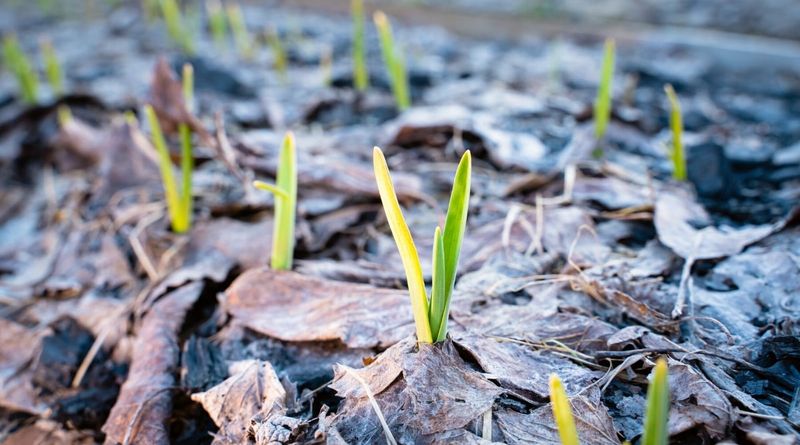
A warm stretch sometimes fools daffodils and some tulips into peeking out early. The good news is that those leaves are built to handle frosty nights.
Bulb leaves come wrapped in a tough, waxy coating. They can get nipped at the tips, turning a little brown, but the flower bud stays hidden safely inside the bulb.
Gardeners in Michigan see this almost every year. Come spring, those same plants usually bloom just fine, maybe with a few crispy leaf edges.
Should you cover them? A light layer of shredded leaves or straw helps, but there is no need to bury them deeply or wrap them in plastic.
Plastic can trap moisture and actually cause more harm than good. Breathable mulch is the better choice every time.
Fun fact: Snowdrops often push right up through snow in late winter. Their leaf tips are hardened, almost like tiny spears, to break through frozen crust.
So if you see little green noses this weekend, smile and leave them be. They know what they are doing far better than we give them credit for.
5. Smart Mulching Moves For Flower Beds
Mulch is like a cozy quilt for your garden, and timing makes all the difference. Spreading it a bit late is actually smarter than spreading it too soon.
The goal is not to keep the soil warm forever. Instead, mulch keeps the ground evenly cold so it does not freeze, thaw, and refreeze over and over.
That up and down cycle is what causes trouble. It can heave bulbs upward, pushing them closer to the surface where they are less protected.
Many Michigan gardeners wait until after the first hard freeze to add mulch. That way, the ground is already chilly, and the mulch helps lock that steady cold in place.
Good options include:
Shredded leaves, pine needles, straw, or fine bark. Aim for about two to three inches, spread evenly over the planting area.
Whole leaves can mat down into a soggy layer, so run them over with a mower first. Your lawn mower doubles as a free leaf shredder.
Avoid piling mulch too thick, since heavy layers may invite mice and voles looking for a warm winter home. Nobody wants to host those uninvited guests.
In spring, gently rake some mulch back once shoots appear. Sunshine can then warm the soil and wake the bulbs up on schedule.
6. Hungry Critters Love Michigan’s Chilly Weekends
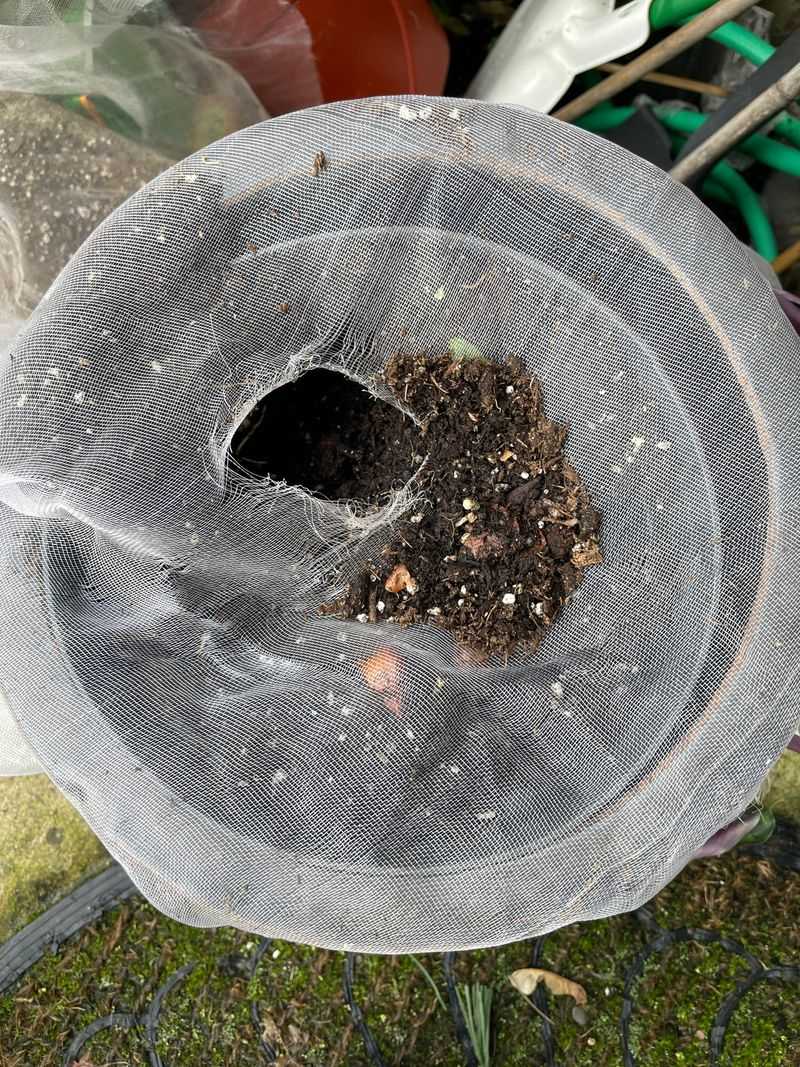
Squirrels may be the real villains of this story, not the cold. As food gets scarce, they start sniffing around freshly dug soil.
Loose dirt practically shouts that something tasty is buried there. Tulips and crocuses are favorite snacks for squirrels, chipmunks, and voles.
Freezing temperatures make these critters even more determined. They are stocking up for winter, and your new bulbs look like an easy grocery run.
A few simple fixes can protect your hard work. Lay chicken wire or hardware cloth flat over planted beds, then cover it lightly with mulch.
Shoots will grow right through the gaps in spring. Meanwhile, diggers hit the wire and usually give up.
Some gardeners swear by sprinkling red pepper flakes or blood meal on top. These work for a while but need to be refreshed after rain or snow.
Here is a sneaky trick: plant daffodils around your tulips. Daffodils taste bitter and are toxic to rodents, so animals tend to avoid them.
Alliums and hyacinths are also less popular with nibblers. Mixing them in can make your whole bed less appealing.
Finally, clean up any papery bulb skins left on the surface. Those little scraps act like breadcrumbs leading straight to the buffet.
7. Still Have Unplanted Bulbs In Your Garage?
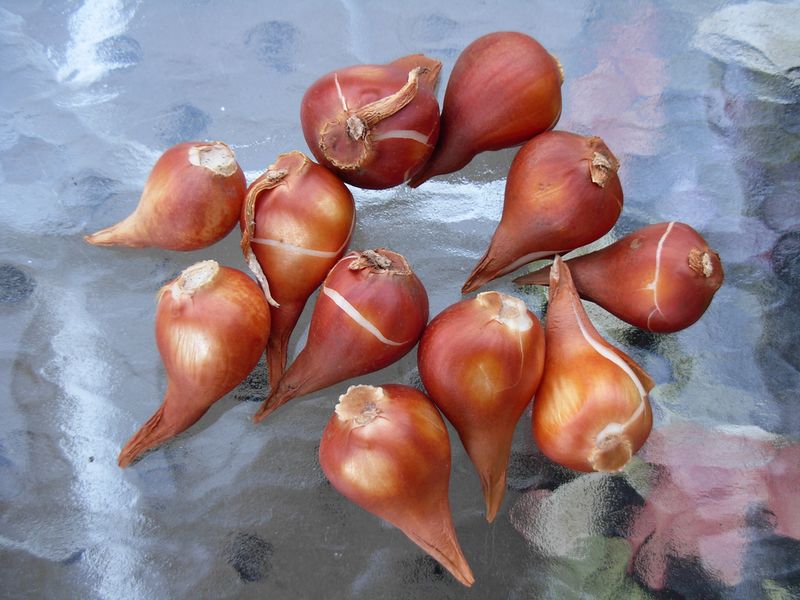
Raise your hand if a bag of bulbs is sitting in your garage right now. You are in very good company.
Life gets busy, and suddenly the forecast turns frosty. The good news is that you still have time, even after this weekend’s freeze.
As long as you can push a shovel into the ground, you can plant. In much of Michigan, the soil stays workable until late November or even early December.
Pick a warmer afternoon when the surface has thawed. Dig to the usual depth, set bulbs pointy side up, and cover them well.
Water them in if the soil feels dry. That helps settle the dirt and gives roots a quick start before the deep cold arrives.
What if the ground freezes solid before you get to it? Pot the bulbs in containers and store them in an unheated garage or shed.
They will still get the chill they need. Come spring, you can set the pots outside or plant the bulbs in the ground.
Whatever you do, do not save them until next fall. Bulbs dry out and lose energy sitting in a bag, and late planting beats no planting by a mile.
A little cold on your fingers now pays off with bright color later.
8. Potted Bulbs Need Extra Care In Cold
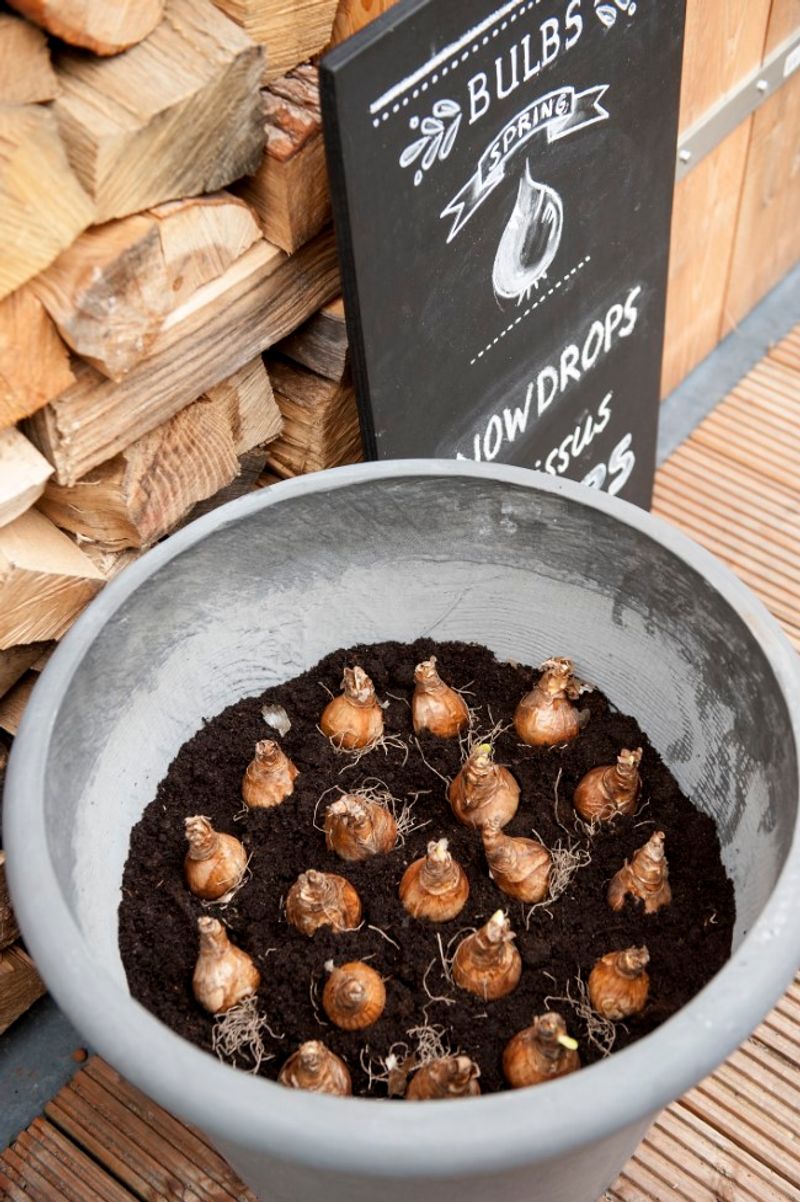
Container gardens are charming, but they play by different rules in winter. Pots do not get the same protection that deep garden soil offers.
Cold air hits pots from every side, not just the top. That means the soil inside can freeze much harder and faster than soil in the ground.
Bulbs in a small pot on your Michigan porch could get colder than they would like. Too much freezing can turn them mushy by spring.
Moving pots is the easiest fix. An unheated garage, shed, or cool basement keeps them chilly but not frozen solid.
If moving them is not an option, group pots close together against a wall. Then wrap them in burlap or bubble wrap, and tuck leaves around the base.
Choose your containers wisely, too. Thin terracotta can crack when wet soil freezes and expands, so sturdy plastic or thick resin holds up better.
Watering matters as well. Keep the soil lightly damp, never soggy, and check once a month during winter.
A neat bonus of potted bulbs is flexibility. You can bring them into a sunny spot early in spring and enjoy blooms weeks before the garden wakes.
Treat those pots like guests needing an extra blanket, and they will reward you nicely.
9. What Spring Will Look Like For Your Michigan Bulbs
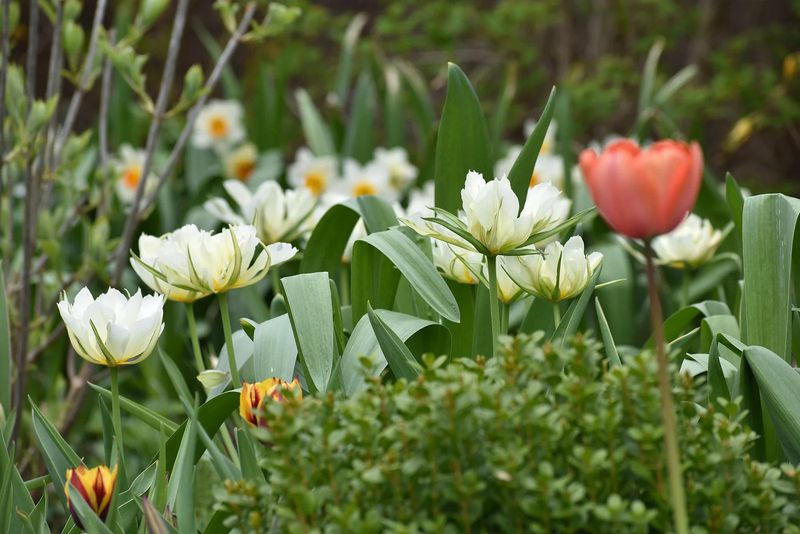
Fast forward to April, when the snow melts and the robins return. That is when all your fall effort finally pays off.
Crocuses usually show up first, sometimes poking through leftover snow. Daffodils follow close behind, and tulips take the stage a few weeks later.
A frosty weekend now will not change that schedule much. If anything, it helps your bulbs bloom right on time.
Michigan springs can be moody, with surprise snow after warm days. Thankfully, most spring bulbs shrug off late frosts and keep their colorful show going.
Once flowers fade, leave the leaves alone for about six weeks. Those green leaves are busy making food for next year’s blooms.
Snip off the old flower heads, but resist cutting or tying up the foliage. Letting the leaves turn yellow naturally keeps bulbs strong.
Keep a little notebook or take phone photos of your beds in bloom. Noting gaps and favorites makes next fall’s planting so much easier.
Plenty of gardeners find this the most rewarding part of the year. After a long gray winter, those first bright petals feel like a warm hello.
So relax this weekend. Your bulbs are tucked in, doing their quiet work, and spring will come knocking soon.