Texas Plants To Protect This Week Before The First Cold Front
In Texas, the first real cold front of the season is cause for celebration. People pull out their jackets, fire up the chili pot, and finally open the windows after months of air conditioning. Your plants may not share the excitement.
These early fronts can drop temperatures by 20 or 30 degrees in just a few hours. Strong north winds dry out leaves, and cold rain can soak roots that were bone-dry the day before.
Plants that spent the summer soaking up heat on the patio suddenly find themselves in a very different world. Tender herbs, potted tropicals, young transplants, and houseplants that summered outdoors often feel it first.
The fix doesn’t take much time, but timing is everything. A few quick steps this week can keep a chilly surprise from turning into real damage.
1. Basil Needs A Harvest And A Sunny Window
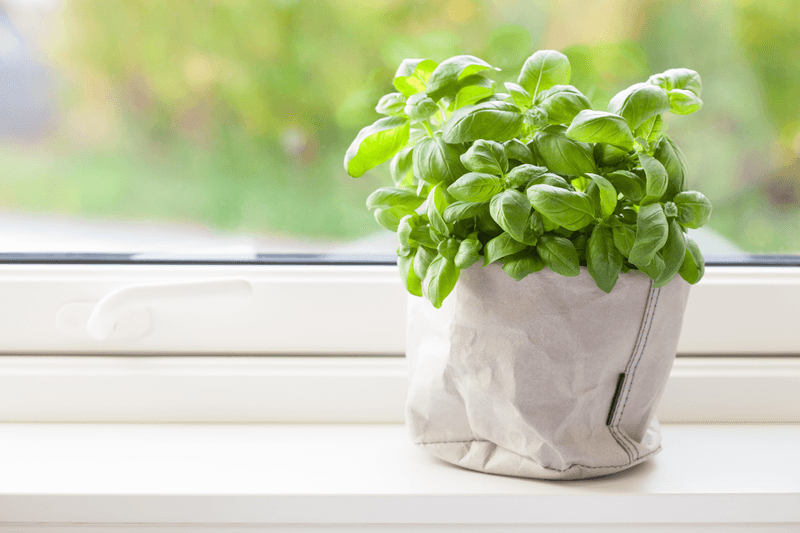
Ask any cook in Texas, and they will tell you basil is the star of the summer garden. Sadly, it is also one of the first plants to suffer when the weather cools.
Basil leaves can turn black once temperatures fall below about 50°F, even if there is no frost at all.
That means you should not wait for a freeze warning to act. A cool night in the upper 40s is enough to ruin a healthy plant. Check your local forecast every day this week, and watch for that first big drop.
Before the cold arrives, harvest generously. Cut the stems just above a pair of leaves, and do not be shy about it.
You can blend the leaves into pesto, freeze them in ice cube trays with olive oil, or dry them for winter soups.
Potted basil is easy to save. Bring the pot indoors and set it in your sunniest window, ideally one that faces south. Basil wants at least six hours of light, so a grow light can help on gray days. Keep the soil lightly moist but never soggy.
Planted in the ground? Try taking a few cuttings. Snip four-inch stems, pull off the lower leaves, and set them in a glass of water.
Roots usually show up in about a week or two. Then you can pot them up and keep fresh basil on hand all season.
Fun fact: basil belongs to the mint family. Like its cousins, it grows quickly, so a single indoor plant can keep your kitchen stocked with flavor until spring planting time returns.
2. Caladiums Want A Warm Winter Hideout
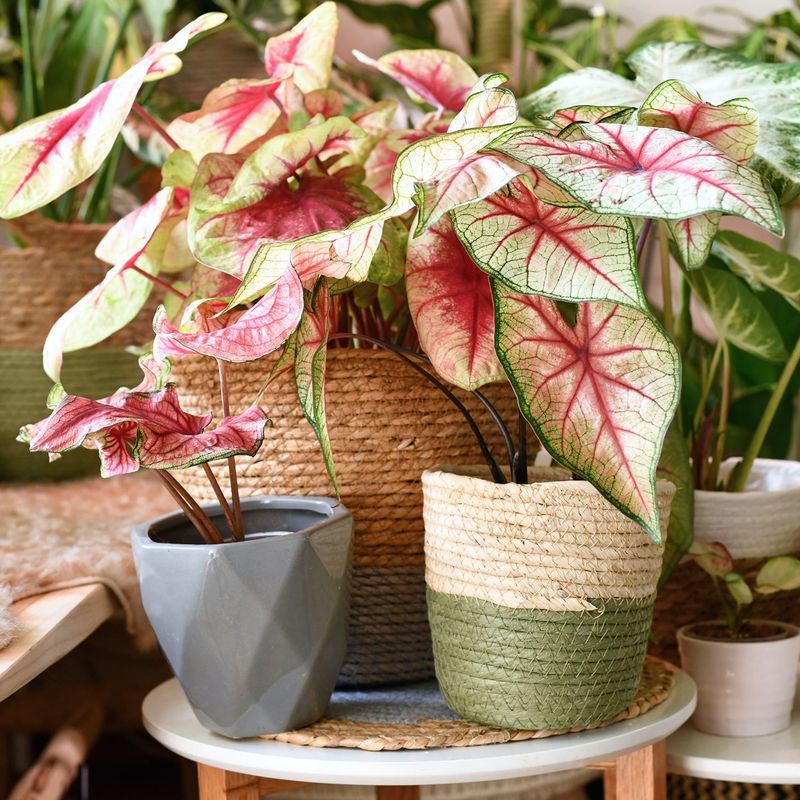
Those bright pink, red, and white leaves have probably made your shady beds pop all summer.
Caladiums are true heat lovers, and they start to slow down as soon as the nights grow cool. You may notice the leaves looking tired, droopy, or pale.
Here is the real worry. Caladium tubers sit underground, and cold, wet soil can cause them to rot. Once that happens, there is no saving them for next year. A rainy cold front is the worst combination of all.
Your Texas Garden Changes Every Week. Your Plan Should Too.
Gardening in Texas changes quickly throughout the season. Every Friday you’ll receive a simple weekly plan showing exactly what to plant, prune, fertilize, harvest, and protect so you never miss the right timing.
When the leaves begin to fade, grab a garden fork and gently dig up the tubers. Work slowly so you do not slice or bruise them. Shake off the loose soil, but do not wash them with water.
Next, let the tubers dry in a shaded, airy spot for about a week. A garage shelf or covered patio works well. After they dry, trim off any old leaves and store the tubers in a paper bag, mesh sack, or box filled with dry peat moss.
Storage temperature matters a lot. Caladium tubers like to stay above 60°F, so a closet inside your house is often better than a chilly garage. Check them once a month and toss any that feel soft.
Living in North Texas or the Panhandle? Many gardeners simply treat caladiums as annuals and buy fresh tubers each spring.
That choice is fine too. Folks along the Gulf Coast sometimes leave them in the ground, but well-drained soil and a thick layer of mulch are a must. Either way, a little effort now means another burst of color next summer.
3. Coleus Cuttings Keep The Color Going
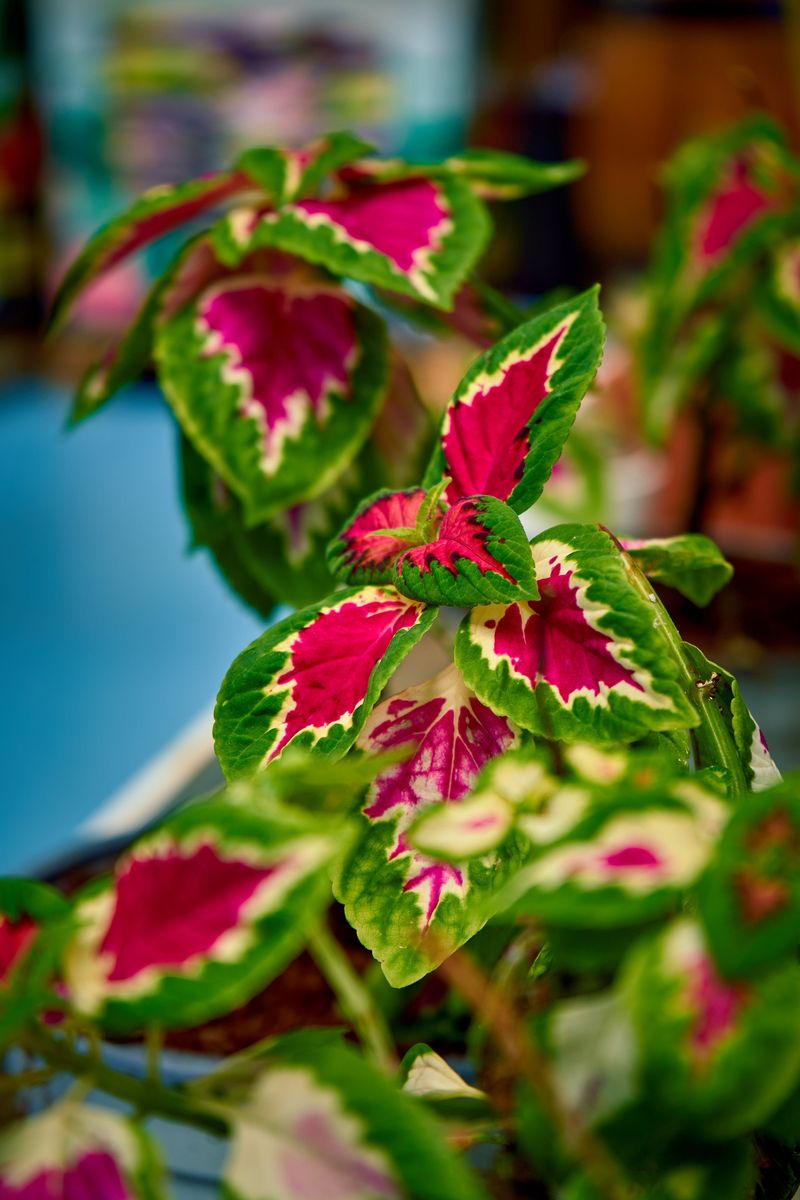
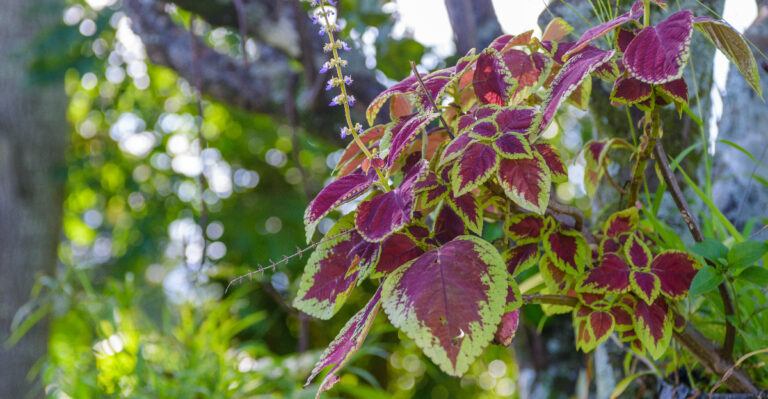
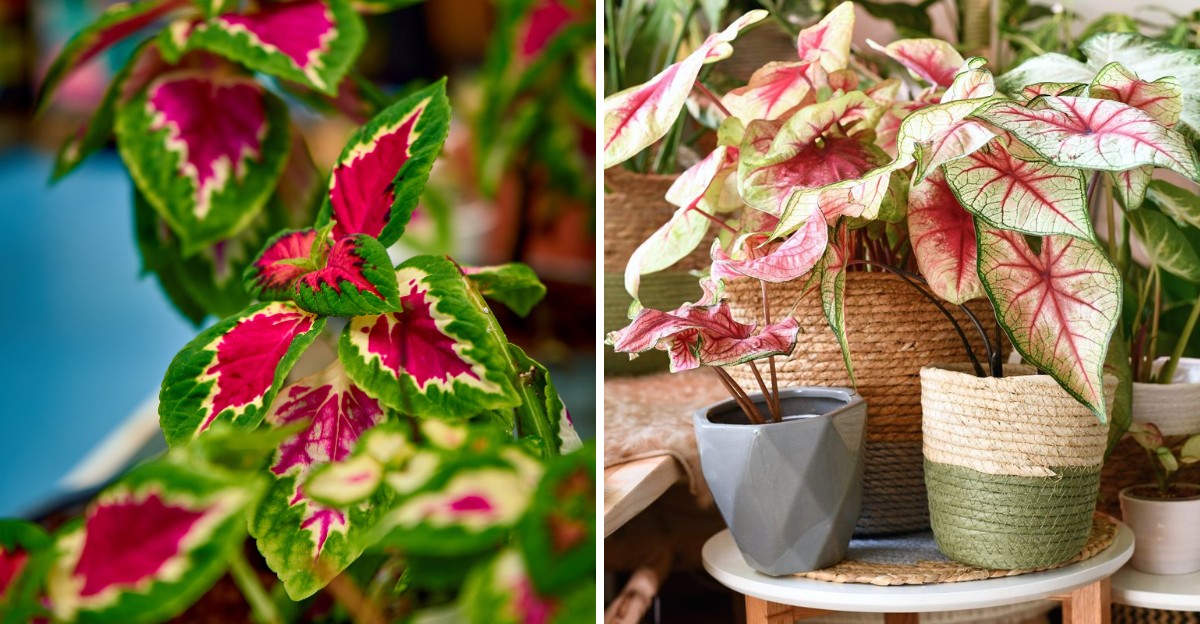
Few plants put on a show quite like coleus. Its leaves come in wild mixes of burgundy, lime, orange, and purple, almost like a painter got carried away. But behind all that flair is a plant that hates the cold.
Once temperatures drop below about 50°F, coleus leaves start to droop. Then they darken and turn mushy. By the time you see the damage, it is usually too late to fix it.
So what can you do? You have two easy options. First, you can move potted coleus indoors to a bright spot. A window with morning sun is perfect, since harsh afternoon rays can fade the colors.
The second option is my favorite, because it costs nothing. Take cuttings now and root them in water. Snip stems that are about four to six inches long. Remove the bottom leaves so no foliage sits in the water.
Place the stems in a jar on a sunny windowsill. Change the water every few days to keep it fresh.
Within one to two weeks, you should see tiny white roots. Once those roots are about an inch long, plant them in small pots with regular potting mix.
Indoor coleus can get leggy over winter. Pinch off the tips every few weeks to keep it bushy. Also pinch off any flower spikes, since blooms take energy away from the leaves.
Come spring, you will have a whole tray of free plants ready to go back outside. Your neighbors might even ask where you bought them. That is the fun part.
4. Moth Orchids Are Ready To Come Inside
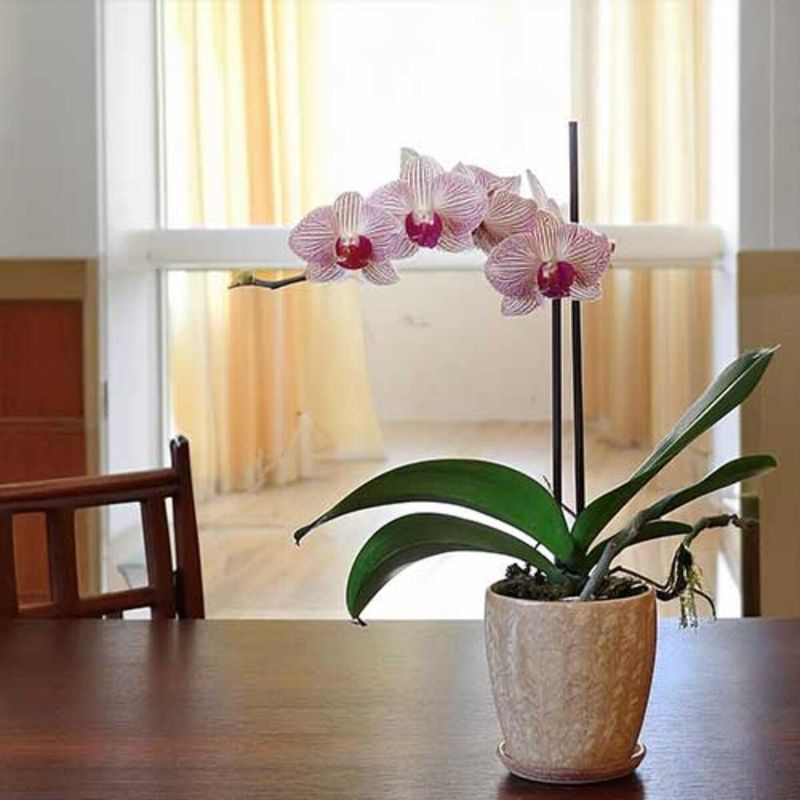
Many Texas gardeners give their moth orchids a summer vacation on a shady porch. The warm, humid air feels a lot like their native home in tropical Asia. Now that fall is here, it is time for those orchids to come back inside.
Moth orchids, also called Phalaenopsis, do not like cold air. Try to bring them indoors before nights drop much below the mid-50s. Colder temperatures can damage their thick leaves and their silvery roots.
Here is a surprising twist, though. A little coolness can actually help. Many moth orchids need nights that are about 10 to 15 degrees cooler than the days to form new flower spikes. That is why a few weeks of mild fall weather outside can be a good thing.
The trick is finding the balance. Let them enjoy nights in the low 60s, but move them in before a true cold front hits. Keep an eye on your weather app each evening.
Before bringing them inside, check for pests. Look under the leaves and around the pot for ants, snails, or tiny bugs. A gentle rinse with water can help clear them off.
Indoors, place your orchids near an east-facing window. They enjoy bright light but not direct afternoon sun. Water them about once a week, letting the bark mix dry slightly between drinks.
Watch for a new green spike poking out near the base of the leaves. With a bit of luck, you will have beautiful blooms by late winter, right when you need a cheerful sight the most.
5. Snake Plants Are Tougher Than They Look, But Not Cold-Proof
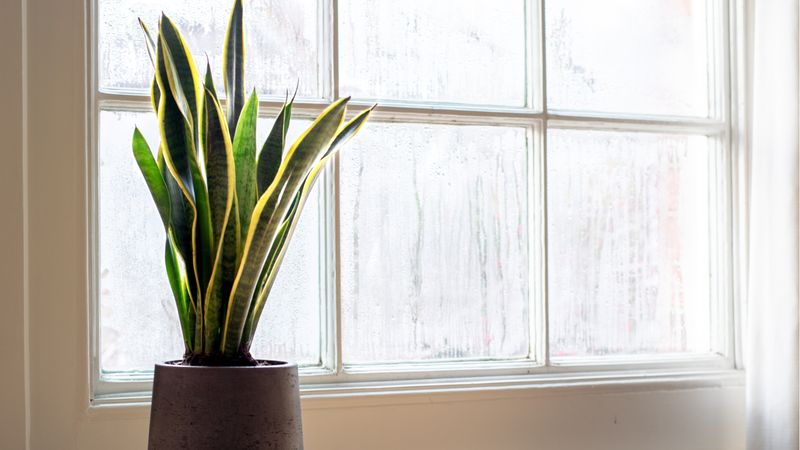
Snake plants have a reputation as the toughest houseplants around. They handle low light, dry soil, and even forgetful owners with ease. So it might surprise you to learn that cold weather is their weak spot.
These upright, sword-shaped plants come from tropical parts of Africa. Once temperatures fall below about 50°F, their leaves can get damaged. You may see soft, mushy spots or leaves that fold over and lose their shape.
If your snake plant spent the summer on the patio, bring it inside before the cold front arrives. Do not wait until the night of the storm. Moving heavy pots in the dark and wind is no fun for anyone.
Choose a spot with bright, indirect light. A room near a window is great, but snake plants will also tolerate dimmer corners.
Keep them away from drafty doors and heating vents, since sudden temperature swings can stress them.
Watering is where many people go wrong. During fall and winter, snake plants grow very slowly. They need much less water than they did in summer.
Let the soil dry out completely, then water lightly. For many homes, that means once every three to four weeks.
Too much water in cool weather can cause the roots to rot. When in doubt, wait a few more days. A thirsty snake plant bounces back fast, but a soggy one often does not.
Bonus tip: snake plants are known for helping freshen indoor air. Bringing yours inside means you get a living decoration that works hard all winter.
6. Pothos Deserves A Cozy Indoor Spot
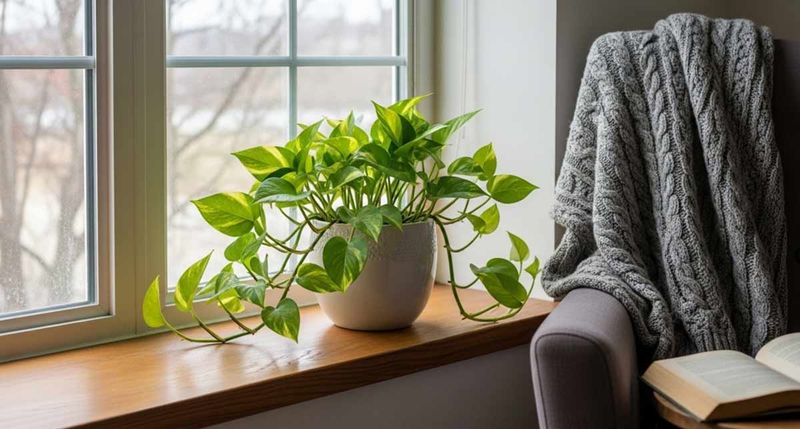
Hanging baskets of pothos spill over the edges of so many Texas porches during summer. Those trailing green and golden vines love warm, humid weather. Honestly, they look right at home next to a rocking chair and a glass of sweet tea.
Once the nights turn chilly, though, pothos starts to complain. Its leaves can turn yellow and drop off. A plant that looked full in September can look thin and sad by November if it stays outside too long.
The goal is to move pothos indoors before temperatures dip into the 40s. Watch the forecast closely this week. When you see lows in the low 50s, that is your signal to start the move.
Find a spot with bright, indirect light. A few feet from a sunny window is ideal. Pothos can live in lower light, but its golden streaks may fade and the vines may grow long and sparse.
Expect a few yellow leaves during the first week or two. That is normal. The plant is simply adjusting to new light and drier indoor air. Pluck off the yellow leaves and be patient.
Water when the top inch or two of soil feels dry. Indoor heating can dry the air, so a quick misting or a nearby tray of pebbles and water can help with humidity.
Got long, scraggly vines? Trim them back and root the pieces in water, just like coleus. Then tuck the new plants back into the same pot for a fuller look by spring.
7. Elephant Ears Need A Plan For Winter
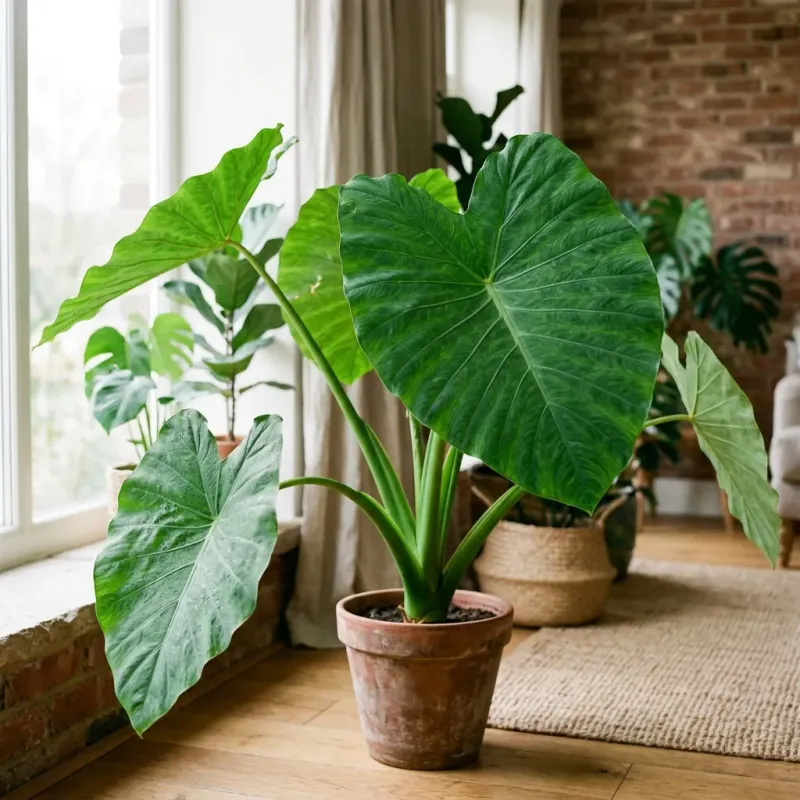
Nothing says tropical Texas garden quite like elephant ears. Their giant, heart-shaped leaves can grow bigger than a kitchen table. They soak up the summer heat and turn any corner of the yard into a jungle.
As fall settles in, these big plants slow down. Growth stops, and the leaves start to look tired. After the first frost, the leaves collapse and turn brown almost overnight.
How you protect them depends on where you live. In South Texas, including places like the Rio Grande Valley and much of the Gulf Coast, elephant ears often survive winter right in the ground.
Cut back the fallen leaves and spread a thick layer of mulch over the area, about four to six inches deep.
Shredded leaves, pine straw, or bark all work well as mulch. That blanket helps keep the tubers warm and dry through cold snaps.
Farther north, in places like Dallas, Lubbock, or Amarillo, winters are harsher. Many gardeners dig up the tubers after the leaves fade back. Use a shovel and dig wide, since the tubers can be large.
Brush off the soil and let the tubers dry for a few days in a garage or shed. Then store them in a box with dry peat moss or wood shavings. Keep them somewhere that stays between 45°F and 55°F.
Did you know some elephant ears are related to taro, a root crop eaten around the world? Still, keep the garden kind away from pets and kids, since the raw plant can irritate the mouth and skin.