Is Fall Pruning Hydrangeas In Michigan Really A Good Idea
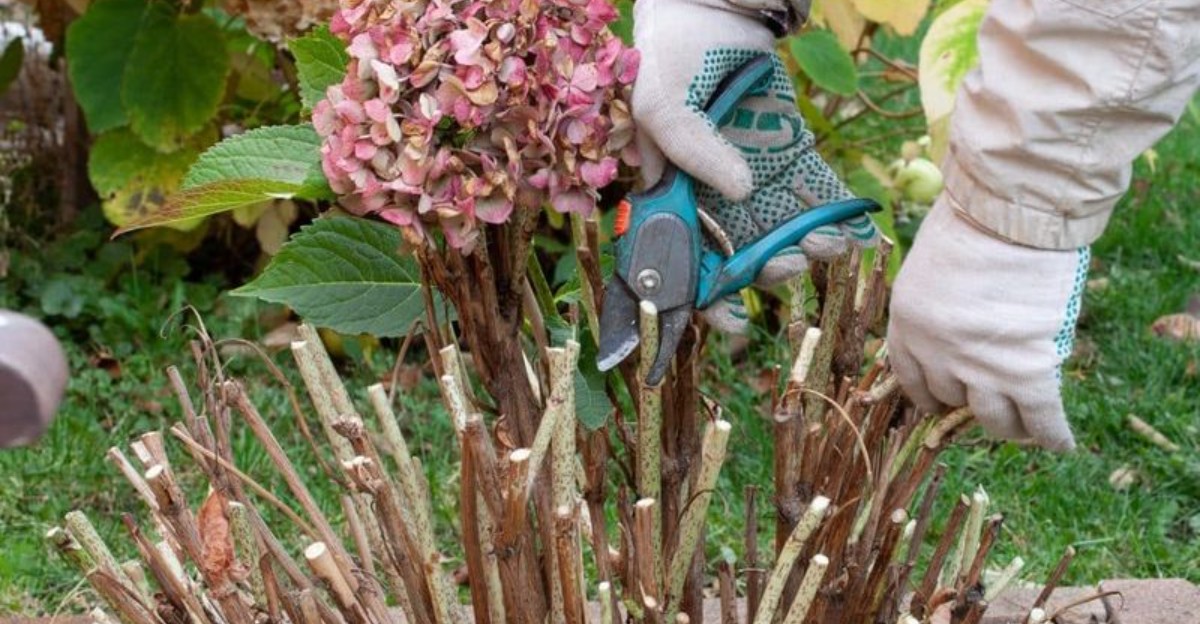
Every fall, the same question comes up. The hydrangea looks messy, so should you cut it back? The answer depends entirely on the type.
Some hydrangeas form next year’s flower buds in late summer. Cut them now, and you remove the blooms before they open. Others bloom on new growth and handle a trim much better.
Michigan’s cold winters complicate the choice, since old stems can protect fragile buds from freezing.
Many gardeners prune the wrong kind at the wrong time and spend the summer wondering why nothing flowers. Identifying your hydrangea comes first.
After that, the rules are simple. A few minutes of research now can mean armloads of flowers next summer, instead of a leafy shrub with nothing on it.
1. It Depends On Which Hydrangea You Have
Ask five gardeners whether to prune hydrangeas in fall, and you might hear five different answers. Oddly enough, they could all be right. The real answer depends on the kind of hydrangea growing in your yard.
Hydrangeas fall into two main groups. Some bloom on old wood, which means they build next year’s flower buds on stems that grew this year. Others bloom on new wood, so their flowers form on fresh stems that sprout next spring.
Cutting an old wood type in fall snips off the buds that were waiting to open next summer. You would end up with a green bush and no flowers at all. A new wood type, on the other hand, barely notices a fall trim because its buds have not even formed yet.
Before you pick up the pruners, figure out what you are working with. Start with the plant tag if you still have it, or check your receipt from the garden center. No tag? Look closely at the leaves and flowers instead.
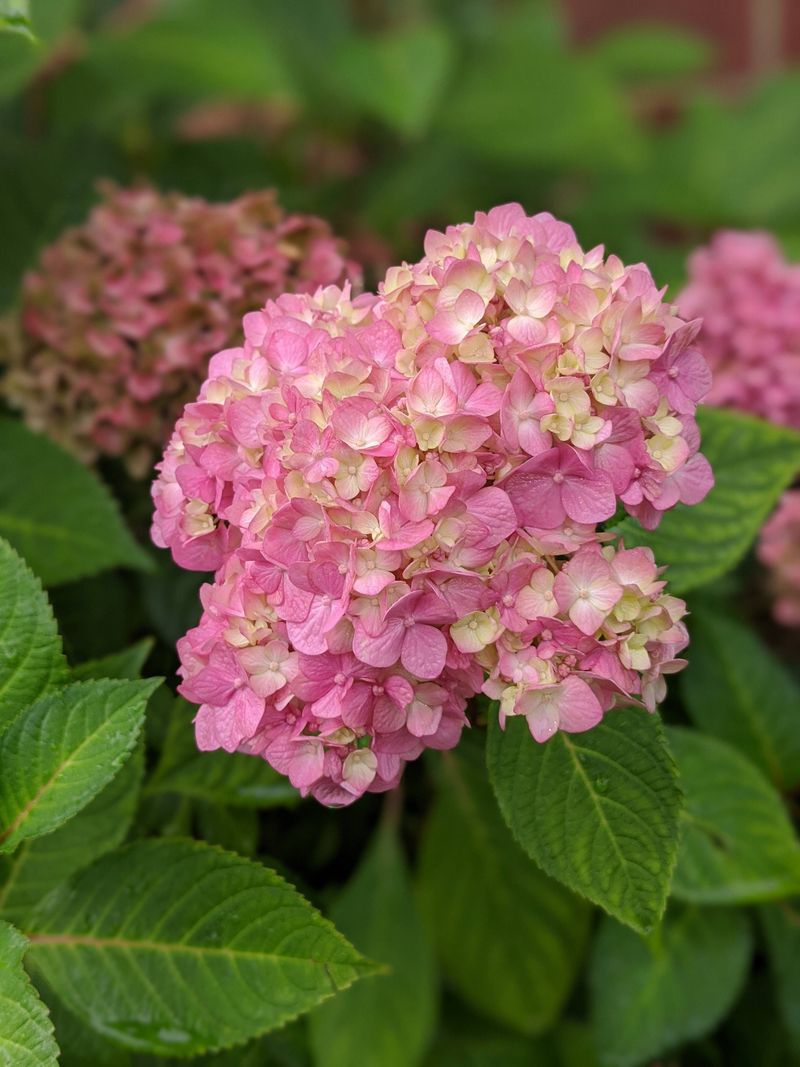
Bigleaf hydrangeas have large, shiny leaves and round or flat flower clusters in pink or blue. Oakleaf types have leaves shaped like oak leaves.
Smooth hydrangeas usually carry big white snowball blooms, while panicle types grow cone-shaped flower clusters. Climbing hydrangeas cling to walls and trees with small rootlets.
Michigan gardens commonly grow every one of these types, from Detroit suburbs to Traverse City cottages. That mix makes identification extra helpful here.
A neighbor’s pruning schedule might work great for their plant and ruin yours, so knowing your hydrangea is the smartest first step you can take.
2. Bigleaf Hydrangeas Should Not Be Cut In Fall
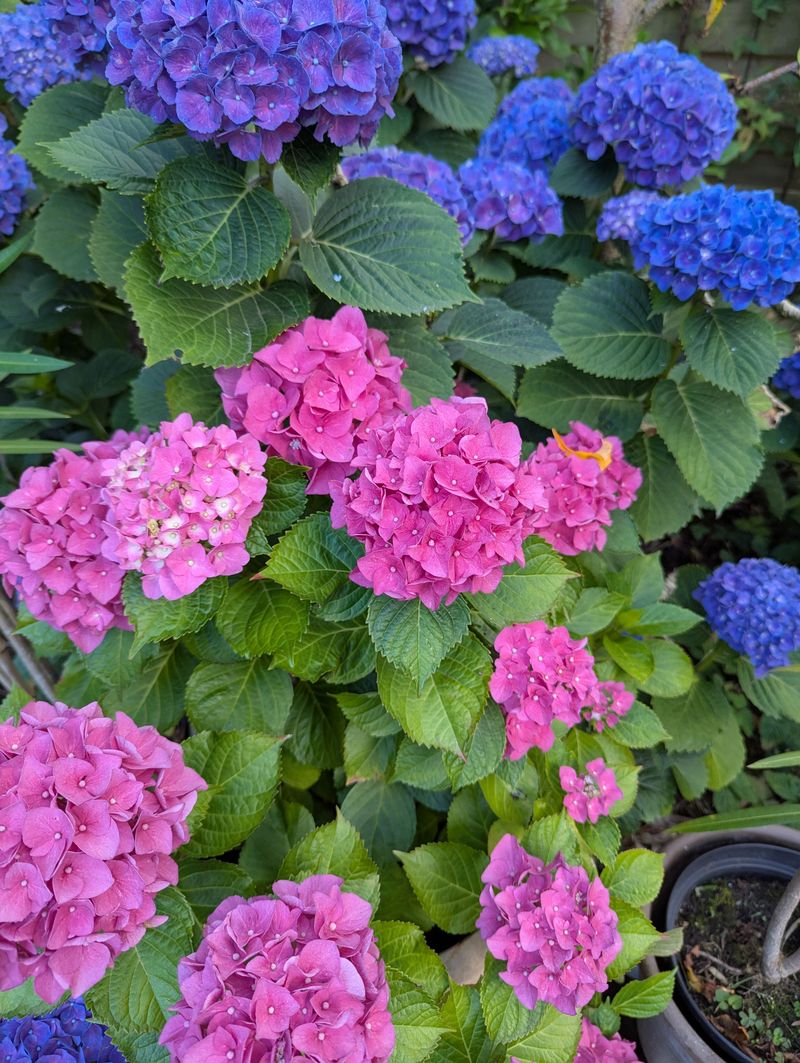
Those gorgeous blue and pink mopheads everyone loves come with a catch. Bigleaf hydrangeas, known as Hydrangea macrophylla, are the fussiest of the bunch when it comes to timing.
Most of them bloom on old wood, so their flower buds are already sitting on the stems by fall. Cutting those stems back in October means tossing next summer’s flowers into the yard waste bin.
In cold places, the buds already face plenty of danger from frigid winds and deep freezes. Adding pruning to that list only stacks the odds against you.
Your Michigan Garden Changes Every Week. Your Plan Should Too.
Gardening in Michigan changes quickly throughout the season. Every Friday you’ll receive a simple weekly plan showing exactly what to plant, prune, fertilize, harvest, and protect so you never miss the right timing.
So what can you safely do? Snip off the faded flower heads if they bother you, cutting just below the bloom. Remove any stems that are clearly broken.
Then leave the rest of the plant standing tall through winter. Spring is when the real cleanup happens. Wait until you see fresh green leaves pushing out along the stems.
Any stem that stays bare and brittle after the others wake up can be cut back to the base, since it did not survive the cold.
Gardeners who want more flower insurance can try reblooming varieties. Types like Endless Summer and Let’s Dance bloom on both old and new wood.
Even if winter damages the old buds, these plants can still flower on fresh growth later in summer. Michigan winters are tough on bigleaf hydrangeas, and many years the buds take a beating.
When the weather already threatens your blooms, every healthy stem you protect gives you a better shot at color. Holding off on the pruners is the kindest favor you can give this plant.
3. Oakleaf Hydrangeas Also Bloom On Old Wood
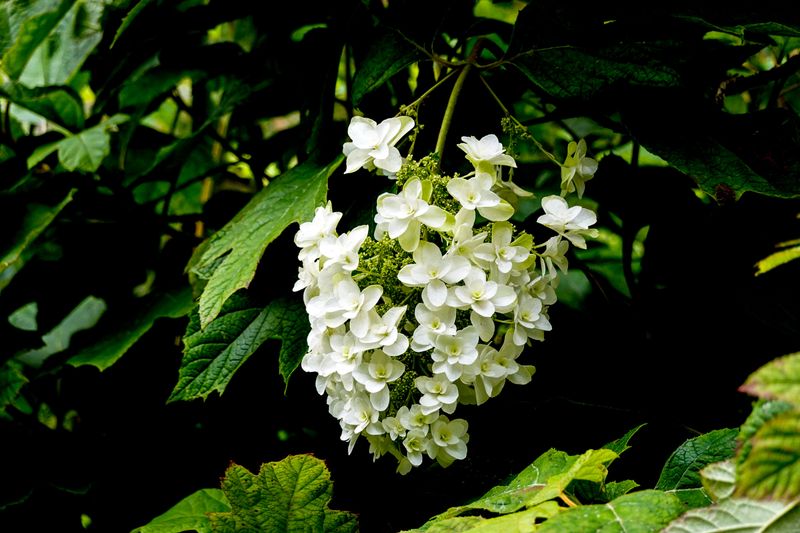
Few shrubs put on a better autumn show than the oakleaf hydrangea. Its big, lobed leaves turn rich shades of red, wine, and burgundy as the weather cools. Even after the leaves drop, the peeling, cinnamon-colored bark keeps things interesting all winter.
Oakleaf hydrangea, or Hydrangea quercifolia, is native to the southeastern United States. Like its bigleaf cousin, it forms flower buds on stems from the previous year.
A fall pruning session would strip away the cone-shaped white blooms you were hoping to see next summer.
Luckily, this shrub does not need much trimming anyway. It has a naturally attractive shape that looks best when left mostly alone. If you do want to shape it or control its size, do a light trim right after it finishes flowering in summer.
Fall chores stay simple. Walk around the plant and look for branches that are broken, damaged, or no longer leafing out. Cut those back to healthy wood or down to the ground, and leave everything else untouched.
Skipping the fall trim also means you get to enjoy the full color display. Cutting back those glowing leaves would be like turning off the fireworks halfway through the show. Patience pays off twice with this plant.
In Michigan, oakleaf hydrangeas perform best in the milder southern and lakeshore areas of the state.
Plant them in a protected spot, like the east side of a house or near a fence that blocks harsh winter wind. A sheltered location helps the flower buds make it through to summer.
4. Smooth Hydrangeas Can Handle Fall Pruning
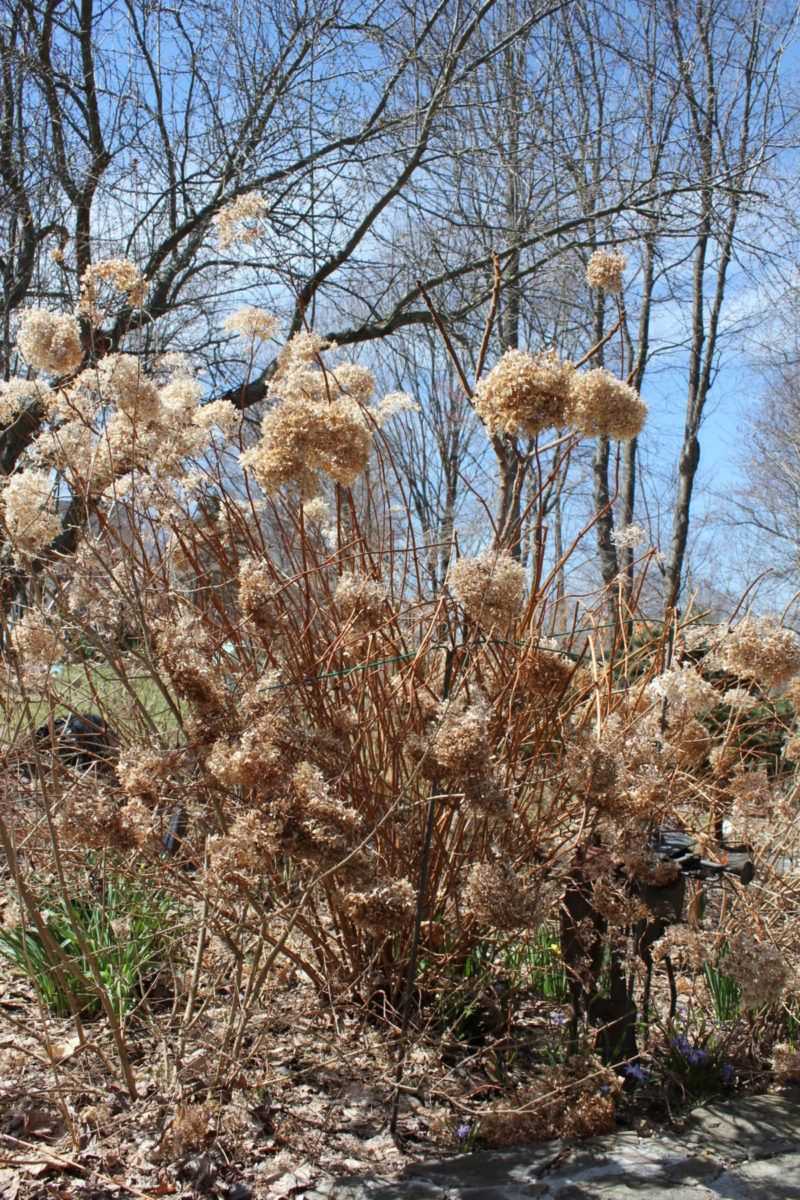
Good news for anyone growing Annabelle or Incrediball! Smooth hydrangeas, known as Hydrangea arborescens, are some of the easiest shrubs to prune. You really cannot mess them up with fall timing.
Their secret is that they bloom on new wood. Flower buds form on the stems that shoot up next spring, not on the ones standing in your yard right now. That means a late fall cut will not take away a single bloom from next summer.
Plenty of gardeners still prefer to wait until late winter or early spring. Either choice works fine. Pick whichever fits your schedule and your style.
How far you cut makes a bigger difference than when. Many people chop smooth hydrangeas all the way to the ground, but that often leads to thin stems that flop over under heavy flowers. A smarter plan is to leave about 18 to 24 inches of stem.
Those taller stubs act like a sturdy framework for the new growth. Fresh stems branch out from them and get extra support, which helps those giant white blooms stay upright after a summer rain. Your plant will look fuller and tidier all season long.
Michigan gardeners have a special reason to love smooth hydrangeas. These shrubs are extremely cold hardy, and they come from native roots in eastern North America.
Whether the winter brings mild days or a brutal polar vortex, they bloom reliably every summer. For anyone tired of bigleaf types that skip a year, this plant is a cheerful, dependable choice.
5. Panicle Hydrangeas Are Best Pruned In Late Winter
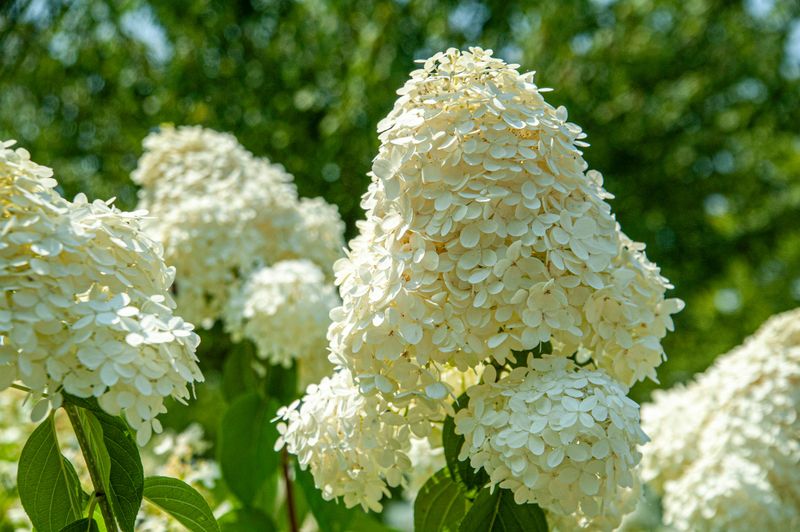
Limelight, Quick Fire, and Pinky Winky have become stars in Michigan yards, and for good reason.
Panicle hydrangeas, or Hydrangea paniculata, are tough, showy, and easy to grow. Their cone-shaped blooms often shift from white or lime green to pink as summer winds down.
These shrubs bloom on new wood, so a fall trim will not cost you any flowers. Still, most experts suggest waiting until late winter or early spring. There are two solid reasons for holding off.
First, waiting lets you see what winter did to the plant. Any stems that cracked under snow or got damaged by cold will be easy to spot before you start cutting.
Second, keeping the dried flower heads in place gives your yard something pretty to look at during the gray months.
When the time comes, aim for a sunny day before new buds start swelling. Cut each stem back by about one third. Then remove any weak, skinny, or crossing branches that crowd the center of the shrub.
Try to keep a strong framework of thicker stems. Those sturdy branches hold up the heavy flower clusters without bending to the ground. A well-shaped panicle hydrangea looks almost like a small tree covered in blooms.
Here in Michigan, panicle hydrangeas are among the most cold hardy and popular choices you can plant.
They handle freezing temperatures across the entire state, from the Upper Peninsula to the Ohio border. With a simple late winter trim, they reward you with huge flowers every single summer.
6. Dried Flower Heads Offer Winter Benefits
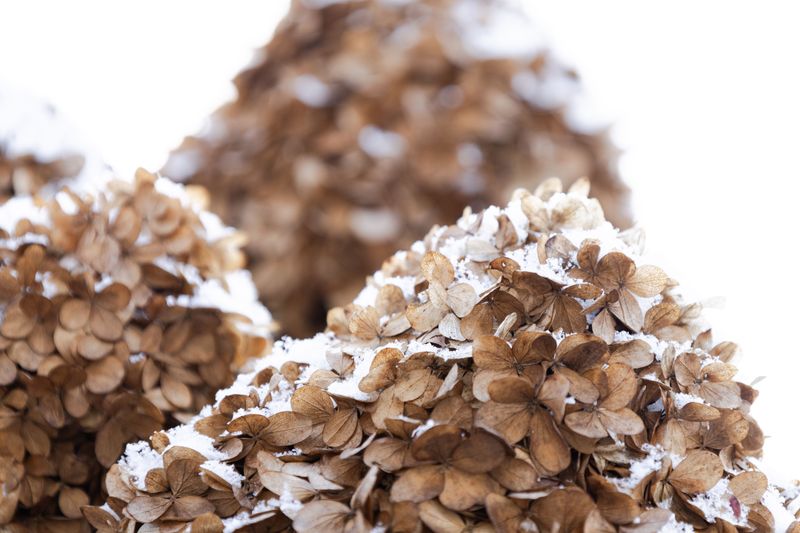
Walk past a hydrangea after a fresh snowfall, and you might stop in your tracks. Those papery flower heads hold soft caps of snow like little frosted cupcakes. It is one of the prettiest sights a winter garden can offer.
Many gardeners skip fall deadheading just for that view. Dried blooms add color, shape, and texture when everything else looks brown and flat. Shades of tan, rose, and pale green linger for months.
There may be a practical perk too. On bigleaf hydrangeas, leaving the old flower heads in place might give a small bit of shelter to the buds sitting just below. It is not a heavy coat of armor, but every little bit helps in a cold climate.
For most hydrangeas, the plan is easy. Leave the flower heads alone until spring, then trim them off when you do your regular cleanup. Birds sometimes appreciate the shelter as well.
There is one exception worth keeping in mind. Panicle and smooth hydrangeas can carry very large, heavy blooms. When thick, wet snow or a coating of ice piles onto those heads, stems can bend or snap.
If your plants have especially big flower heads, consider trimming off a few of the heaviest ones in late fall. You will still keep plenty of winter charm while lowering the risk of breakage.
Michigan gardens can look bare from November until April, which is a long stretch without color. Snow also loves to weigh down branches here. A balanced approach lets you enjoy the beauty while keeping your shrubs safe and sound.
7. Some Pruning Is Fine Any Time Of Year
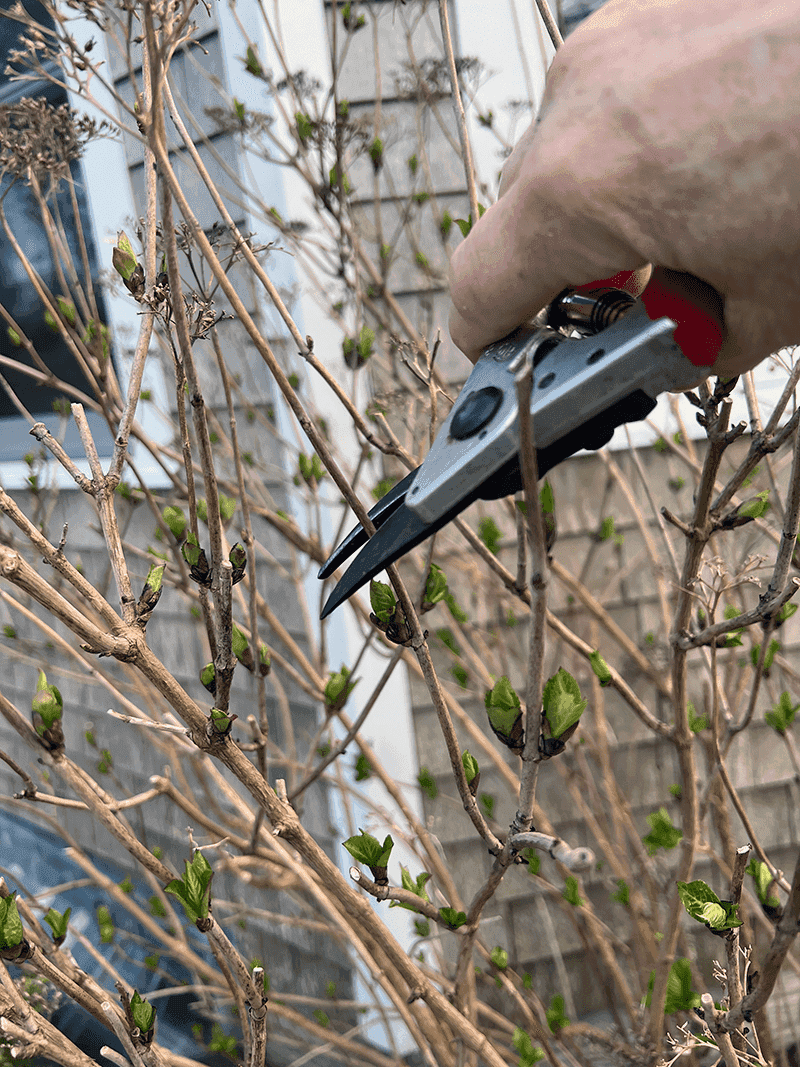
Even the pickiest hydrangea welcomes a little help in fall. Certain pruning jobs are safe for every type, from bigleaf to panicle. Think of them as basic health care rather than a style makeover.
Removing stems that are broken, diseased, or no longer alive will not affect next year’s flowers. Those stems were not going to bloom anyway. Taking them out helps the plant stay healthy and keeps problems from spreading.
Start by looking over each shrub carefully. Cut damaged or lifeless stems back to healthy wood, where you see green under the bark, or remove them right at the base. Use clean, sharp pruners so each cut heals quickly.
Next, grab a rake. Fallen hydrangea leaves can hold fungal spores that cause leaf spot and other diseases next year. Clearing them away from the base of the plant cuts down on those troubles before spring.
Some fall habits can backfire, though. Skip the fertilizer after late summer, since feeding pushes out soft new growth that cannot handle a hard freeze.
Heavy pruning can trigger the same tender growth, so save big shaping jobs for the right season for each type.
A layer of shredded leaves or bark mulch around the root zone also helps. It keeps soil temperatures steadier and protects roots during wild temperature swings.
For Michigan gardeners, a thoughtful fall cleanup sets hydrangeas up for success. Plants that head into winter clean, tidy, and free of broken branches come out stronger in spring. A little effort now means more blooms to brag about next summer.