Why Some Michigan Shrubs Are Reblooming After Record Heat And What This Weekend’s Freeze Means For Them
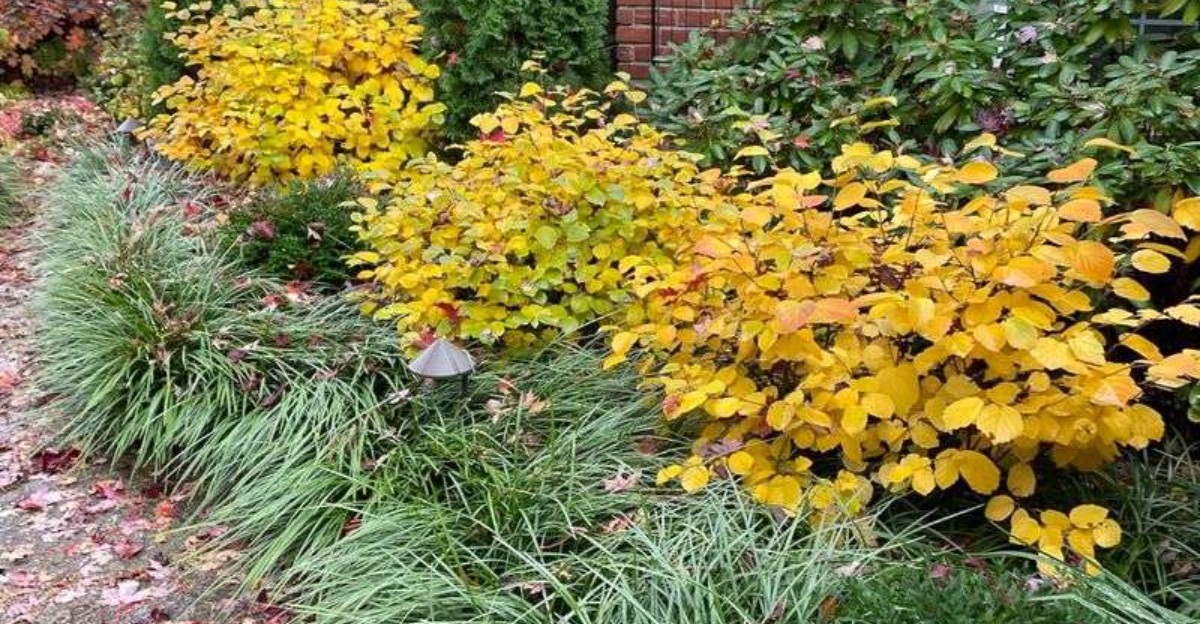
A lilac with flowers in October looks surprising, and it is. This week’s unusual heat pushed some Michigan shrubs to open buds they had set aside for spring. Warm days and mild nights confused them into thinking the season had changed.
It is a rare sight, and it can be lovely. But the cold front arriving Friday ends the show fast, with frost possible in many areas over the weekend. Open flowers cannot handle that kind of chill.
The bigger question is what it means for next spring. Buds that opened now will not be there later. Most shrubs have plenty of others in reserve, so the loss is usually small.
Watching how your shrubs respond this month teaches you a lot about how much extra energy they can spare.
1. Reblooming Shrubs Kept Going In The Warm Weather
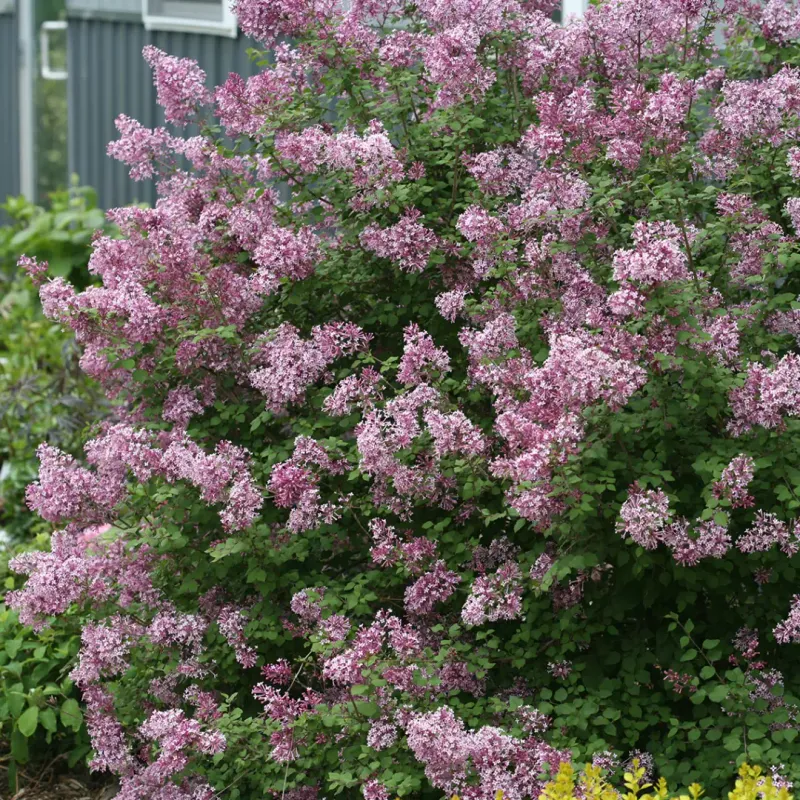
Plant breeders have spent years creating shrubs that simply refuse to quit. Bloomerang lilacs, Endless Summer bigleaf hydrangeas (Hydrangea macrophylla), Knock Out roses, and Sonic Bloom weigela were all developed to flower more than once a year.
When the weather stays friendly, they keep the color coming. The secret lies in how they make flower buds.
Older types of lilacs and hydrangeas form their buds only once, usually in summer, for the next year. Rebloomers can also form buds on new growth as the season moves along, so fresh stems can carry fresh flowers within weeks.
Warm weather acts like extra time on the clock. When October feels more like July, these shrubs keep growing, and new growth means new blooms. Gardeners across Michigan saw exactly that when near-record heat rolled through in mid October 2026.
So what should you expect? A late flush of flowers on a reblooming shrub is normal behavior, not a cry for help. The plant is doing what it was bred to do, and the blooms may be a little smaller or paler than summer ones.
Enjoy the show while it lasts, because cooler nights will slow things down soon. Snap a few photos, cut a stem or two for the kitchen table, and leave the rest alone. There is no need to feed or trim the shrub to keep the flowers going.
Michigan falls usually shut down growth fast, so this year’s bonus round is a rare treat. If you have been on the fence about adding a rebloomer to your yard, this warm spell shows off what they can do. Make a note now and plan to plant one next spring.
2. Some Spring Bloomers Got Confused
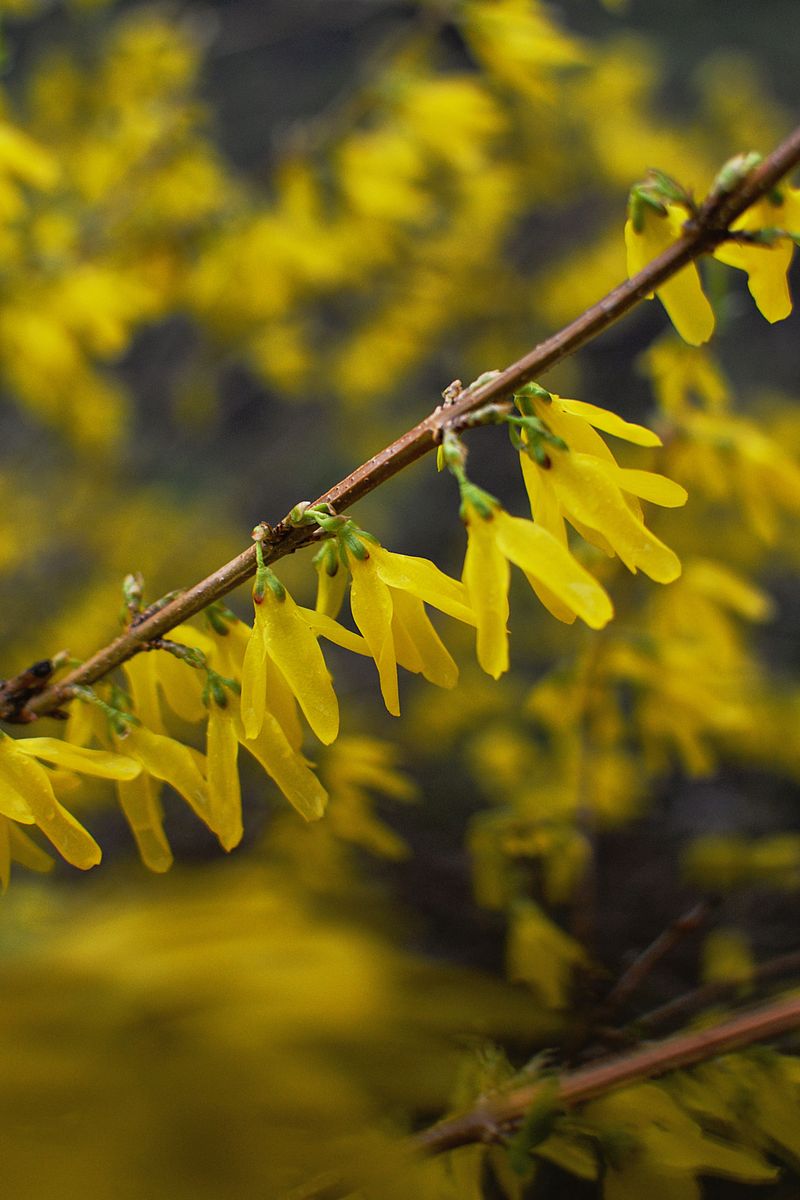
Yellow forsythia flowers in October? Plenty of Michigan gardeners did a double take this month. A few spring shrubs, including forsythia, lilacs, azaleas, and rhododendrons, decided to open some blossoms months ahead of schedule.
Here is how it works. Spring bloomers set their flower buds during the summer, and those buds are meant to rest through winter before opening the next spring. They need a long cold period to wake up properly.
Your Michigan Garden Changes Every Week. Your Plan Should Too.
Gardening in Michigan changes quickly throughout the season. Every Friday you’ll receive a simple weekly plan showing exactly what to plant, prune, fertilize, harvest, and protect so you never miss the right timing.
Stress can mess with that plan. A dry stretch in late summer can slow a shrub down, almost like a short rest. When unusually warm temperatures show up afterward, a few buds may read the signals wrong and break dormancy early, opening as if spring had arrived.
Look closely and you will usually see only a handful of flowers. Expect a scattered sprinkle of color here and there instead of the full, showy display you get in April or May. Most buds stay tucked away, waiting for the right time.
Nothing needs fixing here. The shrub is not sick, and you do not have to pluck off the flowers or change your care routine. Just keep watering if the soil is dry and let nature sort it out.
Michigan Octobers are famous for wild swings. One week brings record warmth, and the next brings frosty mornings, so mixed signals like these happen more often than you might think.
Keep an eye on your spring bloomers this fall and jot down which ones opened early. That little record can help you understand your plants better year after year.
3. Warmth Plus Rain Can Push Fresh Growth
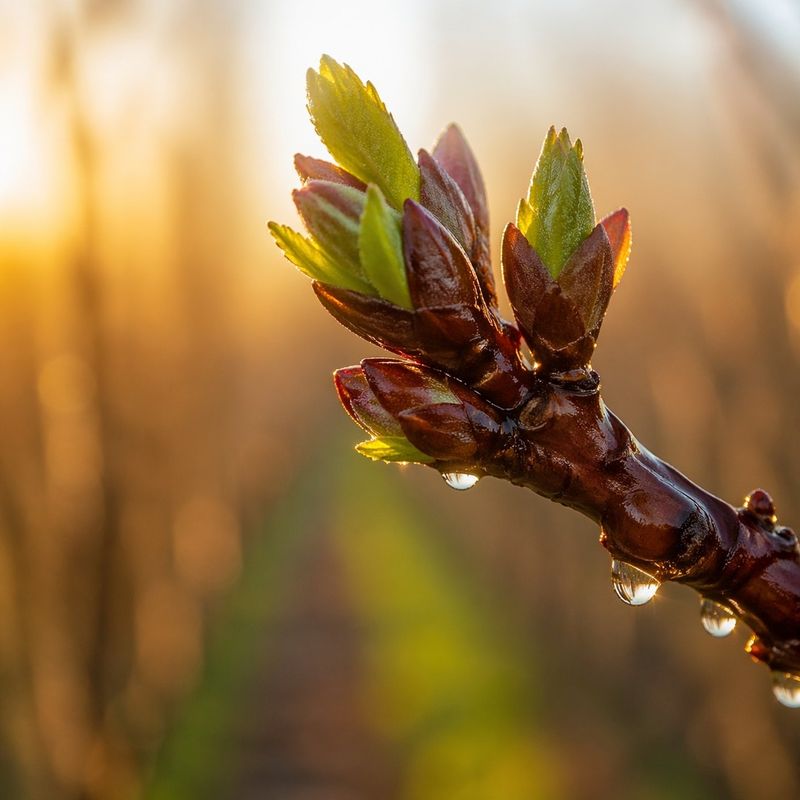
Give a shrub warm days and a good soaking, and it reads the message loud and clear: time to grow. That combo is exactly what many Michigan yards are getting this week, with rain in the forecast right after unusually warm days.
Warmth and moisture together are the classic signs of a growing season. Roots pull up water, leaves make food, and the plant pushes out tender new shoots and buds.
The trouble is timing, because mid October is when shrubs should be slowing down and getting ready for winter.
Soft new growth is pale, bendy, and full of water. It has not had time to toughen up, so it handles cold poorly. You may spot bright green leaves at branch tips that look very different from the darker, older foliage.
Your best move is to hold back on two common chores. Skip fertilizer in fall, since extra nutrients can fuel even more late growth. Put the pruners away too, because cutting stems tells a shrub to send out fresh shoots that will not harden before the cold sets in.
A light layer of mulch is still a smart choice. Two to three inches of shredded bark or leaves keeps soil moisture steady and helps roots settle in for the season ahead, just keep it a few inches away from the stems.
Michigan weather rarely stays warm for long in October, so this growth spurt should fade on its own. The goal is to avoid encouraging it.
Let the rain do its work, keep your hands off the fertilizer bag, and your shrubs will ease into winter on their own schedule.
4. Fall Flowers On Spring Shrubs Mean Fewer Blooms Later
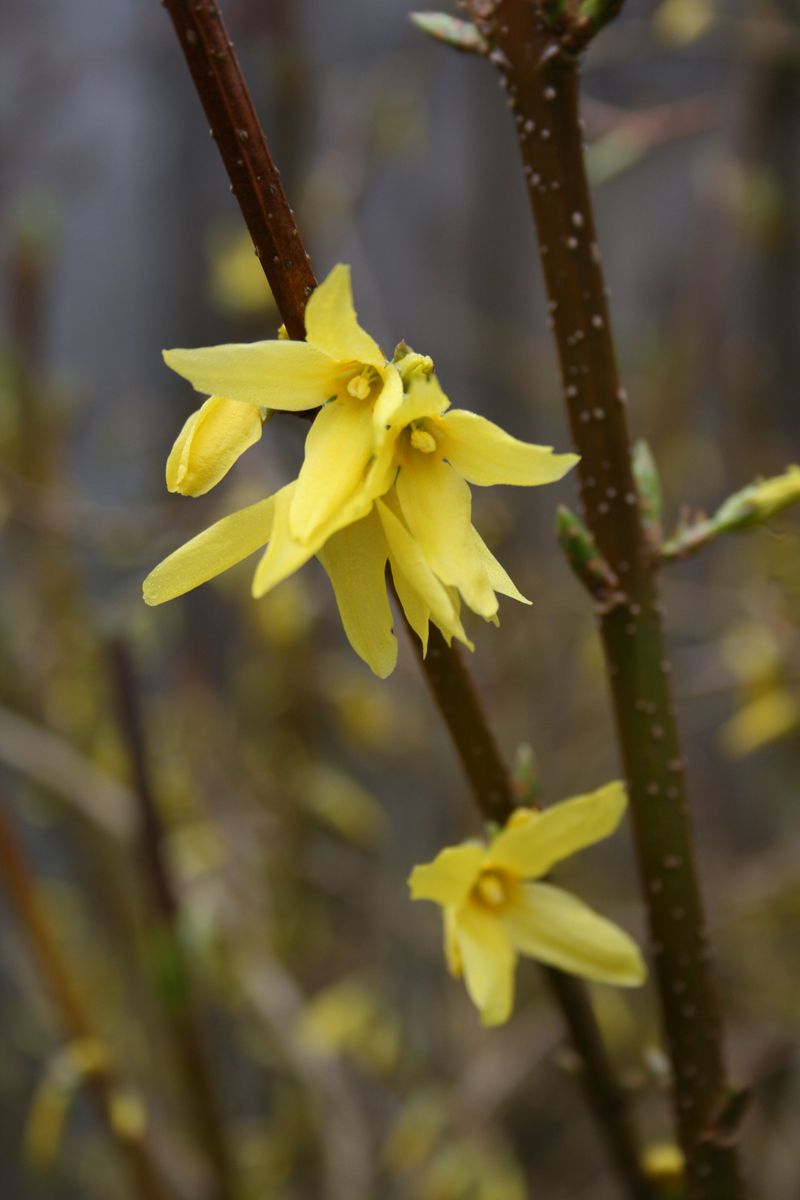
Every flower bud on a spring shrub is a little promise for next year. Lilacs, azaleas, and forsythia spend the summer packing those buds, and each one is meant to open when winter finally lets go.
When a bud opens in fall, it cannot open again in spring. That means a shrub showing scattered October blooms may have slightly fewer flowers next season.
The good news is that the loss is usually tiny, because most buds stay asleep through the warm spell.
Think of it like a box of crayons where only a couple got used early. You still have plenty left to color the whole picture. A forsythia with a dozen fall flowers still holds hundreds of buds ready for April.
So go ahead and enjoy the surprise. Clip a few fall blossoms and set them in a small vase indoors, where you can admire them without worry. Cutting them will not hurt the shrub or affect next year’s show.
Real concern only makes sense if a shrub opened a large share of its buds. If your azalea looks nearly as full as it does in spring, expect a lighter display next year. Even then, the plant itself stays healthy and will set a fresh crop of buds next summer.
For Michigan gardeners, spring lilacs and azaleas feel like a reward after long gray winters. Those sweet-smelling purple clusters are worth waiting for.
Rest easy knowing that a few early flowers this October will barely dent the color coming your way when the snow melts.
5. This Weekend’s Cold Will Likely End The Show
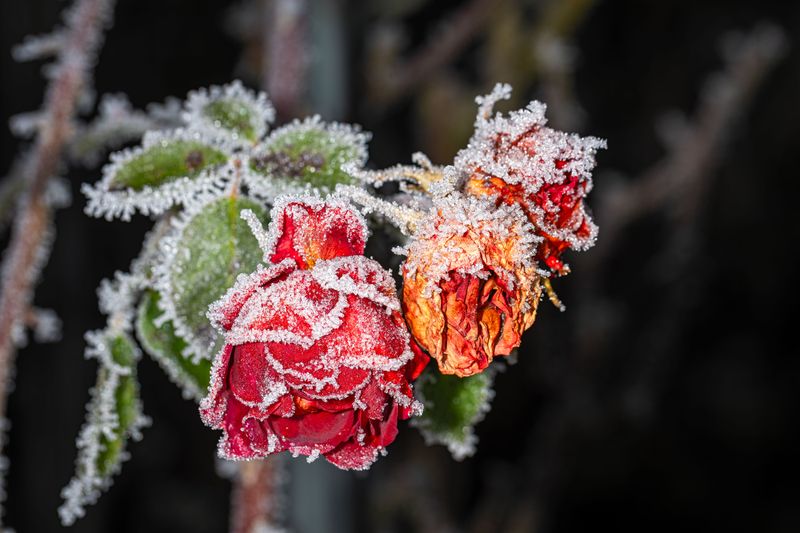
Enjoy those late blooms while you can, because the weekend has other plans.
Forecasters expect a stronger cold front to sweep across Michigan after the unusual warmth, with temperatures dropping into the 30s over the weekend and frost possible in colder spots.
Flowers and fresh shoots are the most delicate parts of a shrub. Open petals, swelling buds, and soft new stems hold lots of water and have thin tissue. Mature wood, on the other hand, is tough and much better at handling a chilly night.
Where your shrub sits matters a lot. Cold air is heavy, so it slides downhill and settles in low spots, much like water filling a bowl. Shrubs at the bottom of a slope or in a dip in the yard may see frost even when the rest of the garden stays a bit warmer.
After the first frosty morning, you may walk outside and find brown, limp, or wilted blooms on your rebloomers and confused spring shrubs. Tender new leaves might look darker or droopy too. It can be a sad sight after such a cheerful week.
Take a breath, though, because that change is normal. Browned flowers do not mean the shrub is damaged. The plant is simply losing its most fragile parts while the stems, roots, and resting buds stay safe.
Keep an eye on your local forecast through the weekend so you know how low temperatures may go in your area.
A few degrees can make a big difference. If your yard has a frosty low spot, plan to give those shrubs a little extra attention before sunset.
6. Most Shrubs Will Come Through Just Fine
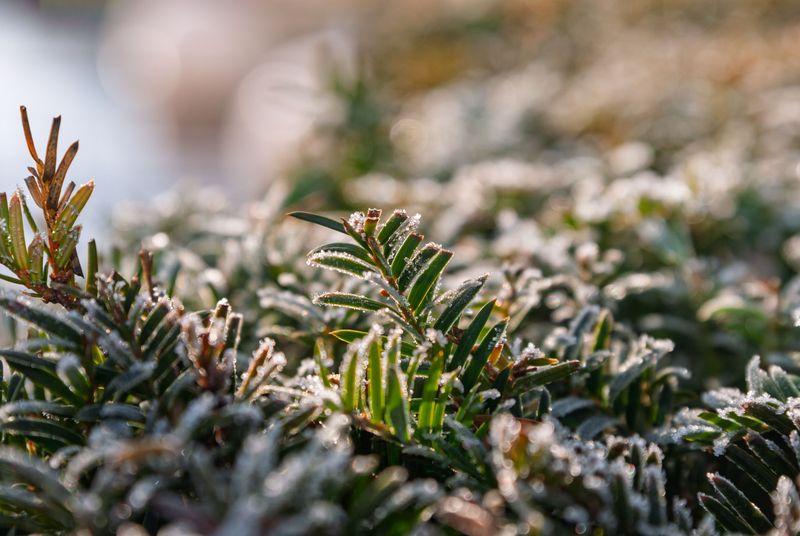
Hardy shrubs are tougher than they look. While their flowers may wilt after a cold night, the plants themselves have been quietly preparing for winter for weeks, even during the warm spell.
By mid October, shorter days kick off a process called hardening. Woody stems slowly lose some water and build up natural sugars that work a bit like antifreeze. Most of the dormant buds tucked along the branches are going through the same change.
Because of that, a night near freezing usually harms only the showiest and softest parts. Open blooms and fresh green tips might brown, but the main framework of the shrub stays strong.
A lilac, rose, or hydrangea that has lived in your yard for years has handled plenty of nights like this before.
Expect a little cosmetic damage and not much more. Shrubs with some browned growth will recover, and the resting buds should still open on schedule next season. Those brown leaves will drop naturally as fall continues.
Patience is your best tool here. Real damage is easiest to judge in spring when growth starts again. Scratch a twig lightly with your fingernail then, and if you see green underneath, that part of the stem is healthy and ready to grow.
Michigan gardeners know that quick flips from warm to cold are just part of October. One afternoon you are in shorts, and the next you are scraping the windshield.
Your shrubs are built for that rhythm, so trust them to bounce back and save your worry for something else.
7. What To Do Before And After The Cold
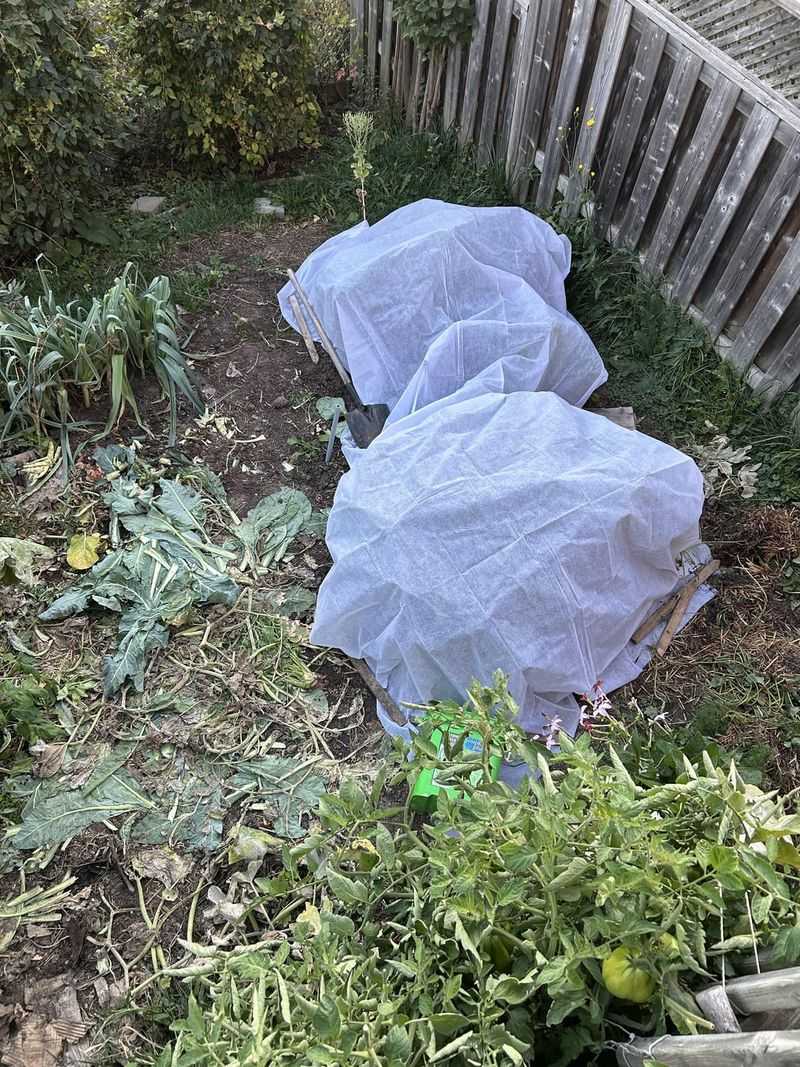
A little prep goes a long way when cold is on the way. You do not need fancy gear or hours of work, just a few smart moves that protect your favorite blooms and keep shrubs comfortable through the sudden change.
Start with water. If the soil feels dry an inch or two down, give shrubs a deep, slow drink before the first cold night.
Moist soil holds heat better than dry soil, and well-watered plants handle cold stress more easily. Next, grab some old bedsheets, blankets, or frost cloth.
On the coldest night, drape them over small reblooming shrubs so the cover reaches the ground, which traps warmth rising from the soil. Pull the covers off in the morning so the plants get sunlight and fresh air.
Skip plastic if it would touch the leaves. Plastic lets cold pass right through, and any leaves pressed against it can get frost damage. If plastic is all you have, put a sheet underneath or prop it up with stakes.
Some steps do more harm than good. Avoid fall fertilizer and resist heavy pruning, since both push out tender growth that the next cold night will damage. After the freeze, leave browned flowers and tips alone for now.
Wait until spring to trim branches that did not make it through. By then, you can clearly see which stems leafed out and which stayed bare.
Michigan gardeners can expect more warm and cold swings before winter settles in, so keep those sheets folded and handy for the next chilly forecast.