The Reasons Why Your Pennsylvania Christmas Cactus Is Wilting
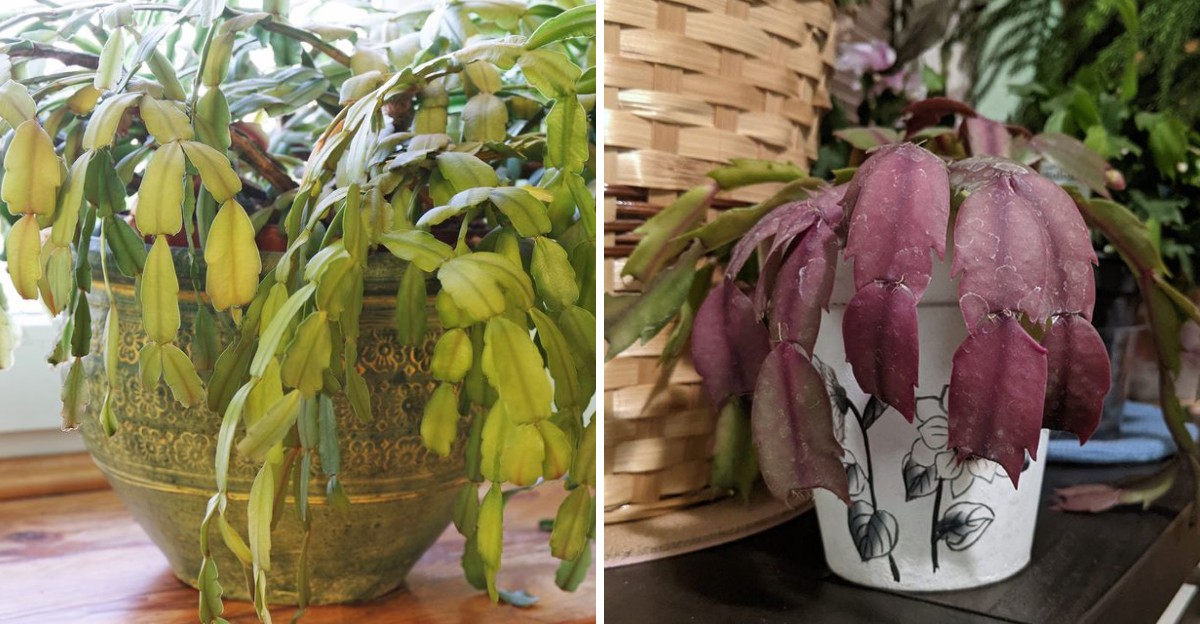
A healthy Christmas cactus has firm, plump segments that stand up and arch outward with a little spring.
Give one a gentle squeeze, and it should feel full of life. So when those segments turn limp, wrinkled, or droopy, it’s natural to worry.
Wilting is one of the most common problems Pennsylvania plant owners run into, especially as fall turns to winter.
The tricky part is that it can point to very different issues. Too much water can rot the roots, leaving the plant unable to drink. Too little water causes the segments to shrivel.
Dry air from the furnace, cold drafts near a window, or a spot too close to a heat vent can add even more stress.
Still, a wilting plant can often recover once you find the cause. A few clues can help you figure out exactly what it needs.
1. It’s Too Dry
Many people think every cactus loves dry soil. That idea makes sense, but the Christmas cactus breaks the rule.
In the wild, it grows in the rainforests of Brazil, perched on tree branches where mist and rain are common.
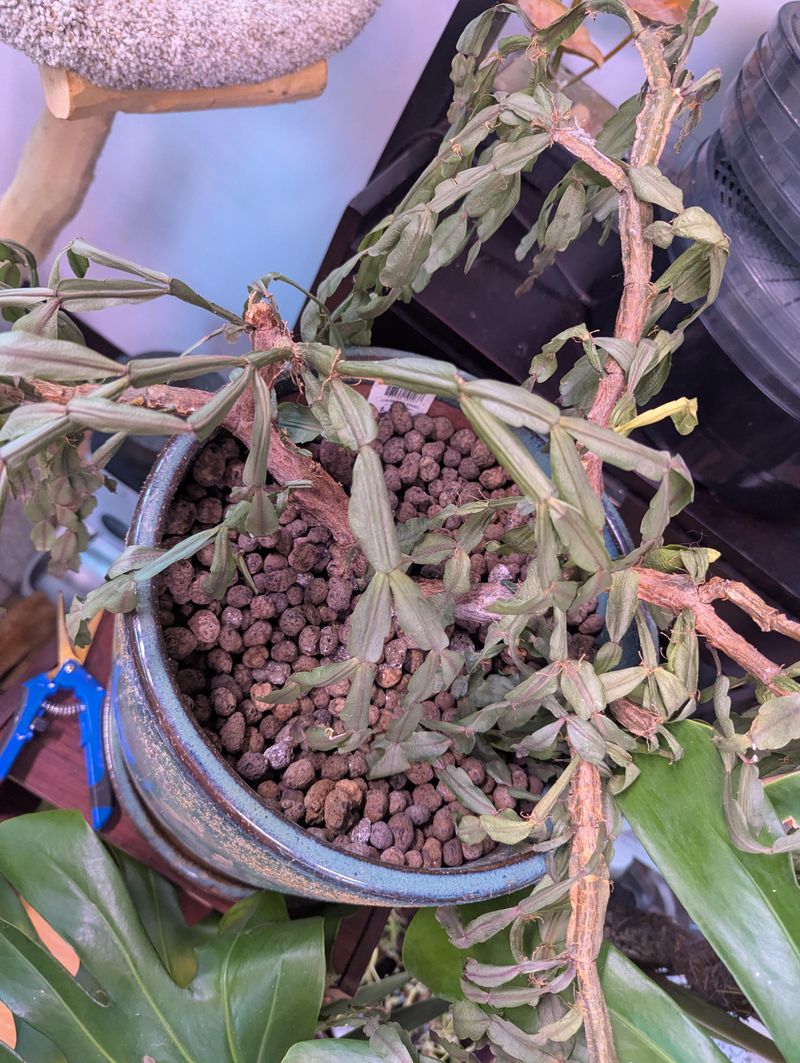
Because of its forest roots, this plant needs more water than a desert cactus. When it goes too long without a drink, the flat segments start to look thin, wrinkled, or shriveled.
They may also feel soft and bendy instead of firm. Those are clear signs your plant is thirsty.
Pennsylvania winters make the problem worse. Once the furnace kicks on, the soil dries out much faster than it did in summer. A watering schedule that worked in August might leave your plant parched by December.
So how do you know when to water? Push your finger about one inch into the soil. If it feels dry at that depth, it is time for a drink. If it still feels damp, wait a few more days.
When you water, do it thoroughly. Pour water slowly until it drains out of the holes in the bottom of the pot. Then let the extra water drip away so the roots are not sitting in a puddle.
A badly dried-out plant may need a soak. Set the pot in a bowl of room-temperature water for about 15 minutes. The soil will pull up moisture from below. After that, let it drain well.
Within a day or two, the segments should start to plump up again. Fun fact: some Christmas cacti have lived for over 100 years with steady, simple care like this.
2. Its Roots Are Rotting
Here is a twist that surprises a lot of plant owners. Too much water can make a Christmas cactus look exactly like it needs more water. That is why overwatering is one of the top reasons these plants wilt.
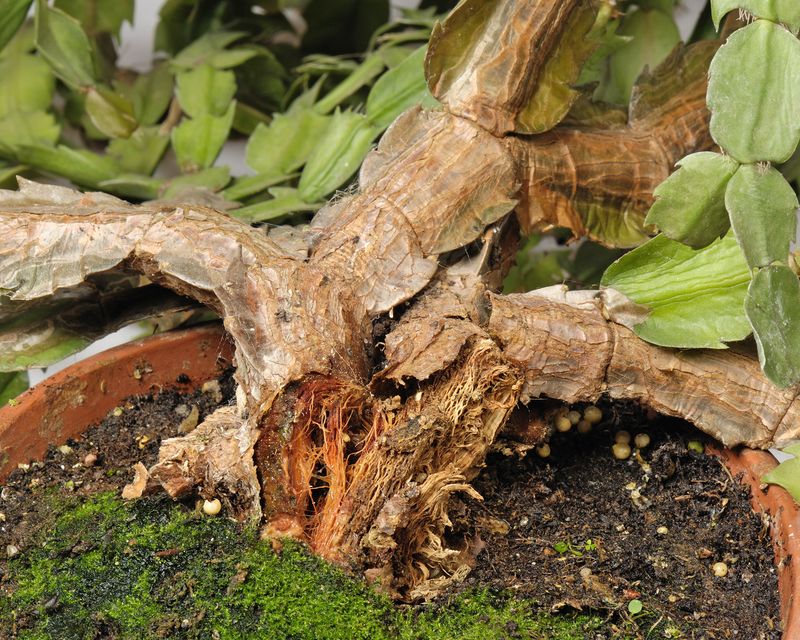
When soil stays soggy, the roots cannot get air. Over time, they turn brown, soft, and mushy. Rotted roots cannot pull water up into the plant, so the segments go limp even though the pot is wet.
Watch for a few warning signs. The base of the stem may feel soft or look dark. The soil might smell sour or stay damp for many days. Segments may also drop off with just a light touch.
Your Pennsylvania Garden Changes Every Week. Your Plan Should Too.
Gardening in Pennsylvania changes quickly throughout the season. Every Friday you’ll receive a simple weekly plan showing exactly what to plant, prune, fertilize, harvest, and protect so you never miss the right timing.
If you suspect rot, act quickly. Gently slide the plant out of its pot and shake off the old soil. Healthy roots look white or light tan and feel firm. Bad roots look brown or black and feel slimy.
Use clean scissors to trim away every damaged root. Wipe the blades with rubbing alcohol between cuts to avoid spreading germs.
Then repot the plant in fresh, well-draining mix. A blend made for cacti or orchids works well, or you can add perlite to regular potting soil.
Pick a pot with drainage holes and only slightly larger than the root ball. Christmas cacti actually like being a little snug. After repotting, wait about a week before watering so cut roots can heal.
Going forward, always empty the saucer under the pot. Standing water is a sneaky cause of rot that many people miss.
3. Dry Furnace Heat Is Stressing It
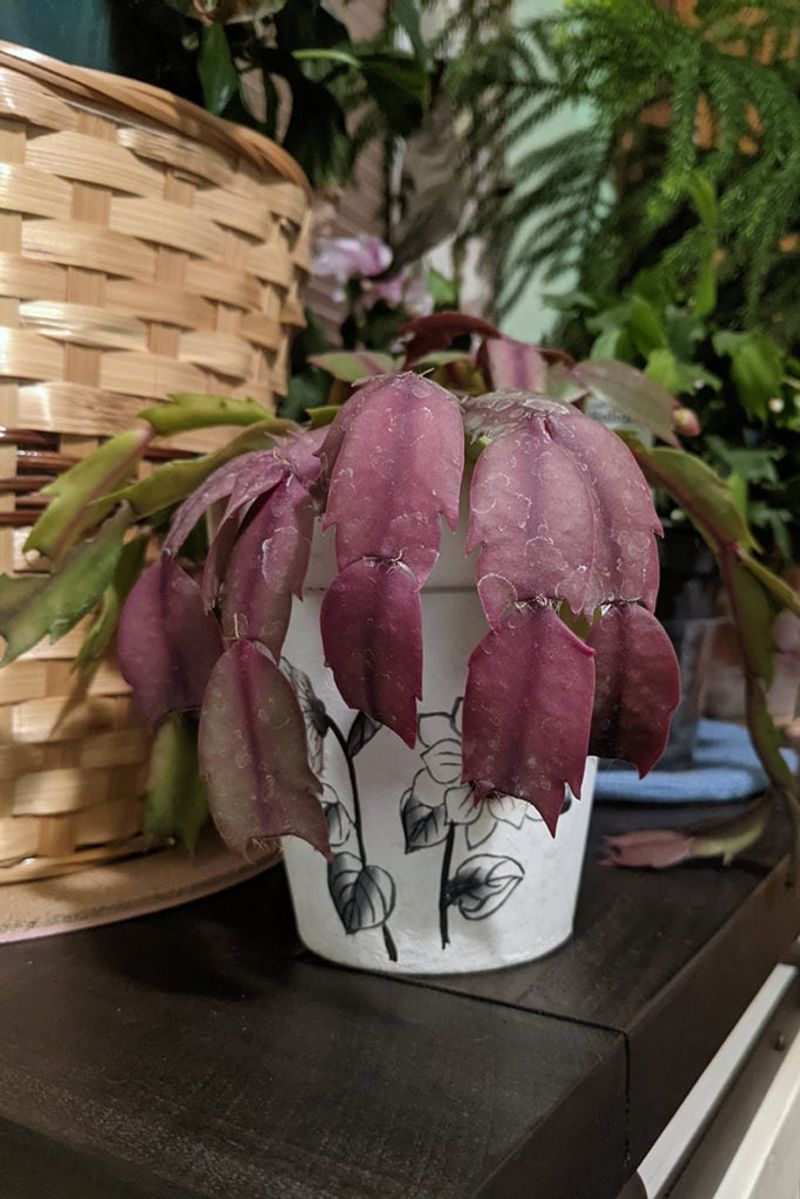
Anyone who has lived through a Pennsylvania winter knows the feeling. Your lips crack, your skin itches, and static zaps you every time you touch a doorknob. Your Christmas cactus feels that dry air too.
When the furnace runs, indoor humidity can drop below 20 percent. That is drier than many deserts!
For a plant that comes from misty forests, the change is a big shock. It loses moisture through its segments faster than its roots can replace it, so it starts to droop.
Location matters a lot. Plants sitting near heating vents, radiators, or wood stoves get hit with blasts of hot, dry air.
Older Pennsylvania homes often have cast iron radiators right under windows, which is exactly where people like to set plants. Try moving your cactus at least a few feet away from any heat source.
Next, add some moisture to the air around it. A pebble tray is cheap and easy. Fill a shallow tray with small stones, add water just below the top of the pebbles, and set the pot on top. As the water evaporates, it creates a little cloud of humidity.
A small room humidifier works even better, and your family will enjoy it too. Grouping several houseplants together also helps, since plants release moisture and share it with their neighbors.
Skip heavy misting, though. It only helps for a few minutes and can leave water sitting on the segments. With steadier humidity, your cactus should perk up and hold onto its buds.
4. It’s Too Cold
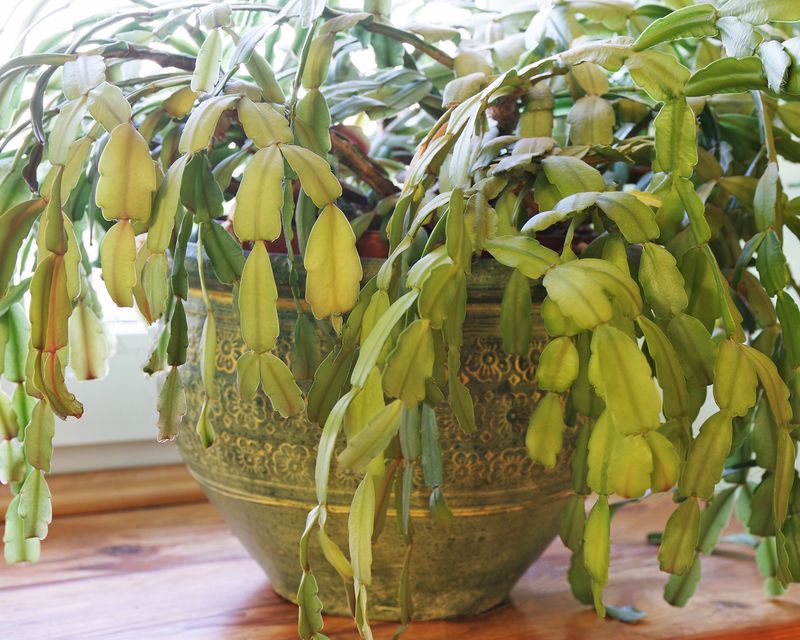
Brrr! Picture standing next to an open front door in January wearing a T-shirt. You would shiver and want to move fast. Your Christmas cactus cannot walk away, so it shows its discomfort by wilting instead.
These plants are happiest between about 60 and 70 degrees. Cooler nights in fall actually help them set buds, which is great.
But icy drafts and freezing glass are a different story. Temperatures below 50 degrees can damage the tissue and make the segments go limp, mushy, or discolored.
Windowsills are the usual trouble spot. During a Pennsylvania cold snap, window glass can get very chilly, even if the room feels warm.
Leaves that touch the glass may turn soft or show see-through, watery patches. Those patches are cold damage.
Doorways are another problem. Every time someone comes in from shoveling snow, a gust of frosty air rushes inside. A plant sitting near the entry gets hit again and again all season long.
The fix is simple. Slide the pot a few inches back from the window so no segments touch the glass.
On really frigid nights, you can close the curtains between the plant and the window for extra protection. Keep it away from drafty doors, mudrooms, and enclosed porches that are not heated.
Also, be careful when bringing a new plant home from the store. Wrap it in a paper bag or a blanket for the car ride.
Even a short walk through freezing air can shock it. Trim off any damaged segments, and the rest should recover.
5. Pests Are Feeding On It
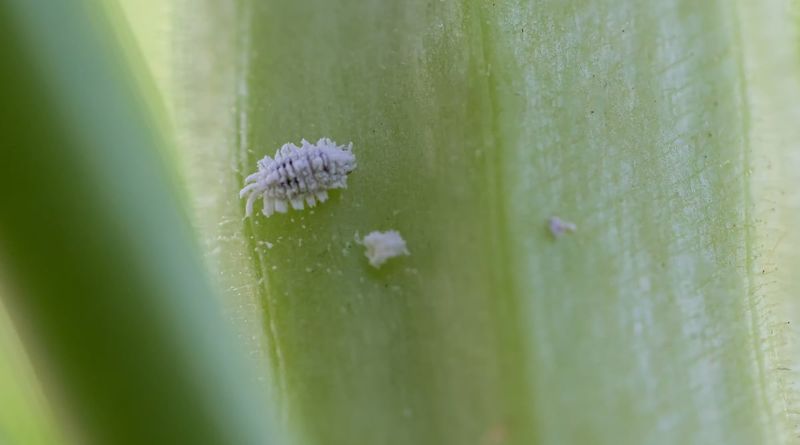
Tiny thieves might be stealing from your plant right now. Mealybugs and scale insects are small, but they are sneaky and hungry. They poke into the stems and suck out the sap, which is the plant’s lifeblood.
As they feed, the segments lose moisture and strength. Eventually, the plant looks weak, limp, and tired. Many people blame watering first and never think to look for bugs.
So grab a flashlight and take a close look. Mealybugs look like little bits of white cotton or fluff. They love to hide in the joints where segments connect and under the edges of leaves. Scale insects look different.
They appear as small brown or tan bumps that stick tightly to the stems, almost like tiny shells.
Another clue is a sticky, shiny coating on the leaves or the table below. That goo is called honeydew, and the bugs leave it behind as waste. Gross, but helpful for spotting them!
Getting rid of them is easy if you catch them early. Dip a cotton swab in rubbing alcohol and dab each bug directly.
The alcohol breaks down their waxy coating. For scale, you may need to gently scrape them off with your fingernail after dabbing.
Check your plant every few days for a couple of weeks, because eggs can hatch later. For a bigger problem, spray the plant with insecticidal soap, following the label.
Keep new plants away from your cactus for a couple of weeks too. That quiet waiting time stops hitchhiking pests from spreading through your collection.
6. It Was Recently Moved Or Repotted
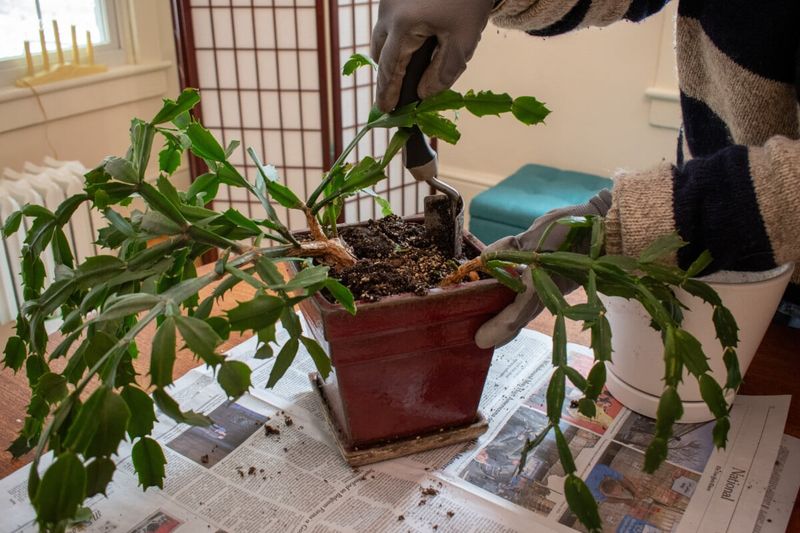
Think about how you feel on the first day at a new school. Everything is unfamiliar, and it takes time to settle in. Plants go through something similar when their surroundings change.
Many Pennsylvania gardeners set their Christmas cactus outside on a shady porch for summer. That is a great idea, since the fresh air helps it grow.
But bringing it back indoors in fall means big changes in light, temperature, and humidity all at once. Wilting afterward is very common.
The same thing can happen when you move the plant to a new room or repot it into fresh soil.
Repotting disturbs the roots, and they need time to grab hold of their new home. Even a gift plant carried home from the garden center may droop for a little while.
The best medicine here is patience. Place the plant in bright, indirect light, such as near an east-facing window or behind a sheer curtain. Harsh direct sun can scorch it, especially while it is already stressed.
Keep your care steady. Water when the top inch of soil feels dry, and avoid feeding it fertilizer for about a month.
Try not to move it around again, either. Christmas cacti are famous for dropping their buds if they get shifted too often while blooming.
Most plants recover within a few weeks. You will notice the segments slowly firming up and turning a richer green.
Quick tip: if you bring it inside each fall, do it before nights drop below 50 degrees. That small step makes the transition much smoother.