The 4 PM Burning Law Every Virginia Homeowner Should Know Before Yard Cleanup

A pile of leaves can cost you more than a weekend. Open-air leaf disposal sounds harmless until you meet Virginia’s rules.
Localities across the commonwealth set their own limits, and some prohibit the practice outright. Some Northern Virginia localities apply stricter open-burning limits, so check local rules first.
Check with your local officials before you begin anything. Dry October afternoons raise the risks, because wind carries debris farther than you expect.
Distance from structures and woodland matters, and officials enforce it. Rangers from the Department of Forestry can issue penalties and send you a bill.
Mulching mowers chop fallen foliage into free fertilizer for your lawn. Municipal curbside pickup and compost drop-offs also spare your lungs and your neighbors.
Careful cleanup protects your wallet and keeps your Saturday open. Mulching, bagging, or curbside pickup keeps your yard clear and your weekend free.
A Spring Rule That Pushes Backyard Fires Past 4 PM
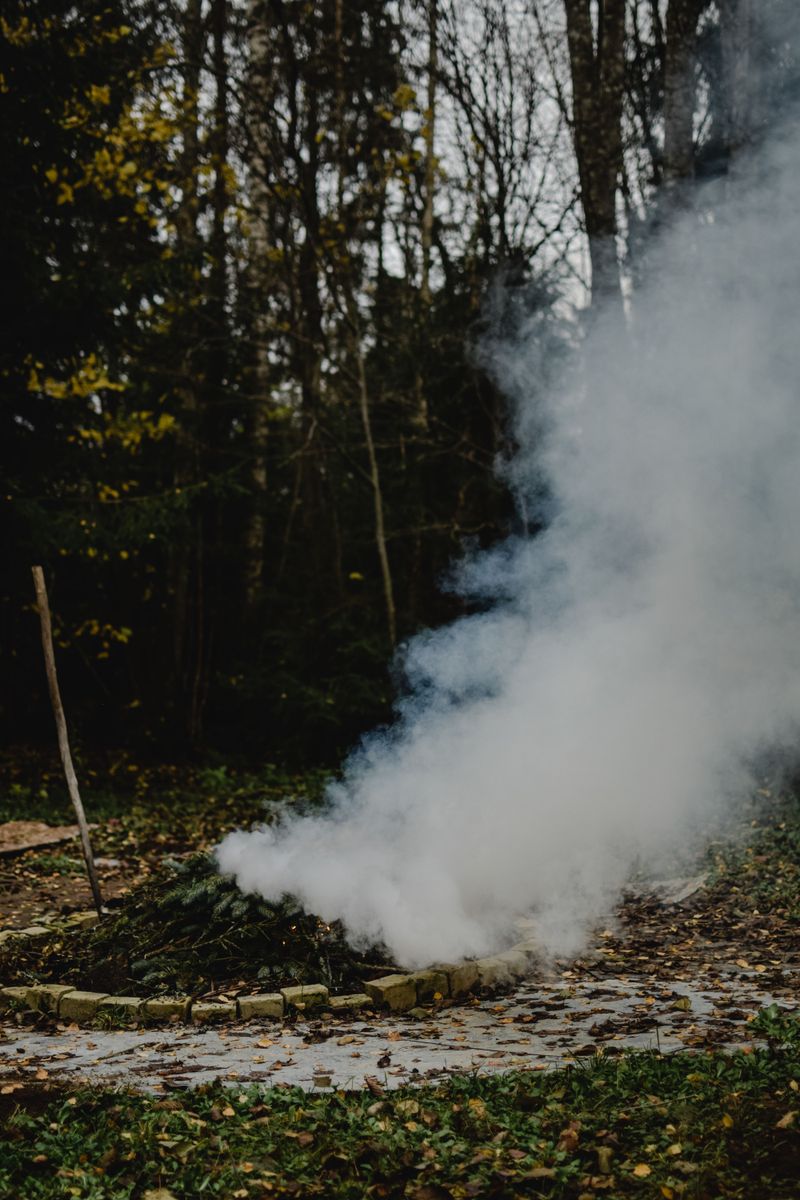
Local towns and counties may add their own stricter limits on top of the state rule. A quick call to your county office clears up any confusion before you strike a match.
Picture a sunny March morning, a fresh pile of branches, and a box of matches in your pocket. In Virginia, that pile has to wait until the afternoon clock reads 4 PM.
The 4 PM Burning Law comes from the Virginia Department of Forestry and applies statewide. It runs every year from February 15 through April 30.
During that window, outdoor burning before 4 PM is not allowed near woods, brush, or dry fields. The rule covers any fire within 300 feet of those areas.
That includes leaf piles, brush piles, stumps, and burn barrels. Burning tires and hazardous materials is banned statewide, and many localities prohibit burning household trash entirely.
Once 4 PM arrives, you may light your pile and tend it into the evening. No new debris should be added after midnight, so plan for an early finish. If your fire sits within 150 feet of woods or dry fuel, you must attend it at all times.
Many homeowners first hear about the rule from a neighbor or a ranger. Learning it ahead of time saves both embarrassment and money.
In October, the spring rule is not active. Still, fall cleanup often spills into late winter, right when the clock starts mattering again.
Treat 4 PM as the earliest permitted time, not a guarantee that burning is allowed. Local rules may still apply.
Your patience earns a safer fire and a calmer conversation with the fire department.
The Dry Fuel Science Behind The Afternoon Cutoff
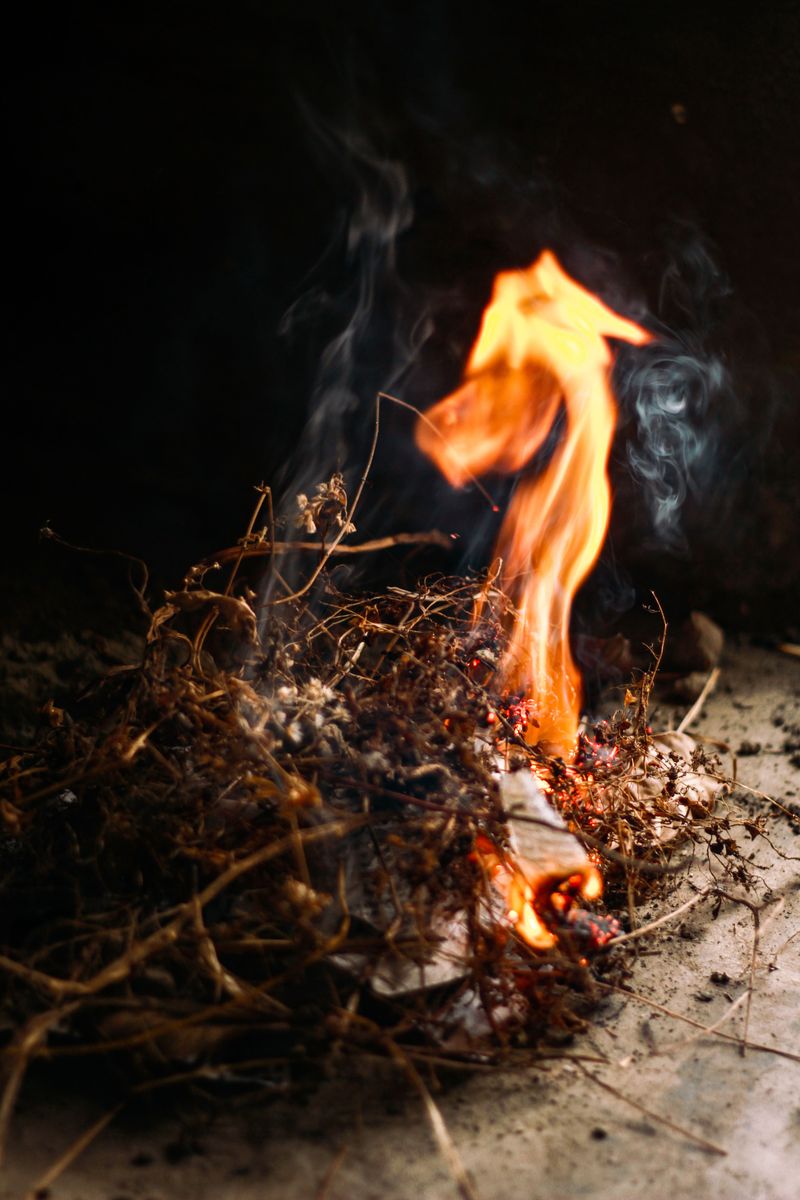
Ever notice how a spring breeze feels gentle, yet leaves skitter across the driveway like they are late? Those dancing leaves explain a lot about the 4 PM rule.
Early spring in Virginia is a high-risk season for wildfires. Trees have not leafed out yet, so sunlight hits the forest floor directly.
That sunshine dries out last year’s leaves, pine needles, and grass in just a few hours. By midday, the ground cover can ignite easily.
Your Virginia Garden Changes Every Week. Your Plan Should Too.
Gardening in Virginia changes quickly throughout the season. Every Friday you’ll receive a simple weekly plan showing exactly what to plant, prune, fertilize, harvest, and protect so you never miss the right timing.
Afternoon hours usually bring the lowest humidity and the strongest winds of the day. Warm, dry, breezy air is the perfect recipe for sparks to travel.
One stray ember can drift into a nearby field and spread quickly, especially in wind. Firefighters see this pattern every spring across the state.
Around 4 PM, conditions usually start to shift in a more helpful direction. Winds tend to calm, and the air slowly gathers moisture as evening approaches.
Cooler temperatures and damp evening air make it harder for an escaped spark to catch. Dew settling on the grass adds another layer of protection overnight.
Forestry officials list debris burning among the leading causes of Virginia wildfires. Many of those fires start from piles people thought were under control.
The cutoff reflects typical daily weather patterns. It follows the natural daily rhythm of Virginia weather, and that rhythm favors evening fires.
The February To April Calendar Window
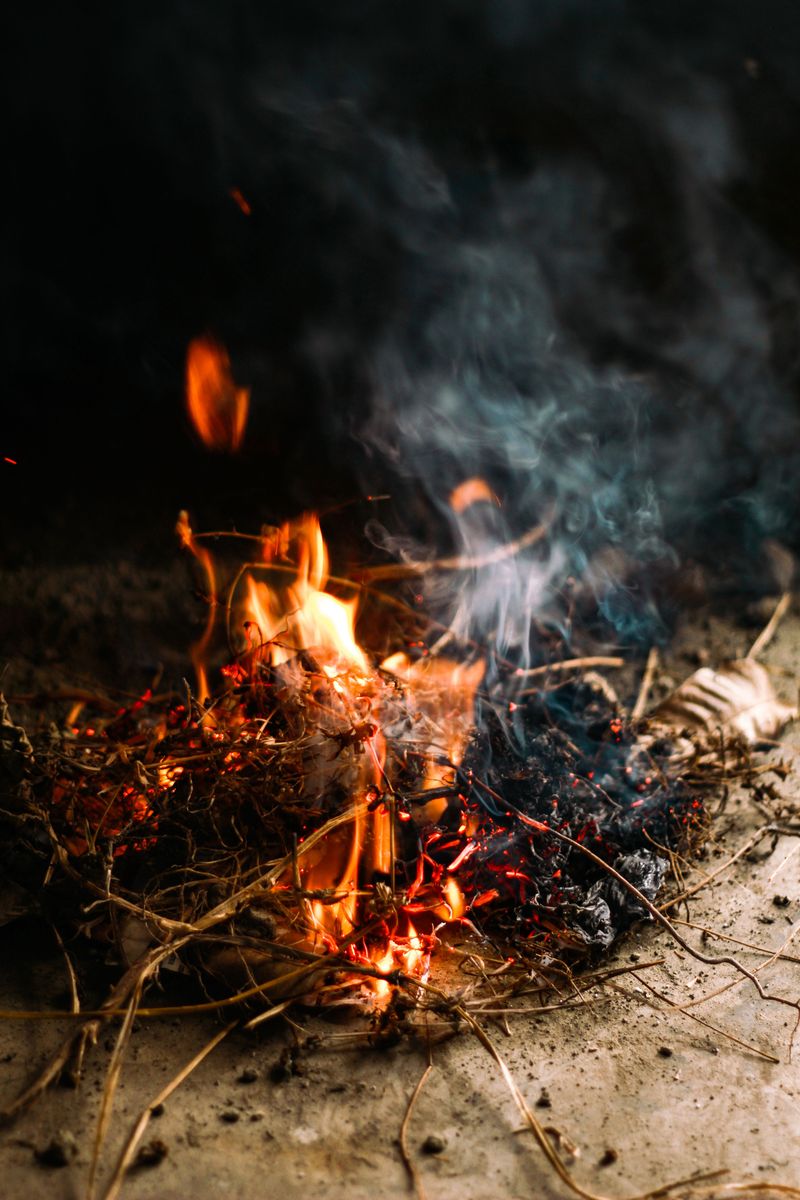
Mark February 15 on your calendar. That date kicks off the season when the 4 PM rule takes charge.
The restriction stays in place every day through April 30, including weekends and holidays. There is no break for Easter, spring break, or a perfectly calm Sunday.
Virginia calls this stretch its spring fire season for good reason. Spring is the state’s peak wildfire season, and many fires occur during these roughly ten weeks.
Outside that window, the state rule takes a rest, but burning is not a free-for-all. Counties and cities may keep their own burn bans or permit rules year round.
Fall brings dry leaves and windy days, so check for local burn bans before you light anything. Dry leaves pile up quickly right now, and windy days can turn risky.
During dry spells, local officials may issue burn bans, so check with your locality and the Department of Forestry website for current fire danger updates. Checking local news or the department website takes only a minute or two.
Homeowners can use October and early November to plan their spring cleanup calendar. Stack brush now, let it dry out, and pick likely burn dates later.
If cleanup drags into late winter, just shift your burning to late afternoon. Starting at 4 PM still leaves plenty of evening hours for a small, well-watched pile. A simple phone reminder on February 14 can save a lot of trouble.
The 300 Foot Distance Rule Explained

Some homeowners assume their yard is too far from woods to count. The law measures actual distance, not perception.
The 4 PM rule applies when your fire sits within 300 feet of woods, brush, or dry fields. That distance is about the length of a football field.
Plenty of suburban lots sit closer to a tree line than people realize. A strip of woods behind the fence counts, even if it belongs to a neighbor.
An unmowed field or a patch of tall dry grass can also trigger the rule. Brushy ditches and overgrown empty lots next door can count too.
Another common slip involves guessing the distance by eyeballing it from the porch. Distances stretch and shrink in our heads, especially when we really want to finish a chore.
A better plan is to pace it out or use a long measuring tape. Roughly 120 normal adult walking steps will cover about 300 feet.
Burn barrels may count as open burning, so ask your local fire marshal how the rules apply to them. Covering the barrel with a screen helps, but the timing rule still applies.
If your yard falls inside that 300 foot zone, treat the rule as yours to follow. When unsure, wait for 4 PM and skip the guessing game.
Waiting protects your neighbors and your wallet. Waiting costs little compared with a penalty.
Fines, Fire Bills, And Other Costly Outcomes
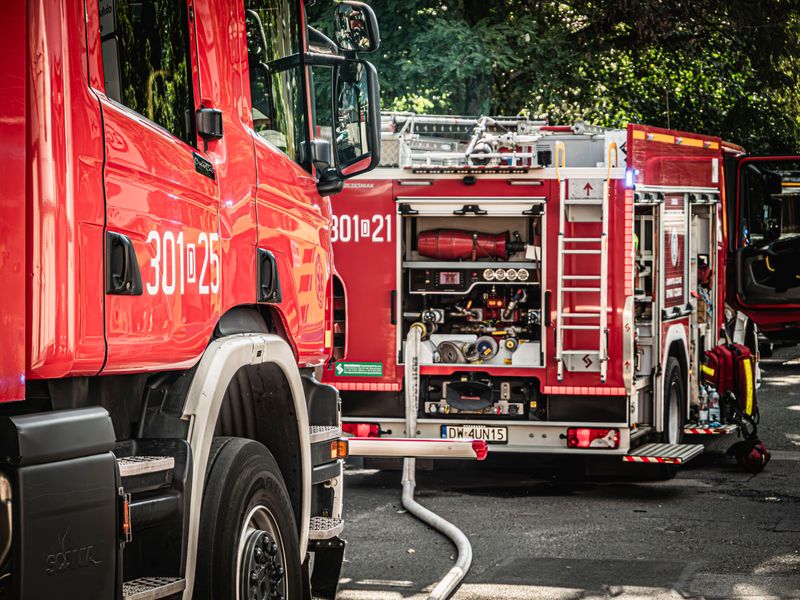
Five hundred dollars buys a lot of leaf bags, a rake, and maybe a pizza for the helpers. Instead, that amount could go straight to the court system.
Breaking the 4 PM Burning Law is a Class 3 misdemeanor in Virginia. The fine can reach up to $500 per violation.
That penalty is only the starting point if your fire escapes. Anyone whose fire spreads can be held responsible for the cost of putting it out.
Wildfire response can involve fire engines, bulldozers, crews, and sometimes aircraft. Those bills can reach thousands of dollars.
You may also owe for damage to neighboring property, fences, sheds, or timber. Homeowner insurance may not cover every cost tied to an illegal burn.
Beyond money, an escaped fire can put firefighters and neighbors in real danger. Smoke can also trouble people with asthma or other breathing problems nearby.
Unfamiliarity with the rule does not remove the fine or the cleanup bill. Unfamiliarity with the rule does not remove the fine or the cleanup bill.
A ranger may first offer a warning, but that is not guaranteed. Repeat problems or escaped fires usually lead to firmer consequences.
Compare all of that to waiting a few hours for the afternoon clock. Starting at 4 PM is a low-cost way to reduce risk. Your bank account will appreciate the calm, smoke-free afternoon.
An October Game Plan For Safer Leaf Piles

Grab a warm cider and step outside, because October is the best month to plan ahead. Planning now makes spring cleanup smoother and safer.
Start by thinking about alternatives to burning your leaves at all. Shredded leaves make excellent mulch for flower beds and vegetable gardens.
A compost pile turns fall leaves into rich soil by next summer. Many Virginia localities also offer curbside leaf pickup or free drop-off sites.
If you still plan to burn, keep piles small and away from structures. Clear a wide ring of bare dirt around each pile before lighting anything.
Keep a charged garden hose and a shovel within arm’s reach the whole time. Stay with the fire until every last ember is cold to the touch.
Check the weather before you strike a match, even in fall. Skip burning on windy, dry days or when local burn bans are posted.
Fall burning is legal across much of the state, yet local rules may differ. Some towns require permits, and others ban open burning inside town limits.
Write February 15 through April 30 on your calendar right now. That way, the 4 PM rule will not catch you off guard next spring.
The Virginia Department of Forestry website offers clear guides and current fire danger updates. Bookmarking it takes ten seconds and could spare you a costly mistake.
A tidy yard and a safe neighborhood can go hand in hand. Your autumn self just needs a little planning and a lot of cider.