The Simple Trick To Stop Weeds Between Pavers In New York Yards
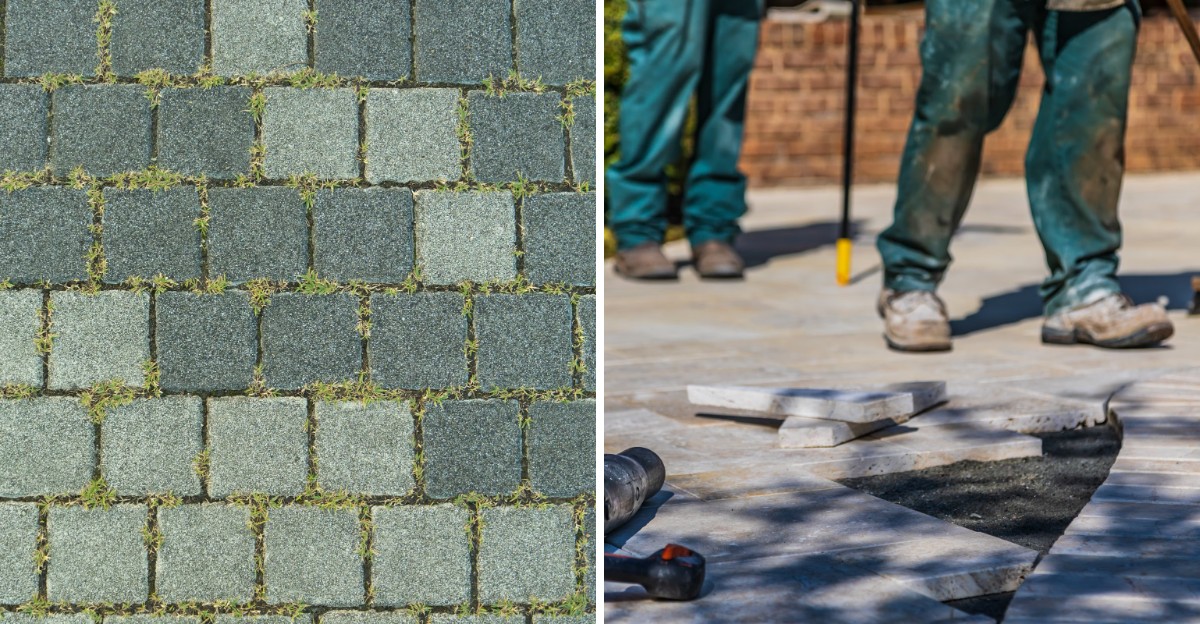
Pulling weeds from your patio joints can encourage new growth. Each tug loosens the soil and opens a landing spot for the next round of seeds.
Wind drops seeds into the dust that settles between your stones. Polymeric sand changes that equation.
Prep matters, so sweep out old debris until joints run deep and clean. Compact the pavers with a plate compactor before the final sweep.
You sweep it into dry joints, mist it, and watch it harden. Seeds have a harder time taking root in a surface that firm.
Choose a dry forecast, because rain before curing leaves a hazy film on your stones. New York weather tests that seal hard, with freeze and thaw cycles that heave pavers.
Your neighbors across New York will keep strolling past, minus the polite smile. Knees get relief, and one bag costs little next to the hours you spend weeding.
Polymeric Sand Seals The Gaps For Years
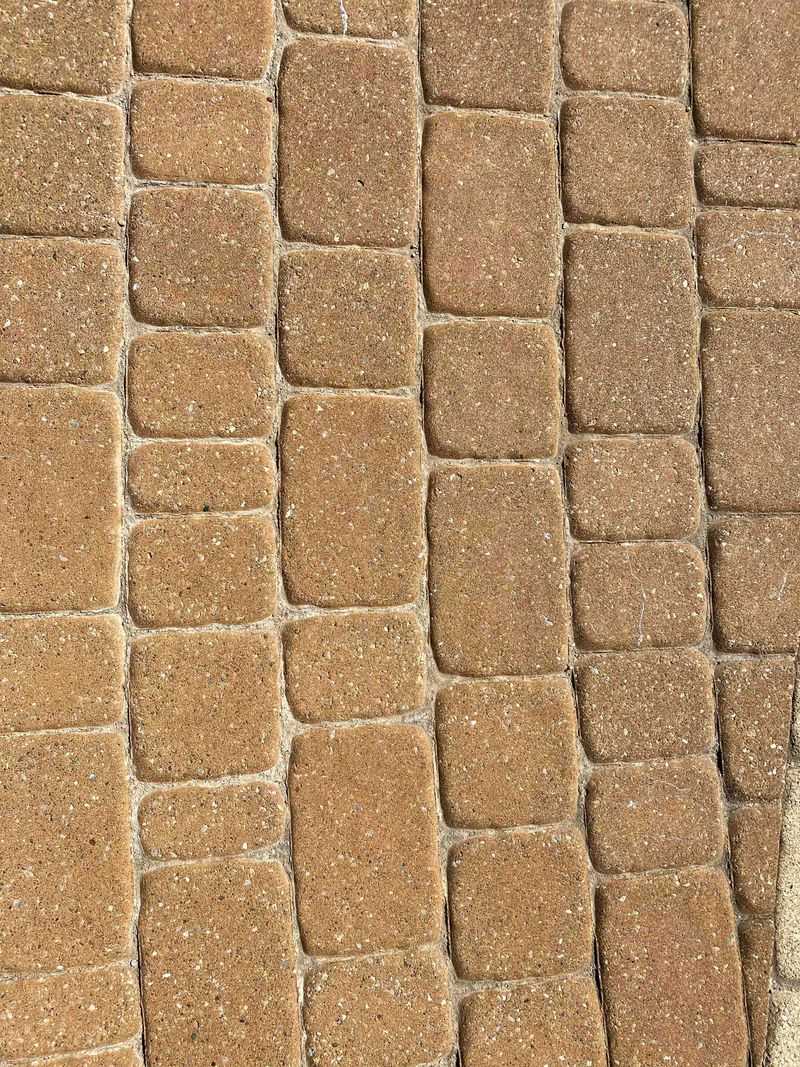
Think of polymeric sand as regular sand that went to the gym and got serious. It contains special binders that harden into a firm joint once you mist it with water.
Plain sand stays loose, so seeds and dirt slip right into it. The hardened version acts more like flexible grout, leaving seeds nowhere comfy to settle.
You still get some bend, which matters on New York patios that heave with frost. Stiff mortar can crack in winter, but this mix flexes a little and holds together.
Bag prices vary by brand and size, so check current prices at local hardware stores. Coverage depends on joint width, joint depth, and paver size, so check the figure printed on the bag.
Brands like Techniseal, Alliance Gator, and Sakrete are sold at many hardware and landscape supply stores. Pick a color that matches your pavers, such as tan, gray, or charcoal.
The sand also deters ants from tunneling up and piling little dirt mounds on your walkway. It helps resist washout, so pavers stay level longer.
A properly installed joint can last several years before needing a refresh. That reduces the need for repeated hand weeding.
Weeds can still sprout on top if dirt piles up, but their roots stay shallow. A quick sweep or spray of the hose clears them easily.
The Root Cause Of Paver Weeds
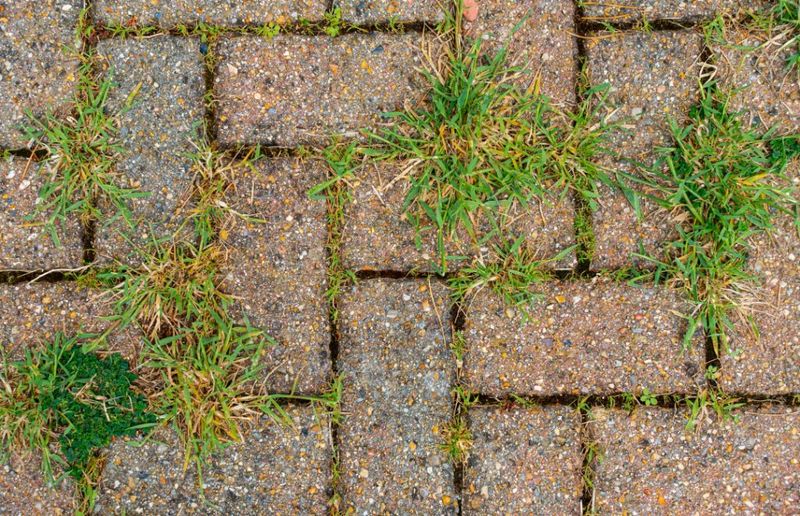
Weeds between your pavers start when a seed lands in a gap. Wind, birds, and your own shoes deliver seeds straight into those sandy gaps.
Loose joint sand holds moisture and gives seeds a place to settle. It also collects bits of leaves that break down into rich soil.
New York gets about forty to fifty inches of precipitation each year. All that water keeps the cracks damp, which favors seed germination.
Shady spots near maple trees or fences stay wet even longer. Those corners often turn fuzzy with moss and other shade-loving plants before the sunny side does.
Old sand also washes away over time, leaving joints half empty. Each heavy storm or pressure washing session carries a little more of it down the drain.
Your New York Garden Changes Every Week. Your Plan Should Too.
Gardening in New York changes quickly throughout the season. Every Friday you’ll receive a simple weekly plan showing exactly what to plant, prune, fertilize, harvest, and protect so you never miss the right timing.
As the gaps deepen, pavers start to wobble and shift. Wobbly stones create even wider cracks, and the cycle keeps rolling along.
Pulling sprouts by hand only removes the top half of the problem. Roots of dandelions and plantain can reach several inches down, snug below the stones.
Weed sprays can help for a while, but they leave the open joint untouched. Seeds simply move back in once the chemical wears off.
Even brand new patios face this problem within a season or two if the joints stay soft. Joints that are not properly filled invite weeds.
Solving the problem means filling the gaps, not chasing each weed. Fill them with something seeds struggle to root into, and weeds become far less frequent.
October As A Good Window
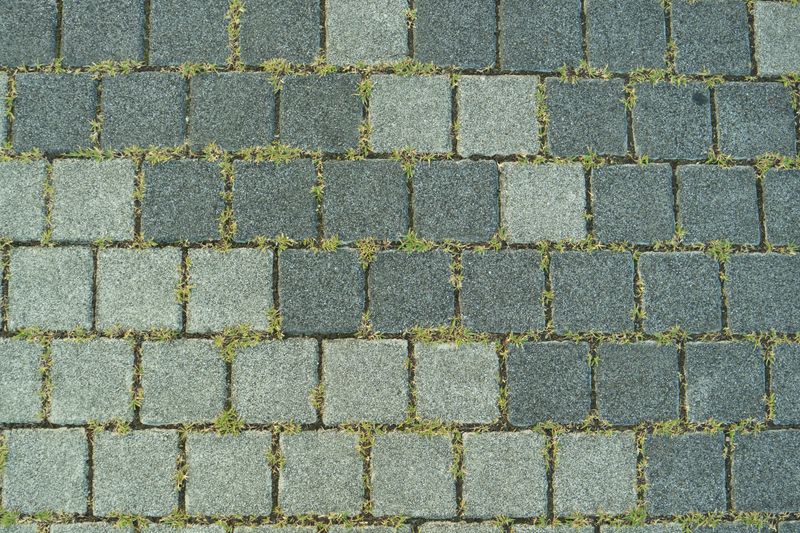
Crunchy leaves and cool air make October a sweet spot for patio projects in New York. Most polymeric sand needs temperatures above the minimum printed on the label, often 40 degrees or higher, for at least a day to cure.
Early and mid October often deliver daytime highs from the fifties to the low seventies, depending on the region. Those mild days give the binders plenty of time to harden properly.
Seeds that land in loose joints can overwinter and sprout in April. Sealing the joints now gives them fewer places to settle.
Summer heat can be tricky for this job. Hot pavers dry the sand too fast, which sometimes leaves a hazy film on the stone surface.
Late fall brings its own trouble, especially upstate near Buffalo or the Adirondacks. Frost can arrive as early as September there, so check the forecast and consider waiting until spring.
Downstate yards in Brooklyn, Queens, or Long Island often have a little more breathing room. Late October can still work there if the forecast looks friendly.
Check the weather app for a stretch of dry days before you start. Rain during the curing window listed on the label, often twenty-four to forty-eight hours, can wash the binders away before they set.
Clear fallen leaves first, since soggy bits trapped in joints will decompose and feed future weeds. A leaf blower makes quick work of this chore. Spring works too, but schedules and soggy April showers often push the project back.
Then reward yourself with apple cider while the patio cures. Few home projects pair this nicely with a pumpkin spice afternoon.
Common Watering Mistakes To Avoid
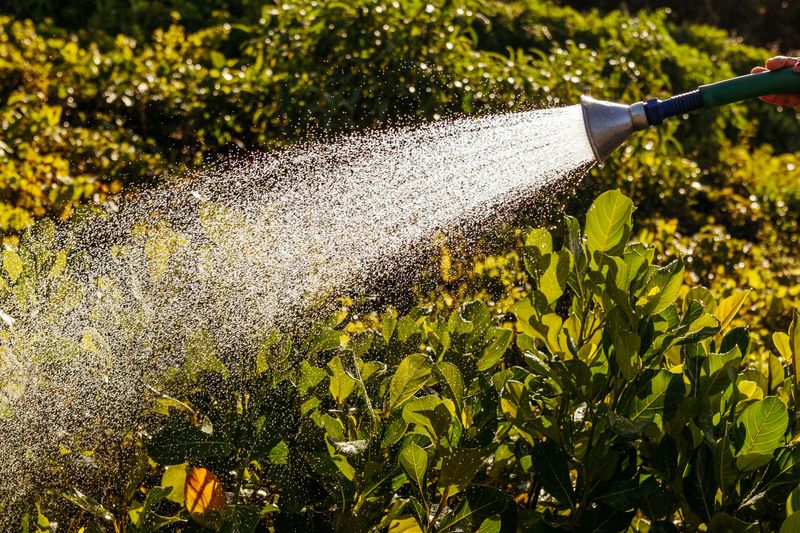
Picture a homeowner in Staten Island, hose at full pressure, soaking a freshly sanded patio. Ten minutes later, loose sand is washing across the stones.
Too much water is a common slip people make with polymeric sand. The binders wash out of the joints and leave a cloudy haze behind.
Too little water causes the opposite headache. Only the top layer hardens, creating a thin crust that can crack and wear down within weeks.
The goal is a gentle shower, not a flood. Set the nozzle to shower or mist and hold it a few feet above the surface.
Many brands suggest wetting a small section in short bursts, then pausing, so follow the timing on your label. After a few minutes, mist it again until water stops soaking in quickly.
Another sneaky error is skipping the final sweep before watering. Any sand left on top of the pavers will glue itself there like stubborn frosting.
Damp pavers before you start can cause trouble too, since wet sand clumps and sticks. Work only on bone-dry stones after a sunny morning or two.
A leaf blower on low speed clears the last dusty grains without disturbing the joints. Go slowly and hold it at a low angle.
Some folks also forget to check the label for specific directions. Each brand mixes its binders a little differently, so instructions can vary.
Reading the bag takes two minutes and could save you a full afternoon of scraping haze. Your future self will appreciate that small bit of patience.
The Installation Routine For Your Patio
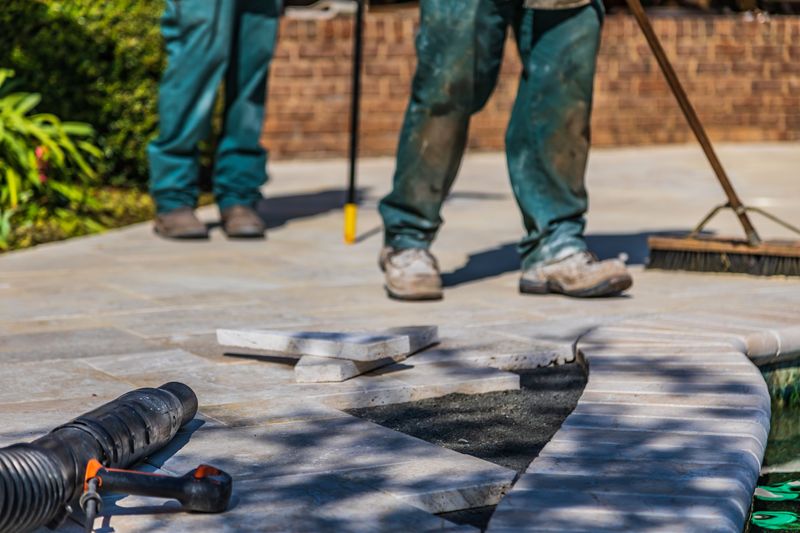
Grab a stiff broom, a flat scraper, and a free Saturday. The whole job usually takes an afternoon for an average backyard patio.
Skip polymeric sand on permeable pavers, since it can clog the drainage joints. Check that your joints also meet the label’s minimum width and depth.
Start by digging out old sand and weeds about an inch to an inch and a half deep. A narrow scraper or old screwdriver works well for this part.
Next, let the pavers dry for a full day or more. Moisture hiding in the joints can make the new sand harden too early.
Pour the polymeric sand over the surface in small piles. Sweep it diagonally across the joints so it drops down into every crack.
Wear an N95 or better respirator while pouring, since the fine powder often contains crystalline silica, which is harmful to breathe.
A plate compactor helps settle the sand deep into the gaps. Rental prices vary, so check with local tool rental shops.
Use a plate compactor with a protective pad, or a hand tamper on small areas. Add more sand and repeat until joints are filled to just below the paver edge.
Leave about an eighth of an inch of space at the top. That small gap keeps foot traffic from scuffing the sand away.
Sweep and blow every loose grain off the stones before any water touches them. Then mist the area gently in sections, following the starting point recommended on the product label.
Keep people, pets, and bikes off the patio for at least a day, or longer if the label says so. Cars should wait until the label’s stated cure time passes, often around forty-eight hours, before rolling onto a paver driveway.
Upkeep Through New York Winters
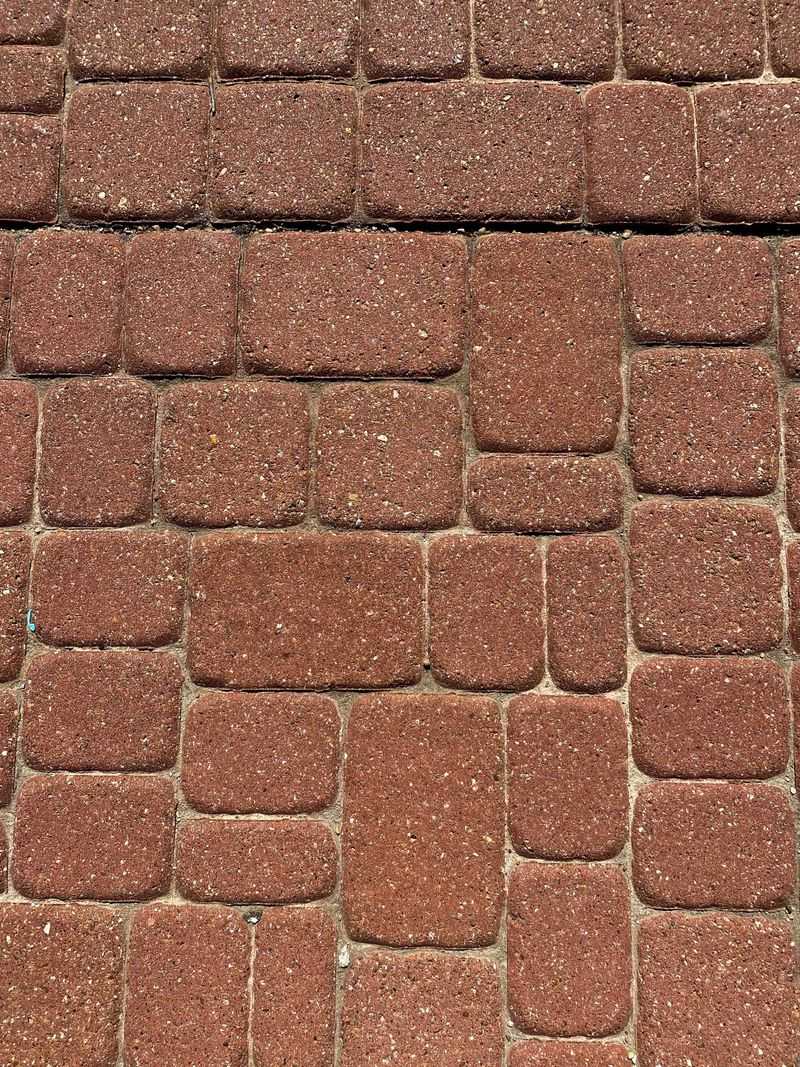
Snowplows, rock salt, and freeze-thaw cycles put any patio through a tough audition. Thankfully, a well-filled paver joint handles New York winters well when it is installed properly.
Skip metal shovel blades if you can and choose a plastic one instead. Sharp edges can scrape the top of the joints and chip away at them.
Rock salt can damage pavers and sand alike. Calcium magnesium acetate or plain sand for traction are gentler choices for icy mornings.
Come spring, take a slow walk across your patio and look closely at the joints. Small cracks or low spots are easy to patch with a handful of fresh sand.
Sweep the patio every week or two to keep leaves and dirt from settling on top. Seeds need a little soil to sprout, so a clean surface leaves them stranded.
Trim nearby shrubs and lawn edges so grass runners do not creep onto the stones. Neat borders keep roots out.
Go easy with pressure washers, which can dislodge hardened sand from the cracks. A low setting held at an angle keeps the joints safe.
Most homeowners only need a full refresh every three to five years. Some high-quality products claim to last even longer with gentle care.
Once the sand has fully cured, a clear paver sealer rated for use over polymeric sand can stretch that life a bit further. It also deepens the stone color and makes stains easier to wipe away.
The payoff shows up by next summer, when your patio looks crisp and tidy. Your weekends belong to barbecues again instead of weed patrol.