How To Grow Your Own Tree From Tangerine Seeds In North Carolina
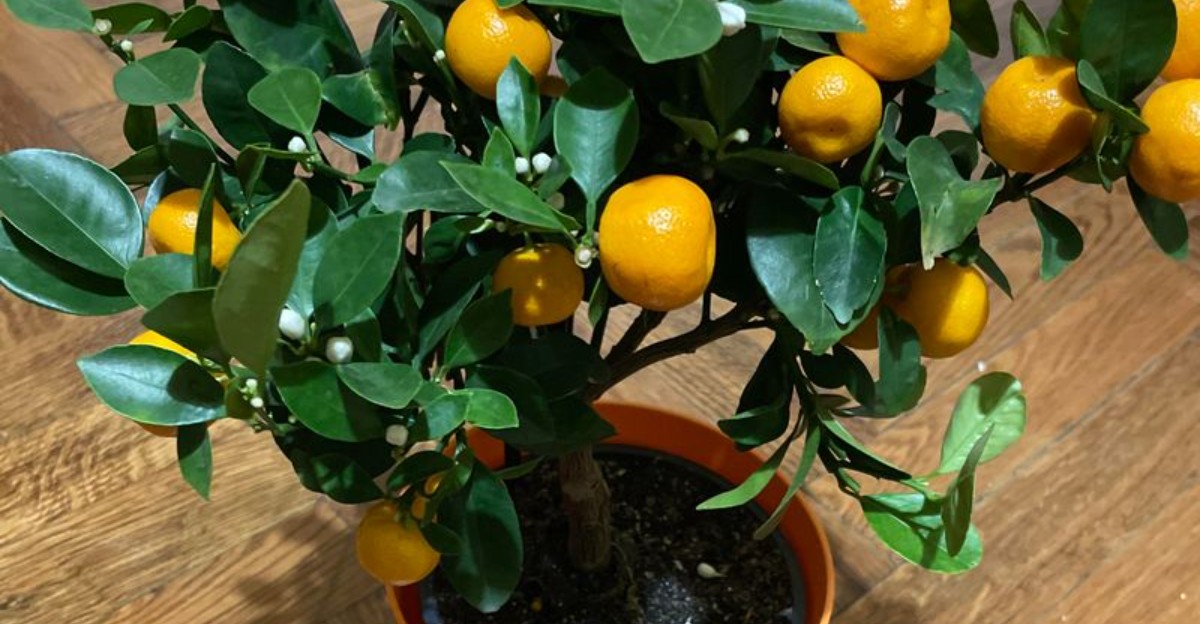
You finish a tangerine, and a handful of seeds sit on the plate. Plant them, and you can grow a small citrus tree. It is a fun project, and kids love it.
The seeds sprout easily in a pot of moist soil, often within a few weeks. Keep expectations realistic, though. A tree grown from seed may not produce fruit that matches the one you ate.
It can also take years to flower. North Carolina winters are too cold for most citrus outdoors, so the tree will need to live in a pot and come inside when frost threatens. Give it plenty of light.
Even if it never fruits, the glossy green leaves smell wonderful. It is a cheap, rewarding experiment.
1. Choose Plump Seeds From Fresh Fruit
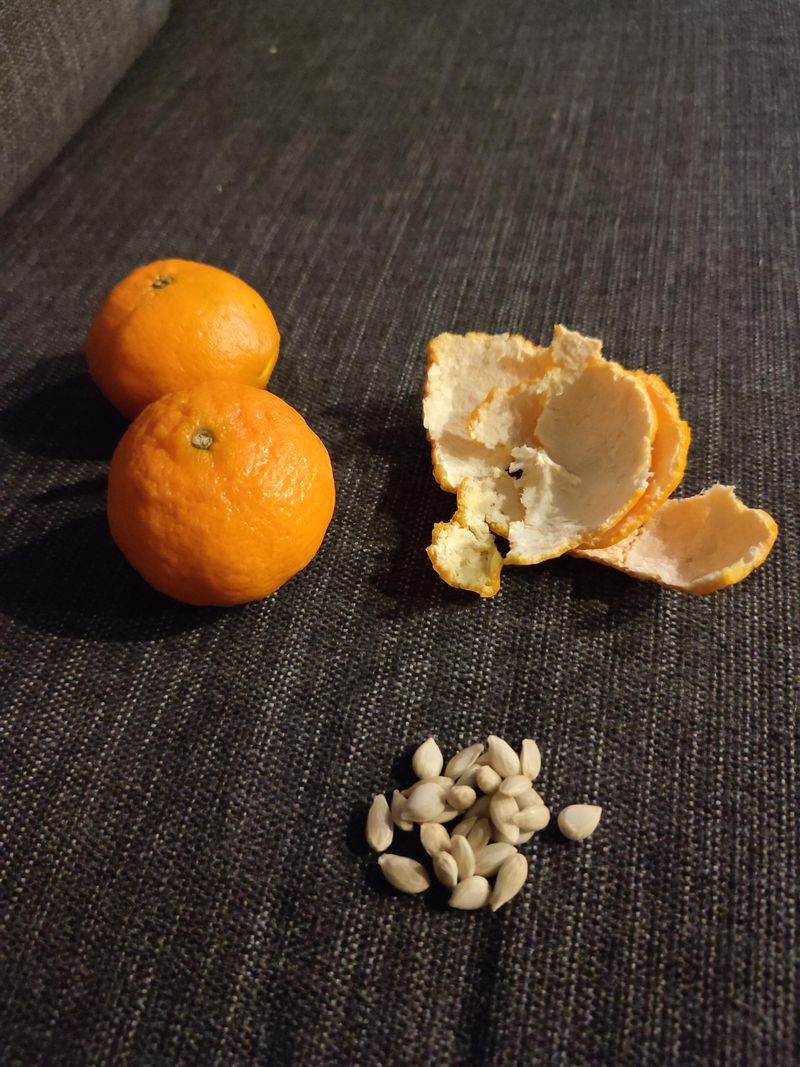
Every great tree starts with a great seed, and picking the right one gives you a big head start. Tangerines (Citrus reticulata) are full of surprises, and some of those surprises hide right inside the fruit.
Fresh, ripe fruit gives you the best chance of success. Citrus seeds lose their ability to sprout quickly once they dry out, so seeds from an old or shriveled tangerine may never wake up. Grab fruit that feels heavy, smells sweet, and has bright, firm skin.
Here is a small hurdle. Many popular tangerines and clementines sold in stores are bred to be seedless. You might need to peel and check several fruits before you find a good handful of seeds, so buying a bag instead of one piece of fruit is a smart move.
Once you find seeds, look closely at each one. Full, plump seeds are the winners. Flat, thin, or wrinkled seeds usually lack a healthy embryo inside and rarely sprout, so toss those aside.
Tangerine seeds hold a neat trick. Many of them contain more than one embryo, and some of those embryos are copies of the parent tree.
That means a single seed can send up two or even three sprouts, and the seedlings often turn out very similar to the original tree. Results can still vary, though, so think of each seed as a small adventure.
For North Carolina gardeners, timing works out nicely. Tangerines fill grocery store shelves in late fall and winter, which is exactly when you have extra time indoors.
A trip to the produce aisle can kick off your citrus project, and saving seeds from a few fruits you were already planning to eat costs you nothing at all.
2. Clean And Prepare The Seeds
Sticky fingers are part of the fun, but sticky seeds are a problem. Tangerine pulp is full of sugar, and sugar left on a seed invites mold to move in. A quick cleaning step keeps your seeds healthy and ready to grow.
Start by placing the seeds in a small strainer and rinsing them under cool water. Rub them gently between your fingers until every bit of pulp and juice washes away. Clean seeds feel smooth and slightly slippery, not tacky.
Your North Carolina Garden Changes Every Week. Your Plan Should Too.
Gardening in North Carolina changes quickly throughout the season. Every Friday you’ll receive a simple weekly plan showing exactly what to plant, prune, fertilize, harvest, and protect so you never miss the right timing.
Speed matters next. Plant your seeds right away, or keep them damp until you can. Letting citrus seeds sit out and dry on a paper towel for days can ruin them, since they do not store well like bean or squash seeds.
Want faster sprouts? Try a simple trick that many citrus growers love. Soak the clean seeds in a cup of water for a few hours, which softens the outer layer.
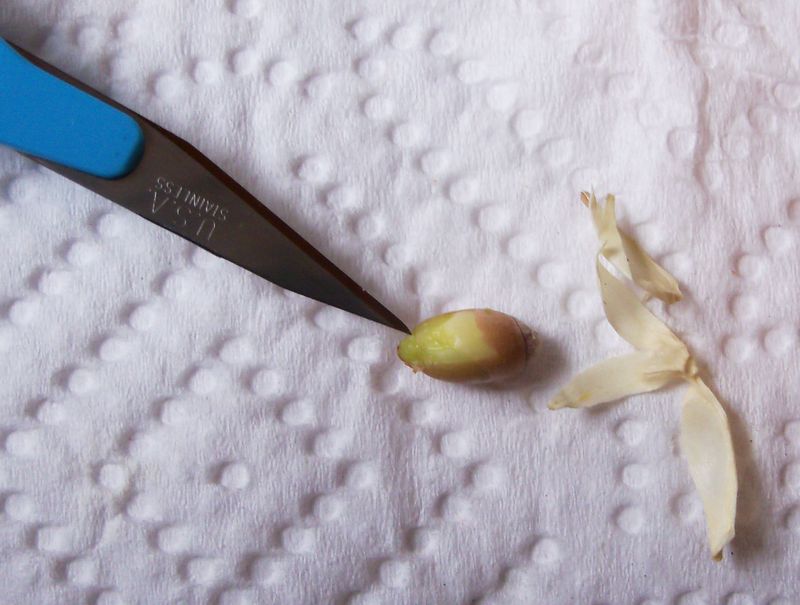
Then use your fingernail or small tweezers to peel away the thin, papery seed coat. Why bother? That tough outer coat slows water from reaching the embryo inside. Removing it lets moisture soak in quickly, so the seed can wake up sooner.
Work slowly and carefully, though, because the inner seed is soft and easy to nick. If a seed seems stubborn, leave the coat on and plant it anyway.
North Carolina gardeners often start citrus seeds indoors during the cooler months, when homes can be a little dry and chilly.
Peeling the seed coat gives your seeds a helpful boost, making up for less-than-perfect conditions and shaving days or even weeks off the wait.
3. Sow Seeds In Warm, Moist Potting Mix
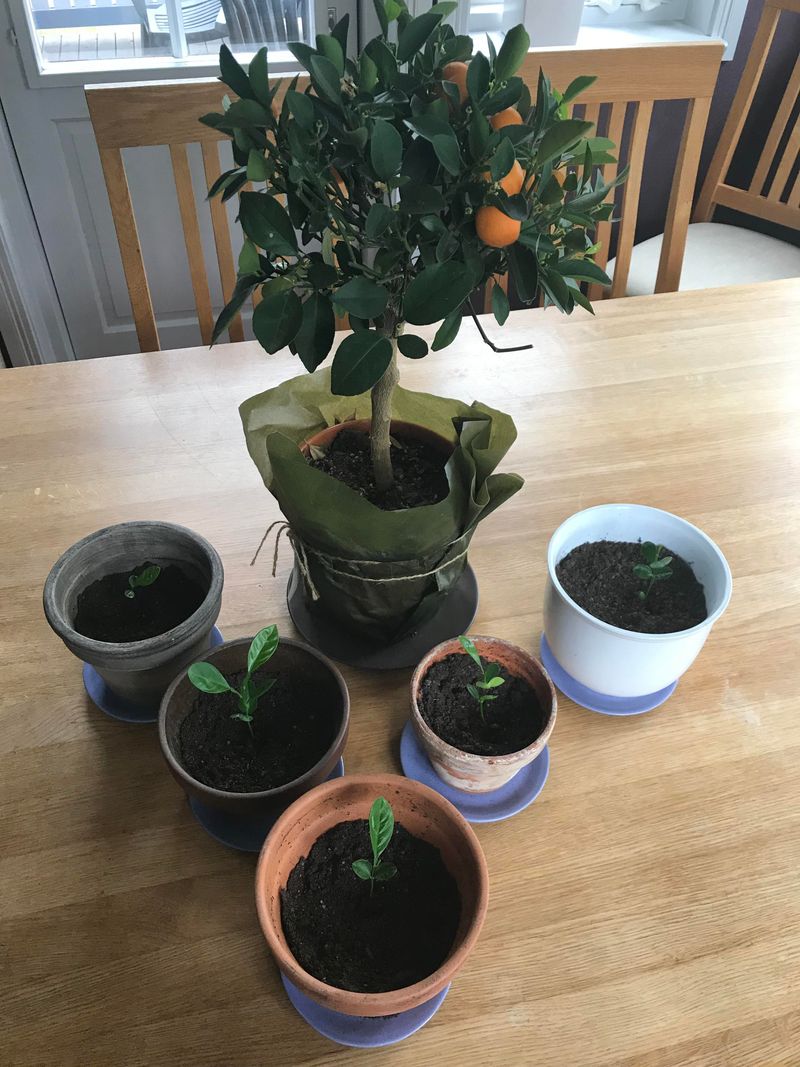
Warmth is the magic ingredient for citrus seeds. Tangerine seeds sprout best when the soil stays around 70 to 80°F, and they slow way down when things cool off. Give them a cozy bed, and they will reward you.
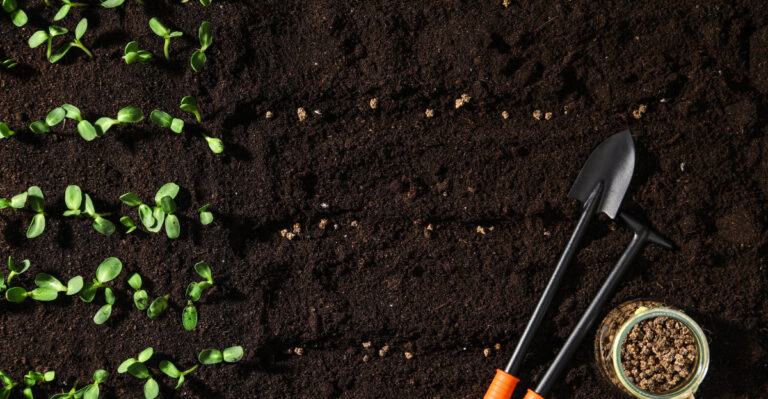
Grab a few small pots with drainage holes and fill them with moist seed-starting mix or regular potting mix. Squeeze a handful of the mix in your hand first. It should feel like a wrung-out sponge, damp but not dripping.
Next, press each seed about half an inch deep and cover it lightly with soil. Planting one or two seeds per pot works well, since some may send up more than one sprout. A small label with the date helps you keep track of your progress.
Moisture needs to stay steady while you wait. Cover each pot loosely with plastic wrap or slip it into a clear plastic bag.
This little greenhouse traps humidity so the soil does not dry out, though you should still peek every few days and add a splash of water if the surface looks pale.
Where you place the pots counts, too. Set them somewhere warm, like the top of a refrigerator, or use a seedling heat mat, which is a cheap tool that gently warms soil from below.
With good warmth, you can expect tiny green shoots in about two to four weeks. Many North Carolina homes stay cooler than ideal in fall and winter, especially near drafty windows or in older houses.
A chilly room might double the wait for sprouts. A heat mat or a warm corner can make the difference between quick success and a long, frustrating pause.
4. Give Seedlings Plenty Of Bright Light
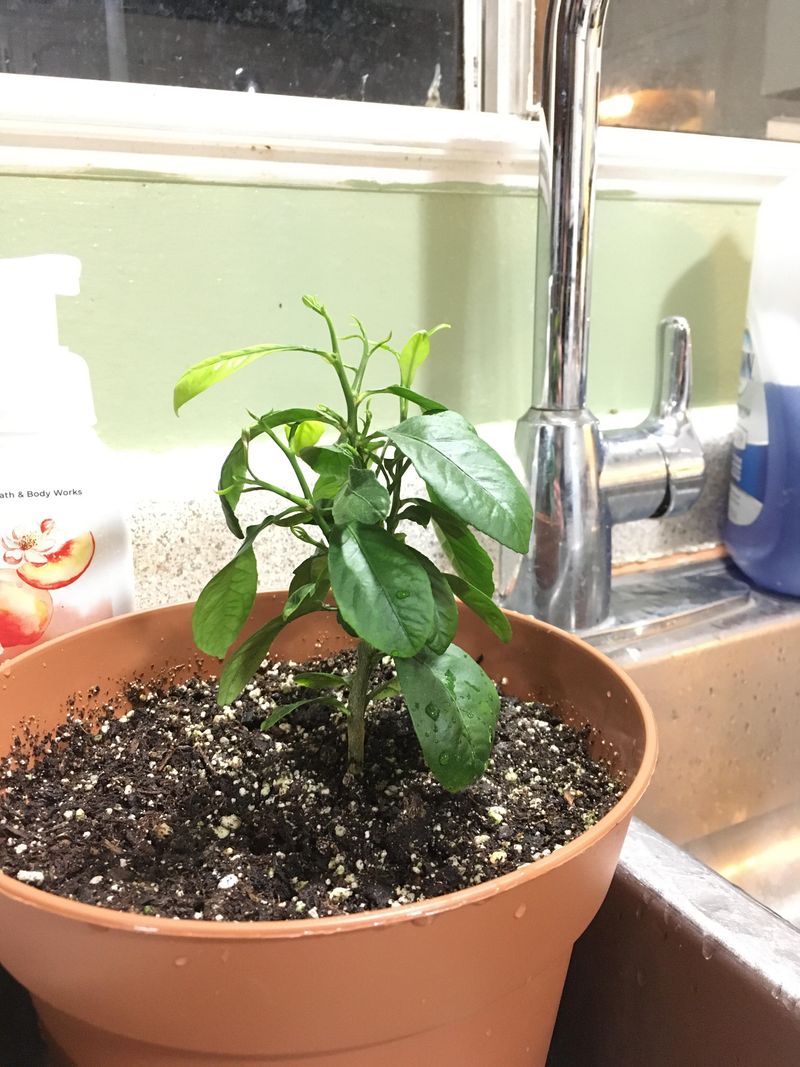
Hooray, you have sprouts! Those first glossy leaves are a thrill to see, and now your tiny trees are hungry for something new: light, and lots of it.
Once the seedlings poke through the soil, remove the plastic cover. The extra humidity helped them sprout, but leaving it on too long can lead to mold and weak growth. Fresh air helps young stems grow sturdy.
Light is what turns a fragile sprout into a strong little tree. In dim rooms, citrus seedlings stretch toward any light they can find, growing tall, thin, and floppy. Gardeners call this leggy growth, and it is hard to fix later.
Bright light helps seedlings build thick stems and rich, dark green leaves. A sunny south-facing window is the best natural spot in most homes.
Even better, add an inexpensive LED grow light and keep it on for about 12 to 16 hours a day. A simple outlet timer makes this easy, so you never have to remember to flip the switch.
Keep the soil lightly moist, not soggy, and give each pot a quarter turn every few days. Seedlings lean toward the window, and rotating them helps them grow straight and even instead of bending to one side.
North Carolina winters bring short days, with the sun setting before dinnertime in December. Even a bright window may not deliver enough light during those months.
A grow light fills that gap, keeping your seedlings strong and happy until longer spring days return. Think of it as a little bit of Florida sunshine right on your shelf.
5. Pot Up And Feed As They Grow
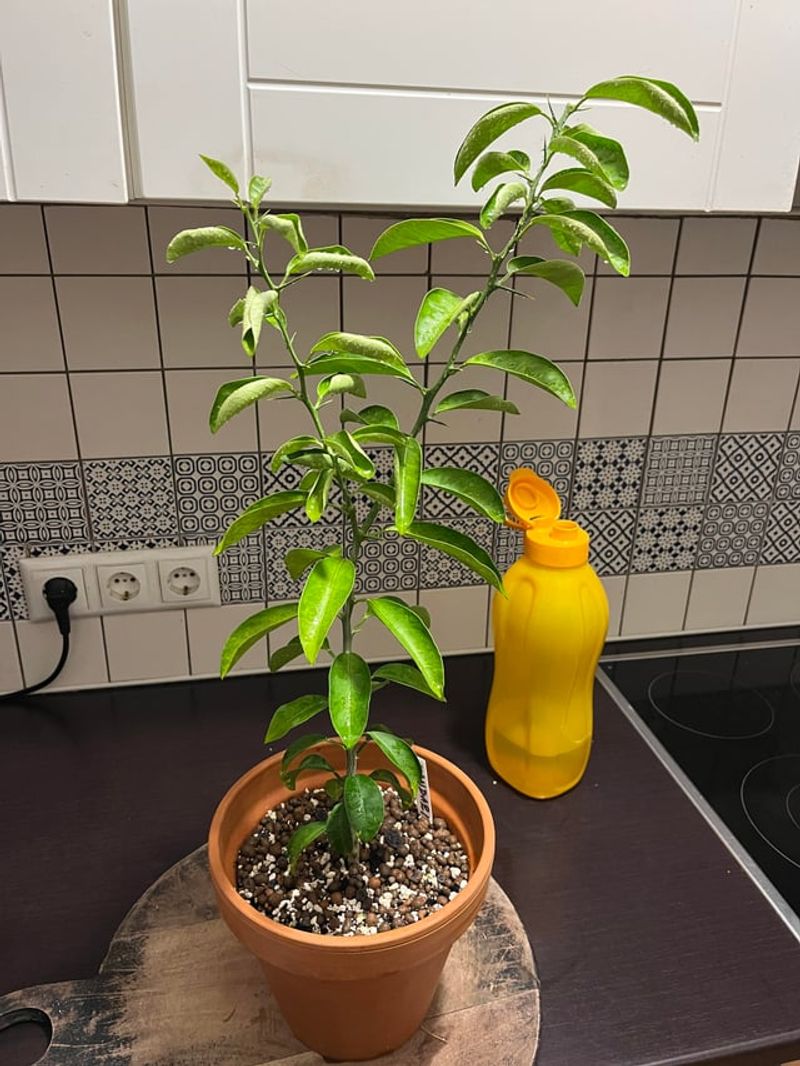
Kids outgrow their shoes, and young tangerine trees outgrow their pots. Once your seedlings have several sets of leaves, they are ready for a roomier home where their roots can stretch out.
Choose a pot just a few inches wider than the old one, and make sure it has drainage holes. Citrus roots hate sitting in wet soil, which can lead to root rot. Terracotta pots are a nice choice because they breathe and dry out a bit faster than plastic.
Soil matters just as much as the pot. Use a fast-draining potting mix or a bagged citrus mix, which often includes bark or sand for better drainage. Heavy garden soil packs down in containers, so leave it outside where it belongs.
Watering becomes simple with one easy test. Push your finger into the soil, and if the top inch feels dry, give the pot a deep drink until water runs out the bottom. If it still feels damp, wait another day or two.
Food comes next. Citrus trees are heavy feeders, and container soil runs low on nutrients quickly because water washes them away. During the spring and summer growing season, use a fertilizer made for citrus and follow the label directions closely.
These blends include extra nitrogen plus helpful trace nutrients like iron and magnesium, which keep leaves deep green instead of yellow.
For North Carolina gardeners, potted citrus is the main way to grow tangerines, so the container is your tree’s whole world.
Good soil and regular feeding make up for what the ground would normally supply, helping your young tree grow healthy, leafy, and strong year after year.
6. Move Outdoors In Summer And Indoors Before Cold
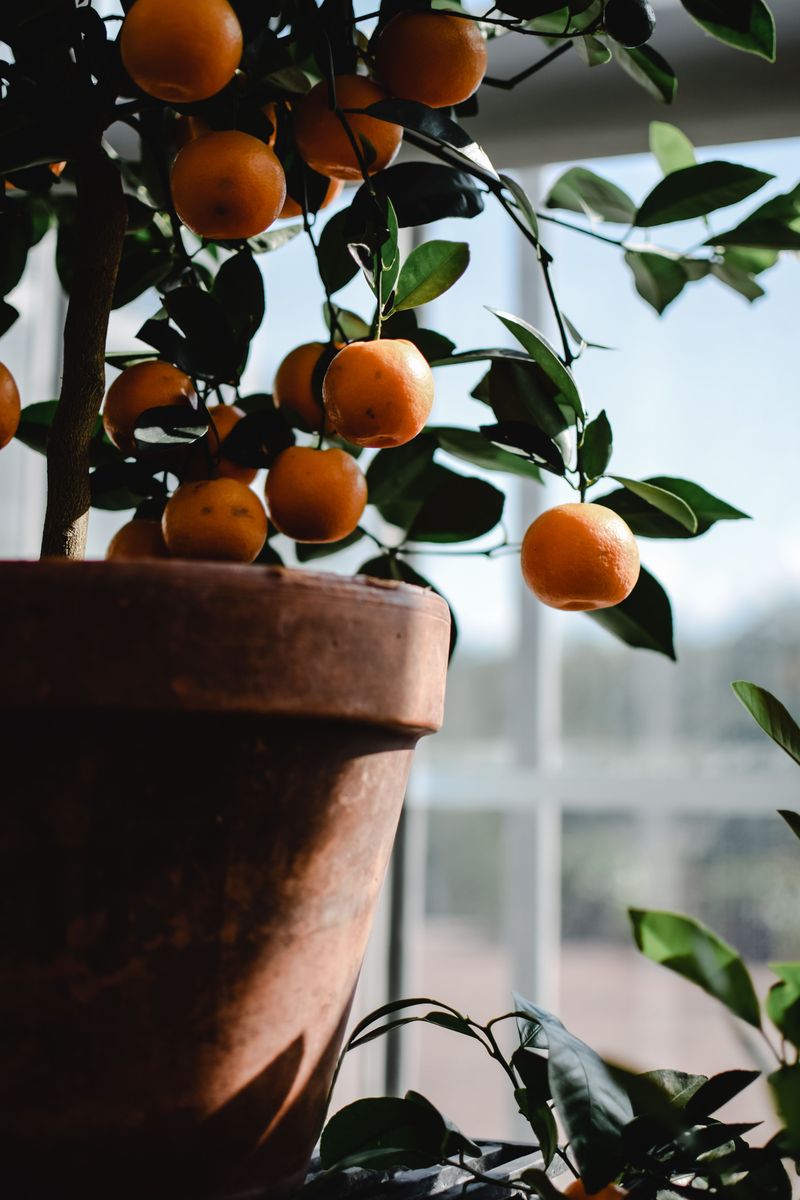
Summer is party time for citrus. Warm temperatures and strong sunlight push tangerine trees into a burst of fresh leaves and new branches. Your tree will love a vacation outdoors, as long as you watch the calendar.
Wait until nights stay above about 50°F before moving your tree outside. In much of North Carolina, that usually happens sometime in late April or May. Moving too early can stress tender leaves, so patience pays off.
Start slowly, because indoor leaves can sunburn. Place the tree in partial shade for the first week or so, then move it into a little more sun every few days. After two weeks, it should be ready for a full-sun spot on a patio or deck.
Outdoor trees dry out faster in summer heat, so check the soil often. On hot July days, a potted citrus may need water daily. Mulching the top of the pot with a little bark can help hold moisture.
When fall arrives, keep an eye on the weather forecast. Young citrus is easily damaged by cold, so bring your tree inside before nights drop near freezing. Place it in the brightest window you have, and keep it away from heater vents that blow dry air.
Most of North Carolina is simply too cold for tangerines planted in the ground. In the warmest parts of the Coastal Plain, some gardeners grow cold-hardy satsumas outdoors with frost cloth and other protection.
For everyone else, this seasonal shuffle keeps a tangerine tree thriving, giving it summer sunshine and a cozy winter home.
7. Be Patient, Since Fruit Takes Years
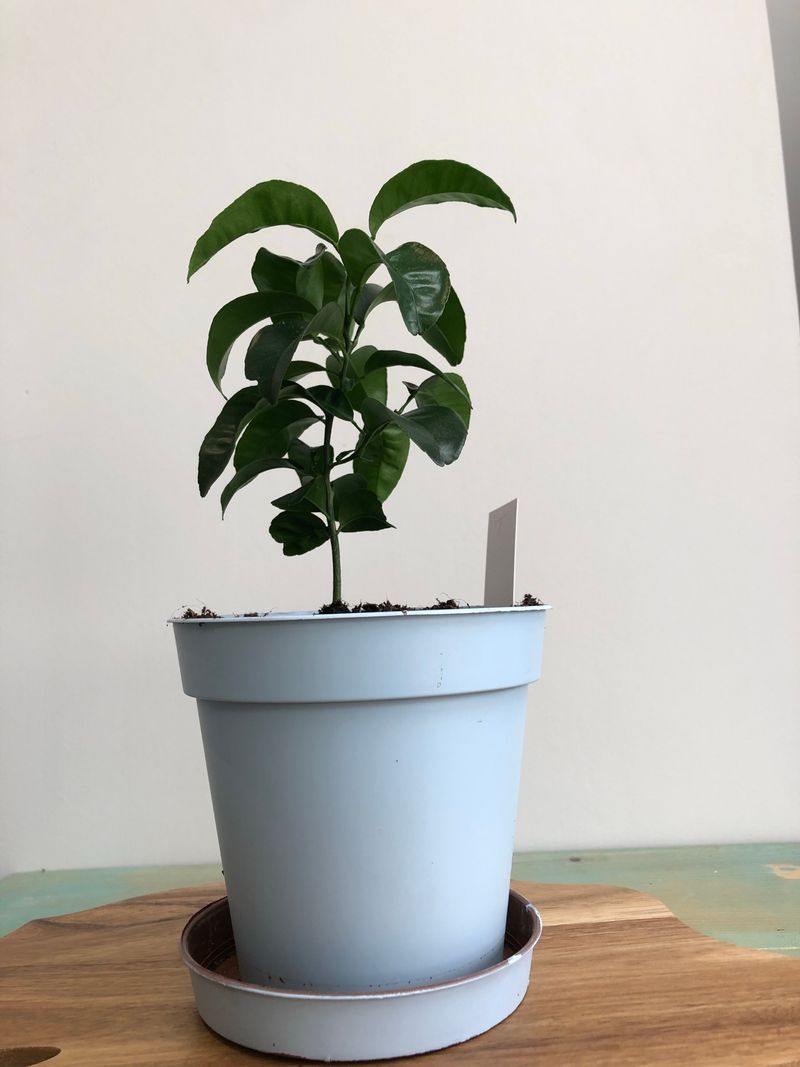
Good things take time, and tangerine trees grown from seed prove it. Your little tree may need five years or more before it shows its first blossoms. Some take even longer, so think of this as a long, rewarding journey.
Seed-grown trees act differently from the ones sold at nurseries. Nursery citrus is usually grafted, meaning a branch from a mature fruiting tree is joined to a rootstock, so it blooms early.
Seedlings start over from the very beginning, which means they grow fast, stand tall, and often carry more thorns. The fruit may also differ somewhat from the tangerine you started with.
Meanwhile, your tree is still a beauty. Glossy, dark green leaves look great in any room, and crushing a leaf releases a fresh citrus scent. If it does bloom, the white flowers smell sweet enough to fill a whole room.
Keep your tree in a large container that you can still move, since it will travel between the porch and the living room each year.
Pots on wheeled plant caddies make that trip much easier. Light pruning in late winter or spring helps shape the tree and keeps it a manageable size.
Craving homegrown fruit sooner? Pick up a grafted dwarf citrus from a garden center, and you might taste fruit within a year or two. Many gardeners enjoy growing both, one for quick harvests and one for the fun of starting from scratch.
North Carolina winters may keep tangerines out of the ground, but they cannot keep them out of your home. A potted citrus tree brings a little sunny magic indoors every single season.