Saltwater Flooded Your Long Island Yard? Your Plants Need Help Before Winter
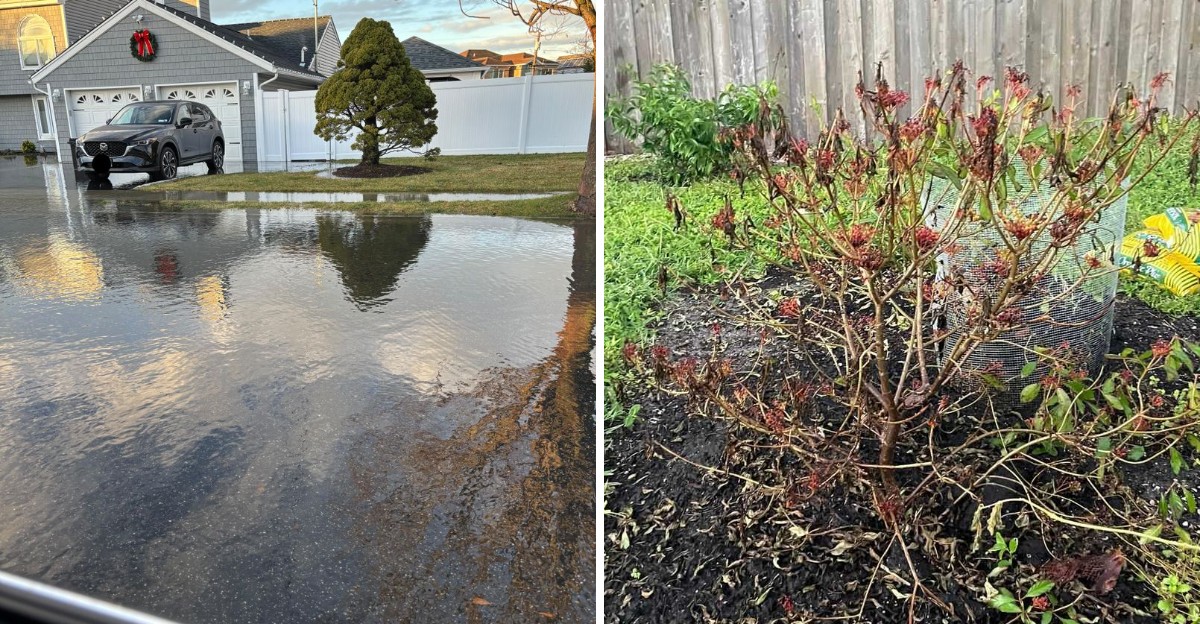
The floodwater swirled around your shrubs, then slipped away like nothing happened. Weeks later, your yard looks calm, but the trouble is just getting started.
Last month’s nor’easter pushed briny water deep into flower beds, lawns, and hedges along Long Island’s shores. When the puddles vanished, the salt stayed behind, settling into the soil.
It works quietly against roots, pulling moisture away from plants that already took a beating from wind and waves. Many won’t show the damage for weeks or even months.
Winter adds another layer of stress. Cold, drying winds and frozen ground across coastal New York hit salt-weakened evergreens, perennials, and favorite shrubs especially hard.
There’s still time to act before the first hard freeze. Some fixes take nothing more than a garden hose and a little patience, while others mean planning smarter plantings for spring.
Salt Pulls Water Out Of Roots Like A Sponge
Picture a plant standing in a puddle yet acting desperately thirsty. Strange as it sounds, that is exactly what saltwater does to roots.
Plants normally pull water from the soil through a natural process called osmosis. Water moves from areas with fewer salts into areas with more salts.
When seawater soaks your beds, the soil suddenly holds more salt than the roots. Instead of flowing in, water starts sneaking back out of the plant.
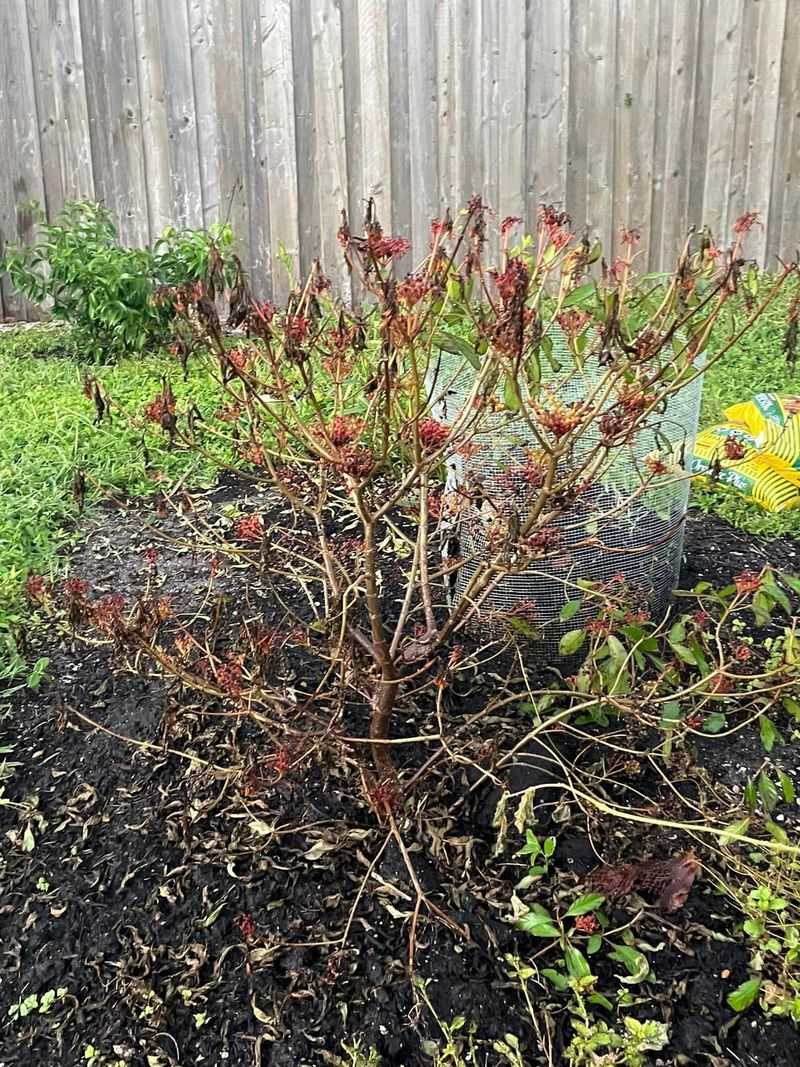
The result looks a lot like drought damage. Leaves droop, edges turn crispy, and growth slows down even when the ground feels damp.
Sodium causes another hidden headache inside plant cells. It can push out potassium, a nutrient plants need for healthy enzymes and energy.
Without enough potassium, a plant struggles to make food and repair itself. Think of it like trying to run a car with sand in the gas tank.
Long Island yards with sandy soil drain faster, which offers a small advantage. Clay-heavy spots hold salt longer, so those areas need extra attention.
Here is a quick test you can try at home. Pinch some soil after it dries, and look for a white, crusty film on top.
That crust often signals salt buildup near the surface. Spotting it early helps you decide which beds need flushing first.
Understanding this tug-of-war makes every other step easier to follow. Once you know salt steals water, the fixes start to make perfect sense.
Damage Often Shows Up Weeks Or Months Later
Your hydrangeas looked fine the week after the storm, so you breathed a sigh of relief. Unfortunately, salt damage likes to play a long game.
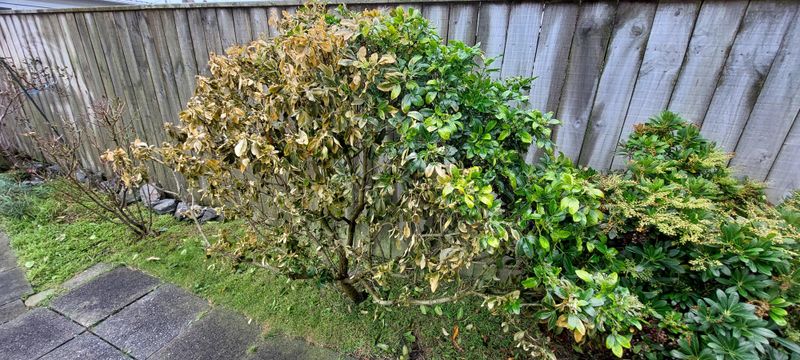
Some symptoms appear quickly, like browned leaves or scorched tips. Many others stay hidden until much later in the season.
Deciduous trees and shrubs are especially sneaky about it. Their leaves may drop normally in fall, hiding any trouble underneath.
Spring is when the truth usually comes out. Buds may open late, leaves might look pale, or new shoots could stay small and weak.
In some soils, the full effects can take months or even a year to appear. That slow timeline catches plenty of gardeners off guard.
Your New York Garden Changes Every Week. Your Plan Should Too.
Gardening in New York changes quickly throughout the season. Every Friday you’ll receive a simple weekly plan showing exactly what to plant, prune, fertilize, harvest, and protect so you never miss the right timing.
So what can you do while you wait? Start a simple garden journal right now, before memories of the flood fade.
Note which beds sat underwater and for how long. Snap a few photos of each plant so you can compare them next spring.
Those records become super handy when deciding what to keep. They also help a local nursery or extension office give better advice.
Patience may feel frustrating, but it protects you from rash decisions. A plant that looks rough in April might surprise you by June.
Keep watering, keep watching, and resist the urge to panic. Time often reveals more than any quick guess ever could.
Evergreens Face The Biggest Risk Heading Into Winter

Leyland cypress and arborvitae line countless Long Island driveways for good reason. Sadly, both rank among the most salt-sensitive shrubs after coastal flooding.
Evergreens keep their foliage all winter long. That means they keep losing moisture through their needles, even when the ground freezes solid.
Add salt to the mix, and the problem doubles. Roots already struggle to drink, while cold winds keep drying the needles out.
Salt spray creates another issue many people miss. It dries out the protective bud scales that shield next year’s tender growth.
Once those scales weaken, harsh winter winds can damage developing leaves and flowers. You might not notice until spring brings patchy, thin growth.
Watch for browning that starts at needle tips and moves inward. Damage often looks worst on the side facing the water or road.
Here is a handy trick for extra protection. Wrap vulnerable shrubs loosely in burlap before January to block salty winds.
Leave the top open so the plant can breathe. Avoid plastic, since it traps heat and moisture in unhealthy ways.
Deep watering before the ground freezes also helps a lot. Well-hydrated evergreens handle winter stress far better than thirsty ones.
Give your conifers this extra care now, and they stand a stronger chance. Your privacy hedge will thank you come April.
Flush Beds With Fresh Water Again And Again
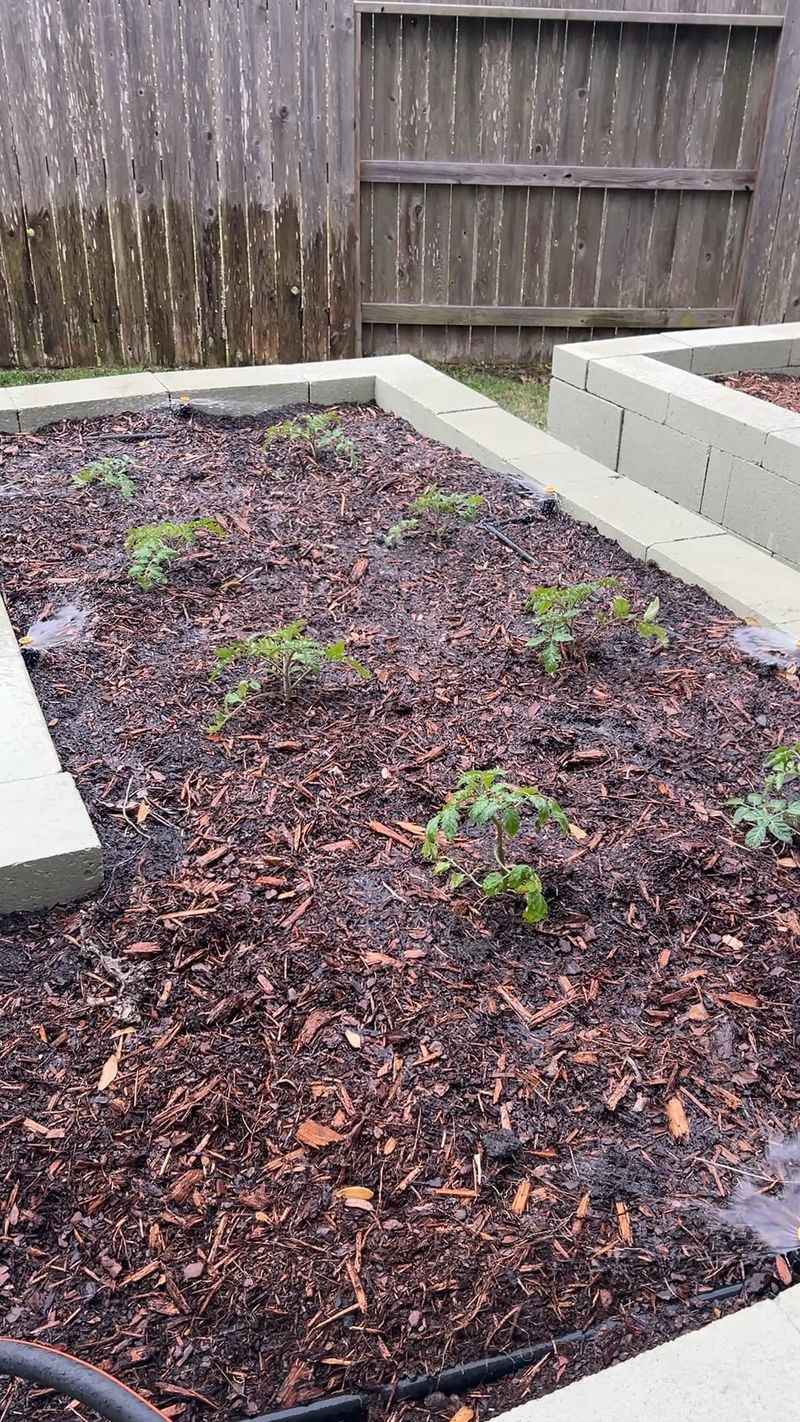
Grab the hose, because your garden needs a serious shower. Fresh water is your best weapon against salt in the soil.
Deep, repeated watering pushes salts down below the root zone. Rain helps too, but storms rarely deliver enough on their own.
Experts suggest deep, repeated soakings of a couple of inches at a time. That amount soaks deeper than a quick sprinkle ever could.
Not sure how much you are using? Set an empty tuna can in the bed and run your sprinkler until it fills.
Most tuna cans hold roughly an inch and a half of water. It is a cheap, clever way to measure without guessing.
Water slowly so the soil can absorb it instead of letting it run off. Soaker hoses work wonderfully for this kind of steady soaking.
Soil type makes a big difference in how fast things improve. Sandy ground may recover in a few months with steady flushing.
Poorly drained areas can take much longer, sometimes years. Those spots might need extra help from compost or raised beds later.
Keep flushing until the ground starts to freeze. Water once more during warm winter spells if the soil thaws.
It may feel repetitive, but each soaking chips away at the salt. Think of it as rinsing a stubborn stain out of your favorite shirt.
Rinse Salt Spray Off Leaves And Needles
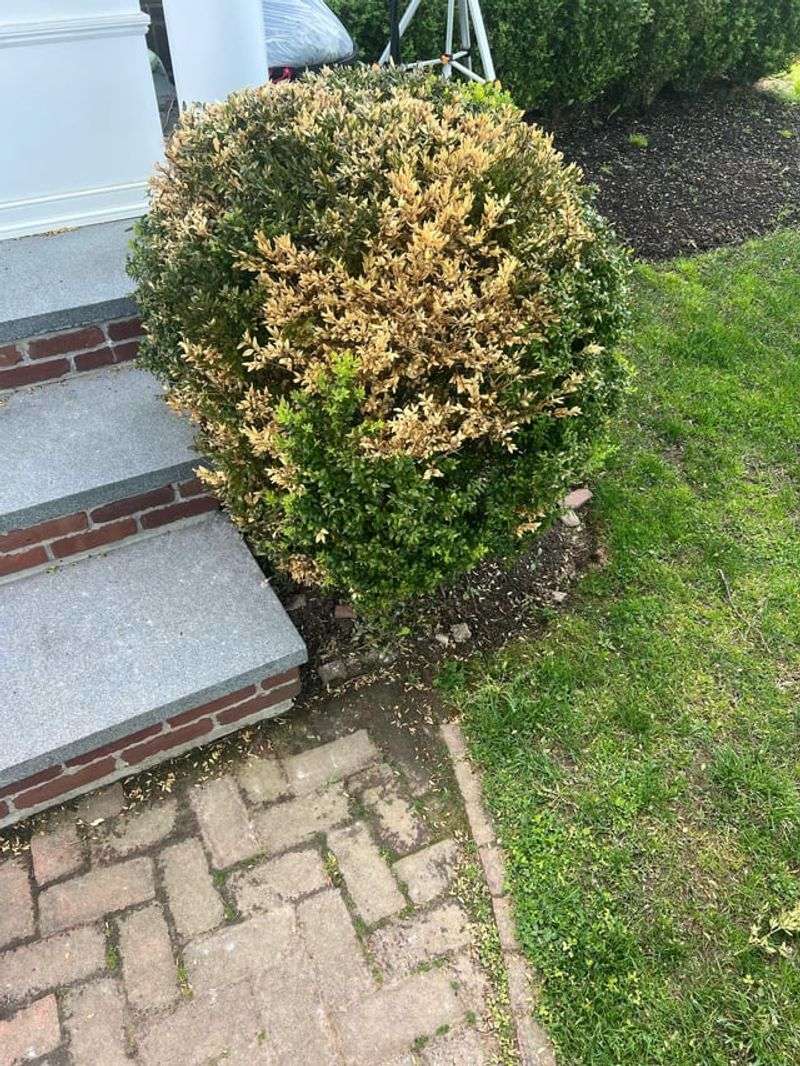
Ever licked your lips after a day at the beach? That salty film you taste also coats your plants after a big coastal storm.
Strong winds carry salt spray far inland across Long Island. It settles on leaves and needles, often without anyone noticing.
Left alone, that crust draws moisture out of plant tissue. It can also block sunlight, making it harder for leaves to make food.
The fix is refreshingly simple and costs almost nothing. Rinse foliage with fresh water as soon as you safely can.
Use a gentle shower setting on your hose nozzle. A hard blast can tear tender leaves or knock off buds.
Spray both the tops and undersides of the leaves. Salt clings to every surface, and the bottoms often get overlooked.
Morning works best for this chore. Leaves can dry before nightfall, which lowers the chance of fungal problems.
Pay extra attention to plants on the windward side of your property. Shrubs facing the water usually catch the heaviest coating.
Here is a fun detail many gardeners do not know. Fuzzy or hairy leaves tend to trap more salt than smooth, waxy ones.
That means lamb’s ear and similar plants may need a more thorough rinse. A few extra minutes with the hose can save a lot of trouble.
Hold Off On Fertilizer And Heavy Pruning
When someone feels sick, you would not hand them a giant steak dinner. Stressed plants feel much the same way about fertilizer.
It seems helpful to feed struggling plants, especially after floods wash away nutrients. Still, adding fertilizer too soon can make matters worse.
Most fertilizers are actually salts themselves. Piling them onto salty soil only raises the concentration your roots must fight.
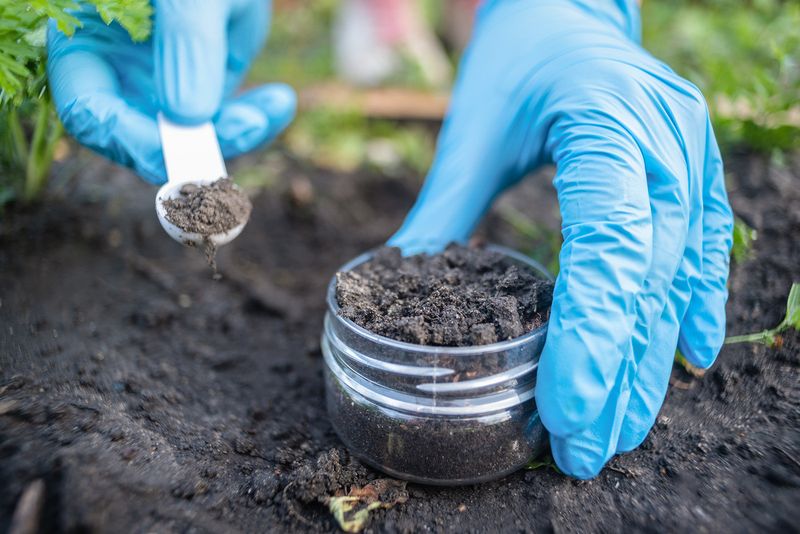
A soil test is the smarter first step. Cornell Cooperative Extension offices can help you find testing options.
Test results show what nutrients are truly missing. Then you can add only what your garden needs, at the right time.
Pruning deserves the same careful approach. Big cuts force plants to spend energy healing wounds instead of recovering roots.
Fall pruning can also trigger fresh growth that winter frost quickly damages. That is a double hit for an already weakened shrub.
For now, trim only broken branches or clearly ruined stems. Use clean, sharp shears, and wipe them with rubbing alcohol between plants.
Sanitizing tools helps prevent spreading disease from one shrub to another. It takes seconds but offers real protection.
Save the bigger shaping jobs for late winter or spring. By then, you will clearly see what survived and what needs to go.
Don’t Give Up On Plants That Look Hopeless Just Yet
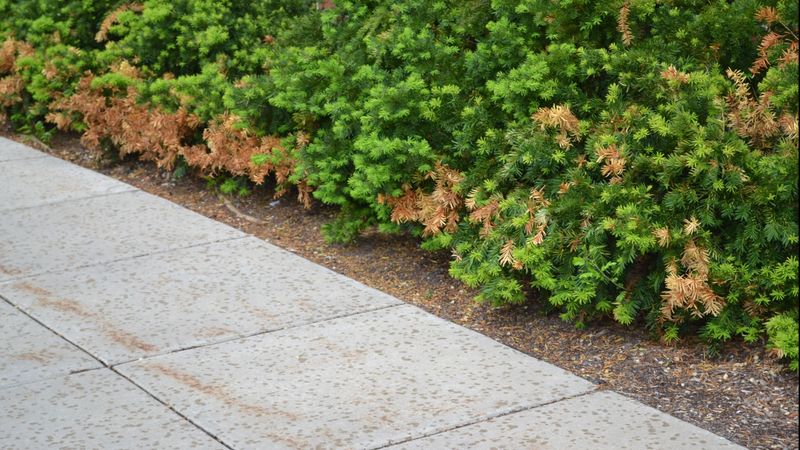
After big coastal storms, salt-hit hollies sometimes look like bare sticks, then surprise everyone by leafing out again in spring.
American holly sometimes drops its leaves after salt exposure. It can look hopeless, yet the roots and stems may still be very much alive.
Salt stress can push plants into early dormancy. They basically take a long nap to protect themselves until conditions improve.
So before you grab the shovel, try the scratch test. Gently scrape a small spot of bark with your fingernail.
Green, moist tissue underneath means the plant still has life inside. Brown and dry tissue suggests that particular branch did not make it.
Test several spots, moving from the tips toward the base. A plant may lose outer twigs while keeping a strong, healthy core.
Perennials deserve patience too. Their tops may wither, but crowns and roots underground could sprout fresh shoots next season.
Mark questionable plants with garden stakes or bright ribbon. It keeps you from accidentally digging them up during spring cleanup.
Give most plants until early summer before making a final call. Some late bloomers take their sweet time waking up.
Gardening often rewards a hopeful attitude. A little waiting could save you money and spare a plant you truly love.
Let Soil Drain Before You Dig Or Replant
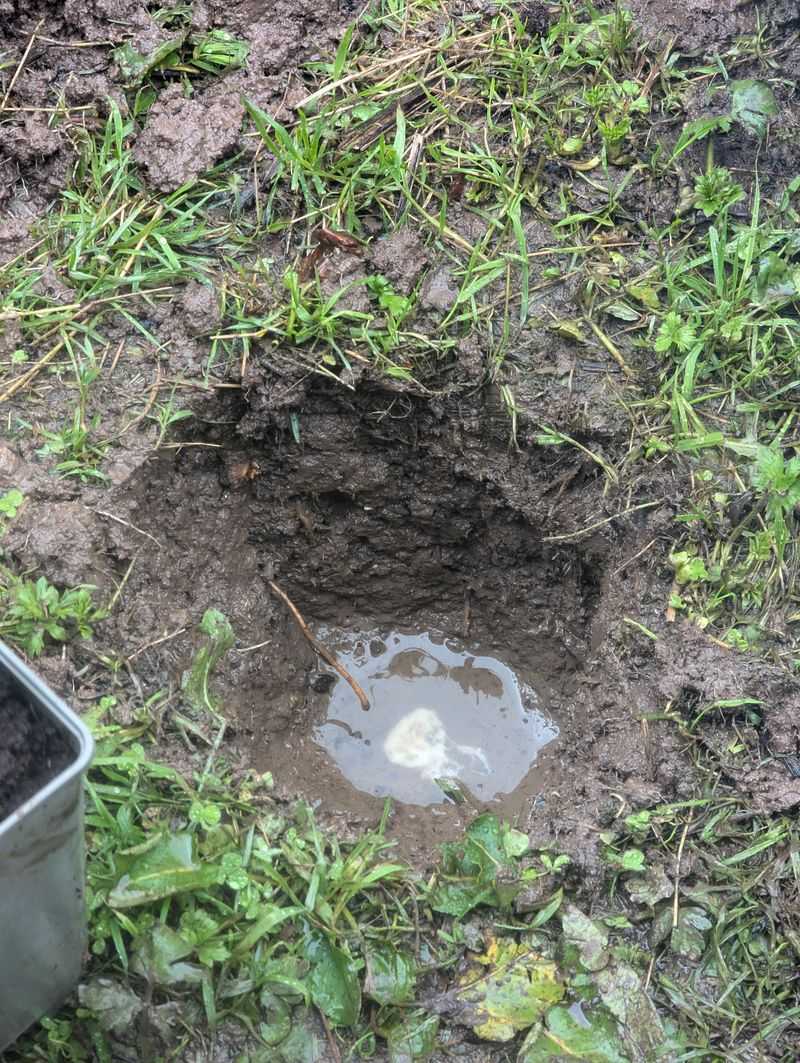
Mud pies are fun for kids, but soggy soil spells trouble for plant roots. Digging into wet ground can cause more harm than good.
Roots need oxygen just as much as water. When soil stays flooded, air pockets fill up, and roots begin to suffocate.
Start by clearing away any standing water you can. Simple trenches or a small pump can help move water out faster.
Walking on wet beds packs the soil down tightly. Lay boards across soggy areas if you must step through them.
Once the ground dries enough to crumble, gently aerate it. A garden fork poked every few inches lets air back into the soil.
Floodwater often leaves soil compacted and lifeless. Mixing in compost helps rebuild structure and encourages helpful microbes to return.
Here is an easy way to check readiness. Squeeze a handful of soil, and see if it falls apart or forms a sticky ball.
Crumbly soil is ready for work. A gooey ball means you should wait a few more dry days.
Testing salt levels before replanting also matters a great deal. New plants placed in salty ground may struggle right from the start.
Many garden centers sell simple soil test kits. A little patience now sets up much happier planting days ahead.
Coastal Natives Handle Salt Far Better
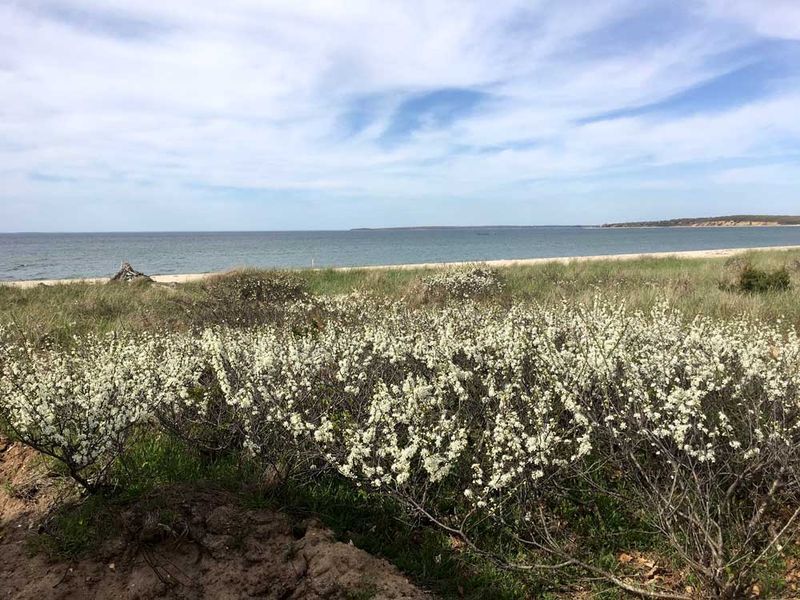
Mother Nature has been planting Long Island’s shoreline for thousands of years. Her picks have some impressive survival skills worth borrowing.
Native coastal plants evolved alongside salty winds and sandy soil. They shrug off conditions that would wreck many fancy nursery imports.
Bayberry is a classic example along local beaches. Early colonists even boiled its waxy berries to make fragrant candles.
Beach plum offers cheerful white blossoms in spring and tart fruit in late summer. Many locals turn those plums into homemade jam.
Seaside goldenrod lights up the dunes with bright yellow flowers each fall. Monarch butterflies stop by to sip nectar during migration.
Virginia rose and eastern baccharis also handle salt spray with ease. Switchgrass adds graceful movement and holds sandy soil in place.
These plants do more than just survive. Their roots help stabilize shorelines and reduce erosion during future storms.
Natives also support local birds, bees, and butterflies. You get a prettier yard while helping wildlife thrive nearby.
Another perk is lower maintenance overall. Most coastal natives need little fertilizer and handle dry spells without much fuss.
Visit a native plant sale or a local preserve for inspiration. Seeing these tough beauties in the wild might spark your next garden plan.
Swap In Salt-Tolerant Plants Next Spring
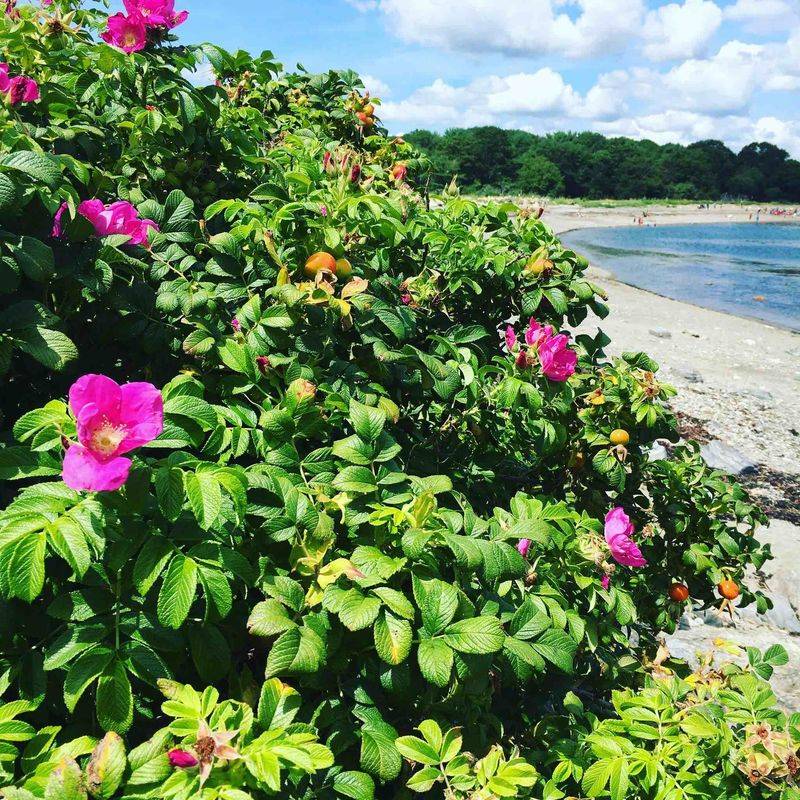
Think of this flood as a chance for a fresh start. Spring is the perfect moment to build a tougher, storm-ready garden.
If your yard sits in a flood-prone zone, smart plant choices save headaches later. Salt-tolerant varieties bounce back much faster after the next big storm.
Rugosa rose is a true beach champion, though it’s an Asian import that can spread into dunes. For a native swap with the same toughness, try Virginia rose.
American holly adds glossy green color all year round. It also feeds birds with bright red berries during cold months.
Viburnum and weigela bring spring flowers without fussing over salty air. Beautyberry dazzles in fall with clusters of vivid purple fruit.
Ornamental grasses deserve a spot too. Little bluestem turns a gorgeous copper shade in autumn, while switchgrass sways nicely in the breeze.
Try placing the toughest plants closest to the water or road. Save more delicate favorites for protected spots near your house.
Layering plants this way creates a natural shield. Front-row shrubs catch salt spray so the plants behind them stay healthier.
Ask your local nursery for plants labeled salt tolerant. Staff usually know which varieties handle coastal life best.
With a little planning now, next year’s garden can stand stronger. Your yard may even look better than it did before the flood.