The One Thing You Should Never Do To Crape Myrtles In Texas This Fall
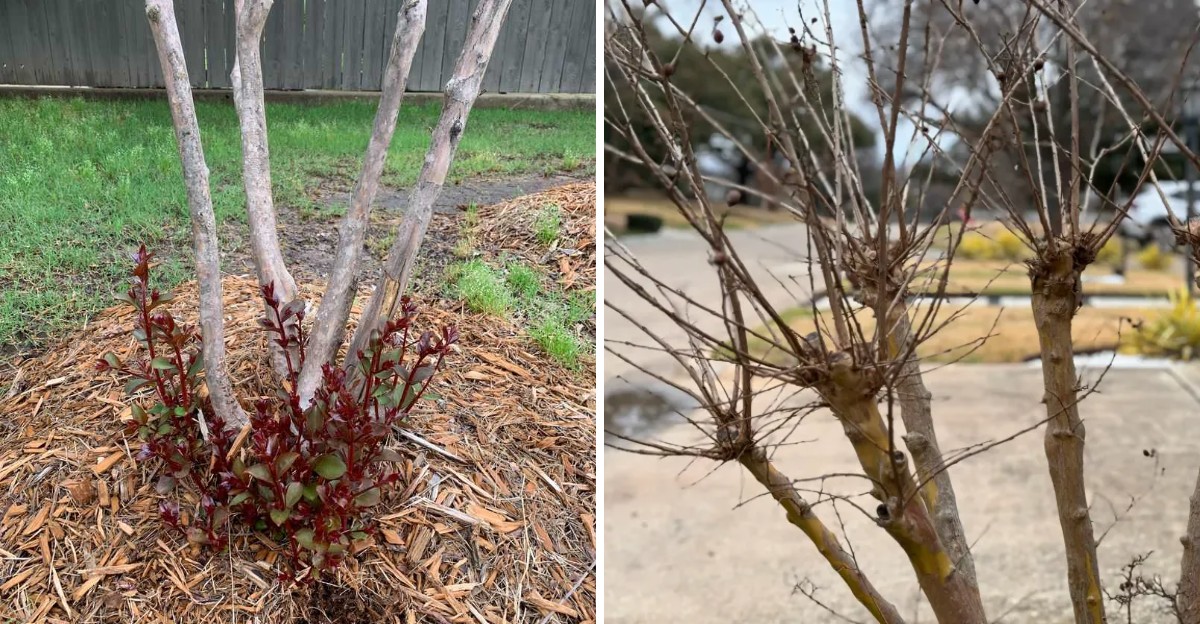
Crape myrtles have one more show left before winter. As the weather cools, their leaves turn shades of orange, red, and gold, and their smooth, peeling bark starts to stand out even more.
It’s a beautiful season for these Texas favorites. It’s also when many well-meaning homeowners make a costly mistake.
With summer blooms gone and seed pods hanging from the branches, it’s tempting to tidy things up. Some people even think it helps the tree get ready for spring.
In reality, fall is one of the worst times to get aggressive with a crape myrtle. It can trigger tender new growth right before the first freeze.
That leaves the tree weaker, more prone to cold damage, and less likely to bloom well next summer.
Holding off until late winter can make a big difference. Your crape myrtles will reward that patience with a healthier, more colorful season ahead.
Don’t Prune Crape Myrtles In Fall
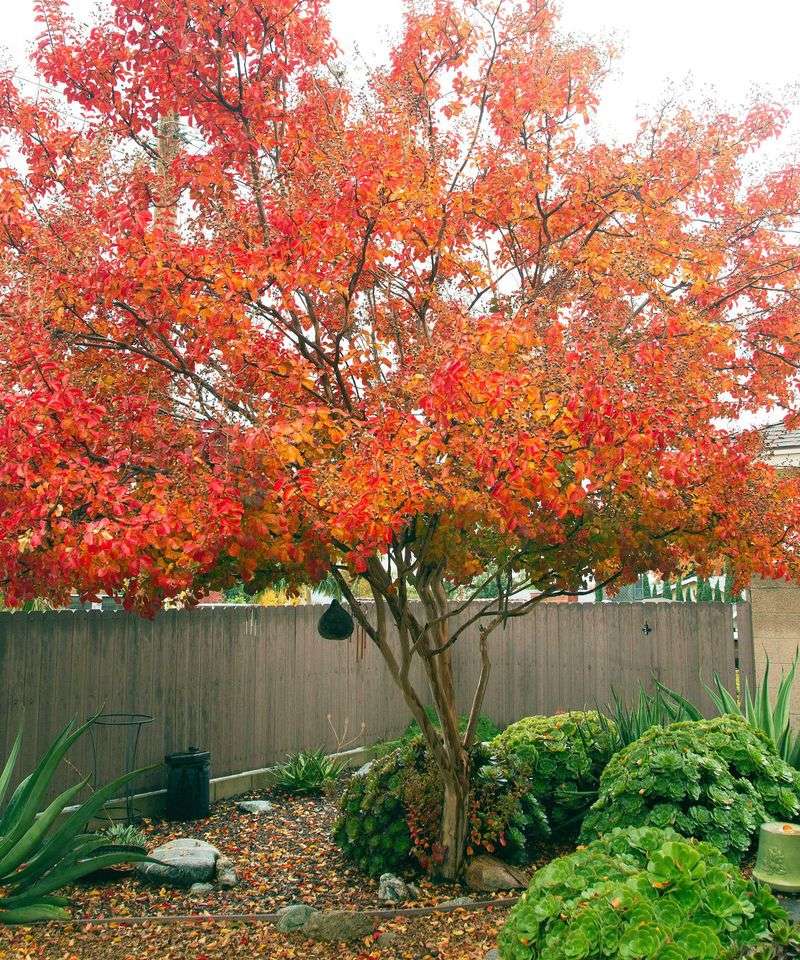
Every October, the same scene plays out across Texas neighborhoods. Someone looks at a scraggly crape myrtle, sighs, and heads to the garage for the loppers. It is a habit as common as football on Friday nights.
Here is the problem. Fall pruning is one of the most frequent crape myrtle mistakes in the state. The tree may look tired and ready for a tidy haircut, but cutting it now usually does more harm than good.
Faded blooms and falling leaves are not a sign that your tree needs help. They are a sign that it is getting ready to rest.
Think of your crape myrtle like a runner at the end of a long race. It spent all summer pushing out flowers in triple-digit heat.
Now it wants to slow down and recover. Pruning at this point is like asking that tired runner to sprint one more lap.
So what should you do instead? Put the shears away and let nature take the lead. You can rake up fallen leaves to keep your yard neat. You can also water deeply once or twice a month if fall turns dry, which happens a lot in Texas.
Another easy job is adding a fresh layer of mulch around the base. Spread about two to three inches, but keep it a few inches away from the trunk. Mulch helps protect roots from sudden cold snaps and holds in moisture.
Fun fact: crape myrtles came to America from Asia in the late 1700s. They have been charming Southern gardeners ever since.
A little patience this fall will keep yours thriving for a long time, and the next sections explain exactly why waiting pays off.
Pruning Triggers Tender New Growth
Texas weather loves to play tricks. One day in November you need a jacket, and the next day it feels like June again. Those warm spells are great for outdoor barbecues, but they are bad news for freshly pruned crape myrtles.
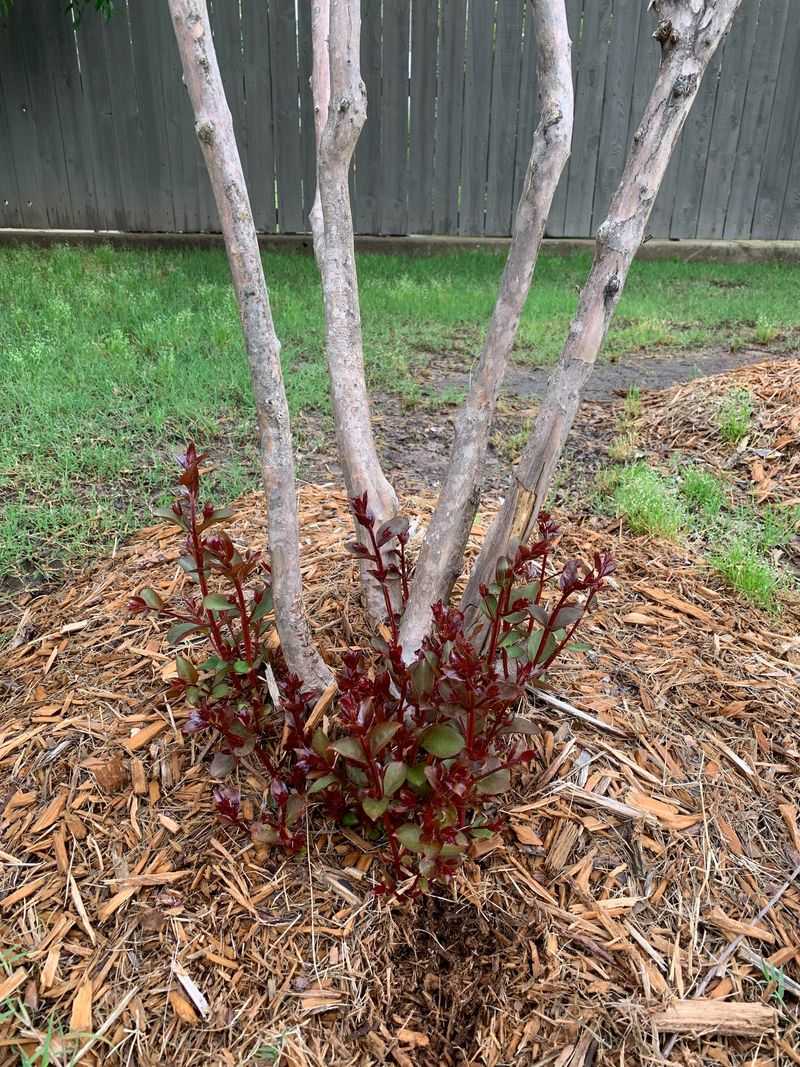
When you cut a branch, the tree reacts by pushing out new shoots near the cut. It is a natural response to repair itself and keep growing. In fall, warm days give the tree just enough of a signal to wake up and start that process.
Your Texas Garden Changes Every Week. Your Plan Should Too.
Gardening in Texas changes quickly throughout the season. Every Friday you’ll receive a simple weekly plan showing exactly what to plant, prune, fertilize, harvest, and protect so you never miss the right timing.
Those new shoots are soft, green, and full of water. They have not had time to toughen up, which gardeners call hardening off. Hardened wood is firm and can handle cold. Fresh growth cannot.
Then the first freeze arrives, sometimes with very little warning. Blue northers can drop temperatures by thirty degrees in a few hours.
The tender shoots turn black and limp almost overnight, and the damage can spread back into healthy wood.
The tree also loses energy it spent making those shoots. That energy was supposed to carry it through winter. Now it is wasted on growth that will not survive.
Want to see it for yourself? Look at a neighbor’s tree that was trimmed in October. Come January, you might spot dried-out twig tips and brown patches near the cut spots. That is frost damage from early growth.
The best way to avoid it is simple. Skip the cutting until the right season. If a branch is blocking a walkway, gently tie it back for now instead of snipping it. Your tree stays quiet, calm, and protected until spring.
The Tree Is Preparing For Dormancy

Ever notice how bears eat a lot before they hibernate? Crape myrtles do something pretty similar, just without the honey. In fall, they start storing up food for the long winter nap ahead.
As days get shorter and cooler, the tree slows its growth. It pulls sugars and nutrients from its leaves and sends them down into the roots and woody branches.
That is part of why the leaves change color and drop. The tree is basically packing its pantry.
This stored energy matters a lot. It helps the tree survive cold nights. It also gives it a strong start in spring, when it needs fuel to push out new leaves and, later, those big flower clusters.
Pruning in fall interrupts this whole plan. Every branch you remove takes some of that stored food with it. The fresh cuts also force the tree to spend energy healing wounds when it should be resting.
On top of that, open cuts can let in pests and disease. A tree that is busy shutting down does not seal wounds as quickly as it does in spring. That leaves it weaker heading into the coldest months.
So how can you help the tree get ready? Give it a deep drink before a hard freeze, since moist soil holds heat better than dry soil. Skip heavy fertilizer in fall, too, because it can push unwanted growth.
Mostly, just let it be. Dormancy is not laziness. It is a smart survival plan that crape myrtles have used for ages. Respecting that rhythm means a healthier, happier tree when warm weather returns.
You’ll Lose Its Winter Beauty
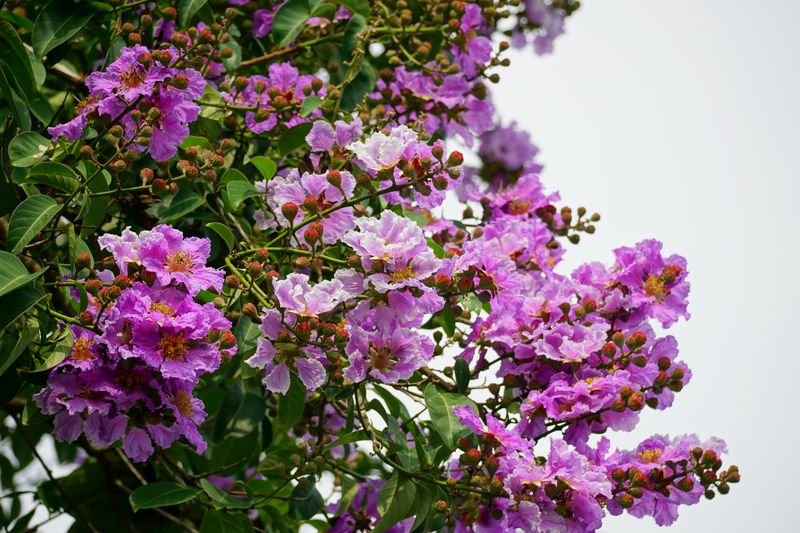
Some trees look dull in winter. Crape myrtles are not one of them. Once the leaves fall, they reveal a hidden talent that many people never stop to admire.
Take a close look at the trunk. Many varieties have smooth, peeling bark in shades of cinnamon, tan, cream, and soft gray. As the outer layer flakes away, it leaves patches of color that almost look painted. On a sunny January morning, it can glow.
The shape of the branches is part of the charm, too. A well-grown crape myrtle has graceful, twisting trunks that look like living sculpture. Without leaves in the way, you can finally see that lovely form.
Then there are the seed pods. Those little round clusters left behind after blooming add texture and interest to bare branches.
Some birds, like finches, will even snack on the seeds during lean winter months. Your tree becomes a tiny backyard bird feeder.
Cut the tree back in fall, and you lose much of this show. Pods get tossed in the trash. Thick stubs replace the natural, flowing shape. The bark is still there, but the overall look suffers.
Quick tip: varieties such as Natchez and Muskogee are famous for especially striking bark. If you are planting new trees, those are worth a look. Natchez bark has a rich cinnamon color that stands out in any yard.
Winter does not have to be a drab season in your garden. Leave your crape myrtles alone, grab a cup of cocoa, and enjoy the view from your window. You might be surprised how much you like it.
Wait Until Late Winter
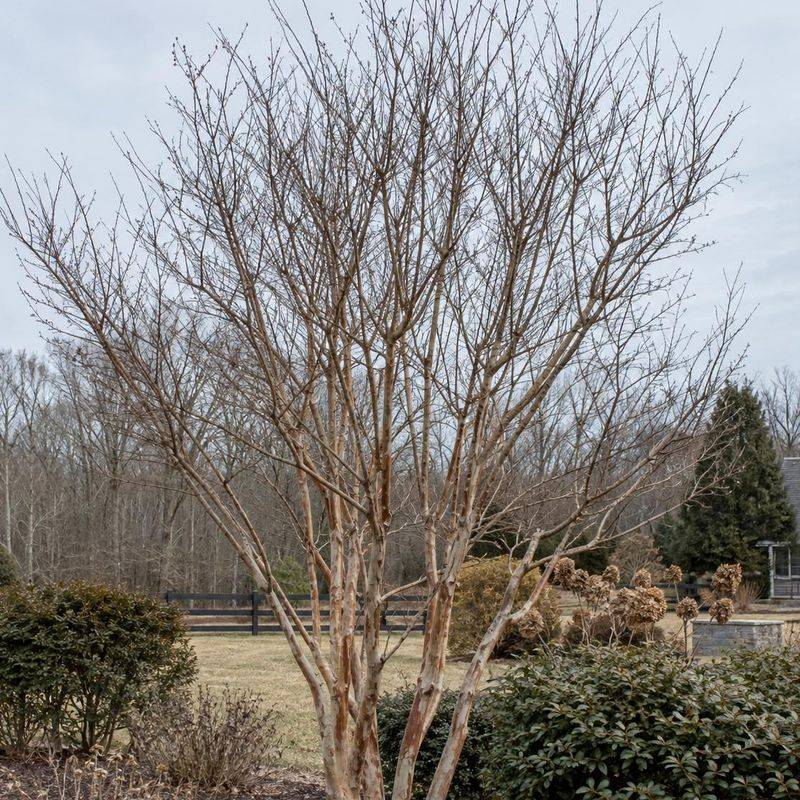
Patience is a gardener’s secret weapon. With crape myrtles in Texas, the payoff for waiting comes in late winter. Mark your calendar for February, and you will be right on time.
Why February? The tree is still asleep, so it will not try to push out growth right away. Yet spring is close enough that fresh cuts heal fast once the weather warms. The tree goes straight from pruning into strong, healthy new growth.
Timing can shift a little depending on where you live. In South Texas, late January may work fine.
Up in the Panhandle, you might wait until late February or early March. A good rule is to prune before you see new buds swelling on the branches.
Crape myrtles bloom on new wood. That means the flowers form on growth made in the current season. Pruning in late winter does not cost you any blooms. In fact, it can help the tree put energy into better branches.
There is one exception to the wait rule. Dry, broken, or diseased branches can come off any time of year. A limb snapped by a storm should be removed right away, because it can tear bark or invite pests.
Before you start, gather the right tools. Use sharp bypass pruners for small twigs and loppers or a pruning saw for thicker limbs. Wipe the blades with rubbing alcohol to keep from spreading disease.
Make clean cuts just outside the branch collar, which is the slightly swollen ring where a branch meets a larger limb. Neat cuts heal faster, and your tree will look great all season.
Avoid Severely Topping Crape Myrtles
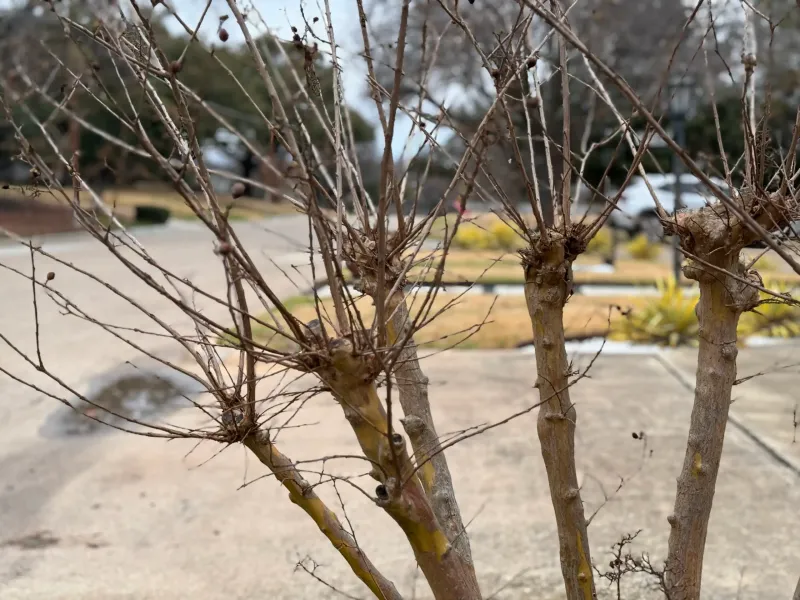
Drive through almost any Texas town in winter and you will spot them. Rows of crape myrtles chopped down to thick, ugly stumps. Gardeners even have a nickname for it: crape murder.
Topping means cutting the main trunks or big branches back to the same height, often waist or shoulder level. Many people do it because they think it makes more flowers. Others just copy what the neighbors do.
Sadly, the results are not pretty. Over time, the cut spots swell into large knobs, sometimes called knuckles.
Each spring, a bunch of skinny shoots sprout from those knobs. The shoots are weak and floppy, and heavy flower clusters can make them bend or snap.
Topped trees also lose their natural shape and that lovely bark show. Plus, the habit has to be repeated every year once it starts. It becomes extra work with worse results.
So what is the better way? Focus on light, smart pruning. Remove suckers that pop up from the base.
Take out branches that cross or rub against each other. Clip off dry wood and any twigs growing toward the center of the tree.
A simple goal is to keep three to five strong main trunks with an open, airy middle. Good airflow also helps prevent powdery mildew, a common crape myrtle problem.
The smartest move happens before you even plant. Choose a variety that fits your space. Crape myrtles range from dwarf types under three feet to giants over thirty feet tall.
Pick the right size, and you will rarely need heavy pruning at all. Your tree can simply grow into its full, graceful self.