Why A Single Weekend Of Isaias Rain Won’t Undo The Drought For North Carolina Trees And Shrubs
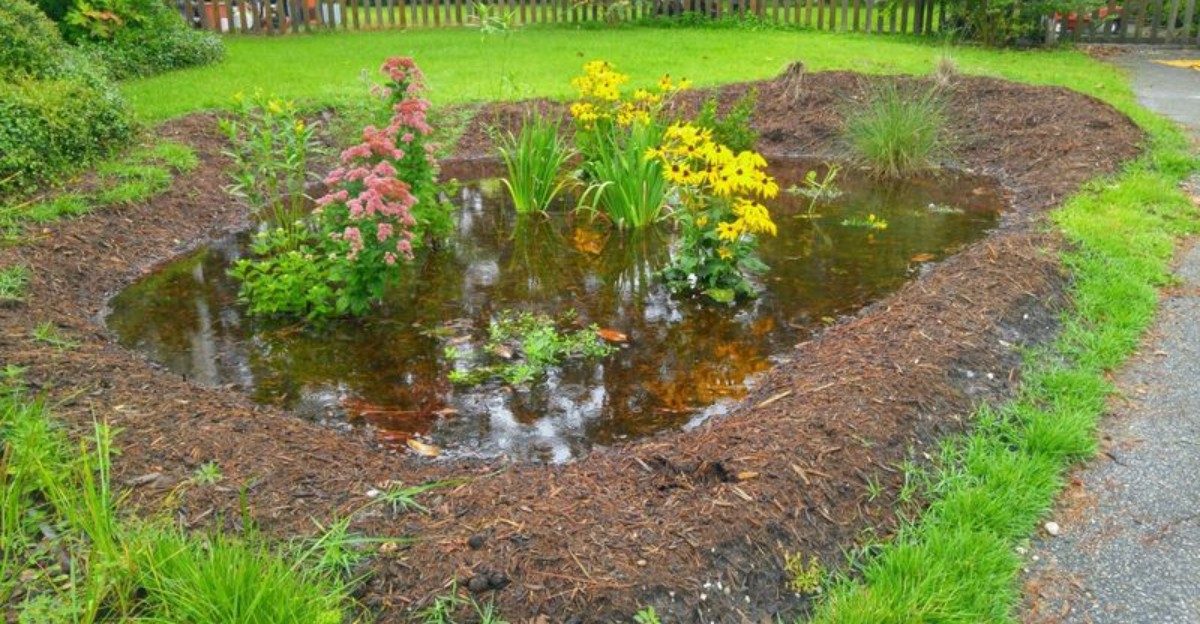
The rain from Isaias felt wonderful. It also covered less ground than it seemed. Parts of North Carolina picked up about an inch, and some coastal areas got a bit more.
Forecasters say that barely scratches a drought that has lasted a year. Some regions need many more inches to catch up. Trees and shrubs live on deep moisture, and a quick soaking often runs off or wets only the top layer.
Roots far below stay dry. That matters because stressed plants carry the damage into winter and spring. Checking the soil a few inches down tells you the real story.
Water still matters, even after a storm. Understanding what one weekend did and did not do helps you decide how to care for your plants this fall.
1. The Rain Deficit Is Far Bigger Than One Storm
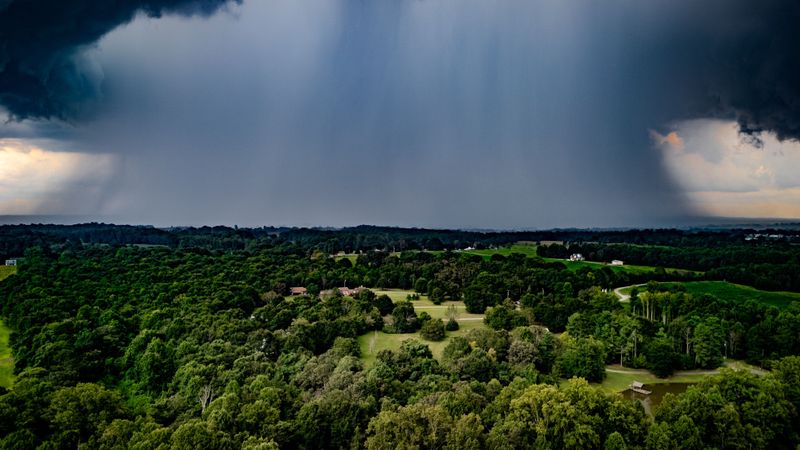
Think of the drought like a savings account that has been drained for about a year. Month after month, North Carolina withdrew more water than the sky deposited, and that shortfall added up to many inches of missing rain.
One weekend storm, even a strong tropical one, simply could not refill an account that empty.
Forecasters said as much after Isaias passed. Along the southeastern coast, they estimated the region still needed roughly nine more inches of rain to erase the drought.
Many other parts of the state are also still well behind on rain, which shows just how deep the hole had become.
For your yard, the message is simple. Treat your trees and shrubs as if dry conditions are still hanging around, because in most places they are.
A soggy lawn on Monday morning can fool anyone into thinking the problem is solved, but the soil underneath tells a longer story. Here in North Carolina, trees and shrubs have been coping with dry ground for many months.
Oaks, maples, dogwoods, and azaleas have been stretching every drop they could find, slowly using up reserves along the way. A single storm gives them a welcome drink, yet it does not restore the steady moisture they need to recover fully.
So keep your hose handy and your eyes open. Track how much rain falls over the coming weeks, not just one weekend. If dry spells return, step in with a deep watering before leaves start curling or turning crispy at the edges.
Steady care now helps your landscape bounce back faster once regular rain patterns finally return to the state.
2. Deep Roots Need Moisture Far Below The Surface
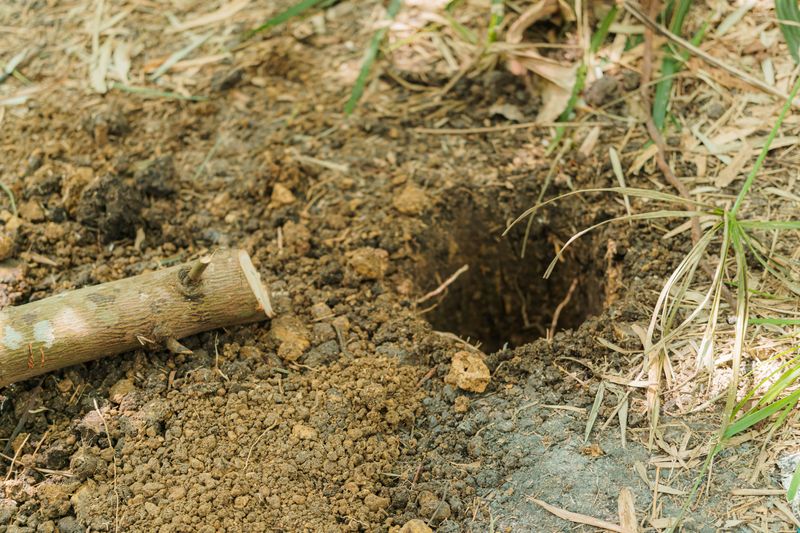
Grab a trowel and dig a little hole under your favorite tree after the storm. You might be surprised to find damp soil on top and dusty, dry earth just a few inches down. That hidden dryness is exactly where many tree roots live and work.
Most of a tree’s water-absorbing roots spread through the top foot or two of soil, often reaching well past the edge of the branches.
After a long drought, an inch or so of rain may only wet the upper few inches. Grass, weeds, and small plants grab that moisture first, and the sun pulls some back into the air before it ever sinks deeper.
Your North Carolina Garden Changes Every Week. Your Plan Should Too.
Gardening in North Carolina changes quickly throughout the season. Every Friday you’ll receive a simple weekly plan showing exactly what to plant, prune, fertilize, harvest, and protect so you never miss the right timing.
Checking is easy and takes only a minute. Push a long screwdriver or trowel several inches into the ground near your trees and shrubs. If it slides in smoothly and comes out cool and damp, you are in good shape, but if it hits hard, dry soil, your plants still need help.
When the soil feels dry, water slowly and deeply. Focus on the outer edge of the canopy, called the drip line, since that area holds many active feeder roots.
A soaker hose or a gently trickling garden hose works far better than a quick spray, because it gives water time to soak downward.
Many established trees across North Carolina have been drawing on shrinking soil moisture since last year. Big, old trees may look tough, but they use a remarkable amount of water each day in summer.
A slow, deep drink every week or two during dry stretches can keep these shade-giving giants healthy and thriving.
3. Dry, Hard Soil Sheds Heavy Rain

Ever poured water onto a dry kitchen sponge and watched it bead up and roll right off? Drought-baked soil acts much the same way. Instead of drinking in a heavy rain, it can shed much of it like a raincoat.
Very dry soil, especially clay, tends to repel water at first. Tropical storms like Isaias often dump rain in fast, intense bursts, and hard ground cannot absorb it quickly enough.
As a result, a lot of that water rushes across lawns, down slopes, and out of garden beds before roots ever get a taste.
After a big storm, take a walk around your yard and play detective. Look for mulch washed onto sidewalks, bare streaks of soil, or little gullies carved into beds. These clues show where water raced away instead of soaking in.
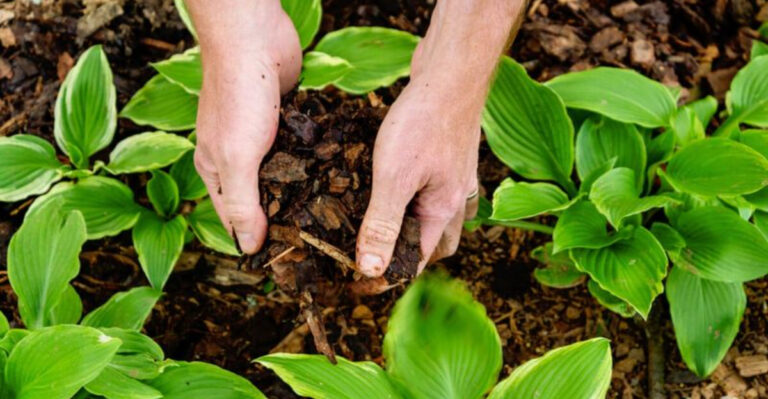
Mulch is your best friend here. Spread 2 to 3 inches of shredded bark, pine straw, or wood chips over root zones, keeping it a few inches away from trunks. Mulch slows falling rain, protects the soil surface, and helps future storms sink in rather than run off.
When you water by hand during dry spells, try several short sessions instead of one long blast. Water for ten or fifteen minutes, pause to let it soak, then water again. That rhythm gives stubborn soil time to soften and accept moisture.
Hard Piedmont clay is common across much of North Carolina, and heavy rain often arrives in short bursts during summer storms. Learning how your soil behaves turns every rainfall, big or small, into a better drink for your trees and shrubs.
4. Rain Totals Varied Widely Across The State

Your cousin in the mountains may have seen a downpour, while your own yard barely got a sprinkle. Tropical storms are famous for being picky about where they drop their rain. Isaias was no exception.
As the storm moved through, the western mountains picked up heavy rain. Much of central North Carolina, on the other hand, received fairly modest amounts.
Coastal areas generally landed somewhere in between, so the storm helped some yards far more than others.
That uneven pattern means you cannot rely on headlines or a neighbor’s story. A simple rain gauge, which costs only a few dollars at most garden centers, tells you exactly what fell on your property.
Place it in an open spot away from trees and roofs, and check it after every storm. If you do not have a gauge yet, local weather reports and volunteer networks can help.
The CoCoRaHS program, short for Community Collaborative Rain, Hail and Snow Network, posts daily rain totals from thousands of backyard observers. Looking up a nearby station gives you a solid idea of what your area actually received.
Once you know the number, adjust your watering plan. Most trees and shrubs appreciate about an inch of water per week during the growing season. If your gauge shows less than that, your plants still need a boost from the hose.
In North Carolina, two neighborhoods just a few miles apart can see very different totals during a tropical storm. A quick check takes the guesswork out of yard care and keeps you from skipping water your plants truly need.
5. Drought Damage Often Shows Up Later
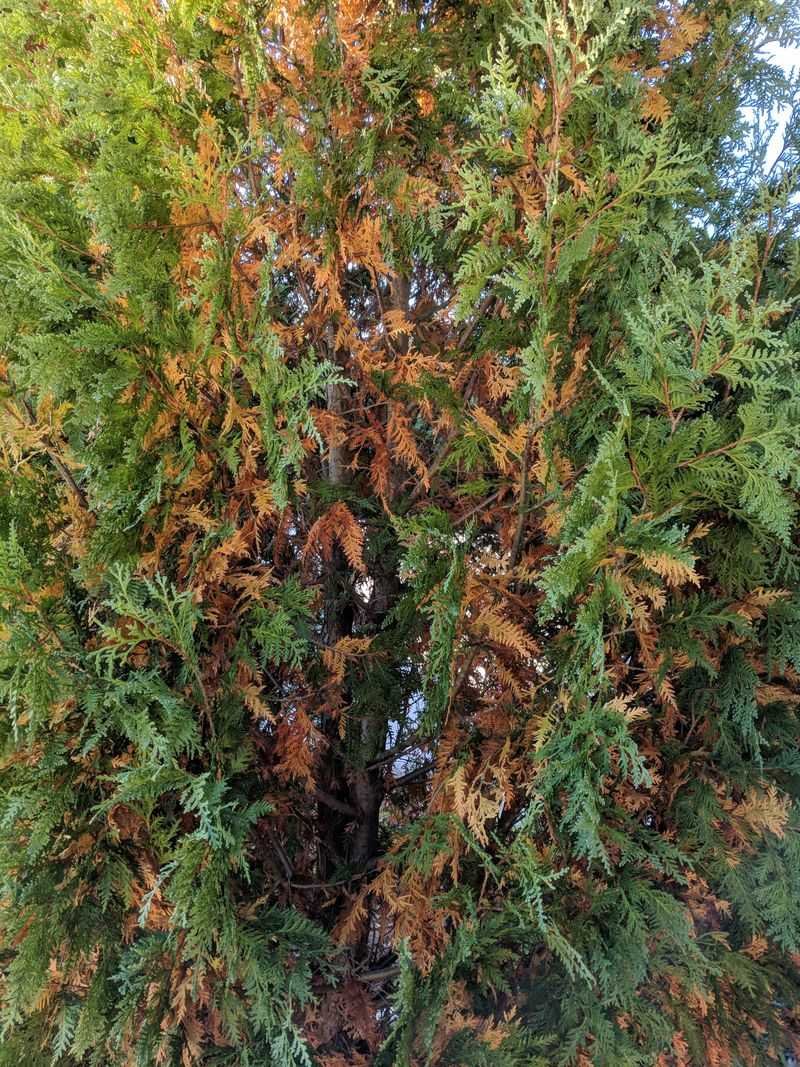
Trees are patient storytellers. They often wait months before revealing how a hard summer really treated them. That delay can catch gardeners off guard long after the rain returns.
A long drought weakens roots and limits the energy plants tuck away for winter and spring. With smaller reserves, trees and shrubs may show branch wilt, thin canopies, or early leaf drop down the road. Stressed plants also become easier targets for insects and diseases.
Next spring, keep a close eye on your landscape. Notice which plants leaf out slowly, which branches stay bare, and which shrubs look patchy compared to last year. Snapping a few photos now gives you something helpful to compare later.
Fall is a time for gentle care, not big changes. Avoid heavy pruning, since removing lots of leaves and branches forces a tired plant to spend energy it does not have. Skip fertilizing stressed plants in fall too, because pushing new growth can do more harm than good.
For large trees showing major wilting, call a certified arborist. These trained experts can spot problems you might miss and recommend safe solutions, especially if branches hang over your house, driveway, or play areas.
The International Society of Arboriculture offers an online search to find certified arborists near you.
Here in North Carolina, drought-stressed shrubs like Leyland cypress and boxwoods are more prone to disease problems.
Leyland cypress often struggles with canker diseases after dry years, and boxwoods can decline when roots are weak. Watching closely and acting early gives these popular plants their best chance to recover.
6. Evergreens Keep Losing Water All Winter
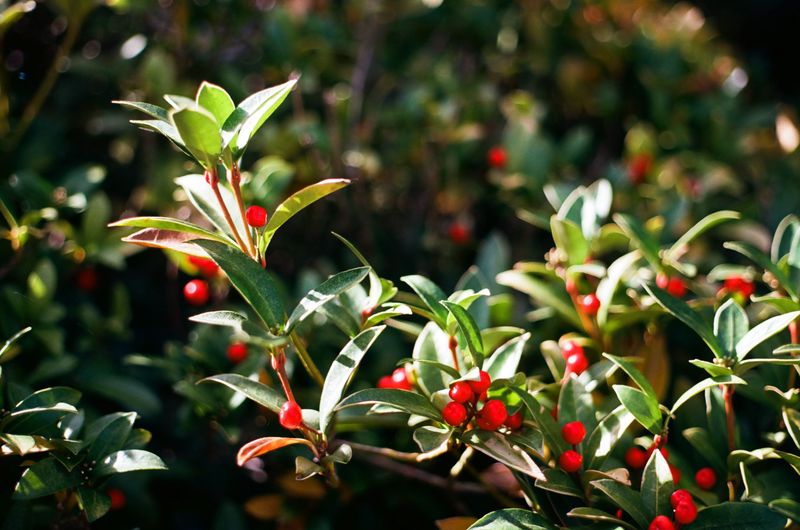
While maples and oaks drop their leaves and take a long winter nap, evergreens stay wide awake. Hollies, magnolias, camellias, boxwoods, and pines keep their foliage all season long. That beauty comes with a hidden cost.
Leaves release water through tiny pores, and evergreen leaves keep doing it even in cold months.
On sunny, windy winter days, they can lose a surprising amount of moisture. If the soil stays dry, roots cannot replace what the leaves give away, and plants may show browned or scorched foliage by late winter.
The fix is refreshingly simple. During dry winter stretches, give evergreens a deep soaking every couple of weeks, as long as the ground is not frozen. Pick a mild day and water around midday so moisture can soak in before temperatures drop at night.
Pay extra attention to evergreens planted within the last few years. Their root systems are still small and spread over less ground, so they run short of water faster than older plants.
A young camellia or holly will thank you with glossy leaves and plenty of spring growth. Mulch helps too.
A layer of pine straw or shredded bark over the root zone keeps soil from drying out and evens out temperature swings. Just keep mulch pulled back a few inches from trunks and stems.
North Carolina winters often bring dry spells, and the ground rarely freezes for long in most of the state.
That makes winter watering both practical and worthwhile here. A little effort on chilly afternoons keeps your evergreens lush and green until spring.
7. Keep A Watering Plan Until The Drought Eases
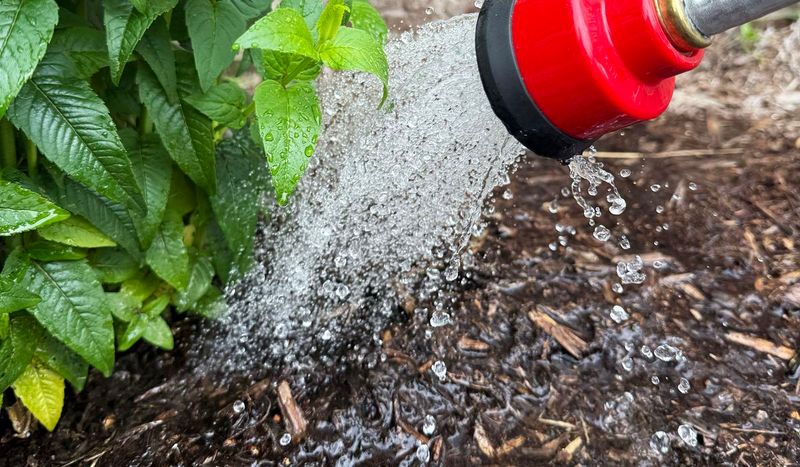
Good habits are what carry a garden through tough seasons. One storm brought relief, but steady care is what truly protects your trees and shrubs. A simple watering plan keeps you on track until the sky takes over again.
Soil needs weeks and months of regular rain to fully refill. Until that happens, your plants still depend on you. Young and recently planted trees and shrubs face the most risk, since their roots have not spread far enough to find water on their own.
Start with a basic schedule. Water new trees and shrubs deeply about once a week during dry spells, and give established ones a long soak every few weeks. Morning watering works best, because cooler air means less evaporation and leaves dry quickly in the sun.
Always check for local water restrictions before turning on the hose. Many North Carolina towns limit watering days or times during droughts, and following those rules helps your whole community.
Soaker hoses and drip lines are great choices, since they deliver water right to the roots with very little waste.
Stay informed by checking the U.S. Drought Monitor, which updates its maps every Thursday. You can quickly see whether your county is improving or still listed in drought.
Keep mulch in place around your plants too, because it holds moisture and stretches every watering further. Forecasters expected Isaias to improve conditions in North Carolina but not end the drought.
With a smart plan, a little patience, and regular checks, you can help your landscape stay strong, healthy, and ready to flourish when steady rains finally return.