Ginkgo Trees In Georgia Often Drop Their Leaves Almost All At Once
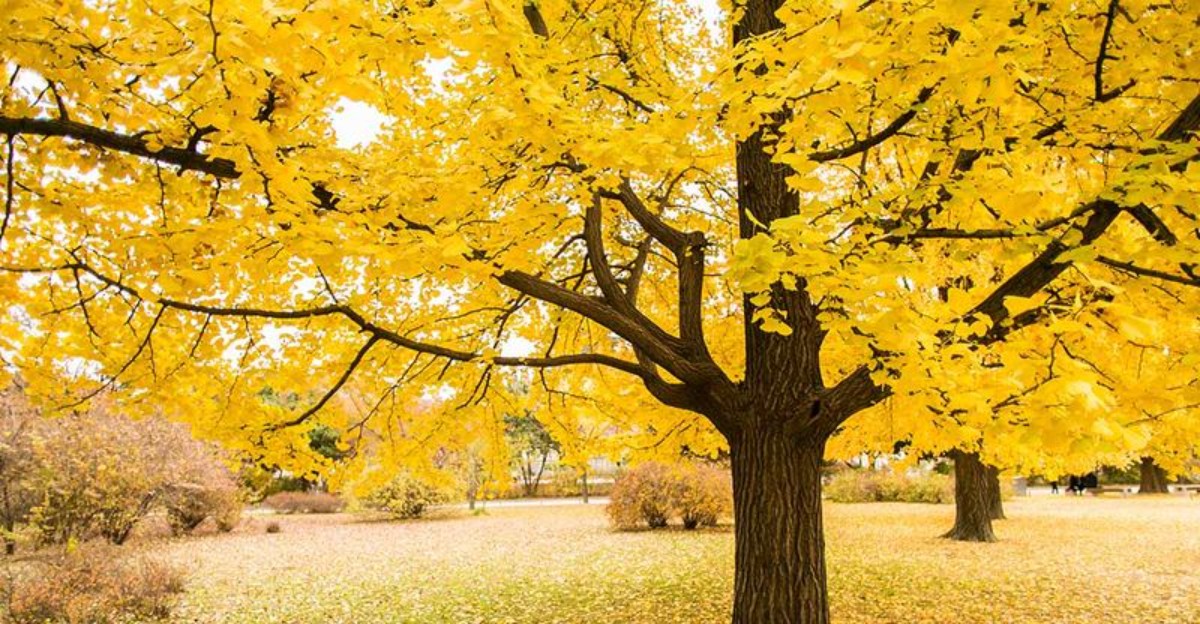
Ginkgo trees hold their color longer than almost anything else in the yard, staying bright gold while nearby maples and oaks thin out. For a week or so, that glowing canopy seems like it will never let go.
Then one morning the branches are nearly bare, with a thick yellow carpet spread underneath.
Snap a photo when the color peaks, because that window can close faster than you expect.
Unlike most trees, ginkgo forms the layer that releases its leaves at almost the same moment on every branch. A hard frost often sets that process in motion overnight.
The drop stands out in Georgia, where most shade trees shed slowly over several weeks.
Female trees add one more surprise, since their fallen fruit carries a strong, unpleasant smell that lingers.
1. A Golden Canopy Can Land On The Lawn Within Days
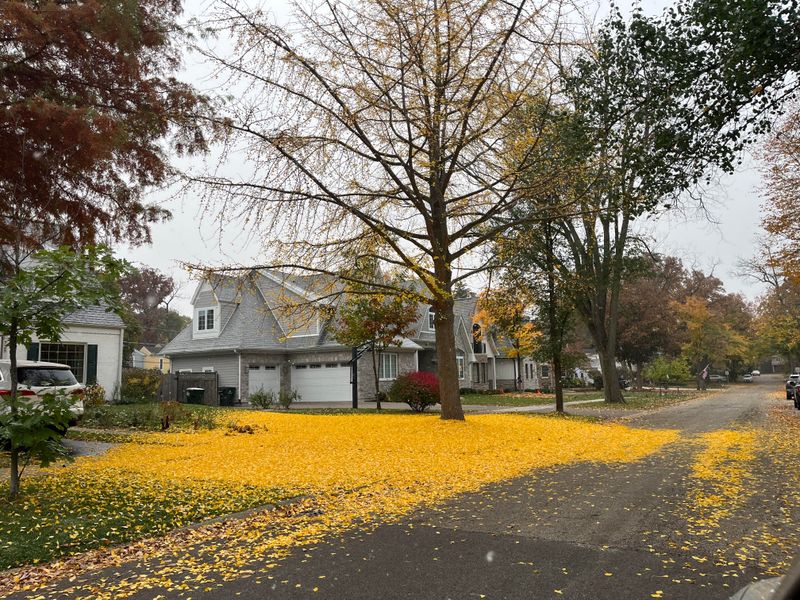
Blink, and you might miss it. A ginkgo can go from full yellow color to nearly bare branches in a very short window, often within a few days to about a week.
Gardeners who walk past the tree each morning tend to notice it first.
One afternoon the tree looks like a giant golden umbrella, and the next week most of those leaves are sitting in a neat ring on the grass. Some trees shed the bulk of their foliage in a single day, though timing varies from tree to tree.
In Georgia, the show usually happens sometime in late fall. North Georgia and the mountains often see it earlier than the coast, because cooler nights arrive there first.
Weather, tree age, and location in the yard can all shift the timing a bit.
So what should you do with all those leaves? A quick rake or a pass with a mulching mower handles most of the cleanup without much fuss.
Shredded ginkgo leaves can go into a compost pile or be spread lightly over garden beds as mulch.
Leaving a thick, wet mat on the lawn for weeks is not a great idea, since it can block light from the grass. If you want photos, check the tree daily once the color peaks, because the best view may not last long.
2. Leaves Seal Off From The Branches At Nearly The Same Time
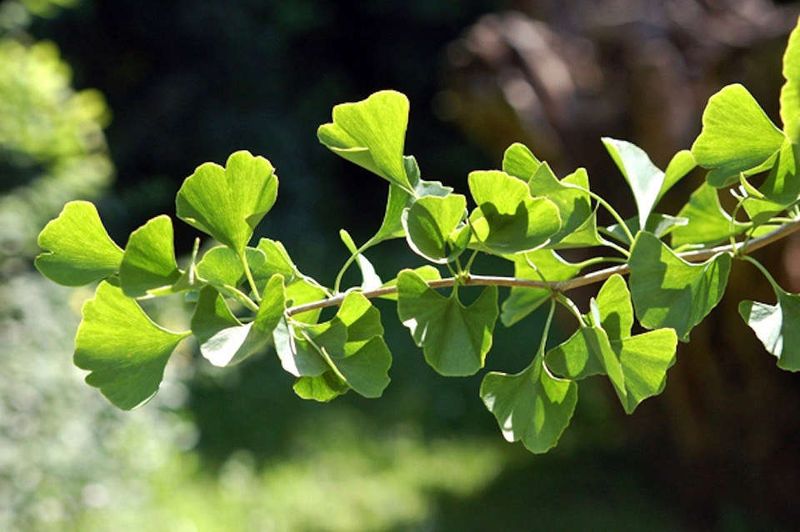
Most trees drop leaves a few at a time as each one finishes its season. Ginkgo often behaves differently, and the reason lies in how the leaf connects to the branch.
Every deciduous tree forms a special layer of cells where the leaf stem meets the twig.
Botanists call it the abscission zone. When it finishes forming, the leaf breaks free and a small seal closes off the spot on the branch.
On a ginkgo, those layers seem to develop across the tree at nearly the same pace. As a result, a large share of leaves become ready to fall together instead of trickling down over weeks.
Growth habit plays a part too.
Ginkgo carries many of its leaves in clusters on short, stubby twigs called spur shoots, so much of the canopy sits in similar conditions.
Your Georgia Garden Changes Every Week. Your Plan Should Too.
Gardening in Georgia changes quickly throughout the season. Every Friday you’ll receive a simple weekly plan showing exactly what to plant, prune, fertilize, harvest, and protect so you never miss the right timing.
Scientists still discuss the finer details of why the timing lines up so closely, so it helps to treat the explanation as a general picture rather than a complete answer.
Homeowners across Georgia can use this to their advantage. Because most leaves come down in one burst, you may only need one or two big cleanups instead of weekly raking.
Keep a tarp or bag handy once the color looks fully yellow, and that single job may cover most of the season.
3. A Hard Frost Often Sets Off The Sudden Drop
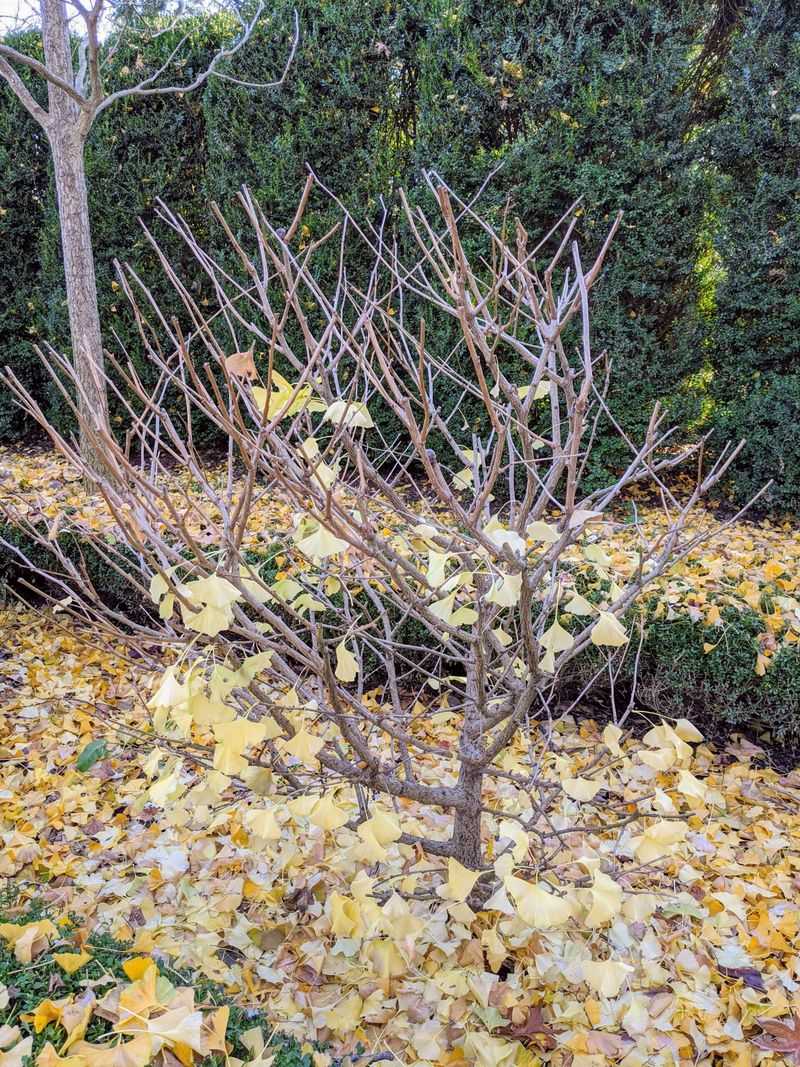
Cold snaps change everything. After the first hard freeze of fall, a ginkgo that has already turned yellow may release a big share of its leaves within hours or days.
Gardeners often describe waking up to a bare tree after a frosty night.
A hard frost seems to speed up the final step of leaf separation on trees that are already prepared to let go. It does not usually cause the drop on its own if the leaves are still green and active.
Timing across Georgia depends heavily on where you live. Mountain areas tend to get freezing nights sooner, while the Piedmont and coastal regions usually see them later, and some coastal years bring only light frosts.
That difference matters.
In warmer spots, ginkgo leaves may fall a bit more gradually if a strong freeze never arrives at the right moment. Local conditions like low pockets, wind, and nearby pavement can also shift results.
Want to plan ahead? Watch the weather forecast once your tree turns fully golden, since a predicted freeze is a good hint that cleanup is coming.
No special care is needed to protect a healthy, established ginkgo from frost, because the tree is quite cold hardy. Simply enjoy the color while it lasts and keep your rake nearby.
4. Fan-Shaped Leaves Turn Butter Yellow Before Falling
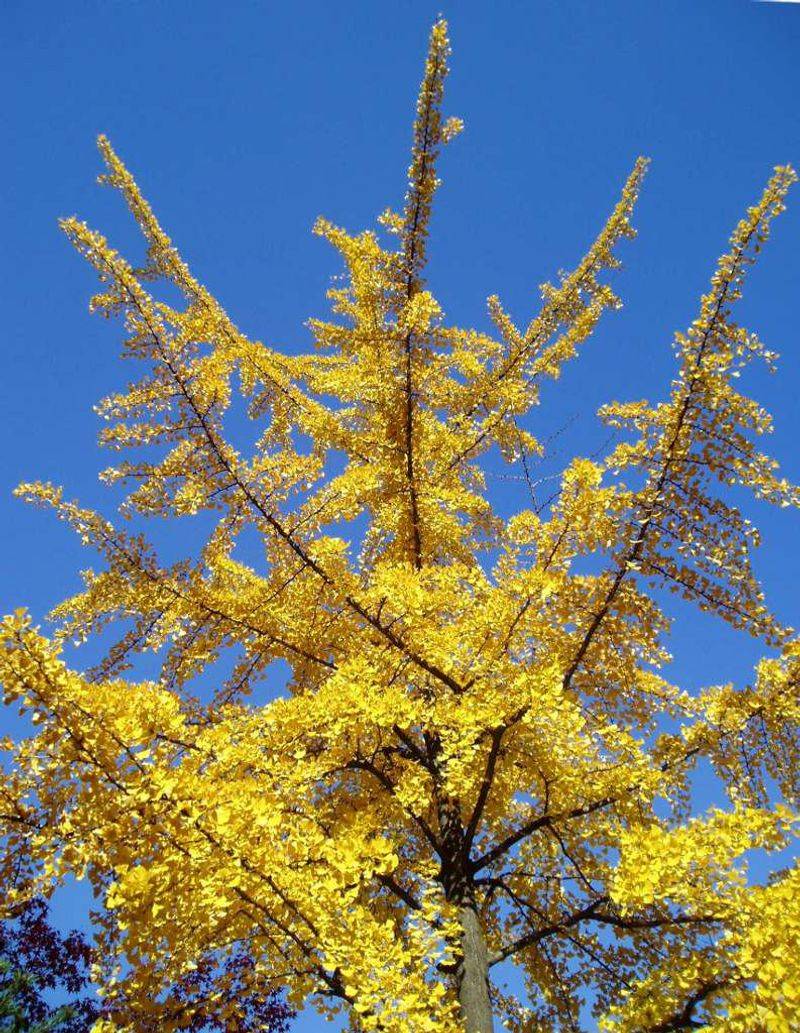
Few leaves look quite like a ginkgo leaf. Each one is shaped like a small, open fan, often with a notch in the middle of the outer edge.
Hold one up to the light and you will see thin veins spreading outward like the ribs of a paper fan.
Through spring and summer, those leaves stay a fresh medium green. As fall moves along, the green fades and a clear, buttery yellow takes over, often turning the whole tree a bright, even gold.
Color strength can vary from year to year.
Sunny fall days and cool nights tend to bring out a cleaner yellow, while drought stress or an early hard freeze may cut the display short. Young trees and those in heavy shade may also color less evenly.
Gardeners in Georgia often find ginkgo color peaks later than maples and dogwoods. That makes it useful for stretching fall interest in a yard after other trees have finished.
Plant your ginkgo where you can see it from a window or the driveway.
Full sun usually gives the best color and growth. A backdrop of evergreens, like hollies or pines, can make the yellow stand out even more when the tree reaches its peak.
5. This Species Has Changed Little Over Millions Of Years
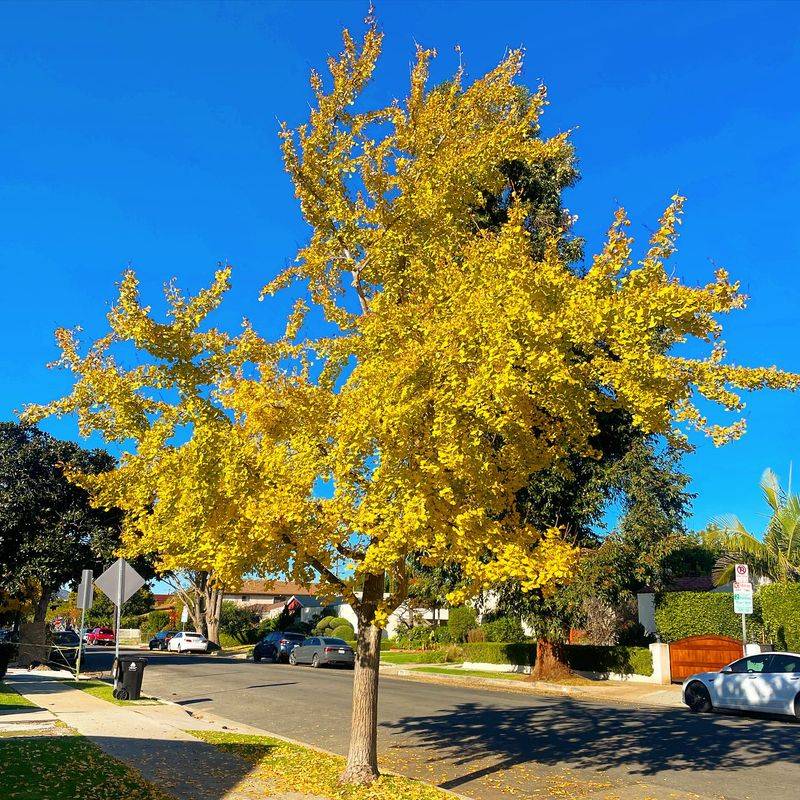
Think of ginkgo as a living link to the distant past. Fossil leaves that look remarkably close to today’s ginkgo date back many millions of years.
Ginkgo biloba is the only living member of its plant group, with no close relatives left today.
Wild populations survived in parts of China, where people later grew and protected the tree near temples and gardens. From there, it spread to Japan, Europe, and eventually North America.
That long history helps explain why the tree feels a little different. It is not a flowering plant, so it produces no true flowers or fruit, even though the seeds can look like small fruits.
Toughness is a big reason it lasted.
Ginkgo handles heat, city air, and compacted soil better than many shade trees, which is why it shows up along streets and in parks. Few serious pests or diseases bother it, though no tree is fully trouble-free.
Patience is the main thing to bring when you plant one in Georgia. Young ginkgos often grow slowly and can look awkward or sparse for several years.
Give it a sunny spot with good drainage and plenty of room. Over time, it can become a large, long-lived shade tree that may outlast the people who planted it.
6. Female Trees Drop Seeds With A Strong, Unpleasant Odor
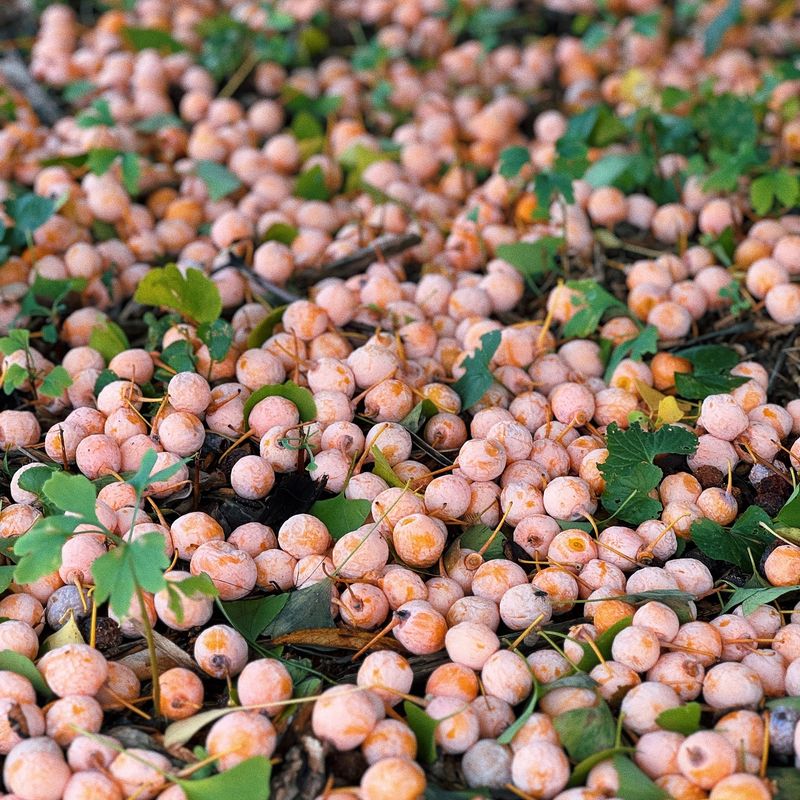
Smell it before you see it. Anyone who has walked under a female ginkgo in fall knows the sharp, rancid scent that hangs in the air.
Ginkgo trees are either male or female, and only females make seeds.
Those seeds have a soft, fleshy orange-tan outer coat. When they fall and get crushed on sidewalks or driveways, that coat releases butyric acid, the same compound linked to the odor of rancid butter.
Mess is part of the problem too. Squashed seeds can turn slippery on walkways and stick to shoes, which is why many cities avoid planting female trees along streets.
Skin contact deserves some care.
The fleshy coat can cause skin irritation or a rash in some people, similar to reactions from poison ivy. Wearing gloves when you pick up the seeds is a smart habit.
Female trees usually do not produce seeds until they are many years old, often around twenty years or more, though timing varies. So a tree that seemed fine for years in a Georgia yard may suddenly start dropping seeds.
If you already have one, rake up seeds promptly before they get stepped on. Some people collect the inner nuts for cooking, but those should be cooked and eaten only in small amounts, since raw or large servings can cause illness.
7. Choosing A Male Cultivar Avoids The Smelly Fruit
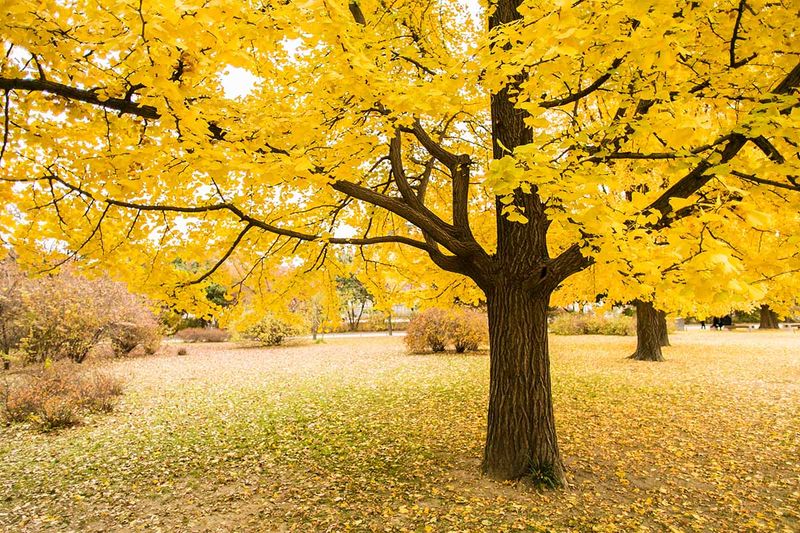
Smart shopping saves years of cleanup. Picking a named male cultivar is the easiest way to enjoy ginkgo without the messy seeds.
Seedling ginkgos are a coin toss, because there is no simple way to tell males from females while they are young.
Nurseries solve that by grafting or propagating from known male trees. Popular male choices include Autumn Gold, Princeton Sentry, and Saratoga, along with several others.
Size and shape vary by cultivar. Princeton Sentry grows narrow and upright, which suits tighter spaces, while Autumn Gold forms a broader canopy with strong fall color.
Read the tag carefully before you buy.
Look for a cultivar name and a note that the tree is male or fruitless. If the label just says ginkgo with no cultivar, ask the nursery staff before taking it home.
A small caution applies. Rare reports describe male trees producing a few seeds, so male cultivars greatly lower the odds of fruit rather than ruling it out entirely.
Planting in fall or early spring tends to work well across most of Georgia, since cooler weather eases stress on new roots. Water a young tree regularly during its first couple of summers, especially in dry spells, and give it full sun with soil that drains well.