12 Desert Wildflower Seeds to Sow in Arizona This October
October is when the Arizona desert finally exhales, and that cooler air is your signal to grab a packet of seeds. Seeds sown now soak up winter rains and grow deep roots before the brutal summer heat returns.
The payoff is a spring yard buzzing with bees, butterflies, hummingbirds, and birds, all on very little water. Here are 12 native wildflowers that give your yard a real job to do.
1. Mexican Gold Poppy
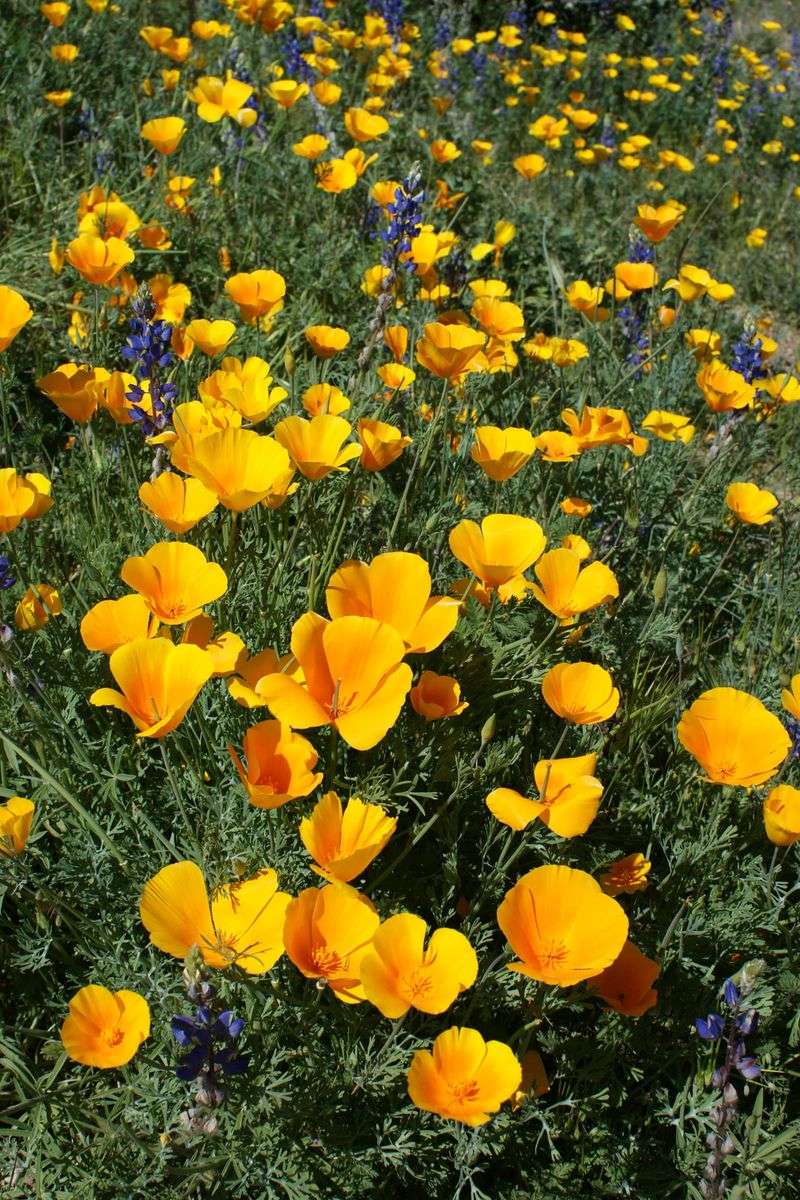
Picture a hillside near Picacho Peak glowing orange in March. That carpet of color comes from Mexican gold poppy, and you can grow a smaller version right in your own yard.
Scatter the tiny seeds in October over raked, bare soil, then press them in lightly with your shoe. They need light contact with the ground, not a deep burial.
Winter rains handle most of the work, though a gentle watering every week or two during dry spells helps seedlings settle in.
Native bees adore these cup-shaped flowers. On sunny days the petals open wide like little landing pads, and they close up at night or when clouds roll in.
Watching them track the sun is half the fun.
Once spring fades, the plants set seed and dry up. Leave them standing for a few weeks so the pods can pop and reseed your patch for next year.
Finches and sparrows may stop by to snack on the leftovers too.
Poppies do best in full sun and gritty, well-drained soil. Skip the fertilizer, since rich soil tends to make them floppy.
Think of them as the low-effort opening act for a whole season of desert blooms.
2. Desert Bluebells
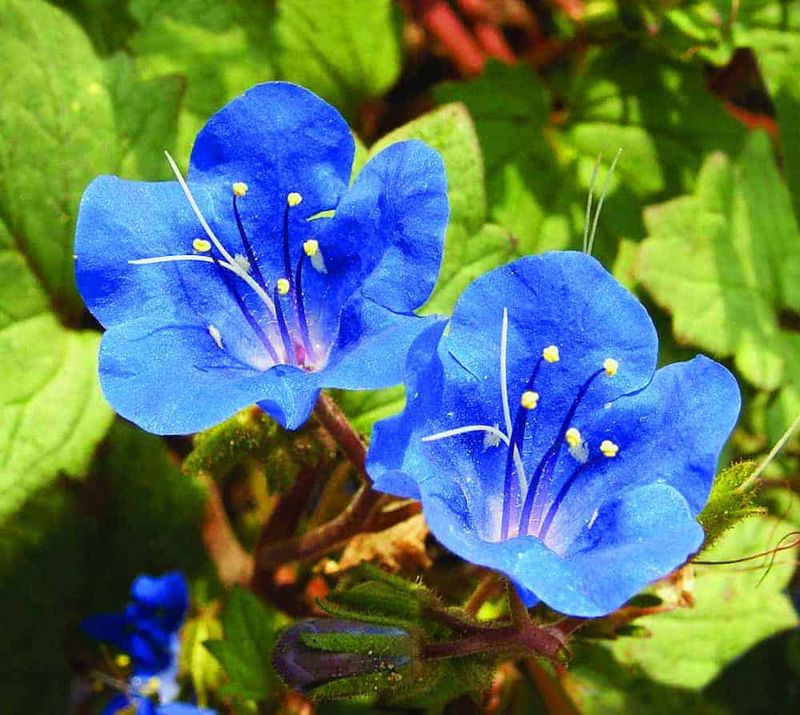
Blue is a rare color in the low desert, which makes desert bluebells feel almost like a secret. Their deep, electric bells look painted on, and they stop neighbors mid-walk.
Sow seeds in October or early November across loose, sandy soil. Barely cover them, maybe a sprinkle of fine gravel or sand on top.
Keep the area lightly damp until sprouts appear, then ease back as winter rains arrive.
Bluebells are a big draw for native bees, including tiny solitary species that many people never notice. A healthy population of those bees can help pollinate your citrus, squash, and other edibles nearby.
That makes this little annual a quiet helper for the whole garden.
Plants stay low, usually under a foot tall, so they work well along path edges or in front of larger shrubs. Give them full sun and good drainage.
Heavy clay soils may hold too much water and cause the roots to rot.
One heads-up: the leaves can irritate sensitive skin, a bit like a mild rash. Wear gloves when you pull spent plants in late spring.
Shake the dry stems over the bed first so next year’s crop gets a head start.
3. Desert Marigold
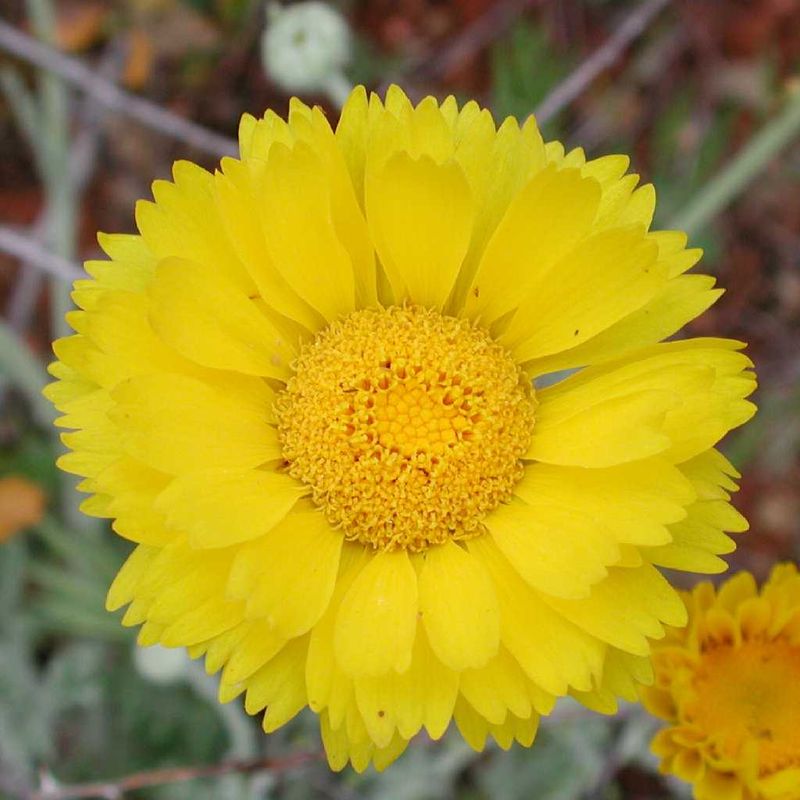
Some flowers show up for a few weeks and vanish. Desert marigold is the stubborn friend that keeps blooming from late winter well into fall, even through stretches of 105-degree days.
Your Arizona Garden Changes Every Week. Your Plan Should Too.
Gardening in Arizona changes quickly throughout the season. Every Friday you’ll receive a simple weekly plan showing exactly what to plant, prune, fertilize, harvest, and protect so you never miss the right timing.
Its fuzzy, silver-gray leaves are a built-in sunscreen. That soft coating reflects harsh light and helps the plant hold moisture, which is why it thrives on so little water once roots settle in.
Fall sowing gives you the best start. Toss seeds onto raked soil in October and water lightly until seedlings show.
After that, a deep drink every few weeks in summer is usually plenty.
Bees and butterflies work the sunny blooms all season, and finches love picking at the seed heads. Some gardeners also find that the plant’s strong scent may help make nearby spots less inviting to mosquitoes, though results vary from yard to yard.
Desert marigold reseeds freely, so expect volunteers popping up in cracks and gravel. Most people see that as a bonus.
Just keep it away from areas where horses or livestock graze, since the plant is not safe for them to eat. For everyone else, it is pure sunshine with almost zero fuss.
4. Parry’s Penstemon
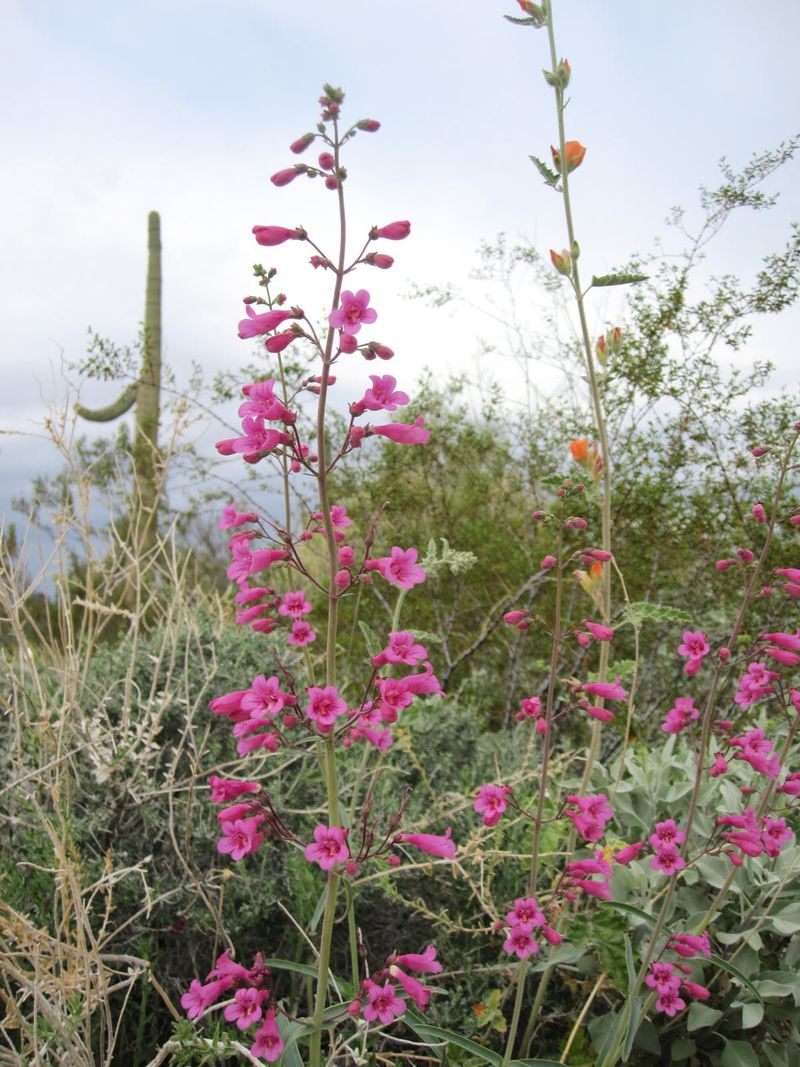
If hummingbirds had a favorite restaurant in Arizona, Parry’s penstemon would have a long waiting list. Those tall stalks of hot pink, tube-shaped flowers are built for their long beaks.
Blooms usually arrive from February through April, right when hummingbirds need fuel the most. Bees and butterflies join in too, turning a single plant into a busy little hub.
Here is the trick with penstemon seeds: they like a chilly, damp period before they sprout. Sowing in October lets nature handle that step for you.
Rake them into gritty soil, cover lightly, and let winter rains do their job.
Plants grow into a low rosette of leaves the first season, then shoot up flower spikes two to four feet tall. Full sun and fast drainage are musts.
A spot near a boulder or on a slight slope works beautifully.
After blooming, you can trim back the spent stalks or leave a few to drop seed. Parry’s penstemon is a short-lived perennial, but it replaces itself readily when happy.
Plant a cluster near a window, pour a cup of coffee, and enjoy the aerial show every spring morning.
5. Desert Globemallow
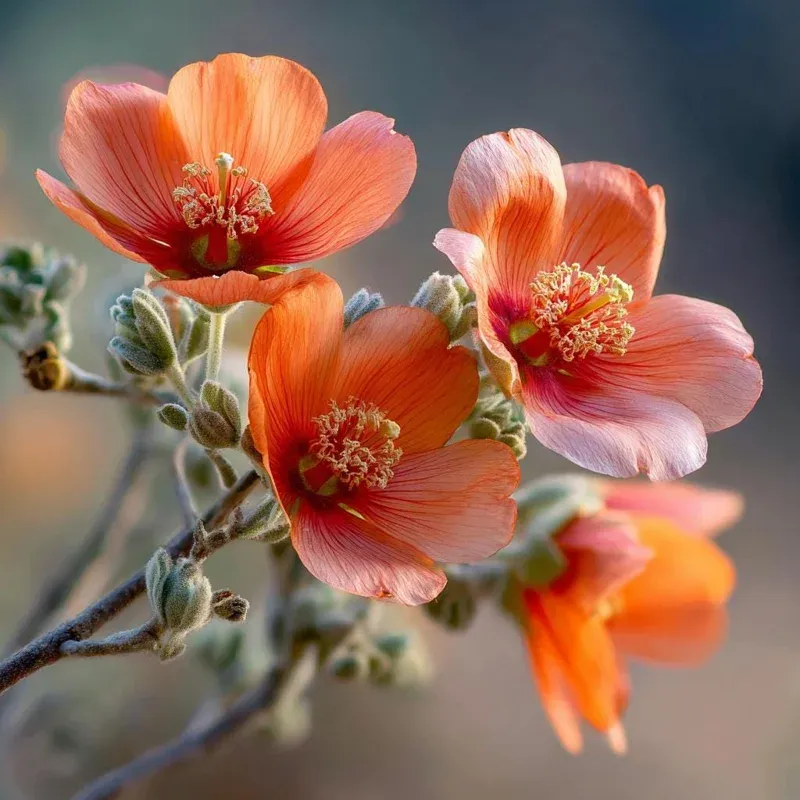
Caliche, alkaline dirt, blazing sun. Plenty of plants sulk in those conditions, but desert globemallow just shrugs and keeps blooming.
This tough perennial carries clusters of small, cup-shaped flowers, most often apricot orange, though pink, red, and lavender forms pop up too. A single plant can flower heavily in spring and then again after monsoon storms, giving you color twice a year.
Native bees are its biggest fans. In fact, a few bee species in the Southwest specialize in globemallow pollen.
Butterflies and hummingbirds also make regular visits, so planting a few can noticeably liven up your yard.
Seeds have a hard coat, so many gardeners nick them with a nail file or soak them overnight before sowing in October. Scatter them in a sunny spot and keep the soil lightly moist until sprouts appear.
Once established, globemallow needs very little water. Too much irrigation actually makes it leggy.
Give it a hard cutback in late summer to keep it tidy and encourage fresh growth.
Fun fact: older nicknames include sore-eye poppy, because the fine hairs on the leaves can irritate eyes. Handle gently and enjoy the bees.
6. Brittlebush
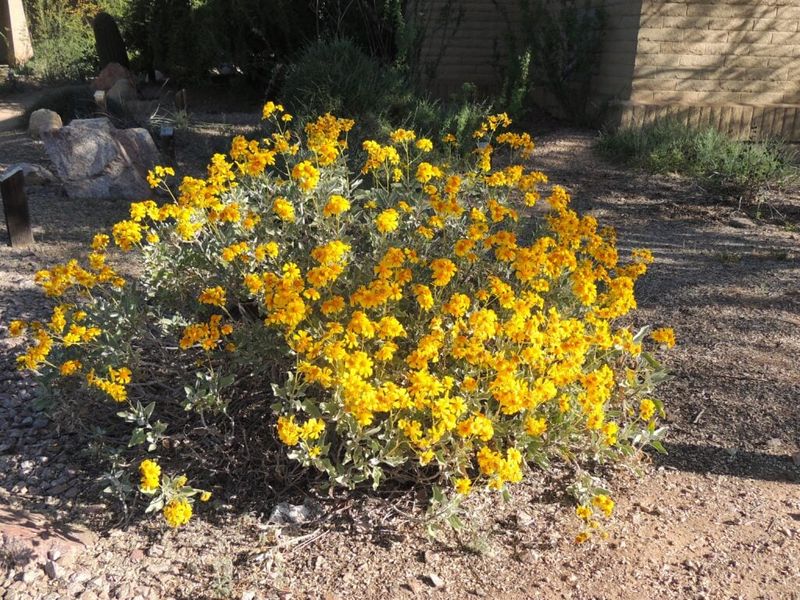
Drive any Phoenix freeway in March and you will see mounds of gold along the shoulders. Those are brittlebush, one of the toughest wildflowering shrubs in the Sonoran Desert.
Silvery, almost white leaves give this plant a cool, frosty look even in July. That pale color reflects heat and helps it hold water through long dry stretches.
Brittlebush is easy from seed. Scatter it in October on rough, open soil and water lightly to get it going.
It grows quickly, often blooming its first spring and reaching about three feet tall and wide.
For wildlife, it is a powerhouse. Bees and butterflies crowd the yellow flowers, and quail and other ground birds use the dense mounds as cover.
Lizards like to hunt around the base too, and many desert lizards snack on insects you may not want near the house.
Native people historically used the fragrant sap as a glue and even as incense. Early Spanish missionaries reportedly burned it in churches.
Care is simple. Water occasionally in summer to keep leaves from dropping, and cut it back by about a third after spring bloom for a neater shape.
7. Arroyo Lupine
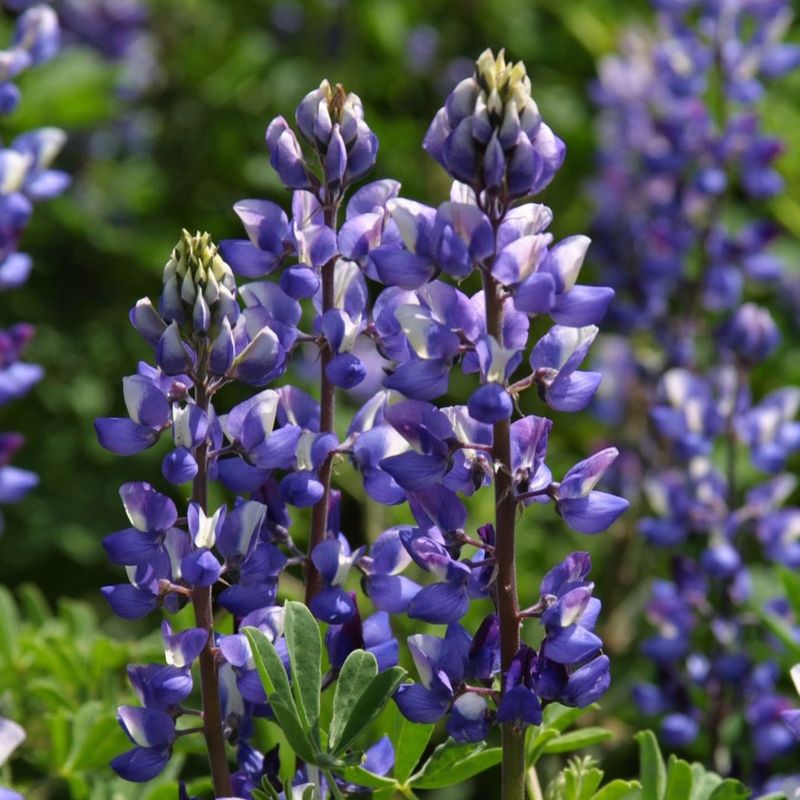
Ever wished a flower could improve your dirt while looking gorgeous? Arroyo lupine does exactly that.
Like peas and beans, lupines partner with soil bacteria to pull nitrogen from the air into their roots. Over time, that can enrich tired desert soil for whatever grows nearby next season.
Spikes of deep purple flowers rise above soft, hand-shaped leaves in late winter and spring. Bumblebees and other large bees are the main visitors, since they are strong enough to pry open the flowers.
Watching a fuzzy bee wrestle its way inside is surprisingly entertaining.
The seeds are big and hard. Soak them in warm water overnight before sowing in October, and plant about half an inch deep.
Arroyo lupine likes a little more moisture than most desert natives, so it suits low spots, basins, or areas that catch runoff from a roof or patio.
Plants can reach two to four feet tall, making them a bold backdrop for poppies and bluebells. Once seed pods dry and twist open, the annuals fade for summer.
Keep pets and kids from nibbling the seeds, which are not meant for eating.
8. Blackfoot Daisy
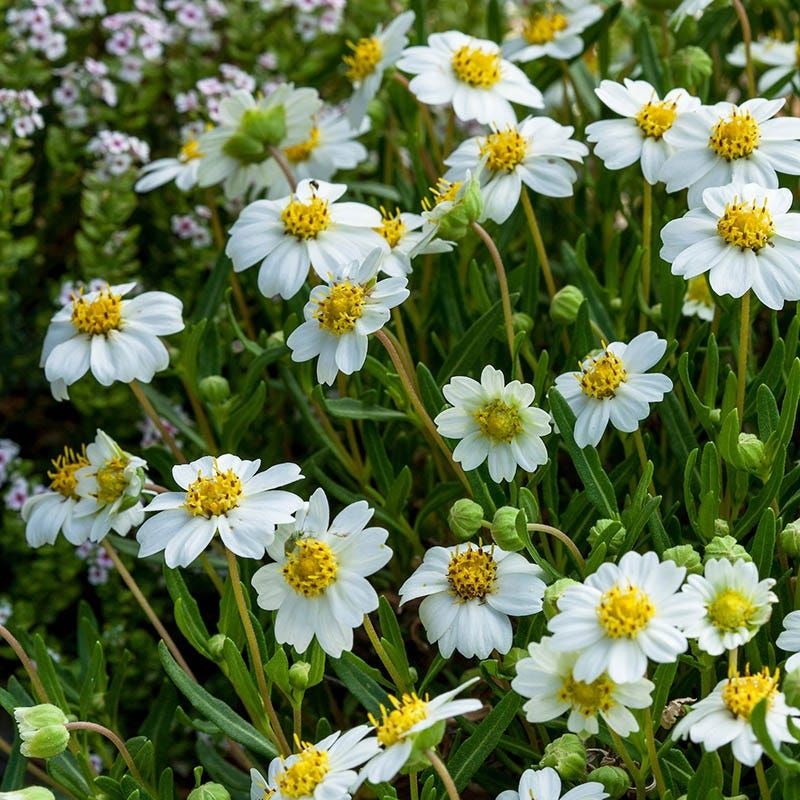
Small but mighty is the best way to describe blackfoot daisy. It forms a neat, foot-tall mound smothered in white flowers with sunny yellow centers.
Lean in close on a warm afternoon and you might catch a sweet honey scent. That fragrance pulls in bees and small butterflies for months, often from spring straight through fall.
Blackfoot daisy loves the spots other plants hate. Think hot gravel near a driveway, rocky slopes, or the edge of a sunbaked patio.
Heavy watering and rich soil are actually its enemies, so stick to gritty ground and let it be.
Seeds can be slow and a bit picky. Sow them in October on the surface of well-drained soil, press lightly, and keep them barely moist.
Patience pays off, and once a few plants settle in they tend to live for several years.
The name comes from the dark, scaly bracts at the base of each flower head, which look like tiny black feet. Kids usually get a kick out of spotting them.
Because it stays low and tidy, blackfoot daisy makes a lovely living border along walkways. It also pairs nicely with taller penstemon and globemallow behind it.
9. Firewheel
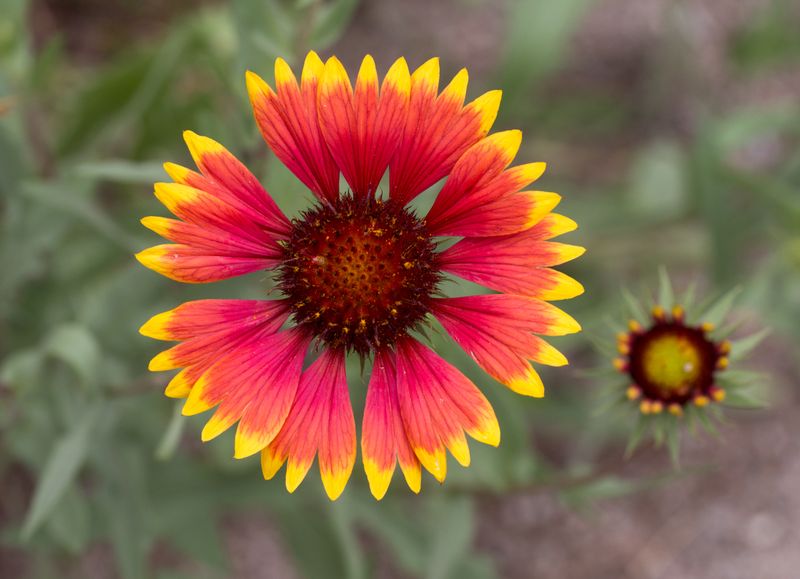
Red center, golden tips, and a pattern like a woven rug. Firewheel, also called Indian blanket or blanket flower, brings bold, fiery color that fits right in with Arizona sunsets.
What sets it apart from other spring wildflowers is staying power. Firewheel often keeps blooming into summer, filling the gap when poppies and bluebells have already faded.
Sow seeds in October across sunny, sandy, or gravelly soil. Rake them in lightly and water now and then until seedlings are a few inches tall.
After that, occasional summer watering keeps the show going without much effort.
Butterflies treat firewheel like a buffet. Bees visit constantly too, and the round seed heads that follow give goldfinches something to pick at.
Leaving a few heads standing at season’s end is an easy way to feed birds and reseed the bed at once.
Plants grow one to two feet tall and look great in mass plantings or mixed into a wildflower meadow. They handle reflected heat from walls better than many annuals.
Deadheading spent blooms encourages more flowers, but it is optional. Firewheel is happy either way, which is exactly what busy desert gardeners like to hear.
10. Chuparosa
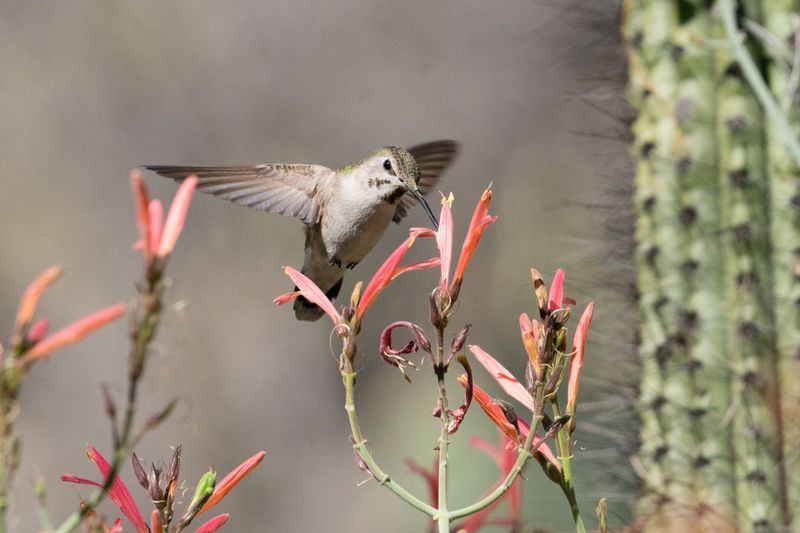
In Spanish, chuparosa roughly means hummingbird, and the name fits perfectly. Hang around one of these shrubs in January and you will likely see an Anna’s or Costa’s hummingbird zipping in for a sip.
That winter timing is what makes chuparosa so special. While many plants rest, its bright red, tube-shaped flowers bloom from late fall into spring, offering food when few other sources exist.
Chuparosa is usually grown from cuttings or nursery plants, but seeds can work with a little patience. Sow fresh seeds in October in small pots or directly in a protected, sunny spot with good drainage.
Keep them lightly moist until they sprout.
Mature shrubs grow about three to four feet tall with sprawling green stems that often lose leaves in dry heat. Birds use that tangle as shelter, and verdins and finches sometimes duck inside to rest.
Plant it near a wall or window where you can watch the action. A deep watering every two to three weeks in summer keeps it looking full.
Light frost may nip the tips, but it bounces back quickly in spring.
Bonus: the flowers are edible and taste faintly sweet, like cucumber.
11. Fairy Duster
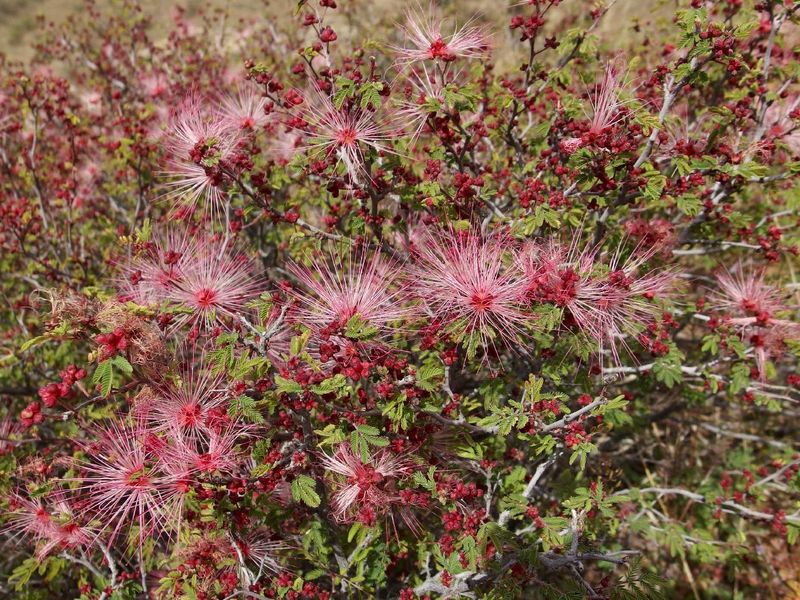
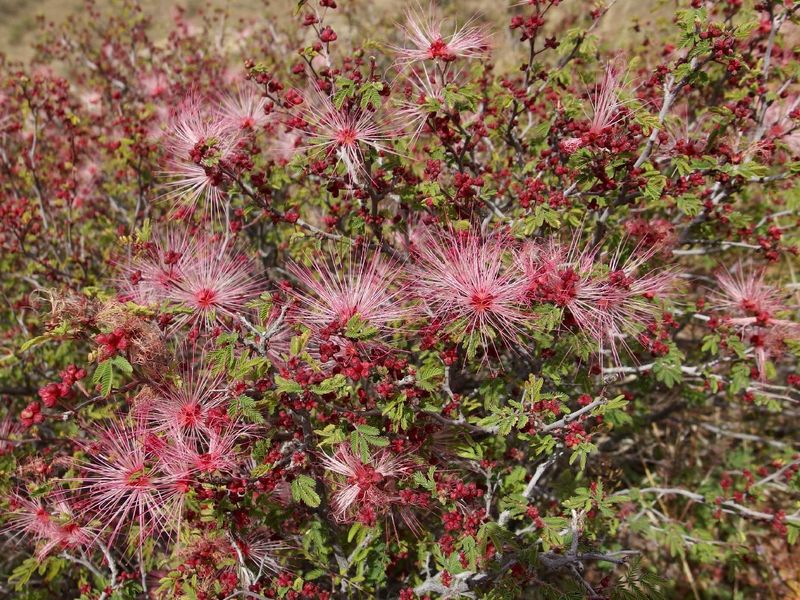
Fluffy pink puffs that look like tiny feather dusters? Yes, that is a real desert plant, and it is every bit as charming as it sounds.
Fairy duster’s flowers are mostly long, silky stamens, giving them a soft, airy look. They usually appear in late winter and spring, sometimes again after summer rains.
Hummingbirds and butterflies flock to them, and quail and other birds nibble the seeds later.
The leaves are just as delicate, small and fern-like, which lets dappled light pass through. Rabbits and deer may browse it, so newly sprouted plants appreciate a simple wire cage for their first year.
Seeds have a tough outer coat. Scratch them gently with sandpaper or soak them overnight before sowing in October.
Plant them shallowly in a sunny or lightly shaded spot with excellent drainage.
Mature shrubs stay about one to three feet tall, perfect for small yards, courtyards, or the base of a palo verde. Once established, fairy duster needs only occasional deep watering during the hottest months.
In the wild, look for it on rocky hillsides and along sandy washes. Recreate that feel at home with a few boulders and a gravel mulch.
12. Desert Senna
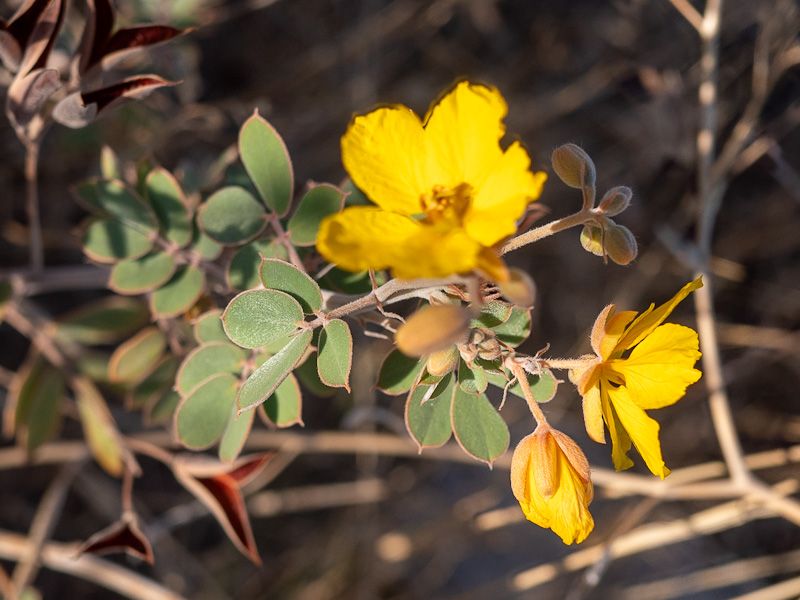
Want butterflies that stick around instead of just passing through? Desert senna is your ticket.
Sulphur butterflies, those bright yellow fliers you see bouncing around in late summer, lay their eggs on senna plants. Their caterpillars munch the leaves, then grow into the next generation of butterflies right in your yard.
A few chewed leaves are a sign of success, not a problem.
The plant itself stays small, usually one to two feet tall, with gray-green leaves and cheerful yellow flowers. Blooms can appear in spring and again after monsoon rains, keeping bees busy too.
Desert senna handles heat, poor soil, and drought like a champ. It grows naturally on rocky slopes and dry flats across southern Arizona, so it feels right at home in a low-water yard.
Sow seeds in October after a quick nick or overnight soak to soften their hard shells. Plant them shallow in full sun and water lightly until sprouts take hold.
Tuck a few among larger shrubs or along a sunny border. Pair senna with globemallow and desert marigold, and you will have a small but mighty butterfly nursery humming all year long.