Arizona Birds That Arrive in October and Stay All Winter
When the summer heat finally breaks in Phoenix and Tucson, a whole new crowd of birds shows up in desert yards. Many of them fly in from the north in October and stick around until spring, eating bugs, seeds, and berries the whole time.
Knowing who these winter guests are helps you set up a yard that feeds them, shelters them, and lets them work as free pest control. Here are ten birds worth watching for, plus simple ways to make them feel at home.
1. White-crowned Sparrow
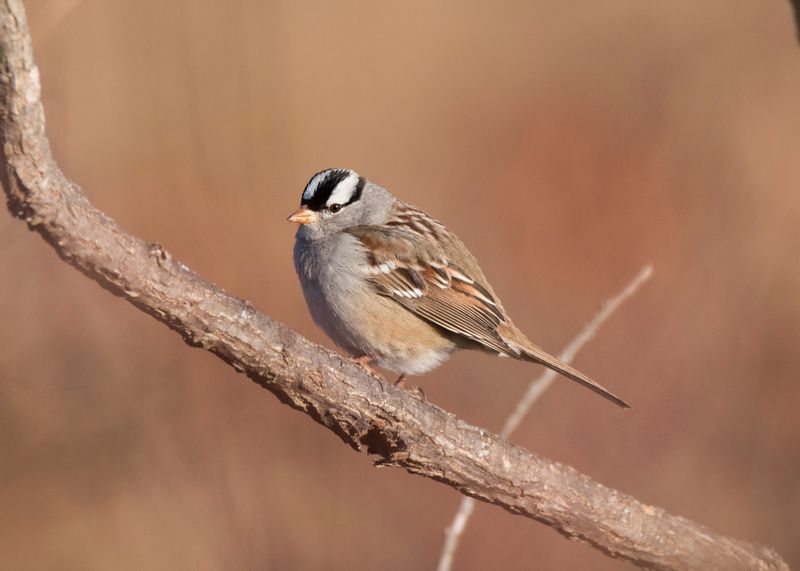
Bold black-and-white stripes make this sparrow look like it is wearing a tiny referee cap. Once you spot one hopping under your shrubs in October, you will likely see a whole flock by Thanksgiving.
They usually stay until April before heading north to breed.
White-crowned Sparrows are ground foragers at heart. They scratch through mulch and bare soil for grass and weed seeds, which means fewer unwanted sprouts popping up in your gravel.
During warmer spells they also snap up small insects, adding a bit of bonus bug control.
Getting them to settle in is simple. They love a mix of open ground for feeding and dense cover nearby where they can dash when a hawk flies over.
Native shrubs like desert hackberry, creosote bush, and quailbush give them that safe retreat.
Leave a few native grasses, such as bush muhly or desert needlegrass, to go to seed in fall. Scattering millet on the ground near cover also works well.
Skip the tall hanging feeders, since these birds prefer eating close to the dirt.
Listen for their whistled song on mild winter mornings. It is one of the sweetest sounds of the desert cool season, and a sure sign your yard is doing its job.
2. Yellow-rumped Warbler
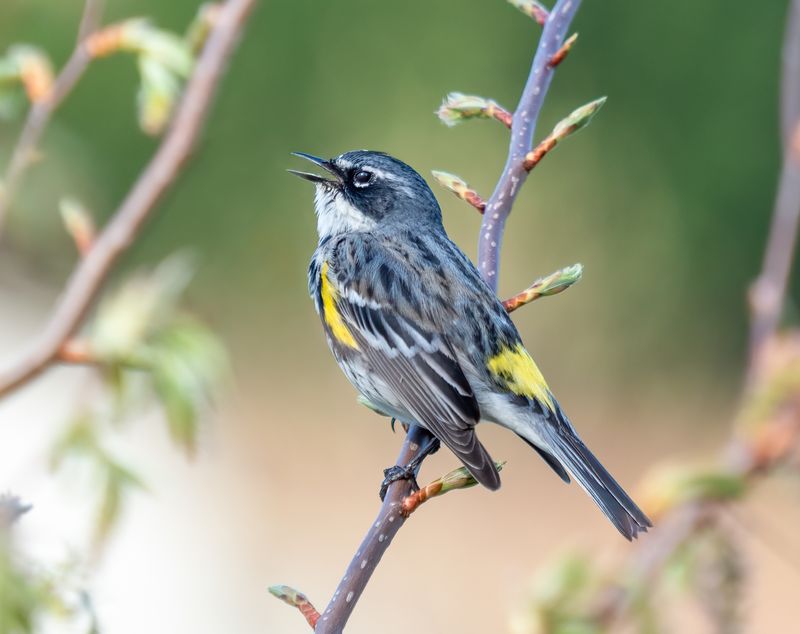
Birders jokingly call them butter-butts, and one look at that bright yellow rump patch explains why. Yellow-rumped Warblers are among the most common winter birds in the Sonoran Desert.
They pour in from the north in October and stay through the cool months.
What makes them special is how tough and flexible they are. Most warblers leave for the tropics, but these birds can switch to berries when insects get scarce.
That trick lets them handle chilly desert nights just fine.
In your yard, they act like busy little bug patrols. They pick caterpillars, beetles, ants, spiders, and small flies off leaves and bark, and sometimes catch insects in midair.
They may even grab gnats hovering near a fountain or birdbath, which can help keep tiny flying pests in check.
To bring them in, plant native trees with plenty of leafy branches, like desert willow, velvet mesquite, or blue palo verde. Berry shrubs such as desert hackberry and wolfberry give them winter snacks.
A shallow water dish with a gentle drip is a big draw too.
Watch for their quick chip notes. Where you hear one, several more are usually nearby.
3. Ruby-crowned Kinglet
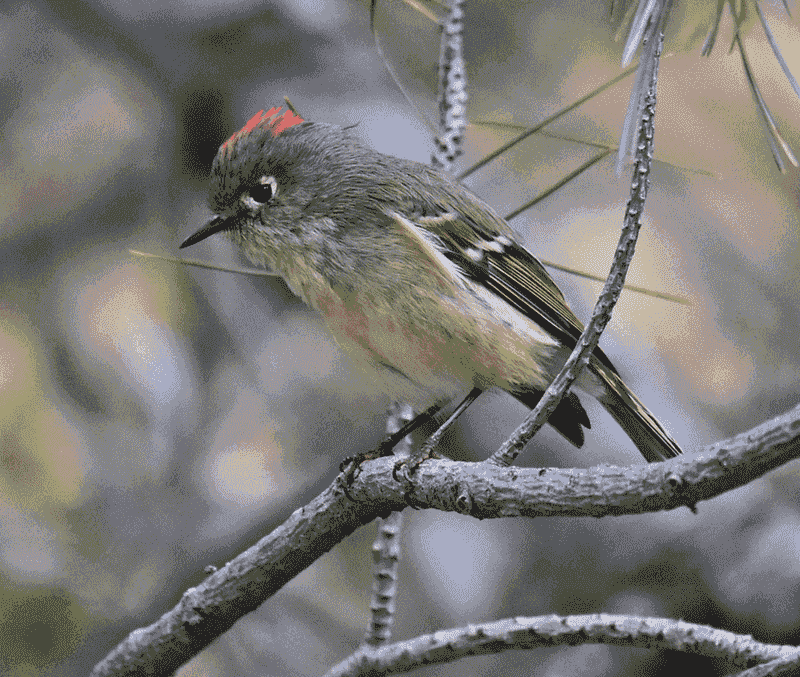
Weighing about as much as two pennies, the Ruby-crowned Kinglet seems to run on pure caffeine. It never sits still, flicking its wings nonstop as it zips from branch to branch.
Your Arizona Garden Changes Every Week. Your Plan Should Too.
Gardening in Arizona changes quickly throughout the season. Every Friday you’ll receive a simple weekly plan showing exactly what to plant, prune, fertilize, harvest, and protect so you never miss the right timing.
Spotting one feels a little like trying to photograph a sparkler.
These tiny songbirds usually show up in Arizona around late September or October and hang around until April. Their name comes from a red crest the males hide most of the time.
You may only see it flash when one gets excited or annoyed.
Kinglets are serious insect eaters. They comb through treetops and low brush for small beetles, flies, moths, ants, wasps, and spiders, often grabbing ones too small for other birds to bother with.
Over a whole winter, that steady snacking can add up to noticeably fewer pests on your plants.
Give them layers of cover. A mix of native trees like mesquite and ironwood with shrubs such as brittlebush or desert ruellia creates the busy, leafy maze they love.
A suet cake can also tempt them on cold mornings.
Fun fact: despite their small size, kinglets can lay huge clutches up north. Their winter energy is all fuel for that.
4. Green-tailed Towhee
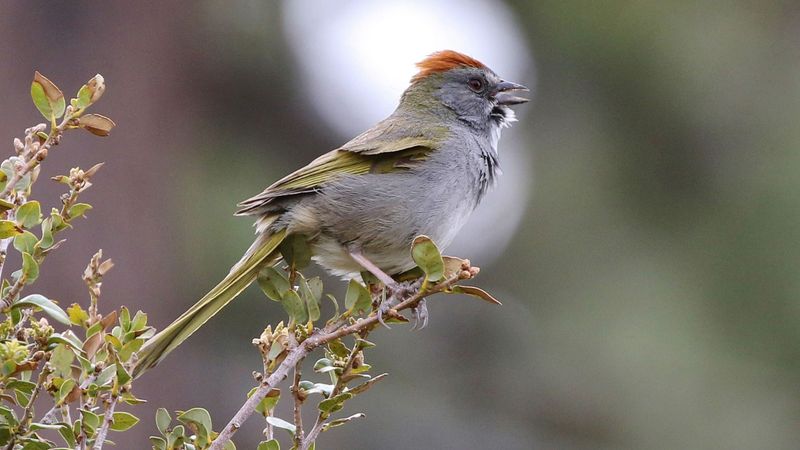
Hear a rustling under a bush that sounds way too loud for a bird? There is a good chance a Green-tailed Towhee is doing its famous double-scratch dance.
It hops forward and kicks backward with both feet at once, flinging leaves aside like a tiny bulldozer.
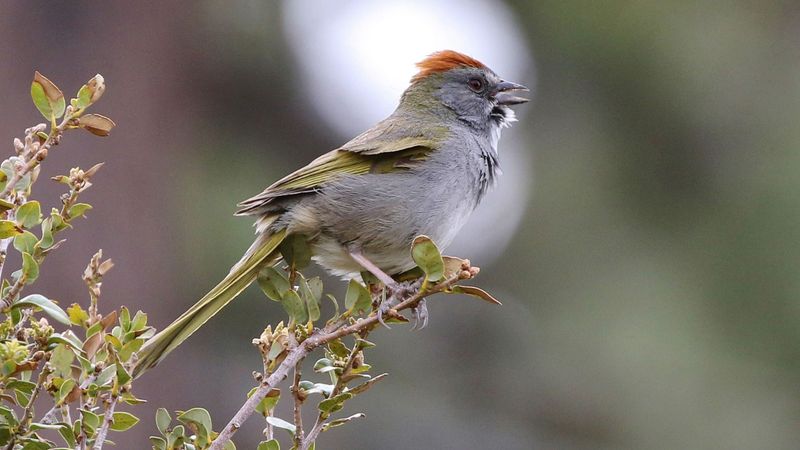
These handsome birds sport a rusty cap, a white throat, and olive-green wings. They spend summers in mountain shrublands and slip down into southern Arizona lowlands for the winter.
October is when most of them start arriving.
That scratching technique uncovers beetles, crickets, and caterpillars hiding in leaf litter. Seeds and berries round out the menu as the season shifts.
A towhee working your yard is basically a free soil inspector.
Here is the trick most homeowners miss: do not rake up every leaf. Letting mesquite and palo verde litter build up under shrubs gives towhees a buffet and helps hold moisture in the soil.
It also saves you yard work.
Dense, shrubby cover matters most. Desert hackberry, wolfberry, and jojoba make excellent hiding spots.
These birds tend to be shy, so place a few low shrubs near a window and keep an eye out on calm mornings.
5. Dark-eyed Junco
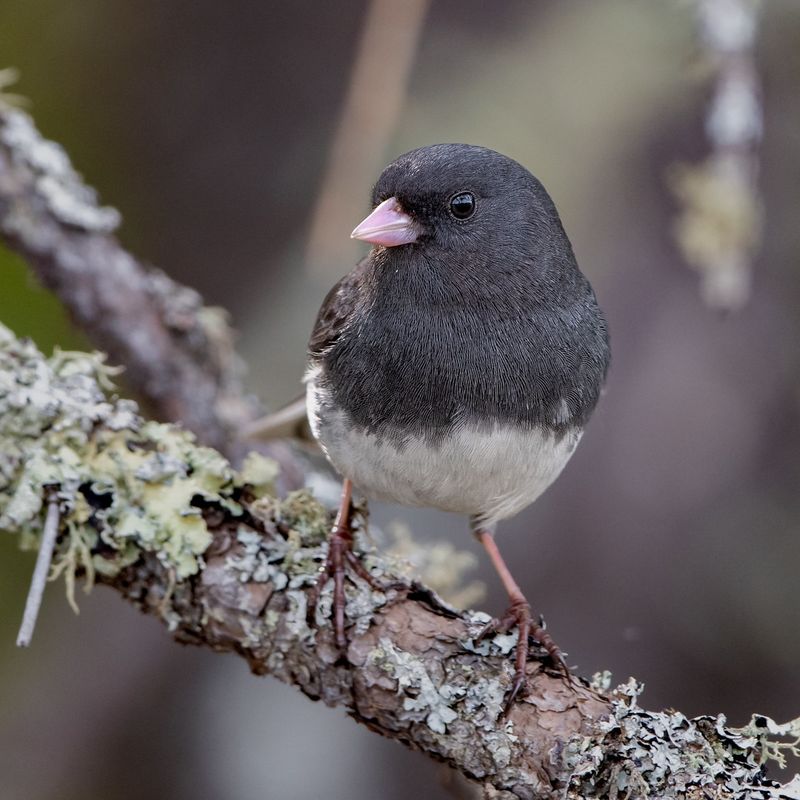
Folks back East call them snowbirds, and in Arizona the nickname fits in a funny way. Like many human winter visitors, Dark-eyed Juncos roll into the desert in October and leave when it warms up.
They just do not need a golf cart.
Juncos are easy to recognize. Look for a gray or brownish hood, a pale pink bill, and white outer tail feathers that flash when they fly.
Several color forms winter here, so you might see a few slightly different looks in the same flock.
Most of their foraging happens on the ground. They pick up weed and grass seeds all winter, which may help cut down on next spring’s weed crop.
In warmer stretches, they will grab small insects too.
Juncos are more common in Tucson and higher desert edges, but they do show up in Phoenix yards with good cover. Low native shrubs like globe mallow, brittlebush, and turpentine bush give them safe spots to duck into.
Ground scatter of millet or a low tray feeder suits their style.
Keep cats indoors if you can. Ground-feeding birds like juncos are especially easy targets, and a safe yard keeps them coming back year after year.
6. Orange-crowned Warbler
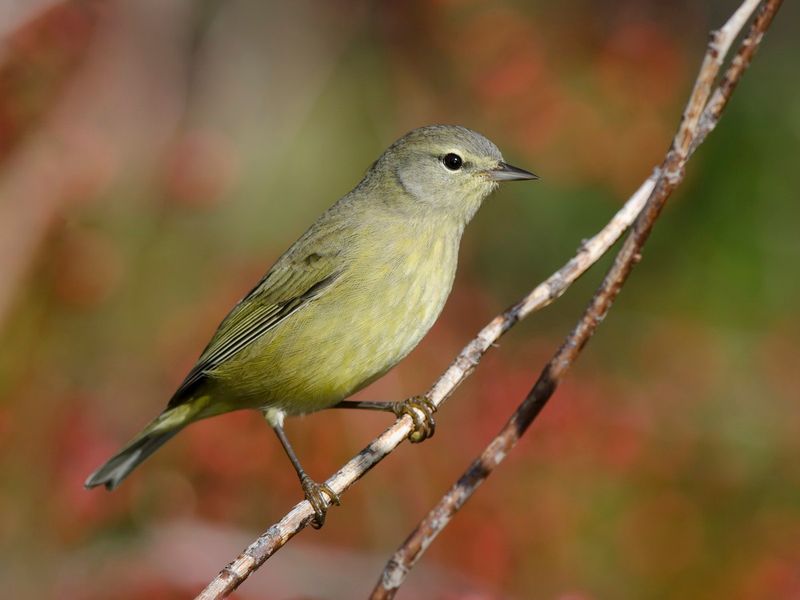
Plain, a little scruffy, and easy to overlook. The Orange-crowned Warbler will never win a beauty contest, but it is one of the hardest-working winter guests a desert gardener could ask for.
Its orange crown is mostly a rumor, hidden under olive feathers and rarely seen. What you will notice is a small yellowish-green bird poking into leaves and flowers, often low in shrubs.
They begin turning up in the low desert in fall, with many staying until spring.
These warblers eat lots of insects, including caterpillars, aphids, and small beetles that chew on garden plants. They also sip nectar and nibble at sap, which makes them unusual among warblers.
Winter-blooming natives can keep them fueled during cold snaps.
Planting for them is a win-win for your yard. Chuparosa, desert honeysuckle, and Parry’s penstemon bloom in the cooler months and feed both warblers and hummingbirds.
Native shrubs also host the small insects these birds hunt.
Hold off on spraying insecticides. Aphids on your plants are basically a dinner bell for Orange-crowned Warblers.
Give the birds a week or two, and they may handle the problem for you while saving you money and effort.
7. Say’s Phoebe
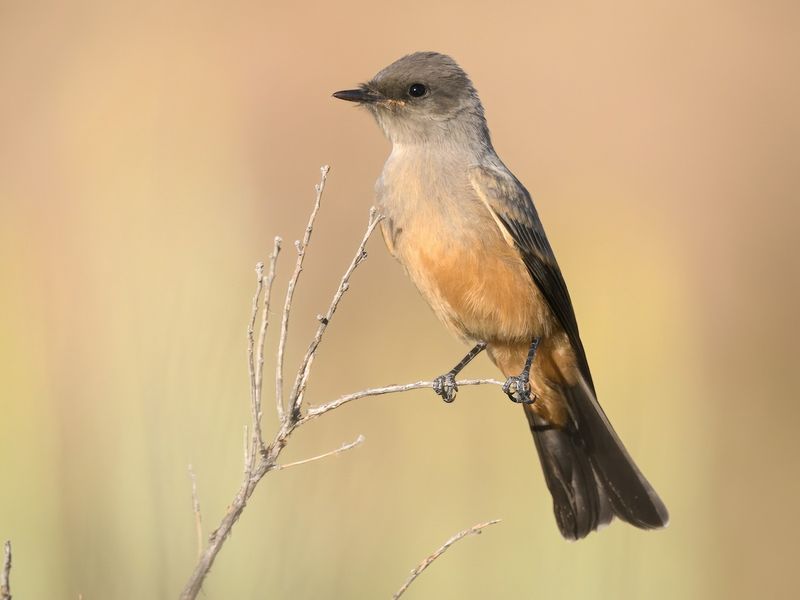
Perched on a fence post with its tail bobbing, the Say’s Phoebe looks calm and patient. Then it suddenly launches into the air, snaps up a bug, and returns to the exact same spot.
It is the desert’s version of a pro outfielder.
Some Say’s Phoebes live in Arizona all year, but their numbers jump in the low desert during winter as northern birds arrive in fall. They wear soft gray feathers with a warm, peachy belly.
Their sad little whistle, pee-ur, is a classic sound of a cool desert morning.
Flycatchers like these eat almost nothing but insects. Flies, beetles, wasps, grasshoppers, and moths are all on the menu, caught midair or snatched from the ground.
Having one patrol your patio may help keep flying pests down on warm winter afternoons.
They are not picky about plants, which makes them easy to host. What they want is open space and good lookout perches.
Fences, low walls, dead-looking snags of palo verde, or even a patio umbrella frame can work.
Say’s Phoebes often nest under eaves and porch roofs in spring. If you spot a mud and grass cup tucked up high, enjoy the show.
8. Chipping Sparrow
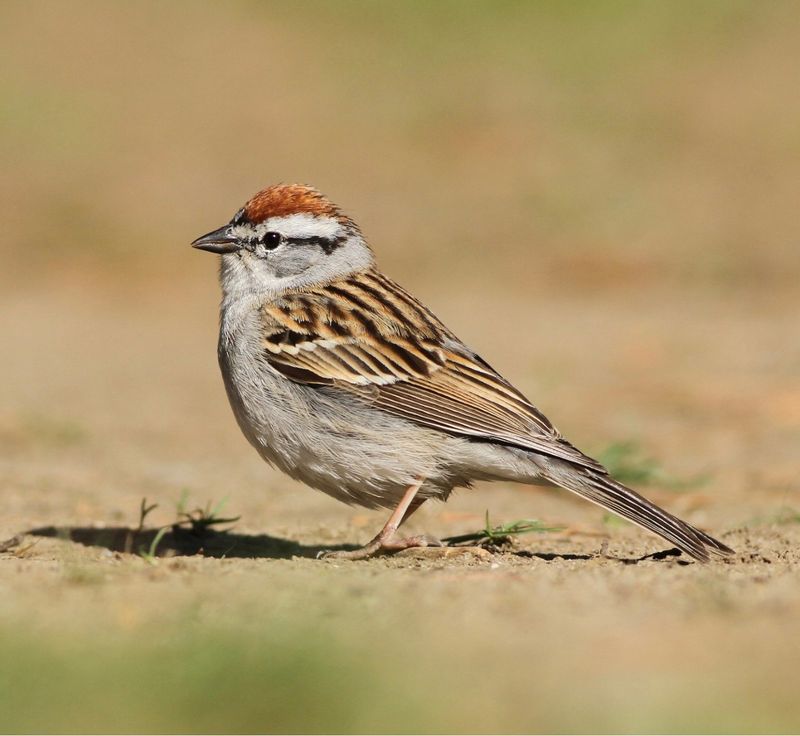
Small, neat, and social, Chipping Sparrows travel in chatty flocks that can number in the dozens. Seeing a cloud of them burst up from your yard on a crisp fall day is a real treat.
They arrive in the desert around October and stay through the cold season.
In summer they show off a bright rusty cap. By winter that look fades to a softer brown, so many people mistake them for plain little brown birds.
Look for the dark line through the eye and the clean gray chest.
Seeds are their main winter fuel. They forage on open ground and in short grasses, picking up tiny seeds from native grasses and annual weeds.
Fewer seeds left behind can mean fewer unwanted plants once the spring rains arrive.
A small native grass patch is the best welcome mat. Try bush muhly, desert spoon nearby for structure, or a seasonal sowing of native wildflowers like desert marigold.
Leave stems standing after they bloom so the birds can pick through the seed heads.
Here is a fun one: flocks often mix with White-crowned Sparrows and juncos. One healthy patch of habitat can host a whole winter neighborhood of seed eaters, all sharing space.
9. Hermit Thrush
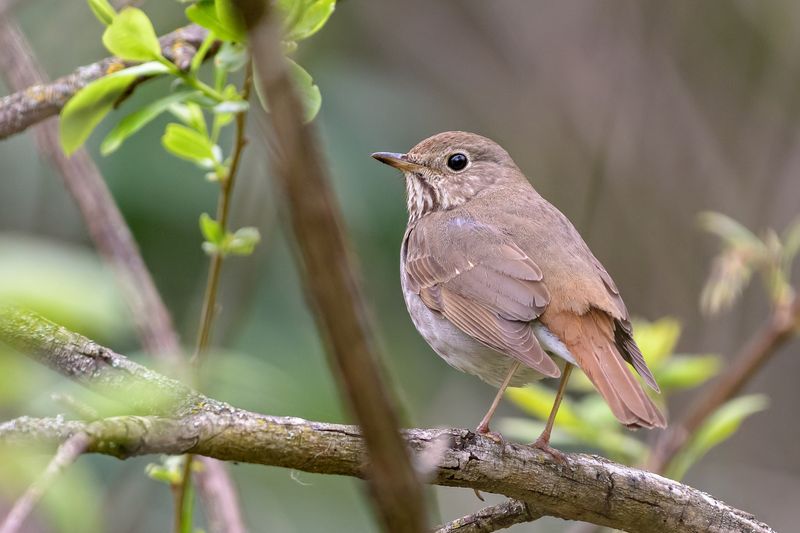
Quiet and a bit mysterious, the Hermit Thrush lives up to its name. It prefers shady corners, slipping through the understory while flashier birds hog the spotlight.
Patient watchers get the reward.
Look for a brown bird with a spotted chest and a reddish tail it slowly lifts and lowers. Hermit Thrushes come down from mountain forests and northern woods in October.
Many spend the whole winter in Arizona’s lowlands, especially yards with shade and water.
On the ground, they hunt beetles, caterpillars, spiders, and other small creatures in leaf litter. When bugs get scarce, they switch to berries and small fruits.
That mix makes native fruiting shrubs a big draw.
To host one, think cool and shady. Plant desert hackberry, Arizona rosewood, or wolfberry under a mesquite canopy, and let leaves pile up underneath.
A ground-level birdbath, kept fresh and clean, may be the single best way to bring a thrush into view.
Their song is often called one of the most beautiful in North America. Sadly, they mostly sing on their summer grounds, but you might catch a soft practice phrase on a mild late-winter morning before they leave.
10. American Kestrel
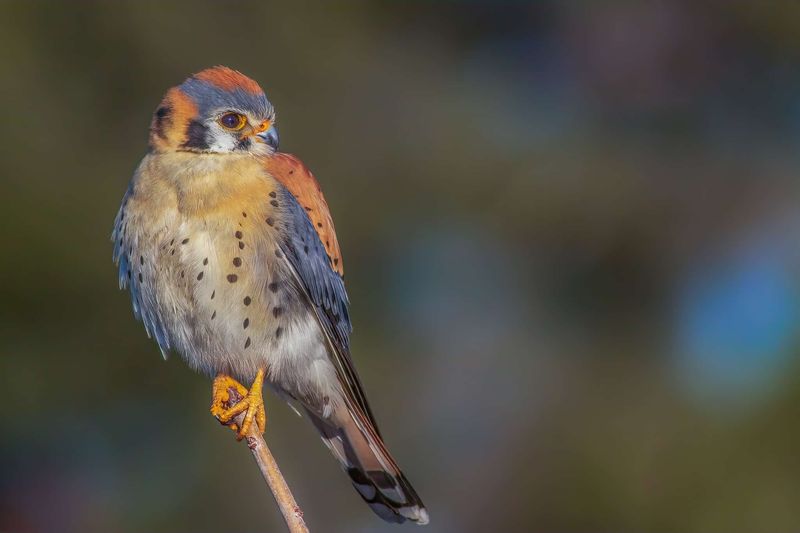
Not every winter arrival is a tiny songbird. The American Kestrel is a pint-sized falcon, about the size of a dove, and it packs serious hunting skills.
Males are stunning, with rusty backs and slate-blue wings.
Kestrels live in Arizona year-round, but extra birds from the north pour in each fall. That means you are more likely to see one sitting on a power line, saguaro, or tall pole from October through winter.
Some even hover in place, wings beating, before dropping onto prey.
Here is why homeowners love them. Kestrels eat grasshoppers, large beetles, mice, and small lizards, and they may also go after scorpions and big spiders.
A kestrel hunting near your property can mean less pressure from rodents and creepy-crawlies.
You cannot plant a falcon, but you can make your yard easier to hunt. Keep some open ground and offer tall perches nearby, like a native ironwood or palo verde.
Avoid rodent poisons, since those can harm the birds that eat the rodents.
Fun fact: kestrels can see ultraviolet light. That lets them spot rodent trails that glow to their eyes, helping them find meals fast.