This Old-Fashioned Shrub Opens White And Shifts Toward Pink During the Day in Arizona Yards
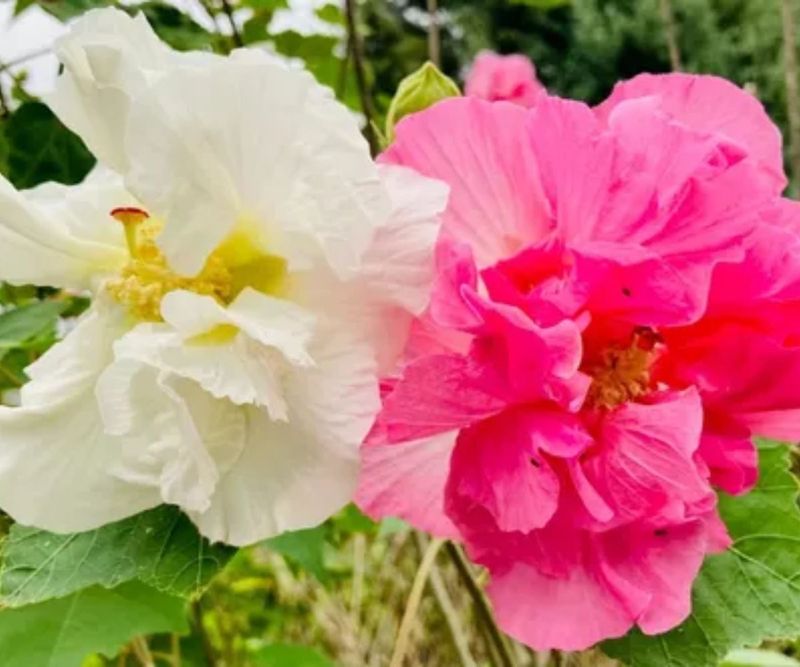
Picture a bloom that greets the morning in clean white and ends the day in deep pink. That is the trick of the Confederate rose, an old-fashioned shrub with flowers that change color on the same day they open.
Arizona gardeners who love odd plants have good reason to be curious. Before you buy one, though, it helps to know what the plant can do and what nobody has proven for desert yards.
How does one flower change color during the day?
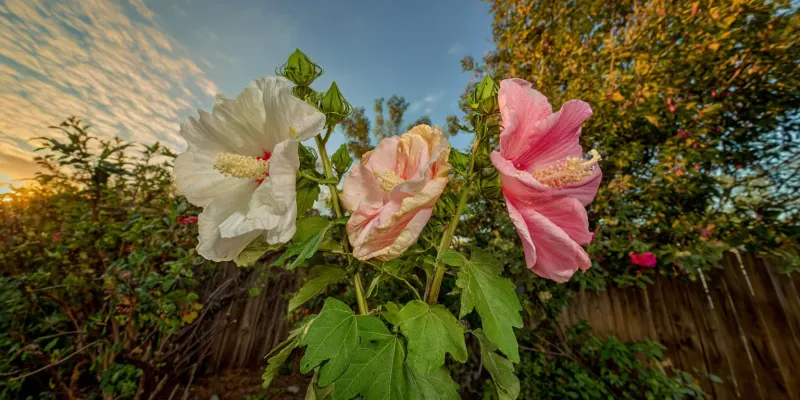
Few garden sights beat a Confederate rose flower in motion. A bloom typically opens white, drifts toward pink as the hours pass, and can deepen to a darker pink or red.
A botanical garden’s description reports white in the morning and pink or red by afternoon.
Treat that afternoon observation as an example, not a deadline. Nothing guarantees a flower will hit a certain shade at sunset.
Weather, the individual bloom, and the plant itself can all shift the timing and the final color.
North Carolina Extension also confirms the white-to-pink change, so the basic pattern is well documented. Just expect some variety.
One day a flower may look blush by lunch, and another day it may stay pale much longer.
Each flower follows its own clock
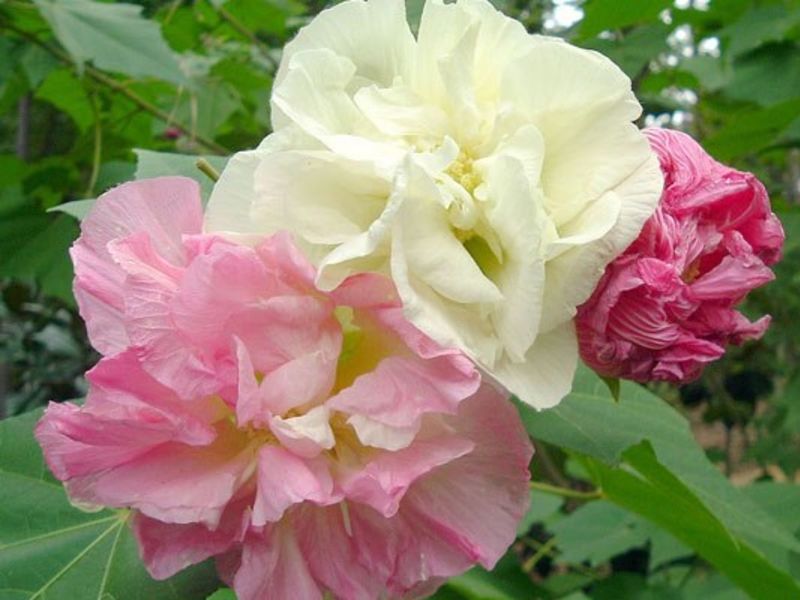
Walk up to a Confederate rose in the afternoon and you will not see a shrub that is one color. The change happens inside each flower as it matures, so a single plant can carry white, pink, and darker blooms all at once, as described by North Carolina Extension.
That staggered effect gives the shrub its patchwork look. A fresh bloom opens beside one that has already turned rosy, and the mix changes as new buds open.
Scientists have started to look at why.
A peer-reviewed study of the daily color shifts links the transition to pigment-related changes, including anthocyanin production.That is one piece of the story, not a full explanation, so it is fair to say the plant still keeps some secrets.
This is a substantial shrub, not a compact accent
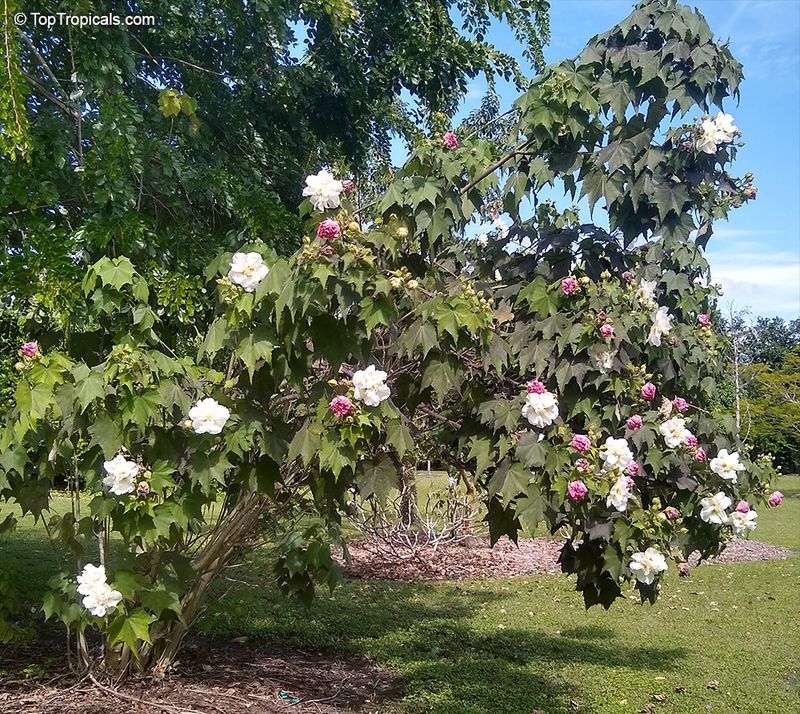
Space is the first practical question. Confederate rose grows as a large shrub or small multi-stemmed tree, and North Carolina Extension gives a typical size of 10 to 12 feet tall and 8 to 10 feet wide.
That is bigger than a patio planter or a tight side yard bed. Picture a plant that can fill a corner, so measure before you fall for the flowers.
The same source recommends full sun and loamy soil with plenty of organic matter. Treat those as general growing guidelines from another region, not results tested in Arizona.
Your own soil and light will decide how closely they apply.
Could it work in an Arizona yard?
Maybe, in the right spot. Clemson Extension lists the plant as hardy in USDA Zones 7 to 9, which makes a trial plausible in some sites.
The sources reviewed, however, do not document how it performs in Phoenix or Tucson.
It is also not an Arizona plant. Kew’s plant database gives its native range as southern China and Taiwan.
Your Arizona Garden Changes Every Week. Your Plan Should Too.
Gardening in Arizona changes quickly throughout the season. Every Friday you’ll receive a simple weekly plan showing exactly what to plant, prune, fertilize, harvest, and protect so you never miss the right timing.
A hardiness zone says how much cold a plant can take. It does not prove it can handle low-desert summer heat.
A 2024 water-deficit study found that dry conditions affected two tested cultivars and that they differed from each other. That means you should not assume drought tolerance, and it does not tell us how every Confederate rose reacts.
Watering and frost protection need local judgment
Skip the fixed schedule. University of Arizona Extension’s tree and shrub guidance says to water deeply enough to wet the root zone, adjust for your soil and the weather, and check moisture with a probe.
Young plants need water more often, and hot, dry seasons raise water use.
For a new Confederate rose, that means testing the soil before each watering and adjusting as conditions change. Expect a thirsty plant to show its needs during the hottest stretches.
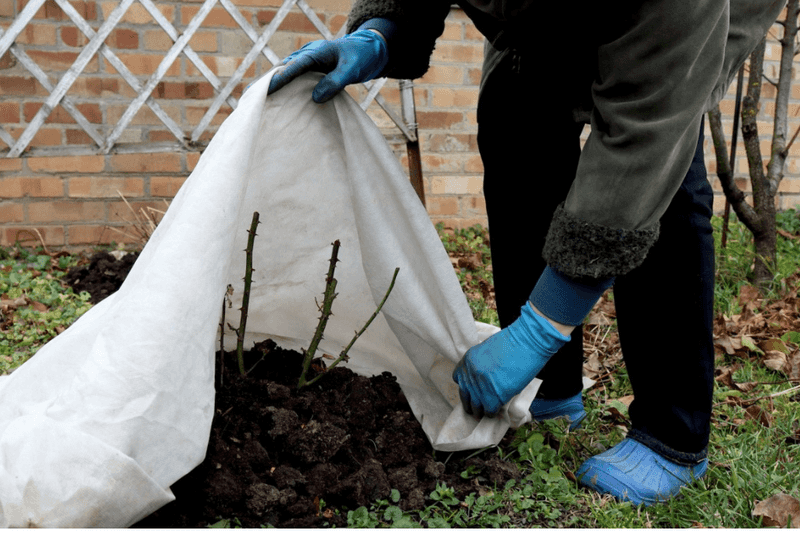
Frost matters too. Arizona Extension notes that first and last frost dates differ across Maricopa County, and it suggests sheltered spots and covers for tender plants.
Cold areas may also see winter dieback and spring regrowth, so do not count on an evergreen shrub.
Treat the color show as a reason to consider it, not a guarantee
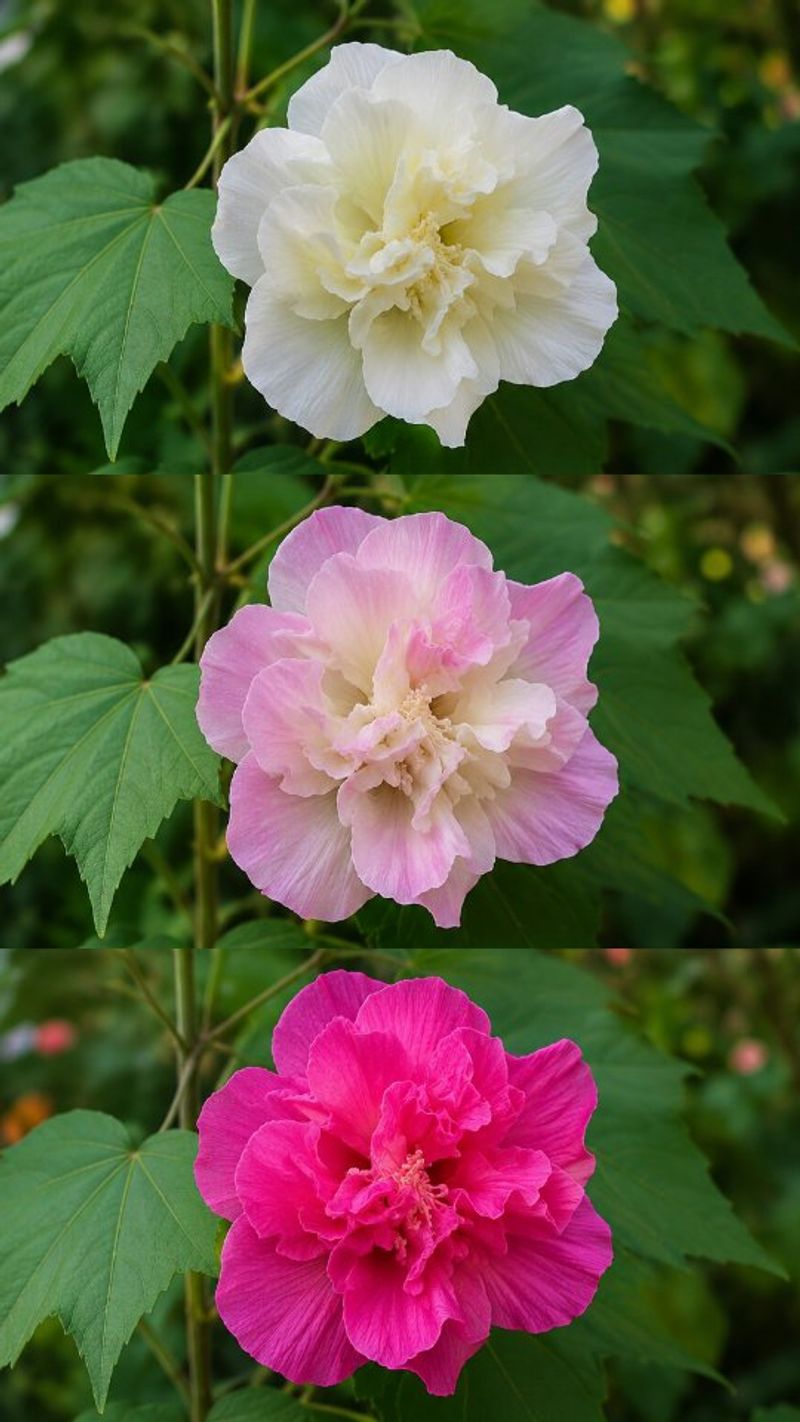
If the changing blooms have you hooked, the plant is worth considering when you have room and are ready to learn your site. Start small and watch how it handles your sun, soil, and water.
Remember what is known: the color change is real but variable, as reported by a botanical garden. It is not a promised sunset transformation, and it is not a proven desert-adapted or water-saving pick.
The flowers put on the show, but the yard has the final say.