Orange Slime Showing Up On Your Arizona Mulch Is Telling You Something About Your Yard
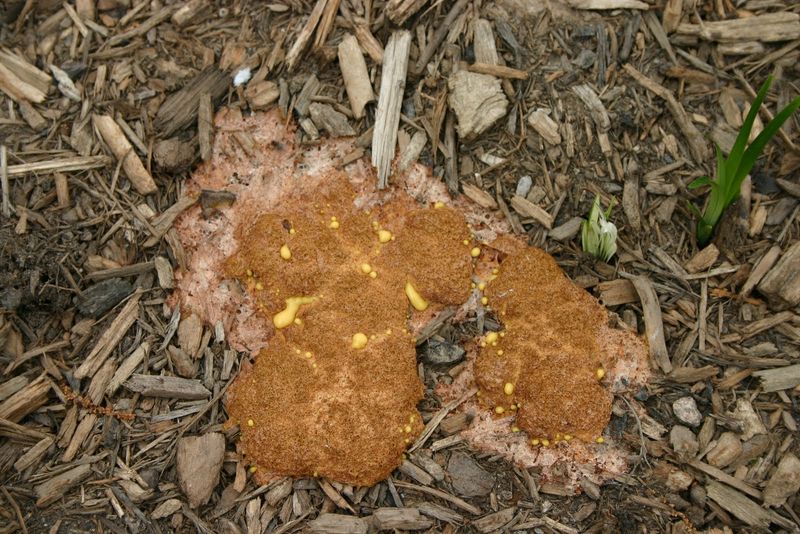
You step outside after a storm and find a soft orange patch spread across your mulch. It looks strange, and it can seem to show up out of nowhere.
Most of the time, it is a short-lived guest that says something small about that one spot. Here is what it likely is, what it can and cannot tell you, and what to do about it.
A soft orange patch is often a slime mold
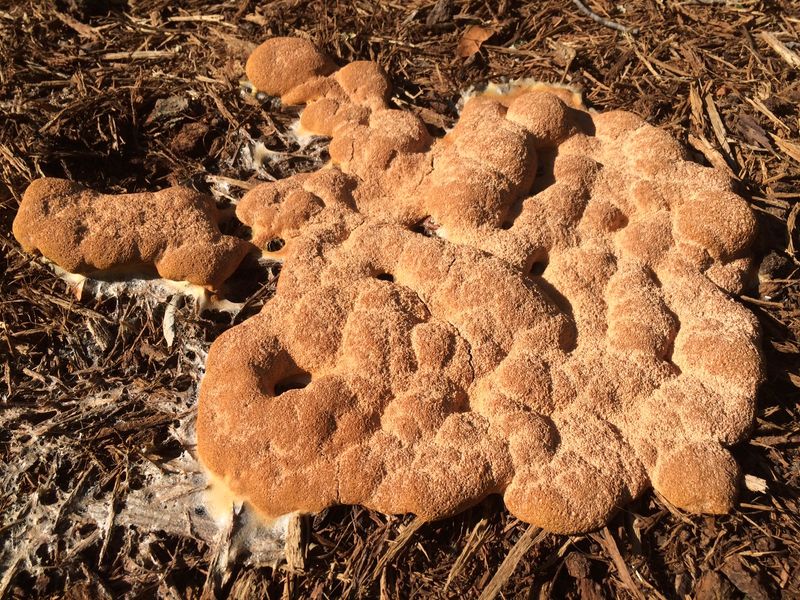
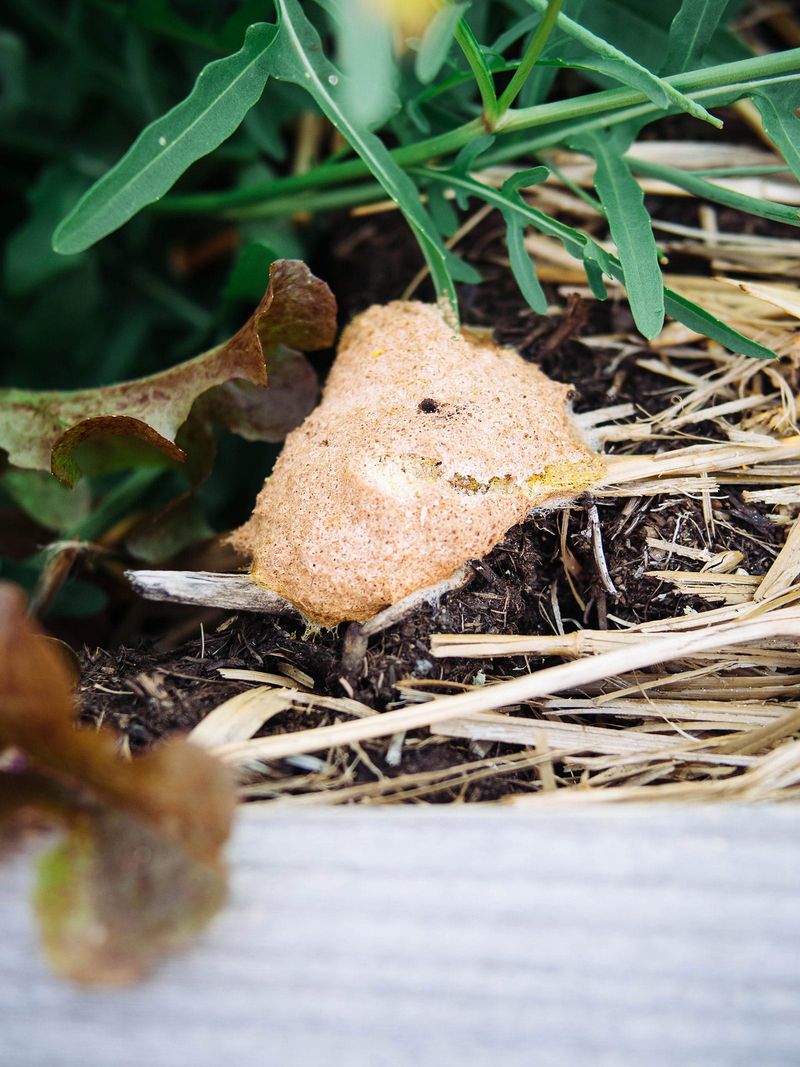
Soft, blobby, orange growth on mulch is often a slime mold. Arizona Extension describes the one nicknamed dog vomit slime mold as cream to yellow or reddish orange and gelatinous, usually found on organic material.
It may also darken as it dries out.
Color alone cannot settle the question, though. Several kinds of slime mold exist, and other growths on mulch can look orange too.
A photo or a quick description is a good starting point, but it is not a confirmed identification.
So the practical questions are simple. What does this patch say about the spot where it appeared, and does it need any action from you?
The next sections answer both, and also explain how to tell when a growth looks like something else.
Moist conditions can bring it into view quickly
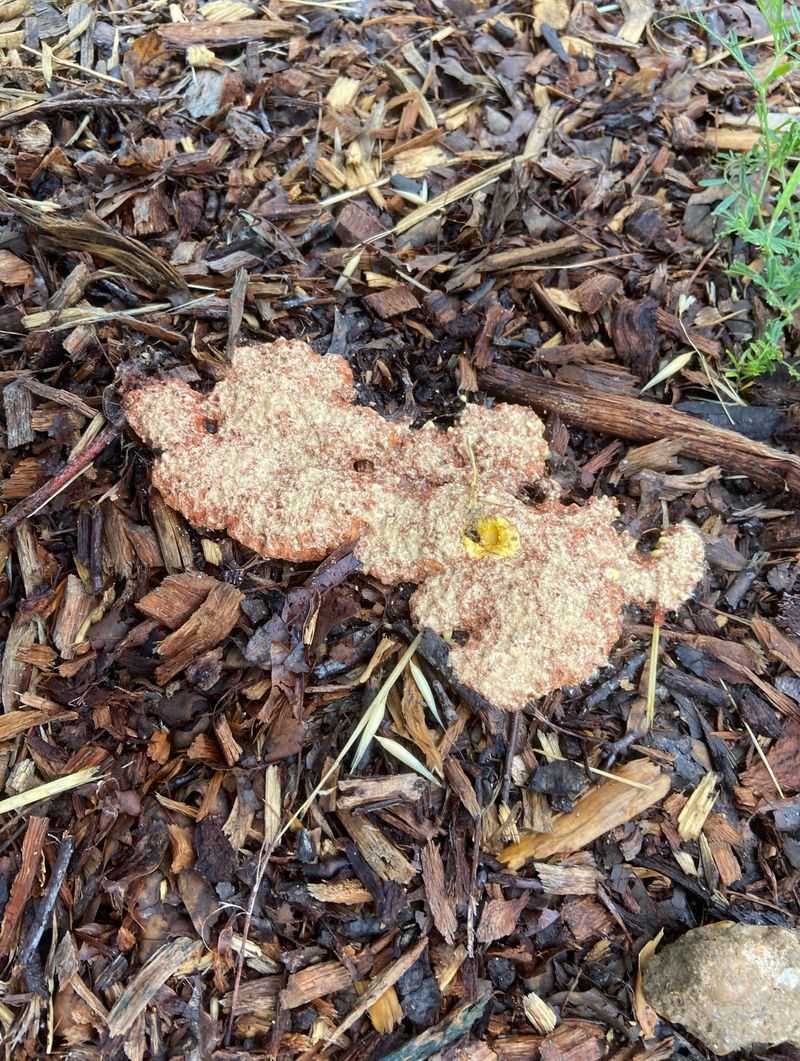
Slime molds need moisture, and Arizona has documented them after rain. The Arizona Native Plant Society notes that slime molds can appear in the Sonoran Desert after several days of rain, especially in strong monsoon periods.
Damp organic mulch is a plausible setting. A growth can become visible quickly once conditions suit it, so a patch that seems to pop up overnight may simply have been noticed the day it became big enough to see.
Warmth matters as well. Arizona Extension says the slime molds in its bulletin develop with available moisture and temperatures above 60 degrees F (16 degrees C), which describes most of our year.
That detail applies to the species in that bulletin, not to every slime mold.
Where the water came from is a separate question. Rain, irrigation, shade, and drainage can all play a part, so a patch does not prove a watering mistake.
What the patch actually tells you
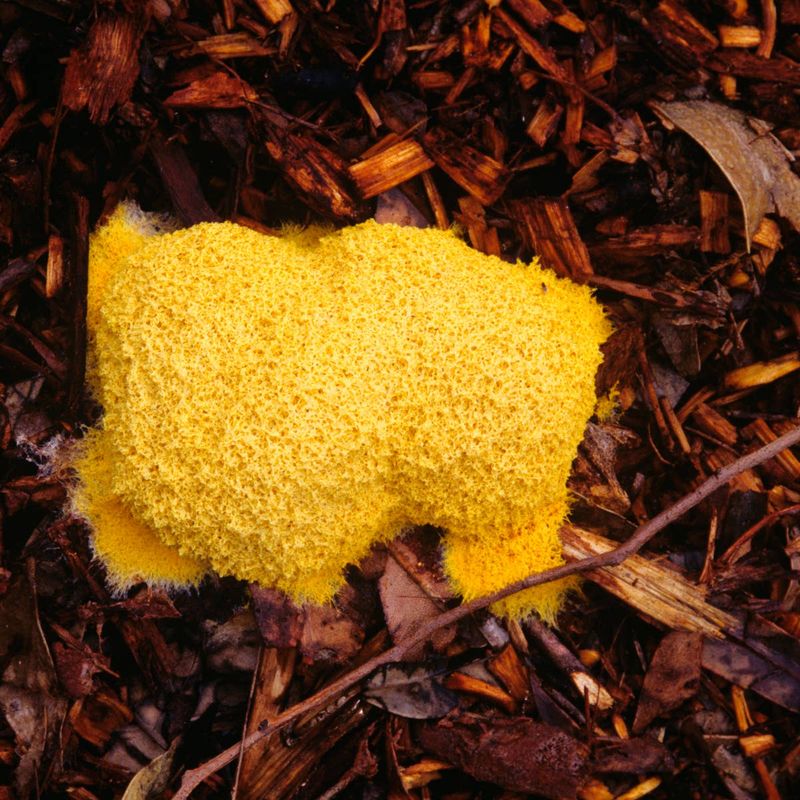
Think of the patch as a small, local clue. It suggests that the mulch surface in that spot recently offered moisture and organic material that suited a slime mold.
Slime molds are not plants and not true fungi. According to University of Florida guidance, they feed on microorganisms such as bacteria and yeasts linked to decaying material.
They may also use mulch or other surfaces to travel across or to make spores on.
That is where the clue ends. A slime mold does not measure soil health, fertility, or how well your plants are doing, and it does not diagnose overwatering.
Healthy yards and struggling yards can both grow one after a wet spell.
Treat it like a weather note for one patch of mulch, not a report card for the whole yard.
Your Arizona Garden Changes Every Week. Your Plan Should Too.
Gardening in Arizona changes quickly throughout the season. Every Friday you’ll receive a simple weekly plan showing exactly what to plant, prune, fertilize, harvest, and protect so you never miss the right timing.
It usually does not mean your plants are infected
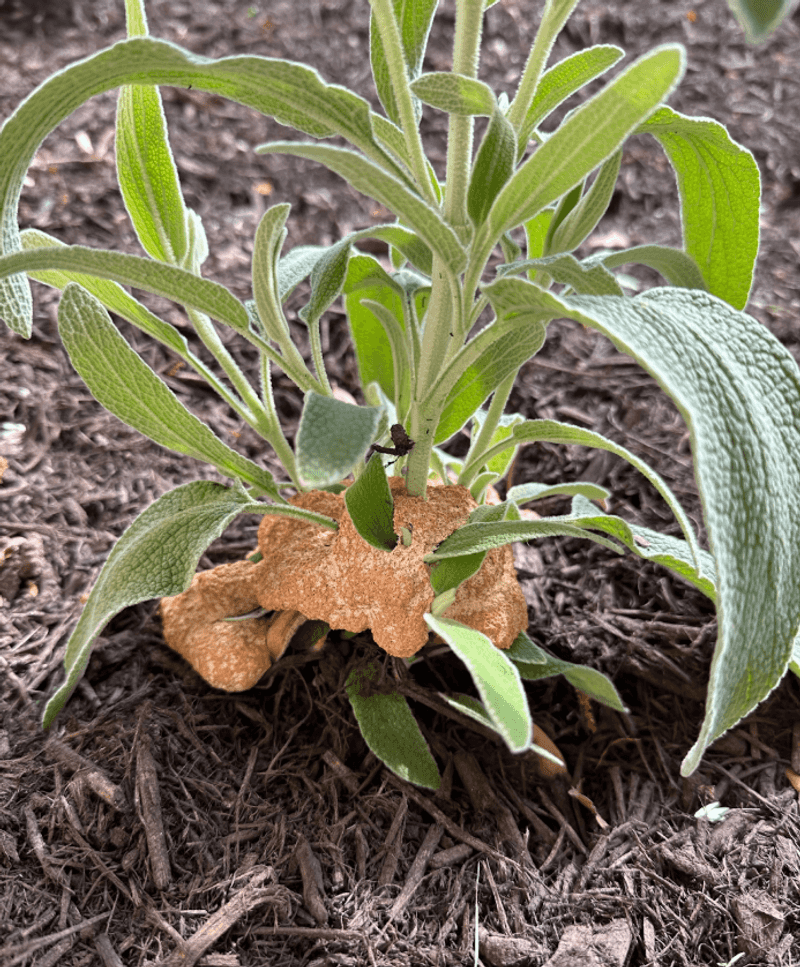
Worry about plant health is natural when something strange shows up near your shrubs. The good news is that slime molds are not true fungi, and Clemson Extension explains that they do not ordinarily infect or harm landscape plants.
A slime mold may creep over low stems or leaves, or make spores on them. Sitting on a plant is not the same as infecting it, much like a leaf blown onto a bush is not a disease.
There is one small exception. Arizona Extension says a large mass may rarely cause temporary shading of plant material underneath.
That is a short-term, physical effect and not an infection.
If a plant looks unhealthy, look at the usual suspects such as heat stress, irrigation, or pests, rather than blaming the orange patch.
Not every growth on mulch is the same
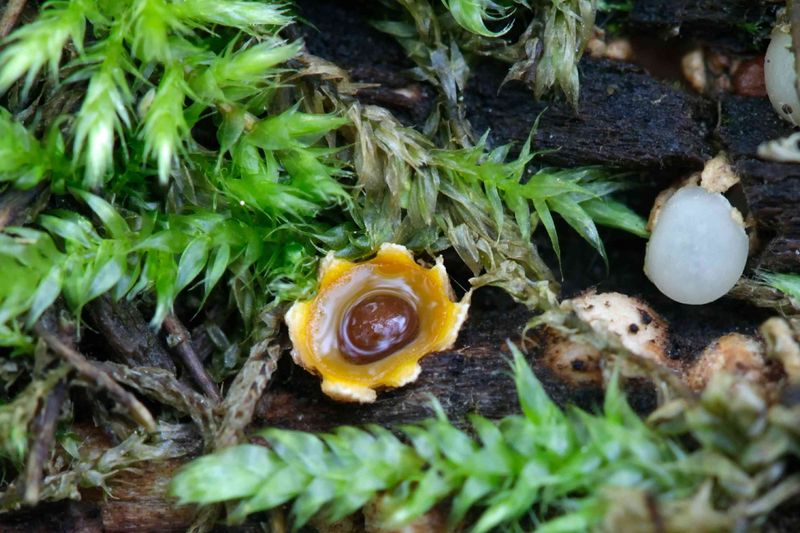
A large, soft, spreading patch fits the slime mold description best. Other growths in mulch look quite different, and they deserve a closer look.
Artillery fungus forms tiny cups with dark spore masses, and University of Delaware Extension notes the spores can stick to siding or vehicles. Mushrooms have stems and caps, and a description alone cannot promise what they are.
Not every orange growth is a harmless slime mold, and not every mulch organism is safe. Penn State Extension covers mushrooms, slime molds, and fungus in mulch, and some mushrooms can be poisonous.
Keep children and pets from eating any unidentified growth. If it is small, cup-like, mushroom-shaped, or otherwise unlike a soft patch, get it identified before deciding what to do.
Usually, waiting is enough
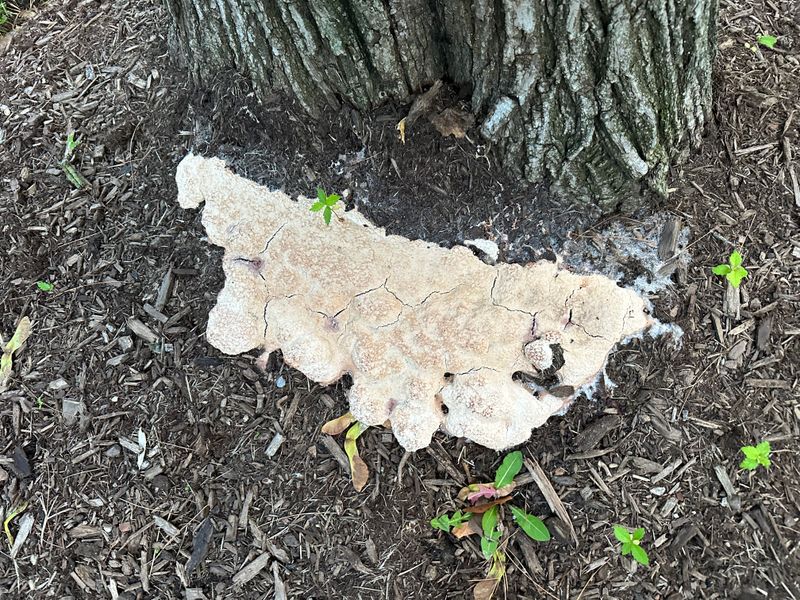
For a typical slime mold, the easiest response is to do nothing. Arizona Extension says it usually disappears in about a week.
That is an approximate estimate, not a promise for every yard or species. Other extension guidance, including Iowa State Extension, also describes it drying out over several days.
If the look bothers you, rake it apart or scoop it away and toss it. No spray is needed.
Extension sources say control is generally unnecessary, and since slime molds are not true fungi, fungicide is not the right tool.
If patches keep returning in the same place, check whether that spot stays wet from a sprinkler, a drip leak, or poor drainage. Fixing a leak makes sense.
Do not cut back water that your desert-adapted plants need just to prevent slime mold.
Treat it as a temporary clue, not a yard diagnosis
A soft orange slime mold patch is usually a short visit tied to local moisture and mulch, not a verdict on your soil or a reason to panic. Watch it, or rake it away if you prefer a tidier bed.
If the growth looks different from a soft patch, seek identification first. Your yard just had a damp moment, and the mulch showed it off.