The Mum Mistake That Makes Blooms Fade Too Soon In Texas
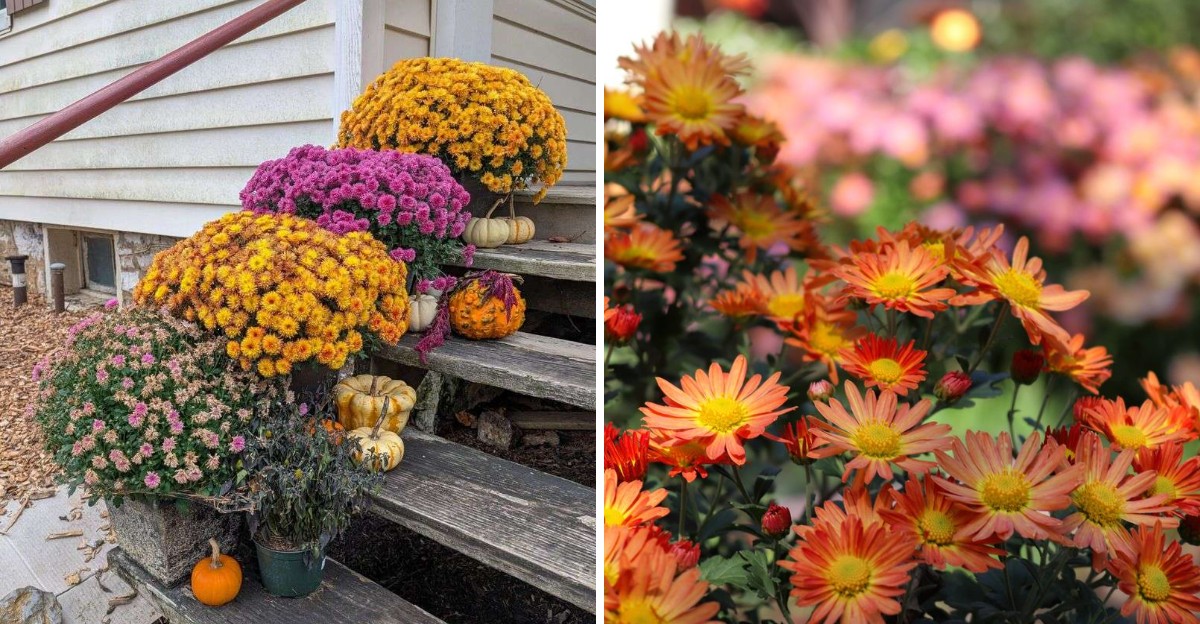
Mums are cool-weather plants at heart. They’re at their best when fall days are crisp and mild, the kind of weather that comes easily in much of the country this time of year.
Texas, of course, plays by its own rules. October here can still bring days that feel more like summer than autumn. That’s why so many Texans watch their beautiful new mums lose their color far too quickly.
The blooms start to look washed out, the edges turn brown, and the whole plant seems to give up long before Thanksgiving.
Most people blame the plant or assume they bought a bad batch. Often, though, the real problem comes down to one simple decision made the day those pots come home from the store.
Change that one choice, and your mums can stay bright, full, and festive for weeks longer.
Putting Mums In Hot Afternoon Sun
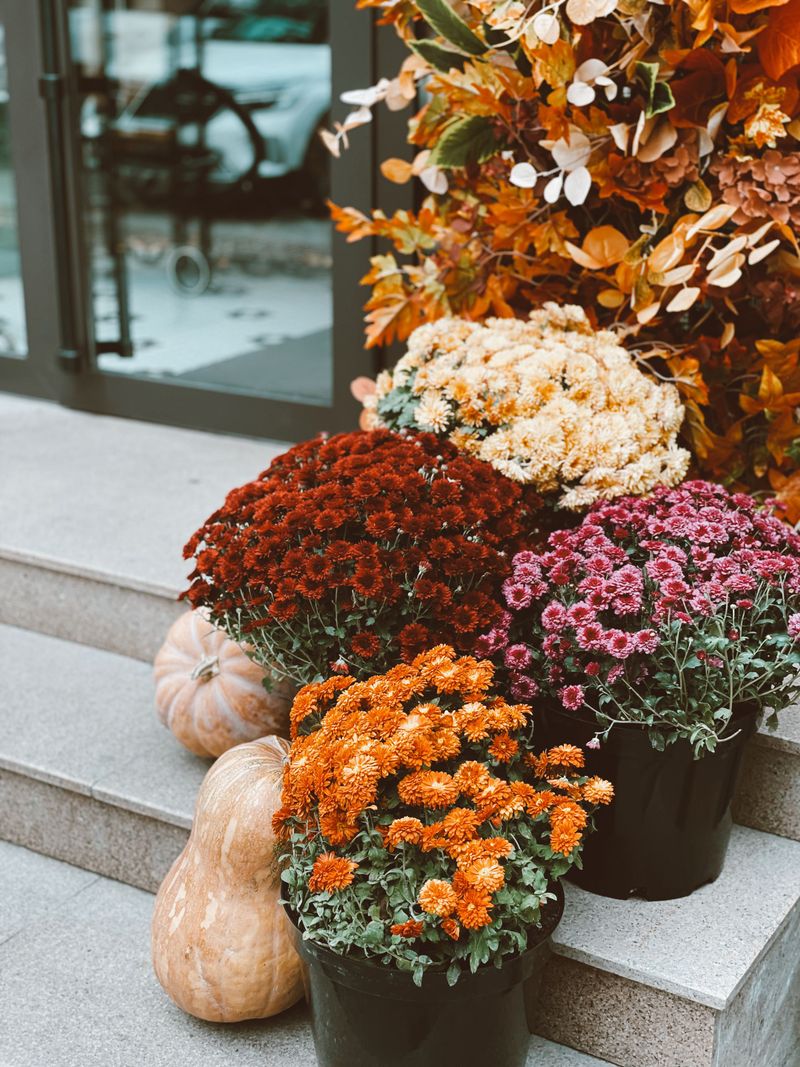
Picture-perfect porches fool a lot of us. You bring home a gorgeous mum, set it on the sunny front step, and step back to admire it. A week later, the flowers look tired, crispy, and brown at the edges.
That sunny step is often the problem. Many Texans place mums on porches, driveways, and front steps that face the afternoon sun.
From about 2 p.m. until sunset, that light hits hard and does not let up. Even in October, it can feel like summer out there.
Mums are tough plants, but they are not built for nonstop heat. Strong afternoon rays dry out the petals and pull water from the leaves faster than the roots can replace it.
The result is wilting, fading color, and blooms that give up early. You may notice the flowers on the sunny side of the pot fade first.
Here is a quick test you can try. Go outside around 4 p.m. and touch the pot or the step it sits on. If it feels warm or hot, your mum is feeling that heat too.
Moving the plant is the easiest fix. You do not need a fancy setup. Even shifting it a few feet into the shade of a porch roof, a tree, or the side of the house can make a big difference. Some people even move pots back and forth during the day, though that is optional.
Think of mums like people at a fall football game. They enjoy some sunshine, but they want a break before they get sunburned. Give them that break, and they will reward you with longer-lasting color.
Why Texas Heat Shortens Their Display

Ever notice that fall in Texas sometimes feels like summer wearing a costume? Pumpkins show up in stores while the thermometer still reads 88 degrees. For mums, that mix is a real challenge.
Mums are cool-weather plants at heart. They bloom best when days are mild and nights are crisp, often in the 60s and low 70s.
In those conditions, a single plant can hold its flowers for several weeks. In fact, mums naturally start blooming when days get shorter, which is why they show up in fall.
Your Texas Garden Changes Every Week. Your Plan Should Too.
Gardening in Texas changes quickly throughout the season. Every Friday you’ll receive a simple weekly plan showing exactly what to plant, prune, fertilize, harvest, and protect so you never miss the right timing.
Texas often has other plans. Temperatures in the 80s and 90s can hang around well into October. Heat speeds up a plant’s bloom cycle.
Buds open faster, flowers reach their peak sooner, and then they fade quickly. Instead of a slow, steady show, you get a quick burst of color that ends early.
Warm nights add to the problem. Plants recover from daytime stress when evenings cool down. When nights stay warm, mums never get that rest. They keep working hard and use up their energy faster.
Here is a fun fact. Mums, or chrysanthemums, have been grown in China for more than 2,000 years. They were bred to love cool autumn weather, not Texas heat waves.
So what can you do? You cannot change the weather, but you can work around it. Check the 10-day forecast before you buy. If a hot spell is coming, wait a week or two.
Many Texas gardeners find that buying mums in mid to late October gives them a longer display than buying in early September.
Give Them Morning Sun And Afternoon Shade

Gardeners have a favorite saying: morning sun, afternoon shade. It works for many plants, and mums love it. If you remember just one tip from this list, make it this one.
Morning light is gentle. The air is cooler, and the sun sits lower in the sky. Mums soak up that light to stay healthy and keep their colors bright.
They need at least four to six hours of sun to bloom well, and morning hours count just as much as afternoon ones.
By afternoon, things change. The sun is stronger, and the heat builds up. A little shade during those hours protects petals from scorching and helps the soil hold moisture longer.
So where should you put your mums? An east-facing porch is a great choice. It gets bright morning light and natural shade later in the day.
A spot under a tree that blocks the western sun also works well. Even the north side of a fence or a covered patio edge can do the trick.
Not sure which way your porch faces? Use the compass app on your phone. Or just watch where the sun rises. If it shines on your front door in the morning, you are in luck.
Renters and balcony gardeners can play too. Group pots near a wall that blocks afternoon rays, or use a small patio umbrella for shade.
Once you find the right spot, you will likely see a big change. Blooms stay fresh longer, and leaves stay green instead of turning crispy.
Keep The Soil Consistently Moist
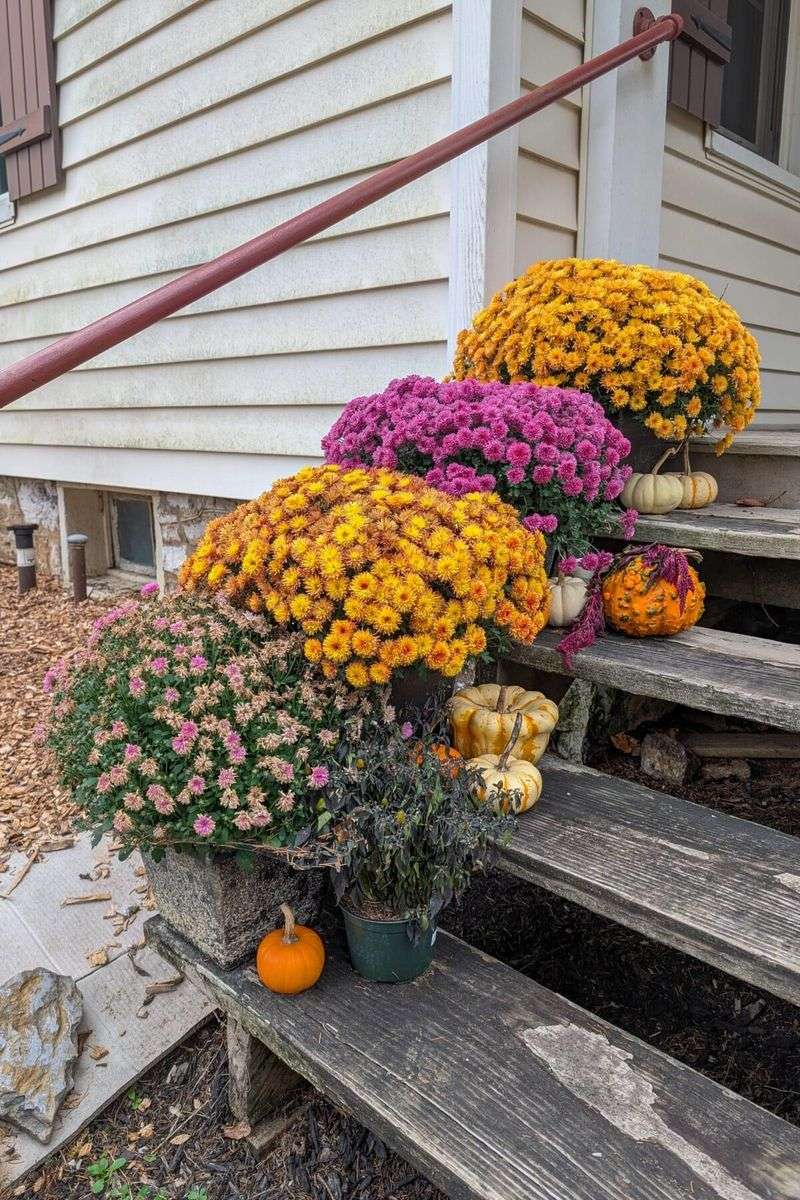
Tip a store-bought mum out of its pot, and you will probably see a solid mass of roots. Growers pack them tight to create big, full plants. That looks great on the shelf, but it causes trouble at home.
Root-packed pots hold very little soil. Less soil means less water storage. In warm Texas weather, those small pots can dry out in a single afternoon. Once a mum wilts badly, the blooms may never fully bounce back.
The fix is simple. Check the soil every day. Push your finger into the pot about one inch deep. If it feels dry, it is time to water.
When you water, go slow and deep. Pour water at the base of the plant until it runs out of the bottom of the pot. Aim for the soil, not the flowers. Wet petals can rot or grow mold, especially when the weather is humid.
Here is a handy trick for very dry pots. Set the whole pot in a bucket or tub of water for about 20 minutes. The roots will soak up moisture from the bottom. Then let it drain well before putting it back.
Another smart move is repotting. Move your mum into a slightly bigger container with fresh potting mix. The extra soil holds more water and gives roots room to breathe.
Avoid the opposite mistake too. Soggy soil can rot roots. Make sure every pot has drainage holes. Balanced moisture, not flooding, keeps blooms happy and long-lasting.
Avoid Reflected Heat

Walk barefoot across a driveway on a sunny Texas day, and you will learn a lesson fast. Concrete gets hot. So do brick walls, stone steps, and asphalt. Your mums feel that heat too.
Hard surfaces soak up sunlight all day. Then they release that warmth back into the air around them.
A mum sitting on concrete next to a brick wall gets heat from above, below, and the side. The air around it can be many degrees hotter than the rest of the yard.
West-facing walls are the worst offenders. They catch the strongest afternoon sun and stay warm well into the evening.
Even after sunset, the bricks keep radiating heat. That means your plant never gets a chance to cool off.
Luckily, a few small changes can help a lot. Move pots a few feet away from walls and garage doors. Place them on grass, mulch, or a shaded patio instead of bare pavement.
Raising pots off the ground also works wonders. Try plant stands, pot feet, or even a simple wooden crate. Air can flow underneath, and the roots stay cooler.
Color matters too. Dark plastic pots heat up quickly in the sun. Light-colored, clay, or ceramic pots stay cooler. You can also slip a cheap black nursery pot inside a nicer decorative one for extra insulation.
Grouping several pots together helps as well. They shade each other and hold humidity. With less reflected heat, your mums can focus on blooming instead of just surviving.
Buy In Bud And Consider Planting Them
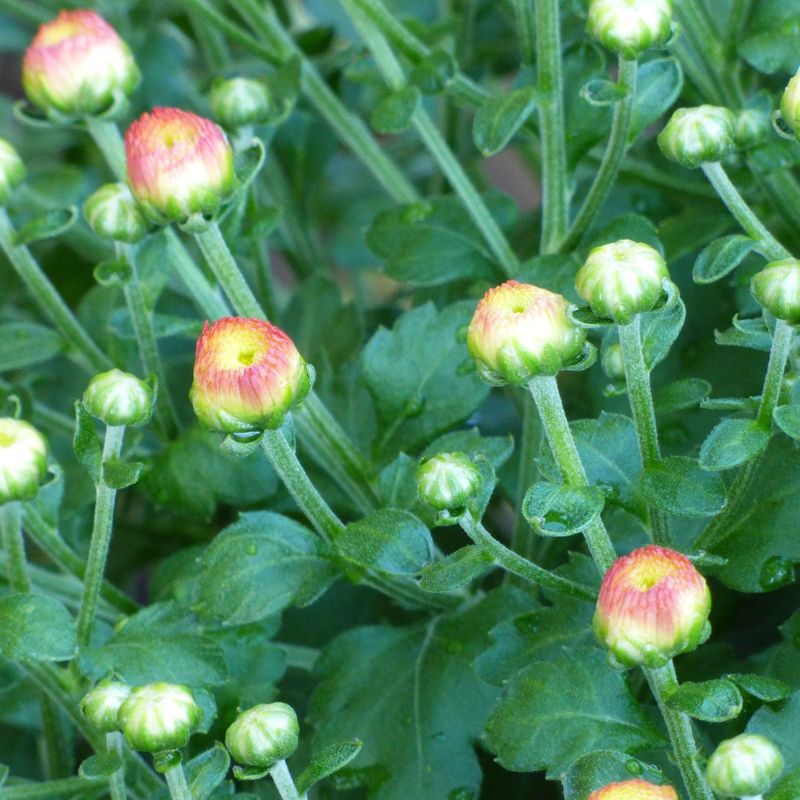
Shopping for mums is a little like picking bananas. If you grab ones that are already perfectly ripe, you only have a short time to enjoy them. Pick ones that are still a bit green, and they last longer at home.
The same goes for mums. Plants in full bloom look amazing at the store, but they are already near the end of their show.
Instead, choose plants with mostly tight buds and just a few open flowers. You will get to watch them open over several weeks.
Look for healthy green leaves with no yellow or brown spots. Check the soil to make sure it is not bone dry. Gently peek at the roots if you can. White roots are a good sign.
Now for a bonus tip. Many people toss their mums once the flowers fade, but you do not have to. In much of Texas, garden mums can come back as perennials. That means they return year after year.
To give them a shot, plant them in the ground after blooming. Pick a spot with good drainage and some afternoon shade.
Cut the stems back to a few inches tall once the flowers fade. Add a layer of mulch to protect the roots.
In spring, new growth will appear. Pinch the tips every few weeks until early July. That keeps the plant bushy and full of buds for fall.
Be aware that florist mums are less hardy than garden mums. Check the tag before you buy, and you could enjoy free blooms for years.