Black Grama in Arizona: Where It Formed Extensive Stands and What Restoration Really Shows
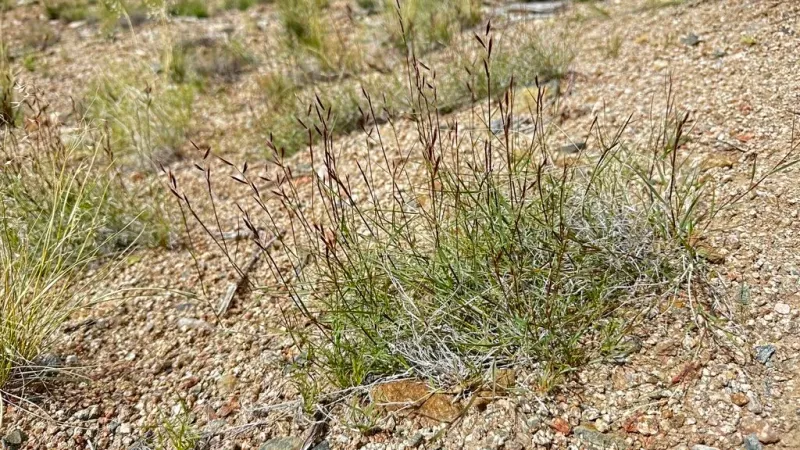
Black grama is a native Arizona grass with a big reputation. In parts of southeastern Arizona, it once grew in wide, thick stands.
Stories about it coming back are easy to find, but the facts are more mixed. Here is what is known, and what to check before you plant any of it in your yard.
Black grama formed extensive stands in parts of southeastern Arizona
The grass behind this story is black grama, known to scientists as Bouteloua eriopoda. It is a native perennial of southwestern desert grasslands.
Forest Service reference material describes it growing in extensive, sometimes nearly pure stands in parts of southeastern Arizona.
That wording matters. Extensive does not mean everywhere.
Black grama did not blanket the whole state, and it did not cover every desert grassland in the same way.
Even in its home territory, conditions varied from place to place. A Journal of Geophysical Research study of a southeastern Arizona grassland shows a community made of several grasses rather than one.
So if you hear that one grass once carpeted Arizona, treat it as a stretch. Black grama was a major player in certain places, and that is a more useful picture for anyone thinking about a yard.
Arizona grasslands held more than one kind of grass
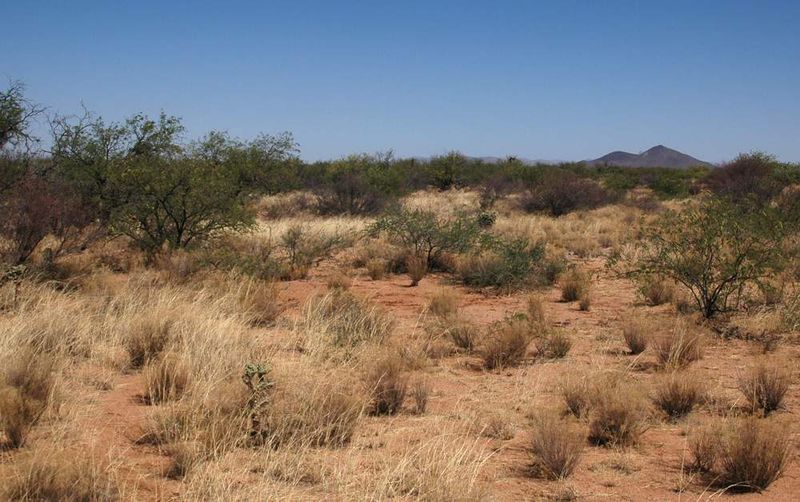
Picture a historic southeastern Arizona grassland and you should see a mix. Arizona Game and Fish lists black grama alongside slender grama, bush muhly, Arizona cottontop, curly mesquite, and others.
Research at one site also named sideoats grama, three-awns, and cane beardgrass as historically common.
Form matters too. Black grama is generally a bunchgrass, growing in clumps, though its stems can spread and root.
Extension guidance separates bunchgrasses from sod-forming grasses, which spread by stolons or rhizomes to make a tight mat, as described in
University of Arizona native grass guidance.An extensive stand, then, looked like many clumps scattered across open ground, often with gaps between them. It was not a lush, lawn-like carpet.
If you want something to walk or play on, a bunchgrass is the wrong tool.
Grassland change had multiple pressures
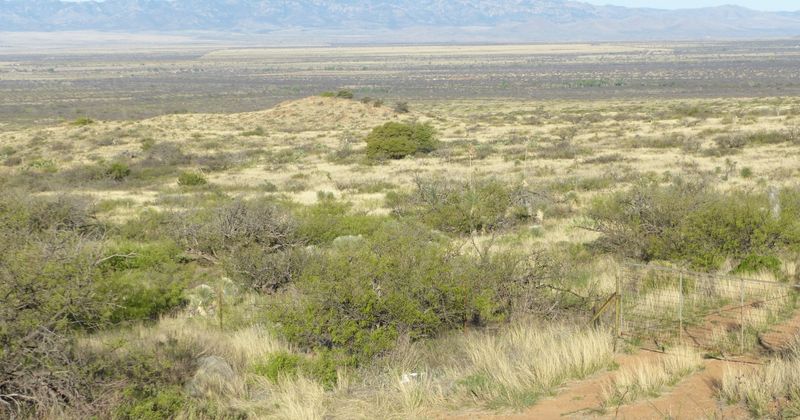
Many southeastern Arizona grasslands look different today than they did long ago. The state’s wildlife strategy, summarized by Arizona Game and Fish, points to several overlapping changes rather than a single cause.
Those include the spread of non-native grasses and increases in shrubs, trees, and cacti. Land-use impacts also play a part.
Fire suppression can favor woody plants, since fire once helped keep shrubs from taking over open grass.
It is tempting to blame cattle or subdivisions alone, but the sources do not support that tidy story. They also do not put numbers on how much each factor contributed.
The practical takeaway is that grassland loss is a tangled problem. Putting grass back on one lot will not undo it, and neither will blaming one culprit.
Local restoration does not prove a black-grama comeback
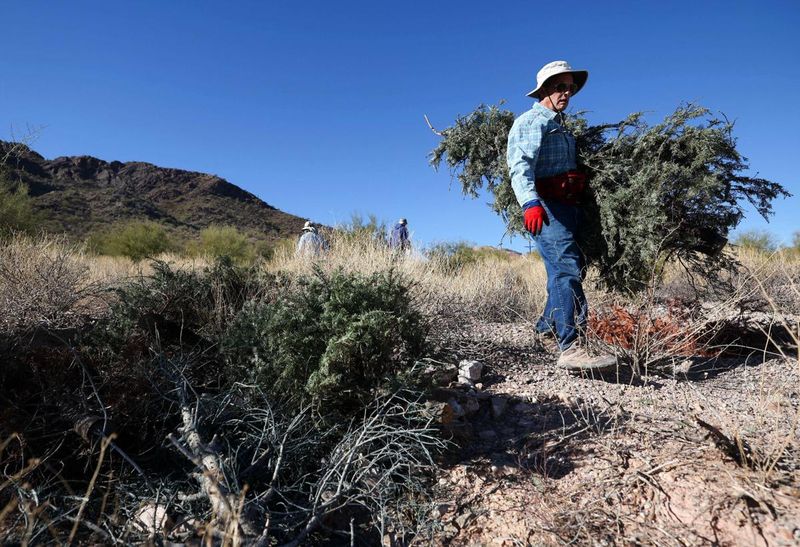
Real restoration work is happening in Arizona. The Waterman Restoration Project documents the return of many native plant species, including grasses, to a local site.
Your Arizona Garden Changes Every Week. Your Plan Should Too.
Gardening in Arizona changes quickly throughout the season. Every Friday you’ll receive a simple weekly plan showing exactly what to plant, prune, fertilize, harvest, and protect so you never miss the right timing.
That is encouraging, but read it carefully. The project account does not name black grama as the species returning.
It describes a landscape restoration, which is a different thing from planting a home yard.
The sources reviewed also do not show a broad homeowner movement to bring this grass back. So a black-grama comeback is not an established trend.
One more hurdle: Forest Service notes say seed viability and reliable seed supplies limit restoration of black grama. Anyone planning to plant it should expect a hard job, not a trend to follow.
Check whether black grama fits your site
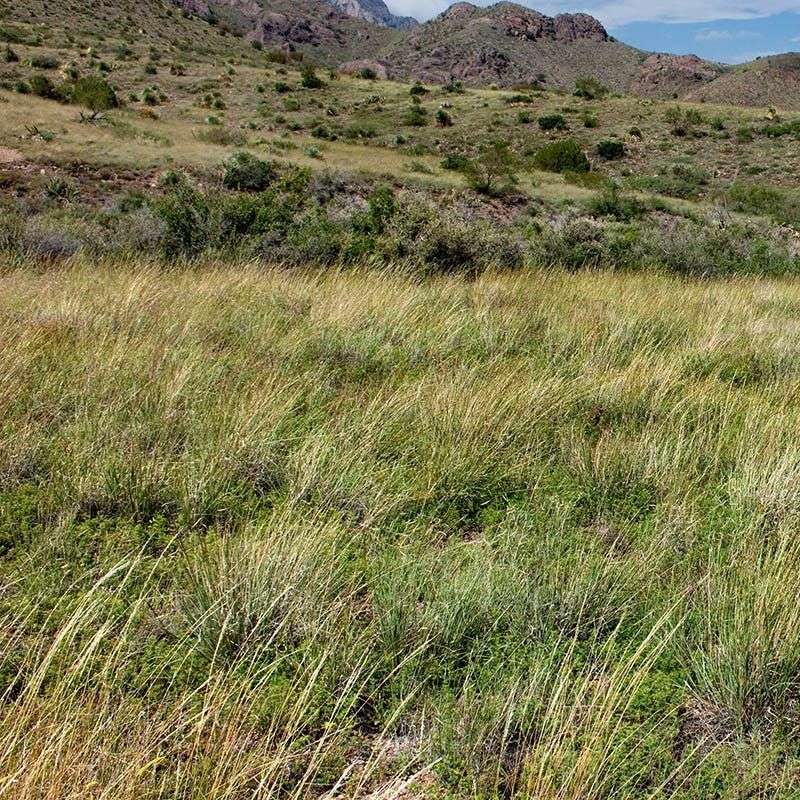
Start with elevation. The Forest Service reference gives black grama’s Arizona range as about 3,000 to 5,000 feet.
Many Phoenix-area yards sit well below that, while parts of the Tucson area and higher foothill neighborhoods may fall inside it.
Next, look at the soil. Black grama is tied to open, often sandy or gravelly ground and is rarely found on clay loams or adobe flats.
Dig a few holes and see what you actually have.
Remember the setting too. Semidesert grassland, described by Arizona Game and Fish, is concentrated in southeastern Arizona, and a low-desert metro lot is not the same place.
Extension advice in its native grass publication is to pick species native to your local area and suited to your soil. If black grama does not match, another local grass probably will.
It is not a universal lawn replacement.
Native grasses still need establishment care
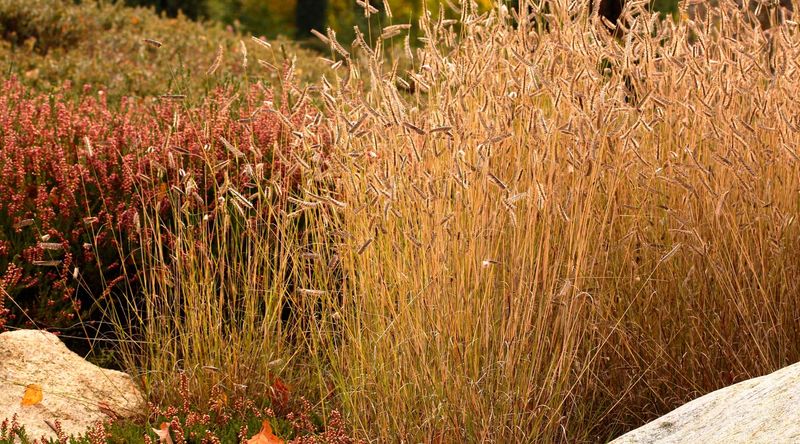
Native does not mean no work at the start. The advice here comes from University of Arizona guidance on native grasses in general, not from anything specific to black grama.
That guidance says to plant warm-season grasses in summer and give transplants some irrigation during their first year. Seed needs good soil contact and supplemental irrigation to germinate and establish well.
You can read the details in the extension native grass guide.
Black grama adds its own wrinkle. Seed viability and reliable seed supply are reported limits, so seeding it can disappoint.
Once established, many native Arizona perennial grasses in Tucson need little or no irrigation, according to a Desert Museum care sheet . That is a general statement about many species, not a promise for every grass or site.
Expect some browning in cooler months as well.
Plan for dry-grass fire risk near the home
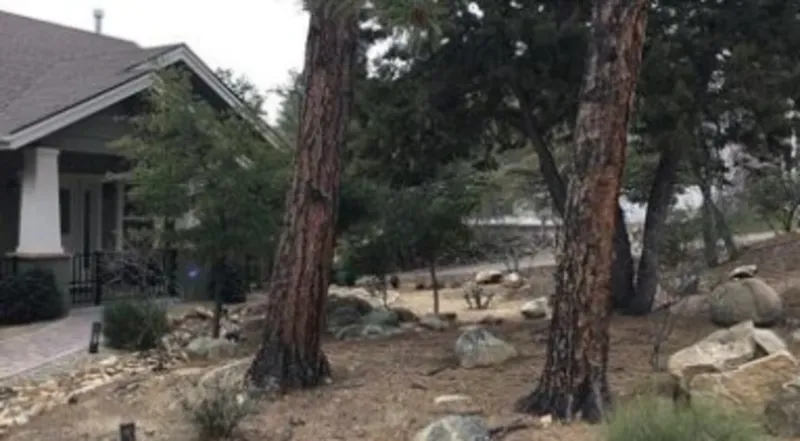
Dry, tall grass burns. According to University of Arizona fire-resistant landscaping guidance, it can ignite and carry fire toward a house.
The advice is to keep grass short in the inner defensible-space zone closest to the structure. Also maintain grass around buildings and other fuels, such as woodpiles and sheds.
Being native does not make a grass fire-safe.
Before planting any bunchgrass near your home, decide where it can go and how you will trim it in the dry season. Farther from the walls is safer than right against them.
Black grama deserves respect for its place in Arizona’s grasslands. Give it that respect from a safe distance, on ground that actually suits it.