These Arizona Landscaping Mistakes Are Drawing Ground Squirrels To Your Yard
A yard does not have to be wild or neglected to attract unwanted visitors. In fact, some of the most common landscaping choices are made with good intentions.
A new planting bed, a layer of mulch, or a few changes around the property can make an outdoor space look more attractive while quietly creating conditions that certain animals find appealing.
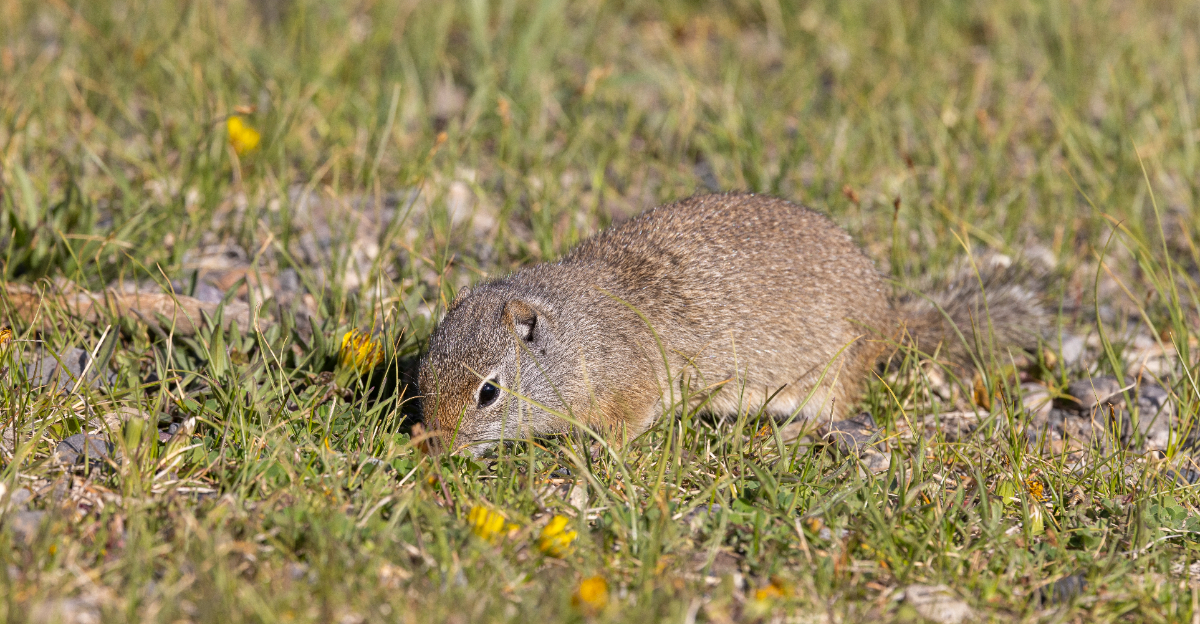
Ground squirrels are one of those surprises many homeowners do not see coming. The first signs are often easy to miss.
A small hole here, disturbed soil there, and then suddenly the activity becomes much harder to ignore. By that point, many people are left wondering why the animals chose their yard in the first place.
Arizona landscapes can offer exactly what ground squirrels are searching for without homeowners realizing it. Certain features provide food, shelter, or protection from the heat, making some properties more attractive than others.
Understanding which landscaping mistakes may be contributing to the problem is often the first step toward keeping these persistent visitors from settling in.
1. Overgrown Areas Can Provide More Cover From Predators
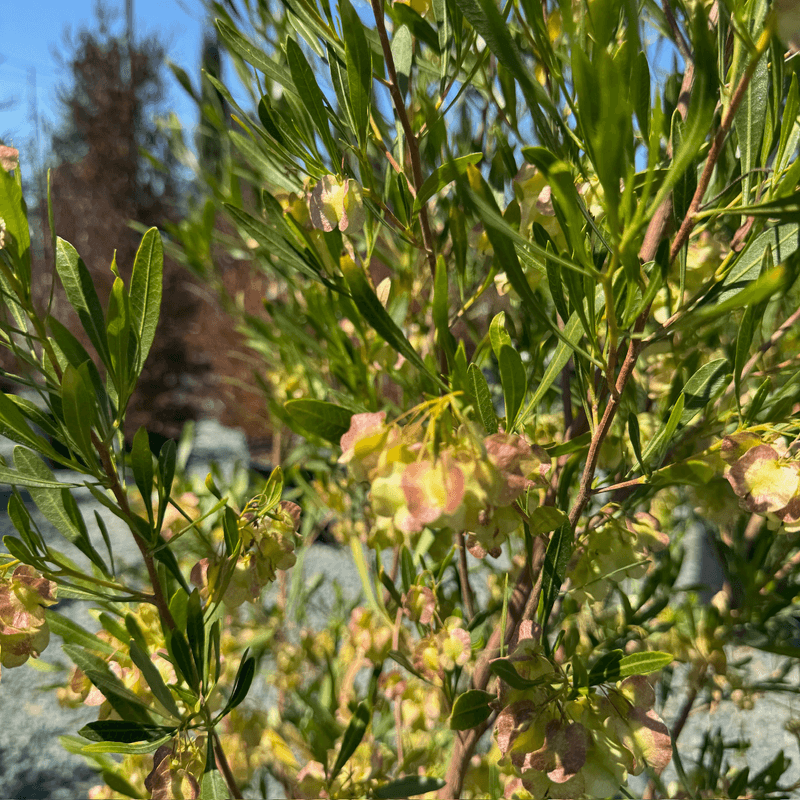
Thick, tangled vegetation is basically a welcome sign for ground squirrels. When shrubs grow too dense and weeds pile up along fence lines, squirrels see it as prime real estate.
Predators like hawks and coyotes rely on open sightlines to spot prey. Overgrown spots block those sightlines completely.
Ground squirrels are wired to stay close to cover. They dart between hiding spots before moving out to feed.
A yard full of bushy clumps gives them exactly the kind of escape routes they need to feel safe all day long.
Trimming back overgrown plants is one of the most effective steps you can take. Cut shrubs back so they sit at least a foot off the ground.
Remove weeds along walls and fences regularly. Keeping your yard open and visible from above removes the sense of safety that squirrels depend on.
Rake out old plant debris too. Piles of dried leaves and old stems near the base of plants act as mini shelters.
Even small patches of dense ground-level cover can be enough to encourage a squirrel to set up camp nearby. Staying on top of yard maintenance consistently is key to keeping them moving along.
Regular inspections are important because small squirrel problems are often much easier to address before burrows and activity become established across the yard.
2. Fallen Fruit Can Create An Easy Food Source
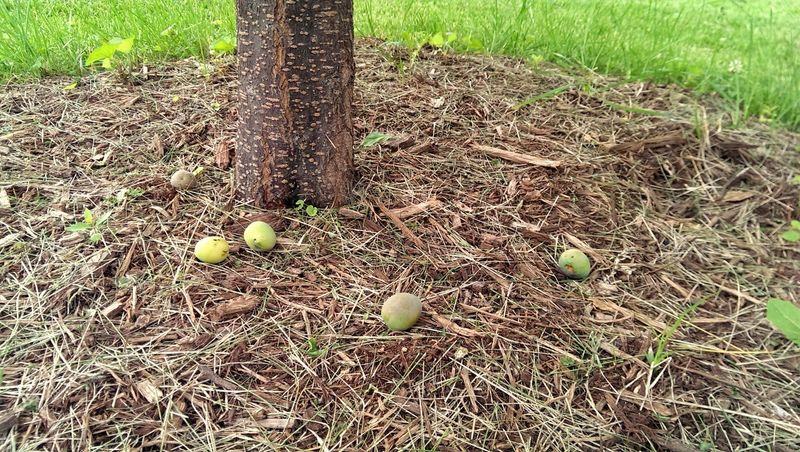
A pile of fallen oranges or lemons on the ground is basically a buffet for ground squirrels. Fruit trees are incredibly common in desert yards, and most homeowners do not think twice about fruit that drops naturally.
But squirrels absolutely will.
Fallen fruit is soft, sweet, and easy to access without much effort. Ground squirrels are opportunistic feeders.
They will return to the same spot every single day as long as food keeps showing up. Once they learn your yard has a reliable fruit source, they will stick around and start exploring further.
Your Arizona Garden Changes Every Week. Your Plan Should Too.
Gardening in Arizona changes quickly throughout the season. Every Friday you’ll receive a simple weekly plan showing exactly what to plant, prune, fertilize, harvest, and protect so you never miss the right timing.
Pick up fallen fruit as soon as you notice it. Do not let it sit on the ground overnight.
Even partially eaten fruit left near a tree base will continue to attract squirrels and other wildlife.
If you have fruit trees, check beneath them every couple of days during peak ripening season. Use a rake to collect fallen pieces quickly.
Compost the fruit in a sealed bin rather than leaving it in an open pile. Staying consistent with cleanup breaks the feeding habit before squirrels have a chance to establish a routine in your yard.
Removing the reward removes the reason for them to keep coming back.
3. Dense Ground Covers Can Hide Burrow Entrances
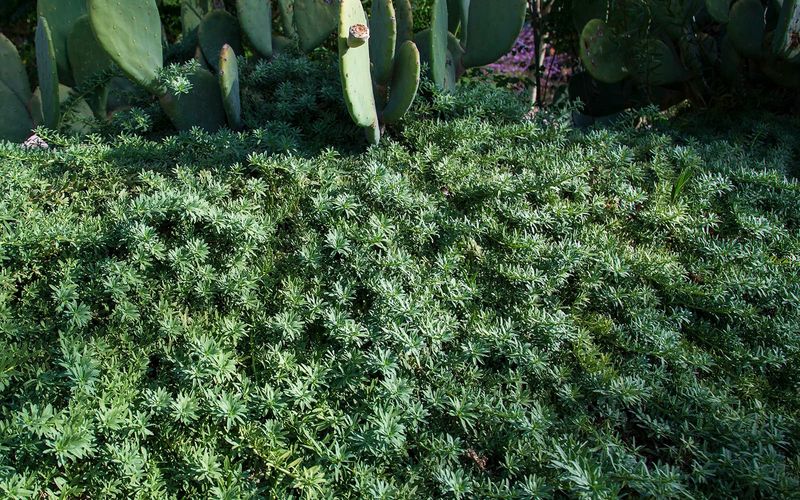
Ground covers sound like a smart landscaping choice, but some varieties create a real problem. When plants grow thick and low across the soil surface, they create a hidden layer that squirrels use strategically.
Burrow entrances tucked beneath dense ground cover are nearly impossible to spot until the damage is already done.
Ground squirrels prefer to dig where they feel hidden from above. A thick mat of trailing plants or low rosette-style ground covers gives them exactly that.
By the time you notice a burrow, the tunnel system underneath may already extend several feet in multiple directions.
Choose ground covers that stay somewhat open at the base. Avoid varieties that form a continuous mat close to the soil.
Gravel mulch or decomposed granite used in desert-style landscaping actually works better here because it stays visible and open.
Walk your yard regularly and check beneath ground covers for fresh dirt mounds or small holes. Squirrels typically push loose soil out near the entrance, so look for small piles of disturbed earth.
Catching burrow activity early gives you a much better chance of addressing it before the problem grows. Replacing overly dense ground covers with more open-structured plants can reduce the number of hidden spots available to squirrels over time.
4. Bird Seed Spilled On The Ground Attracts Wildlife
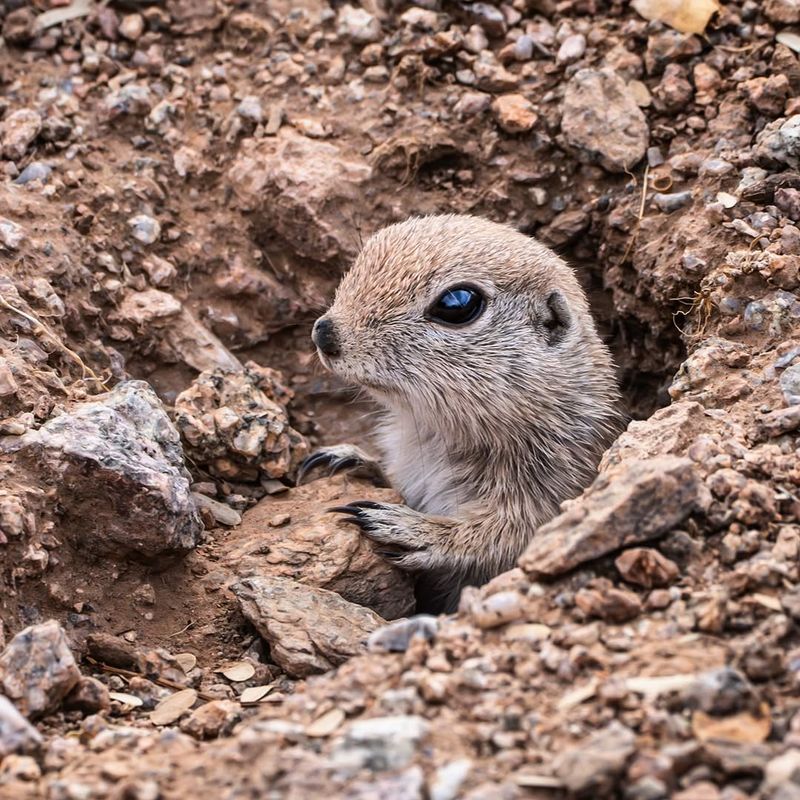
Bird feeders bring a lot of joy to backyard wildlife watching, but the seed that falls to the ground tells a completely different story. Spilled sunflower seeds, millet, and cracked corn are some of the most calorie-rich foods a ground squirrel can find.
They do not need to work for it at all.
Once a squirrel discovers spilled seed beneath a feeder, it will visit every single day. Squirrels are creatures of habit.
A consistent food source in one location trains them to return repeatedly, and they often bring others along with them over time.
Switch to a feeder with a catch tray that collects fallen seed before it hits the ground. Clean up any spilled seed beneath the feeder at the end of each day.
Even a small amount of leftover seed is enough to keep squirrels coming back.
Consider placing feeders on poles with squirrel baffles installed below the tray. These cone-shaped guards make it much harder for squirrels to climb up and reach the seed directly.
Also think about the type of seed you use. Safflower seed is less appealing to many squirrels but still attracts birds well.
Small adjustments to your feeder setup can significantly reduce how much seed reaches the ground in the first place.
5. Unsecured Compost Can Provide Regular Food Sources
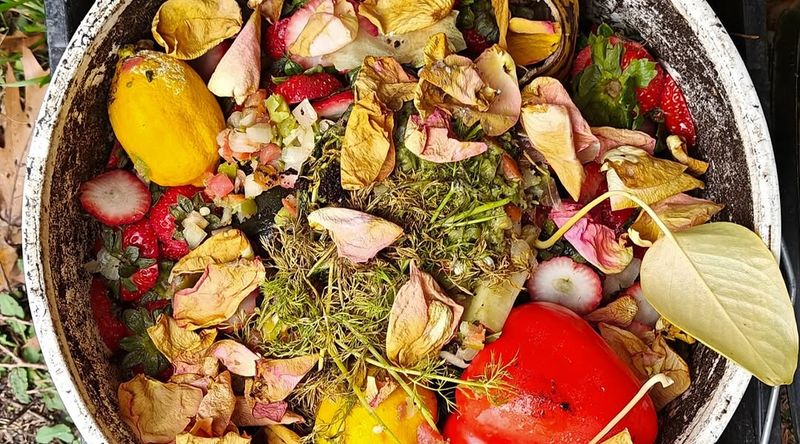
Open compost bins are one of the most overlooked attractants in any yard. Vegetable scraps, fruit peels, and leftover plant material break down slowly, and during that whole process they smell like food to ground squirrels.
An unsecured compost pile is essentially a self-replenishing snack station.
Ground squirrels are not picky. They will root through compost for anything edible, including seeds, old bread, soft fruit, and even dried beans.
Once they find a reliable source, they will return daily and may begin burrowing nearby to stay close to the food supply.
Switch to a fully enclosed compost bin with a tight-fitting lid and a solid base. Avoid open-pile composting if ground squirrels are already active in your area.
Wire mesh lining on the bottom of a bin can also prevent squirrels from digging up through the base.
Be selective about what goes into your compost. Grains, cooked food, and sweet fruit scraps are especially attractive to wildlife.
Stick to yard trimmings and dry plant material when possible. Turn your compost regularly so it breaks down faster and smells less over time.
Keeping the bin clean and sealed removes one of the most consistent food rewards that keeps ground squirrels returning to your yard week after week.
6. Frequent Irrigation Can Keep Feeding Areas Green
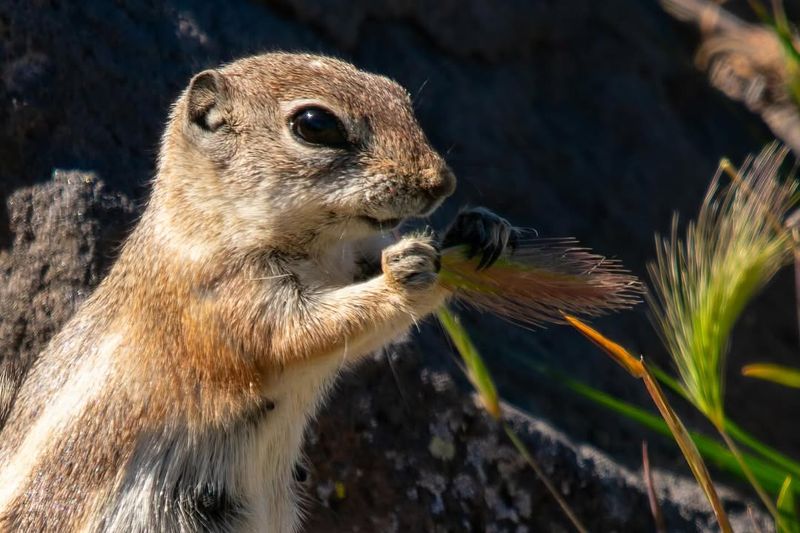
Water is a big deal in dry desert climates. Yards that run irrigation systems frequently end up with patches of green, moist soil that stand out dramatically against the surrounding dry landscape.
Ground squirrels are drawn to those green patches for a very practical reason.
Moist soil is far easier to dig through than dry, compacted desert ground. Green vegetation that stays tender from regular watering also provides consistent food.
Squirrels will graze on young plant shoots, grass blades, and soft roots that only survive because of irrigation. Frequent watering essentially maintains a feeding zone for them.
Adjust your irrigation schedule to water deeply but less often. Deep, infrequent watering encourages plant roots to grow downward while allowing the soil surface to dry out between cycles.
Dry topsoil is harder to dig through and less appealing as a feeding ground.
Check your system for leaks or broken heads that create wet spots in unexpected areas. Puddles and soggy patches near drip emitters attract not just squirrels but a range of other wildlife too.
Switching to drip irrigation rather than spray systems also reduces surface moisture significantly.
Keeping the ground surface drier without stressing your plants is a realistic goal with the right watering schedule, and it makes your yard noticeably less attractive to ground squirrels over time.
7. Brush Piles Can Create Shelter Near The Yard
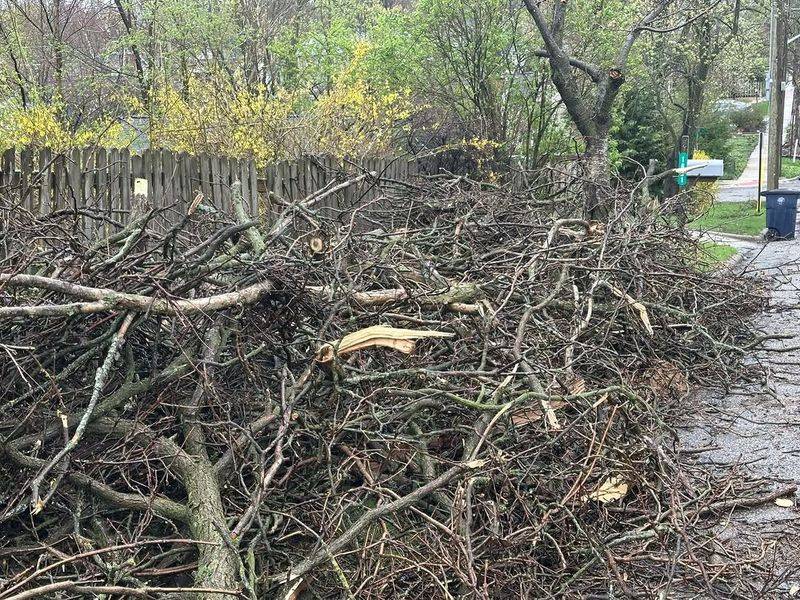
Yard cleanup often creates a temporary brush pile before trash day, but even a short-term pile can cause a long-term problem. Ground squirrels scout for shelter constantly.
A pile of cut branches, dried stems, or pruned shrub material sitting near your fence line is exactly what they are looking for.
Brush piles offer shade, insulation, and protection from predators all at once. Squirrels can tuck themselves inside within minutes of a pile appearing.
If the pile stays long enough, they may start digging beneath it to create a more permanent burrow nearby.
Remove yard debris as quickly as possible after trimming or pruning. Do not let piles sit along fences or walls for more than a day or two.
Bag or bin the material promptly and get it out to the curb or a green waste bin right away.
If you need to stage yard waste before pickup, keep it away from walls, fences, and garden beds. Open, exposed areas of the yard are less inviting than corners and edges where squirrels feel enclosed and safe.
Also avoid stacking old pots, wood scraps, or unused materials near the ground for long periods. Any cluster of objects at ground level can serve as shelter in a pinch.
Keeping your yard clear and uncluttered removes the options squirrels rely on for cover.
8. Pet Food Left Outdoors Can Attract Ground Squirrels
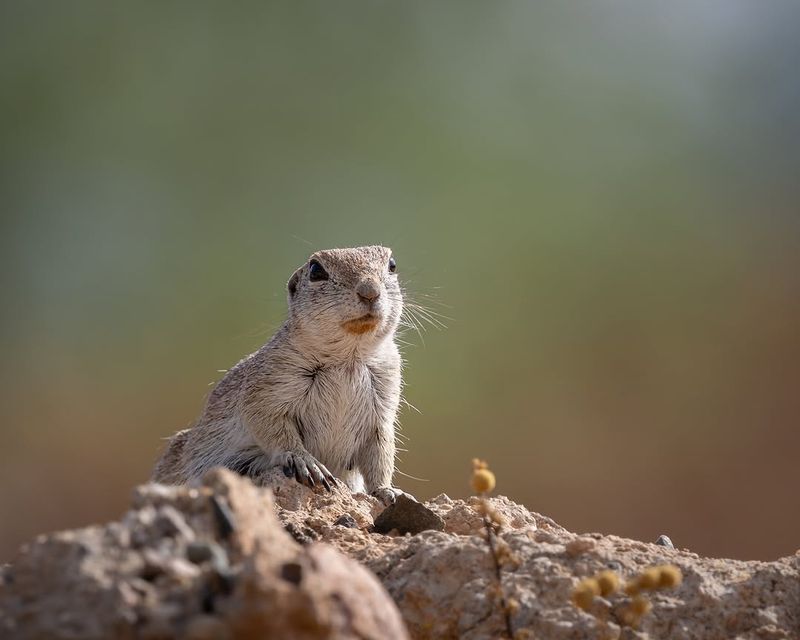
Leaving a bowl of pet food outside seems harmless, but it sends a clear signal to every hungry animal in the neighborhood. Ground squirrels have sharp senses of smell.
Dry kibble, wet food, and even empty bowls with residue are enough to pull them in from a surprising distance.
Pet food is calorie-dense and easy to carry. Squirrels will grab pieces and stash them near their burrows, which means feeding them once can establish a habit that is hard to break.
They will return at the same time each day expecting to find food waiting.
Bring pet food bowls inside as soon as your pet finishes eating. Do not leave food out overnight under any circumstances.
Rinse bowls after each meal to remove the scent that lingers even after the food is gone.
If your pet grazes throughout the day and needs access to food outside, consider a covered feeding station with a small opening that only your pet can access.
Store pet food bags in sealed containers indoors rather than in a garage or shed where smells can escape.
Even a small amount of spilled kibble near a doorway can attract ground squirrels over time. Staying consistent with cleanup habits is one of the simplest and most effective ways to remove a food reward that keeps wildlife returning to your yard.