The Fall Clematis Care Georgia Gardeners Shouldn’t Skip Before Winter
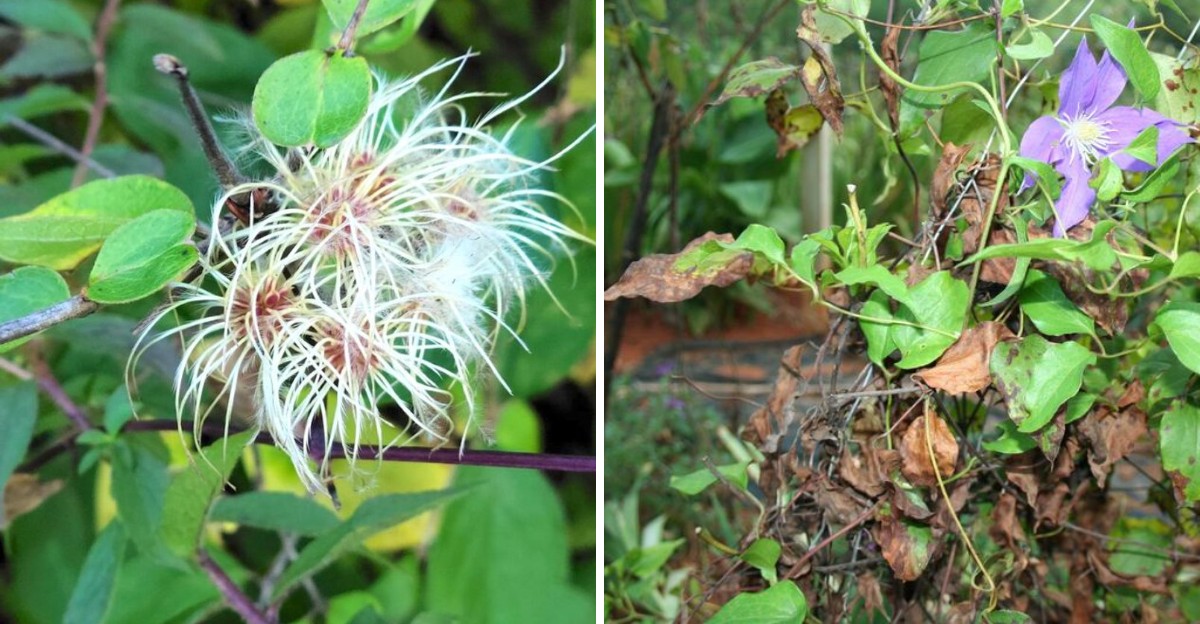
Tangled stems and browning leaves can make a clematis look ready for the trash by late October. Cutting the whole vine down and calling it done feels like the tidy choice.
Hold off on that for now, since many clematis types bloom on stems they grew this year. Removing them in fall can cost you a good share of next spring’s flowers.
Georgia winters also bring repeated freeze and thaw cycles that can stress the crown near the soil line.
Protecting that base can matter more than anything done to the top of the plant.
Dry spells in fall can stress roots too, especially for vines planted in the last year or two.
Small steps taken now can mean a fuller, healthier vine on the trellis when warm weather returns.
Knowing Your Vine’s Pruning Group Prevents A Costly Mistake
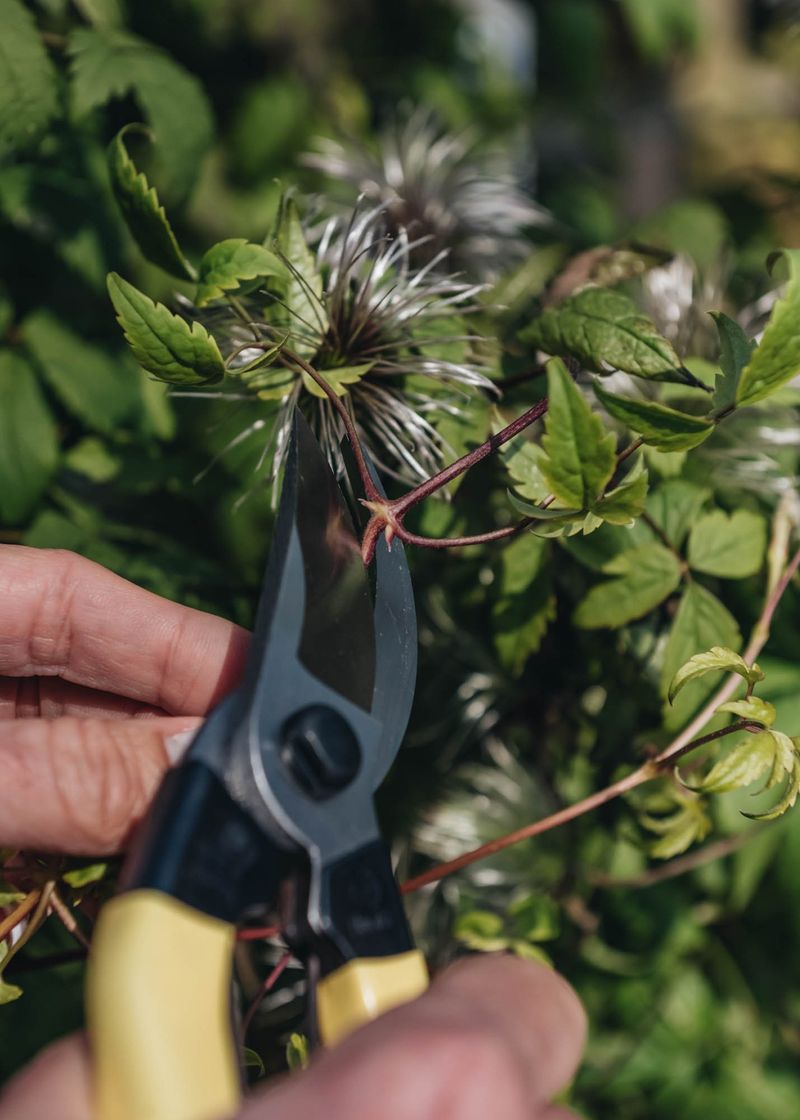
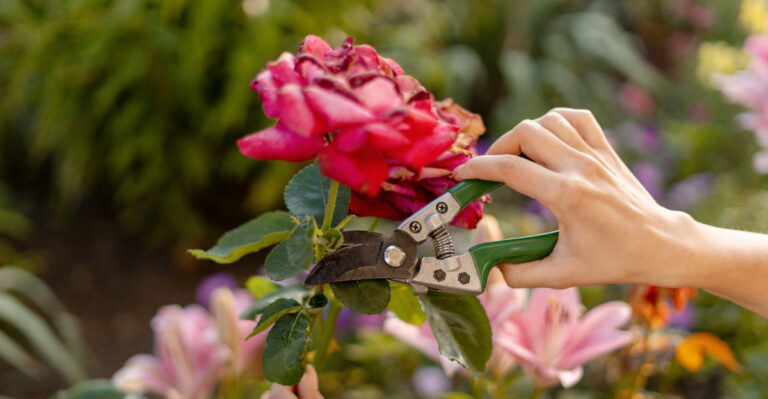
Pruning shears can undo a whole season of flowers in about five minutes. Clematis are sorted into three pruning groups, and each one handles cuts very differently.
Group 1 vines bloom in early spring on stems that grew the year before.
Group 2 types usually flower in late spring on older wood, and some rebloom later in summer on newer growth. Group 3 vines bloom from summer into fall on stems that grow during the current year.
Your best clue is the plant tag, so dig it out if you saved it.
No tag? Think back to when the vine bloomed most heavily.
Early spring flowers point toward Group 1, while a big show in late summer suggests Group 3.
Searching the variety name online can also help, since nurseries and Extension services often list the pruning group with each cultivar.
Georgia gardeners deal with long growing seasons, which can blur bloom timing a bit compared with cooler states. Watching your vine for one full year is a reliable way to confirm what you have.
Once you know the group, write it on a garden marker near the base. Future you will appreciate not having to guess again next fall.
Spring-Flowering Types Already Carry Next Year’s Buds
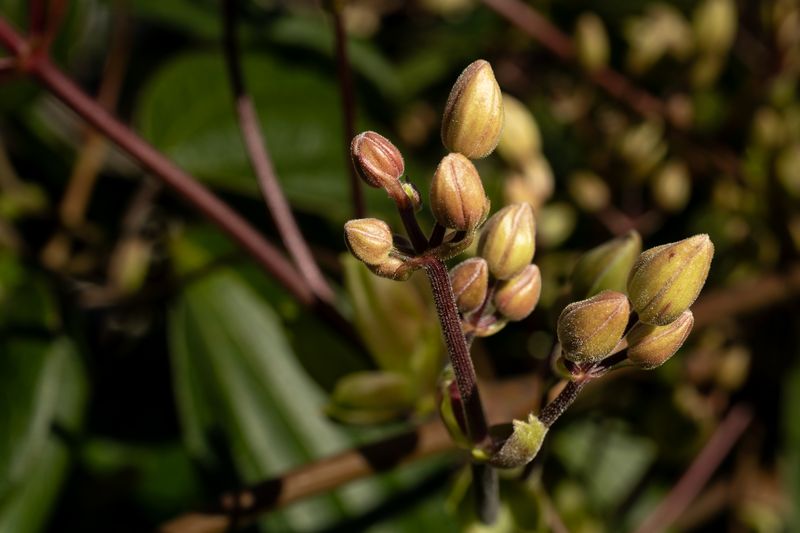
Hidden along those plain brown stems is next spring’s flower show. Early bloomers like Clematis armandii and Clematis montana flower on growth made during the previous season.
Cutting those vines back hard in fall removes the very wood that would have carried blooms.
Most guidance suggests pruning Group 1 types right after they finish flowering in spring. That timing gives them the rest of the warm season to grow fresh stems for the following year.
So what can you do now? Snip out only stems that are clearly broken, diseased, or no longer living.
Not sure if a stem is still alive? Scratch it lightly with a fingernail and look for green tissue underneath, though older woody stems can be harder to read.
Gardeners in north Georgia may see harder frosts than folks farther south, and evergreen types such as armandii can show some leaf damage in a tough winter. Results depend on the cultivar, exposure, and how cold it gets.
Your Georgia Garden Changes Every Week. Your Plan Should Too.
Gardening in Georgia changes quickly throughout the season. Every Friday you’ll receive a simple weekly plan showing exactly what to plant, prune, fertilize, harvest, and protect so you never miss the right timing.
Keep your hands off the shears otherwise. Patience in fall usually leads to a fuller spring display on these early types.
Those older stems may look unremarkable now, but they could already hold the buds that make next spring’s flowers possible.
Late-Summer Bloomers Can Wait For A Late Winter Cutback
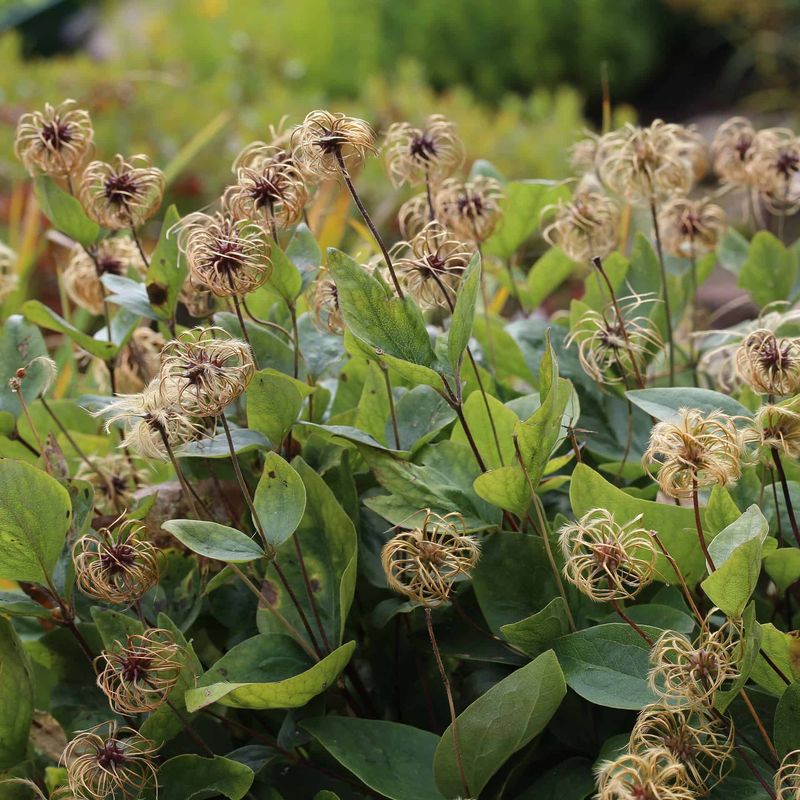
Messy is fine for now. Group 3 vines like Jackmanii, Sweet Autumn clematis, and many viticella types bloom on stems grown during the current year.
That growth habit makes them the easiest group to prune, but timing still matters.
Extension sources commonly recommend cutting these vines back in late winter or very early spring, before new growth begins. Many gardeners trim them to roughly a foot or two above the ground, just above a healthy pair of buds.
Why not do it in October and be done?
Fall cutting may nudge some plants to push tender shoots during a warm spell. Across Georgia, mild stretches in late fall are common enough that this concern is worth keeping in mind.
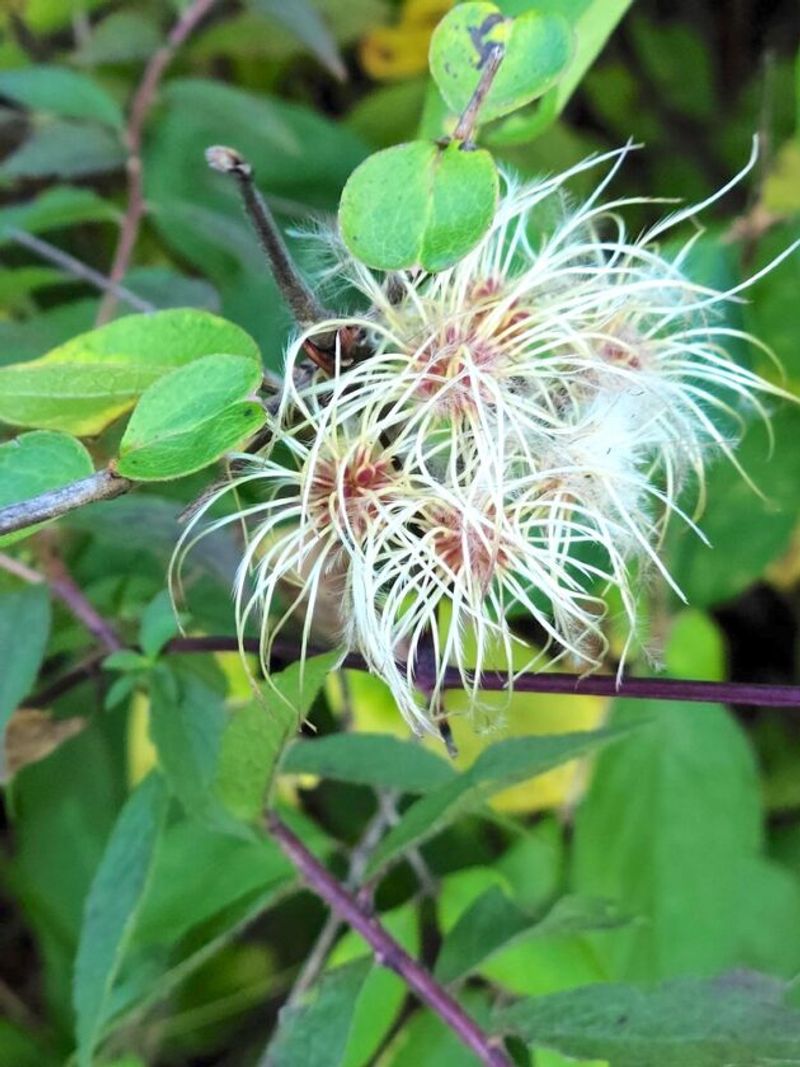
Leaving old stems in place through winter also gives you a clear view of where buds start swelling later. Fluffy seed heads can add a bit of winter interest, too.
One caution applies to Sweet Autumn clematis. It can spread by seed and is considered invasive in parts of the Southeast, so removing seed heads before they scatter may be a good idea.
Securing Loose Stems Protects Brittle Vines From Winter Wind
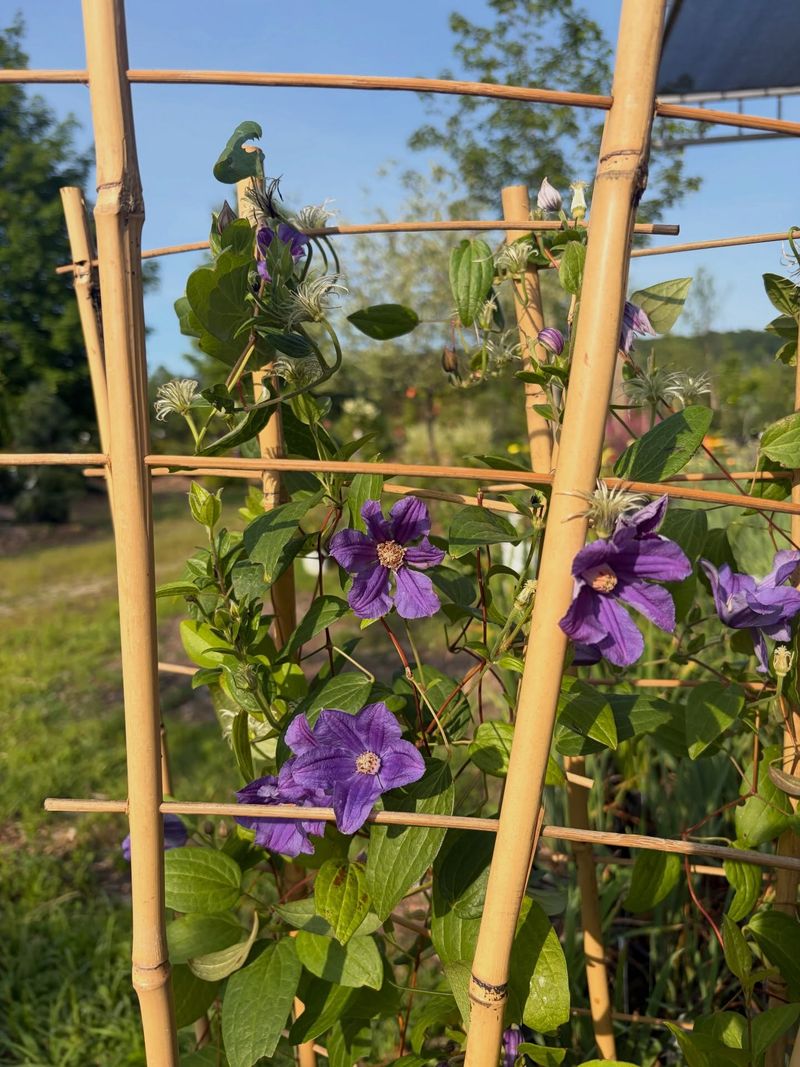
One strong gust can snap a clematis stem you spent all summer training. Older stems get woody and stiff, and they tend to crack rather than bend when whipped around.
Take a slow walk around your trellis before winter weather picks up.
Look for stems flopping away from their support or rubbing against wood, metal, or brick. Gently guide them back into place and tie them loosely with soft garden twine, cloth strips, or stretchy plant ties.
Skip wire or tight plastic, because they can cut into stems as the plant grows.
Check the support itself while you are out there. A wobbly trellis or a loose fence panel can do more harm than wind alone, especially if the vine has grown heavy.
Georgia sees its share of windy fronts and occasional storms in fall and winter, though how much your vine gets hit depends on how sheltered it sits. A spot near a house wall usually stays calmer than an open arbor.
Keep ties a little loose so the stem has room. A quick recheck in late winter helps catch any that slipped or got too snug.
Fallen Foliage Around The Base Is Better Raked Away
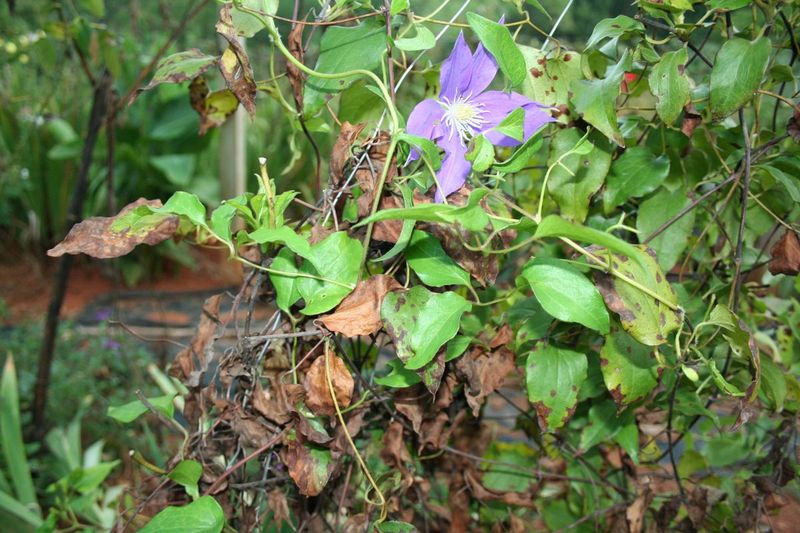
Old leaves piled at the base might look harmless. Still, spent clematis foliage can hold fungal spores from issues like leaf spot or powdery mildew that showed up earlier in the season.
Clearing that debris is a simple way to cut down on problems next year.
Use a small hand rake or gloved hands, and work gently near the crown. Clematis stems are easy to damage at ground level, so slow and careful beats fast here.
Where should the leaves go? If your vine had disease trouble, bagging them or tossing them in the trash is the safer choice.
Healthy-looking leaves can go in the compost, though home piles do not always heat up enough to break down every pathogen.
Humid summers in Georgia tend to favor leaf diseases on many garden plants, so this cleanup can be especially useful here. It will not prevent every issue, since weather and airflow play big roles.
While you are down there, pull any weeds crowding the base. Better airflow around the lower stems is a small bonus that comes with a tidy root area.
Mulch Around The Root Zone Helps Protect Against Winter Cold
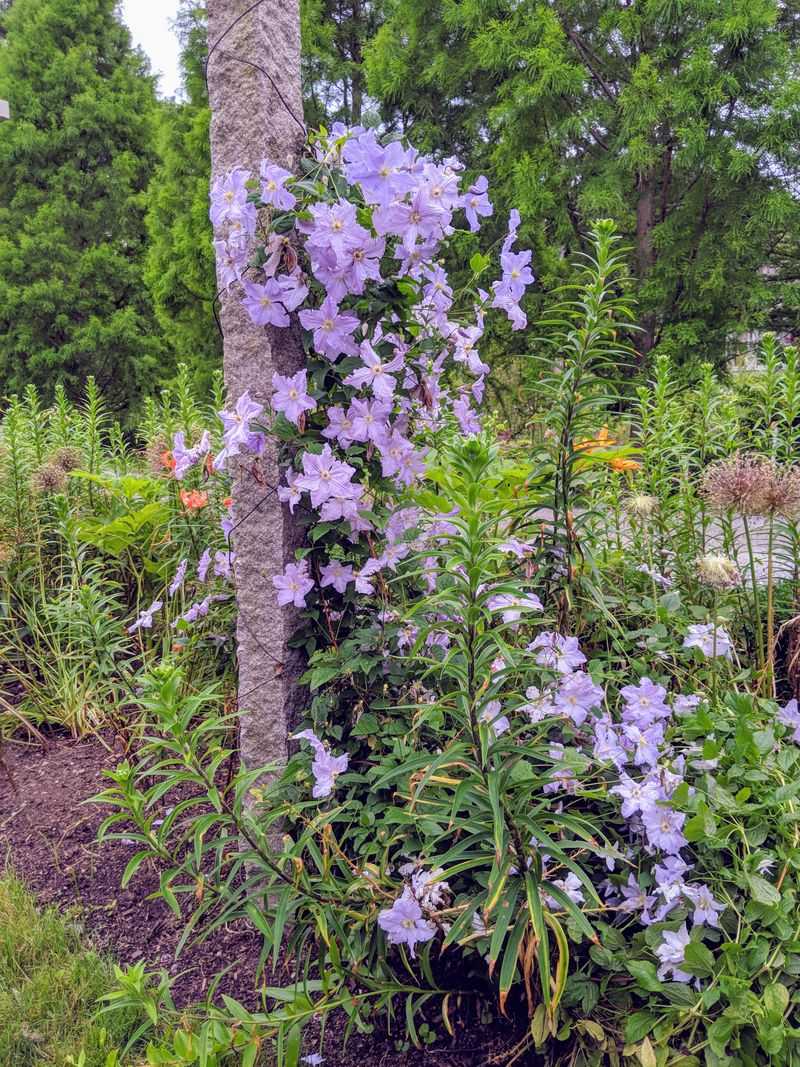
Clematis like a cool root run, and that preference does not stop in winter. A layer of mulch helps buffer soil from quick temperature swings and holds in moisture.
Pine straw, shredded bark, and chopped leaves all work well and are easy to find around Georgia.
Aim for a layer around two to three inches deep, spread in a wide circle over the root zone. Keep it pulled back a few inches from the stems, since mulch packed against the crown can stay damp and invite rot.
Timing is flexible here.
Spreading mulch after the soil has cooled a bit in late fall is a common approach. In the mountains, where freezes come earlier and hit harder, extra mulch may offer more value than it does near the coast.
Mulch is not a heated blanket, and it cannot fully shield a vine from a severe cold snap. Plant hardiness, location, and soil drainage all affect how well a clematis comes through winter.
Refresh thin spots as the season goes on. Heavy rain and curious squirrels can scatter it faster than you might expect.
Dry Autumn Weeks Still Leave Roots Thirsty
Cool weather can trick you into thinking the garden needs less water. Roots keep working through fall, even after top growth slows and leaves start fading.
Fall in Georgia sometimes brings stretches of dry weather, though some years stay fairly wet.
Check the soil before you water by pushing a finger a couple of inches down near the base. If it feels dry, give the area a slow, deep soak instead of a quick sprinkle.
Morning is a good time to water.
Leaves and soil surface have the day to dry, which may help limit some disease problems. Aim the water at the root zone rather than spraying the foliage.
How often you water depends on your soil, rainfall, sun exposure, and whether the vine was planted recently. Young clematis put in this year usually need closer attention than well-established plants.
Overwatering brings its own trouble, especially in heavy clay that drains slowly. Soggy roots in cold soil can be just as stressful as dry ones.
Ease off once regular rain returns. Keep an eye out during warm, dry spells in winter, when a light drink may still help.