The Mysterious Flies Showing Up In Iowa Bedrooms Have A Secret That Has Nothing To Do With Dirt
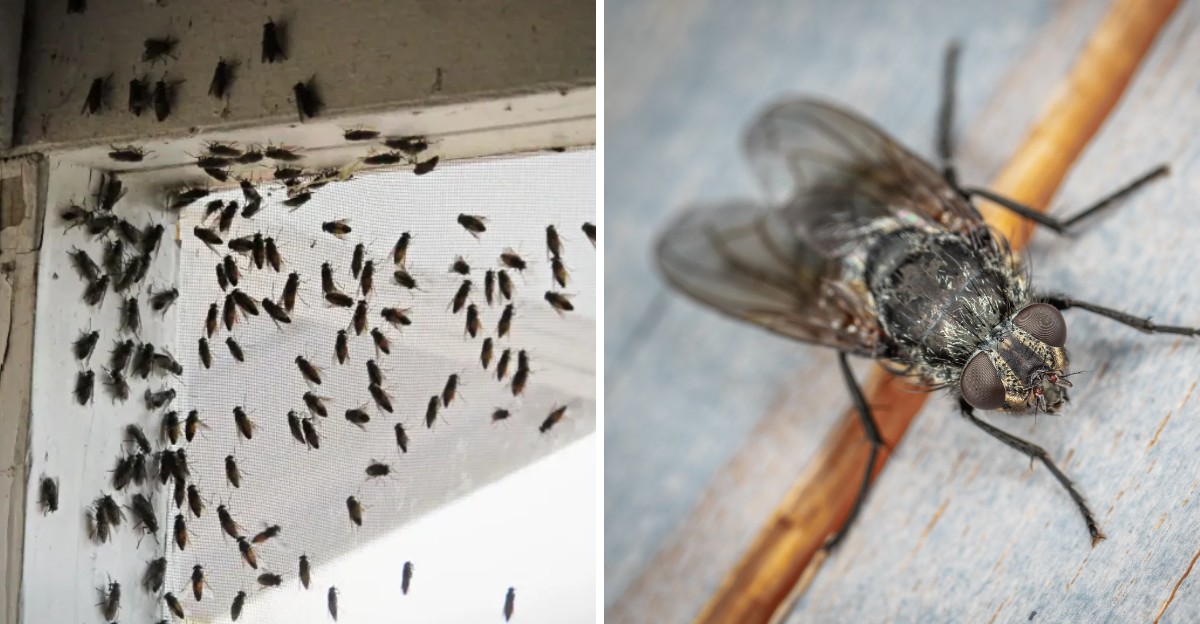
Those sluggish flies on your windowsill spent their youth living inside a worm. You can spot them clustered on the sunny side of your house in Iowa.
Cluster flies slip into your walls each autumn, hunting warmth. Trash and crumbs played no part in your invasion.
Females laid eggs in soil you walk across, right beside earthworm burrows. Hatched larvae then tunneled into the earthworms you unearthed while digging.
Adults emerged in late summer, then hunted for shelter inside your home. Across Iowa, you will find them massed behind curtains and inside attic corners.
Golden hairs on their bodies help you separate them from house flies. Slow flight lets you scoop them up with a cup.
Your vacuum alone will not stop them from returning. Their favorite entrance is a gap smaller than a pencil, and you can find it.
Earthworm Parasites Behind The Bedroom Buzz
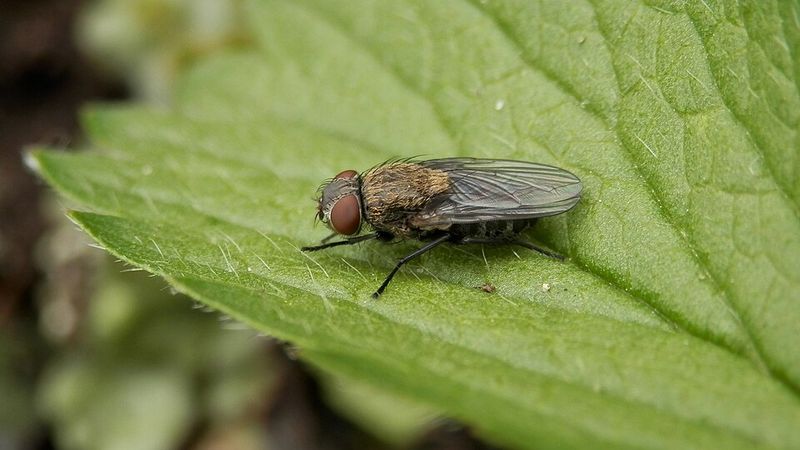
Picture a fly whose baby years are spent hunting earthworms in an Iowa lawn. That is the hidden life of the cluster fly, and it explains why they appear in your home.
Mother cluster flies lay eggs in the soil from spring until fall. After hatching, each tiny larva wriggles off to find an earthworm and burrows inside it.
The larva feeds on the worm from the inside for several weeks. Scientists call this kind of creature a parasite, since it lives off another animal and ultimately consumes it.
Once grown, the young fly crawls out of the ground with wings ready to go. It skipped your kitchen, your garbage, and your laundry pile along the way.
That detail matters because most people assume flies indoors mean a messy home. With cluster flies, a spotless house and a cluttered one get the same visitors.
Iowa’s rich farm soil supports the earthworm populations the larvae need. Healthy dirt full of earthworms means plenty of food for growing larvae each summer.
Each adult female can lay dozens of eggs, so one yard may produce many flies. Several generations can hatch between spring and fall in a warm year.
You can spot an adult by its golden hairs and its slow, clumsy flight. It is a bit larger than a house fly and folds its wings neatly over its back.
So if your bedroom has guests, give yourself a break on the cleaning guilt. The real cause is wiggling around under your lawn right now.
Autumn Sunshine And The Great Wall Gathering
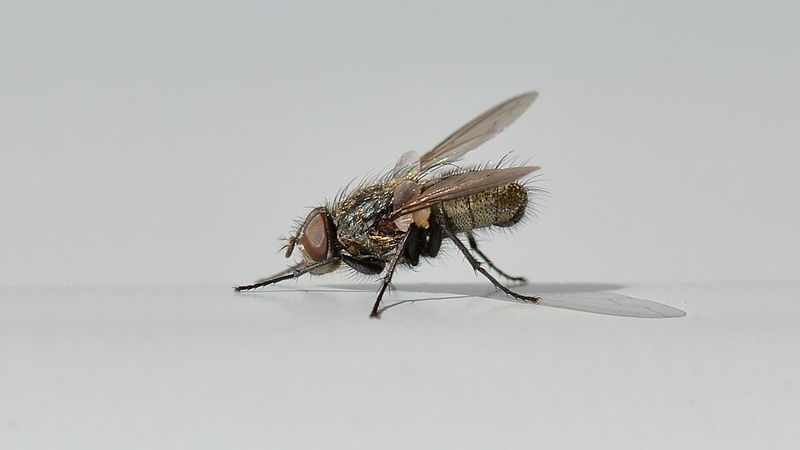
In October, the south and west walls of Iowa homes turn into fly sunbathing decks. On a bright afternoon, you might see dozens soaking up warmth on the siding.
Cluster flies sense that cold weather is coming as days shorten and nights cool. They start hunting for a cozy spot to spend the winter months.
Warm walls attract them first, since sunlight heats the boards and bricks like a stove. From there, they creep into tiny gaps around windows, siding, vents, and roof edges.
Your Iowa Garden Changes Every Week. Your Plan Should Too.
Gardening in Iowa changes quickly throughout the season. Every Friday you’ll receive a simple weekly plan showing exactly what to plant, prune, fertilize, harvest, and protect so you never miss the right timing.
Once inside, most of them settle in attics and wall spaces to rest quietly. This sleepy state is called overwintering, and it works a bit like hibernation.
Problems tend to begin on sunny winter days, when heat warms the walls where they hide. The flies wake up confused, thinking spring has arrived early.
They follow light and warmth, which often leads them straight into bedrooms with big windows. That explains the slow buzzing you hear near the glass on a mild December morning.
Upstairs rooms may get more visitors because they sit closer to the attic, where many flies overwinter. A bedroom near the roofline can feel like a fly welcome center.
Older farmhouses with weathered trim can collect larger crowds each fall. Even newer homes can host them if a few small cracks go unnoticed.
Watch the calendar closely, since late summer through October is prime moving season. Seeing flies cluster on your siding now is a clear clue that some may already be inside.
Common Mistakes When Dealing With Indoor Cluster Flies
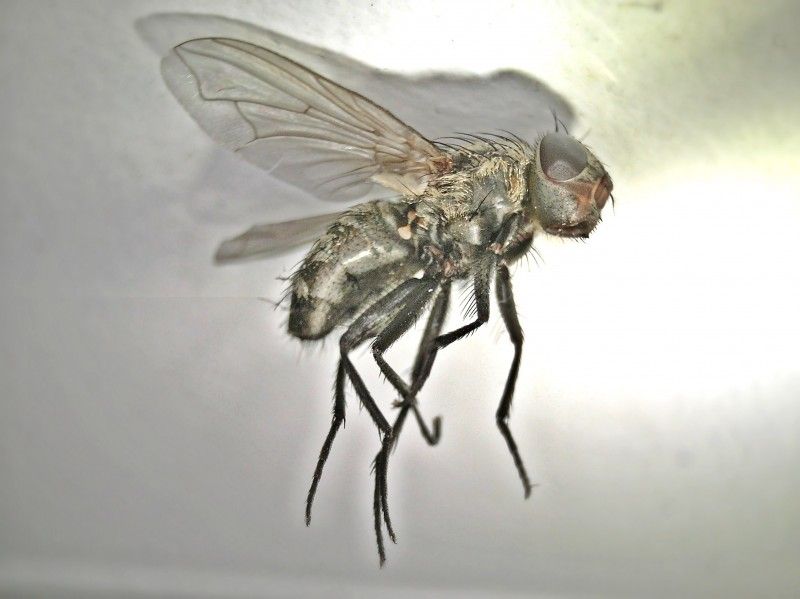
Swatting a cluster fly on your pillow feels satisfying for about two seconds. Then you notice the greasy smear and the odd smell left on the fabric.
Squashed cluster flies can stain fabric, walls, and curtains with yellowish marks. They also give off a sweet, musty odor that some people compare to buckwheat honey.
Another common mistake is grabbing a strong bug spray and fogging the whole bedroom. Chemical sprays indoors can bother your lungs and leave residue on bedding and toys.
In addition, spraying only reaches the few flies you can see in the room. Many more may be resting inside the walls, waiting for the next warm afternoon.
Some families respond by scrubbing every corner, thinking the house must be dirty. That effort may not solve the problem, because dirt was not the cause.
Leaving piles of flattened flies inside wall spaces can also cause new headaches later. The remains may attract carpet beetles and other pests that snack on insect leftovers.
Bug zapper lamps can scatter tiny fly bits around the bedroom. Sticky traps near windows are tidier, and light traps work best in the attic, away from living areas.
A calmer plan works much better for your home and your nerves. Treat the indoor flies gently and save stronger steps for the outside walls.
Think of it like a tired houseguest who wandered into the wrong room. Showing it the door politely beats making a mess on your favorite blanket.
A Vacuum And Some Patience For The Fix
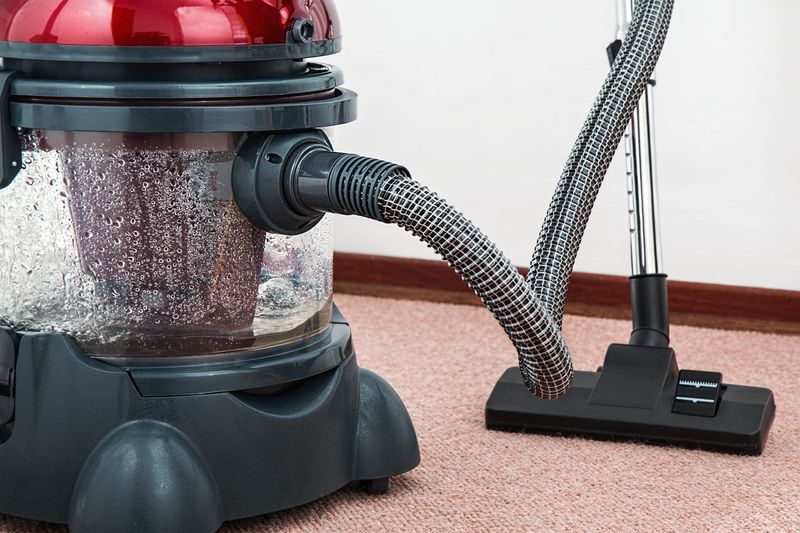
Your best tool against bedroom cluster flies might already be sitting in the hall closet. A vacuum with a hose attachment handles the job quickly and cleanly.
Slow flies on windows are easy to suck up before they buzz away. Empty the canister or bag outside right after, so nothing crawls back out later.
Sticky window traps also help, especially on the sunny side of the room. Clear ones stick to the glass and catch flies drawn toward the light.
Skip homemade sugar-water jar traps, since cluster flies follow light and warmth rather than sweet smells. Light traps may work better in the attic, away from living areas.
Try keeping curtains and blinds closed during warm winter afternoons, which may make windows less tempting. Dim rooms give the flies fewer reasons to leave their hiding spots.
Check attic hatches and ceiling light fixtures, since flies often slip through those openings. A strip of tape around a loose fixture can slow the parade into your room.
If the numbers get huge, call a licensed pest control company in your area. Professionals often treat outside walls in late summer, before the flies move indoors.
Patience matters, because a few stragglers may pop out all winter long. Each one you catch is a small win, not a sign that you failed somehow.
Kids can help by spotting flies and calling a grown-up with the vacuum. It turns an annoying chore into a family game of fly patrol.
Spring Exit And Life Back Outdoors
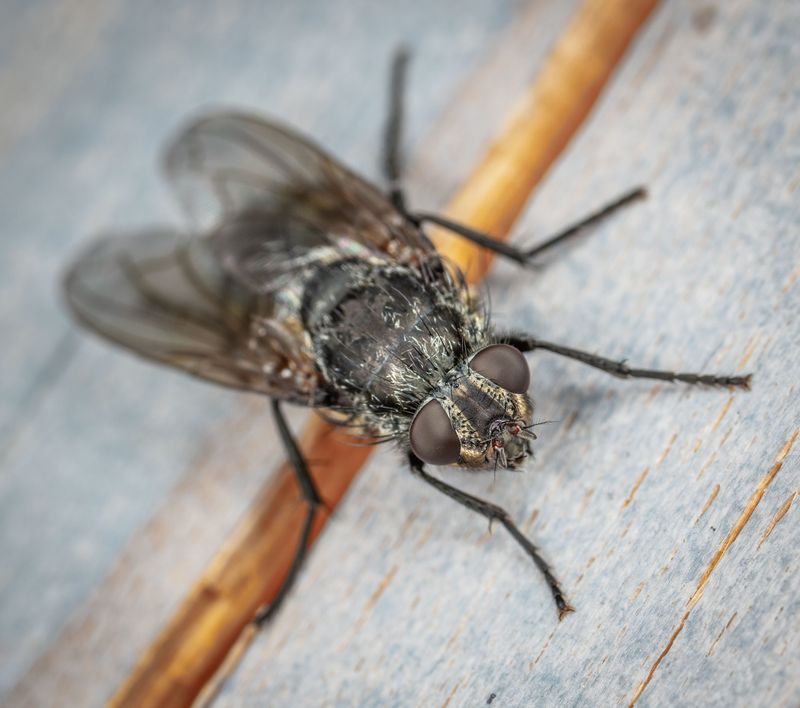
Come April, something lovely happens in Iowa homes bothered by cluster flies. The buzzing slowly fades as the visitors head back outside where they belong.
Warmer spring days signal that it is time to leave winter hideouts. Surviving flies squeeze out through the same gaps they used to get in.
Outdoors, they sip flower nectar and find mates in sunny fields and lawns. Females then lay eggs in the soil, and the whole earthworm story starts again.
Nervous parents and pet owners can relax about health worries. Cluster flies do not bite, sting, or breed inside your house.
They skip garbage and spoiled food, so they are not known for spreading germs. That makes them more of a nuisance than a true health threat.
Parasitized earthworms do not survive, yet the yard still teems with them. Iowa soil supports large earthworm populations, and the flies likely affect only a small share.
Some cleanup may be needed in spring, especially in attics and window sills. Vacuum up leftover flies so they do not attract beetles or leave stains.
Many homeowners notice the same house gets flies year after year. Flies seem to find buildings that worked well for earlier generations, possibly by scent.
Spring is a smart time to walk around and note where flies gathered. Those spots become your to-do list for sealing before next fall arrives.
Many folks also feel proud seeing their careful winter work pay off. Fewer flies each spring means your fixes are doing their quiet job.
Sealed Cracks And Screens For Next Year

Prevention beats swatting. Sealing gaps before September is one of the most effective steps an Iowa homeowner can take.
Walk around your house and look closely at window frames, door edges, and siding seams. Tiny cracks the width of a pencil line can let a cluster fly slip inside.
Fill small gaps with silicone or latex caulk from any hardware store. Larger openings around pipes and cables can be packed with foam sealant.
Check window screens for rips and replace any that look loose or torn. Add fine mesh behind attic and soffit vents so air flows but flies cannot.
Weatherstripping around doors does double duty by blocking drafts and bugs. Your heating bill may drop a little as a bonus.
Timing matters a great deal when it comes to these flies. Finish sealing by late August, because flies begin gathering on warm walls in early fall.
Some families hire pros to apply an outdoor treatment on sunny walls before October. Ask about products that are safe around kids, pets, and garden plants.
Keep an eye on the south and west sides, since they draw the biggest crowds. Those walls deserve extra attention when you inspect for openings each year.
Prevention will not stop every single fly, but it can shrink the crowd a lot. Your bedroom can go back to being a peaceful spot for sleep, not a fly lounge.