Does A Dry October Mean A Dry Winter In California?
Autumn in California often arrives with a quiet question hanging over every garden. Skies stay clear, soil turns powdery, and rain gauges sit empty week after week.
That stillness can feel like a warning, and plenty of gardeners read it that way.
Weather in this state follows patterns that look nothing like the textbook seasons found elsewhere, and early impressions can mislead.
The real picture takes shape far from the backyard, high in the mountains and deep in places most people rarely see.
Meanwhile, thirsty plants still need sensible care right now, regardless of what the coming months hold.
A little understanding turns anxious sky watching into steady planning, and the clouds, as always, keep their own schedule.
A Dry October Does Not Predict A Dry Winter
Memories of past seasons tend to pull in opposite directions. Some gardeners recall a bone-dry October followed by a soaking winter, while others remember a dry fall that stayed dry for months.
Both memories hold up, and together they prove the same point.
One month offers very little insight into how the rest of the season will unfold.
The California Department of Water Resources notes that precipitation in the state varies more from year to year than almost anywhere else in the country.
A wet year can look parched in autumn, and a drought year can open with a surprise October shower.
California’s water year runs from October 1 through September 30, so October serves as the opening chapter of a much longer story. Judging the whole season by that first chapter works about as well as guessing a novel’s ending from its cover.
Weather folklore loves tidy rules, such as a warm fall pointing to a mild winter. Those sayings make for fun conversation at the garden club, yet they rarely hold up as forecasts.
Real winter weather depends on ocean temperatures, the jet stream, and storm tracks that shift week by week.
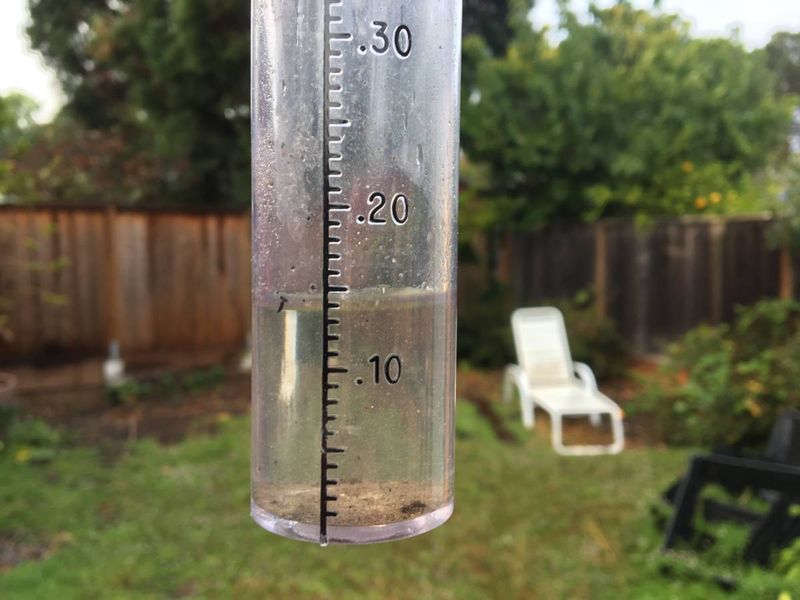
An empty rain gauge in mid-October is normal rather than a warning sign. The task right now involves keeping plants healthy today while staying ready for storms that may still be on the way.
Treating the calendar as a rough guide rather than a crystal ball leads to calmer, smarter garden choices.
California Rain Arrives In A Few Big Storms
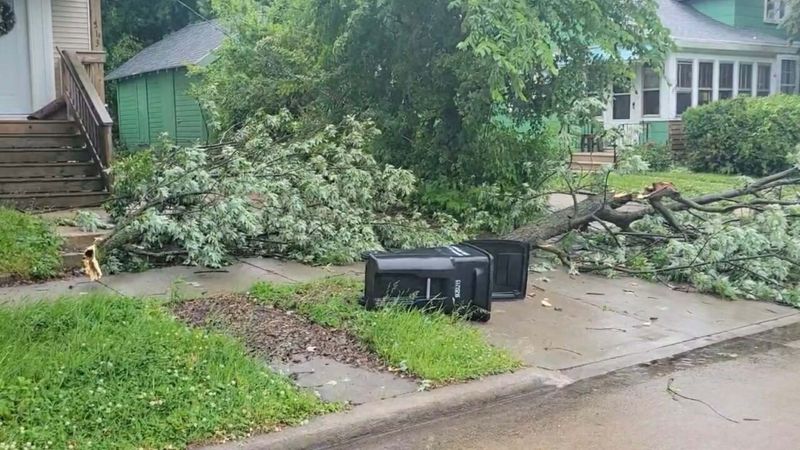
Four months usually carry the heaviest load in California’s wet season. Across much of the state, December through March is when storms hit their stride.
DWR data shows that the bulk of the state’s precipitation typically falls in the cooler months, with the heaviest totals most often landing in winter.
Northern California and the Sierra Nevada see the most action. Southern California follows a similar pattern, though with smaller totals and even greater swings.
The reason lies high overhead. As seasons turn, the jet stream drifts south and steers Pacific storms toward the coast.
In summer, a strong high-pressure system usually blocks those storms and keeps skies clear, and fall marks the slow handoff between the two patterns.
Your California Garden Changes Every Week. Your Plan Should Too.
Gardening in California changes quickly throughout the season. Every Friday you’ll receive a simple weekly plan showing exactly what to plant, prune, fertilize, harvest, and protect so you never miss the right timing.
Some years start early with November rain, while others wait until January before the real storms appear. A late start can still end with a normal or even wet season, since the busiest months lie ahead.
That timing shapes planting plans. Fall suits California natives and many shrubs well, a timing CNPS has long encouraged, because winter rain helps roots settle in.
New plantings still need regular watering until the rains truly arrive, so checking soil moisture through November and December works better than assuming the season has begun.
A calendar offers a rough guide, while a trowel offers the facts. A quick dig a few inches down reveals more than any date on the wall.
Most Rain Falls From December To March
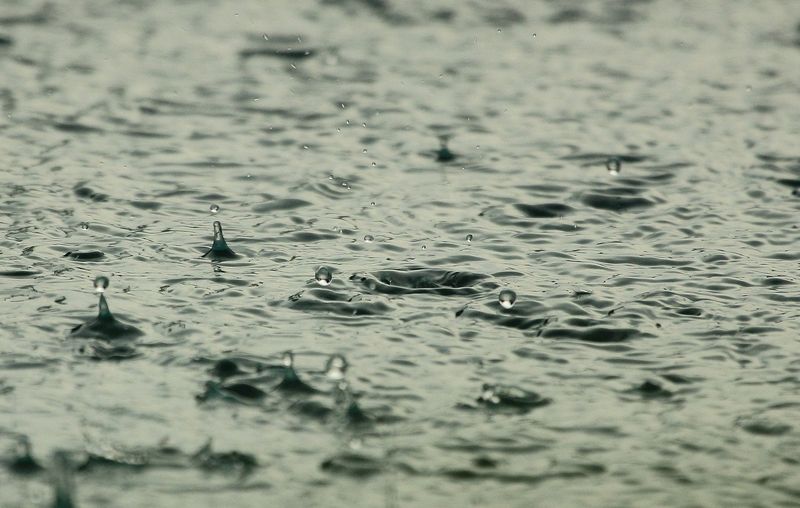
In a pie chart of the wet season, the opening month earns only a skinny sliver, while winter months claim the big pieces.
Across most of California, October ranks among the drier months of the water year. Average totals run low, and many places see little or no rain at all.
A zero in the rain gauge this month is common and rarely signals anything unusual.
Because October normally contributes so little, falling below average for the month barely moves the season total. Missing an inch that was never likely to arrive hardly dooms the winter.
The math simply doesn’t work that way.
October can still surprise. An early storm sometimes rolls in and delivers a solid soaking, and those events tend to make headlines.
Yet one wet October doesn’t promise a wet winter either, since the connection runs weak in both directions.
Meanwhile, the month brings its own garden challenges. Days can turn hot, especially across inland valleys, winds can blow dry, and fire season often remains active.
Santa Ana winds in Southern California can pull moisture right out of leaves and soil, so curling or drooping leaves deserve attention.
Deep, slow watering when the soil feels dry a few inches down helps plants hold steady until real rain arrives. Fall may run quiet on rain, yet it can run loud on thirst, so a little extra attention goes a long way.
October Usually Brings Only A Small Share
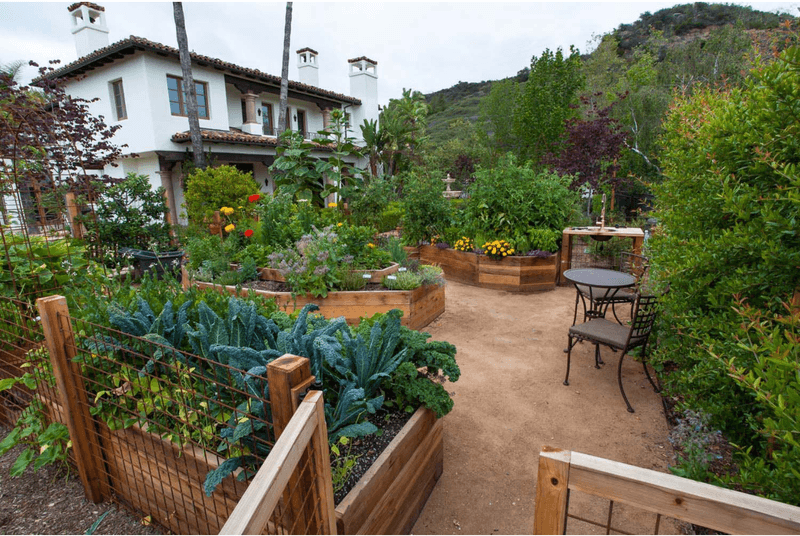
High in the Sierra Nevada, winter snow quietly builds into one of California’s largest water savings accounts. DWR measures it throughout the season, with a well-known snow survey near April 1, traditionally treated as the season’s peak.
Snowpack matters because it melts slowly through spring and summer. That meltwater feeds rivers and fills reservoirs right when farms and cities need it most.
DWR estimates that the snowpack supplies about 30 percent of the state’s water needs in a typical year.
Reservoirs form the other half of the picture. Major lakes such as Shasta and Oroville store water carried over from past years.
Strong storage can carry the state through a dry winter, while low storage makes even an average year feel tight.
The real water story depends on these two measures rather than on a sunny October. A fall with zero rain can still lead to a solid snowpack by spring.
A warm, rainy winter, on the other hand, might deliver less snow than hoped, since more precipitation falls as rain at higher elevations.
Curious gardeners can follow along. DWR posts snowpack and reservoir levels through the California Data Exchange Center, and the updates are easy to read.
Checking them in winter gives a far better sense of the season than watching the sky. Local water districts also share updates and any watering rules, often through email lists.
Knowing the bank balance helps with budgeting water in the backyard.
Snowpack And Reservoirs Tell The Real Story
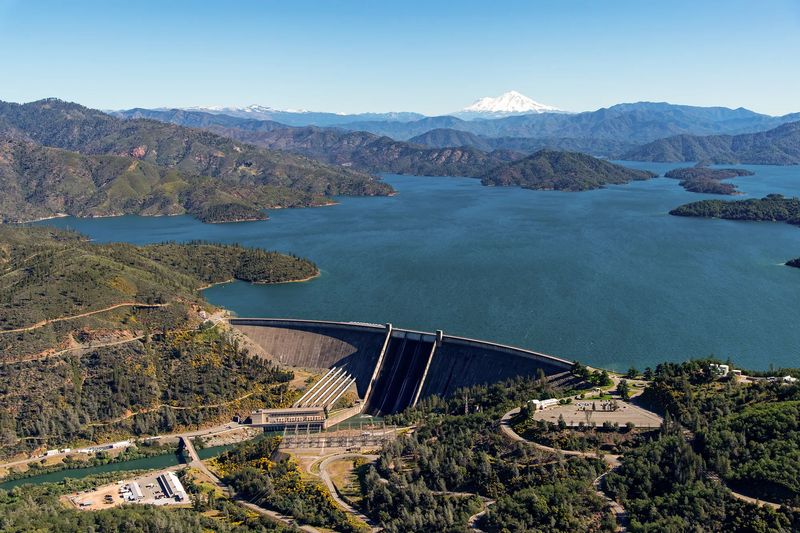
High in the Sierra Nevada, winter snow quietly builds into one of California’s largest water savings accounts. DWR measures it throughout the season, with a well-known snow survey near April 1, traditionally treated as the season’s peak.
Snowpack matters because it melts slowly through spring and summer. That meltwater feeds rivers and fills reservoirs right when farms and cities need it most.
DWR estimates that the snowpack supplies about 30 percent of the state’s water needs in a typical year.
Reservoirs form the other half of the picture. Major lakes such as Shasta and Oroville store water carried over from past years.
Strong storage can carry the state through a dry winter, while low storage makes even an average year feel tight.
The real water story depends on these two measures rather than on a sunny October. A fall with zero rain can still lead to a solid snowpack by spring.
A warm, rainy winter, on the other hand, might deliver less snow than hoped, since more precipitation falls as rain at higher elevations.
Curious gardeners can follow along. DWR posts snowpack and reservoir levels through the California Data Exchange Center, and the updates are easy to read.
Checking them in winter gives a far better sense of the season than watching the sky. Local water districts also share updates and any watering rules, often through email lists.
Knowing the bank balance helps with budgeting water in the backyard.
Water Plants As If Rain Is Not Guaranteed
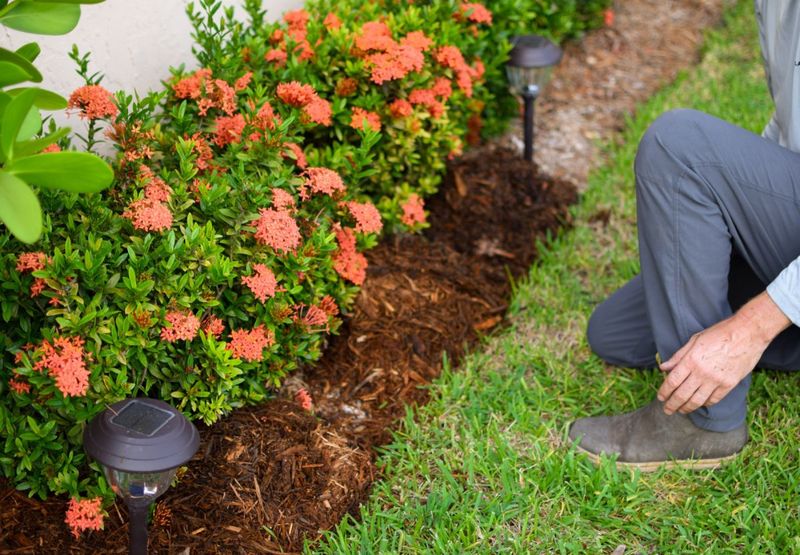
Soil moisture, more than the calendar, deserves the final say on watering this fall. A finger or trowel pushed a few inches down tells the story, and dry soil calls for a deep, slow soak that reaches the roots.
Deep, less frequent watering builds tougher plants than daily sprinkles, since roots follow moisture downward.
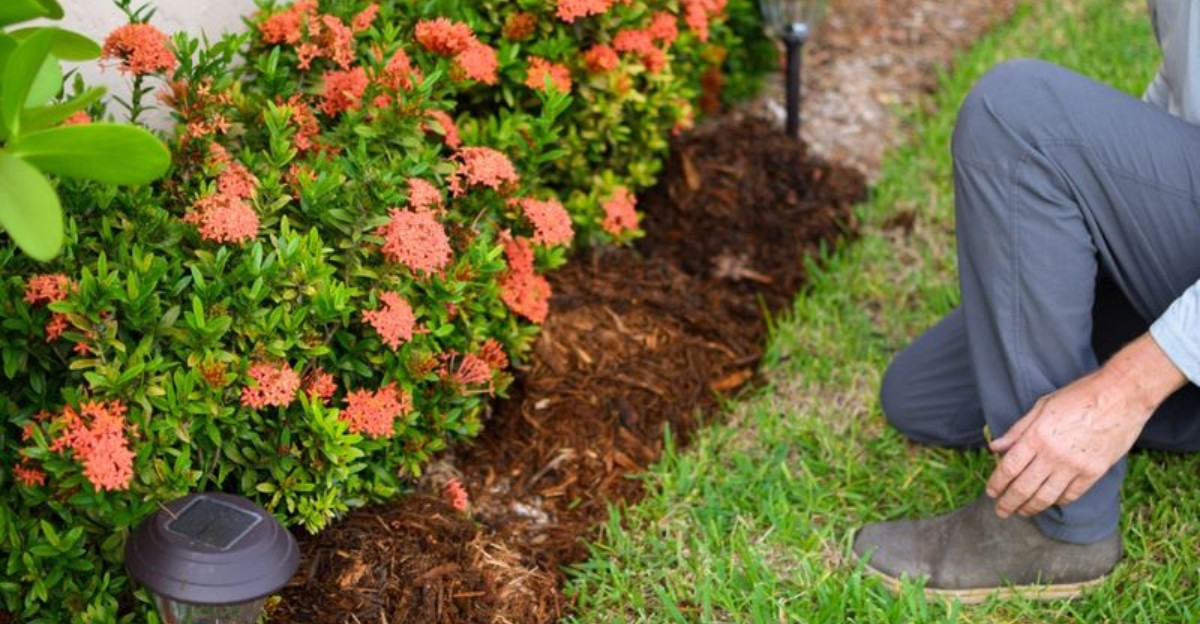
Mulch stretches every one of those waterings. A few inches of organic mulch keeps soil cooler, slows evaporation, and helps roots stay moist between sessions, and UC ANR recommends it for garden beds across the state.
Keeping it a few inches away from trunks and stems helps prevent rot. Zone 0 rules approved this year exclude bark mulch and wood chips within five feet of structures in designated fire hazard areas, so gravel or stone suits that strip.
Fall also makes a smart time to adjust irrigation timers. Shorter days and cooler nights mean most plants need less water than in summer.
Trimming the schedule makes sense, yet switching it off entirely just because the calendar reads October can leave plants short. Young trees, new plantings, and vegetables still need steady care until real rain arrives.
A few extra habits round things out. Fixing leaky drip lines, grouping plants with similar water needs, and pausing irrigation ahead of a good storm all save water.
Planning for dry while welcoming the wet keeps a garden steady, and the sky can take its time deciding.