Alabama’s Hurricane Season Planted Uninvited Guests In State Gardens
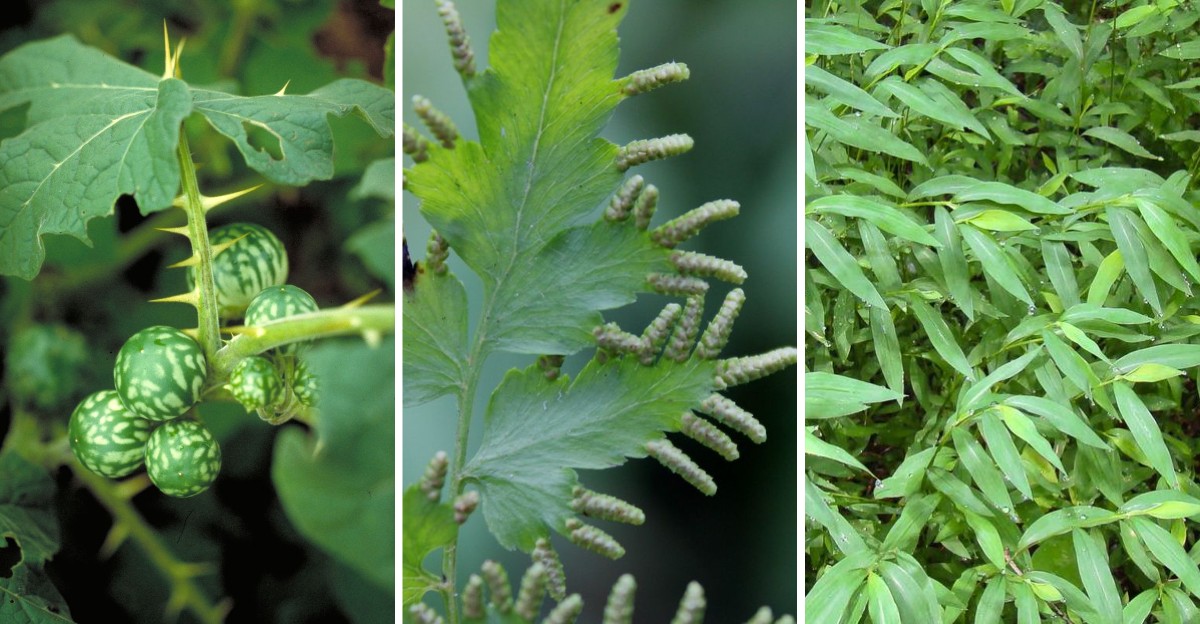
Seedlings may sprout in your garden right now. Alabama storms scatter seeds, root fragments, and fern spores across churned, open soil.
You will spot green shoots long before you notice the trouble they cause. Mud hides newcomers well, and fresh tilled beds give them room.
Lift a suspicious sprout today and check its roots for white, threadlike runners. Debris piles deserve your attention too.
Fallen branches carry vine fragments and root pieces that sprout quickly in damp ground. Bag that material before you spread mulch over open patches.
Wet pine straw hides new growth, so lift it and look underneath. Photograph each unfamiliar sprout and compare it against local extension guides.
Kudzu, tallow, and cogongrass gain ground quickly when you hesitate. Gardeners across Alabama face storm-churned beds, so you can act faster. Inspect your beds this weekend and restore them.
Cogongrass Rides In On Storm Debris
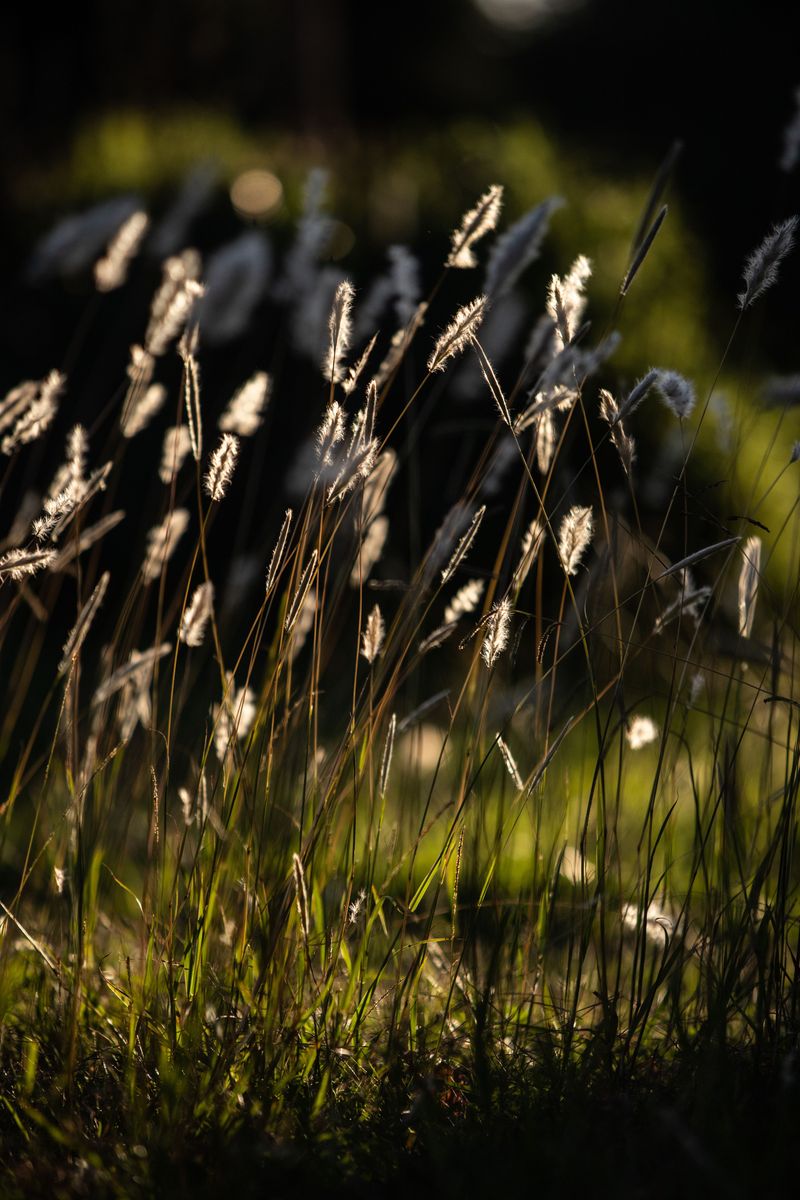
Picture a grass so sharp it can slice your fingers like a paper cut. Cogongrass fits that description, and Alabama has fought it for decades.
Winds and floodwater from storms like Isaias can carry its fluffy white seeds and broken root pieces into new places. Storm debris piles, hauled soil, and mowing equipment spread it even farther.
Its underground stems, called rhizomes, push through soil like tiny spears. They can even poke through the roots of nearby plants and squeeze them out of space.
Fall is a smart time to scout because cogongrass can turn rusty brown after frost or drought. Look for dense, light green patches with an off-center white stripe on each blade.
Please do not mow, till, or disk a patch you suspect is cogongrass. Chopping it up just spreads root fragments and gives you more trouble next spring.
Instead, mark the spot with a flag and call your county Extension office for help. Many Alabama programs offer advice on safe herbicide treatments for this grass.
Cogongrass burns hotter than native grasses, making it a serious fire hazard near homes. Keeping it out of your garden protects your plants and your family.
Clean your boots, shovels, and mower decks after working near any storm-damaged area. A thorough hose rinse helps stop root fragments and seeds from reaching new spots.
Be patient, too, because one treatment seldom solves the problem. Expect to recheck the same spot several times over two to three growing seasons.
Chinese Tallow Sprouts In Soggy Ground
Chinese tallow arrived in the 1700s and won fans for its pretty fall color. Today, that popularity troubles many coastal Alabama yards after big storms.
The tree, also called the popcorn tree, makes white seeds that birds love to eat. Birds drop those seeds everywhere, and floodwater floats them into soggy low spots.
Freshly flooded soil is like a welcome mat for tallow seedlings. They grow fast, sometimes adding several feet in a single warm year.
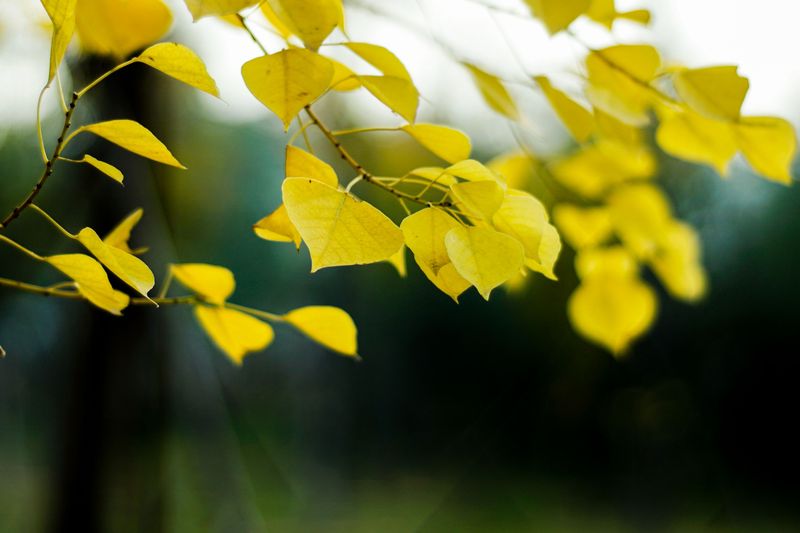
You can recognize the leaves by their heart or diamond shape with a pointed tip. By November, they turn bright red, orange, and yellow, which makes them easy to spot.
Your Alabama Garden Changes Every Week. Your Plan Should Too.
Gardening in Alabama changes quickly throughout the season. Every Friday you’ll receive a simple weekly plan showing exactly what to plant, prune, fertilize, harvest, and protect so you never miss the right timing.
That fall color is your clue to start hunting around ditches, fence lines, and wet garden corners. Small seedlings pull out easily when the ground is still damp from rain.
Grab them low and tug slowly so the root comes up in one piece. Wear gloves, because the milky white sap can bother sensitive skin and eyes.
Bigger trees need more muscle, and cutting alone often makes them resprout with vigor. Ask a local Extension agent about safe stump treatments for larger trunks.
Tallow leaf litter can alter soil conditions in wetlands, which can crowd out native plants and local wildlife. Pulling a few seedlings now protects much more than your backyard.
Swap any you remove with native trees like red maple or black gum for similar fall color. Your yard keeps its autumn glow without the uninvited guest.
Kudzu Climbs Over Broken Fences
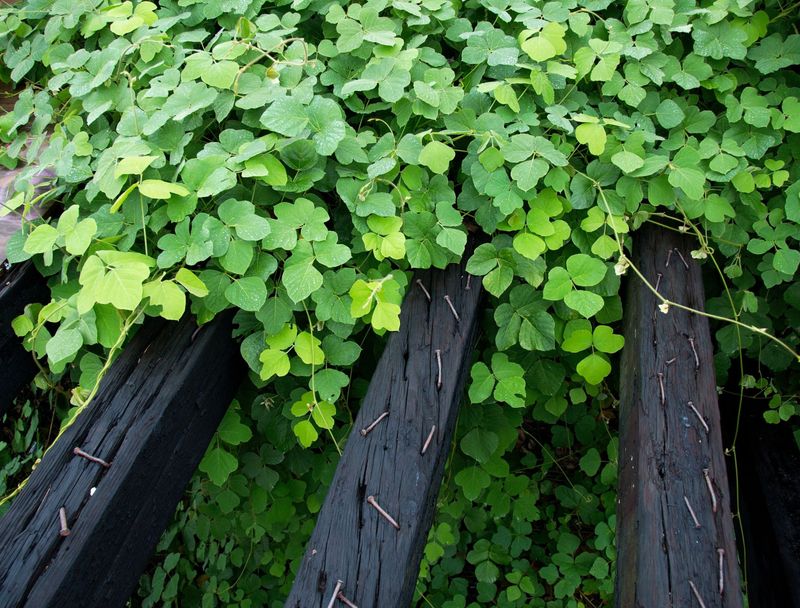
Southerners joke that you should close your windows at night so kudzu cannot sneak inside. The joke exaggerates, but kudzu does grow fast.
Kudzu can grow up to a foot a day during warm summer weather. After a hurricane, broken trees and toppled fences give the vine fresh ladders to climb.
Storms also scrape soil bare, and bare soil invites runners from nearby patches. A single vine can root wherever it touches the ground.
Look for large leaves split into three parts, often with fuzzy stems. In late summer, it sports purple flowers that smell a lot like grape soda.
October slows kudzu down, which gives you a perfect chance to catch up. Trace each vine back to its root crown, the knobby spot where stems meet the ground.
Cutting crowns below soil stops small plants; older patches need repeated cutting or herbicide. Snipping leaves alone does little to weaken the plant.
Goats are famous kudzu fans, and some Alabama landowners rent them for cleanup. If you lack a goat, regular mowing over several years gradually weakens the roots.
Keep checking fences, shed walls, and storm-damaged trees through the rest of fall. New sprouts are much easier to handle than a full green blanket.
Kudzu came to America as a garden plant at the 1876 Centennial Exposition in Philadelphia. That decorative idea became a widespread invasive plant across the South.
Bag any cut vines instead of leaving them on wet soil. Fresh pieces can take root again if you give them half a chance.
Japanese Climbing Fern Spreads Through Wind-Blown Spores
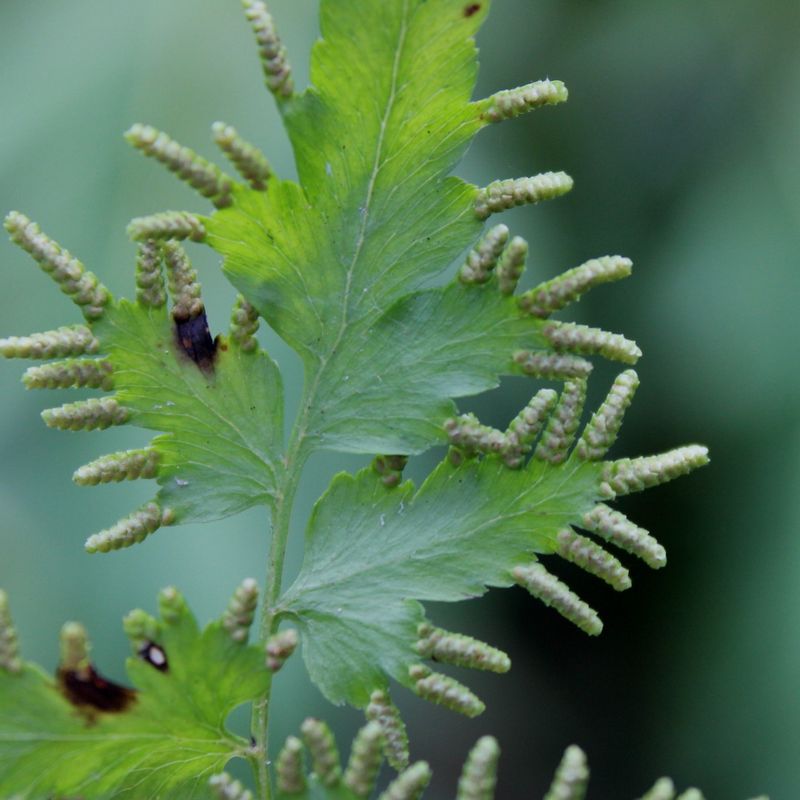
Many invasive plants arrive as seeds, but this one rides the wind as dust-sized spores. Japanese climbing fern is well established in south Alabama.
Strong winds can carry those spores long distances before dropping them on damp soil. Mud on boots, tires, and pine straw bales can move them too.
Unlike most ferns, this plant climbs like a vine, wrapping thin wiry stems around shrubs. It can overgrow azaleas, young trees, and fences under a lacy green curtain.
Look for delicate, finely cut leaves that look almost like carrot tops. With cold weather, many plants turn coppery brown but stay standing.
That brown, crispy mat is a warning sign, not proof the plant is gone. The roots underneath stay alive and ready to return in spring.
Pull small plants by hand, and try to get the wiry underground stems too. Bag everything right away so spores do not drift around your yard.
Be careful when buying pine straw, a common source of fern spores in the South. Inspect bales before spreading them, and avoid straw from heavily infested forests.
Dried fern also catches fire easily and can carry flames up into tree branches. Clearing it near your home adds a small layer of safety.
For bigger infestations, ask your county Extension office about timing treatments. Ask which season works best for the treatment option they recommend.
Keep a phone photo of the leaves handy when you scout. Comparing plants side by side helps you avoid pulling harmless native ferns by mistake.
Chinese Privet Fills In Fallen Tree Gaps
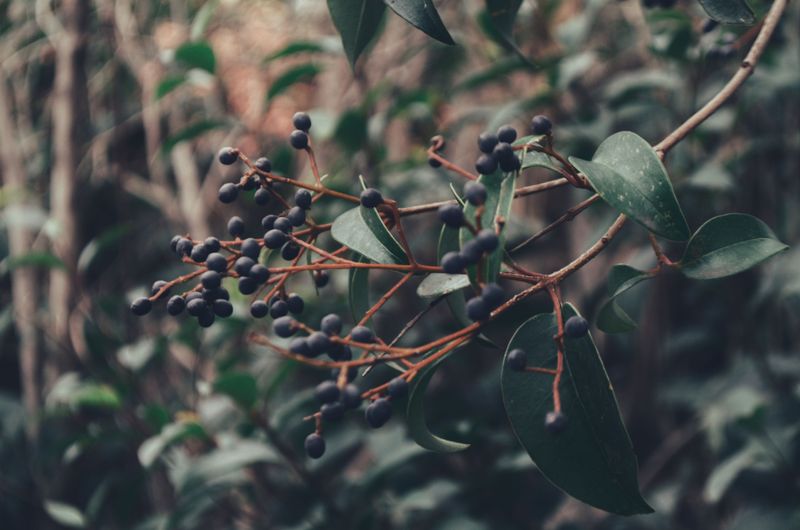
Walk any Alabama creek bank, and you will likely see a thick hedge that nobody planted on purpose. Chinese privet is the culprit, and storms help it spread.
When hurricanes knock down big trees, sunlight suddenly floods the forest floor. Privet seedlings love that extra light and race to fill the gap.
Birds eat the dark blue berries in fall and winter, then drop seeds wherever they perch. Floodwater can also carry berries and broken stems into new garden beds.
The shrub has small, oval leaves arranged in pairs along the stem. Its leaves stay green much of the year, which helps you spot it now.
October is a great month to search because many native shrubs start losing their leaves. Privet keeps its color, so it stands out like a kid in a costume at school.
Young plants slip out of moist soil with a firm, steady pull. A weed wrench tool helps with stubborn stems up to about an inch thick.
Larger shrubs often need cutting plus a stump treatment to stop regrowth. Your local Extension office can share safe, approved methods for home gardeners.
Removing privet makes space for native plants like American beautyberry and wax myrtle. Those natives feed songbirds without crowding out everything else.
Try to pull privet before it flowers next spring and sets more berries. Each shrub you remove now means far fewer seedlings to chase later.
Check under bird feeders, fence posts, and power lines too. Birds love those perches, and privet seedlings often pop up right beneath them.
Mimosa Pops Up Along Washed Out Edges
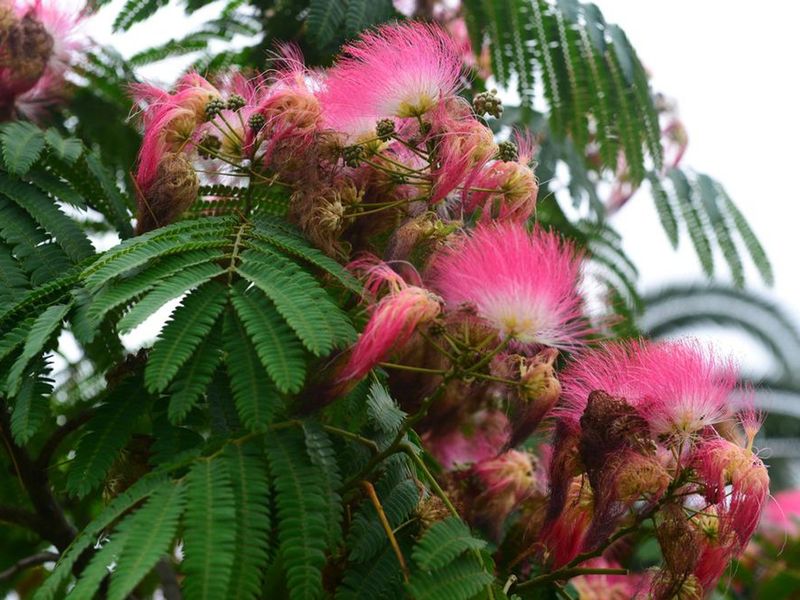
Many of us remember climbing a mimosa tree as kids and sniffing its pink, puffy blooms. Those sweet memories hide a plant that spreads quickly and widely.
Mimosa produces flat brown seed pods packed with hard seeds that can survive for years in soil. Storms and floods wash those seeds along ditches, creeks, and garden edges.
Erosion from heavy rain exposes buried seeds and gives them the sunlight they crave. Before long, feathery seedlings appear in places you just raked clean.
Leaves look like fern fronds, split into many tiny leaflets. In October, you might still see dangling seed pods that rattle in the breeze.
Pick those pods before they split open and drop more seeds. Toss them in the trash rather than the compost pile, where seeds can linger.
Seedlings pull out easily while they are small and the soil is moist. Bigger trees resprout from roots after cutting, so plan on follow-up visits.
Hummingbirds and bees do visit mimosa flowers, which makes removal feel a little sad. Redbud and silverbell feed spring pollinators, while buttonbush covers summer.
Mimosa arrived in America in the 1700s as a fancy ornamental tree. Now it lines roadsides across Alabama, crowding out native shrubs and wildflowers.
Walk your property edges after each big rain this fall, looking for new feathery sprouts. Catching them early saves your back and your weekend plans.
Snap a few photos of what you remove to track your progress. Next October, you can compare photos and see how much your beds improved.
Tropical Soda Apple May Arrive In Fill Dirt
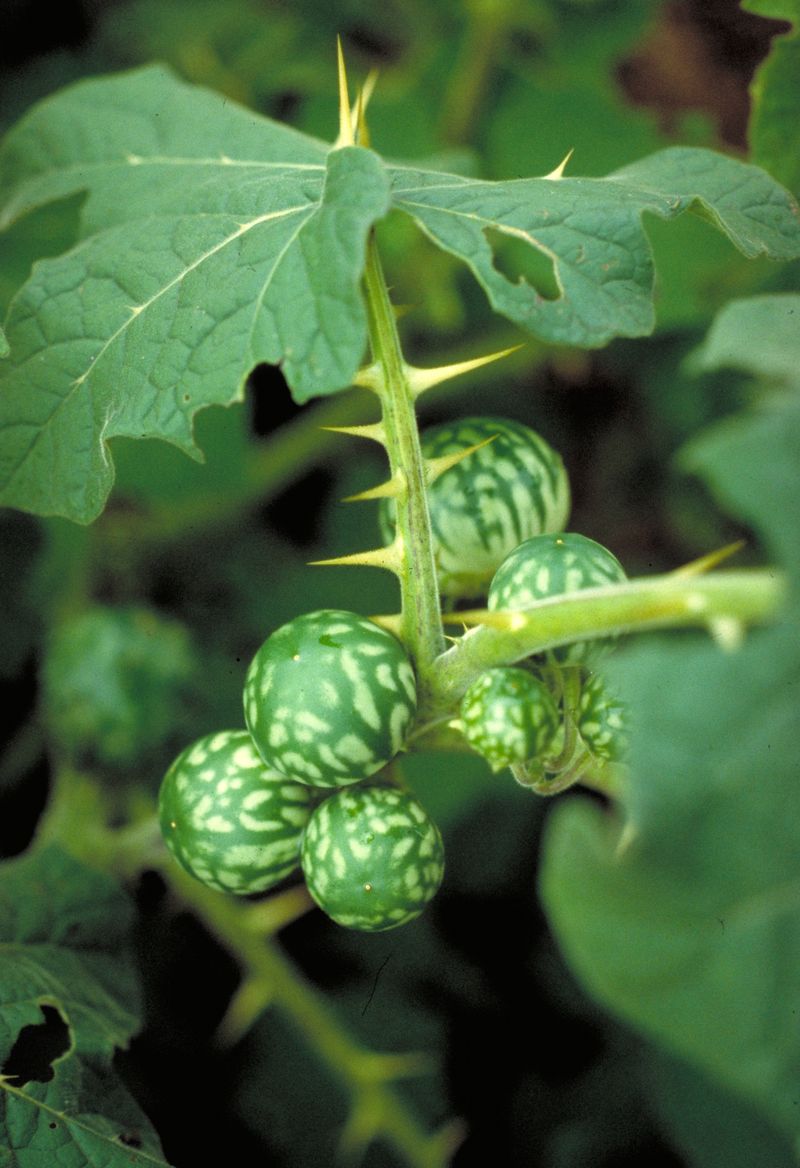
Free fill dirt sounds like a great deal after a storm washes away your garden. Sometimes it arrives with a prickly passenger called tropical soda apple.
Cleanup crews and landscapers move tons of soil, mulch, and hay after hurricanes. Seeds of this thorny weed can hitch a ride in some loads.
Tropical soda apple forms a bushy plant three to six feet tall. Sharp yellowish thorns cover its stems and even its leaves.
Its fruit looks like tiny striped watermelons that ripen to bright yellow. Each fruit can hold hundreds of seeds, and cattle and wildlife spread them in droppings.
Ask where fill dirt, compost, or hay came from before accepting it. Trusted suppliers who check for weeds are worth an extra few dollars.
Watch new soil closely for the next several weeks and into spring. Seedlings may sprout while the weather stays warm this October.
Wear thick gloves and long sleeves if you find one, because thorns are sharp. Dig out the whole plant, including the root, before fruit forms.
Bag any fruit separately and send it out with the trash instead of composting it. Seeds can survive compost piles and return the next season.
This plant is a federally listed noxious weed, so reporting it helps everyone. Call your county Extension office if you spot a large patch.
The weed is a cousin of tomatoes and eggplants, but you should not eat it. Its fruit is unsafe to eat, so keep kids and pets away.
Japanese Stiltgrass Hides In Shady Flood Zones
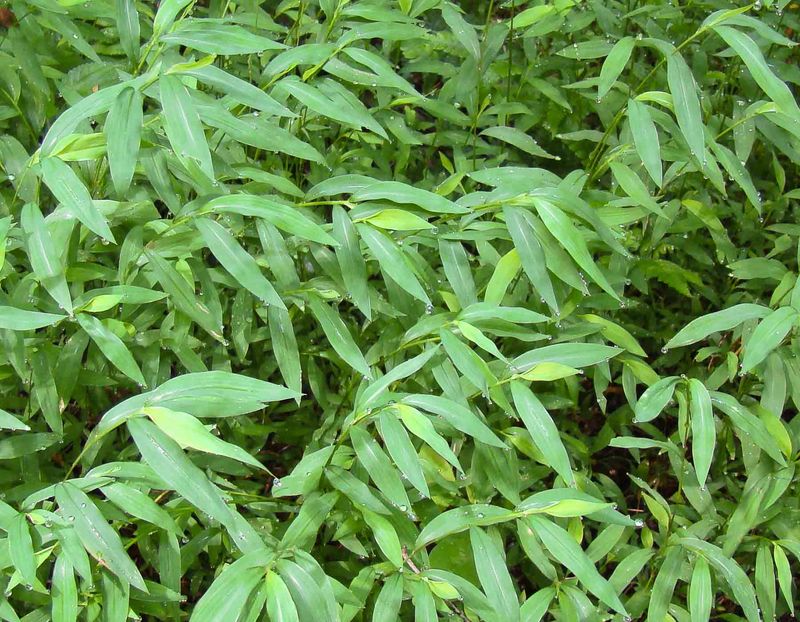
Some invasives shout, but Japanese stiltgrass whispers. It looks so soft and harmless that many gardeners mistake it for a lawn grass.
Floodwater spreads its tiny seeds along streams, shady trails, and low garden corners. Hurricane debris and muddy shoes give the seeds even more rides.
Stiltgrass loves shade, which helps it take over spots where other weeds struggle. It forms thick mats that crowd out wildflowers and young shrubs.
Look for pale green leaves about three inches long with a silvery stripe off-center. Stems sprawl, and stilt-like roots at the joints give the plant its name.
October is a key month because stiltgrass sets seed right about now. Pull plants soon, and bag them gently so ripe seed does not scatter.
Roots are shallow, so hand pulling works well on small patches. Soft, damp soil after a rain makes the job even easier.
Stiltgrass is an annual, which means each plant lives for just one season. Stopping seeds for a few years in a row can clear it out.
Seeds can stay viable in soil for several years, though, so patience matters. Expect fresh sprouts next spring and pull them before they spread.
Laying mulch or planting dense native ground covers helps block new seedlings. Plants like wild ginger and Christmas fern fill shady spots nicely.
Make a simple habit of walking shady corners each week this fall. A quiet bucket stroll can head off a full summer of weeding.