The Texas Fall Vegetables That Love A Wet El Niño Winter (And The Ones That Don’t)
Most Texas gardeners spend the year worrying about one thing: not enough rain. An El Niño winter can flip that worry upside down.
When El Niño takes hold, much of the state tends to see a cooler, wetter winter than usual. More gray days. More rain. Soil that stays damp for weeks.
For fall vegetable gardens, that’s a mixed bag. Some crops soak it up and thrive, growing lush, sweet, and tender with every rainy spell.
Others don’t handle soggy conditions nearly as well. Roots can rot, diseases spread faster, and harvests come up short.
Knowing which vegetables welcome the rain and which ones need a little extra protection can help you plan a garden that makes the most of an El Niño winter.
1. Spinach Soaks Up Every Drop
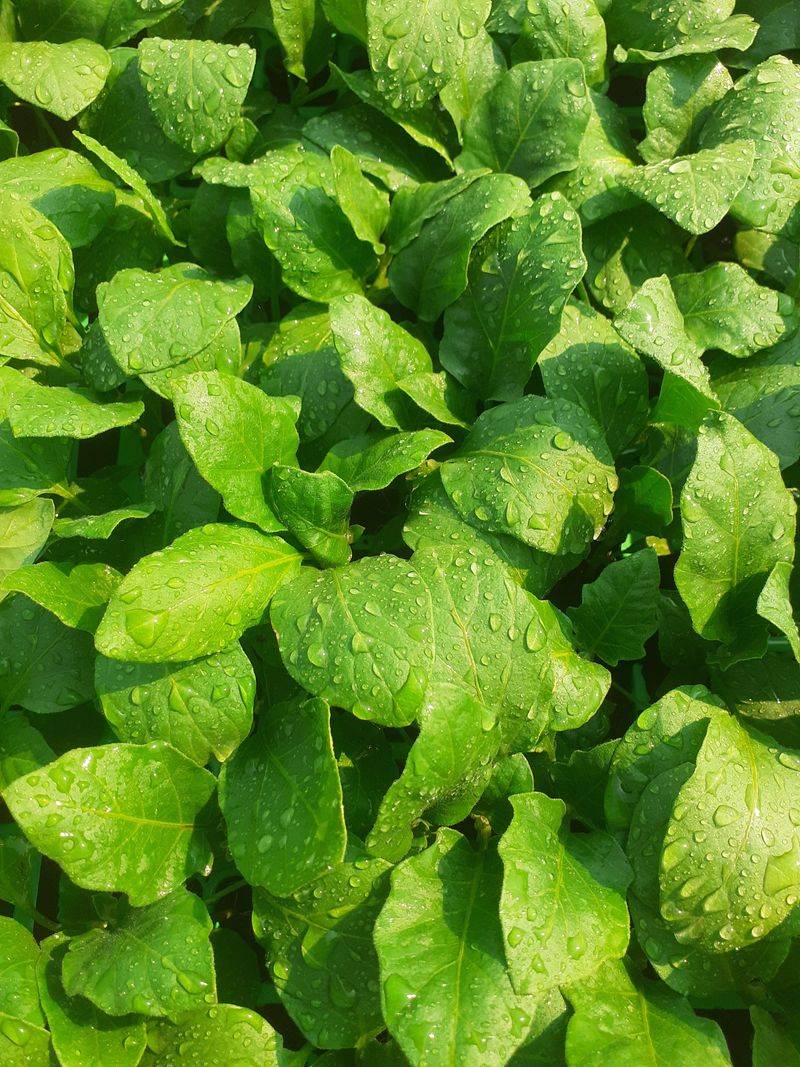
Spinach is the kind of plant that smiles when the sky turns gray. It loves cool air and damp soil more than almost any other vegetable. A rainy El Niño winter in Texas can feel like a spa day for it.
The secret lies in its roots. Spinach has shallow roots that sit close to the top of the soil. When the ground dries out, those roots feel it first, and the plant can turn bitter or bolt, which means it rushes to make flowers and seeds.
Steady winter rain keeps that top layer of soil moist. As a result, the leaves stay soft, sweet, and tender. You also get to skip a lot of watering, which is a nice bonus on chilly mornings.
Still, a few smart moves help it shine. Plant seeds in fall, about half an inch deep, once nights cool down. Space plants a few inches apart so air can move between the leaves and keep mold away.
Spreading a thin layer of straw or shredded leaves around the plants is also helpful. Mulch stops mud from splashing onto the leaves during heavy rain. That means cleaner greens and fewer leaf spots.
Harvest often by picking the outer leaves first. The center will keep pushing out new growth for weeks. Many Texas gardeners enjoy fresh salads from December all the way into March.
Fun fact: Popeye made spinach famous in the 1930s, and American spinach sales reportedly jumped because of him.
Crystal City, Texas, even calls itself the Spinach Capital of the World and has a Popeye statue downtown. So if forecasters predict a wet winter, give spinach a front-row seat in your garden.
2. Cabbage Builds Big, Firm Heads
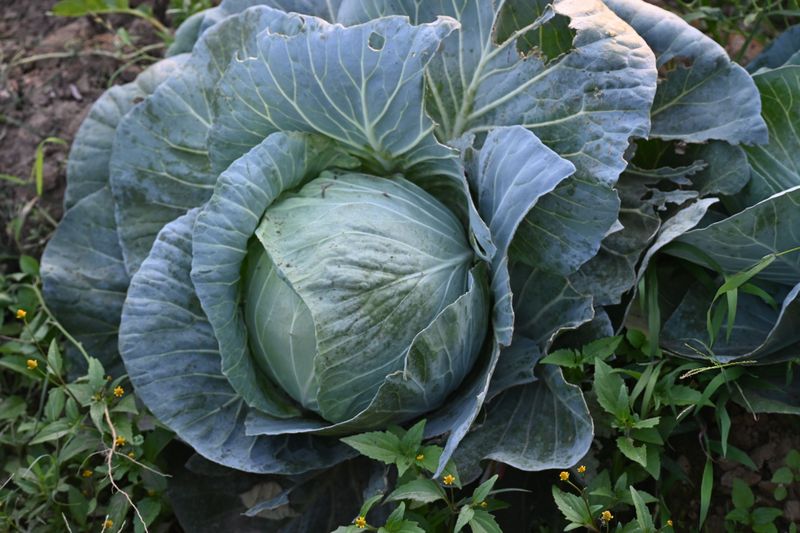
Grandma always said a good cabbage should feel like a bowling ball in your hands. That kind of solid, heavy head takes one thing above all else, and that is steady water. A wet El Niño winter delivers it without you lifting a hose.
Cabbage grows by stacking leaf upon leaf in a tight ball. When moisture comes and goes, growth starts and stops. Uneven watering often leads to small, loose, or tough heads.
Your Texas Garden Changes Every Week. Your Plan Should Too.
Gardening in Texas changes quickly throughout the season. Every Friday you’ll receive a simple weekly plan showing exactly what to plant, prune, fertilize, harvest, and protect so you never miss the right timing.
Regular rain smooths out that problem. The plant drinks evenly, so the head fills out at a nice, steady pace. Cool temperatures also keep the leaves crisp and mild in flavor.
There is one catch to watch for. Once a head feels firm, a sudden heavy rain can make it swell too fast. The inside grows quicker than the outer leaves can stretch, and the head cracks open.
The fix is simple. Check your cabbages every few days as they near full size. Squeeze gently, and if the head feels hard, cut it right away.
Another old-timer trick works well, too. If a storm is coming and you are not ready to harvest, grab the head and twist it a quarter turn. Breaking a few roots slows down water uptake and helps prevent splitting.
For Texas gardens, set out transplants in September or October. Choose quick varieties like Early Jersey Wakefield or Golden Acre if you want heads before the coldest weeks.
Feed plants with a little nitrogen fertilizer about a month after planting. Rain can wash nutrients away, so a small boost keeps leaves deep green. Soon you will have plenty of cabbage for coleslaw, soups, and homemade sauerkraut.
3. Broccoli Rewards You Twice
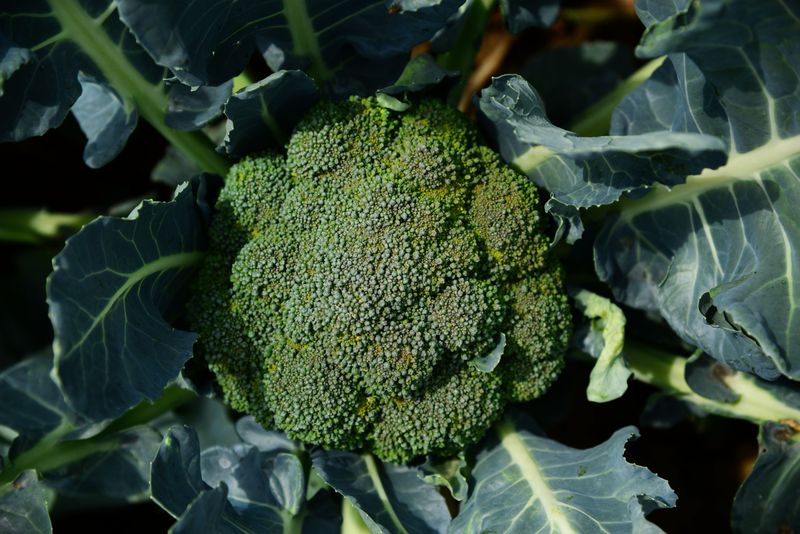
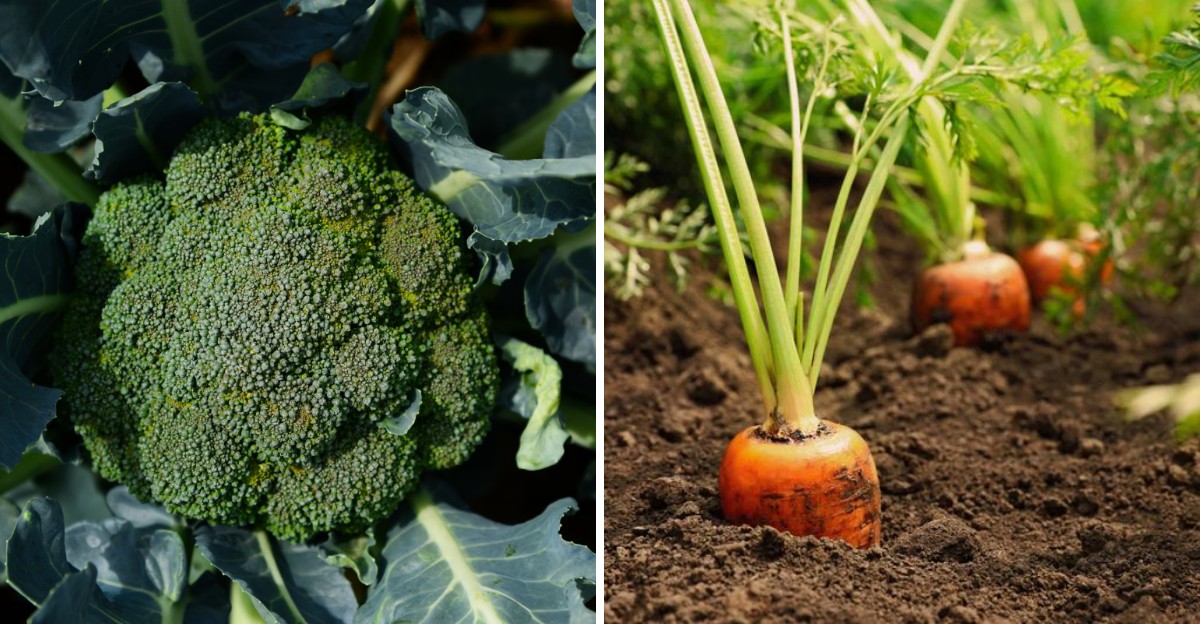
Here is a happy truth about broccoli. It gives you a big harvest, then keeps on giving. With cool weather and steady moisture, which El Niño winters often bring to Texas, the plant can stay productive for months.
Broccoli does not like stress. Hot days or dry soil push it to make small, loose heads that flower too soon. Cool, damp conditions keep it calm and growing at a nice, even pace.
Steady water helps the main crown grow larger and tighter. Those little green buds stay closed longer. That gives you more time to harvest at the perfect moment.
Timing matters in Texas. Set out transplants from late August to early October, depending on where you live. North Texas gardeners plant earlier, while folks near the coast can wait a bit.
Watch the main head closely as it grows. Cut it when the buds are tight and dark green, before any yellow petals peek out. Use a sharp knife and slice at an angle so rain runs off the stem.
That angled cut is a clever trick. Water that sits on a flat stem can cause rot. Sloping it helps the plant heal and stay healthy in wet weather.
After the big harvest, do not pull the plant. Small side shoots will pop up along the stem. Many gardeners pick these mini heads every few days for weeks.
Did you know broccoli comes from Italy? Its name comes from an Italian word meaning small arm or branch. Thomas Jefferson grew it at Monticello back in the 1700s.
Give it rich soil, a bit of compost, and let the winter rain do the rest.
4. Collard Greens Shrug Off The Storms
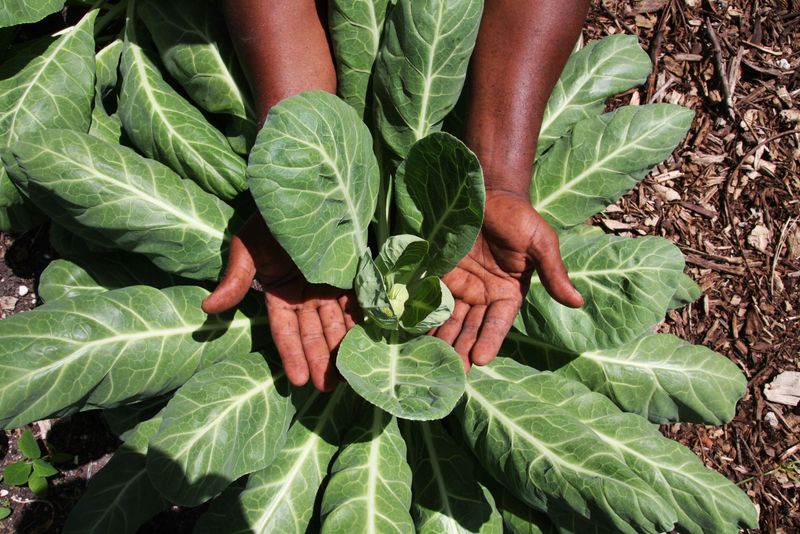
Some vegetables complain about bad weather. Collards just roll up their sleeves and keep working. Rain, wind, and cold snaps barely slow them down, which makes them a top pick for a soggy Texas winter.
Their tough, waxy leaves shed water easily. That coating helps protect them from many leaf diseases that bother softer greens. They also handle temperatures down into the low 20s with little trouble.
Here is the tasty part. When cold weather hits, collards turn some of their starch into sugar. That natural antifreeze makes the leaves taste sweeter after a frost.
Southern cooks have known this for generations. Many families wait for the first cold night before picking collards for a big pot with ham hocks. In Texas kitchens, a New Year’s Day plate of greens is said to bring money in the coming year.
Growing them is easy. Plant transplants in September or October, about 18 inches apart. They grow big, so give them room to spread.
Harvest from the bottom up. Snap off the lower leaves when they are about the size of your hand, and leave the top growing. The plant will keep pushing up new leaves like a little tree.
With this method, one planting can feed you from late fall until spring. Some Texas collard plants grow three or four feet tall by March!
Rain can wash away nutrients, so side-dress with compost or a little fertilizer every month or so.
Also check under leaves for cabbage worms on warmer days. If you want a low-stress crop that laughs at gloomy forecasts, collards are your best friend.
5. Garlic Hates Wet Feet
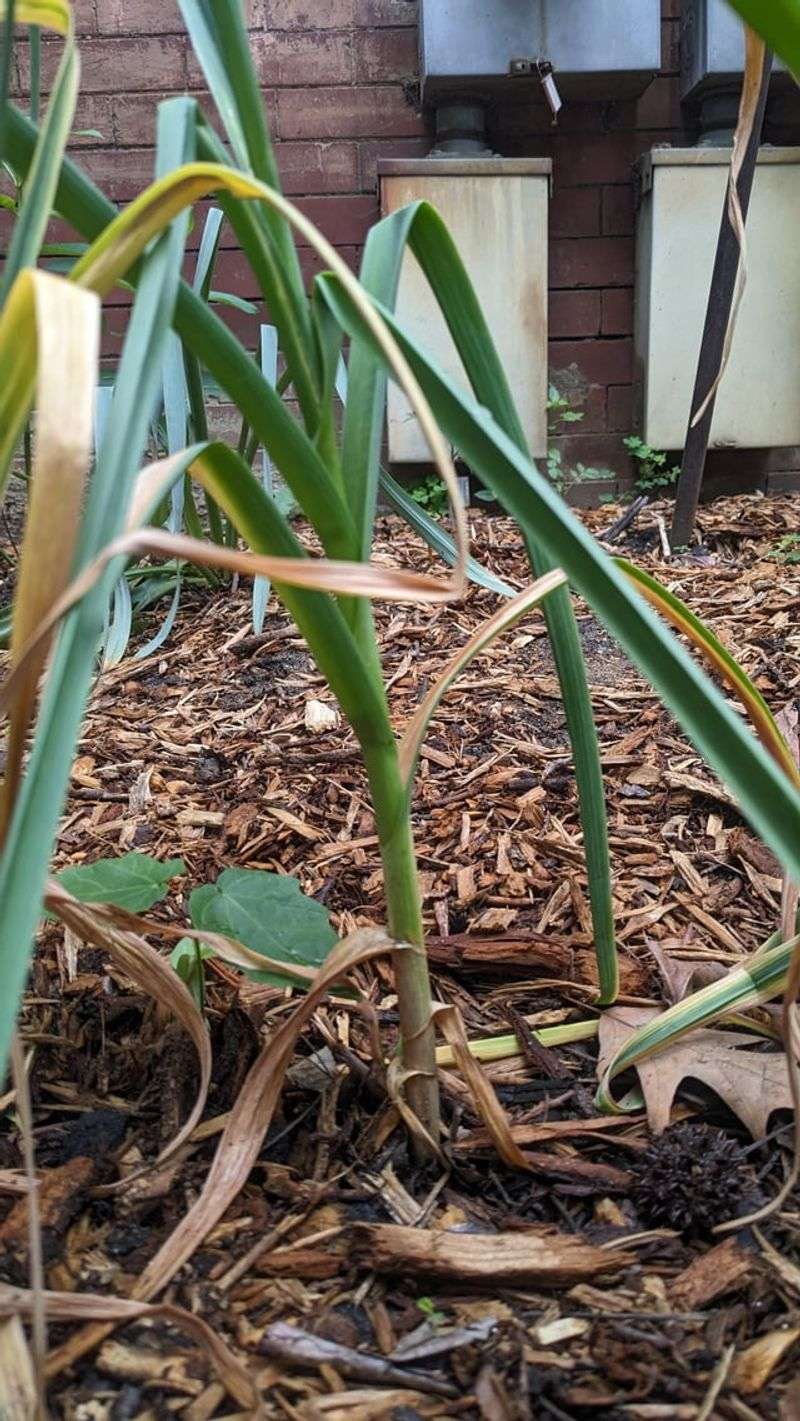
Now we switch sides. Garlic is a patient crop that spends the whole winter underground, and that long stay makes it nervous about rain. If the soil stays soggy for weeks, the cloves can rot before they ever form bulbs.
Texas gardeners usually plant garlic in October or November. It then sits in the ground until late spring. That is a long time to deal with puddles and mud.
The biggest danger is poor drainage. Heavy clay, common across much of the state, holds water like a sponge. Cloves sitting in cold, wet clay can turn mushy and grow mold.
The good news? You can outsmart the weather. Raised beds are the easiest solution because water drains away from the roots much faster.
No raised beds? Try mounded rows instead. Pile soil into ridges about six to eight inches high and plant the cloves on top. Rain will run down into the paths instead of pooling around your garlic.
Mixing in compost also helps a lot. It loosens heavy soil and lets air reach the roots. Some gardeners add a little coarse sand, too.
Choose the right type for your region. Softneck and Creole varieties often do better in warmer parts of Texas. Elephant garlic is another tough choice for the South.
Plant each clove pointy side up, about two inches deep. Cover with a light straw mulch, but keep it thin so the soil does not stay too wet.
Fun fact: Ancient Egyptian workers building the pyramids reportedly ate garlic for strength. With good drainage, your crop can be just as mighty.
6. Onions Need A Dry Place To Sit
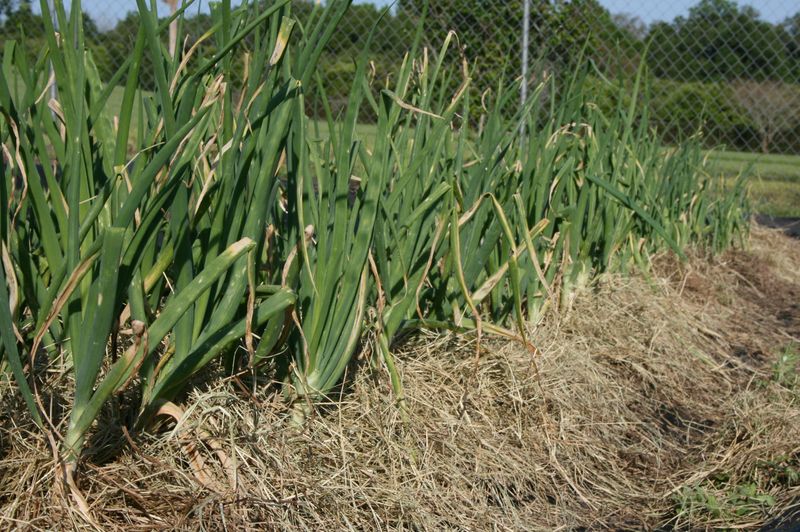
Texas has a proud onion story. The famous sweet 1015 onion was developed at Texas A&M and named for its October 15 planting date. Yet even this hometown hero struggles when winter rains will not quit.
Onions grow their bulbs right at the soil surface. Their roots are short and sit in the top few inches of dirt. When that layer stays wet, trouble starts fast.
Soggy soil invites fungal diseases like downy mildew and purple blotch. Bulbs can also develop soft rot, which turns them slimy and smelly. Nobody wants that in the kitchen.
So drainage becomes your top job. Raised beds are a smart choice when forecasts call for a wet El Niño season. Even a bed just eight inches tall can make a big difference.
Spacing matters, too. Set plants about four inches apart in rows with room between them. Good airflow helps leaves dry quickly after a storm.
Go easy on mulch during very rainy stretches. A thick blanket can trap moisture against the bulbs. A thin layer is plenty.
Watch the leaves closely. Yellow or purple spots can be an early warning sign of disease. Remove damaged leaves and avoid working in the bed while plants are wet.
In Texas, onions are usually planted as transplants or sets from late November through January. Short-day varieties like 1015Y, Texas Grano, and Red Creole work best in most of the state.
Feed them with nitrogen every few weeks, since rain washes it away. With dry roots and good care, you can still pull big, sweet onions next spring.
7. Carrots Crave Loose, Fast-Draining Soil
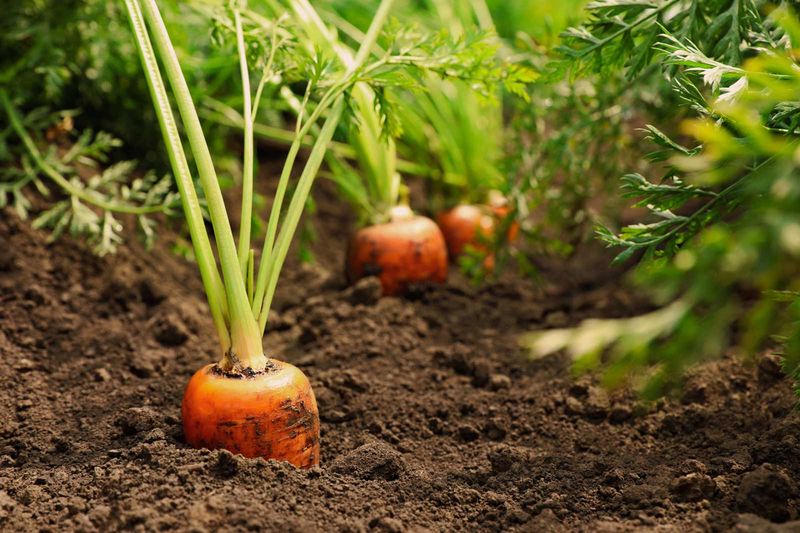
Ever pulled up a carrot that looked forked, cracked, or stubby? Heavy, wet soil is often to blame. In many parts of Texas, thick clay plus a rainy winter spells trouble for this crunchy favorite.
Carrots grow straight down into the ground. They need soft, loose soil to push through. Clay that stays soggy turns hard and sticky, so roots twist, split, or stop growing.
Too much water causes other issues, too. Roots can crack when they swell after a big storm. Long stretches of wet dirt may also lead to rot and fuzzy mold.
Luckily, you have options. Raised beds filled with a mix of garden soil, compost, and a little sand work wonders. Water drains away quickly, and roots slide down with ease.
Deep containers are another great idea. Pick pots at least 12 inches deep with plenty of drainage holes. Half whiskey barrels, grow bags, and big storage bins all work well.
Variety choice can help as well. Shorter types like Danvers, Chantenay, or round Paris Market handle tougher conditions better than long, skinny carrots.
Sow seeds from September through November, about a quarter inch deep. They are tiny and slow to sprout, so keep the surface damp but not flooded. Thin seedlings to two inches apart once they come up.
Here is a fun bit of history. Early carrots were purple and yellow. Orange carrots became popular in the Netherlands during the 1600s.
Harvest in about 70 to 80 days. A cold snap actually makes them sweeter, so with good drainage, your patience will pay off in crisp, tasty roots.