Something Strange Is Growing In New Jersey Yards After Every Big Storm
Orange jelly glistens beside your fence, and you did not plant it. Welcome to the fungal surge that October downpours trigger across New Jersey.
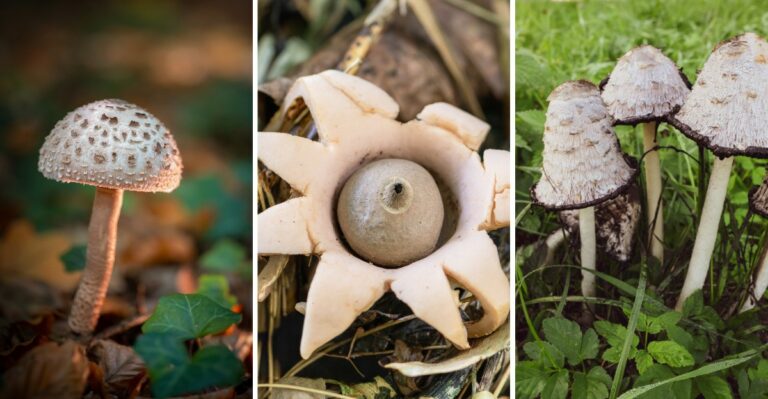
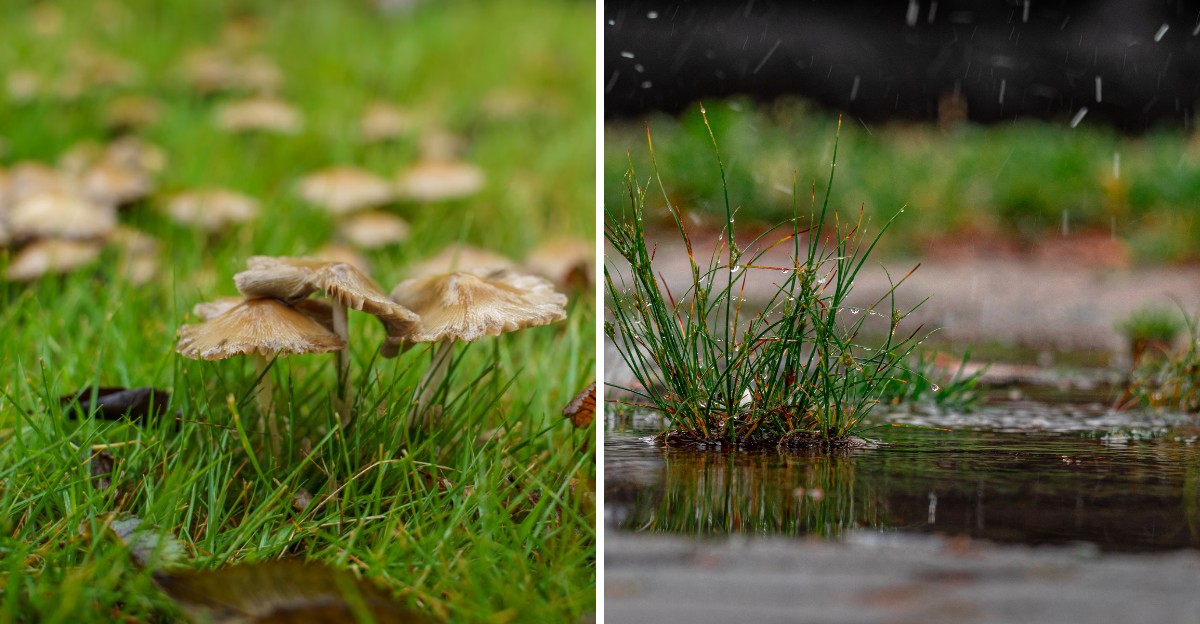
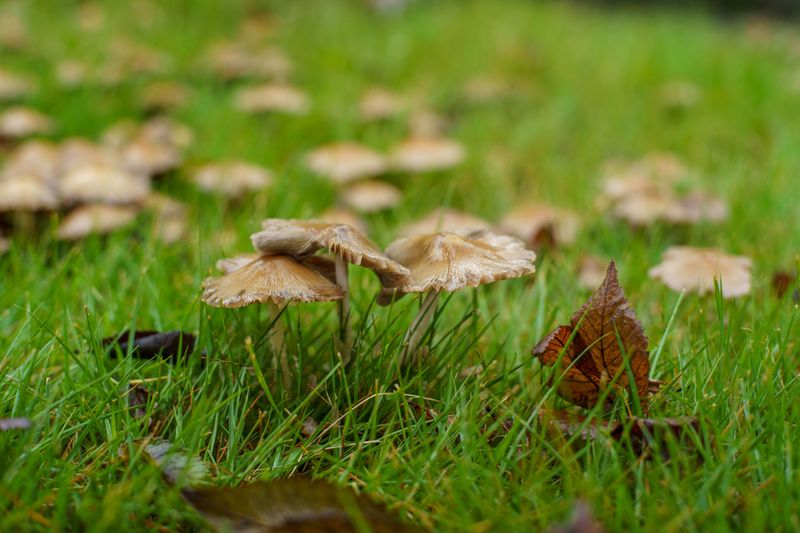
Pudding-like blobs may be slime molds, which creep toward bacteria, or jelly fungi. Tiny umbrellas often belong to ink caps, which then melt into black liquid within hours.
You might also spot witch’s butter, a yellow jelly fungus that swells after soaking. Your dog may sniff them, but some species sicken pets, so call a vet.
Wear gloves when you move a specimen, and keep pets away. Fungi thrive in New Jersey because humid soil keeps underground threads alive until rain returns.
Photograph the cap, gills, and stem from different angles before touching anything. Then compare your images with a local mycology club’s identification guides. Kids can name the blobs, but your cat gets final veto.
Mushrooms And Slime Molds Rising From Saturated Soil
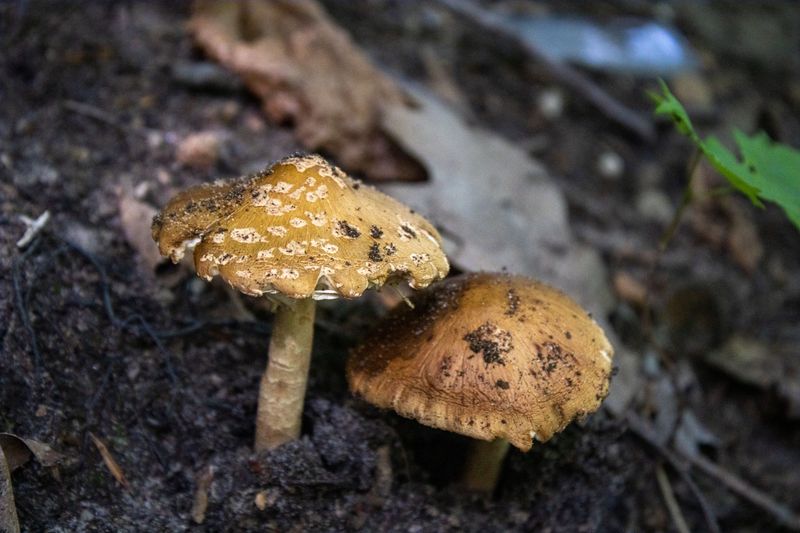
Picture a hidden city under your lawn, quietly waiting for a flood of water to wake it up. That city is a web of fungal threads, and storms send its mushrooms popping above ground.
Those threads are called mycelium, and they spread through soil like tiny roots. Mushrooms are only the fruit, much like apples on a tree you cannot see.
Slime molds are another storm guest, though they are not true fungi at all. They often look like scrambled eggs, bright yellow foam, or gray blobs on mulch.
New Jersey yards can suit these organisms because many sit on former forest ground. Buried wood, tree roots, and fallen leaves give them plenty of food to munch on.
Most of these growths are harmless to your grass and even help it in the long run. They break down old plant material and return nutrients to the soil.
Common storm visitors include ink caps, puffballs, and fairy ring mushrooms that form wide circles. Dog vomit slime mold, despite its unappealing name, is generally harmless to people, though it can shade small grass patches.
Some backyard mushrooms are poisonous, and a few can cause severe illness if eaten, so watch kids and pets closely. If someone eats one, call Poison Help right away, or a vet for a pet. Treat every wild mushroom as off-limits for snacking unless an expert confirms it.
Snapping a photo and using a mushroom identification app can be a fun family project, but apps misidentify species, so never rely on one to judge edibility. You might be surprised how many different species live right outside your door.
How October Rain And Cool Nights Fuel Fungal Growth
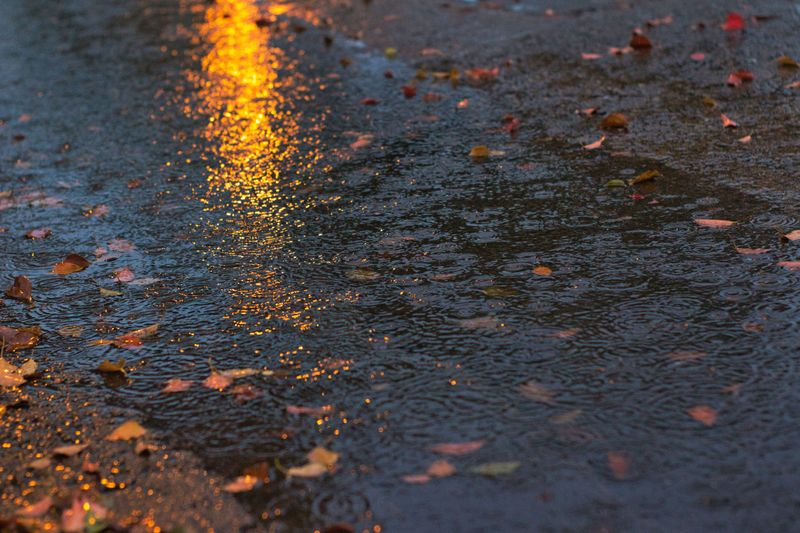
Timing plays a major role. October gives fungi a favorable mix of rain, mild days, and chilly nights that hold moisture in the ground.
Summer heat dries soil fast, so mushrooms often shrivel between rains. Once temperatures drop into the fifties and sixties, damp ground lingers for days after a storm.
Fall storms and leftover tropical systems often drench the Garden State this time of year. One heavy downpour can trigger fresh mushrooms within twenty-four to forty-eight hours.
Your New Jersey Garden Changes Every Week. Your Plan Should Too.
Gardening in New Jersey changes quickly throughout the season. Every Friday you’ll receive a simple weekly plan showing exactly what to plant, prune, fertilize, harvest, and protect so you never miss the right timing.
Shorter days also mean less sunlight hitting the lawn. Shaded corners under oaks and maples stay wet the longest, so growth often clusters there first.
Leaf drop adds another ingredient to the mix. Freshly fallen leaves trap water against the soil and feed decay fungi with a steady supply of food.
Morning fog along the coast and river valleys keeps surfaces slick well past breakfast. You can use this timing to your advantage when planning yard chores. Raking leaves soon after a storm helps air reach the soil and lets the surface dry faster.
Watching the forecast turns into a kind of mushroom calendar once you notice the pattern. Big rain on Monday often means a fresh crop by Wednesday morning.
Common Overwatering Mistakes After A Storm
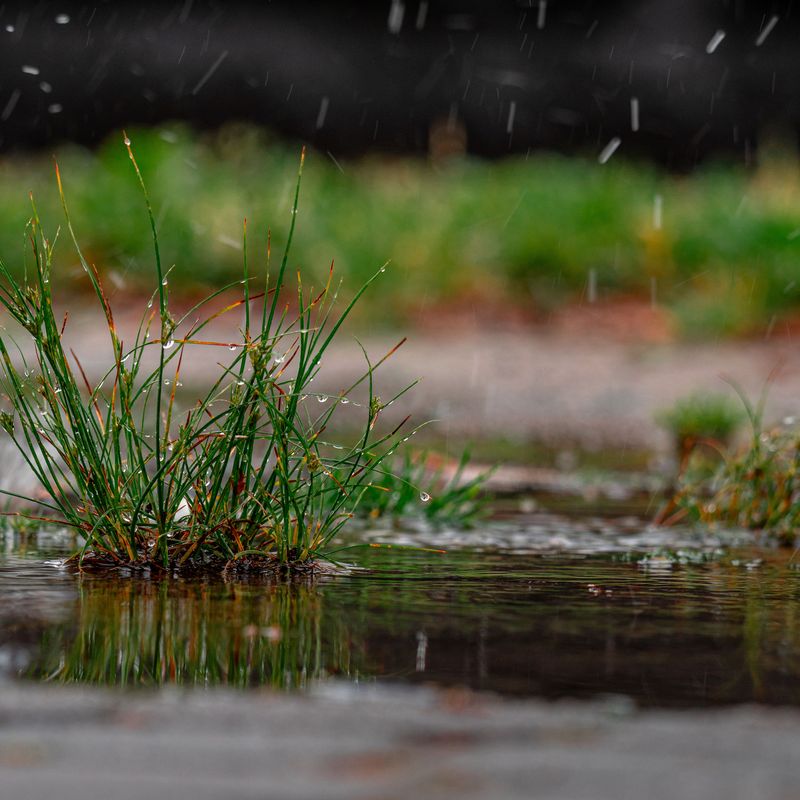
Some homeowners run sprinklers on a fixed schedule, even right after a soaking storm. That habit gives moisture-loving organisms extra water.
Basic timers may ignore the weather unless they have a rain sensor or smart controls. So the lawn might get an extra inch of water when it already feels like a sponge.
Soggy grass roots cannot breathe well, and weak roots invite trouble. Lawn diseases such as red thread and dollar spot can take hold in wet, dense conditions.
Another common error involves watering in the evening. Grass blades stay damp all night, which gives fungal spores hours of ideal conditions to settle in.
Some homeowners also pile fresh mulch thick around trees after storms. Deep, wet mulch becomes a favorable habitat for artillery fungus and slime molds.
Artillery fungus is worth watching for if you have light-colored siding or cars. It shoots tiny sticky black dots that cling hard and are tricky to scrub away.
Skipping sprinklers for several days after a big rain makes a real difference. Push a screwdriver into the soil, and if it slides in easily, the ground has enough water.
Morning watering, when needed, gives grass time to dry before sundown. Keeping mulch two to three inches deep and pulled away from trunks helps too.
Simple Cleanup Steps For A Fungus-Filled Lawn
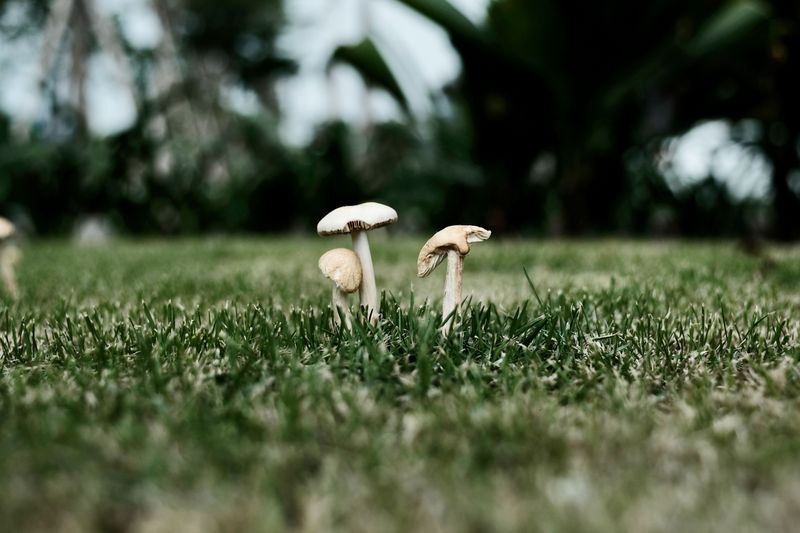
Grab your gloves, a rake, and maybe a podcast, because cleanup is easier than it looks. Handling mushrooms safely just takes a few smart habits.
Gloves protect your hands from unknown species and messy slime. Pluck mushrooms at the base or knock them over with a rake, then bag them.
Tossing them into the trash is simpler than composting, especially for unidentified kinds, since you cannot be sure what you are handling. Composting adds little benefit for questionable mushrooms anyway.
Mowing over mushrooms works in a pinch, though it breaks them apart and may spread spores. Bagging clippings matters mainly when you are dealing with turf disease.
Slime molds can simply be scooped up with a shovel or hosed apart. They dry out and fade on their own once sunshine returns.
Chemical fungicides rarely help with lawn mushrooms because the main growth lives deep underground. Spraying is usually not cost-effective and can harm helpful soil life.
Fairy rings sometimes leave dark green or brown circles in the grass. Poking holes with a garden fork and watering deeply can even out the color over time.
Wash tools after working with diseased grass to avoid carrying problems to healthy patches. Rinse them, then wipe the blades with rubbing alcohol and let it sit a minute before drying.
Keep pets and toddlers inside until cleanup finishes. That lowers exposure for now, but check the yard daily, since new mushrooms can appear overnight.
What Mushrooms Can Reveal About Your Soil
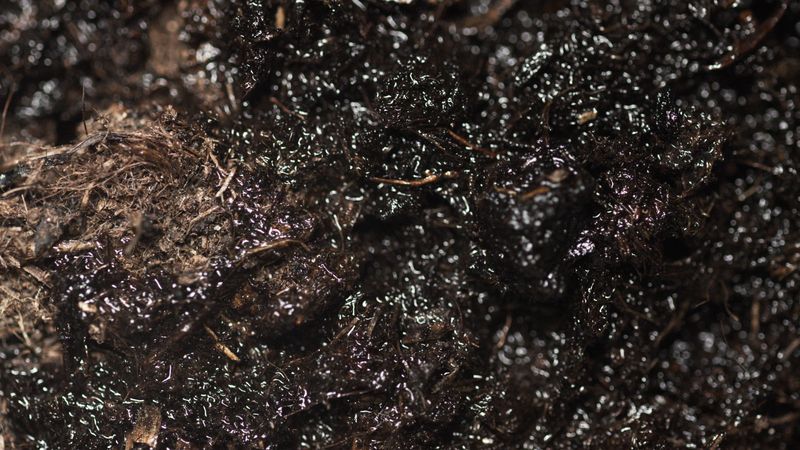
Many gardeners are surprised to learn that mushrooms signal decaying organic matter in the soil, such as buried wood, thatch, or old roots.
Fungi act as decomposers. They break down old roots, buried branches, and leaf litter into food that grass and trees can use.
Many fungi also team up with tree roots in a trading partnership. The fungus delivers water and minerals, while the tree shares sugars made from sunlight.
Scientists sometimes call these underground networks a wood wide web. Some research suggests trees may share nutrients through fungal threads, though scientists still debate how much.
Fungal threads can improve soil structure, which may help it hold water during dry spells. That spongy texture can help New Jersey lawns through hot August stretches.
Mushrooms usually fade within a few days once the sun returns. The work they started keeps going underground long after the caps disappear.
Seeing a sudden bloom near a stump simply means old wood is breaking down. Over several years, the stump softens and becomes easier to remove.
Some gardeners find that a biologically active yard needs less fertilizer over time. Others still rely on soil tests to decide.
So the next time a cluster pops up, it shows decay is underway. If it grows at the base of a living tree, ask an arborist to check for root rot.
Smart Yard Habits To Keep Moisture In Check
A little planning before the next nor’easter can save a lot of squishing later. Small habits add up to a drier, healthier yard all season.
Start by checking gutters and downspouts, especially once leaves begin falling. Clogged gutters dump water right beside your house, creating soggy spots fungi adore.
Downspout extensions push runoff several feet away from foundations and flower beds. They are inexpensive at most hardware stores.
Aerating the lawn in late summer or early fall opens tiny channels in packed soil. Water then soaks downward instead of pooling on the surface for days.
Trimming low tree branches lets more sunlight and breeze reach shady corners. Drier grass gives mushrooms and lawn diseases fewer chances to settle in.
Removing old stumps and buried construction wood takes away hidden food sources. Fungi often keep returning to the same spot until that wood disappears.
Rain gardens make a clever choice for low areas that flood after every storm. Native plants like swamp milkweed and blue flag iris tolerate and absorb extra water.
Keeping grass around three inches tall also helps roots grow deep and strong. Healthy turf handles wet weeks much better than scalped, stressed lawns.
None of these steps erase fungi, and that is fine. They simply keep the balance tilted toward a yard you can enjoy after the rain.