Is Your Florida Fruit Tree Leaning After Isaias? What Homeowners Should Do – And What They Should Never Do
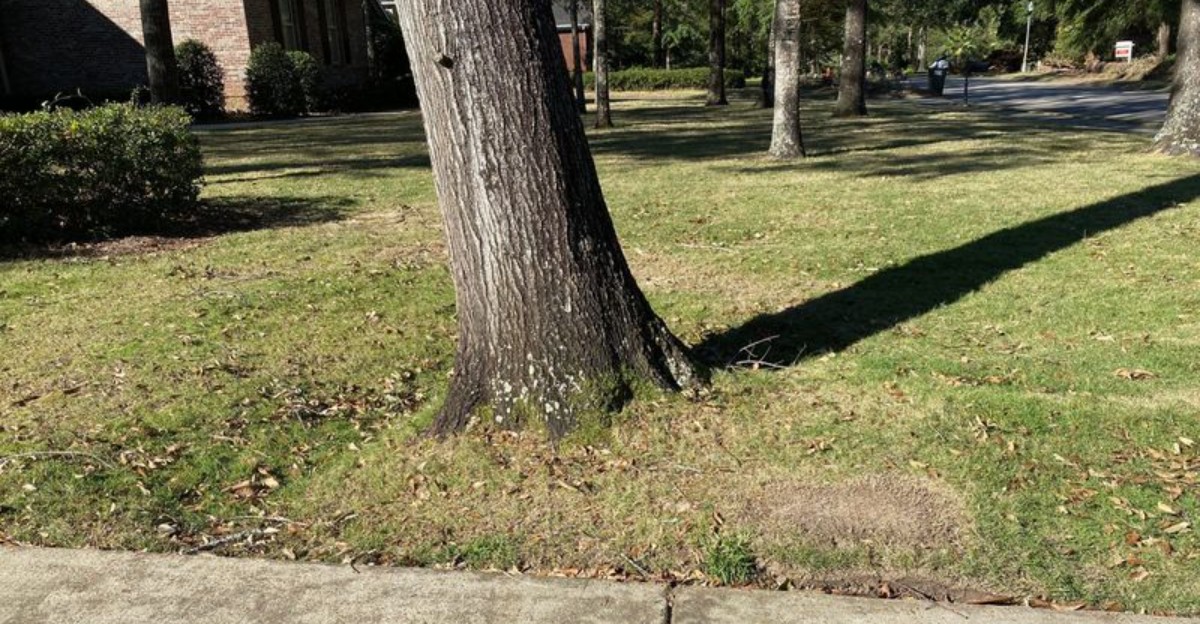
The wind has finally gone quiet, and the fruit tree out back is leaning like it had one too many.
Isaias hit the Florida Panhandle with 100-plus mile-an-hour gusts and a lot of rain, and soaked ground gives roots very little to hold. Some trees topple.
Others tilt just enough to make you wince every time you glance out the window.
Your first move matters more than you’d think. Grab the wrong tool, call the wrong helper, or tug at the trunk, and you can turn a rescue into a loss.
Plenty of neighbors have already made that mistake, and the tree paid for it.
A short list of dos and don’ts separates the saved from the sorry. Timing is part of that list, and it ticks faster than you’d expect.
Stay clear of that trunk until you’ve read it all. The tree can wait a few minutes.
1. Shade Exposed Trunks And Roots Right Away
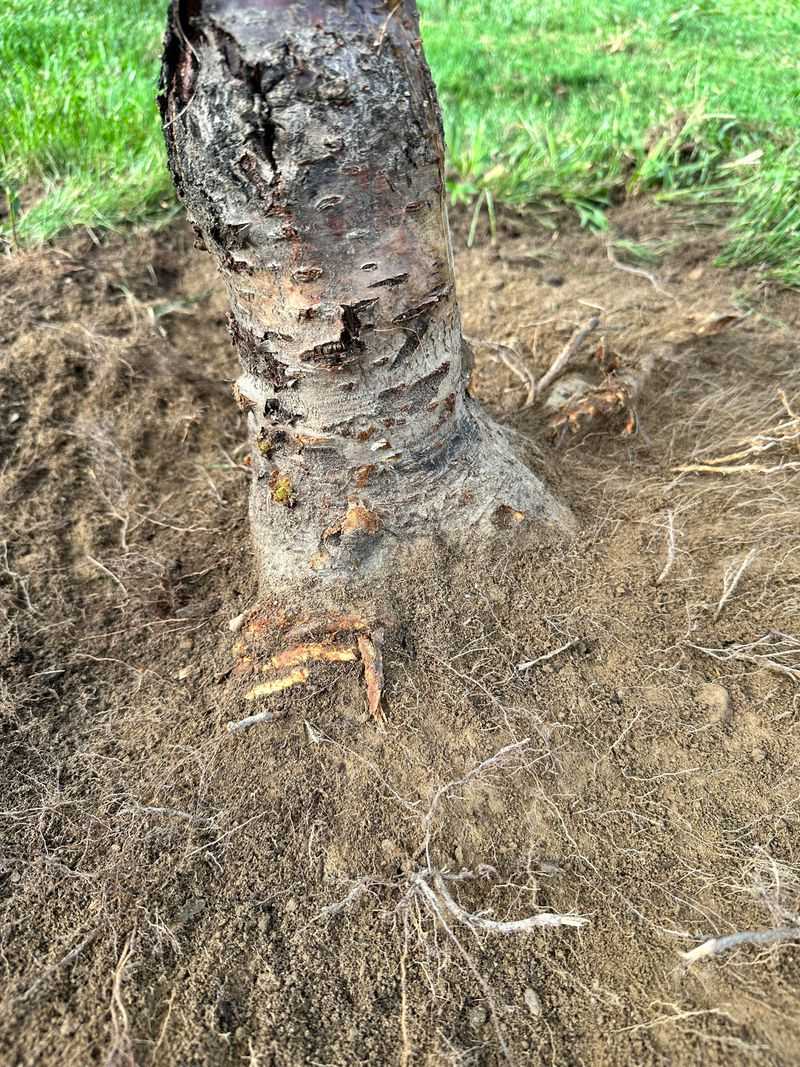
Picture a root that spent its whole life in cool, damp soil. Now it is sunbathing on your lawn, and it is not enjoying the tan.
Exposed roots lose moisture fast, sometimes within hours on a bright day. Your first job after the storm is simple: get them covered.
Look around for the sand or silt that Florida floodwater often leaves behind. Pile it over the roots, but only up to their original level, not higher.
A layer of natural mulch works well too. Spread it about 2 to 3 inches deep to block the sun and hold in moisture.
No mulch handy? Wrap the bare roots in burlap and mist them with a hose to keep the fabric damp.
The trunk deserves attention as well. Bark that grew up in shade can scorch quickly once the leaves above it are gone.
So hold off on clearing away leafy branches that still shade the trunk. Even a slightly messy canopy can act like a free umbrella.
Think of these steps as first aid, not surgery. A few minutes of covering now can save weeks of worry later.
Grab a tarp, an old sheet, or a patio umbrella if needed. Temporary shade beats no shade every single time.
Check the covering each morning for the first week. Wind and curious pets love to undo your hard work.
2. Paint Sun-Exposed Bark With Diluted White Latex
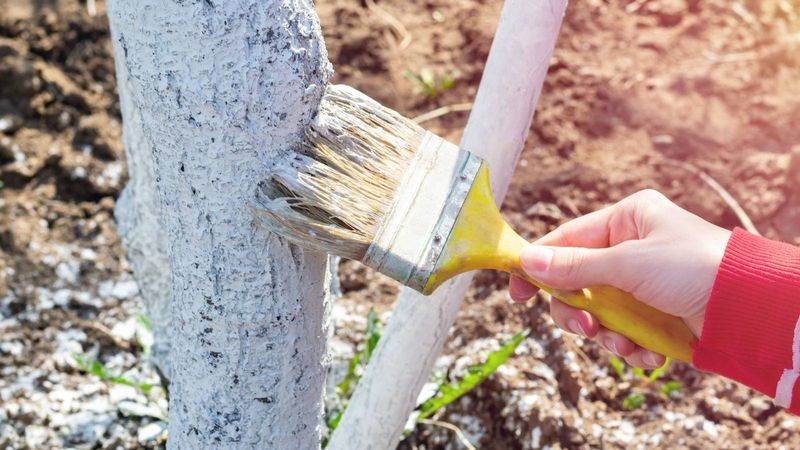
Here is a garden trick that sounds odd but works: give your tree a fresh coat of paint. Florida citrus growers have used it for generations.
Thin bark burns much like human skin. Sunscald leaves cracked, dried patches that pests and decay love to move into.
White paint acts like a mirror for sunlight. It bounces heat away and keeps the bark cooler on scorching afternoons.
Mix white interior latex paint with water, roughly one part paint to one part water. Stir until it looks like thin pancake batter.
Brush it on from the soil line up through the lower main branches. Cover any bark that now faces open sky after the storm.
Your Florida Garden Changes Every Week. Your Plan Should Too.
Gardening in Florida changes quickly throughout the season. Every Friday you’ll receive a simple weekly plan showing exactly what to plant, prune, fertilize, harvest, and protect so you never miss the right timing.
Pick the right can, though. Oil-based and exterior paints can carry additives that may harm living bark.
Spot any boring holes, oozing sap, or chewed bark first? Deal with those pests before you paint over the evidence.
Young trees benefit most from this coat. A sunburned sapling may show yellow leaves and slow, sulky growth for months.
Ideally, the paint goes on before strong sun has a chance to scorch the bark. After a storm like Isaias, sooner is better than later.
Your tree may look a bit like a ghost for a while. Neighbors might stare, but your peaches and apples will thank you.
3. Stand Up Small Fallen Trees Before The Roots Dry Out
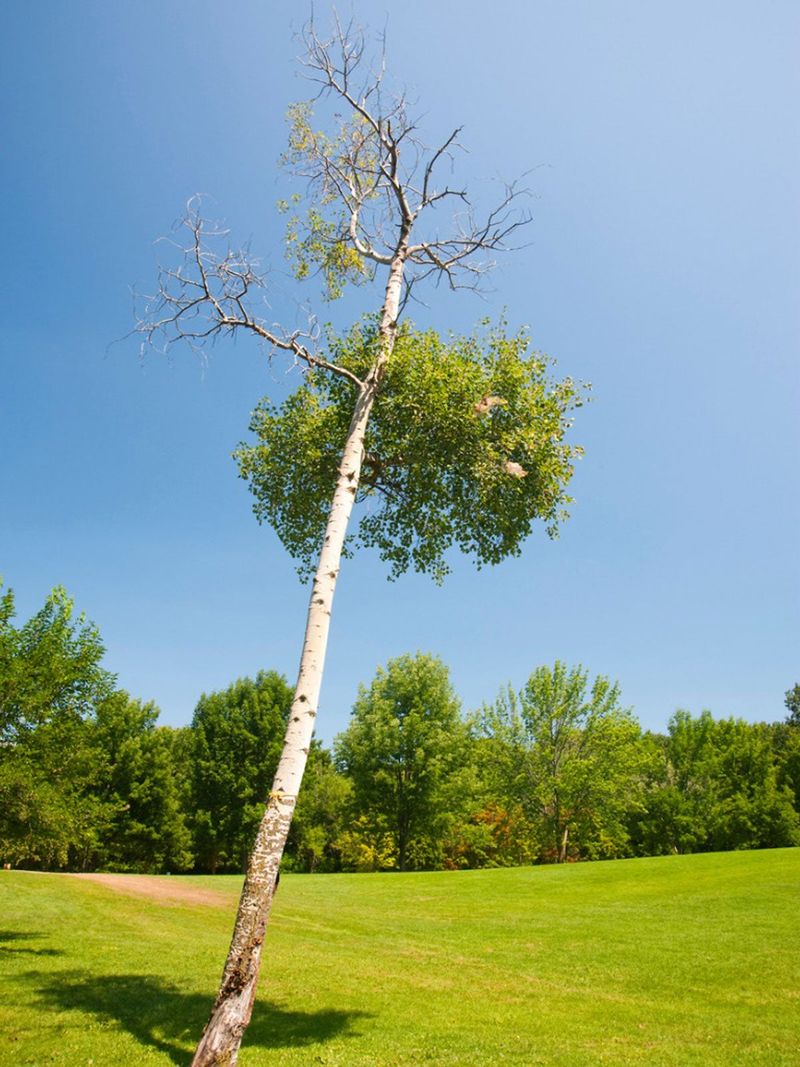
Size matters when a tree tips over. Small, young trees with springy trunks have the best odds of a comeback.
Start by checking the leaves. Green, perky foliage is a hopeful sign that the tree still has plenty of fight left.
Next, look closely at the roots. Trim any jagged or snapped ends with clean, sharp pruners so they can heal smoothly.
Then comes the lift, and patience is your best tool here. Ease the trunk upward slowly, without yanking or jerking it.
Rough moves can tear the roots that survived the storm. A friend holding the trunk steady makes the job much easier.
Speed matters too. Roots sitting in open air dry out quickly, so try to get the tree upright within a day or two.
Be honest about bigger problems. A huge mound of lifted soil or masses of torn roots often mean the tree is beyond a simple reset.
Large, mature trees are a different story. Those heavy giants usually call for a certified arborist with proper equipment.
Fruit trees in Florida’s sandy soil often keep their roots fairly shallow. That helps explain why they topple more easily in strong winds.
A small tree standing tall again is a lovely sight. With quick, careful work, yours could be fruiting next season.
4. Reset The Tree To Its Original Soil Level
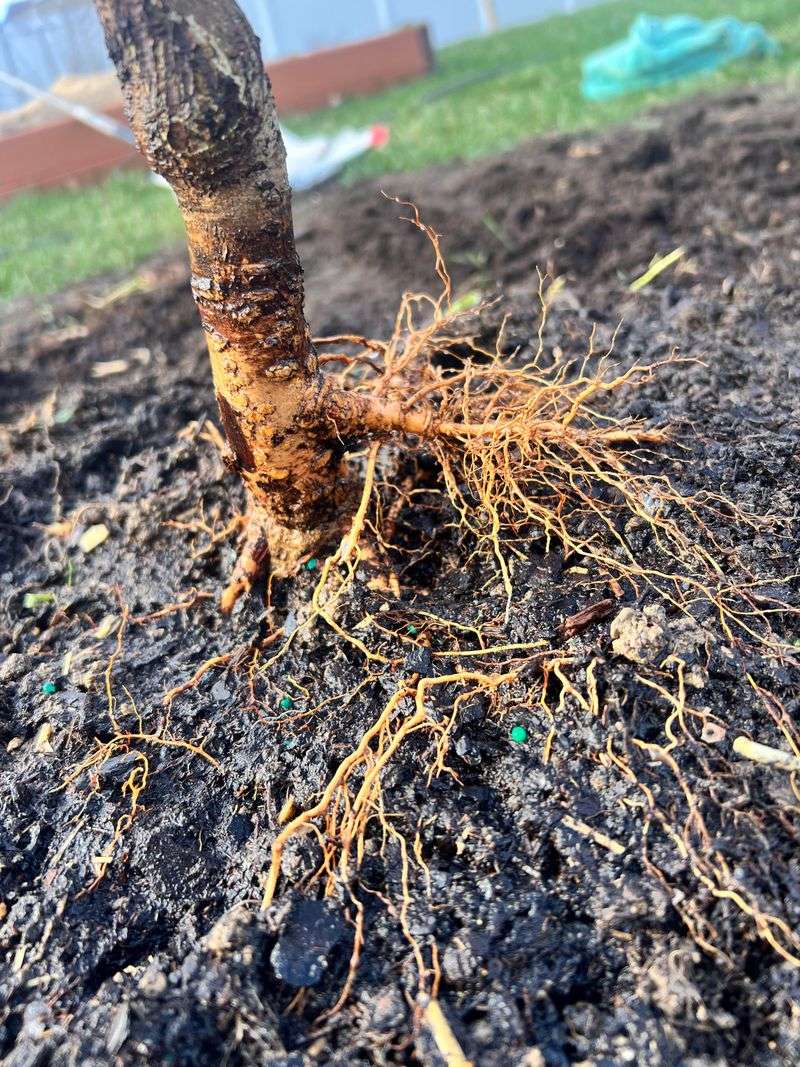
Burying a tree too deep is like tucking a blanket over someone’s nose. Roots need air just as much as they need water.
Once the tree is upright, fill soil back around the roots. Stop when they sit at the same depth they were before the storm.
Look for the root flare, the spot where the trunk widens as it meets the ground. It should peek out just above the soil line.
Piling on extra dirt may feel like added support. In truth, deep soil can push roots to grow upward hunting for oxygen.
Those upward roots can circle and squeeze the trunk over time. Gardeners call them girdling roots, and they cause slow, sneaky trouble.
Firm the soil gently with your hands as you go. Stomping hard can crush air pockets the roots depend on.
Not sure where the old soil line was? Check the bark for a color change, since buried bark often looks darker than exposed bark.
Treat the reset tree like a brand-new planting. That means extra care, steady moisture, and close watching for the next year.
Mulch can go on top afterward, but keep it a few inches away from the trunk. Mulch piled against bark invites rot and rodents.
Getting the depth right takes only a few extra minutes. It is one of the smartest gifts you can give your tree.
5. Soak The Root Area After Resetting
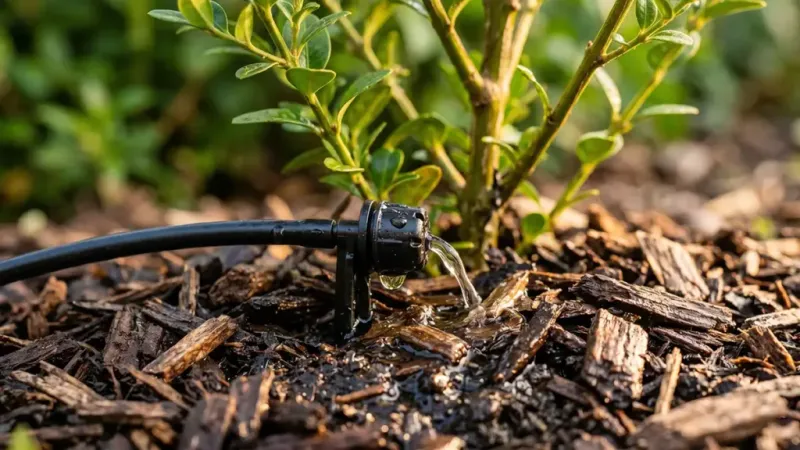
A freshly reset tree is thirsty in a way you cannot see. Many of its tiny feeder roots were torn, so it struggles to drink.
Give the root area a long, deep soak right after resetting. The water helps loose soil settle and fills hidden air gaps.
Deep watering beats quick daily sprinkles. Slow soaks coax roots to stretch downward, where the ground stays moist longer.
For very young trees, aim for about twice a week when rain is scarce. That schedule fits fall, spring, and summer dry spells.
Wait, though, if the ground is still soggy from the storm. Soil that squishes underfoot needs time to drain first.
Roots sitting in waterlogged soil can suffocate and rot. Check drainage by digging a small hole and watching how fast water vanishes.
A simple finger test works wonders. Push a finger two inches into the soil, and water only if it feels dry.
A soaker hose or a slow-dripping bucket makes the job easy. Let the water trickle for a while instead of blasting it.
Mulch helps hold that moisture in place. It also keeps the soil cooler during warm fall afternoons.
Keep this routine going through the next full growing season. A steady drink helps new roots knit the tree back into the earth.
6. Trim Some Of The Canopy To Ease Water Demand
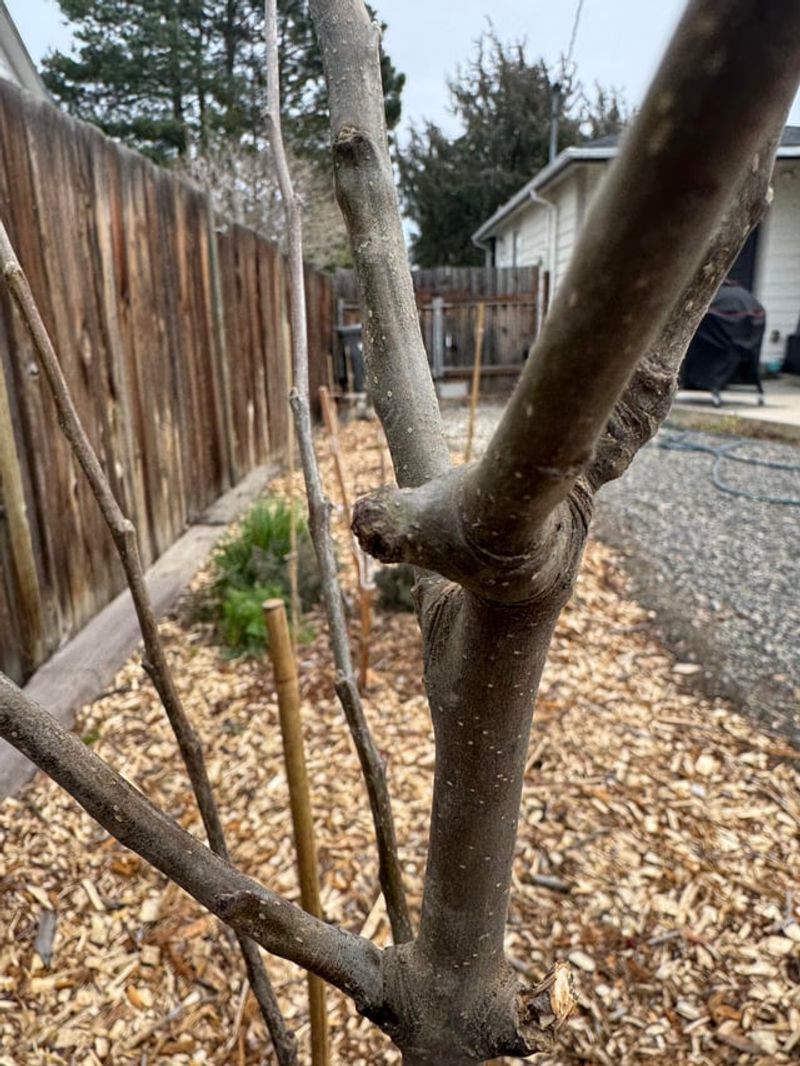
Think of a tree as a balanced budget. When roots shrink, the leafy canopy is suddenly spending more water than it can earn.
Light pruning helps even things out. Removing a modest amount of growth means fewer leaves are pulling water from injured roots.
Start with the obvious problems. Snip branches that are broken, diseased, or growing in awkward, twisted shapes.
Next, consider the lean itself. Gentle reduction on the side opposite the lean can ease strain on the trunk and roots.
Selective thinning lets wind slip through the branches. That means less sail effect when the next storm rolls in.
Right after the storm, focus only on broken limbs. Save detailed shaping for late winter or early spring, when the tree is resting.
Make each cut at the branch collar, the slightly swollen ring where branch meets trunk. Cutting flush with the trunk slows healing.
Heavy limbs call for the three-cut method. An undercut, a top cut farther out, and a final collar cut keep bark from tearing.
Hold back, though. The goal is balance, so leave most of the healthy leaves in place to feed the tree.
A little trimming now is like loosening a tight belt after a big meal. Your tree can breathe easier while its roots quietly rebuild.
7. Never Cut The Whole Canopy Back To Stubs
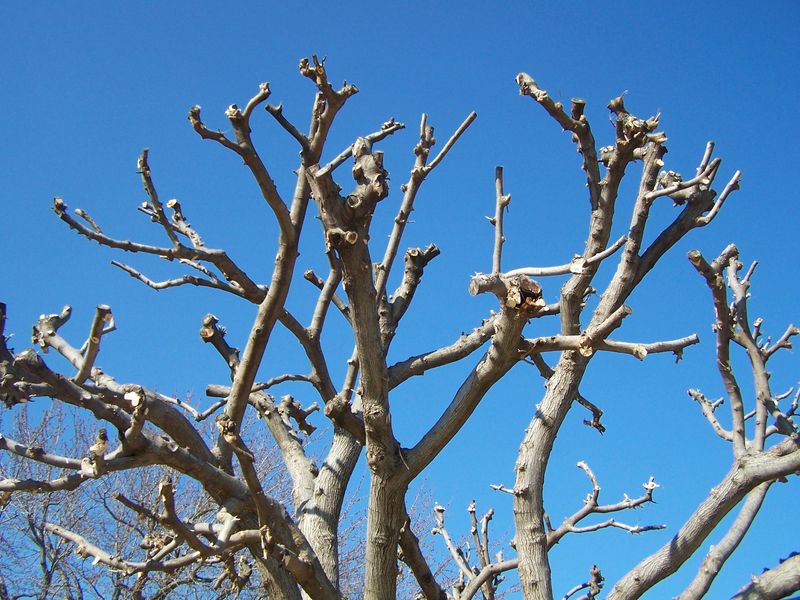
It can be tempting to grab the saw and start fresh. A storm-battered tree looks messy, and chopping everything back feels oddly satisfying.
Arborists call this practice topping, and they groan when they see it. Florida fruit trees like citrus, mango, and avocado handle it especially poorly.
Stubs sprout a crowd of fast, skinny shoots. Those shoots attach weakly and tend to snap in the next strong wind.
Topping also drains the tree’s energy savings. Instead of healing roots and fighting pests, it pours effort into frantic regrowth.
Leaves are the tree’s kitchen, turning sunlight into food. Strip them all away, and the tree can go hungry fast.
Big stub cuts heal slowly, too. Decay can creep inside and weaken the trunk for years without obvious signs.
Fruit production takes a hit as well. Many fruit trees bloom on older wood, so topping can wipe out several harvests.
Here is a quirky bit of history: topping was once common along city streets. Experts later found it created more hazards than it solved.
If a tree truly needs heavy work, spread it over several seasons. Taking a little each year is far kinder than one drastic chop.
Put the big saw down for now and take a slow walk around the tree instead. Patience will reward you with a stronger frame and sweeter fruit down the road.
8. Never Fertilize A Root-Damaged Tree
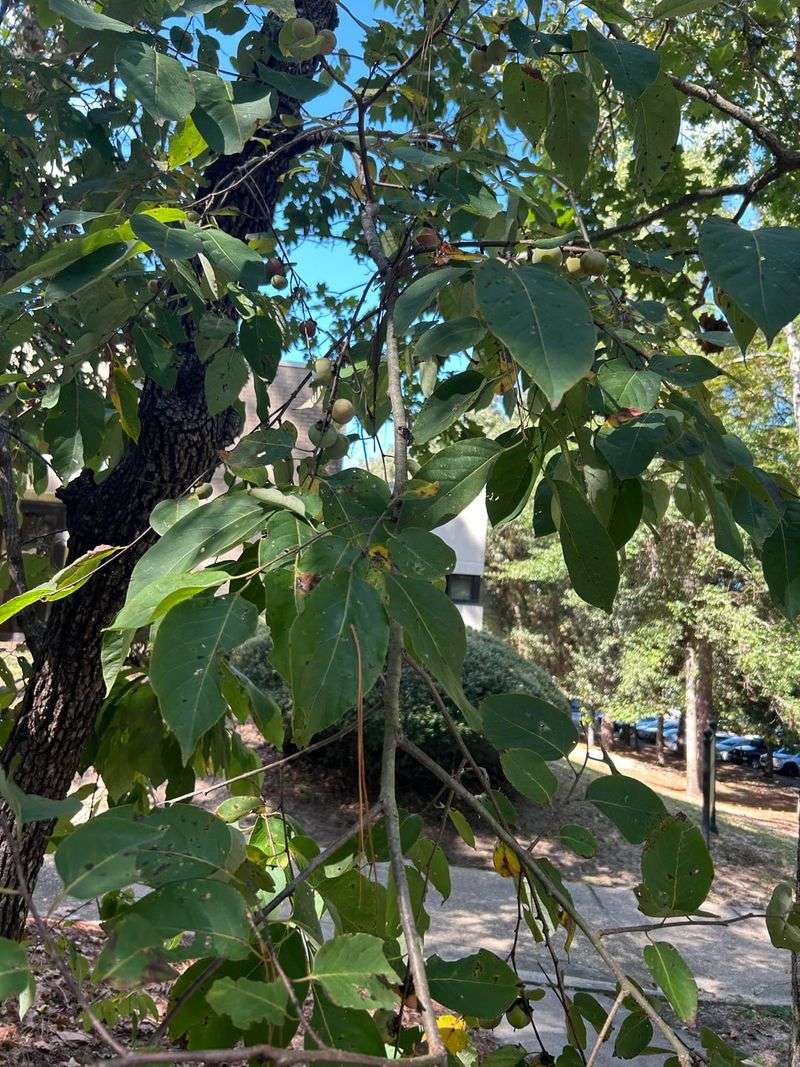
Feeding a hurt tree sounds like kindness. Surprisingly, it can do more harm than good.
Fertilizer, especially nitrogen, pushes a tree to grow fresh leaves and long shoots. Damaged roots cannot keep up with that sudden demand.
Research suggests that nitrogen added during root damage or replanting may slow root regrowth. The tree gets busy upstairs instead of fixing its foundation.
Extra fertilizer can also burn tender new roots. Salts in many products pull moisture away from the very tissues trying to heal.
So when should you feed? Only after a soil test shows a real shortage of nutrients.
Your county UF/IFAS Extension office can help you arrange an inexpensive soil test.
Until then, let the tree rest. Water, mulch, and shade give it what it needs right now.
Compost spread lightly on the surface is a gentler choice. It feeds soil life slowly without forcing a growth spurt.
Watch for signs of real recovery, like healthy new leaves and steady growth. That is usually the cue that roots are back on track.
Picture a friend recovering from a sprained ankle. You would not sign them up for a marathon, and your tree deserves the same patience.
9. Never Stake A Tree And Forget It
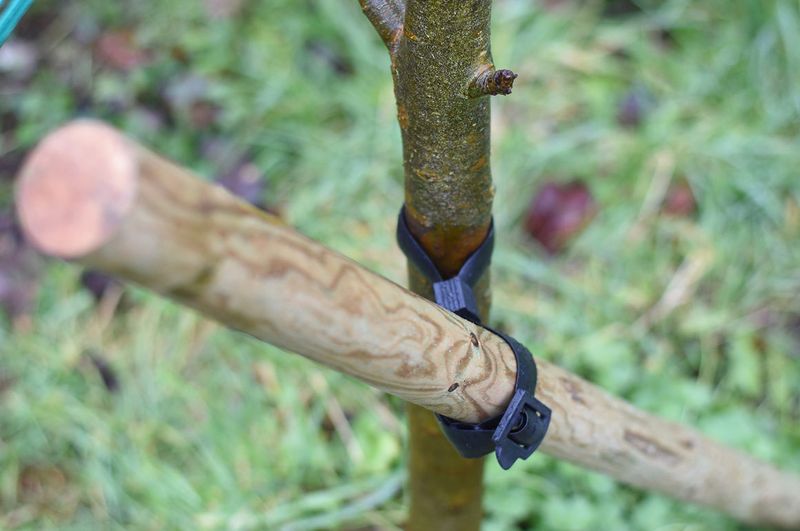
Stakes are like training wheels. They help for a while, but nobody wants to ride with them forever.
A reset tree often needs support while its roots grab hold again. Plan to remove the stakes after one growing season, usually within 6 to 12 months.
Leaving them too long backfires. The trunk stays weak because it has no reason to build strength on its own.
A little sway is healthy. Movement in the breeze signals the tree to thicken its trunk and spread sturdier roots.
So tie loosely, leaving some wiggle room. Rigid staking tends to produce floppy, dependent trees.
Choose wide, flexible ties made of canvas, webbing, or old rubber hose. Thin wire can cut into bark like a rubber band on a finger.
That squeezing is called girdling. It chokes off the flow of water and nutrients moving through the trunk.
Set a reminder on your phone to check the ties every month. Loosen or move them if you see rubbing, scars, or tight spots.
Test the tree before pulling stakes for good. Loosen the ties, give it a gentle push, and see if it stands steady by itself.
Once it passes, celebrate a little. Your storm survivor is standing on its own roots again, ready for many more harvests.