Why Smart Pennsylvania Gardeners Plant Trees In Fall Instead Of Spring
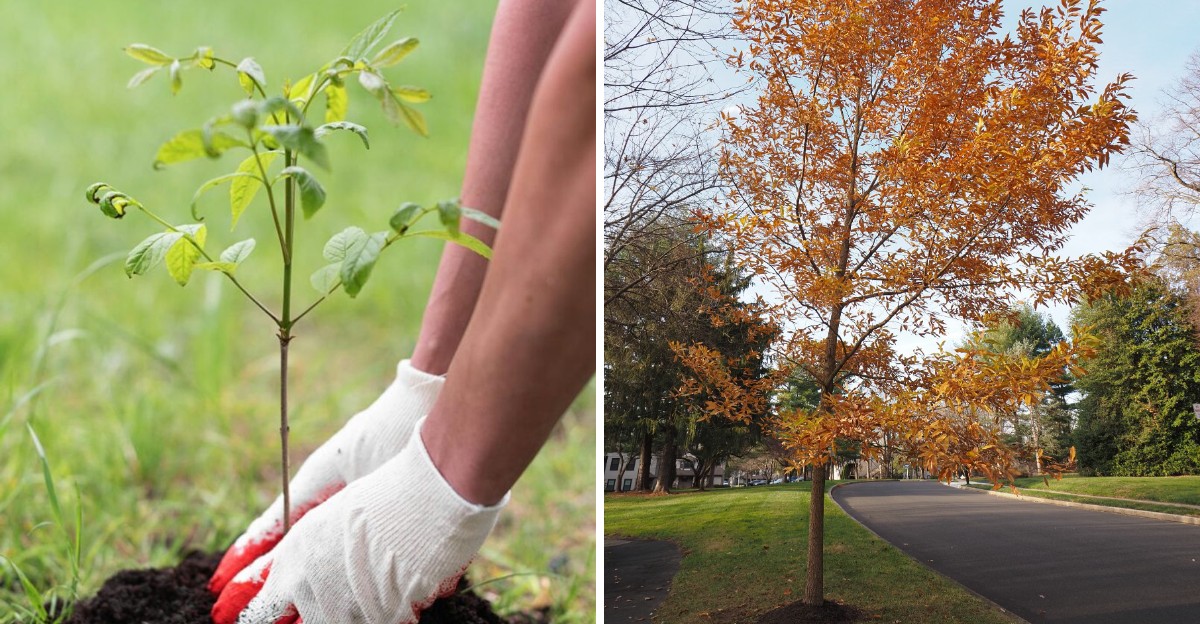
Walk into a Pennsylvania nursery in October, and you’ll often spot something you rarely see in April. Sale signs.
Many garden centers mark down their trees in fall to clear space before winter. That’s a nice bonus, but savvy gardeners know the real advantage goes far beyond price.
A tree planted in spring has to grow new roots and push out fresh leaves at the same time. Then, just a few months later, it faces its first round of summer heat and dry spells.
A fall-planted tree gets a gentler start. It can focus almost entirely on root growth while the soil stays warm and the air stays cool. By spring, it’s settled in and ready to grow.
That head start often means fewer struggles, less watering, and a healthier tree for years to come.
1. Warm Soil And Cool Air Help Roots Grow
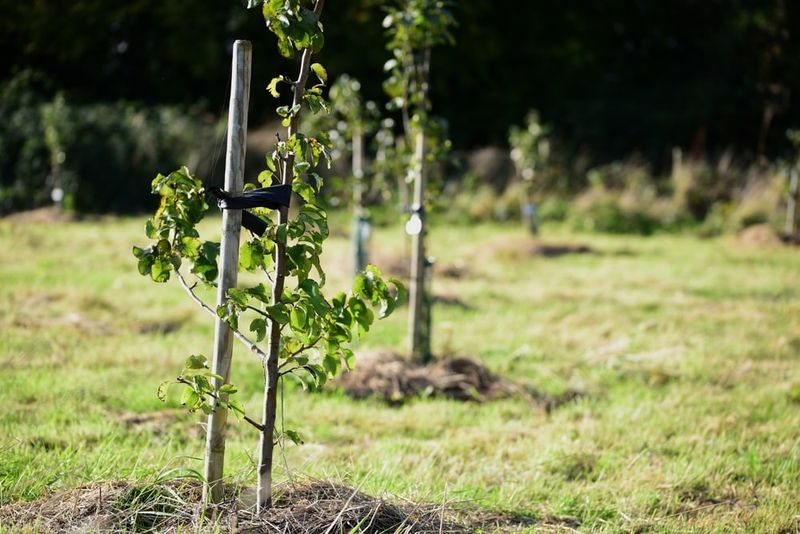
Think of fall soil as a cozy blanket left on the bed after summer. All season long, the ground soaks up heat from the sun. When autumn arrives, the air cools off fast, but the soil stays warm for weeks.
That mix is a dream setup for tree roots. Roots love warmth, and they keep growing as long as the soil stays above about 40 degrees Fahrenheit.
In much of Pennsylvania, the ground often stays warmer than that well into November. Some years, roots keep working even into early December in the southeastern part of the state.
Meanwhile, the cool air up top keeps the leaves and branches calm. The tree is not trying to push out lots of new growth. So the warm ground below does the heavy lifting, helping roots spread out and grab onto their new home.
Spring works the other way around. The air warms up quickly, but the soil stays cold and soggy for a while.
Trees planted in April may sprout leaves before their roots are ready to support them. That puts the tree out of balance right from the start.
Want to check your own soil? Pick up a cheap soil thermometer at a garden center. Push it about four to six inches into the ground in the morning. If it reads above 50 degrees, your roots will grow happily.
For the best results, aim to plant about six weeks before the ground freezes. In most parts of Pennsylvania, that means late September through October.
Mountain areas up north may need to plant a bit earlier, while warmer spots near Philadelphia can stretch things a little later.
2. Less Stress From Heat
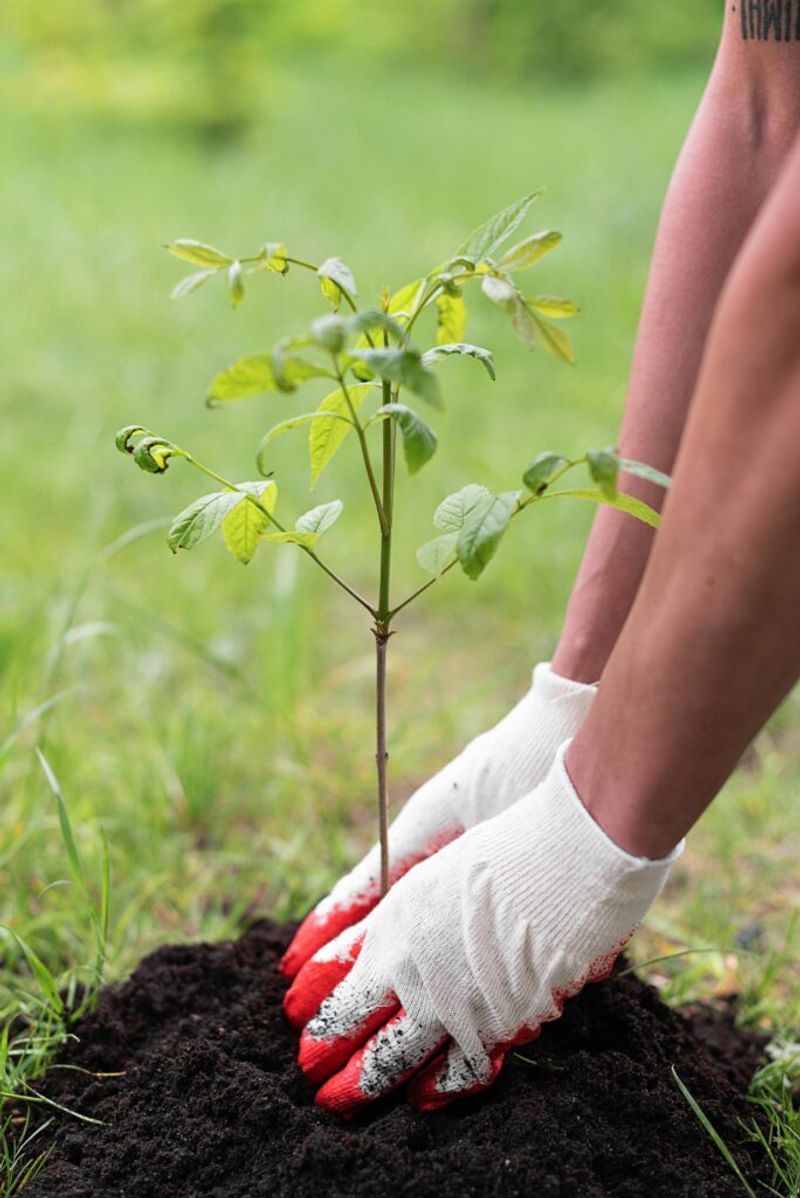
Ask any Pennsylvania gardener about last July, and you might hear a groan. Summers here can get hot and sticky, with long stretches in the 90s. For a brand new tree, that kind of weather feels like running a race on day one.
When you plant in spring, your tree only has a few short months to get comfortable. Then summer heat shows up, and the young tree has to work extra hard. Its roots are still small, so it struggles to pull up enough water to cool its leaves.
Your Pennsylvania Garden Changes Every Week. Your Plan Should Too.
Gardening in Pennsylvania changes quickly throughout the season. Every Friday you’ll receive a simple weekly plan showing exactly what to plant, prune, fertilize, harvest, and protect so you never miss the right timing.
Gardeners call this transplant shock. You might notice wilting, curled leaves, brown edges, or leaves dropping early. A stressed tree can recover, but it grows slowly and may stay weak for a year or two.
Fall planting skips that rough patch. The days are mild, the nights are cool, and the sun is lower in the sky. Your tree gets a calm, easy welcome instead of a scorching one.
Here is a helpful way to see it. Moving to a new house is stressful enough without a heat wave on moving day. Trees feel much the same way, just without the cardboard boxes.
To keep stress even lower, plant on a cloudy day or in the late afternoon. Avoid digging when strong winds are blowing, since wind can dry out the roots. Also, handle the root ball gently and keep it moist until it goes in the hole.
Finally, spread two to three inches of mulch around the base. Keep it a few inches away from the trunk, though. A mulch ring helps hold steady temperatures and keeps moisture locked in the soil.
3. Less Watering Is Needed
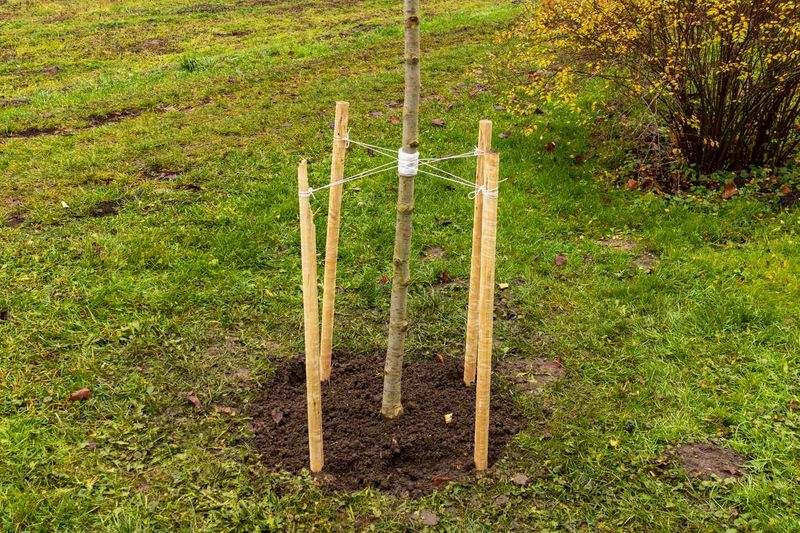
Good news for anyone tired of dragging a hose across the yard every evening. Fall-planted trees usually need much less watering than spring ones. Your back, and your water bill, will both feel the difference.
Why does it work out that way? Cooler weather slows down evaporation. Less water escapes from the soil into the air, and the leaves lose less moisture too. That means the water you give your tree stays put longer.
Pennsylvania also tends to get steady rain in autumn. Many weeks, nature does a good chunk of the watering for you. Still, don’t hang up the hose completely, because dry spells do happen.
Here is a simple rule to follow. A new tree needs about one inch of water each week, from rain or from you. Grab a small rain gauge to keep track, since it costs only a few dollars.
Not sure if your tree is thirsty? Stick your finger about two inches into the soil near the root ball. If it feels dry, it is time to water. If it feels damp, wait a day or two and check again.
When you do water, go slow and deep. Let a hose trickle at the base for about 15 to 20 minutes. Deep watering encourages roots to grow downward, which makes them stronger.
Keep watering until the ground freezes, usually in late November or December. A well-watered tree heads into winter in much better shape. Dry roots can suffer during cold, windy months, so that last drink really counts.
Fun fact: evergreens like pines and spruces keep losing water all winter through their needles, so give them extra attention before the freeze.
4. Trees Can Focus On Their Roots
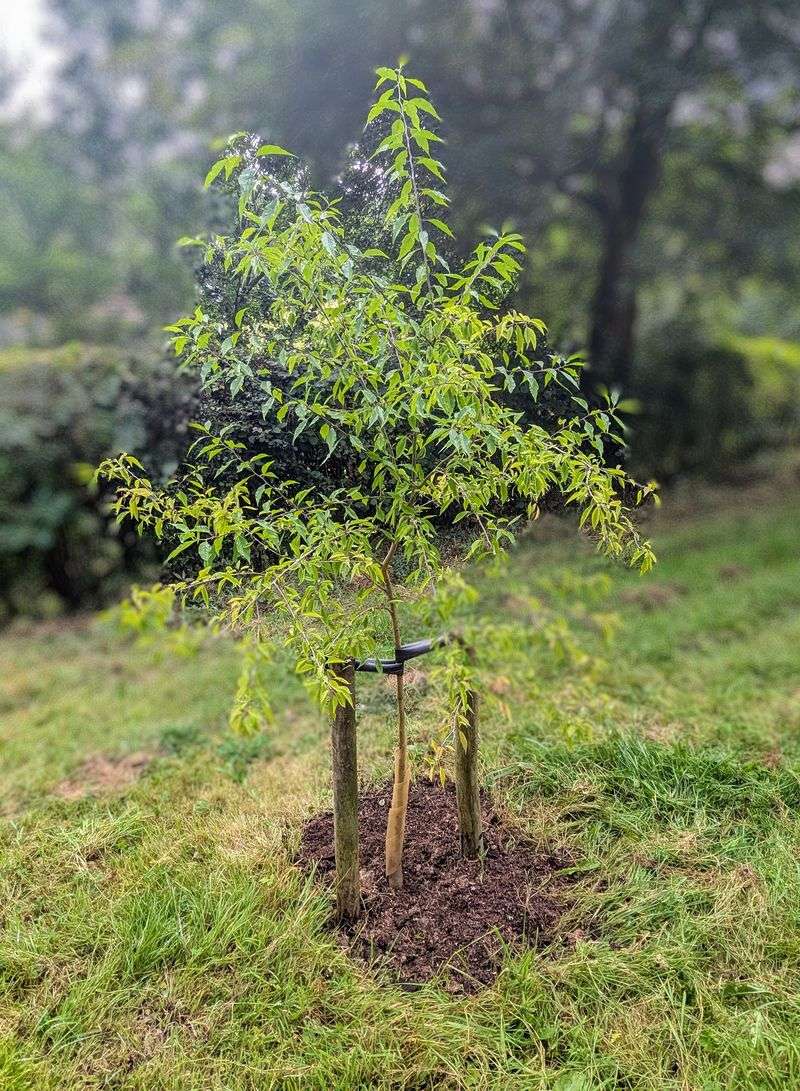
Trees are surprisingly smart about saving energy. Every autumn, they get a signal from shorter days and cooler nights. That signal tells them to slow down and get ready for their winter rest, called dormancy.
Once dormancy starts creeping in, a tree stops making new leaves and fresh shoots. It no longer needs to spend energy on growing taller or bushier. Instead, it can send that energy somewhere else.
And where does that energy go? Straight down to the roots. Fall becomes a quiet building season underground, even though it looks like nothing is happening above.
Think of it like a sports team in the off-season. The games are over, but the players are still training hard. They come back next season stronger and better prepared.
In spring, the story is very different. A newly planted tree is trying to do everything at once. It wants to push out leaves, grow branches, and maybe even flower, all while its roots are still tiny. Doing all of that at the same time can wear a young tree out.
So how can you help your fall tree focus? Skip the fertilizer at planting time. Fertilizer can push soft new growth that may get damaged by frost. Simply give the tree good soil, water, and mulch.
Also, avoid heavy pruning right after planting. Only snip off broken or damaged branches. The tree needs its stored energy for roots right now.
Did you know? A healthy tree’s roots often spread two to three times wider than its branches. Most of them live in the top 12 to 18 inches of soil, so keep foot traffic and heavy equipment away from that area.
5. A Head Start Next Spring
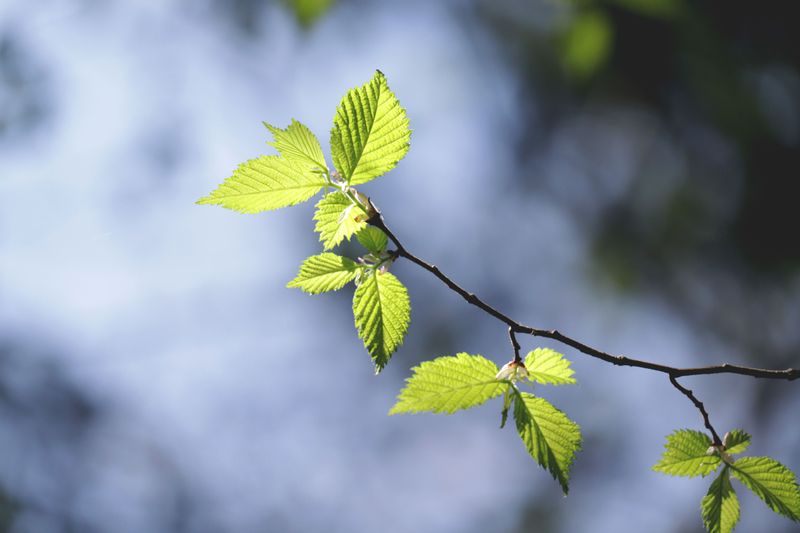
Picture two neighbors on the same street in Lancaster. One plants a tree in October, and the other waits until April. By June, the difference between their trees can be easy to spot.
The fall-planted tree has been settling in for months. Its roots grew through autumn, rested during winter, and woke up early as the soil warmed. When spring arrives, it is ready to go.
Meanwhile, the spring tree is just getting its feet wet. It is still recovering from being moved, dug up, and placed in a new spot. It has to grow roots and leaves at the very same time.
That early head start matters a lot once summer rolls around. A fall tree leafs out with a stronger, more settled root system. It can handle heat and dry weeks much better during its first summer.
You may even notice fuller leaves, brighter blooms, and better color on fall-planted trees. Some gardeners say it feels like gaining a whole extra growing season. In many ways, that is exactly what happens.
Here are a few spring tips for your fall tree. Pull back any winter mulch that has piled up against the trunk.
Check for damage from deer or rabbits, which love to nibble young bark in Pennsylvania winters. A simple tree guard or wire cage can prevent that problem next year.
Keep watering as the weather warms up. Even a well-rooted tree needs help during its first full year. Plan on regular deep watering through the next summer.
Most importantly, be patient and enjoy the show. Watching your tree burst into fresh green leaves is one of the best rewards of gardening.
6. Better Deals And The Chance To See Fall Color
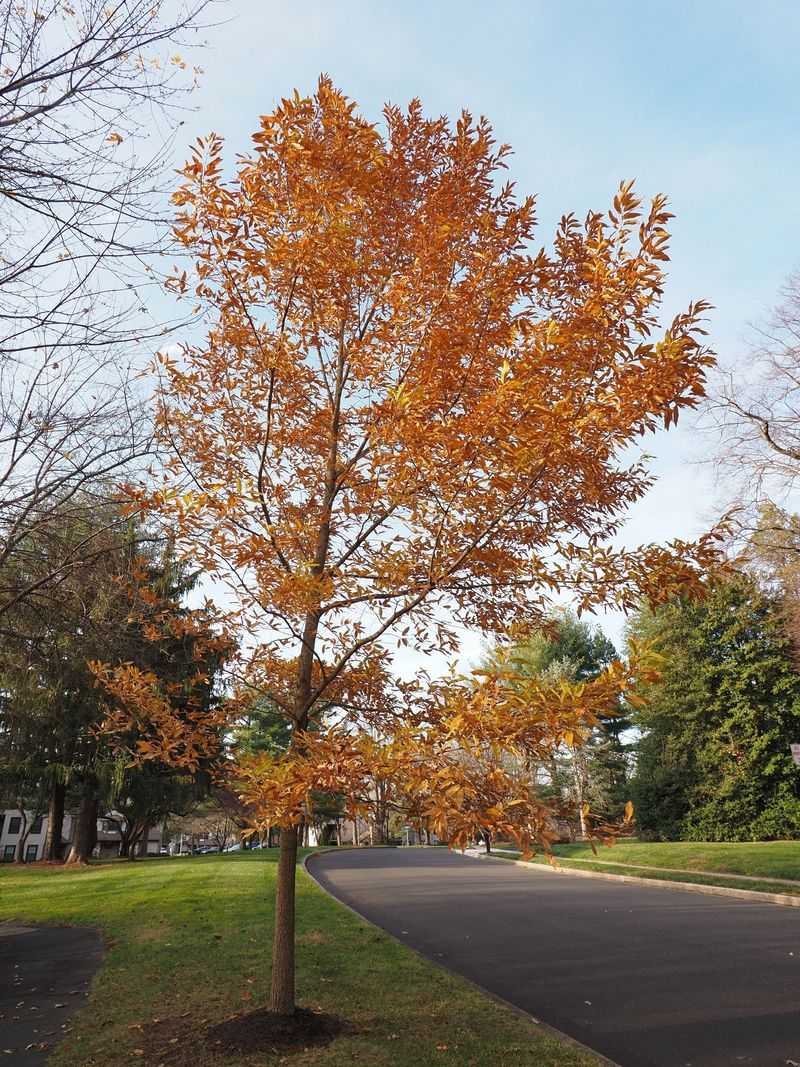
Who doesn’t love a good bargain? Many Pennsylvania nurseries hold big fall sales to clear out their stock before winter. It is one of the best times of year to find quality trees at lower prices.
Nurseries don’t want to care for hundreds of potted trees through cold months. So they often mark prices down by 20 to 50 percent. That means you might bring home a bigger or fancier tree for the same money.
Shopping in autumn comes with another fun perk. You get to see each tree’s fall color in person. Instead of guessing from a tag or photo, you can pick the sugar maple with the brightest red leaves.
Some great choices for colorful Pennsylvania yards include red maple, black gum, serviceberry, and sweetgum.
Each one puts on a gorgeous autumn show. Bring your phone and snap photos so you can compare favorites.
Before buying, check the tree carefully. Look for a straight trunk, healthy bark, and a root ball that feels firm. Skip trees with circling roots, cracked bark, or lots of broken branches.
There is one catch to keep in mind. A few trees often do better when planted in spring. Some oaks, birches, and magnolias have roots that settle in slowly, so spring planting usually gives them a better chance.
Evergreens like hemlocks also prefer early fall, around September, rather than late fall. Ask nursery staff for advice about your specific tree.
Quick tip: ask if the nursery offers a warranty. Many offer a one-year guarantee, which gives you peace of mind. Keep your receipt somewhere safe, just in case.