Why Black Bears Wander Into Hudson Valley Yards Before Winter
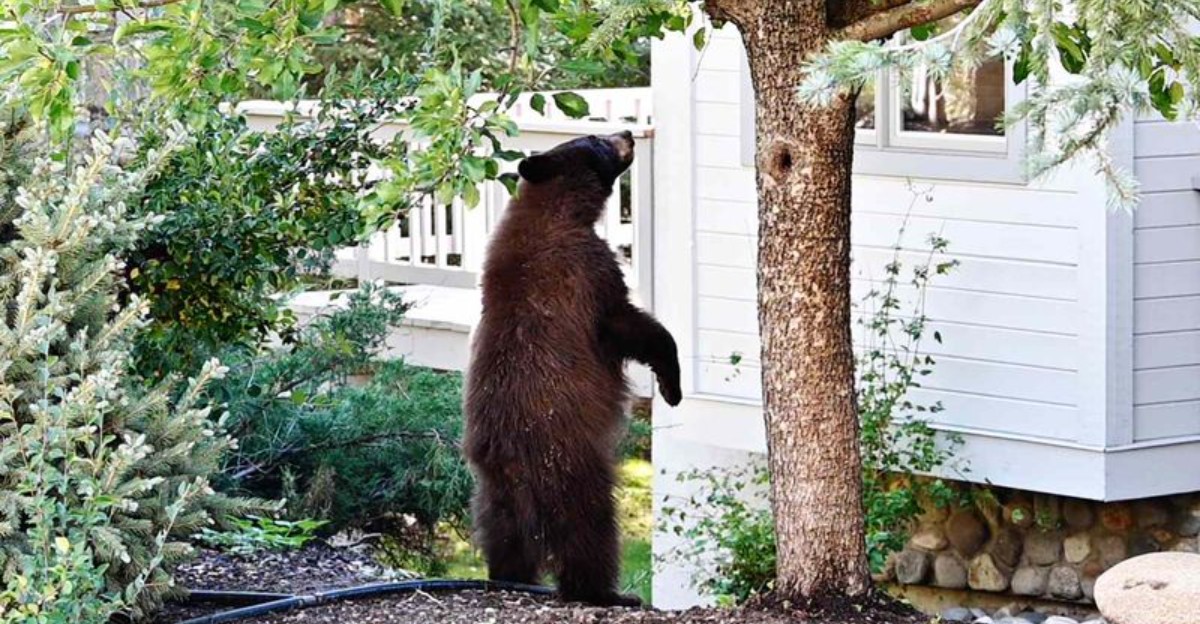
A trash can crashes over in the dark, followed by heavy footsteps and loud crunching. Your midnight visitor isn’t a raccoon.
Across New York’s Hudson Valley, black bears are on a serious mission right now. Fall is their eating season, and they can pack away thousands of calories a day before denning.
They aren’t picky about where those calories come from. Your yard may hold more temptations than you realize, from the bird feeder to the grill on the deck.
Some lures are obvious, while others might make you laugh or wince. Bears also remember easy meals, so one free snack can bring them back night after night.
A few small changes can turn your property from a buffet into a boring stop. Your family, your pets, and the bears themselves will all be safer for it.
Bears Are Racing To Pack On Fat Before Winter
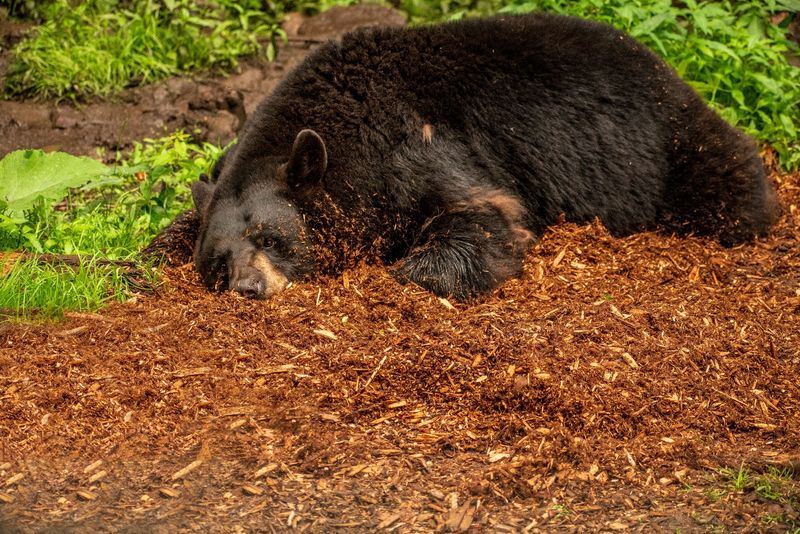
Picture eating nearly all day, every day, and still feeling hungry. For a Hudson Valley black bear in fall, that is normal life.
Scientists call this eating frenzy hyperphagia. It kicks in during late summer and lasts until bears settle into their dens.
During this stretch, a bear may forage up to 22 hours daily. Some bears gain as much as three pounds every single day.
Their goal is big. Bears try to add 20 to 100 percent of their summer body weight before winter.
To get there, a bear needs roughly 15,000 to 20,000 calories daily. A typical adult person eats about 2,000, so the gap is huge.
Stored fat works like a battery for the cold months ahead. A bear’s body slows way down in the den and runs on that reserve.
Natural foods like acorns, beechnuts, berries, and apples make up most of the menu. Still, bears hunt for anything rich and easy when the clock is ticking.
Here is where your yard enters the picture. Human food often packs more calories with far less work than searching the woods.
A smart move is to start bear-proofing in late August, before hunger peaks. Waiting until a bear shows up makes the job much harder.
Fun fact: black bears in the Northeast are not true deep hibernators. Their body temperature drops only slightly, so they can wake up if disturbed.
Understanding this race against the calendar explains almost every visit. Hunger, not meanness, is what drives bears toward people each autumn.
One Bird Feeder Can Equal A Full Day Of Calories
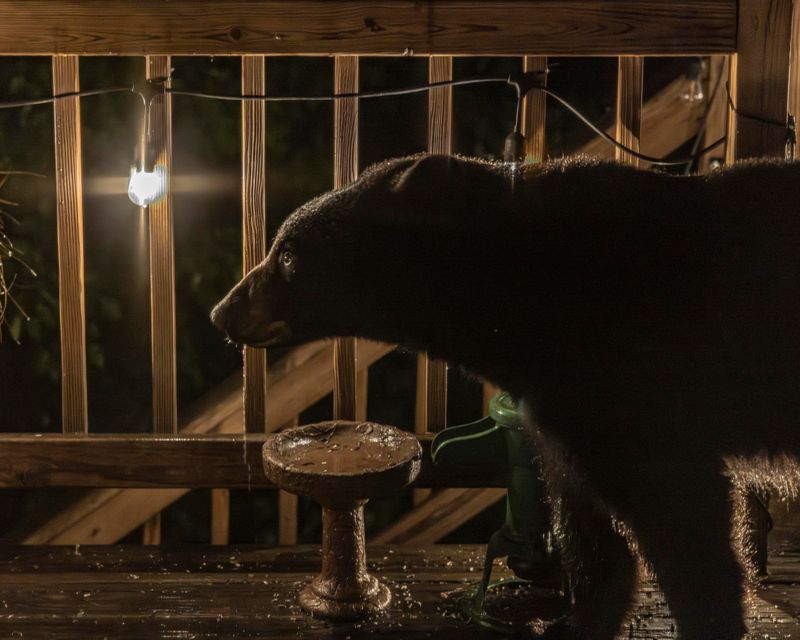
Here is a number that surprises most bird lovers. A typical seven-pound bird feeder holds around 18,000 calories.
For a fattening bear, that one feeder can cover nearly a whole day of eating. No climbing oak trees or digging through leaves is required.
Black oil sunflower seeds are especially rich in fat. Suet cakes are even denser, which makes them a bear favorite.
Hummingbird feeders count too. Sugary nectar is quick energy, and bears happily lick feeders dry.
A bear’s nose is roughly seven times stronger than a bloodhound’s. Some experts believe bears can pick up food smells from over a mile away.
Your New York Garden Changes Every Week. Your Plan Should Too.
Gardening in New York changes quickly throughout the season. Every Friday you’ll receive a simple weekly plan showing exactly what to plant, prune, fertilize, harvest, and protect so you never miss the right timing.
Once a bear learns feeders mean dinner, trouble follows. Repeat visits can slowly wear away its natural fear of people.
Many residents take feeders down from April through November. Wildlife officials in New York commonly suggest waiting until bears den up.
If you love watching birds, try other ideas during bear season. Native shrubs, a birdbath, and fall flower seed heads still attract plenty of songbirds.
Another tip is to bring feeders inside every evening. Bears often roam at night, though hungry ones may show up in daylight, too.
Neighbors matter here as well. One feeder down the road can keep a bear cruising through your whole street.
Bird feeding is a joyful hobby, and pausing it is a small sacrifice. Think of it as protecting both the birds and the bears.
Spilled Seed Under The Feeder Is Just As Tempting
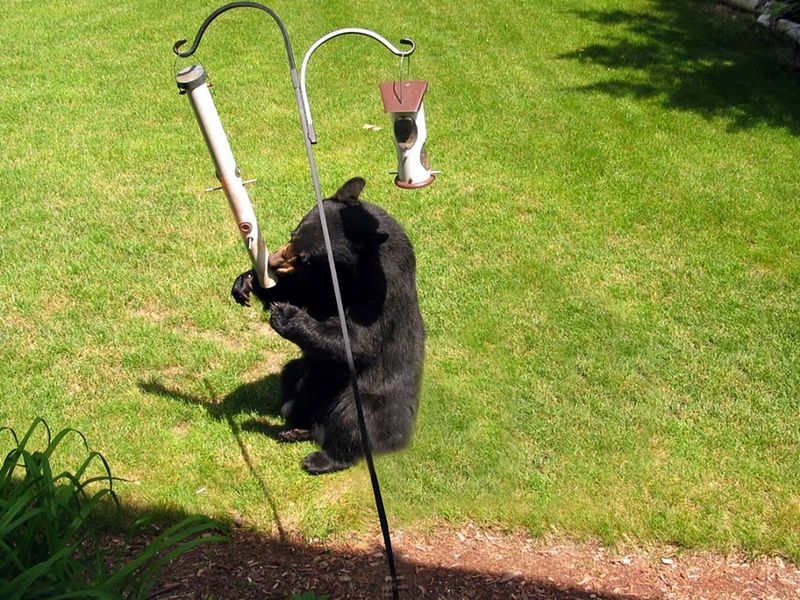
So you hung your feeder extra high, out of paw reach. Nice try, but the ground underneath may still be serving lunch.
Birds are messy eaters by nature. They fling seeds left and right while hunting for their favorite bits.
Over a few weeks, that spill can build into a thick carpet. Squirrels, chipmunks, and deer notice, and bears do too.
Fallen seed is about as easy as food gets. A bear just lowers its head and vacuums it up.
Each easy bite works like a reward. Rewards teach bears to return again and again, sometimes on a nightly schedule.
Some people swap to no-mess seed blends during spring and summer. Hulled sunflower chips leave far less waste on the ground.
A seed tray attached under the feeder catches a lot of the spill. Empty that tray often, though, or it becomes a bowl for bears.
A simple rake and bucket can handle the rest. Clean the area every few days if you feed in safer months.
During active bear season, the best answer is simple. Take the feeders down, then clear the ground completely.
Don’t forget nearby mulch beds and garden edges. Seeds tend to hide there, and a bear’s nose will find them.
Look for scattered hulls and flattened grass as clues. Those signs may mean someone large has already been snacking under your feeder.
Trash Cans Left Out Overnight Ring The Dinner Bell
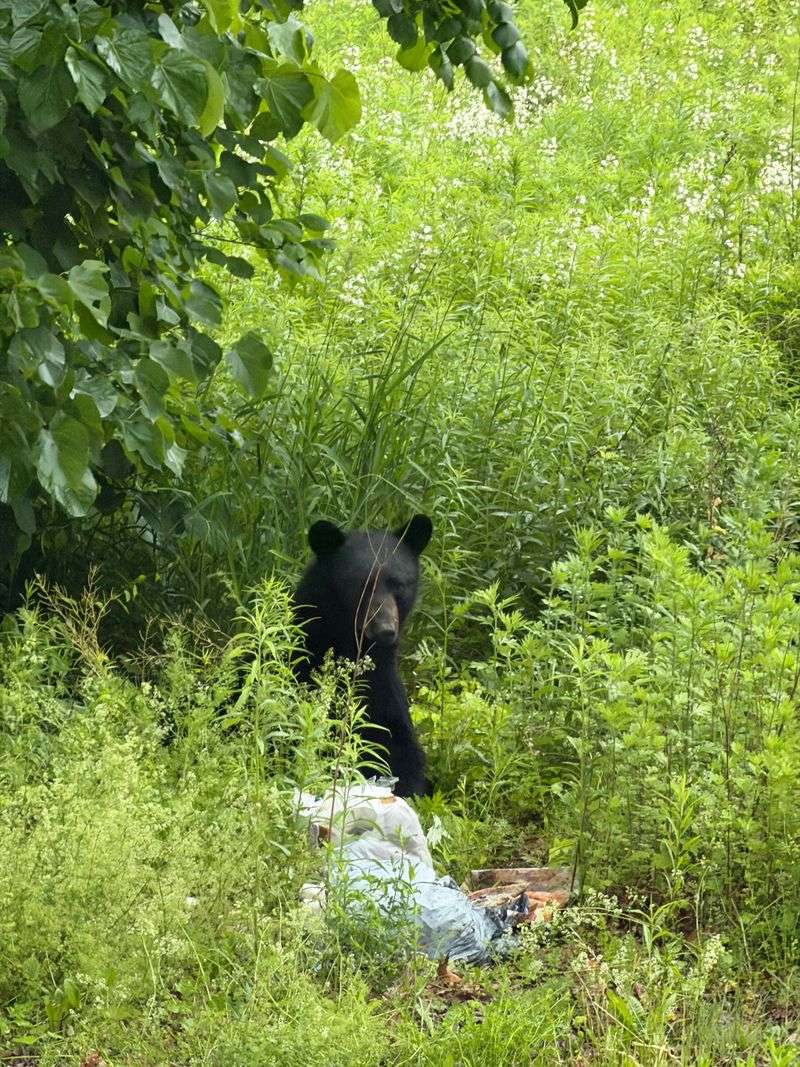
Ever woken up to garbage strewn across your driveway? In bear country, raccoons are not the only suspects anymore.
Unsecured trash ranks among the top bear magnets in the Hudson Valley. Leftover pizza, greasy wrappers, and meat scraps make a high-calorie feast.
To a bear, a curbside can is a free buffet with zero effort. Lids pop off easily, and plastic bins tip over with one push.
Bears are clever animals with strong memories. A single good haul can put your house on their nightly route.
Timing makes a big difference. Set cans out on the morning of pickup instead of the night before.
Between pickups, keep bins in a garage or sturdy locked shed. A screened porch or flimsy fence will not stop a determined bear.
Bear-resistant cans are worth a look if you lack storage. Many towns and sanitation companies offer them, sometimes at a discount.
Odor control helps too. Rinse bins with a little ammonia or bleach water to cut lingering smells.
Here’s another handy trick: freeze meat scraps and fish bones until trash day. Less smell means less interest from passing noses.
Feeding bears on purpose is illegal across New York, and once DEC sends you a written warning, leaving out trash, bird seed, or pet food that draws bears is illegal too. Some towns, like Woodstock, add their own rules on top, so check locally.
Keeping garbage locked away protects your neighbors as well. A bear that learns one street has easy trash will often test every house on it.
Greasy Grills Smell Like A Free Meal
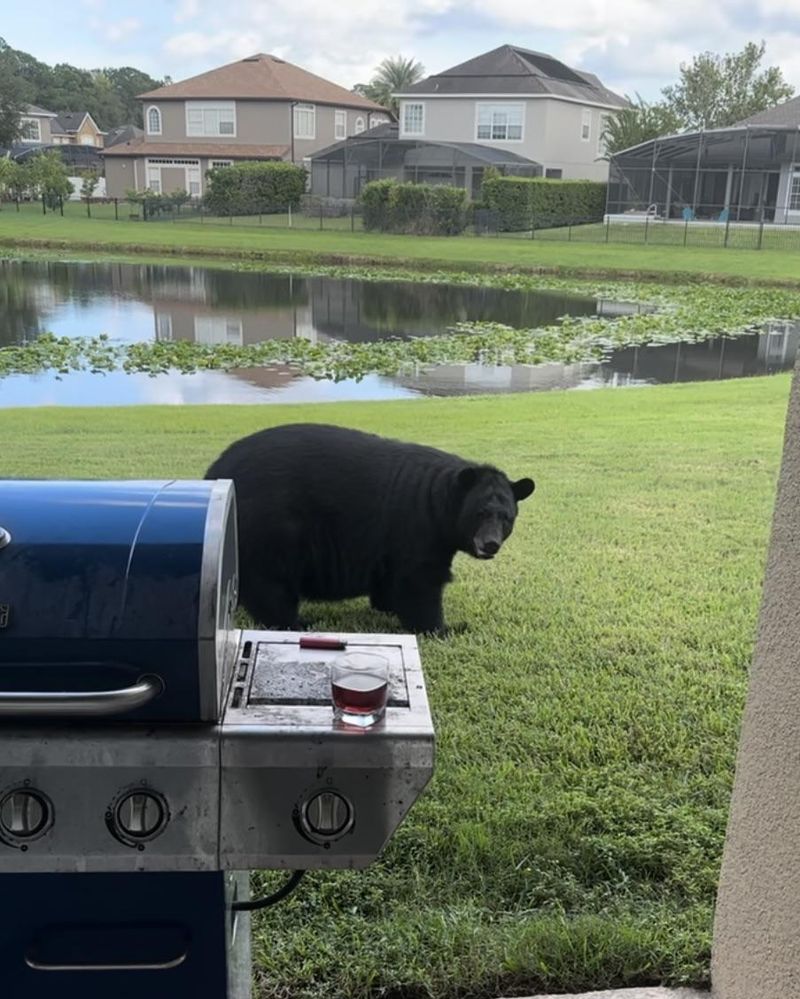
Saturday’s burgers are long gone, but your grill is still talking. To a bear, that greasy drip pan sounds like a dinner invitation.
Grease, bits of meat, and sauce linger long after cooking. Even a grill that looks clean can hold strong smells inside.
A bear’s nose is built to catch exactly these odors. Fat and protein smells drift far on cool fall evenings.
Bears have been known to tear off grill lids or tip over whole units. The damage can be costly, and the bear learns a bad lesson.
Start with a hot burn-off after each meal. Let the grill run on high for five to ten minutes to cook away leftovers.
Next, scrape the grates and wipe down the outside. Pay close attention to the grease trap, which collects the smelliest gunk.
Empty that trap regularly and toss the contents in a secured bin. A disposable foil liner makes this job quicker.
When grilling season slows, move the grill into a garage or shed. Covers alone do not hide odors well enough.
Picnic tables and deck boards can trap drips too. A quick scrub with soapy water erases those tempting spots.
Fun fact: bears can smell food sealed inside cars and coolers. A grease-soaked grill is practically shouting by comparison.
A few minutes of cleanup keeps cookouts fun and bear-free. Your deck stays yours instead of becoming a nighttime snack bar.
Pet Food On The Porch Is An Open Invitation
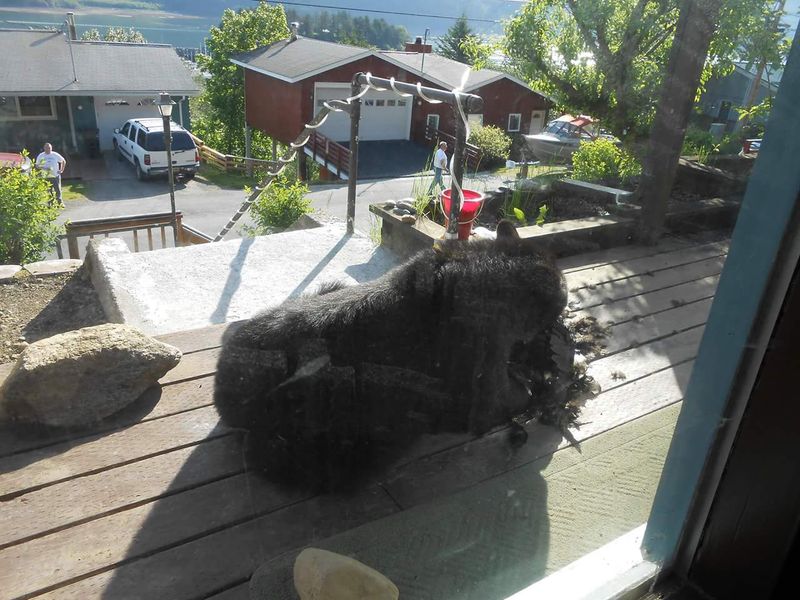
Your dog may love dining on the porch. Unfortunately, so would a 300-pound neighbor from the woods.
Dog and cat food are packed with fat and protein. For a bear bulking up, kibble is a tasty and reliable find.
Bowls left outside overnight are easy targets. Even an empty dish can hold enough smell to bring a bear sniffing.
Stored bags count too. A sack of food in a mudroom or open garage can tempt a curious bear inside.
The simplest fix is feeding pets indoors. Your furry friend will adjust quickly to a new spot in the kitchen.
If outdoor feeding is a must, stay nearby while pets eat. Pick up bowls and leftovers right after mealtime.
Keep bulk pet food in airtight metal or heavy plastic bins. Store them in a locked room, not on a porch or deck.
Outdoor cats and barn animals need extra planning. Feed them during daylight and remove extra food before dusk.
Safety matters for pets as well. A dog that rushes outside to confront a bear can get hurt badly.
Many homes border forests, so porch visits are common. Flipping on lights and making noise before letting pets out at night is a smart habit.
Think of your porch as a welcome mat. Remove the snacks, and the wrong guests stop knocking.
Backyard Chickens And Beehives Pull Them Closer
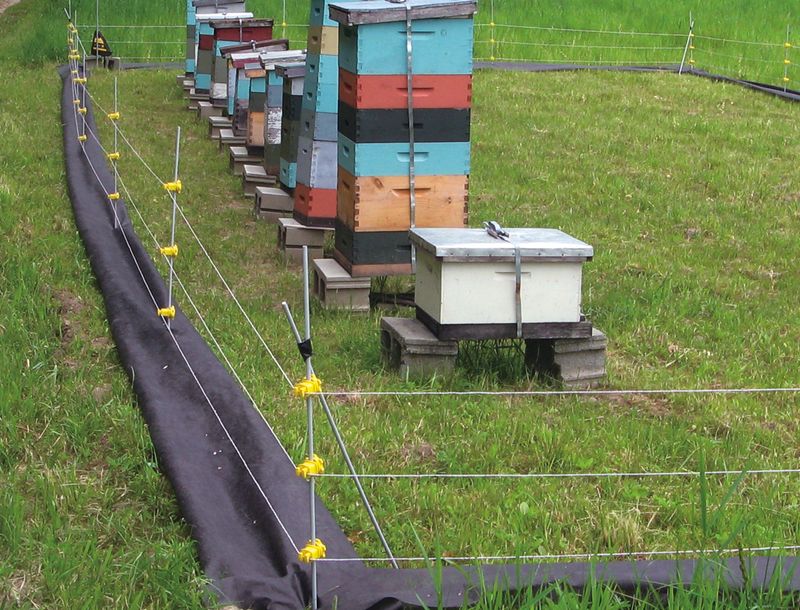
Winnie the Pooh got one thing right. Bears truly adore beehives, though honey is only part of the reason.
What bears crave most is the brood comb. Bee larvae and pupae are rich in protein and fat.
A bear will smash a hive, shrug off stings, and eat comb, bees, and all. Beekeepers can lose a full colony in one night.
Chickens are just as tempting. Hens, eggs, and stored feed together create a high-calorie package.
Many people think a sturdy coop is enough. Sadly, a determined bear can rip off doors, wire, and even roof panels.
Electric fencing is widely considered the best defense. A properly built fence teaches bears a quick, painless lesson to stay away.
For good results, use a charger rated for bears and several strands of wire. Keep the bottom wire low and trim weeds that drain the charge.
Some keepers bait the fence with a dab of peanut butter on foil. A curious nose gets a zap and learns fast.
Store chicken feed in metal cans inside a locked building. Collect eggs daily so nothing lingers in nesting boxes.
Local beekeeping clubs often share fencing tips. Asking a seasoned neighbor can save money and heartbreak.
Set up protection before bears find your flock or hives. Prevention costs far less than rebuilding after a midnight raid.
Compost Piles With Food Scraps Lure Them In
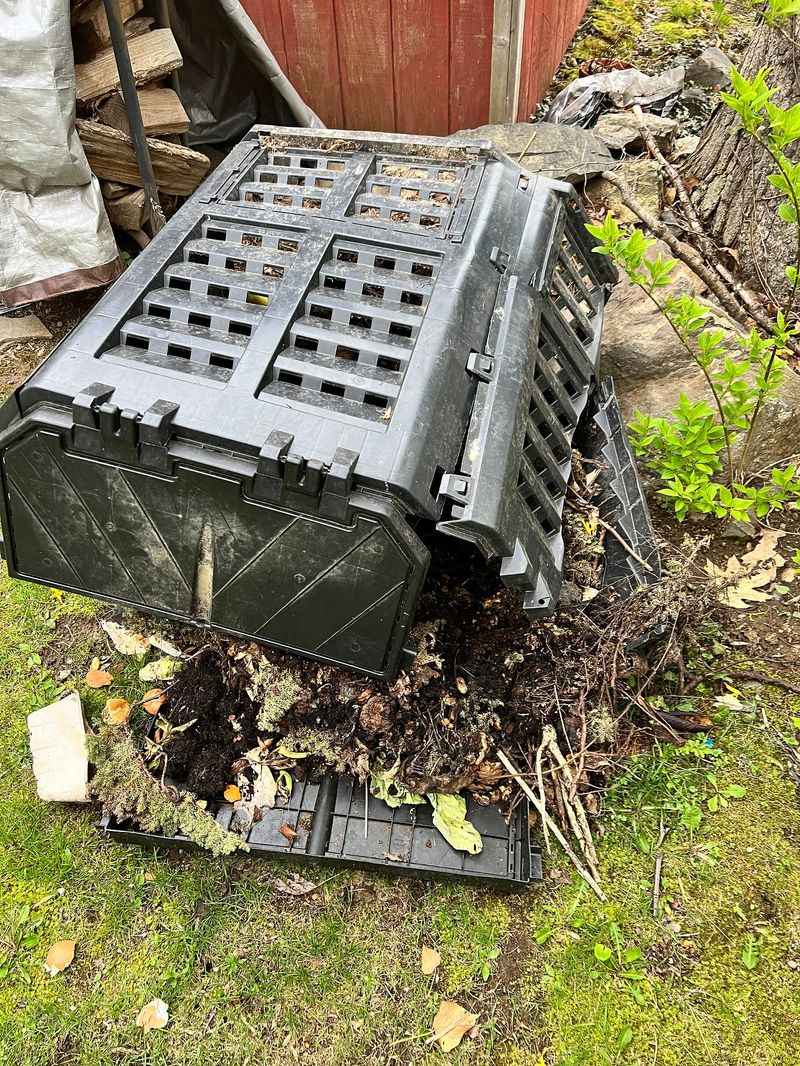
Composting feels good for the planet, and it is. Yet a poorly managed pile can smell like a festival to wildlife.
Rotting fruit, veggie peels, and kitchen scraps release strong odors. Those smells can travel surprisingly far on a breeze.
Bears will happily dig through a warm, smelly heap. Fall apple cores and melon rinds are especially popular finds.
The good news is you don’t need to quit composting. A few smart habits can make your pile much less exciting.
First, bury every food addition under brown materials. Dry leaves, shredded cardboard, and wood chips help trap odors.
Aim for roughly three parts brown to one part green. A balanced pile breaks down faster and smells earthier.
Skip meat, bones, fish, grease, and dairy entirely. Those items create the strongest smells and attract the most visitors.
Turn the pile often to keep air moving. Good airflow cuts down on sour, rotten odors that bears notice.
Enclosed tumblers work better than open heaps. Some models are built to resist bears, and electric fencing adds extra protection.
During peak bear months, consider freezing scraps first. Add them later when bears have settled into dens.
Luckily, Hudson Valley yards have piles of fallen leaves each autumn. Raking them into your compost solves two chores at once.
With a little care, your garden gets rich soil instead of nighttime visitors.
Dry Summers Push Bears Deeper Into Neighborhoods
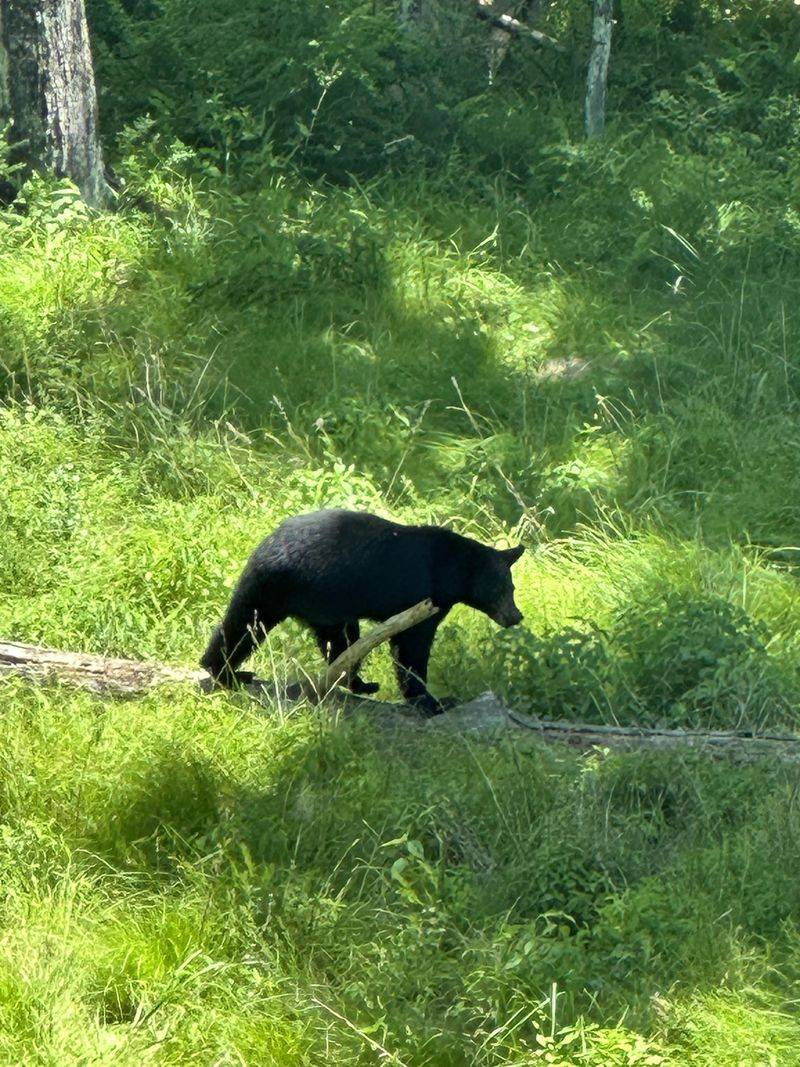
Rain or the lack of it plays a quiet role in bear behavior. A dry summer can reshape a bear’s whole fall plan.
Drought shrinks wild food supplies. Berries shrivel, and nut trees may produce fewer acorns and beechnuts.
Biologists call a poor nut year a mast failure. When that happens, bears must travel farther to find enough calories.
Longer trips often lead them straight into neighborhoods. Lawns, gardens, and garbage suddenly look like the best options around.
Young bears feel this squeeze the most. Recently independent yearlings lack experience and may wander into towns more readily.
Fruit trees become hot spots in lean years. Apples, pears, and crabapples dropping in yards can draw bears for weeks.
Pick ripe fruit quickly and gather fallen pieces daily. Even a few rotting apples can hold a bear’s attention.
Paying attention to weather can help you prepare. After a dry summer in the Hudson Valley, expect more bear sightings that fall.
Local news and state wildlife alerts often report rising activity. Use those warnings as a nudge to tighten up your yard.
Remember that hungry bears are not trying to cause trouble. They are simply following their stomachs wherever food leads.
Removing easy meals during tough seasons protects them too. Bears that stay wild have a much better chance of living long, healthy lives.
Bears Remember Easy Meals And Keep Coming Back
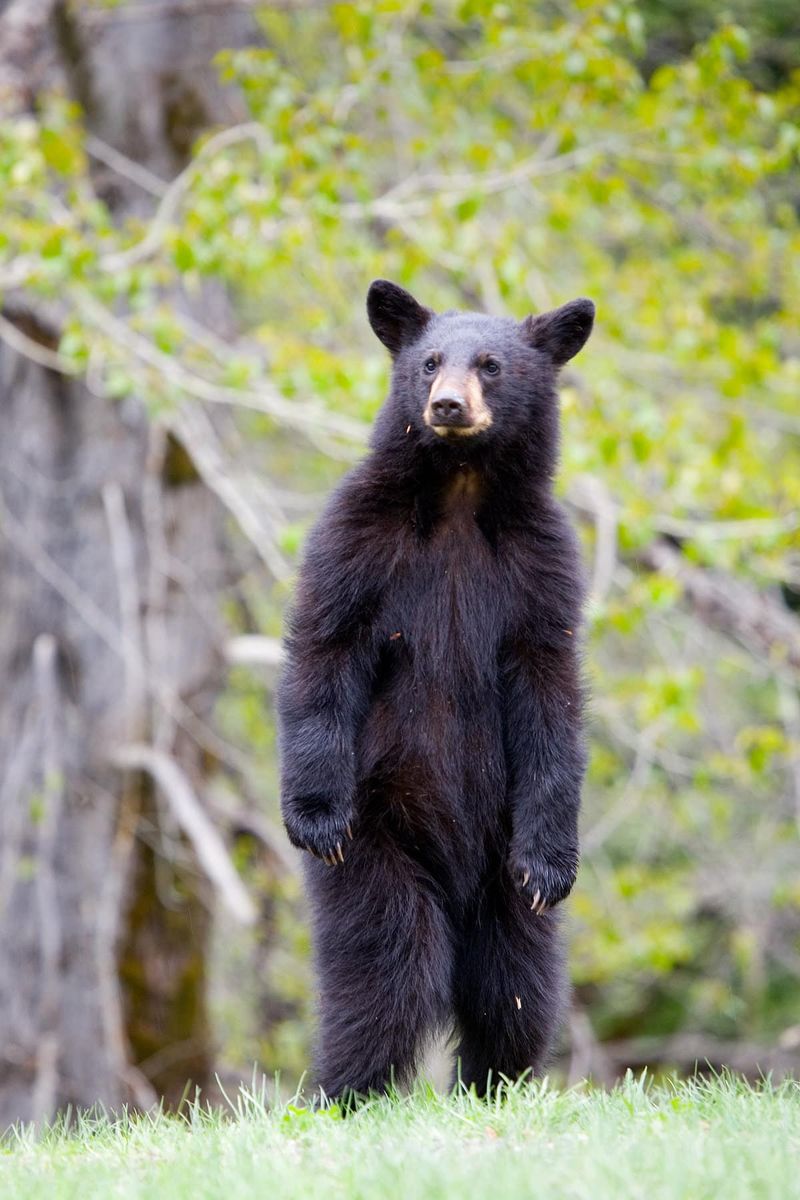
Bears have memories that would impress any trivia champ. Researchers have seen them return to the same food spots years later.
Once a bear finds an easy meal, it files that location away. Your yard can become a regular stop on its route.
Experts call this food conditioning. Each reward strengthens the habit and makes the next visit more likely.
Over time, bears may grow less wary of people. A bear that once fled at a slammed door might start ignoring it.
Bolder bears can cause bigger problems. They may try opening doors, climbing onto porches, or breaking into cars.
Sadly, food-conditioned bears often face serious outcomes. Wildlife officials sometimes must remove bears that become a safety risk.
Prevention is the kindest choice you can make. Stopping that first reward keeps a bear wild and wary.
If a bear does show up, make yourself known from a safe spot. Yell, bang pots, or blast a car horn to send it off.
Never approach or corner a bear. Give it a clear escape path, and keep kids and pets indoors.
Report repeat visits to the New York State Department of Environmental Conservation. Staff can offer advice tailored to your Hudson Valley neighborhood.
Bear-smart habits work best when whole streets join in. Share these tips with neighbors so every yard stays boring to a hungry bear.