Ladybug Look-Alikes Are Swarming New York Homes. Here’s Why They Picked Yours
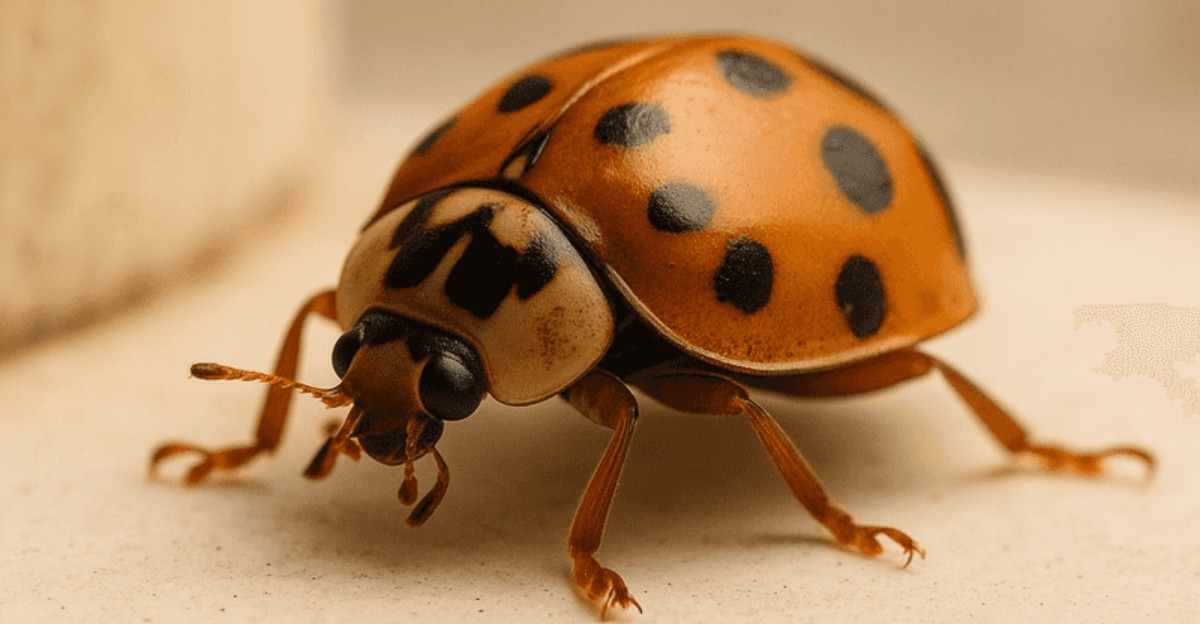
Your sunny kitchen window has a new decoration, and it is crawling. Hundreds of orange and red beetles are piling onto walls and ceilings across New York this fall.
At first glance, they look like the sweet ladybugs you once let walk across your fingers. Look closer, though, and you will notice they are a bit bigger, a bit bolder, and a lot more crowded.
These visitors did not show up by accident. Something about your house made it stand out from every other home on the street.
The color of your siding, the direction your walls face, and even tiny cracks all play a part. There is also a sneaky scent trick that keeps their friends coming back.
The good news is that you can outsmart them once you understand what they want. Here is how to spot these look-alikes, why they chose you, and how to send them packing.
They’re Asian Lady Beetles, Not Native Ladybugs
Picture a cheerful red beetle on your windowsill, then picture three hundred more behind it. That crowd is probably not the friendly ladybug from your childhood picture books.
Most fall swarms in New York are Asian lady beetles, known to scientists as Harmonia axyridis. They are an invasive cousin of our native ladybugs.
People brought them to the United States decades ago to eat crop pests like aphids. The plan worked, but the beetles spread far beyond farms and orchards.
Native ladybugs tend to be smaller and rounder, with neat, even spots. Asian lady beetles are a bit larger, more oval, and come in many colors.
Their shades run from pale yellow to orange to deep red. Some have lots of spots, while others have none at all.
Here is a fun fact for trivia night. New York’s state insect, the nine-spotted ladybug, has become extremely rare across the state.
Scientists think competition from invaders like the Asian lady beetle may be part of the reason. Volunteers once searched for years before spotting a few in the wild.
Bug experts also prefer the name lady beetle, since these insects are beetles, not true bugs. You can share that detail next time a neighbor complains.
Knowing which beetle you have matters for good reason. Native ladybugs rarely crowd inside homes, so a big indoor swarm points straight to the Asian species.
Once you know the culprit, the rest of their odd habits start to make sense. Each clue below explains another piece of the puzzle.
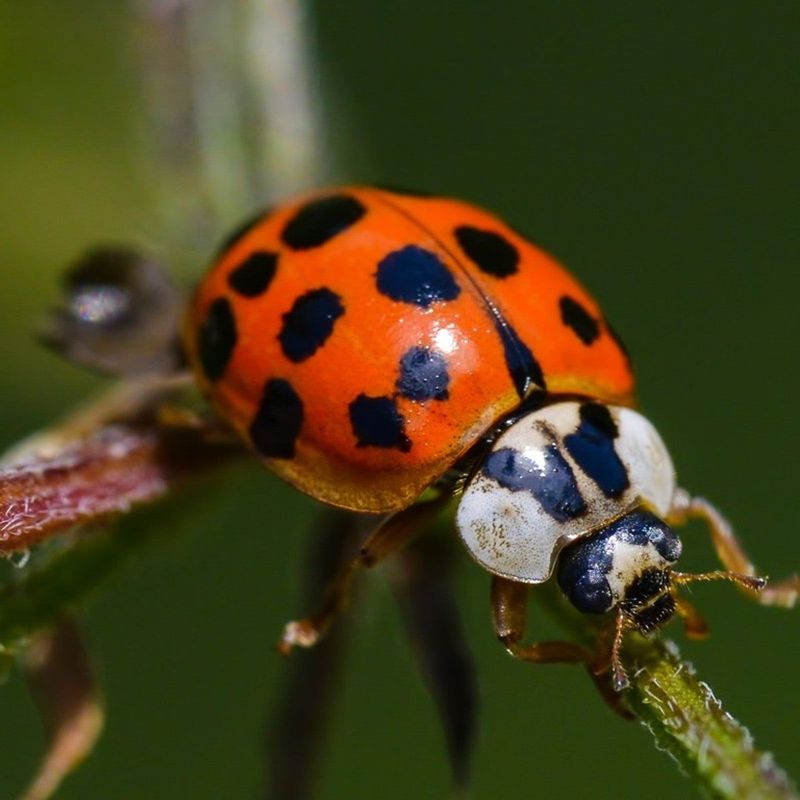
A Black “M” Behind The Head Gives Them Away
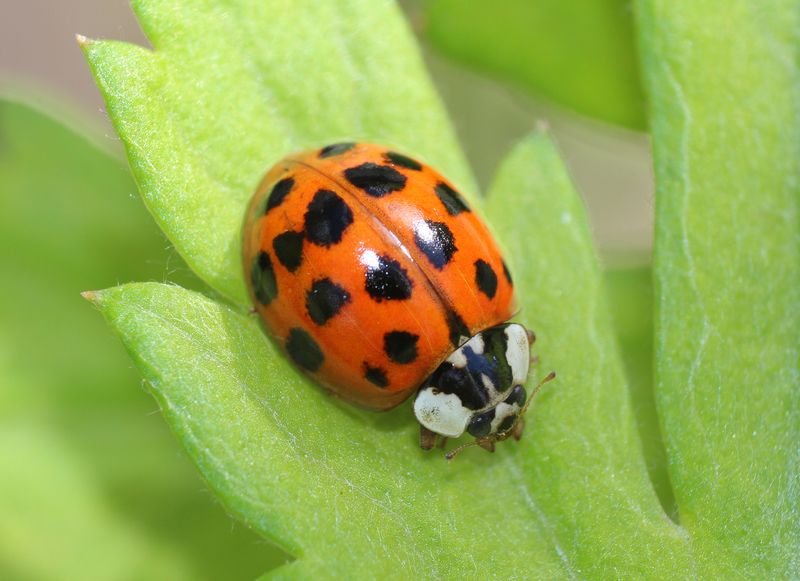
Grab your phone, zoom in with the camera, and look just behind the beetle’s head. You are hunting for a tiny letter printed by nature.
Asian lady beetles carry a black mark shaped like an M on a white plate. If you view the beetle from the other direction, it looks like a W.
That white plate has a fancy name, the pronotum. It works a bit like a shield covering the area between the head and wings.
Your New York Garden Changes Every Week. Your Plan Should Too.
Gardening in New York changes quickly throughout the season. Every Friday you’ll receive a simple weekly plan showing exactly what to plant, prune, fertilize, harvest, and protect so you never miss the right timing.
Native ladybugs look different in that spot. Their pronotum is mostly black, with small white patches on the sides that resemble little cheeks.
The M is not perfect on every beetle, so stay patient. Sometimes the lines look broken, and sometimes the whole shape is filled in.
Spots are another clue, though a trickier one. Asian lady beetles can have anywhere from zero to nineteen spots, scattered in uneven patterns.
Native ladybugs usually stick to a steady bright red or red-orange shade. Their spots also tend to look tidy and matched on both sides.
Try this simple test with kids on a rainy weekend. Gently scoop a beetle onto white paper, then check for the M with a magnifying glass.
Kids love turning bug identification into a game. Keep a tally sheet and see how many beetles in your house carry the telltale letter.
Chances are, nearly every one will show the mark. Once you have spotted it a few times, you will recognize it from across the room.
Sunny South And West Walls Act Like Magnets
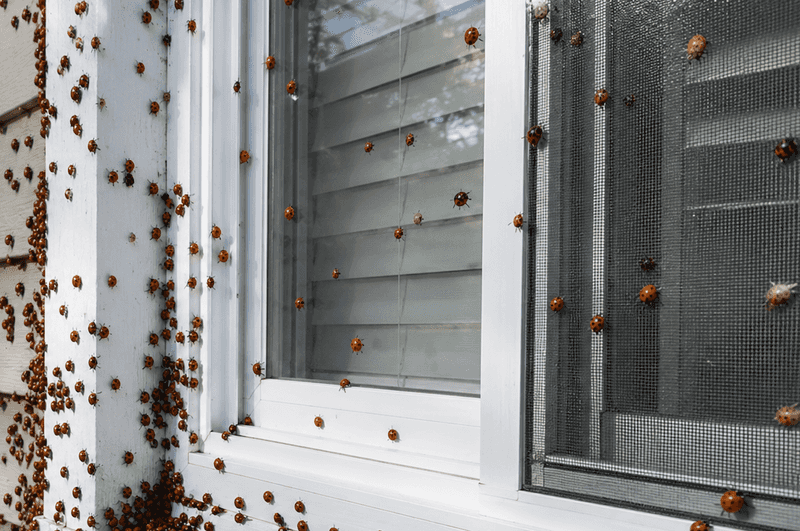
On a bright October afternoon, one wall of your house may suddenly look freckled with orange dots. Odds are good that wall faces south or west.
Asian lady beetles crave warmth as fall sets in. Sun-soaked siding feels like a cozy heated blanket to a cold insect.
Their search usually kicks off after the first chilly night near freezing. The next warm, sunny day sends them flying toward the toastiest surfaces they can find.
Back in their native Asia, these beetles spend winter tucked into rock cracks and cliff faces. Those rocky spots soak up sunlight and hold heat well.
Your house is the closest thing to a sunny cliff. Walls that face south and west catch the most afternoon rays, so they win.
Many homeowners notice swarms peaking on warm days in late September through October. A quick look around your yard at about two in the afternoon tells a lot.
Walk each side of the house and note where the beetles gather. Those busy walls are the first places to check for gaps later.
Planting tall shrubs or trees can shade a hot wall over time. Shade may not stop every beetle, but cooler siding is less inviting.
Patio furniture and grills along sunny walls can attract stragglers too. Cover them or move them before the busy season starts.
Think of your sunny wall as a billboard flashing a vacancy sign. Your job is to make sure the rooms behind it stay booked.
Light-Colored Homes Draw The Biggest Crowds
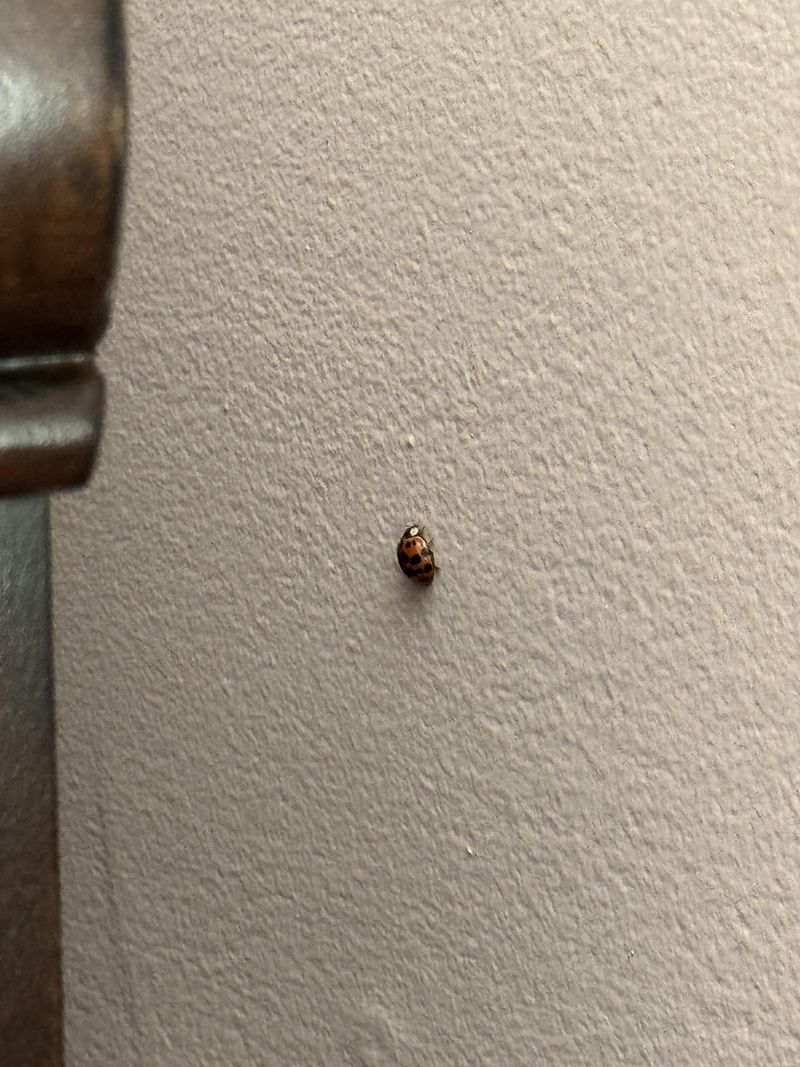
Does your house wear a crisp white coat of paint? Congratulations, you may own the most popular beetle hangout on the block.
Asian lady beetles are drawn to light-colored buildings. White, gray, and pale yellow homes seem to send out an open invitation.
Scientists believe the beetles look for spots that stand out from their surroundings. A bright house against dark trees is hard for them to miss.
Location adds to the attraction. Homes near wooded areas tend to see bigger crowds than those on open city blocks.
Woods give the beetles plenty of aphids to eat during summer. When fall arrives, the nearest bright building becomes their winter target.
Before you rush to repaint, take a breath. Changing your house color is costly, and darker homes still get visitors.
Smarter moves are cheaper and work better. Focus your effort on sealing the light-colored walls that face the sun.
Pale trim, shutters, and window frames can attract beetles even on darker homes. Give those areas extra attention when you inspect your siding.
Sheds, garages, and barns painted white often draw swarms too. Store garden gear inside sealed bins so the beetles cannot hide in it.
Here is a quirky detail many people enjoy. Some researchers compare light homes to glowing landmarks, guiding beetles across the landscape like little lighthouses.
Your home is not being singled out for bad luck. It simply looks like the best hotel in the neighborhood.
With a few repairs, the lobby can stay open. The guest rooms behind your walls can stay closed.
They Leave Scent Signals That Call In Their Friends
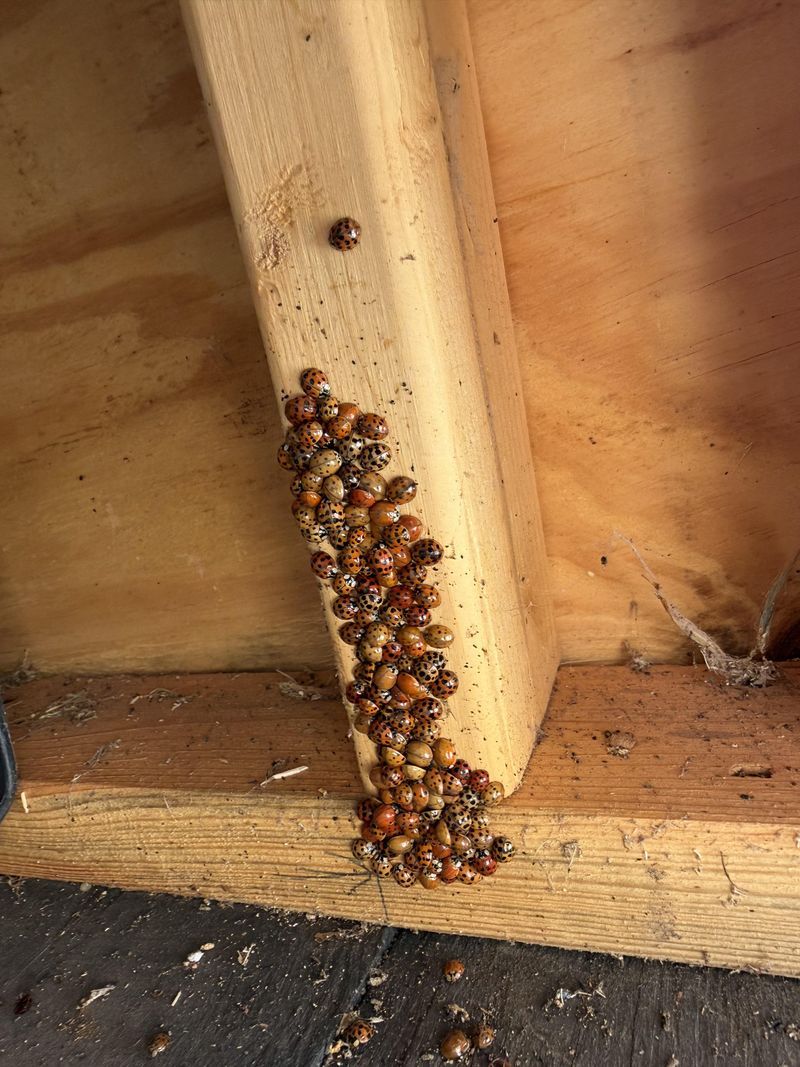
Ever wonder why you find one beetle on Monday and two hundred by Friday? Blame a tiny chemical message that works like a group text.
Once an Asian lady beetle finds a good shelter, it releases a special scent called a pheromone. Nearby beetles pick up that signal and head right over.
The result is a crowd packed into wall spaces, attic corners, and along foundations. They huddle together to wait out the cold months.
These scent trails can linger long after the beetles leave in spring. Next fall, a fresh batch may follow the same invisible map to your house.
That explains why some homes get swarmed year after year. The neighbors next door may barely notice a single beetle.
Cleaning helps break the cycle. Wipe window frames and sills with soapy water after you vacuum up the beetles.
Some homeowners use a mild vinegar solution on hard surfaces. Test a hidden spot first so you do not damage paint or wood finishes.
Pay extra attention to corners where beetles clustered the thickest. Those hot spots likely hold the strongest leftover scent.
Outside, a quick rinse of siding with a garden hose can help too. Do it on a calm day in spring after the beetles have moved on.
Think of it like erasing a guest review. Fewer clues mean fewer beetles treating your home as a five-star stay.
Small habits like these take only minutes each season. Over time, they can shrink the size of your fall invasion.
Tiny Gaps Around Windows And Siding Let Them In
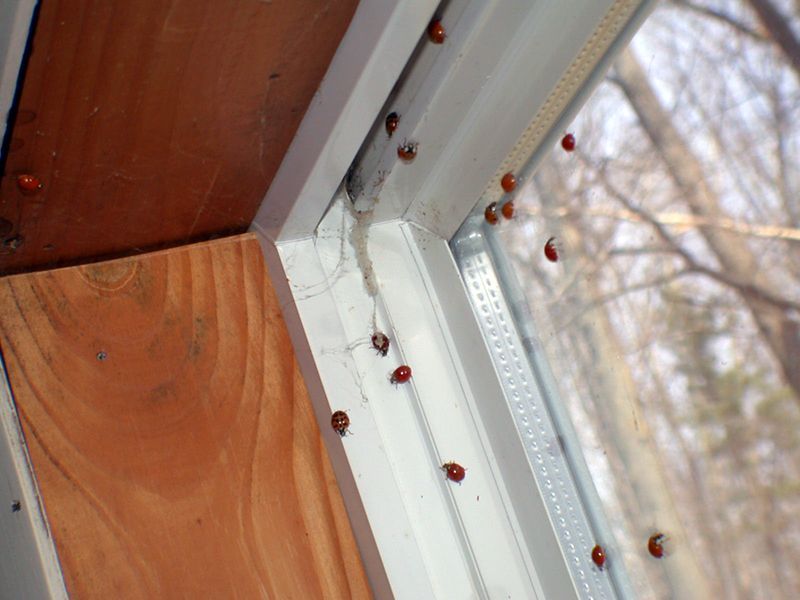
An Asian lady beetle is only about a quarter inch long. To a creature that small, a hairline crack looks like a front door.
Common entry points include gaps around window frames, door jambs, and soffits. Beetles also slip through cracks in foundations and openings near vents.
Siding is another favorite route inside. They crawl beneath loose panels and follow the roof line until they find a way in.
Utility lines create sneaky shortcuts as well. Look closely where cable, phone, and gas lines enter your walls.
Older homes often have more of these openings. Settling foundations and aging caulk leave little gaps that grow each year.
Here is a handy trick to find hidden leaks. On a windy day, hold a lit incense stick near window and door edges.
If the smoke wavers or gets pulled sideways, air is moving through a gap. Where air flows, beetles can usually squeeze through too.
A flashlight helps at night from inside the house. Have a friend shine it from outside while you look for light peeking through cracks.
Mark each problem spot with painter’s tape as you go. A simple list keeps your repair job organized and easy to finish.
Do not forget the attic and basement during your search. Beetles often enter through these quiet spaces and later wander into living areas.
A careful inspection takes about an hour for most homes. That small effort can save you weeks of sweeping beetles off windowsills.
Squashing Them Leaves Stains And A Nasty Smell
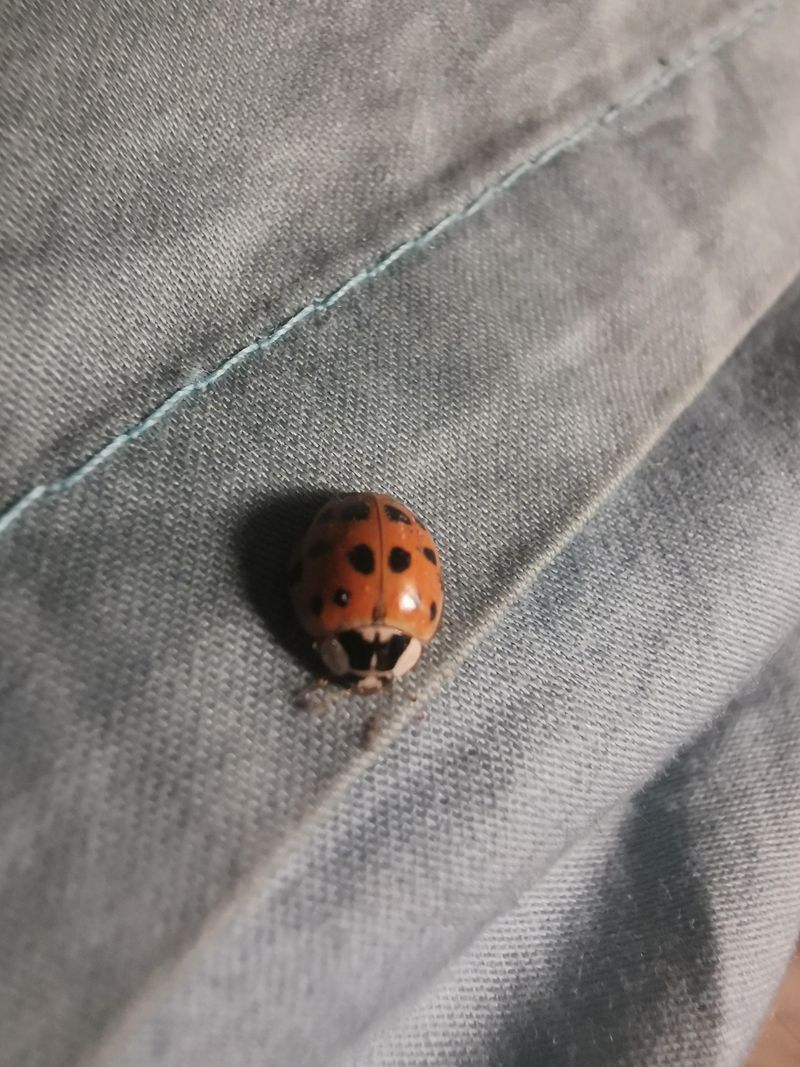
It is tempting to smack a beetle with a shoe and move on. Unfortunately, that quick swat can leave you with a mess you regret.
When Asian lady beetles feel threatened, they release a yellow fluid from their leg joints. Scientists call this trick reflex bleeding.
The fluid is actually hemolymph, which works like blood for insects. It smells bitter and musty, and the odor can hang around for hours.
Worse, it leaves yellow-orange stains on walls, curtains, and ceilings. Light-colored paint and fabric show the marks most clearly.
All ladybug species use this defense, not just the Asian kind. The bad taste warns birds and other predators to look for a different snack.
Even picking beetles up by hand can trigger the fluid. Use a sheet of paper or a soft brush if you need to move one.
Some people with allergies may react to the beetles or their fluid. Itchy eyes or sneezing during a swarm is worth mentioning to a doctor.
Already have a stain? Blot it gently with cool water and a little dish soap, without hard scrubbing.
For stubborn marks on fabric, try a stain remover made for organic spots. Test it on a hidden area before treating the whole surface.
Pets may also bother the beetles during a swarm. Keep curious dogs and cats away so they avoid a bitter mouthful.
Patience is your friend here. A gentle approach keeps your walls clean and your nose much happier.
A Vacuum Is Your Best Weapon Indoors
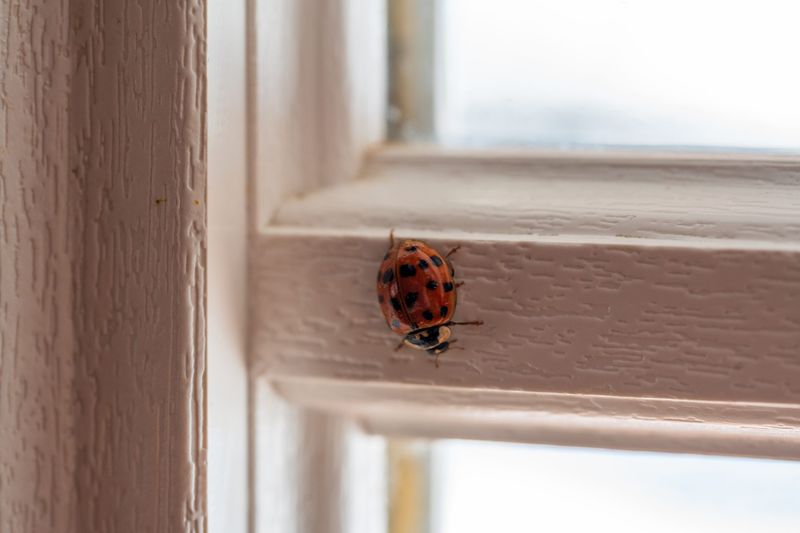
Forget the flyswatter and roll out the vacuum cleaner instead. It is the cleanest, easiest way to clear beetles from inside your home.
Suction pulls the beetles away before they feel threatened enough to release their smelly fluid. That means no yellow stains and no lingering odor.
A hose attachment is a must for this job. It reaches window corners, light fixtures, and ceiling edges where beetles love to cluster.
Empty the canister or toss the bag soon after each cleanup. Otherwise, the beetles may crawl back out and start a fresh swarm.
Many New York homeowners use a clever stocking trick. Slip a knee-high nylon into the hose, then secure it with a rubber band.
The nylon catches beetles before they reach the bag. Afterward, you can release them outdoors far from the house if you prefer.
Some families keep a small handheld vacuum near sunny windows during peak season. Quick daily pickups keep crowds from growing too large.
Skip bug sprays inside your living spaces. Chemicals add risks for kids and pets and leave beetle bodies hidden in your walls.
Clean the vacuum hose with warm soapy water after heavy use. That small step clears away any musty smell left behind.
Pick a vacuum with strong suction but a gentle setting for curtains. Delicate fabrics can snag if the nozzle grabs them too hard.
With the right tools, an annoying swarm becomes a five-minute chore. Your floors stay clean, and nobody holds their breath.
Seal Cracks Now Before They Settle In For Winter
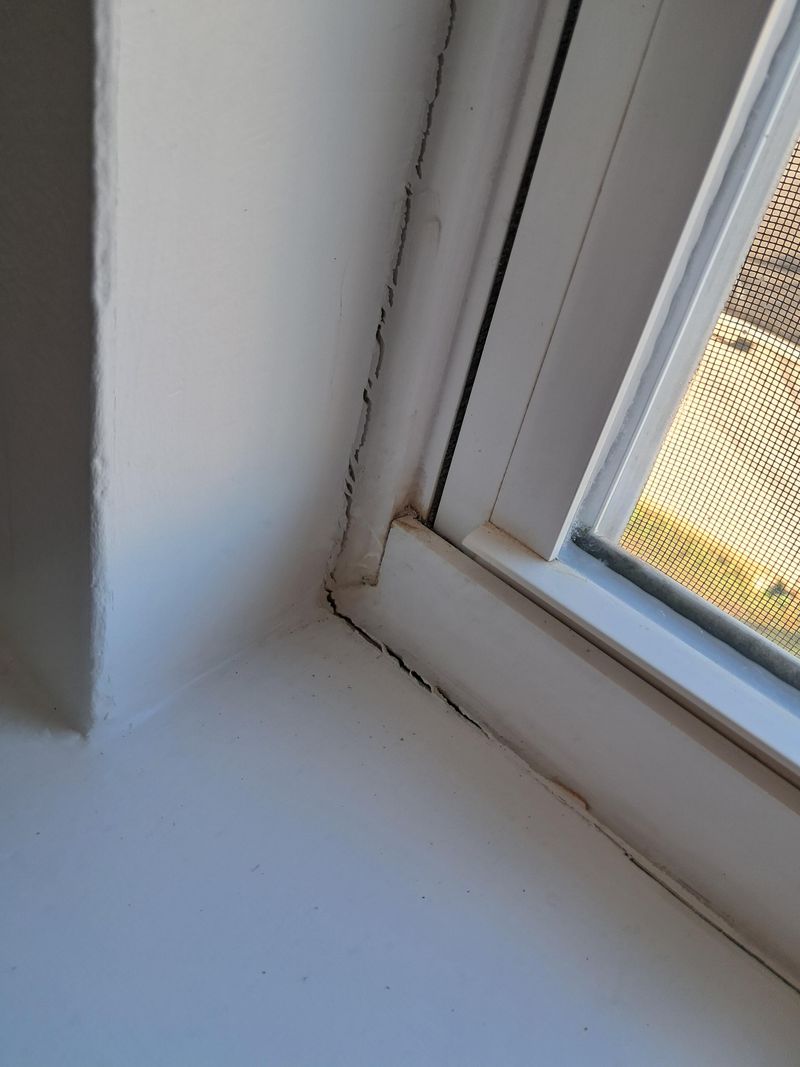
Timing is everything with Asian lady beetles. Once they slip inside your walls, sealing the outside only traps them in with you.
Late summer is the sweet spot for repairs across New York. Aim to finish before the first frosty night sends beetles hunting for shelter.
Start with a tube of quality silicone or acrylic caulk. Run a neat bead around window frames, door trim, and spots where pipes enter.
Weatherstripping comes next on your checklist. Replace worn strips around exterior doors and garage doors, where gaps tend to hide.
Door sweeps are cheap and simple to install. They block the narrow space beneath doors that beetles love to crawl through.
Torn window screens are like open gates. Patch small holes with a repair kit, or replace screens that look worn out.
Check attic and foundation vents for loose or missing covers. Fine mesh screening keeps beetles out while still letting air flow.
Bigger gaps around pipes or cables may need expanding foam. Trim the extra foam once it dries for a tidy finish.
Bonus tip for busy weekends: break the work into small chunks. Tackle the sunny south and west walls first, since they attract the most visitors.
A ladder and a helper make high soffits much safer to reach. If heights make you nervous, a local handyman can handle the tricky spots.
Your effort pays off in more ways than one. Sealed homes also keep out cold drafts, stink bugs, and spiders, while trimming heating bills.