How To Bring Your New York Christmas Cactus Back To Life Before Holiday Bloom
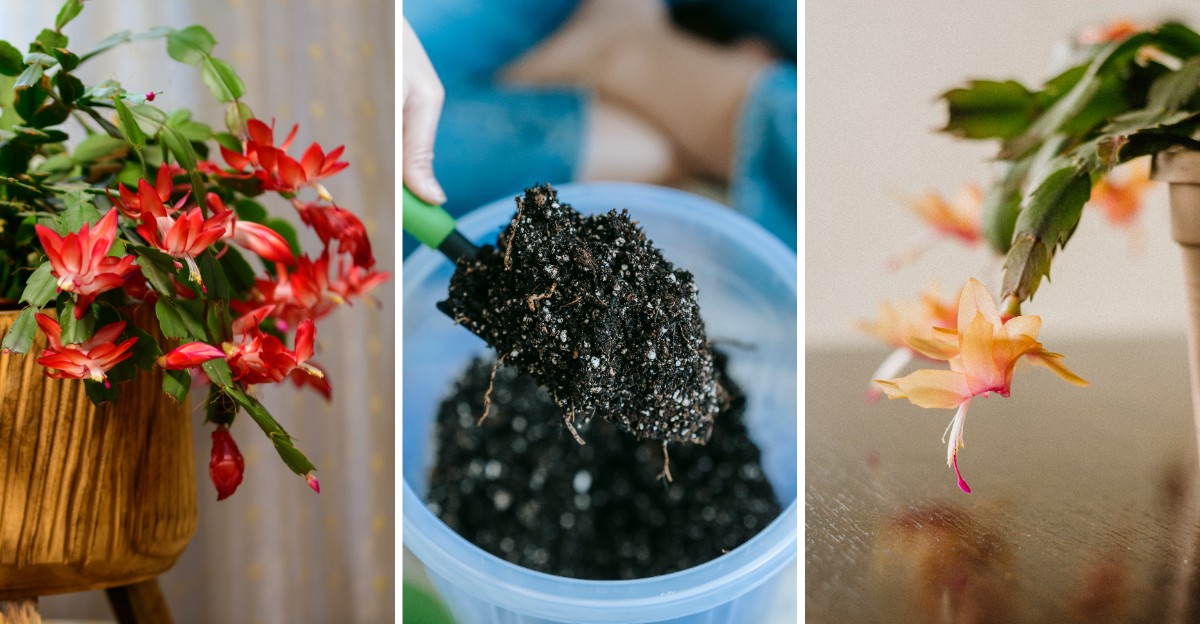
Your holiday showpiece leans over the pot rim, and you suspect trouble. Wrinkled segments dangle like streamers left up after a party you forgot to end.
Maybe the radiator hissed through New York winters and turned your room into a desert. Or a sticky heat wave pushed it behind dusty curtains for weeks.
Relax, because this plant forgives lapses better than you expect. Healthy stems store energy, and you can redirect it toward blooms.
Darkness triggers buds, so you control the timetable. You need no greenhouse, no inherited talent, and no expensive gadgets.
A cool room, steady light, and a gentle touch will do the job. New York winters feel long, yet you can turn that grayness into color.
Picture crimson and magenta blooms crowding that windowsill pot around the holidays. Soon you outshine the tree while your cat watches.
If it is already fall, skip repotting, pruning, and feeding until the blooms fade. Focus on the root check, heat, light, and watering steps.
1. Check The Roots For Hidden Trouble
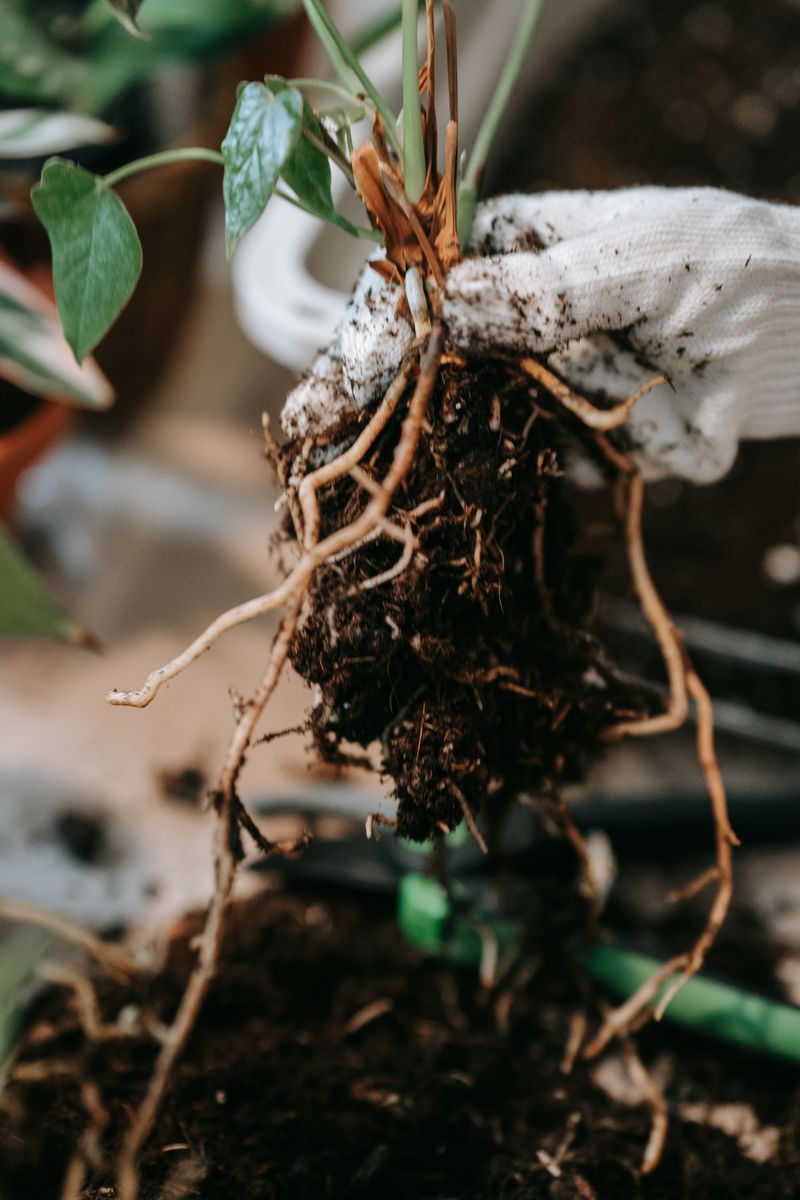
A plant that looks hopeless often has a problem hiding under the soil. Roots tell the true story, so start your rescue there.
Gently tip the pot sideways and slide the plant out while holding the base of the stems. Squeeze the sides of a plastic pot first if the soil feels stuck.
Healthy roots look white or light tan, and they feel firm like cooked spaghetti that still has bite. Brown, mushy, or smelly roots mean rot has moved in.
Grab clean scissors and snip off the soft, dark roots. Wipe the blades with rubbing alcohol between cuts so germs do not spread to healthy parts.
After trimming, let the root ball sit on a paper towel for up to an hour. A short rest helps the fresh cuts dry and seal before they touch new soil.
Sometimes the roots look fine but wrap around the pot in tight circles. Loosen them with your fingers so they can stretch out and drink properly again.
Plants with only a few healthy roots left can still recover with patience. If the root system is badly damaged, use a slightly smaller pot so extra soil does not stay soggy. Otherwise, go up only one size.
Think of this step as a checkup at the doctor before any big treatment plan. Once you know what is happening below, the other fixes work better.
Write down what you found in a small notebook or phone note. Tracking progress makes it easier to spot new problems before they grow.
2. Move The Pot Away From Radiator Heat
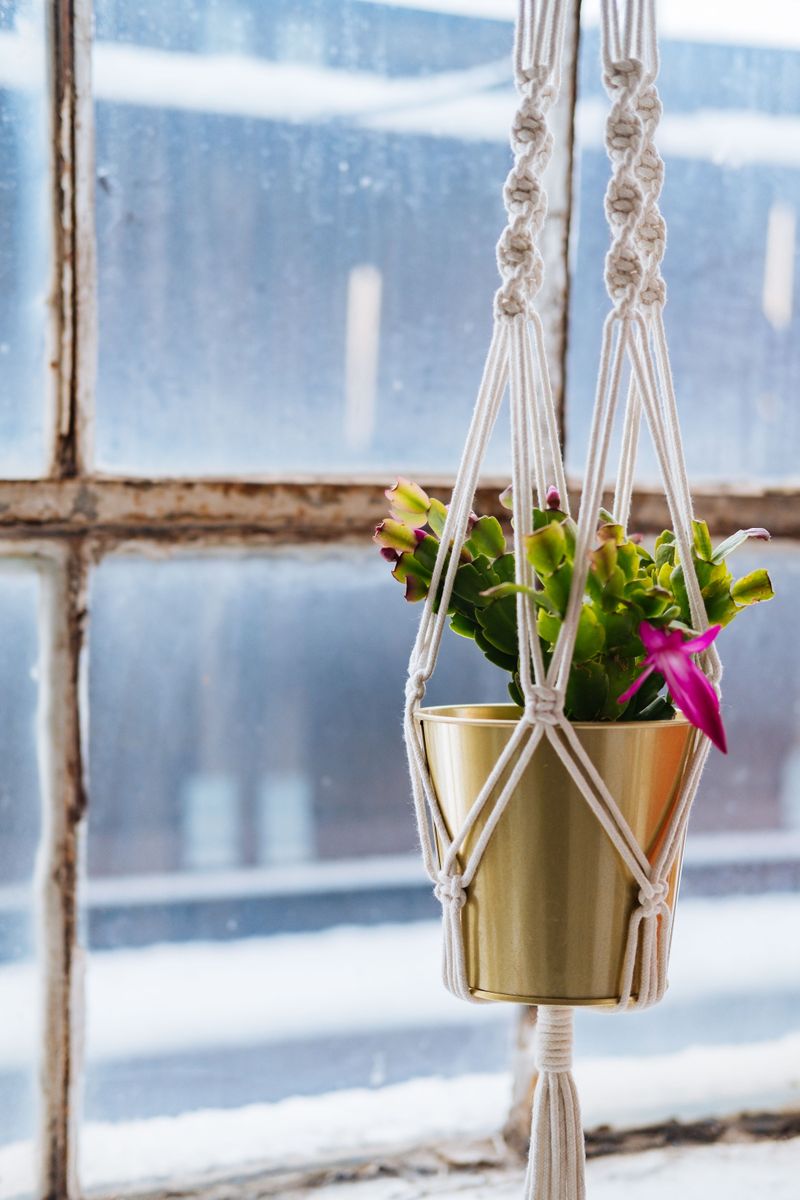
Radiators in many New York apartments clank, hiss, and push temperatures very high in winter. Your plant does not tolerate that heat.
Hot, dry air pulls moisture out of the flat green segments faster than roots can replace it. That is why plants near heat sources can look wrinkled and limp by late winter.
Move the pot at least three or four feet away from any radiator, heater, or vent. Cold drafts from leaky windows can cause trouble too, so pick a calm, steady spot.
Your New York Garden Changes Every Week. Your Plan Should Too.
Gardening in New York changes quickly throughout the season. Every Friday you’ll receive a simple weekly plan showing exactly what to plant, prune, fertilize, harvest, and protect so you never miss the right timing.
Believe it or not, these plants come from cool, misty mountain forests in Brazil. They grow on tree branches where the air stays damp and mild.
Copy that cozy forest feeling by raising the humidity around your pot. Set it on a tray of pebbles and water, keeping the pot bottom above the waterline.
Grouping several houseplants together also helps because they share moisture as they breathe. A small humidifier can help in small apartments with strong heat.
Some people mist the segments, but that only helps for a few minutes. Steady humidity from a tray or humidifier does a much better job over time.
Keep a cheap thermometer nearby to check the temperature in your chosen spot. Aim for somewhere between 60 and 70°F during the day for happy growth.
Give your plant a week or two in its new spot before expecting changes. Plump, shiny segments are a good sign that it feels at home.
3. Water Based On Soil Moisture
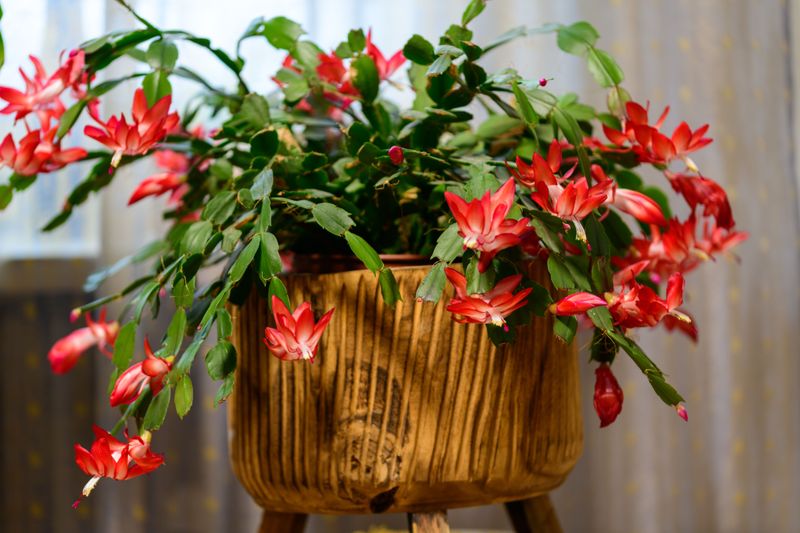
Overwatering is one of the most common causes of decline in houseplants. Too much water is a real problem.
Although it is called a cactus, this plant likes more water than its desert cousins. Still, waterlogged soil limits oxygen to the roots and invites rot.
The finger test is your best friend here, and it costs nothing. Push one finger into the soil up to your first knuckle and feel for moisture.
If the top inch feels dry, it is time to water thoroughly. If it still feels damp, wait a few more days and check again.
When you do water, pour slowly until liquid drips from the drainage holes at the bottom. Empty the saucer after ten minutes so the roots do not sit in a puddle.
Room temperature water works best because icy tap water can shock tender roots. Fill your can the night before and let it sit on the counter.
This plant usually needs water about once a week in summer and less often in cooler months. Radiator heat can dry soil faster, so check more often in winter apartments.
Wrinkled, droopy segments can mean too little or too much water, which feels confusing. Soggy soil plus droop points to overwatering, while bone-dry soil points to thirst.
Mark your watering days on a calendar to stay on track with less guesswork. Over a few weeks, you will learn how thirsty your plant gets.
4. Give The Stems Bright Indirect Light
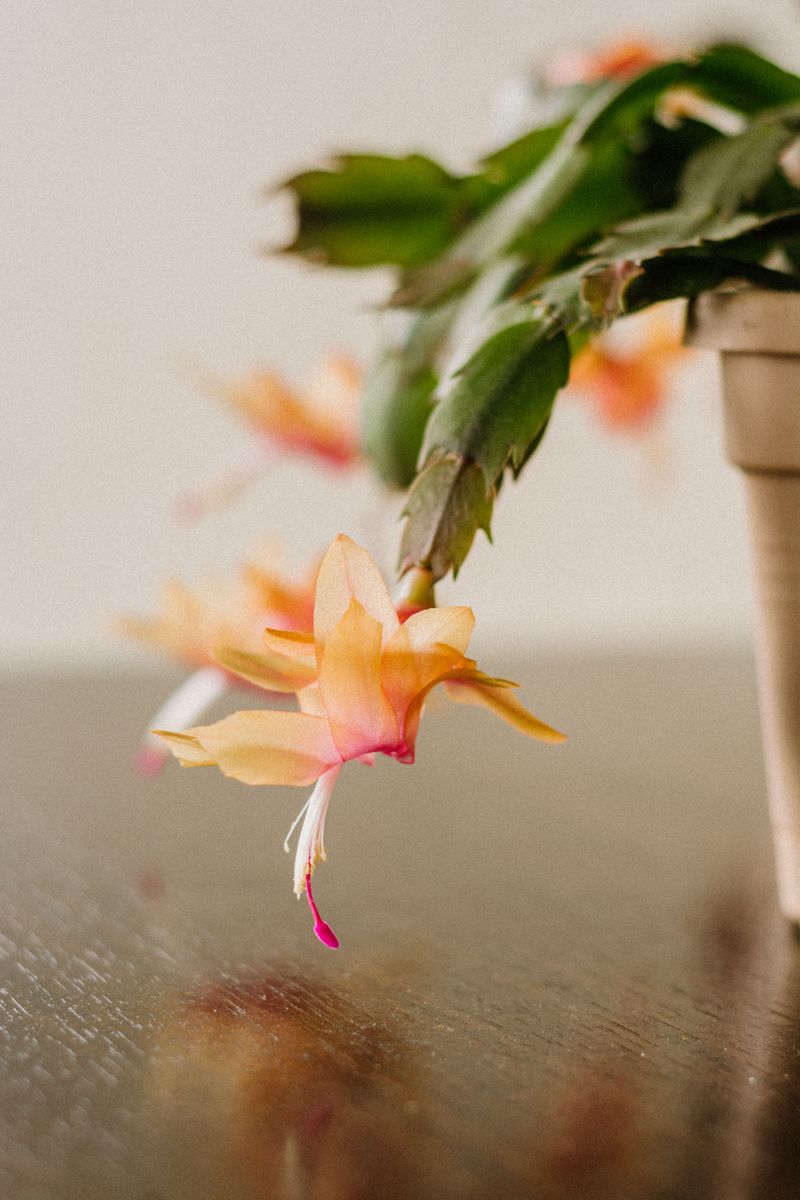
Christmas cacti often do well on an east-facing sill, where soft morning sun keeps them healthy and blooming around December.
Bright but indirect light keeps the stems green and strong without burning them. Strong afternoon sun can turn the segments reddish or yellow.
East-facing windows are a great choice because morning light is gentle and cool. South or west windows work too if you hang a sheer curtain to soften the glare.
City apartments often get blocked by tall buildings, which can leave plants hungry for light. Pale, thin, stretched growth is a common sign of this.
A simple LED grow light can fill the gap when tall buildings block the sun in spring and summer. Follow the manufacturer’s guidance for distance, and run it about twelve hours daily until early fall.
During the growing season, turn the pot a quarter turn every week so all sides get equal sunshine. Without turning, the stems lean toward the window like kids pressing their faces against glass. Stop turning once buds form.
During summer, a shady spot on a balcony or fire escape gives a nice boost. Bring it inside before nights drop below 50°F in the fall.
Turn off any grow light by early fall so natural dark nights can take over. Long evenings without light are what tell the plant to start making buds.
Watch the color of the stems over the next few weeks. Deep green segments mean you found the sweet spot.
5. Refresh The Soil With A Fast-Draining Mix
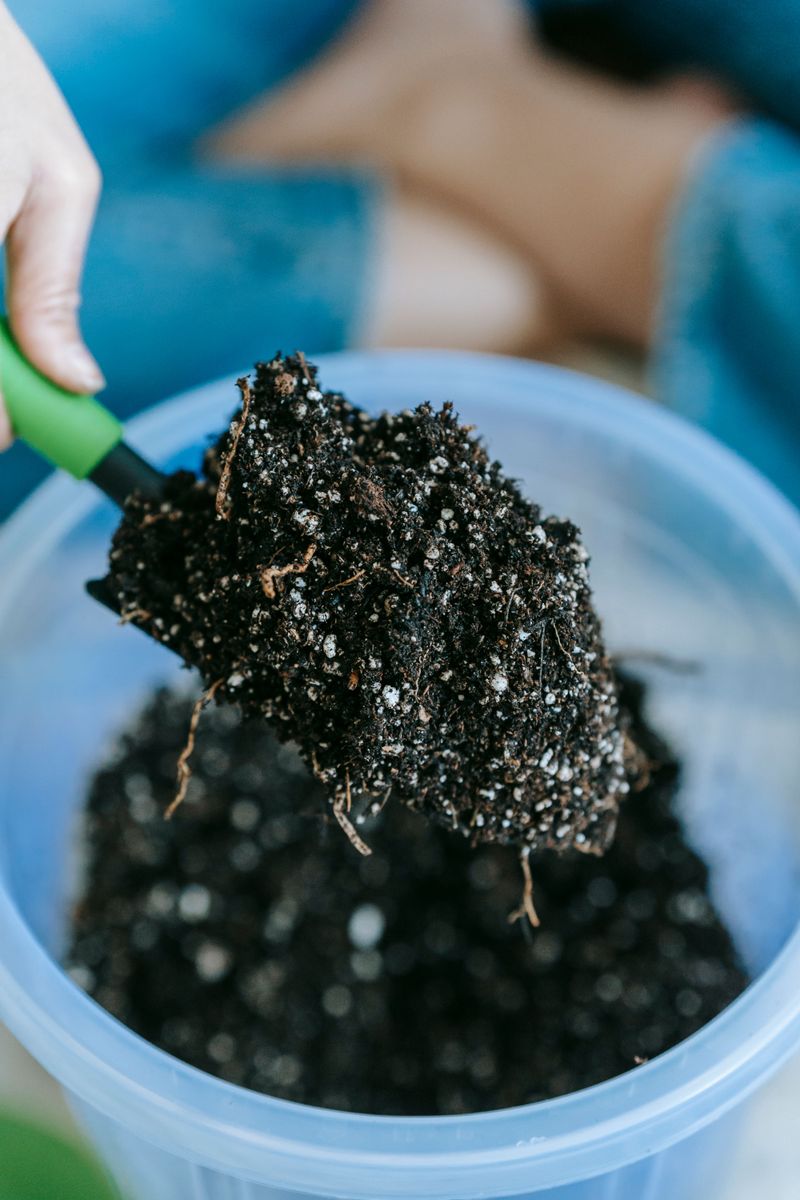
Did you know this plant grows on tree branches in the wild instead of in dirt? Its roots are used to airy bark and moss, not heavy, packed garden soil.
Old potting soil breaks down over time and turns dense, like a wet sponge. Roots trapped in that mush cannot breathe, so the whole plant starts to slump.
A fresh, fast-draining mix gives the roots room to stretch and grab oxygen. You can buy a cactus or succulent blend, or make your own at home.
For a homemade mix, combine two parts potting soil with one part perlite and one part orchid bark. The chunky texture lets water flow through quickly instead of pooling.
Pick a pot only one size bigger than the old one, about an inch wider. These plants like feeling a little snug, and huge pots hold too much moisture.
Drainage holes are a must, so skip any cute pot with a solid bottom. Terracotta pots are extra helpful because the clay pulls away excess water.
Set the plant at the same depth it sat before, then fill around it gently. Tap the pot on the table to settle the mix rather than pressing hard.
Wait about a week before watering so any damaged roots can heal first. Repot after flowering, in spring or early summer, and avoid repotting once buds start to form.
Try to repot only every two or three years once your plant recovers. Too much moving around stresses it and can delay the holiday flower show.
6. Trim Away The Weak And Damaged Segments
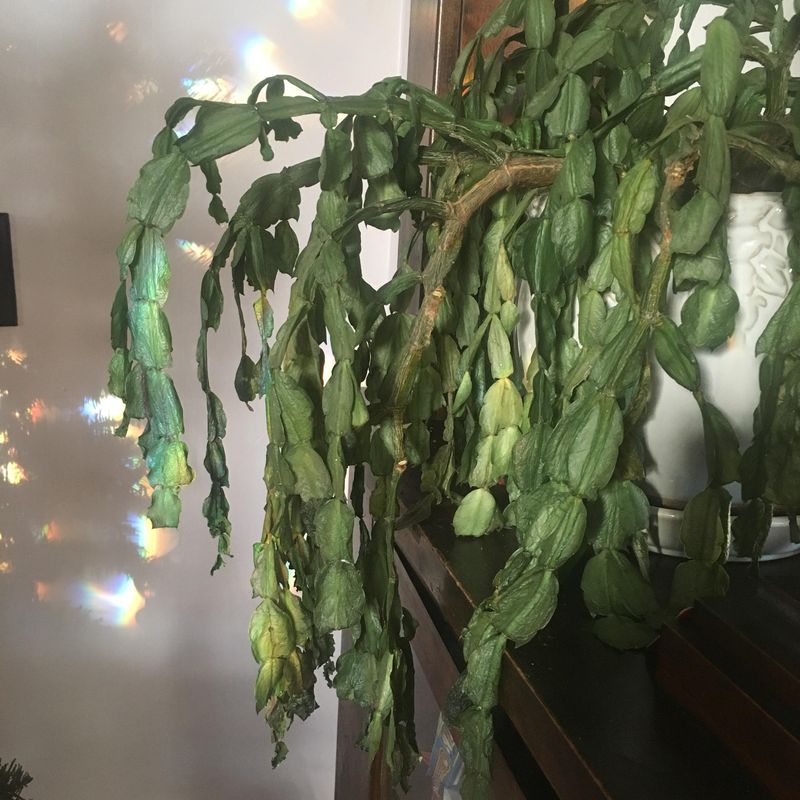
Pruning works like a haircut for a plant that has been having a rough year. A fresh trim clears away uneven growth and makes room for new growth.
Look for segments that are shriveled, mushy, yellow, or limp and unlikely to recover. Those weak pieces drain energy that the healthy parts could use instead.
No scissors are needed for this job, which makes it oddly satisfying. Simply hold the stem below the weak segment and give a gentle twist at the joint.
Each segment should snap off cleanly, like popping a link off a toy chain. If it fights back, use clean scissors instead of yanking and tearing the stem.
Pruning after flowering ends, from late winter through early summer, gives the best results. Avoid trimming from early fall on, since that is when the plant starts setting flower buds.
Removing just one or two segments from each stem tip encourages branching. More branches mean more tips, and more tips mean more blooms around the holidays.
Healthy cuttings make a free bonus that feels a bit like magic. Let pieces with two or three segments dry for a day, then tuck them into moist soil.
Within a few weeks, the cuttings grow roots and become baby plants. Pop them back into the main pot to make it fuller, or share them with friends.
Your neighbor down the hall might love a little holiday gift with roots.
7. Feed The Plant During Its Growing Months
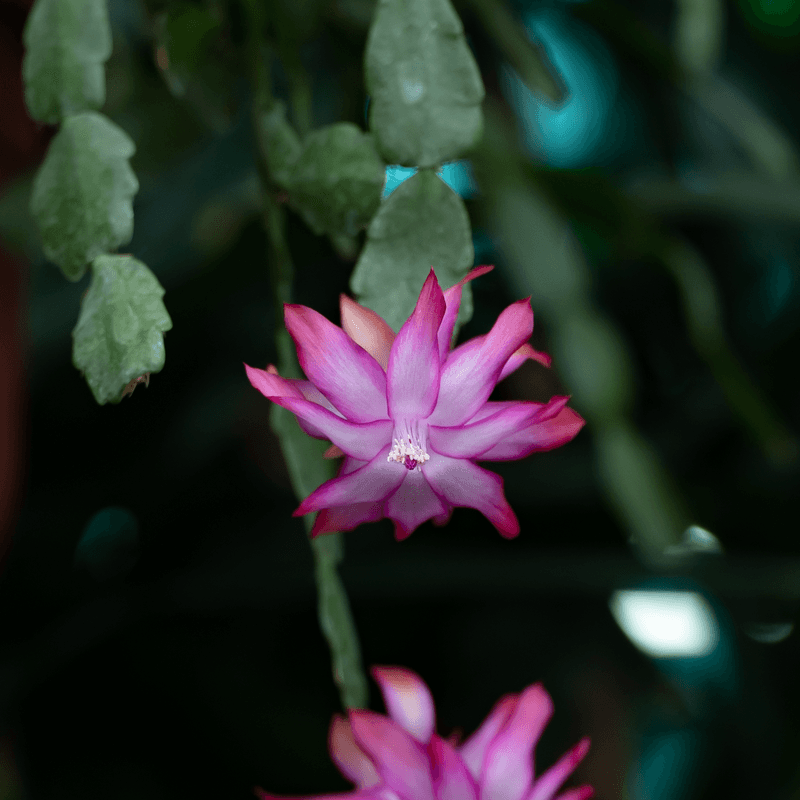
Underfed plants grow slowly, look pale, and may bloom less. Regular feeding can help turn things around.
From April through August, feed your plant once a month with a balanced houseplant fertilizer. Look for numbers like 20-20-20 on the label, which means equal amounts of main nutrients.
Mix it at half the strength the package suggests to protect sensitive roots. Too much food can damage the roots and leave crusty white salt on the soil.
Water the plant with plain water first, then add the fertilizer mix. Feeding dry soil is like eating spicy food on an empty stomach.
Stop feeding at the start of September so the plant can rest and prepare buds. Food during fall pushes leafy growth instead of flowers, which can reduce blooming.
Flush the pot with plain water every few months to wash away leftover salts. Let water run through the drainage holes for a full minute in the sink.
Within a month or two, you should notice fresh segments popping out at the tips. Those bright new pieces show the plant is responding.
8. Start The Dark Nights By Early October
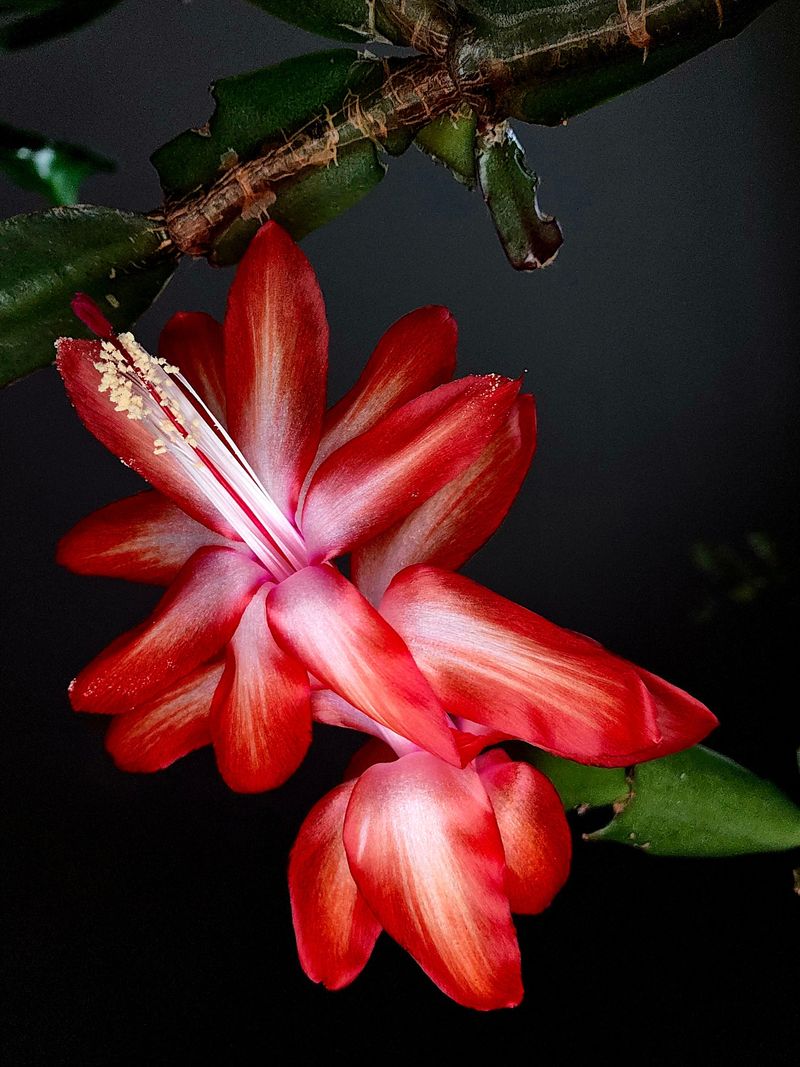
In fall, this plant responds to a signal before it starts making flower buds. That signal is long, dark nights paired with cool temperatures.
Start as soon as nights lengthen, and give your plant about 12 to 14 hours of darkness each night. Keep this routine going for about six weeks until tiny buds appear. If you start late, blooms may arrive after December.
Rounded, scalloped segment edges suggest a Christmas cactus. Pointed, toothy edges suggest a Thanksgiving cactus, which blooms earlier.
City life makes this tricky because streetlights and lamps keep apartments glowing at night. Even a little lamplight at night can disrupt budding.
An easy fix is moving the pot into a closet or spare room around 6 in the evening. Bring it back out to bright light around 8 the next morning.
Another trick is covering the plant with a large cardboard box each evening. Just be sure no light sneaks in through cracks or holes.
Cool nights between 50 and 55°F help the buds form even faster. A cool room away from heaters and drafts often does the trick in New York autumns.
During this resting time, water a little less and keep fertilizer on the shelf. Let the top inch of soil dry before giving another drink, and do not let the soil go bone dry.
Once buds show up, stop the dark routine and leave the plant in one steady spot. Moving it around can cause buds to drop.
Resume normal watering as the buds swell and show hints of pink, red, or white. With luck, your plant will bloom in time for the holidays, or soon after.