The California Plants Most Likely To Struggle During A Sudden Dry Spell
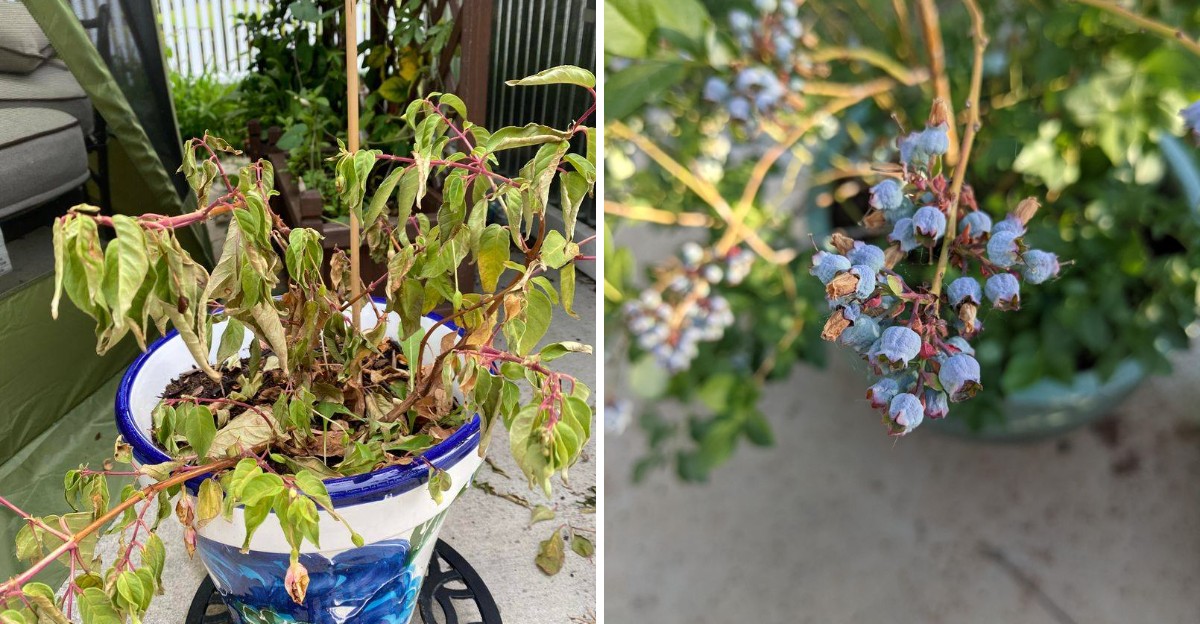
A garden can look comfortable one weekend and parched the next, with little warning in between.
A week of dry, breezy weather pulls moisture from soil and leaves at the same time, and California falls deliver that combination often.
Many tough plants barely notice. Others, often some of the most beloved in the yard, start showing stress almost immediately.
Their trouble usually traces back to a few shared traits that leave little margin when conditions shift.
Spotting the vulnerable ones early makes all the difference, since small stress handled quickly rarely turns into lasting harm.
A few simple moves can protect a season of blooms, berries, and fresh growth, often with only minutes of effort. Local water rules shape the details.
1. Hydrangeas Wilt Fast Without Water
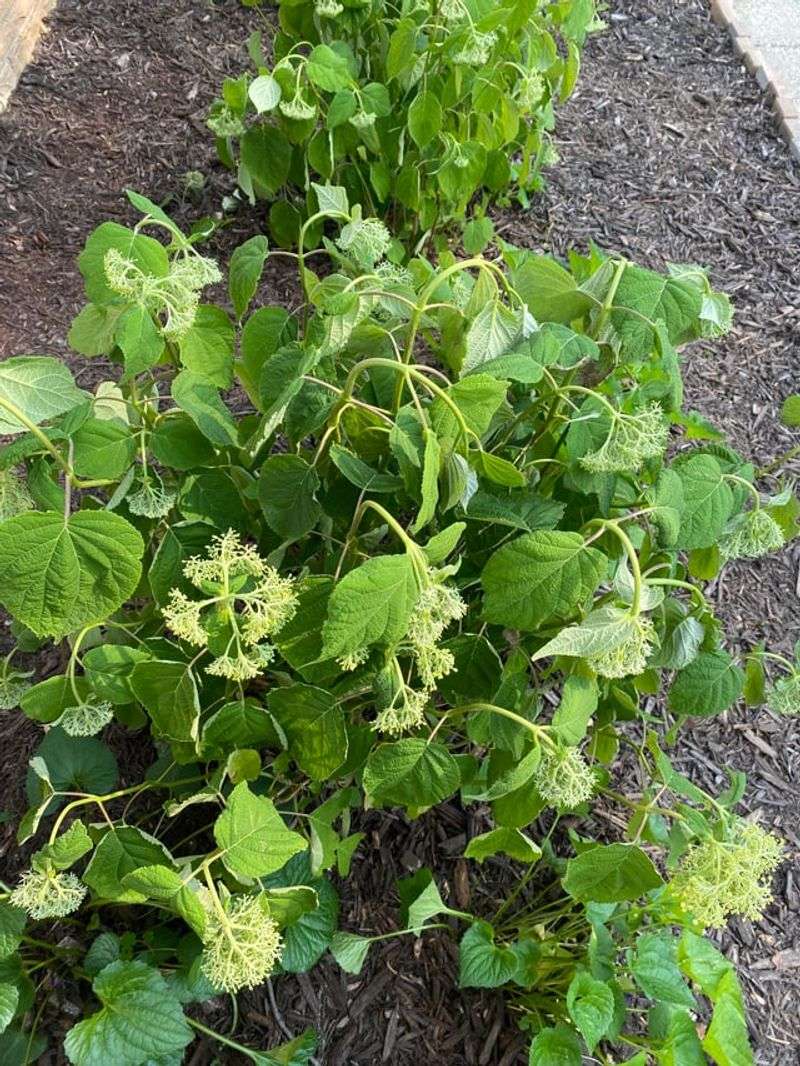
By 3 p.m. on a hot day, a hydrangea can look like it has given up entirely. Its big leaves flop, the flower heads sag, and gardeners often panic, though the plant is mostly sending a loud signal.
Hydrangeas are thirsty by design. Their large, thin leaves lose plenty of water through tiny pores, especially in wind and heat, and UC ANR notes that bigleaf hydrangeas need regular moisture and do best with afternoon shade in warm areas.
When soil dries even slightly, the plant can’t keep up, so leaves droop to cut water loss.
Afternoon wilting doesn’t always mean dry roots. A finger pushed two inches into the soil tells the story, and damp soil often means the plant will perk up by evening on its own.
Watering already soggy soil can lead to root rot, a far bigger problem. Hydrangea flower buds for next year form in late summer and fall, so dry stress now can also thin out spring blooms.
Dry soil calls for a deep, slow watering at the base, aiming to wet the root zone about 12 inches down rather than offering a quick sprinkle. Early morning works best, since less moisture evaporates.
Two to three inches of mulch, kept a few inches from the stems, keeps roots cooler and holds water longer.
For plants in full sun, shade cloth during heat waves can make a real difference, and a fall move to a spot with afternoon shade offers a lasting fix.
2. Camellias Drop Buds When Roots Dry Out
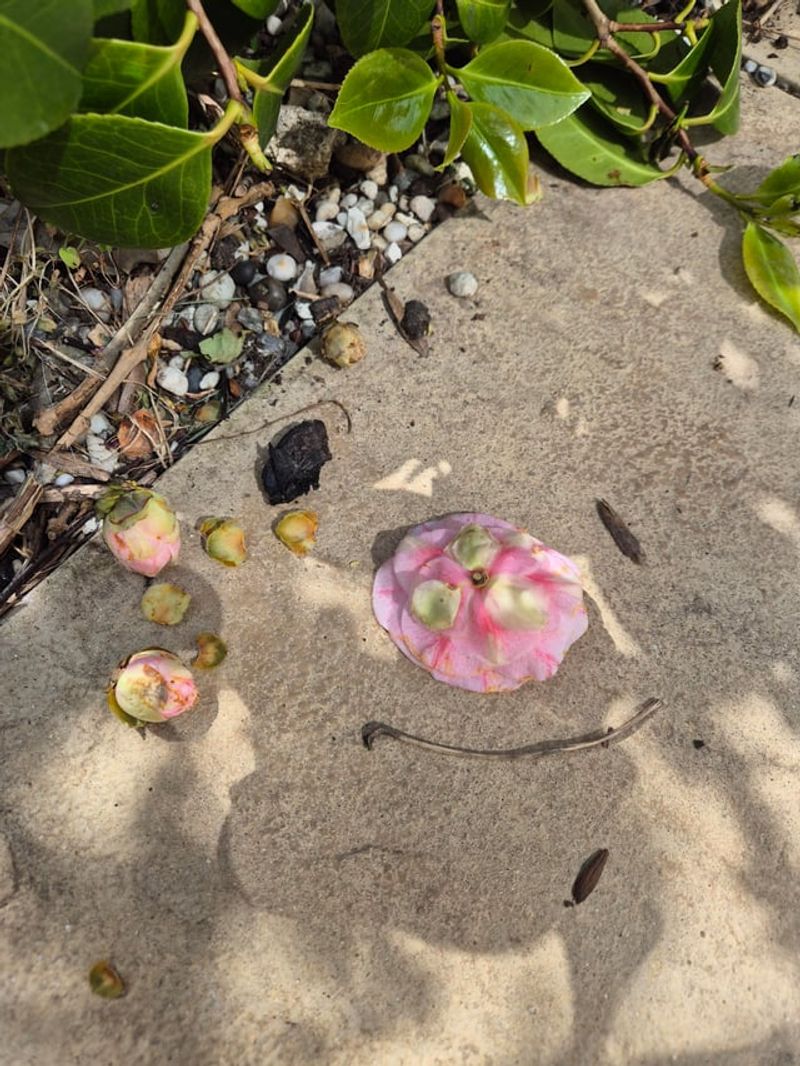
Fat, promising buds covering a camellia in fall can end up scattered on the ground weeks later, before a single one opens. The cause often traces back to a dry spell that barely registered at the time.
Camellias set their flower buds in summer and fall, long before blooming, and the shrub needs steady moisture throughout that stretch. University sources list dry soil during bud development as a common reason for bud drop.
When roots dry out, the plant conserves energy by shedding buds it can’t support.
The damage happens quietly, and buds may not fall until much later, so a warm, windy week in October can undo a winter show.
Camellias also carry fairly shallow, fibrous roots that dry faster than deep ones.
Your California Garden Changes Every Week. Your Plan Should Too.
Gardening in California changes quickly throughout the season. Every Friday you’ll receive a simple weekly plan showing exactly what to plant, prune, fertilize, harvest, and protect so you never miss the right timing.
Evenly moist soil, rather than soggy soil, protects those buds. During dry weather, a slow, deep soak about once a week works for most garden shrubs, with more frequent watering in sandy soil.
Potted camellias may need water every few days, since containers dry quickly.
Mulch plays a starring role here. A layer of shredded bark or pine needles helps hold moisture and suits the slightly acidic soil camellias prefer, though piling it against the trunk is best avoided. Some bud drop is natural, since shrubs often set more buds than they can open.
Fire-prone yards keep that mulch beyond the first five feet of the house. With steady care, buds can stay put and open on schedule.
3. Azaleas And Rhododendrons Have Shallow Roots
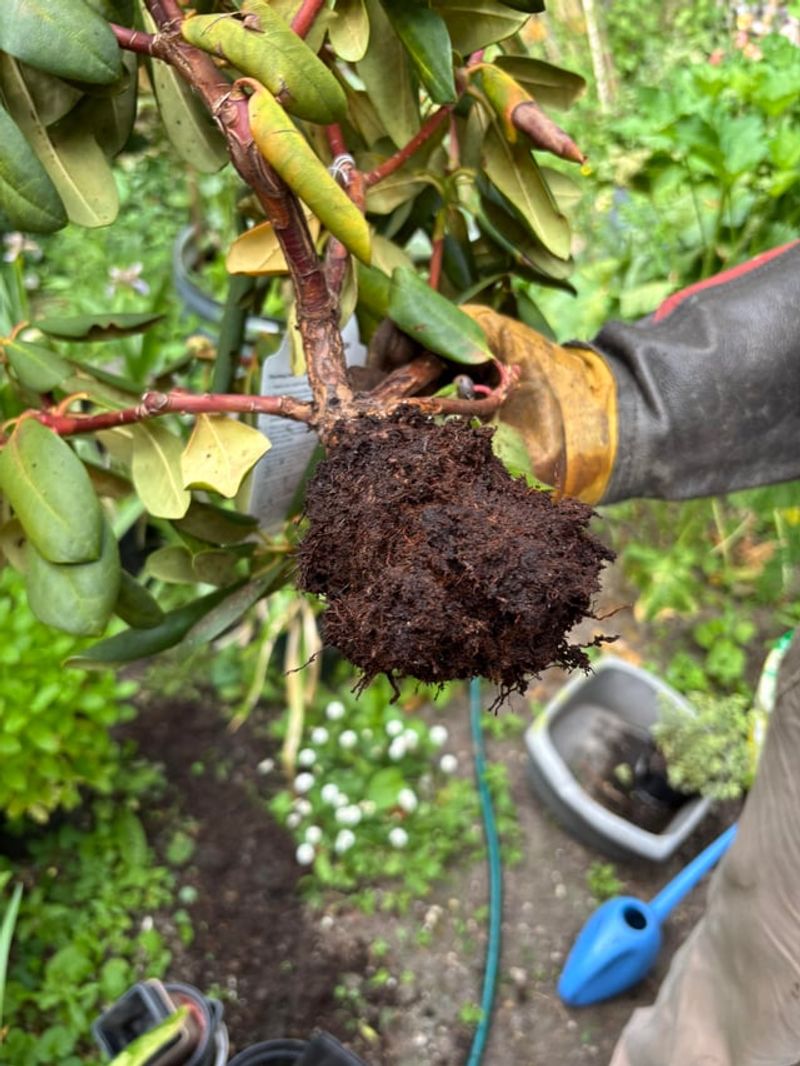
A gentle dig near an azalea reveals something surprising. Most of its roots sit in the top few inches of soil, spread out like a thin mat, a setup that works beautifully in a cool, damp spot yet turns risky when weather dries.
Azaleas and rhododendrons are close cousins and share this root style. UC ANR explains that their fine, shallow roots dry out quickly and can’t reach deeper moisture.
The top layer of soil bakes first in sun and wind, so these shrubs feel a dry spell almost instantly.
Leaves that curl, droop, or turn dull signal trouble. In severe cases, leaf tips brown and next spring’s flower buds may suffer, with container plants and those in sunny spots showing stress even sooner.
Slow, regular watering keeps the top several inches damp. A soaker hose or drip line delivers water right where the roots live.
Digging or hoeing around these shrubs is best avoided, since tender surface roots tear easily. Azaleas also dislike salty water, which can worsen leaf browning during dry spells.
Mulch matters even more for shallow-rooted plants. Two to three inches of pine needles, shredded bark, or compost over the root zone acts like a protective blanket, keeping soil cool and moist.
During heat waves, temporary afternoon shade helps too. With roots handled carefully, these shrubs stay ready for a strong spring display, and fall offers a fine time to plant new ones in a sheltered, partly shaded spot.
4. Japanese Maples Scorch At The Leaf Edges
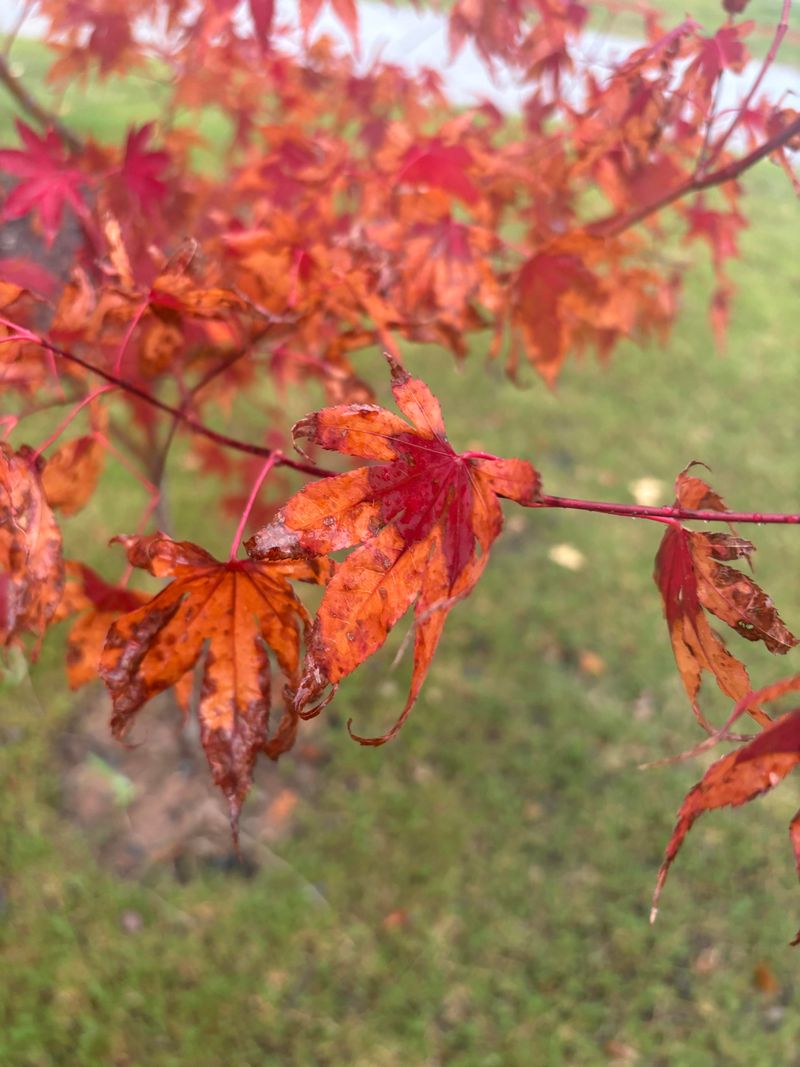
Crispy brown edges on a Japanese maple can appear almost overnight. One day the leaves look like delicate lace, and a few hot, windy days later the tips have browned, a condition known as leaf scorch.
Scorch happens when leaves lose water faster than roots can replace it. UC ANR notes that Japanese maples are prone to scorch in hot, dry, or windy conditions, especially in full sun.
The leaf edges sit farthest from the veins carrying water, so they dry and brown first.
Varieties with thin or finely cut leaves often suffer most. Trees near hot walls, driveways, or reflective surfaces absorb extra heat, and salty water or salt buildup in soil can worsen scorch.
Scorched leaves won’t turn green again, so prevention offers the real fix. During dry spells, deep watering around the drip line, the area beneath the outer branches, helps most.
Scorched leaves can stay on the tree, since they still shade branches and fall naturally in autumn.
A slow soak reaching 12 to 18 inches down helps roots keep up, followed by letting the top inch or two of soil dry slightly before the next watering.
A ring of mulch keeps the root zone cool. Shade cloth during heat waves can protect a tree stuck in harsh afternoon sun.
For a long-term fix, new Japanese maples do best where they get morning sun and afternoon shade. Fall planting gives them a full cool season to root in before summer heat returns.
5. Fuchsias Crisp Up In Dry Air
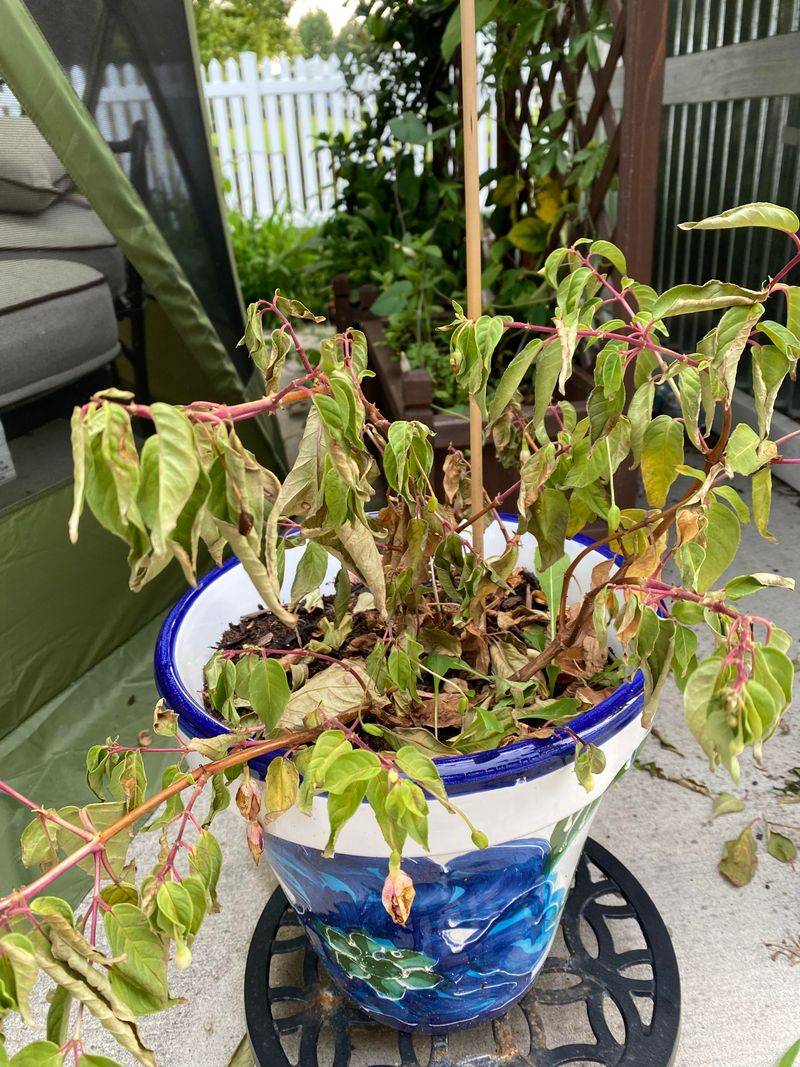
Coastal fog ranks as a fuchsia’s favorite weather. Those dangling, ballerina-like flowers thrive in cool, humid air, so when a dry, warm wind blows in, fuchsias are often the first patio plants to complain.
Fuchsias come from cool, moist mountain regions and still prefer those conditions, doing best in bright shade with steady moisture and mild temperatures.
Low humidity pulls water from their soft leaves quickly, and heat above the mid-80s can trigger flower drop and stalled growth.
Many fuchsias grow in hanging baskets, which makes things harder. Air surrounds baskets on all sides, so on a breezy, dry day, one can go from damp to bone dry within hours, leaving leaves crisp, curled, and dropping.
Daily checks during dry spells help, with watering continued until moisture runs out the bottom. Morning watering lets the plant face the afternoon fully hydrated, and grouping pots together raises humidity slightly.
Baskets do best moved to bright shade, especially during the hottest part of the day. A spot under a tree or on a covered porch works well. Hanging baskets near hot stucco walls dry especially fast.
Fertilizing is best paused while the plant is stressed, since feeding pushes tender growth that wilts easily.
Distorted, swollen growth at the tips may point to fuchsia gall mite, a pest established in coastal California, and UC IPM Pest Notes cover management. Cool, comfortable conditions usually bring fuchsias back into steady bloom.
6. Ferns Brown In Dry Spells
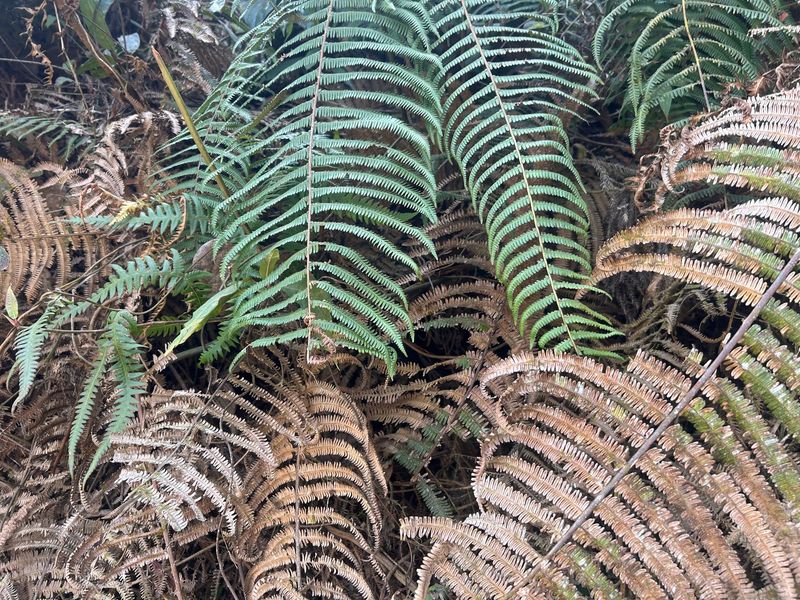
Plants whose lineage predates the dinosaurs can look worn out after a single dry week. Fronds that once looked feathery turn brown and brittle, often in a shady corner that rarely gets checked.
Most garden ferns evolved on damp forest floors, where moist soil and high humidity keep them healthy. Their thin fronds lose water easily, and their roots stay close to the surface.
When soil and air both dry out, frond tips brown first, and whole fronds may follow.
Not every fern is equally fussy. California’s native western sword fern handles some dryness once established, while delicate types such as maidenhair and Boston fern brown quickly.
Slow watering at the base until the soil is evenly moist offers the first step. Morning watering lets the plant drink before heat arrives.
A layer of leaf mulch or compost mimics the forest floor ferns love, holding moisture and cooling roots.
Fully brown fronds won’t green up again, so trimming them once the plant recovers lets fresh fronds take center stage. New fiddleheads often appear within weeks of steady care.
Potted ferns benefit from a tray of wet pebbles beneath them, which boosts humidity around the leaves. The pebbles should keep the pot base above the water line, so roots stay out of standing water.
Grouping ferns with other shade plants also helps, since clustered foliage holds moisture in the air. With consistent attention, most ferns recover well, especially once fall rains return.
7. Blueberries Need Steady Moisture
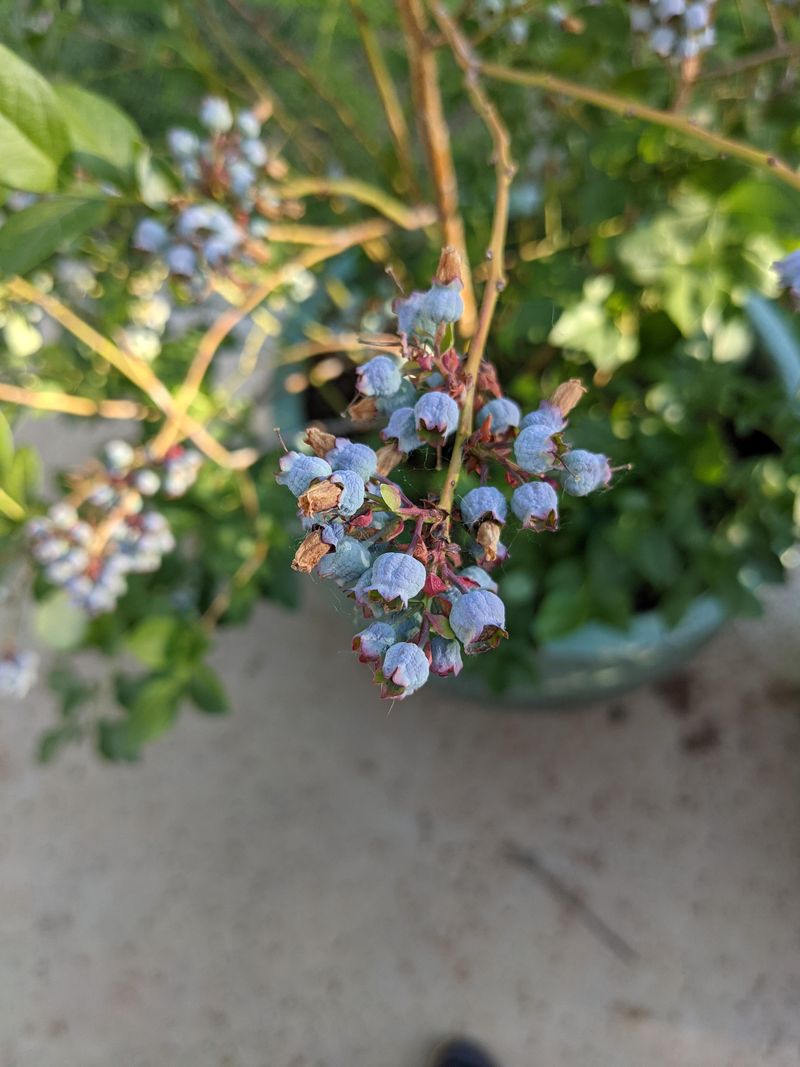
Shriveled berries make a sad sight after months of waiting. Fruit swells and starts turning blue, then a dry spell hits and the harvest shrinks into small, wrinkled disappointments.
Blueberries have very shallow, fine roots that lack root hairs, and university sources note that this root system makes them highly sensitive to drying soil.
Most roots sit in the top foot, unable to pull water from deeper layers, so even a short dry period can stress the plant and reduce fruit size.
Steady moisture matters most while fruit grows and ripens. Uneven watering can lead to smaller berries, weaker flavor, and less growth for next year.
Southern highbush types popular in California still need regular water despite their warm-weather tolerance.
Fall moisture matters too, since bushes set next year’s flower buds in late summer and autumn.
Drip irrigation suits blueberries well, delivering water slowly and keeping the root zone evenly damp without flooding. During dry, windy weather, checking soil every day or two and watering before it fully dries keeps plants steady.
Mulch is nearly essential for these bushes. Three to four inches of pine needles, wood chips, or sawdust keeps shallow roots cool and helps maintain the acidic conditions blueberries prefer.
Blueberries also react poorly to salty water, a common concern in parts of Southern California. Container plants need even closer attention, since pots heat up and dry fast, and consistent watering keeps berries plump year after year.
8. Fall Transplants Have Not Rooted In Yet
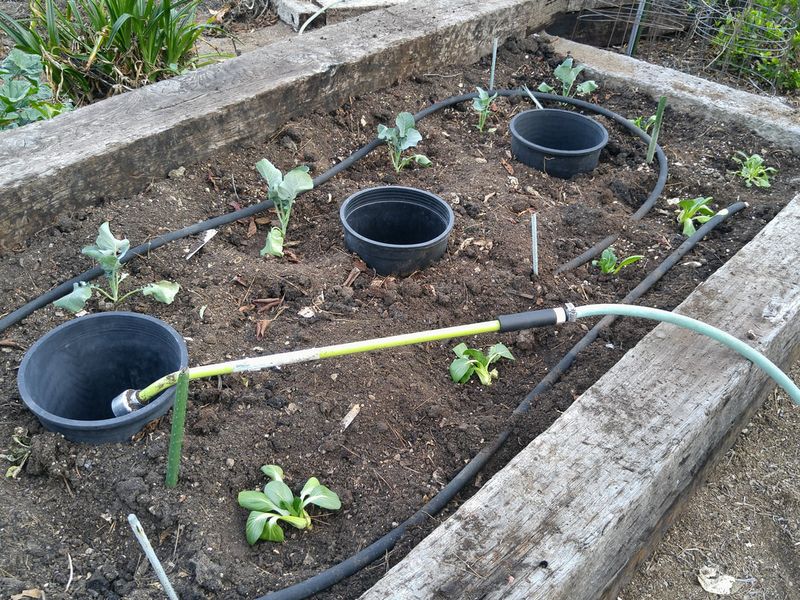
Fall earns its reputation as prime planting season in California, with cooler days and coming rain helping new plants settle. A surprise dry, warm spell, though, can catch fresh transplants completely off guard.
New plants still carry roots shaped like their nursery pots. UC ANR notes that newly planted trees and shrubs depend on frequent watering until roots grow into the surrounding soil.
That process can take months for shrubs and a year or more for trees, and until then, the plant drinks only from its original root ball.
Root balls can dry out even when nearby soil feels damp, since potting mix drains faster than garden soil, so a quick check of the bed may mislead.
A finger pushed right into the root ball area gives the true reading. During dry, breezy weather, new plantings may need water two or three times a week.
A small basin of soil built around each plant lets water soak down instead of running off.
Mulch over the area, kept away from the stem, slows drying, and temporary shade cloth can ease stress during heat.
Even drought-tolerant natives need regular water in their first season, though watering them deeply and less often encourages roots to reach outward.
Many local water agencies allow hand watering of new plantings even during restrictions, though rules vary. A little attention now helps those roots settle in for the long haul.