How To Choose A Poinsettia That Actually Lasts In Your North Carolina Home
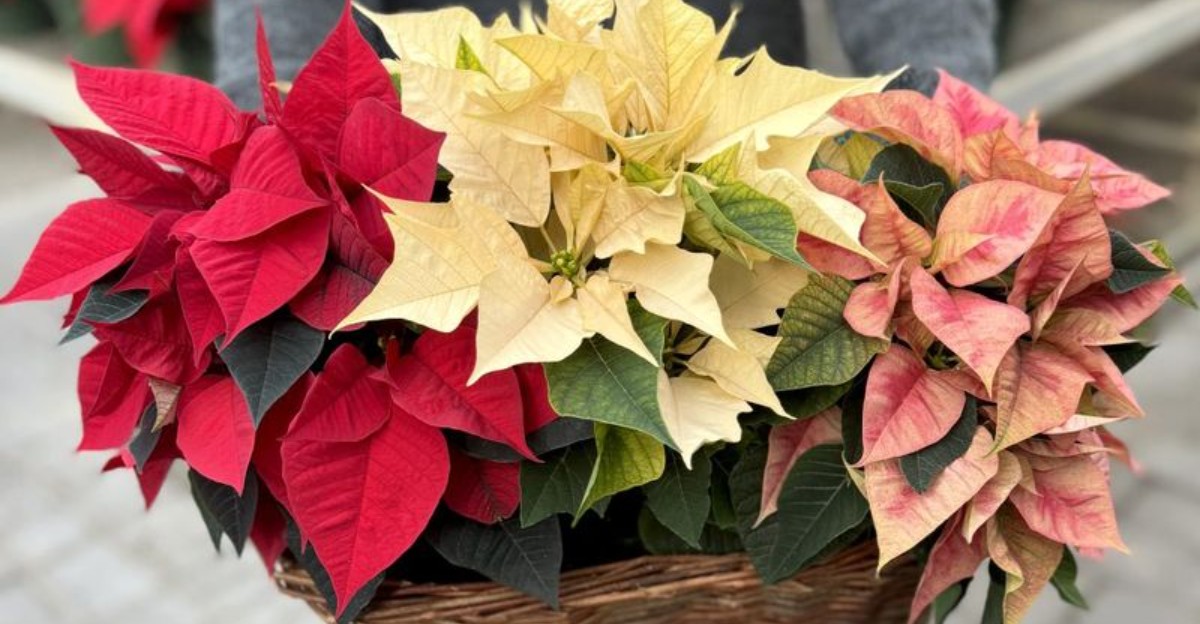
Choosing a poinsettia is trickier than it looks. The colorful part is not really the flower. Those bright leaves are called bracts, and the tiny yellow clusters in the center are the true flowers.
That center is your best clue. Pick a plant whose clusters are still tight and small. If they are open and dropping yellow powder, the plant is already aging.
Check the leaves too. They should be full, green, and attached all the way down the stem. Drooping leaves, stained bracts, or a plant crammed into a paper sleeve are warning signs.
Cold drafts can harm poinsettias on the way home, so protect yours in the car. A careful look in the store means weeks more color on your table.
1. Check The Tiny Flowers In The Center
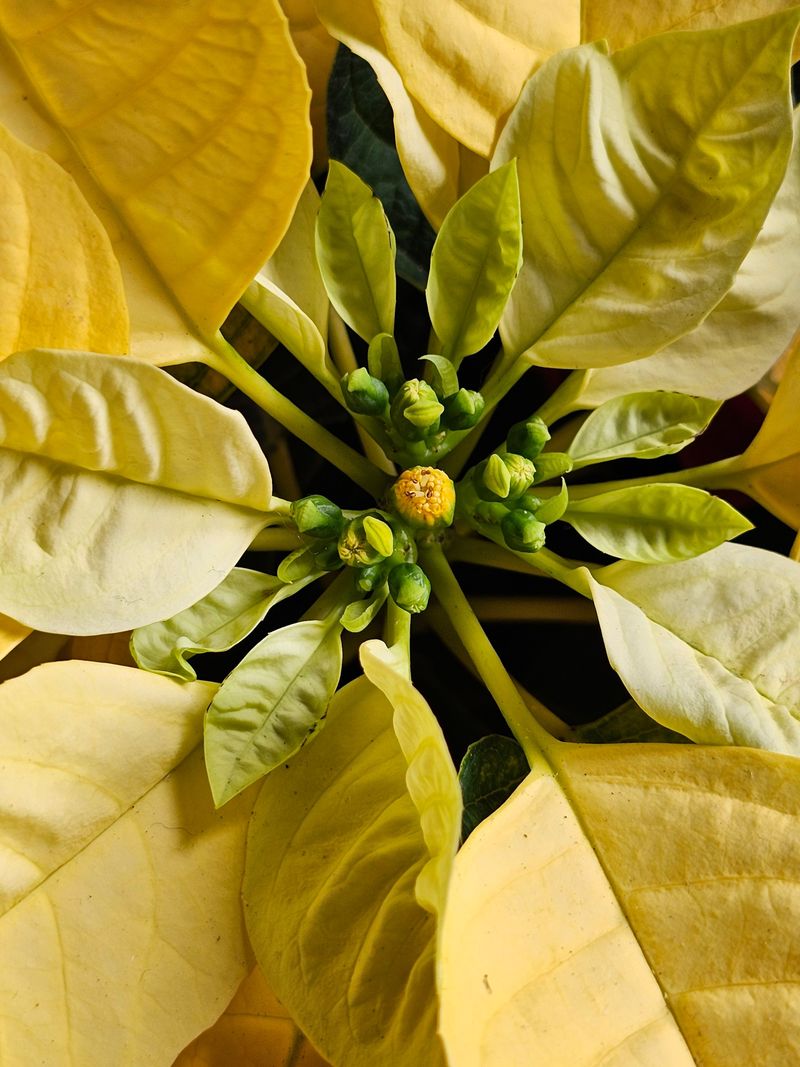
Those bright red petals everyone loves are not petals at all. They are special leaves called bracts, and they surround the real flowers of the poinsettia, known by plant experts as Euphorbia pulcherrima.
The true blooms are the small, yellowish buds clustered right in the middle. Here is the secret most shoppers never learn.
Those little center buds act like a freshness clock for the whole plant. When they are still tight and closed, the plant is early in its bloom cycle and has plenty of show left to give.
Once the buds open and start shedding yellow pollen, the clock is ticking faster. Soon after the true flowers fall away, the colorful bracts usually begin to fade and drop too. A plant that looks gorgeous today could look tired in just a couple of weeks.
So lean in close before you buy. Look for buds that are green or tipped with red, with little or no yellow dust on them. If the center looks bare because the tiny flowers have already fallen off, set that plant back on the shelf and keep looking.
Timing makes this tip extra useful here in North Carolina. Many folks grab their poinsettias right after Thanksgiving, which means the plant needs to look sharp for a month or more. A plant with fresh, closed buds can handle that long stretch with ease.
It only takes a few seconds to check, but it can make a huge difference. Think of it as reading the label on a carton of milk. You would always pick the freshest one, and your poinsettia deserves the same careful choice.
2. Look For Leaves All The Way Down
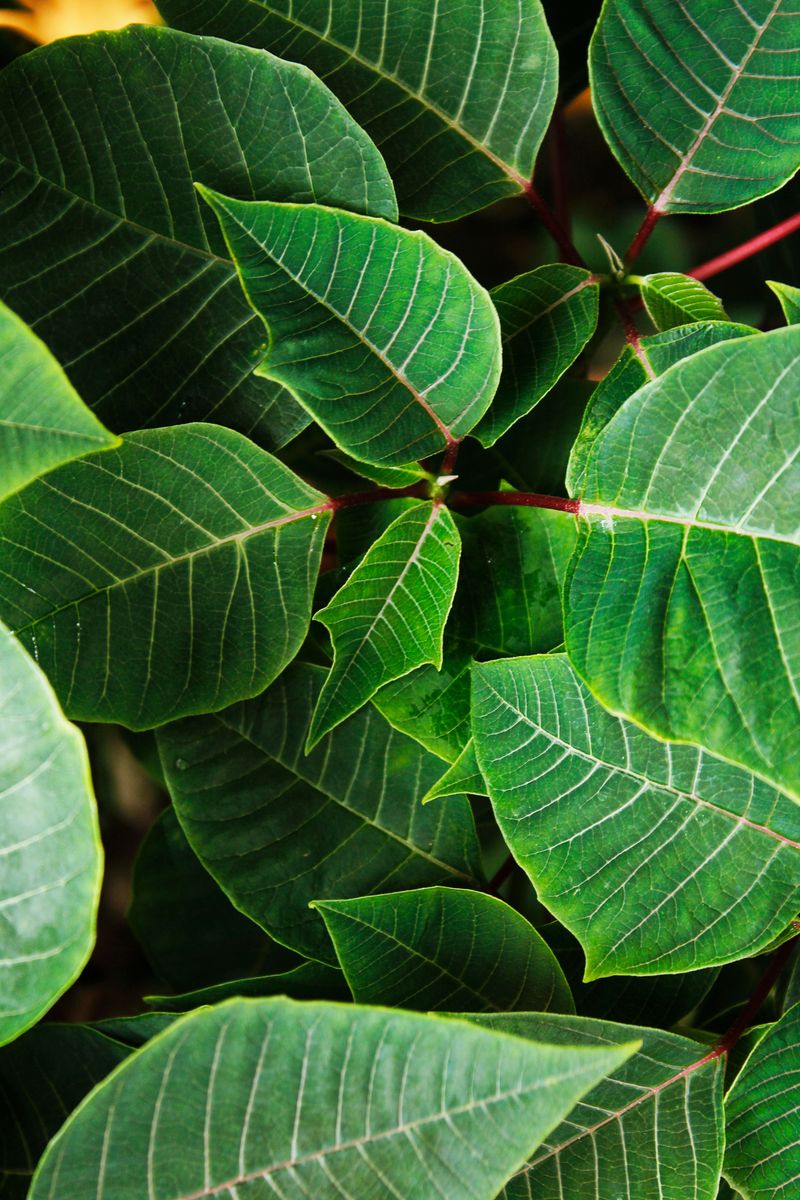
A great poinsettia should look like it is wearing a full green skirt. Glance below the red bracts, and you should see dark green leaves covering the stems all the way down to the soil. That lush, layered look tells you the plant has been treated well.
Leaves are honest little messengers. When they turn yellow, wilt, or vanish from the lower stems, the plant is waving a warning flag. Too much water, too little water, a cold blast, or poor light can all cause that kind of stress.
Your North Carolina Garden Changes Every Week. Your Plan Should Too.
Gardening in North Carolina changes quickly throughout the season. Every Friday you’ll receive a simple weekly plan showing exactly what to plant, prune, fertilize, harvest, and protect so you never miss the right timing.
Stress at the store rarely stays at the store. A plant that already lost its lower leaves will often keep dropping more once it reaches your home. You may end up with a lanky stick topped by a few red bracts.
When you shop, turn the pot slowly and study it from every side. Choose a plant with thick, dense foliage and no bald patches near the bottom. Peek at the shelf or the pot rim, too, because a pile of fallen leaves there is a clear sign of trouble.
Strong stems matter just as much as leaves. The plant should stand tall and hold its shape without flopping over or leaning badly. Sturdy stems mean the plant has good structure and healthy growth behind it.
For North Carolina shoppers, this simple check can stretch your enjoyment into January and beyond.
A plant that starts out strong has extra energy to handle the dry air and changing temperatures of winter. Pick the fullest, greenest one you can find, and it will reward you for weeks.
3. Avoid Plants Left In Sleeves Or Cold Spots
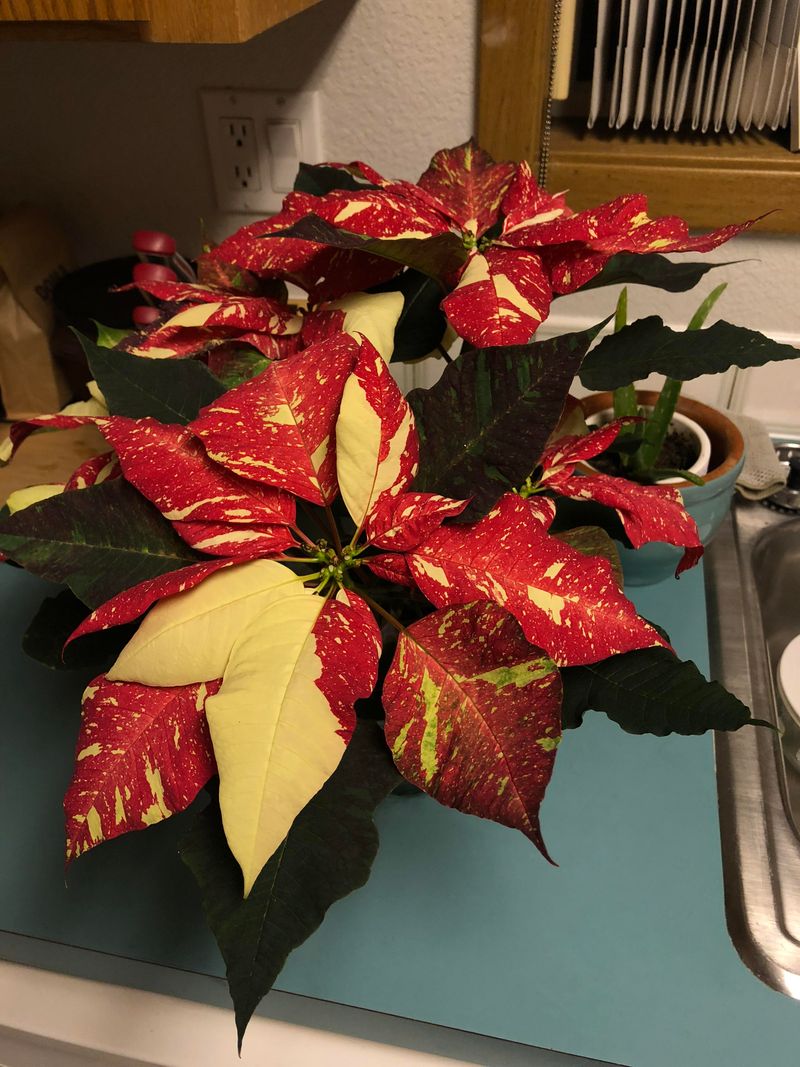
Walk into almost any store in December, and you will spot rows of poinsettias wrapped snugly in plastic or paper sleeves.
Those sleeves look neat, but they are meant for travel, not for long-term living. Plants kept wrapped for days can start to droop and shed leaves.
Why does that happen? Sleeves trap the plant in a tight space where air cannot move well. Poinsettias also release a natural gas called ethylene, and when it builds up inside the wrap, it can speed up leaf and bract drop.
Location inside the store matters, too. Displays near the front entrance often get hit with a chilly blast every time the doors slide open. Poinsettias come from warm parts of Mexico, so those repeated cold drafts can hurt them over time.
Your best bet is a plant sitting unwrapped in a warm, bright section of the store. Check the bracts carefully and pass on any that look limp or droopy. Healthy bracts should feel firm and stand up proudly.
Where you shop can help a lot. Local nurseries and garden centers often know exactly how to care for these plants, and many stores get fresh shipments every week. Asking an employee when the next delivery arrives is a smart move that few people think of.
Across North Carolina, holiday shopping means crowded stores and doors that swing open all day long.
On a frosty morning in Asheville or a breezy day in Raleigh, that entrance area can get surprisingly cold. Choosing a plant from a cozy spot deeper in the store gives it a much better start.
4. Check The Soil And Roots
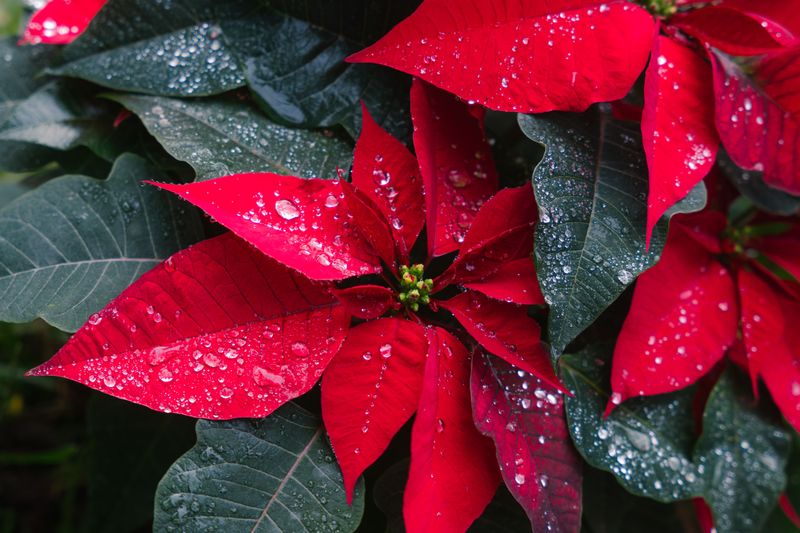
Go ahead and get your fingertips a little dirty. A quick touch of the soil can tell you more about a poinsettia’s past than any price tag ever will. It is one of the easiest checks you can make before buying. Poinsettias are picky about water.
When they sit in soggy soil for too long, their roots can develop root rot, a problem that slowly weakens the whole plant. On the flip side, plants that dry out again and again often wilt and drop leaves soon after you get them home.
Gently press a finger into the top of the soil. The sweet spot is soil that feels slightly moist, like a wrung-out sponge. Skip pots that are dripping wet or so dry the soil has pulled away from the sides.
Watch for one tricky warning sign. If the soil feels damp but the plant still looks wilted and sad, the roots may already be in trouble. Healthy roots soak up water, so a droopy plant in moist soil usually means something is wrong underneath.
Lifting the pot can help, too. A pot that feels unusually heavy may be waterlogged, while a pot that feels feather-light is probably bone dry. With a little practice, you will get a feel for the right weight.
During the busy holiday rush in North Carolina, store workers are juggling long lines and packed shelves.
Poinsettias can easily go days without proper watering, or get flooded all at once. A thirty-second soil check helps you bring home a plant with healthy roots ready to keep growing.
5. Inspect For Pests Before Buying
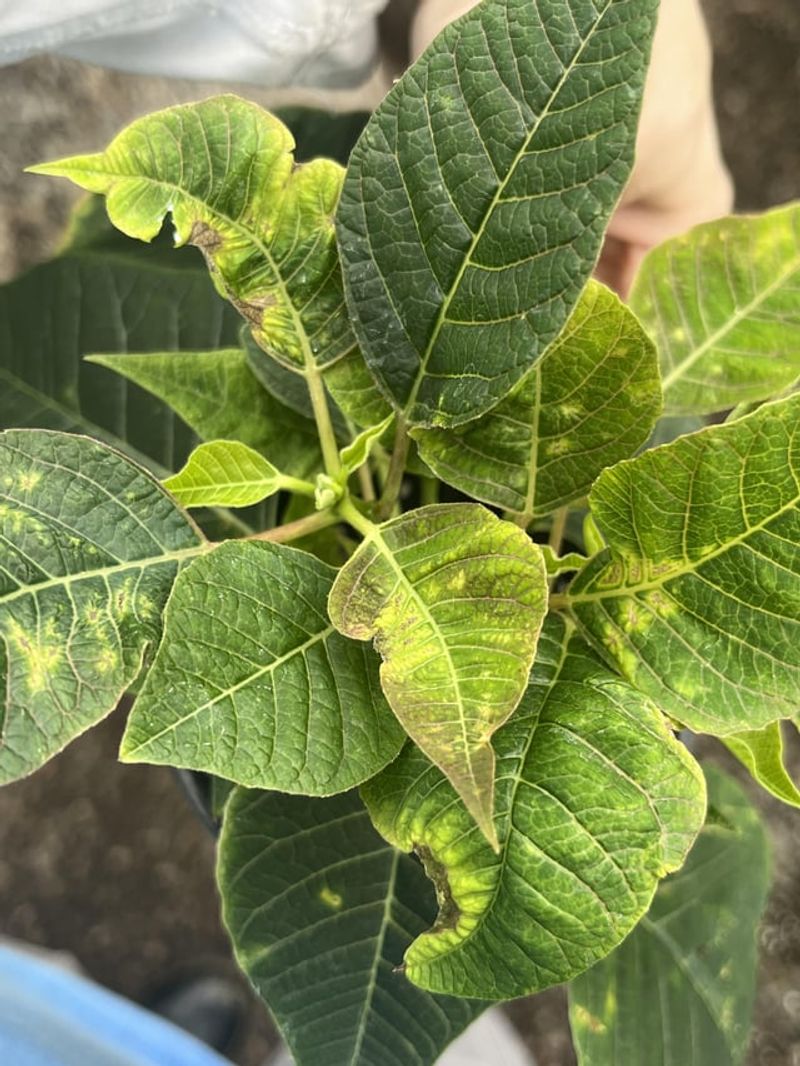
Nobody wants surprise houseguests, especially the tiny, winged kind. Whiteflies are one of the most common pests found on poinsettias, and they love hitching a ride home with holiday shoppers. A careful look at the store can save you a big headache later.
These little insects are small, but they cause real trouble. They feed on plant juices and leave behind a sticky substance called honeydew. Over time, infested leaves can turn yellow and fall off, leaving your plant looking tired.
Even worse, whiteflies do not stay put. Once they settle into your home, they can move on to your other houseplants. Your favorite pothos or hibiscus could end up sharing the problem.
Checking takes less than a minute. Give the plant a gentle shake and watch closely for a puff of tiny white bugs fluttering up. If you see them, that plant is not the one for you.
Next, flip over a few leaves and look underneath, since that is where whiteflies like to hide. Watch for small white specks, tiny eggs, or a shiny, sticky coating on the leaves. A dusty black film called sooty mold can also be a clue that pests have been busy.
If anything looks suspicious, simply choose another plant, even if it seems perfect otherwise.
Plenty of North Carolina homes are filled with houseplants, from sunny kitchen windows in Charlotte to cozy porches in Wilmington. Keeping pests out protects your whole indoor garden, not just your holiday centerpiece.
6. Protect It On The Trip Home
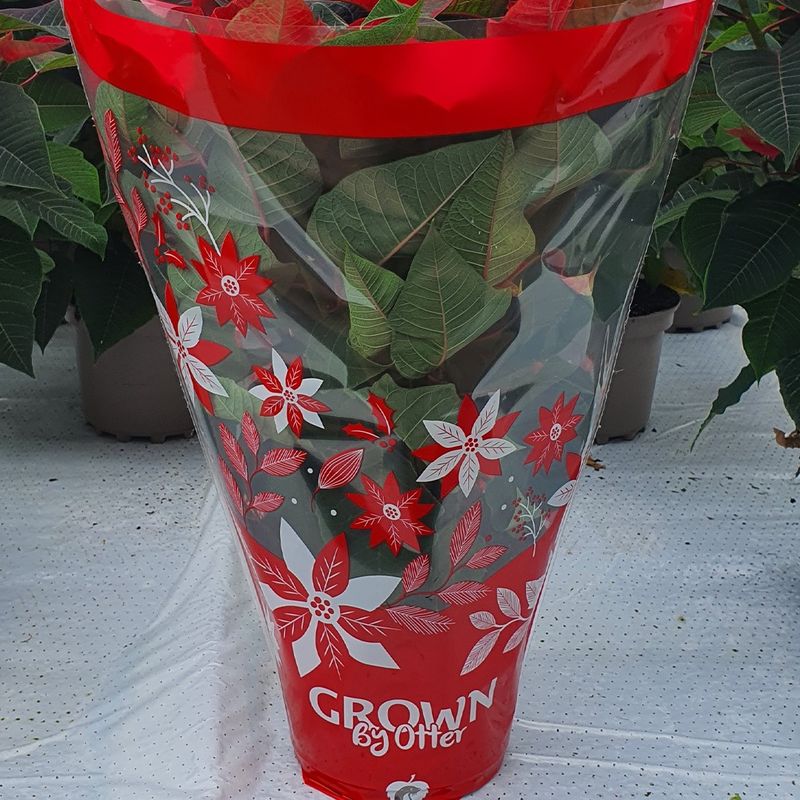
You found the perfect poinsettia, and now comes the sneaky part. The short walk to the parking lot and the drive home can harm a plant faster than you might expect. A little planning keeps all your careful shopping from going to waste.
Poinsettias are tropical plants at heart. Temperatures below about 50 degrees Fahrenheit can damage them, even for just a few minutes. The harm is not always obvious right away, but leaves may start dropping within a few days.
Your first move is simple. Ask the cashier to wrap your plant in a protective sleeve or paper bag before you head outside. Most stores keep sleeves handy at checkout for exactly this reason.
Next, make the poinsettia your last errand of the day. Leaving it in a cold car while you grab groceries or run into another shop can chill it badly. Warm up the car first if you can, and carry the plant straight home.
Once you step inside, slide off that sleeve right away. Remember, sleeves are only for travel, and keeping them on too long can cause drooping. Let the plant breathe and settle into its new space.
North Carolina winters can be tricky. A sunny afternoon might feel mild, but mornings and evenings often dip into the 30s and 40s, especially in the mountains and Piedmont.
Even a quick trip across a windy parking lot on those days can be enough to stress a poinsettia, so wrapping it up is always worth the extra moment.
7. Give It Bright Light And Steady Warmth At Home
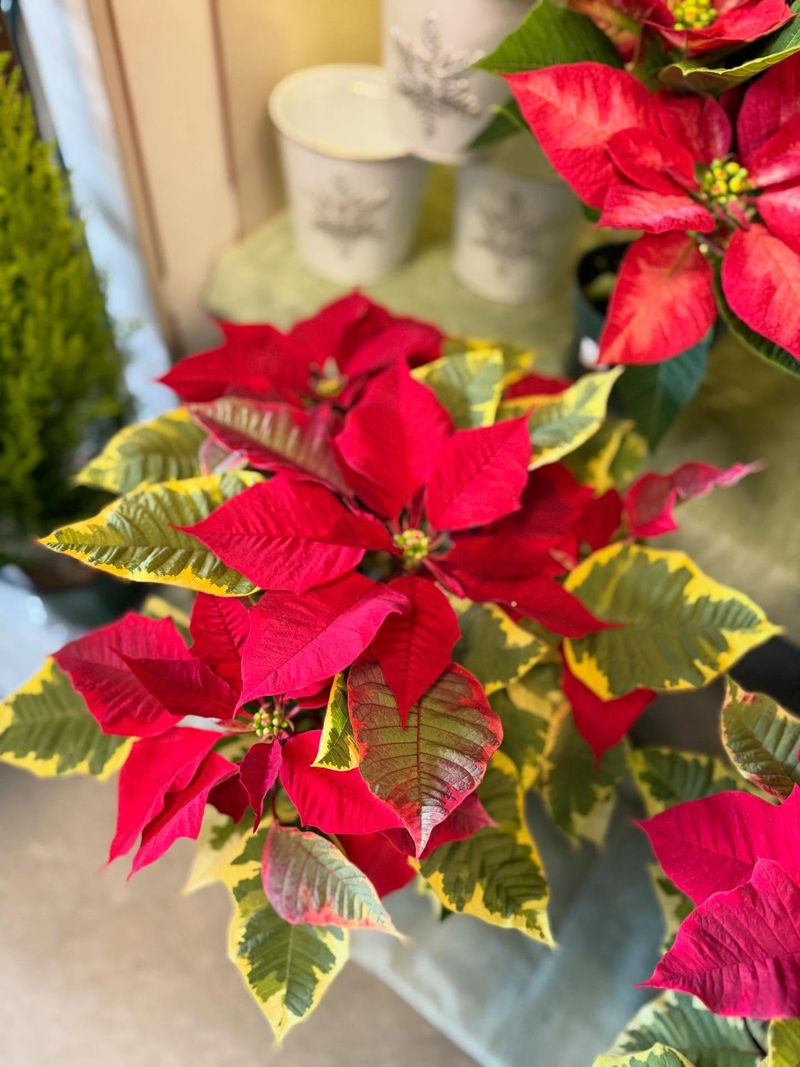
Home at last, your poinsettia is ready to shine. A few smart choices now will keep it bright and full for weeks to come. The goal is simple: plenty of light, steady warmth, and just the right amount of water.
Start by finding a sunny spot. A bright window with indirect light works beautifully, especially one where sheer curtains soften harsh afternoon rays. Too little light makes the plant fade, while hot, direct sun can scorch the leaves.
Temperature matters just as much. Poinsettias are happiest in a comfy room between about 65 and 70 degrees during the day. Keep them away from heat vents, fireplaces, radiators, and drafty doors that swing open to the cold.
Watering takes a gentle touch. Check the soil every few days and water only when the top feels dry. Then let any extra water drain away completely.
That shiny decorative foil around the pot looks festive, but it can trap water at the bottom. Poke a few holes in it or remove it before watering, then empty any saucer underneath. Soggy roots are one of the fastest ways to lose a poinsettia’s good looks.
Pets need a little thought, too. The plant’s milky sap can cause mild mouth and stomach irritation in cats and dogs, so set it somewhere curious noses cannot reach.
Many North Carolina homes rely on heat pumps and cozy fireplaces in winter, which can create hot, dry pockets of air. Placing your plant away from these spots helps it stay fresh, so it can brighten your home all season long.