Your New York Christmas Cactus Not Budding Yet? Here’s What’s Holding It Back
Your Christmas cactus looked so promising last year, but now it just sits there, green and stubborn. If you live in New York, you are not alone in this leafy standoff.
Holiday cacti are picky about light, heat, and water, and city apartments can confuse them fast. Glowing streetlights, clanking radiators, and chilly window drafts all send mixed signals to a plant that wants calm, cool, dark nights.
The good news is that most budding problems have simple fixes. A few small changes in your routine can turn a quiet plant into a burst of pink, red, or white flowers.
Below, you will find common reasons your cactus is holding back its blooms. Some are easy to spot, while others might surprise you.
Its Nights Aren’t Long Enough
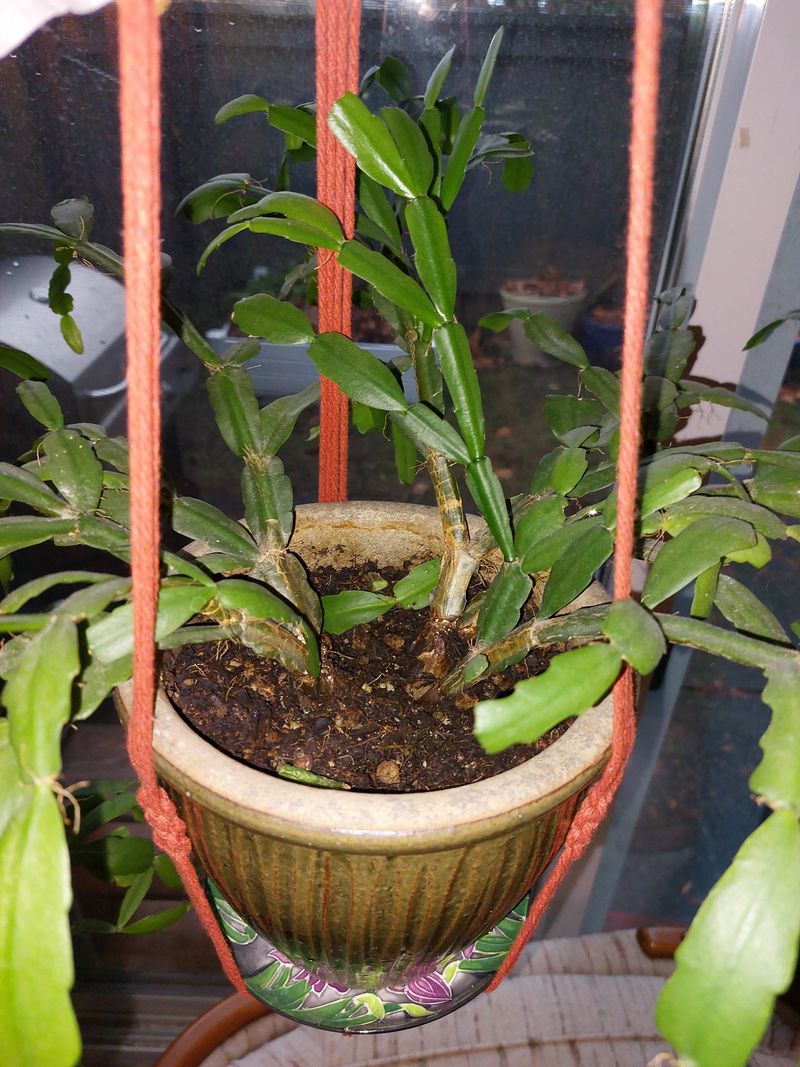
Picture a plant with a built-in calendar that reads the night instead of the date. Your Christmas cactus is a short-day plant, so long nights tell it winter is coming.
In its native Brazilian forests, autumn nights stretch out naturally. A New York apartment, with lights glowing until midnight, sends a very different message.
For buds to form, the plant needs 12 to 15 hours of steady darkness each night. Anything shorter and it keeps growing leaves instead of flowers.
Timing matters as much as the hours themselves. Start the dark routine in late September or early October for holiday blooms.
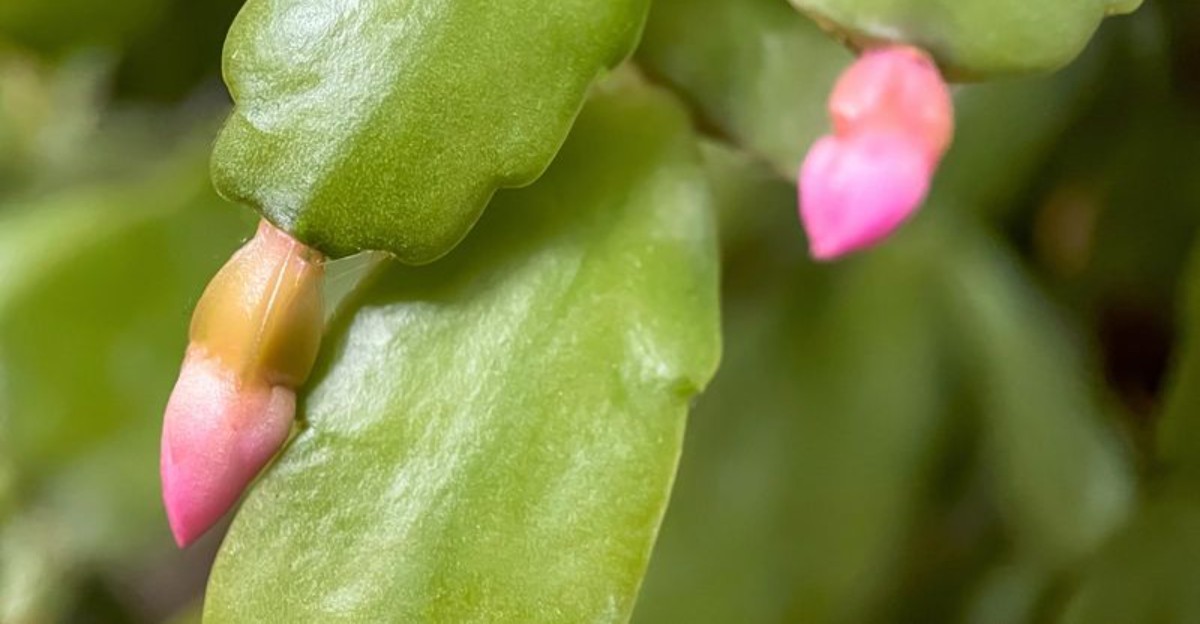
Keep it going for six to ten weeks, or until tiny buds appear. Those buds often look like little pink nubs at the tips of the stems.
During the day, give the plant 8 to 10 hours of bright, indirect light. Sunlight fuels the energy it needs to build flowers later.
A simple schedule helps a lot here. Try moving the plant into darkness around 6 p.m. and bringing it back out around 8 a.m.
Setting a phone reminder makes the routine much easier to follow. Busy weeks can slip by fast, and one missed evening is easy to forget.
Fun fact: botanists call this light response photoperiodism. Poinsettias and chrysanthemums use the same trick to know when to bloom.
Once you understand the plant’s night-loving nature, the puzzle starts to make sense. Long, quiet evenings are the first secret to a colorful holiday show.
Lamps And Streetlights Are Interrupting Its Darkness
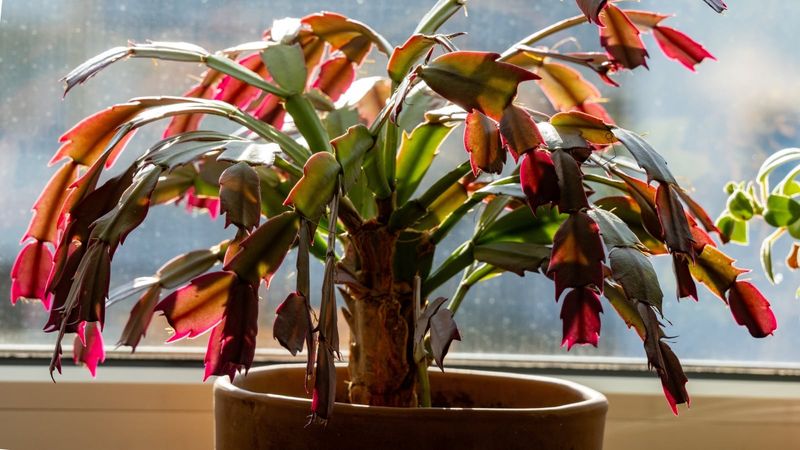
Ever notice how a city never really gets dark? That orange glow outside your window may be the sneaky reason your cactus refuses to bud.
Streetlights, table lamps, and even the blue light from a TV can break the plant’s night. To your cactus, a quick flash of light can feel like a brand new morning.
Short bursts of light during the dark period can delay buds or stop them altogether. Many New York renters face this problem without realizing it.
A spare closet makes a great fix. Slide the plant inside each evening and bring it back out after breakfast.
No closet space? Cover the plant with a large cardboard box or a thick dark cloth each night.
Your New York Garden Changes Every Week. Your Plan Should Too.
Gardening in New York changes quickly throughout the season. Every Friday you’ll receive a simple weekly plan showing exactly what to plant, prune, fertilize, harvest, and protect so you never miss the right timing.
Leave a little gap at the bottom so air can move around the leaves. Trapped moisture under a cover can invite mold or rot.
Check your room for tiny glowing culprits too. Chargers, smoke detectors, and cable boxes can shine brighter than you think.
A spare bedroom or bathroom that stays unused at night can also work well. Just make sure nobody flips on the light for a midnight snack run.
Stick with the routine every single evening for at least six weeks. Skipping even a few nights can reset the plant’s progress.
It may feel like tucking a pet into bed, but the payoff is worth it. Real darkness is one of the most powerful gifts you can give your cactus.
Radiator Heat Is Keeping It Too Warm
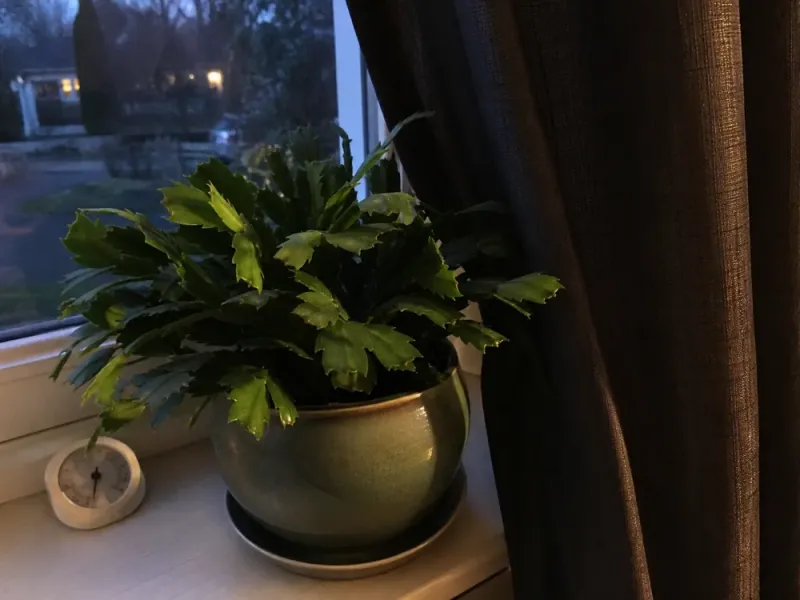
Old steam radiators hiss and clank like they have opinions. Sadly, their toasty breath can be bad news for a budding holiday cactus.
These plants come from cool, misty mountain forests. They like crisp nights, not the tropical heat that pours out of many buildings in fall.
Cool temperatures act as a second signal for blooming. Nighttime temperatures between 50 and 65 degrees Fahrenheit help the plant form buds.
Temperatures around 55 to 60 degrees for six to ten weeks can work especially well. Some growers find this cool spell triggers buds even without perfect darkness.
During the day, aim for 60 to 70 degrees. That range keeps the plant comfortable while it builds energy for flowers.
So where can you find a cool spot in a steamy apartment? A less heated bedroom, an enclosed porch, or a hallway might do the trick.
A cheap indoor thermometer can settle the guessing game. Set one beside your plant and check readings early in the morning.
Keep the pot at least a few feet away from radiators and heating vents. Hot air also dries out the soil faster than you expect.
If moving the plant is not possible, try turning down the radiator valve in that room. Even a few degrees cooler can make a real difference.
Think of it like sweater weather for your cactus. A little chill in the air tells it the season for flowers has finally arrived.
You’re Watering Too Often
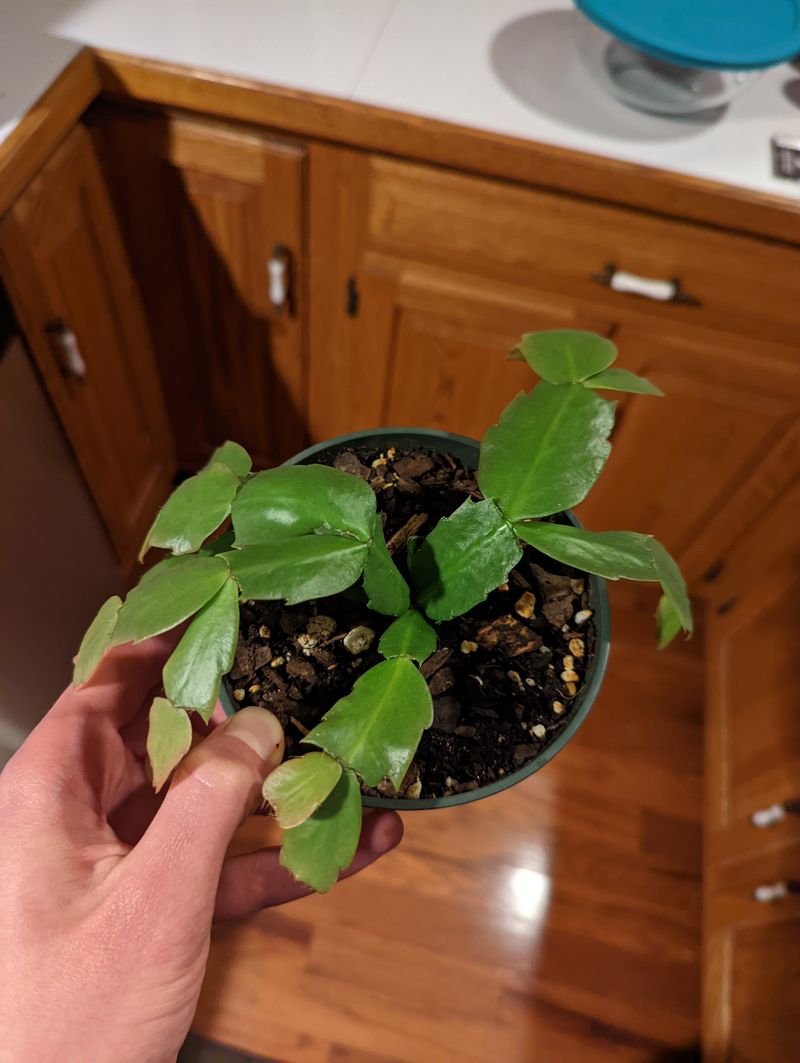
Love can sometimes come in the form of a watering can, and that is where trouble starts. Plenty of caring plant owners give their cactus far more water than it wants.
Christmas cacti are not desert plants. They grow on tree branches in rainforests, so they enjoy slightly moist soil but hate soggy roots.
Too much water can lead to root rot. Stressed roots cannot support new buds, and existing buds may drop off.
Here is a simple test you can try today. Push your finger about an inch or two into the soil.
If it feels dry, go ahead and water. If it still feels damp, wait a few more days and check again.
During the bud-setting period in fall, ease back slightly on watering. A little dryness can actually encourage the plant to shift into flower mode.
Drainage holes are a must for any pot. Without them, water pools at the bottom and slowly suffocates the roots.
Empty the saucer under the pot after each watering. Letting the plant sit in standing water is one of the fastest ways to harm it.
Watch the leaves for clues as well. Limp, mushy segments often point to too much water, while wrinkled ones suggest thirst.
Finding the right rhythm takes a little patience. Once you learn your plant’s needs, watering becomes a relaxing habit instead of a guessing game.
Too Much Fertilizer Is Feeding Leaves, Not Buds
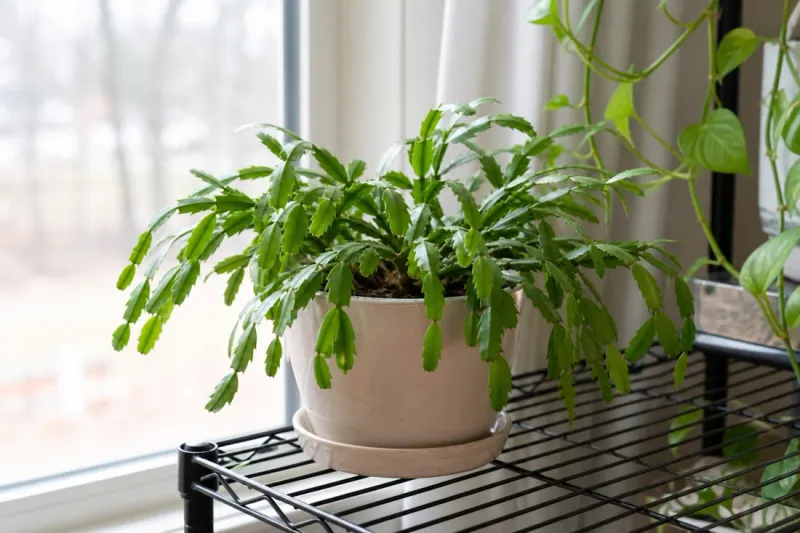
A plant bursting with glossy green stems seems like a happy plant. Yet all that leafy growth might mean it is too busy to make flowers.
Fertilizers rich in nitrogen push plants to grow foliage. Feed your cactus too much of it, and you get a jungle of leaves with few blooms.
Balance is the real goal here. In spring and summer, use a balanced houseplant fertilizer mixed at half strength.
Feed about once a month during this active growing season. That steady snack supports healthy stems without overdoing it.
Timing becomes important as fall approaches. Stop fertilizing about a month before you expect buds, usually by the end of October.
Pausing the food helps the plant switch gears. Instead of chasing new growth, it focuses its energy on flower production.
Once buds appear, you can offer a light feeding again. A fertilizer made for blooming plants, with more phosphorus, works nicely.
Watch for white crust on the soil or pot rim. That buildup often means extra fertilizer salts are piling up.
To clear it out, water slowly and let plenty drain through the pot. Doing this every few months keeps roots clean and comfortable.
Many plant lovers buy one bottle and use it on everything. Reading the label first can save your cactus from a nutrient overload.
Moving It Around Is Stressing It Out
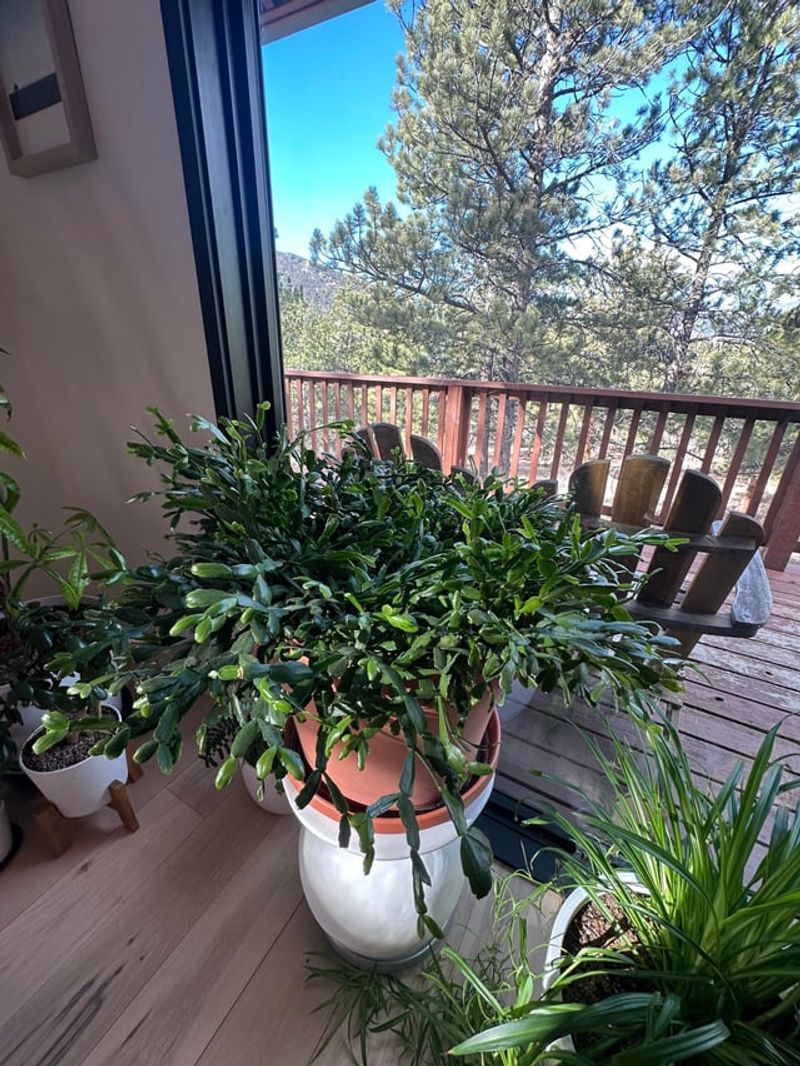
Some plants enjoy a little adventure, but a budding Christmas cactus is not one of them. It prefers to stay put once flowers begin to form.
Each new spot brings a change in light, temperature, and humidity. To a sensitive plant, those shifts can feel like a sudden storm.
Stress often shows up as bud drop. You may find tiny pink buds scattered on the table after a move.
The best plan is to choose a home for your plant before buds get too large. Pick a spot with bright, indirect light and steady temperatures.
Keep it away from heaters, fireplaces, and busy doorways. Calm surroundings help buds grow from small nubs into full flowers.
Here is a curious detail worth knowing. Buds tend to turn toward the light, so rotating the pot can confuse them.
Resist the urge to spin the plant for a better view. Let the buds settle in and face their light source naturally.
If you used a closet for the dark treatment, make the final move gently. After that, try to leave it alone until blooming ends.
Gift plants face this problem often. A cactus carried from a store to a car to an apartment may lose buds from all the travel.
Patience pays off with this plant. A quiet, steady spot gives it the confidence to open every last flower.
Drafty Windows Make Buds Drop
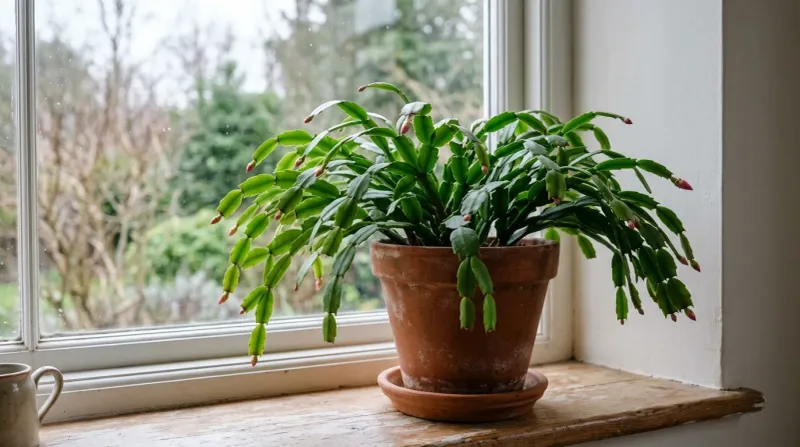
Brrr, feel that chilly breeze sneaking past the window frame? Your cactus feels it too, and it does not like the surprise.
Older New York buildings often have charming windows with sneaky gaps. Cold drafts and quick temperature swings can make buds fall off early.
Doors that open to the street or hallway cause the same issue. Every gust of cold winter air sends a jolt through the plant.
Steady, moderate temperatures keep buds firmly attached. Try placing your cactus a few feet back from windows during the coldest months.
Hold your hand near the window on a windy day. If you feel cool air, your plant probably feels it more.
Weatherstripping or a simple draft stopper can help a lot. These fixes also cut heating bills, so everybody wins.
Dry indoor air is another hidden culprit. Heated apartments in winter can feel as dry as a desert.
Boost humidity with a pebble tray under the pot. Fill a shallow dish with pebbles and water, keeping the pot above the waterline.
Grouping plants together creates a little pocket of moist air too. A small room humidifier works well for bigger plant collections.
With fewer drafts and more moisture, buds have a far better chance of opening. Your windowsill can still be a sunny perch, just not a frosty one.
A Snug Pot Actually Helps It Bloom
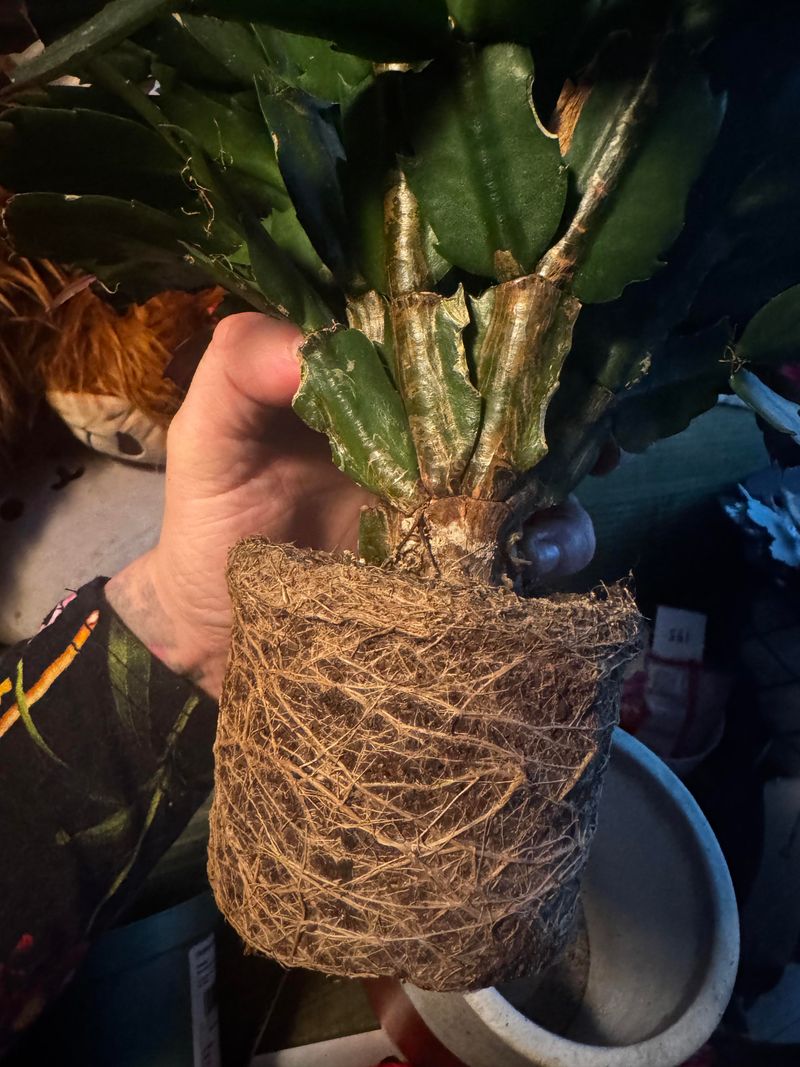
Here is a twist that surprises many plant owners. A Christmas cactus often blooms best when it feels a little cramped.
Slightly crowded roots seem to nudge the plant toward flowering. Extra room in a big pot pushes it to grow roots and leaves instead.
Repotting too often can delay blooms for a whole season. The plant spends its energy settling into new soil rather than making buds.
Plan to repot only every two to three years. Wait until roots poke out of the drainage holes or the plant tips over easily.
When it is time, choose a pot just one size larger. An inch or two wider than the old one is plenty.
Spring is the best season for repotting. Avoid fall and winter, when the plant is busy forming or holding flowers.
Use a light, fast-draining mix for best results. Many growers blend regular potting soil with orchid bark or perlite.
Drainage holes remain non-negotiable. Waterlogged soil in a tight pot can quickly lead to root trouble.
Good news for small spaces too. A compact pot fits nicely on a narrow windowsill or bookshelf.
Fun fact: some Christmas cacti have lived for decades in the same family. Many of those old plants grew happily in snug containers passed down through generations.
It Might Just Be A Different Holiday Cactus
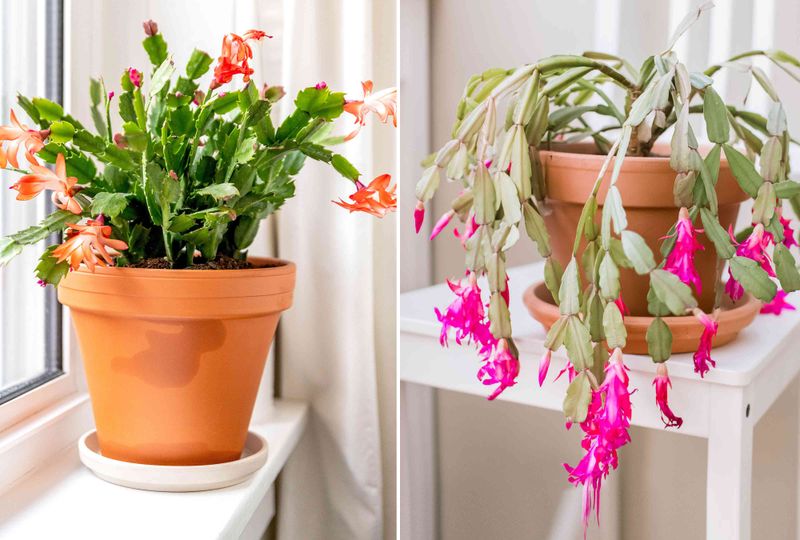
Plot twist: your Christmas cactus might not be a Christmas cactus at all. Many plants sold under that name are actually Thanksgiving cacti.
Stores often label them loosely because they look so similar. Some are even hybrids of the two types.
Thanksgiving cacti usually bloom earlier, often in November. True Christmas cacti tend to open closer to late December.
There is also the Easter cactus, which flowers in spring. If your plant blooms around April, you may have solved the mystery.
So how can you tell them apart? Look closely at the flat stem segments.
Thanksgiving cacti have pointed, claw-like edges that look a bit jagged. Christmas cacti have smooth, rounded, scalloped edges.
Easter cacti are different again, with soft bristles and star-shaped flowers. Their segments look more rounded and slightly fuzzy.
Knowing your type helps set the right timeline. A plant that seems late could simply be following its own natural schedule.
Many New York shoppers pick up these plants at grocery stores or corner bodegas during the holidays. A quick look at the leaves can save weeks of worry.
Whatever type you own, the care basics stay much the same. Long nights, cool temperatures, and gentle watering will help any holiday cactus shine when its season arrives.