The Post-Storm Fertilizing Mistake That Makes Recovery Harder For California Gardens
After a big storm, the urge to help a battered garden can feel almost irresistible. Snapped stems, flattened perennials, and soggy beds seem to call for immediate action.
One popular response, though, tends to backfire more often than most gardeners realize.
The problem has less to do with intentions than with timing, since plants and soil need a little time to reset before they can accept much help.
Rushing the process can leave a garden weaker, cost money, and even send trouble downstream toward local creeks.
A calmer approach, built around patience and a few simple observations, usually brings stronger results.
California’s storm season is just beginning, so knowing what to hold off on now can make the whole winter easier.
Feeding Right After A Storm Pushes Tender Growth
A lemon tree with half its branches torn and its leaves shredded by wind can inspire an urge to feed it right away. That reflex sits at the heart of a common mistake, fertilizing immediately after a storm.
Nitrogen, the main ingredient in most garden fertilizers, signals plants to grow leaves and shoots quickly. A storm-battered plant needs something different, the chance to patch wounds, steady its roots, and rebuild energy reserves.
A big dose of nitrogen pulls that energy toward soft, leafy shoots instead.
Those new shoots are thin-walled and floppy. UC IPM notes that lush, tender growth attracts sap-feeding pests such as aphids, and it breaks easily in the next gust of wind.
In winter, it can also be nipped by frost in colder valley and foothill areas.
The effect resembles a sugary snack for someone with a sprained ankle, a quick burst of energy while the injury stays put. The plant looks busy for a few weeks, yet ends up weaker than before.
Holding off on the bag makes sense, even when the label promises fast recovery. Healing happens internally first, so calm conditions serve the plant better than a push.
Feeding can come later, once the garden has dried out and the plant shows clear signs of renewed growth. That patience often produces sturdier stems that hold up better through the rest of the storm season.
Waterlogged Roots Cannot Use Fertilizer
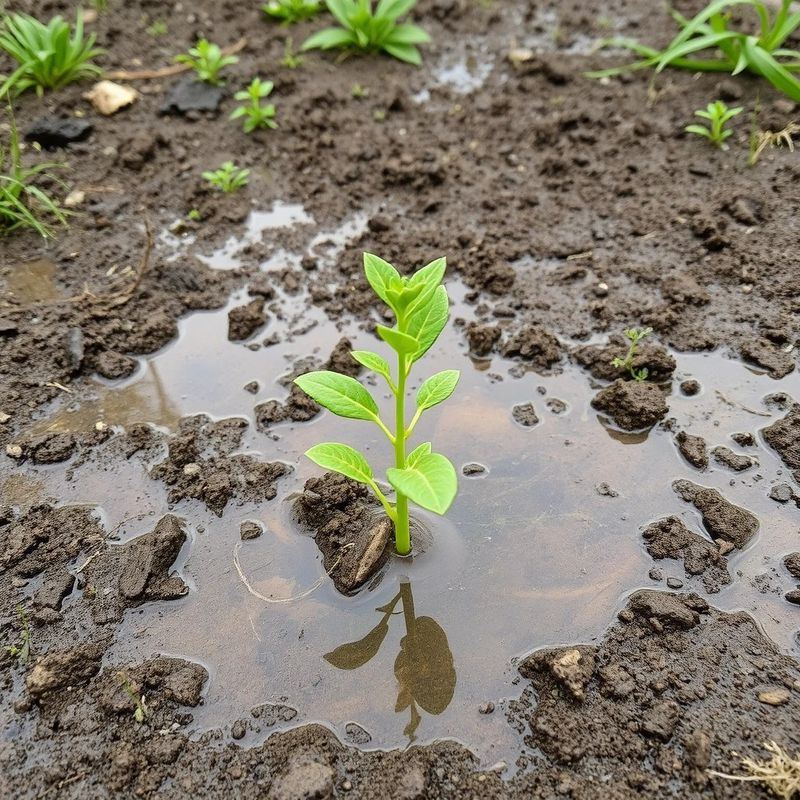
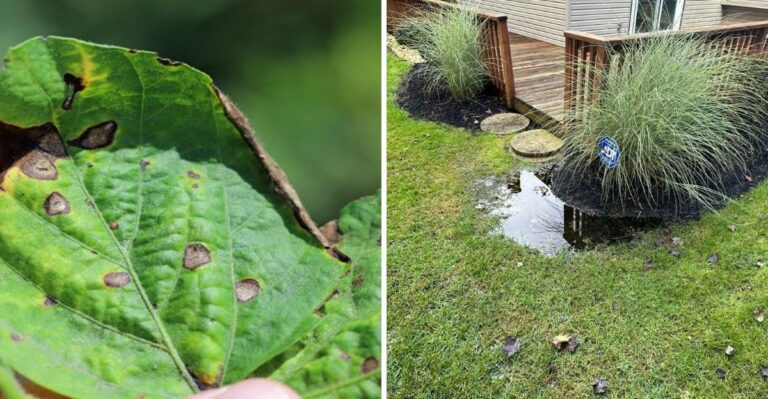
Water squishing up around a shoe in a flower bed after a downpour signals trouble below the surface. Roots there are struggling to breathe, since healthy roots need oxygen from tiny air pockets between soil particles.
Heavy rain fills those pockets with water. UC ANR explains that roots in saturated soil run short on oxygen and stop working well, unable to pull up water and nutrients normally.
Leaves may even wilt while standing in wet ground, which surprises many gardeners.
Fertilizer added to that soggy soil goes largely unused. Roots can’t absorb it, so nutrients sit idle or move away with the water, and the salts in some fertilizers add further strain to stressed roots.
Clay soil, common across much of California, makes things worse. It drains slowly and can stay waterlogged for days after a big storm. Walking on wet beds compacts soil further, so staying on paths helps.
Your California Garden Changes Every Week. Your Plan Should Too.
Gardening in California changes quickly throughout the season. Every Friday you’ll receive a simple weekly plan showing exactly what to plant, prune, fertilize, harvest, and protect so you never miss the right timing.
Roots sitting too long in those conditions can begin to rot, especially on plants that dislike wet feet, such as lavender, rosemary, and many natives.
A simple squeeze test helps before taking any action. A handful of soil from a few inches down that drips or forms a sticky ball means roots remain waterlogged.
Soil that crumbles in the hand signals that air has returned and roots can resume their real job of feeding the plant. In heavy clay, that may take several days of dry weather.
Fertilizer Washes Into Storm Drains
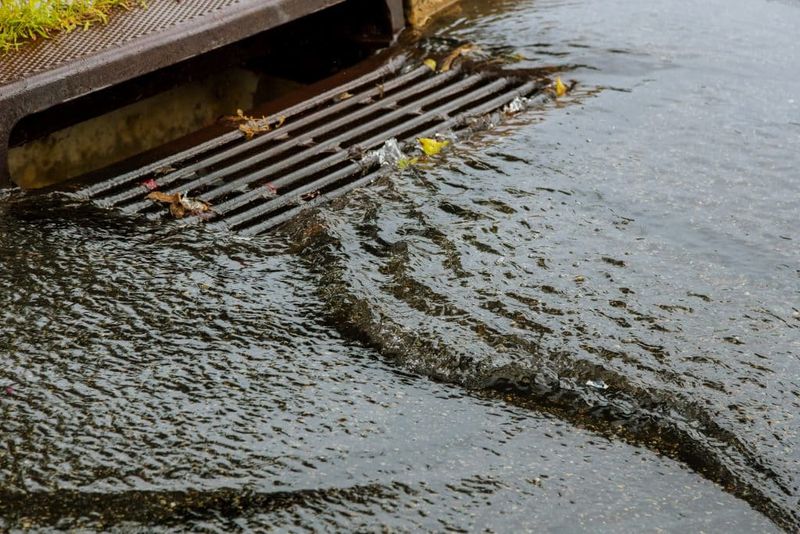
Water running down a driveway after a storm slides along the curb, swirls into the gutter, and drops into a storm drain. In most California cities, that drain bypasses any treatment plant and flows directly to creeks, bays, and the ocean.
Granules scattered on wet ground or soggy soil are easy for the next shower to pick up, and pellets landing on sidewalks or patios wash away even faster.
UC IPM warns that fertilizer and other yard chemicals in runoff can pollute local waterways.
Once there, nitrogen and phosphorus act like fertilizer for algae. Algae blooms can cloud the water and use up oxygen that fish and other aquatic life need.
A single yard may seem small, yet multiplied across every house on the block, the problem adds up fast.
Winter storms in California often arrive in waves, with one system following another. Feeding between storms works a bit like leaving money in the gutter and waiting for rain, since much of it floats off before plants get a taste.
A few habits protect both the creek and the budget. Fertilizing is best avoided when rain appears in the forecast, and stray granules swept from hard surfaces back into beds stay where they belong.
Following label directions for amounts matters too. Many California cities also run stormwater programs that share local guidance, and a little restraint keeps nutrients in the garden rather than the watershed.
Stressed Plants Need Recovery Time, Not Feeding
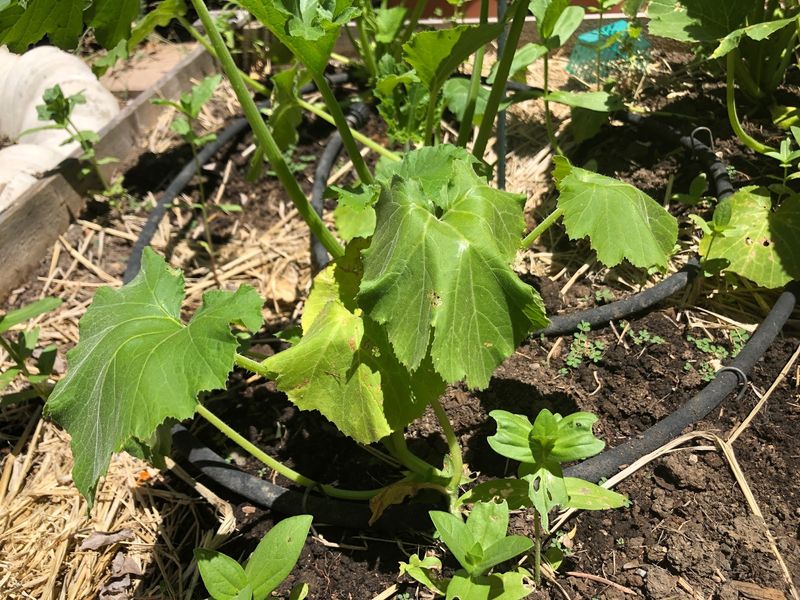
Plants are tougher than they look. A camellia that loses a few branches or a salvia flattened by wind still holds stored energy in its roots and stems, and given time, it can draw on those reserves to heal.
Recovery starts quietly. Damaged roots regrow fine hairs that absorb water, wounded stems seal off injured tissue, and surviving leaves keep making food from sunlight.
None of those steps require a jolt of fertilizer, only stable moisture, air in the soil, and a little patience.
Stressed plants sometimes drop leaves or look yellow for a while. Many gardeners read that as hunger and reach for fertilizer, though the cause more often traces to wet soil, root damage, or shock.
Feeding a plant for the wrong problem rarely fixes anything.
Plenty of helpful work fills the waiting period. Keeping foot traffic off soggy beds prevents compaction, and gentle staking supports young trees that lean but remain rooted.
Mulch piled against trunks can be pulled back so stems dry out, and a watchful eye for pests that target weakened plants catches problems early. Snails and slugs, in particular, become more active in damp weather after storms.
These weeks work like a rest period. A runner with a pulled muscle heals with rest first, then gradually returns to training, and a garden follows much the same pattern.
A few calm weeks often reveal how well plants rally on their own, sometimes far better than expected.
Wait Until New Growth Appears
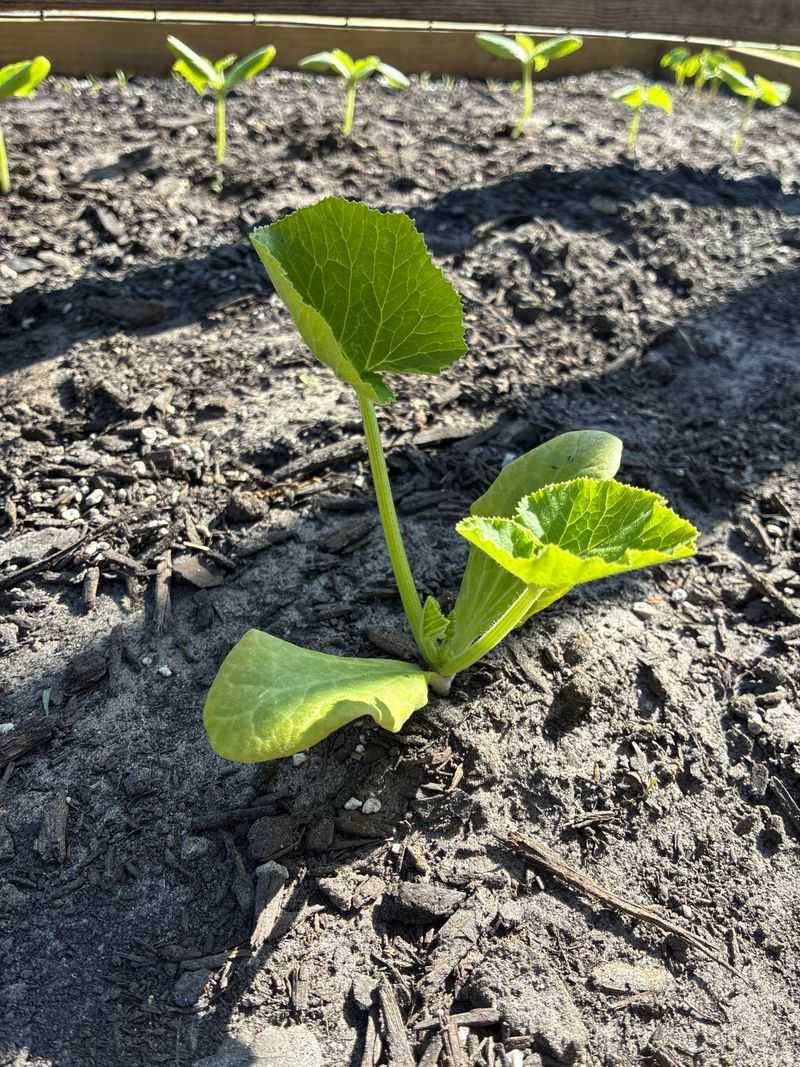
Tiny green buds swelling along a stem send one of the best messages a garden can offer. They mean the plant has found its footing and is ready to grow again, a signal that feeding can enter the conversation.
UC ANR guidance generally ties fertilizing to active growth. Plants use nutrients best when roots are healthy and leaves are expanding.
Before that point, much of the fertilizer goes unused or washes away, while afterward, nutrients actually get put to work.
Clear signs mark the shift. Fresh leaves unfold at branch tips, new shoots push up from the base of perennials, and lawns green up and need mowing again.
On fruit trees, buds begin to break in late winter or spring, showing roots are working once more.
Timing lines up nicely with California weather. Many storms arrive in winter, when plenty of plants are slowing down anyway, and spring warmth brings a natural growth spurt.
Feeding then matches what the plant wants to do rather than fighting it.
When growth returns, starting light makes sense. A smaller dose than usual suits a plant that just weathered a rough patch, and label directions deserve close attention, since extra fertilizer rarely helps.
Adding a bit more later is easy, while pulling excess back out of the soil is far harder, and the plant pays the price.
Cool-season vegetables and winter annuals, which grow actively now, follow their own feeding schedule once soil drains.
Test The Soil Before You Feed
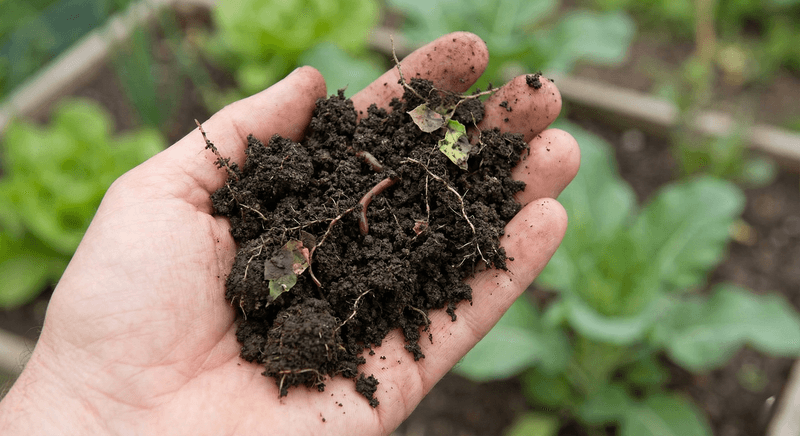
Guessing gets expensive. Many California home gardens already hold plenty of phosphorus and potassium, yet gardeners keep adding more every year, and a soil test reveals what’s really there before any money gets spent.
UC ANR recommends soil testing to guide fertilizer choices. A good test shows pH along with levels of key nutrients such as phosphorus and potassium.
Some labs also measure salts and organic matter, which matter a great deal in parts of the state with salty water or alkaline soil.
Collecting a sample is easy once the soil is no longer soggy. A clean trowel takes small slices from several spots in one area, about six inches deep, mixed together in a clean bucket.
After air drying, a portion goes to a soil lab. Home kits give a rough idea, while lab results tend to be far more reliable. Separate samples for lawns, vegetable beds, and ornamental areas give clearer results.
Heavy rain can move nitrogen deeper into the soil, out of reach of shallow roots, while phosphorus tends to stay put. A test helps show which one, if either, actually needs topping up.
Soil pH plays a surprisingly large role too. Plants struggle to use many nutrients when pH runs too high or low, even when those nutrients are present in the soil.
UC ANR resources and local nurseries can point toward reputable labs and help interpret results. With numbers in hand, feeding follows a plan rather than a hunch.
Use Compost Instead Of Quick Release Fertilizer
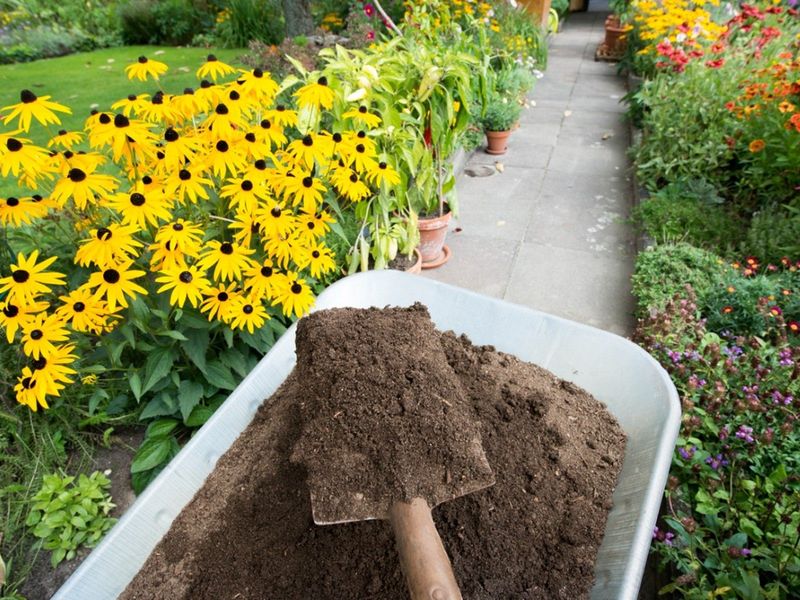
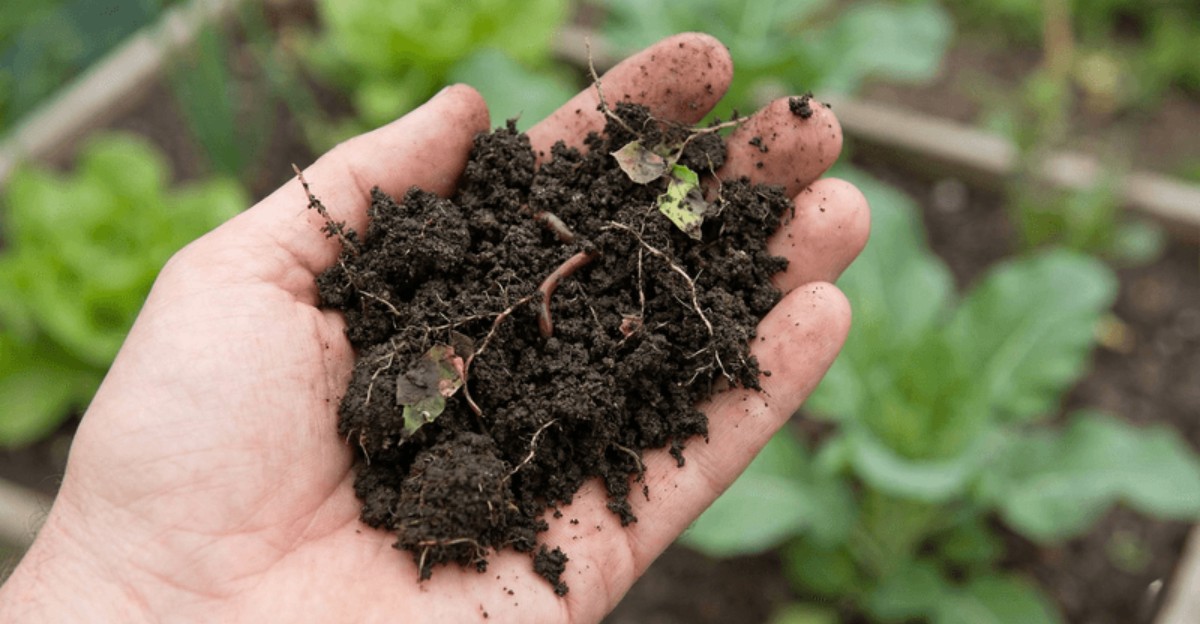
A forest floor after rain smells a lot like dark, crumbly compost. A thin layer spread around plants gives the soil a slow, steady meal rather than a sudden rush.
Quick-release fertilizers dissolve fast and deliver a big hit of nutrients all at once, a surge that can push tender growth and wash off in the next storm.
Compost works on a different clock. UC ANR notes that it adds organic matter and releases nutrients gradually as soil life breaks it down.
The real benefits happen underground. Organic matter improves soil structure, helping heavy clay drain better and sandy soil hold more moisture.
Earthworms and microbes move in and create tiny tunnels that let air reach roots, exactly what storm-soaked beds need.
Timing still matters. Compost goes on best after the soil drains, spread one to two inches deep over the root zone and kept a few inches away from trunks and stems.
Deep digging isn’t necessary, since rain and soil creatures handle the mixing, a welcome break for the gardener’s back.
Compost is mild, yet it isn’t a cure-all. It may not supply every nutrient a heavy feeder needs, so a soil test showing a real shortage can justify a targeted fertilizer later, applied according to label directions.
Compost serves as the foundation, with fertilizer as an occasional top-up. Many cities offer free or low-cost compost through green waste programs, making the habit easy on the budget.
Fix Drainage And Pruning First
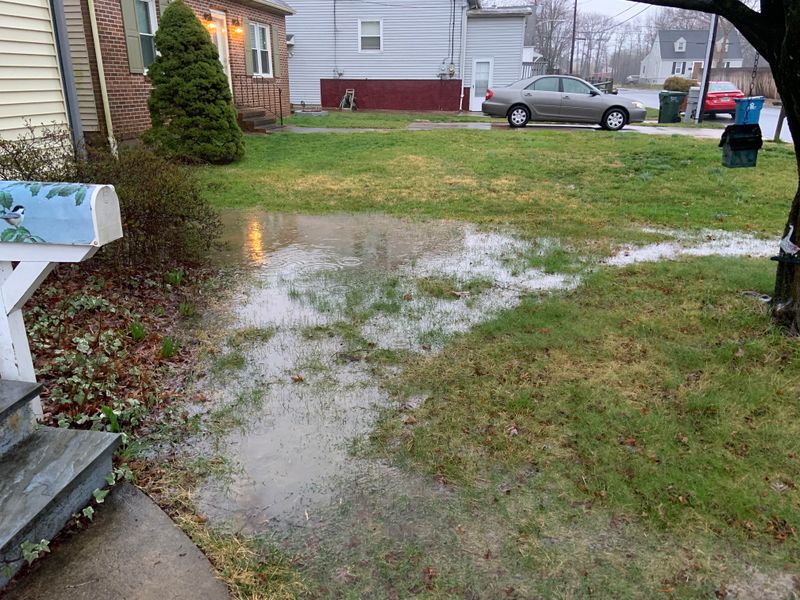
Broken branches dangling from a peach tree and a puddle that refuses to leave the corner of the yard both send a clear message. Before any feeding, the garden needs repairs, since fertilizer can’t mend a snapped limb or a soggy low spot.
Pruning comes first. UC ANR advises removing broken, torn, or split branches with clean cuts back to a healthy branch or bud, avoiding ragged stubs that invite decay.
Sharp tools help wounds seal properly, and wiping blades with household disinfectant limits disease spread. Large trees or limbs near power lines belong with a certified arborist.
Drainage comes next. Spots where water pools for more than a day after rain deserve a note, and redirecting downspouts away from beds, creating a shallow swale, or building raised beds for plants that dislike wet roots can all help.
Adding organic matter over time also helps soil drain more freely.
Plants knocked loose deserve a check too. Gently firming soil around exposed roots once the ground is workable helps, and shallow-rooted shrubs may need light support until they settle.
Downed branches can feed a compost pile once chipped, or go into the green waste bin.
Once cleanup is done, the soil has drained, and new growth appears, feeding can finally begin. A soil test, a layer of compost, and careful attention to product labels make a solid plan.
The garden weathered the storm, and with patience and a smart approach, it can come back stronger, no miracle in a bag required.