The September Hydrangea Mistakes That Can Steal Next Year’s Blooms From New York Gardens
September brings the urge to clean up every corner of the garden before winter arrives.
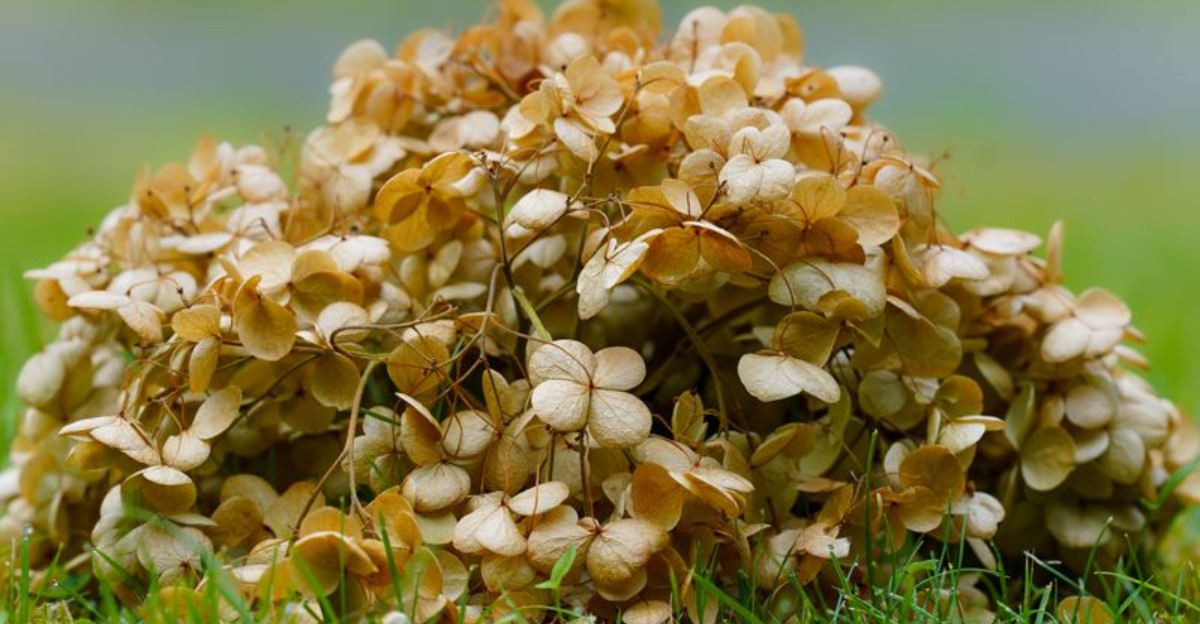
Your hydrangeas may look finished for the season, with faded flower heads and tired foliage tempting you to grab the pruners. But that quick fall trim can be the mistake that costs you next year’s display.
Some hydrangeas form next year’s flower buds on existing stems, and cutting them at the wrong time can remove the buds before they ever open. The tricky part is that the shrub often looks perfectly healthy until the following bloom season arrives.
Knowing your hydrangea type and when to prune can help New York gardeners avoid common fall mistakes and protect next season’s blooms.
1. Stop Pruning Bigleaf Hydrangeas Before Next Year’s Buds Bloom
Those giant blue and pink pom-poms everyone photographs? They come from buds that formed the summer before.
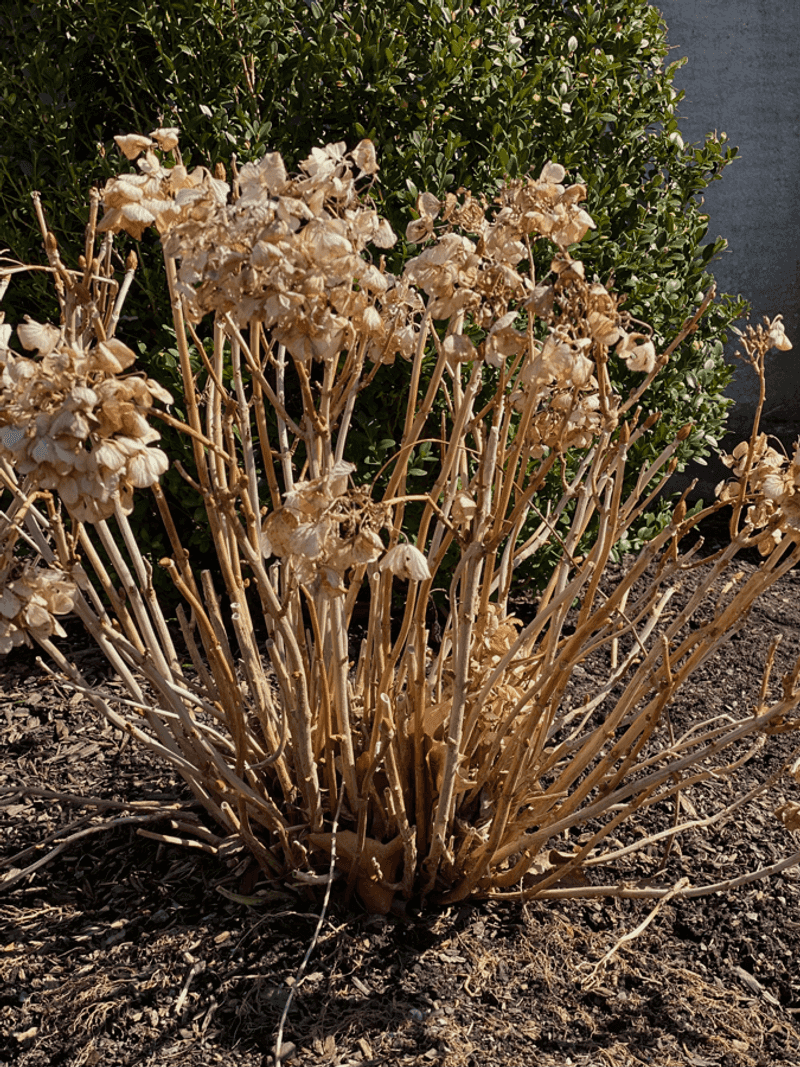
Bigleaf hydrangeas, the mopheads and lacecaps, build next year’s flowers on old wood.
Bud formation starts quietly in late summer, often around August or September. So the stem you trim on a crisp afternoon may already be holding a flower in miniature.
Cutting in fall or winter takes those buds with it. The shrub survives just fine, but it spends the following summer as a handsome green mound with nothing to brag about.
Timing is the whole trick here. Prune bigleaf hydrangeas shortly after flowering ends, giving the plant time to form new buds before winter
For light cleanup, keep it simple. Snip only the spent flower head, cutting just above the first pair of healthy green buds below it.
Some gardeners leave the dried blooms on all winter, and honestly, they look lovely dusted with snow. Those papery heads also act as a small shield for the buds sitting underneath.
If a stem looks brittle and tan with no green inside, it can go. Everything else deserves patience until spring reveals which stems woke up.
One more thought for shoppers: reblooming varieties flower on both old and new wood. Even those perform better in New York when you hold the pruners until after bloom time.
2. Leave Oakleaf Hydrangeas Alone After Summer Flowering
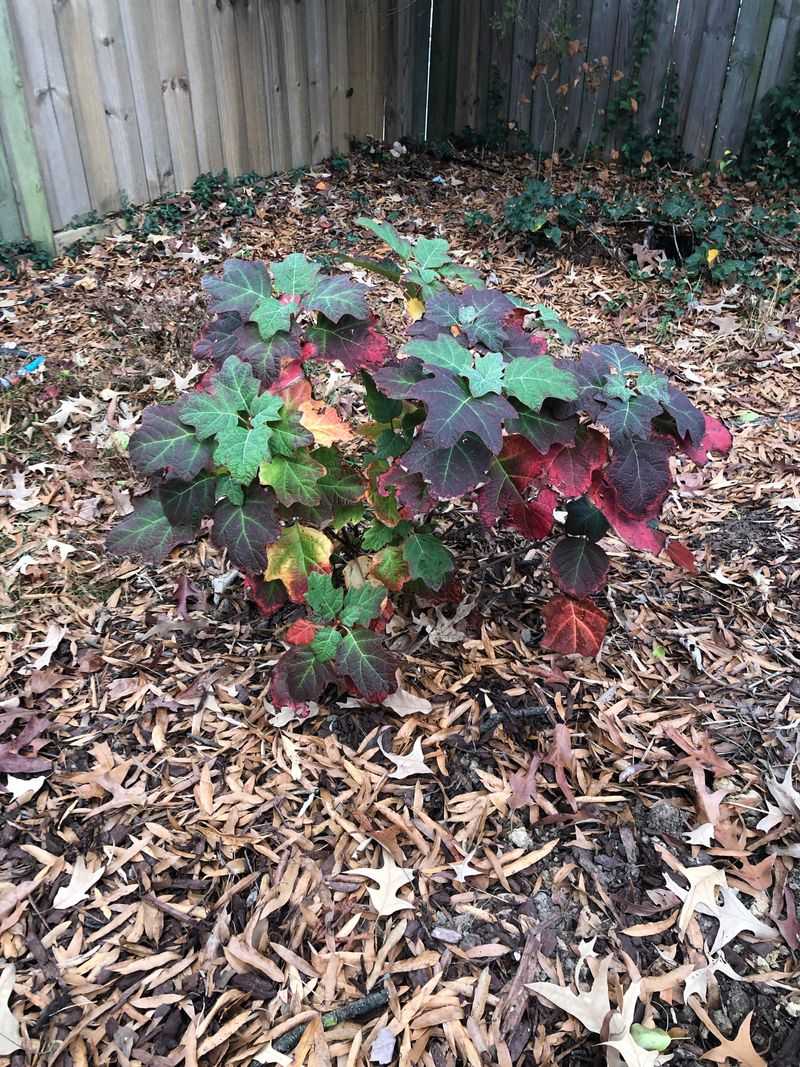
Oakleaf hydrangeas earn their keep twice. First come the creamy cone-shaped blooms, then the lobed leaves turn wine red and burgundy as autumn settles in.
All that beauty depends on old wood. Flower buds for next season begin developing in late summer and early fall, sitting right along the stems you might be tempted to shorten.
Reach for the shears in September and you trade next June’s flowers for a slightly neater silhouette. Not much of a bargain.
The safe window opens right after the shrub finishes its summer show, usually June or July. Prune then, and the plant still has weeks of warm weather to build new buds.
Major reshaping deserves extra caution. Heavy structural cuts made outside that window can reduce flowering for a full season, sometimes longer, since oakleaf types grow at an unhurried pace.
Your New York Garden Changes Every Week. Your Plan Should Too.
Gardening in New York changes quickly throughout the season. Every Friday you’ll receive a simple weekly plan showing exactly what to plant, prune, fertilize, harvest, and protect so you never miss the right timing.
Here is a quirky bonus: the peeling cinnamon-colored bark on mature stems becomes a winter feature once the leaves drop. Cutting those stems back erases years of character.
When a branch crosses awkwardly or rubs another, handle it in early summer instead. A single thoughtful cut then beats a dozen panicked ones in fall.
Fallen oak-shaped leaves also make excellent free mulch. Rake them around the base and let them insulate the roots through the colder months.
3. Know Your Hydrangea Type Before Reaching For Pruners
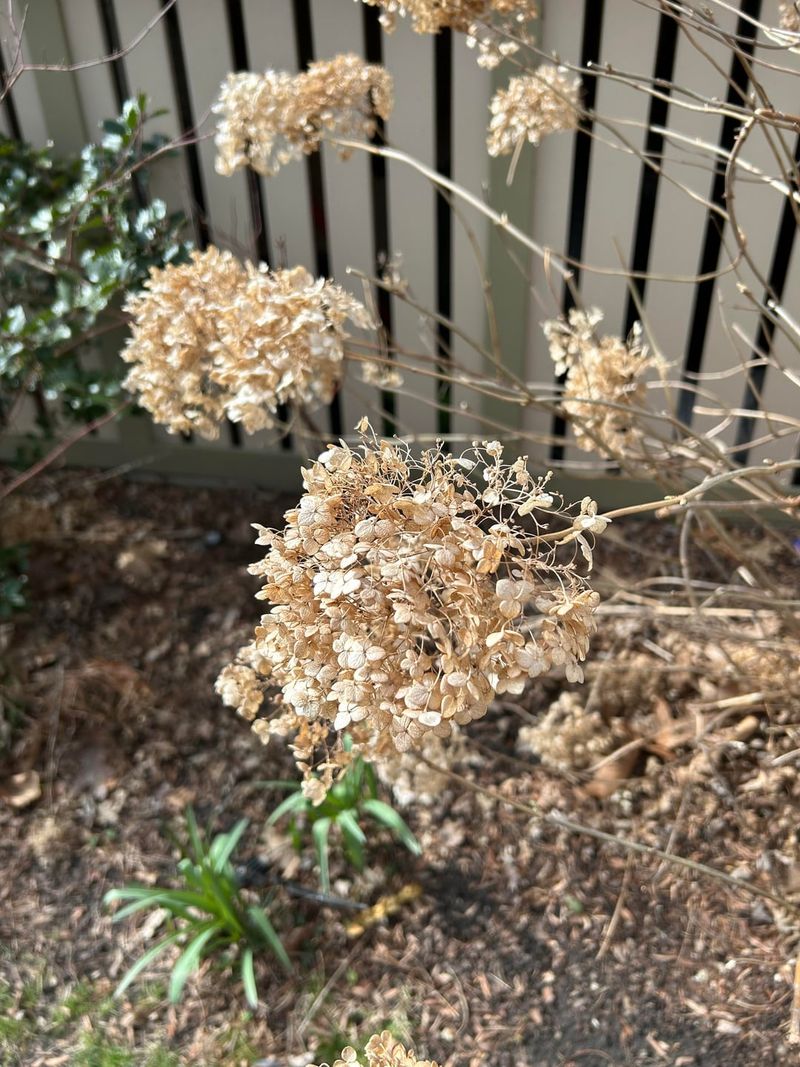
Mystery shrub in the side yard? Figure out what it is before you cut anything, because hydrangeas follow two very different playbooks.
Some bloom on old wood, meaning stems that grew last year. Others bloom on new wood, producing buds on growth that appears in the current season.
Misidentification is the number one reason gardeners end up with bloomless summers. The cut itself was fine, just aimed at the wrong plant at the wrong moment.
Bloom shape gives you the first clue. Rounded balls point toward bigleaf or smooth types, while long cones suggest panicle or oakleaf.
Leaves help confirm the guess. Bigleaf foliage is thick, glossy, and coarsely toothed, while oakleaf leaves look exactly like their name suggests.
Timing matters too. Panicle hydrangeas usually start flowering mid to late summer, and smooth types often open earlier with big white snowballs.
Still unsure? Snap a photo and bring it to a local garden center or reach out to a Cornell Cooperative Extension office, which serves counties throughout the state.
Once you know the name, write it down. A plastic label pushed into the soil or a note in your phone saves future guesswork every single autumn.
Fun detail: the word hydrangea comes from Greek roots meaning water vessel, a nod to the seed capsules shaped like little jugs.
4. Protect Old Wood Buds Through The Winter
Winter tests a hydrangea’s patience. Buds formed last summer must sit tight through freezing nights, thaws, and wind before they ever open.
Old wood bloomers like bigleaf and oakleaf carry that cargo on exposed stems. Anything that damages those stems between October and April lowers your flower count.
September pruning causes double trouble. It removes existing buds, and it can push out soft new shoots that have no time to toughen up before cold arrives.
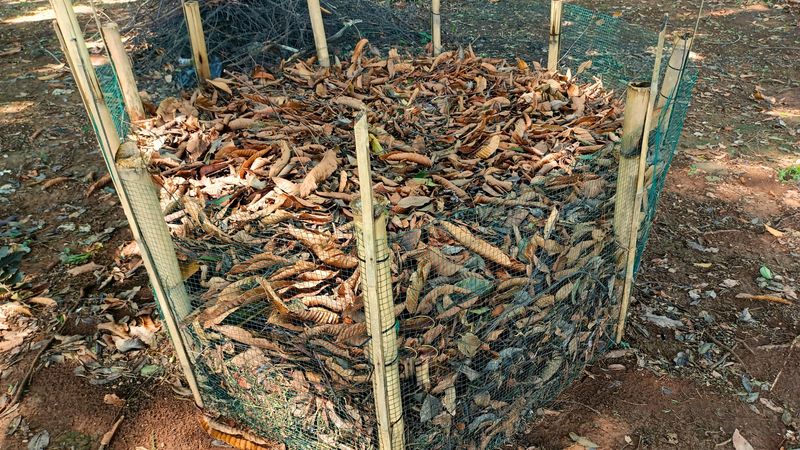
A simple leaf cage works wonders. Circle the shrub with a cylinder of wire mesh, then fill it with dry fallen leaves until the stems are buried.
Wait for the plant to go dormant before you build it, usually after a few hard frosts. Wrapping too early can trap moisture and warmth the plant does not need.
Leave the cage in place until buds visibly swell in spring, then remove it gradually on a mild day. Pulling it off during a warm February spell invites trouble when temperatures drop again.
Siting helps as much as wrapping. A spot shielded from harsh winter wind, maybe near a fence or the east side of a house, gives buds a better shot.
Skip late-season fertilizer too. Feeding in September encourages tender growth exactly when the plant should be settling down.
5. Skip Fall Shearing That Removes Future Flower Clusters
Hedge shears feel wonderfully satisfying. Ten seconds of buzzing across the top of a shrub, and everything looks crisp and controlled.
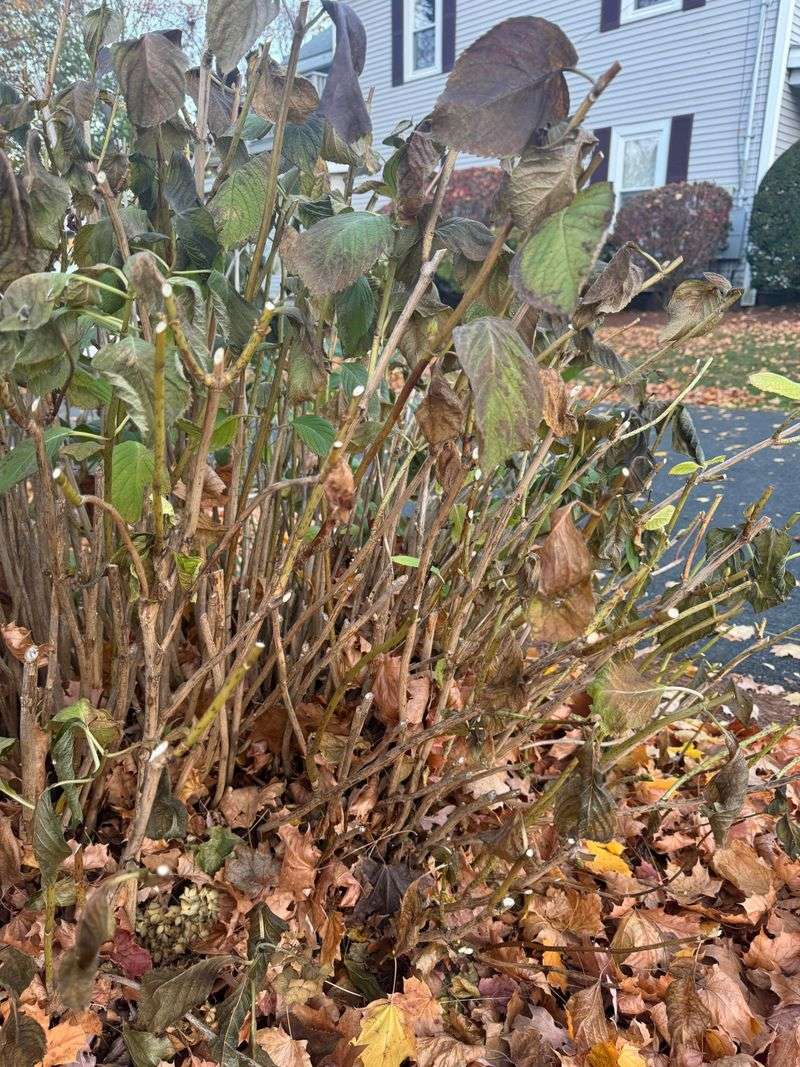
For old wood hydrangeas, that satisfaction comes at a steep price. Shearing removes the tips of stems, which is exactly where many of next year’s flower buds sit.
The plant will not look damaged afterward. Next June it simply leafs out beautifully and offers zero blossoms, leaving you wondering what went wrong.
If fall cleanup is unavoidable, keep the scope tiny. On bigleaf and oakleaf types, limit cuts to stems that are clearly broken, diseased, or lifeless.
Telling a lifeless stem from a sleeping one is harder than it sounds in October. Scratch the bark lightly with a thumbnail and look for green underneath.
When in doubt, wait. Spring shows you the truth without any guessing, and you cannot glue a live stem with buds back on.
Instead of shearing, redirect that energy. Pull weeds around the base, top up mulch to a few inches deep, and water well until the ground freezes.
Garden tidiness also has a downside for wildlife. Standing stems and leaf litter shelter beneficial insects that pollinate your garden the following season.
Store the hedge shears in the shed until you tackle boxwood instead.
6. Trim Panicle Hydrangeas Only At The Right Time
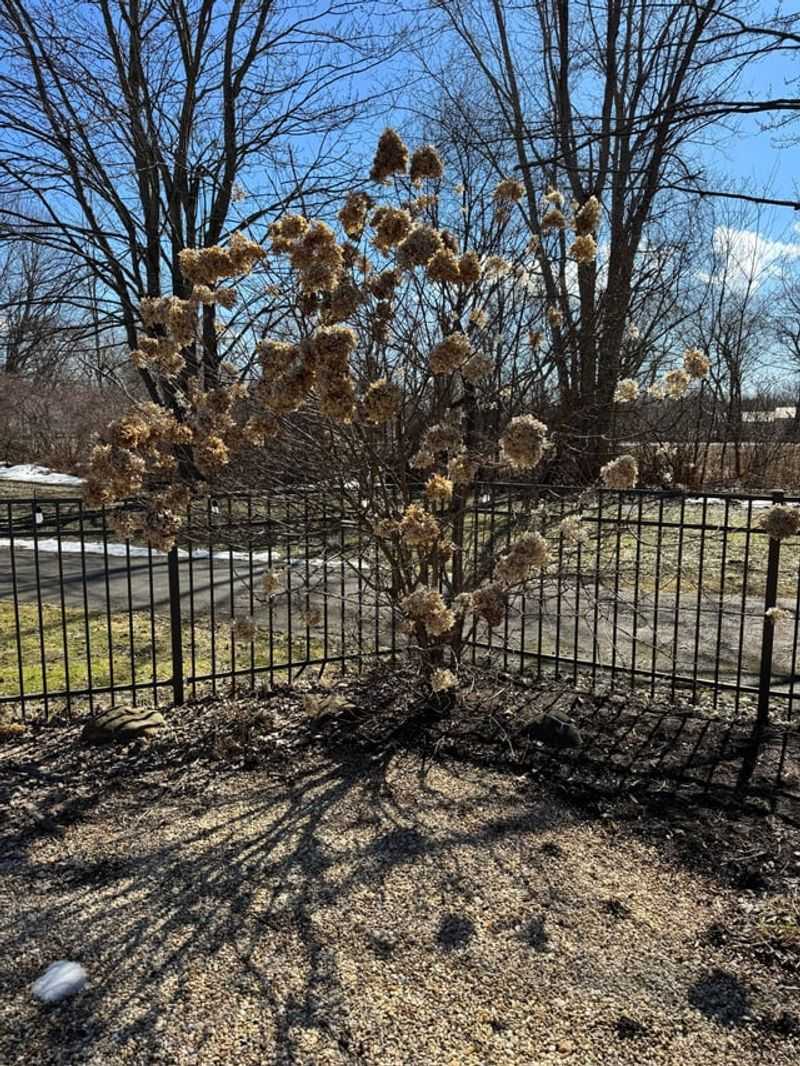
Panicle hydrangeas are the relaxed cousins of the family. Those tall cone-shaped clusters, often shifting from white to pink, appear on brand new growth each year.
Because buds form in late spring on the current season’s shoots, timing your cuts is far less risky. You get flexibility that old wood types simply cannot offer.
Still, the smartest moment is late winter or early spring, before growth wakes up. Cutting then lets the plant funnel energy straight into fresh, flower-bearing stems.
Fall pruning does not eliminate blooms on these shrubs, but it carries a small risk. Fresh cuts heading into a variable winter can suffer cold damage at the tips.
A good rule is to shorten stems by about one third and remove any thin, crowded twigs. Stronger remaining stems hold those heavy flower heads upright after rain.
Leave the dried cones through winter if you like sculpture in the garden. Snow settles on them in a way that makes a plain February yard look intentional.
Panicle types also handle more sun than most hydrangeas, which suits open suburban lots and windy Long Island properties.
Worth knowing: the popular Limelight variety belongs to this group, which explains why it forgives so much rough handling from beginners.
7. Let Smooth Hydrangeas Follow Their Own Growth Cycle
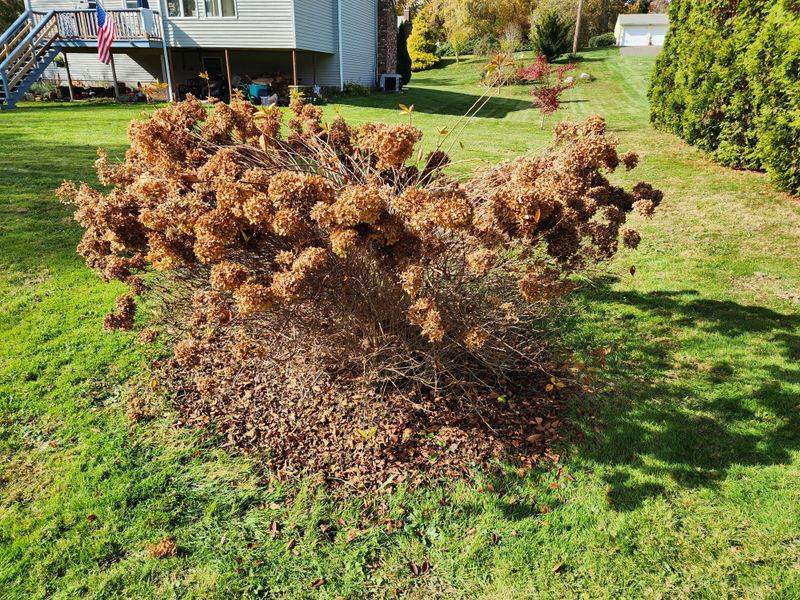
Picture a shrub covered in white snowballs the size of dinner plates. That is the smooth hydrangea, a native species that shows up in gardens all over New York.
Flowers arrive on new growth, so the plant rebuilds its bloom supply from scratch every spring. That habit makes it remarkably forgiving.
You can cut these shrubs back hard in late winter or early spring, even down close to the ground, and still get a full flower display that same summer.
Pruning after a hard frost in fall is possible, though spring remains the safer bet in colder parts of the state. Waiting reduces the chance of frost nipping tender new shoots.
One practical tip: leaving stems about eighteen to twenty four inches tall creates a natural framework. Those short stubs help hold the heavy blooms up instead of letting them flop after a thunderstorm.
Standing stems through winter also catch snow and give sparrows somewhere to perch. There is no rush to clean them up in September.
Smooth hydrangeas tolerate shadier corners than panicle types, making them handy for north-facing beds and spots under mature maples.
Historical tidbit: the classic Annabelle variety was discovered growing wild in Illinois back in the early 1900s, then shared with gardeners decades later.
8. Save Major Hydrangea Cuts For The Proper Season
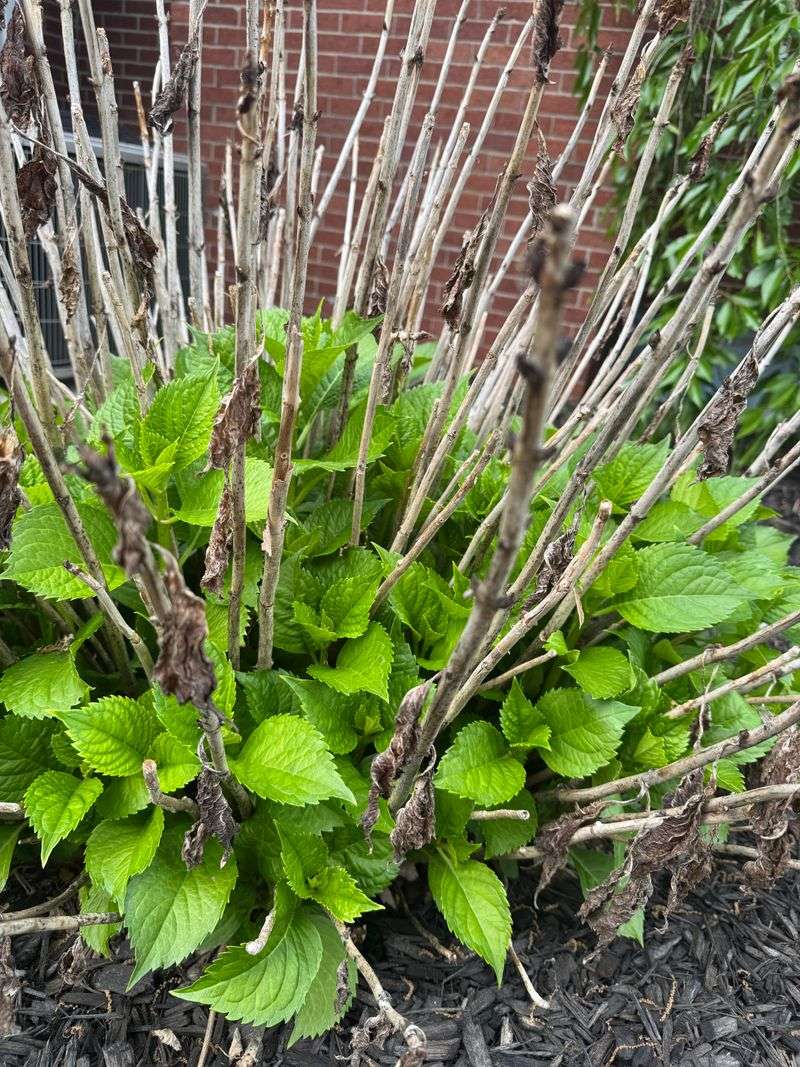
Big cuts change a shrub for years, so they deserve a calendar, not a whim. Reshaping, renewal, and cutting back hard all hinge on one question: old wood or new wood?
Bigleaf and oakleaf hydrangeas hold next season’s flowers on last year’s stems. Severe cuts made in September or later trade an entire summer of blooms for a tidier shape.
Panicle and smooth hydrangeas work the opposite way. Heavy cuts in late winter or early spring push out strong shoots loaded with flowers, which is why growers recommend that window.
Sharp tools matter more than most people expect. Clean bypass pruners make a tight cut that seals over quickly, while dull blades crush stems and invite problems.
Work in stages when a shrub has grown wild. Removing a third of the oldest stems each year over three seasons renews the plant without shocking it.
Watch the weather too. Pruning right before a deep freeze or during a soggy stretch adds stress the plant does not need.
Keep a short note of what you cut and when, then check the results next summer. That little record turns guesswork into real skill within a couple of seasons.
Patience really is the secret ingredient here. Put the pruners down in September, and your hydrangeas will thank you in June.