Bringing Firewood To Your New York Cabin? This Rule Could Cost You
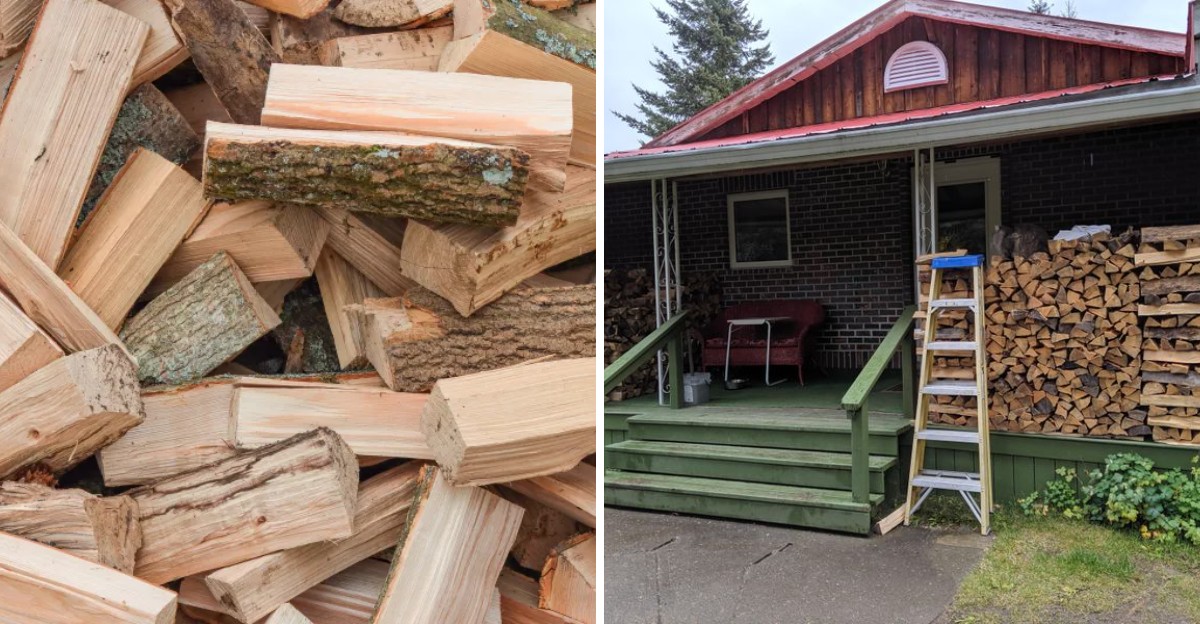
That trunk full of logs you’re hauling to the cabin could get you ticketed before you strike a single match.
New York has strict rules about moving firewood, and plenty of cabin owners have no idea they exist. Most only find out when an officer asks for paperwork.
The rules aren’t red tape for the sake of it. Tiny pests hiding under the bark can devastate entire forests, and firewood is one of their favorite rides.
A single careless trip can cost you a fine, your whole load of wood, and maybe the very trees that make your getaway special.
Untreated Firewood Can’t Travel More Than 50 Miles
Fifty miles sounds like plenty of room until you realize how far most cabins are from home. Many New Yorkers drive two or three hours to reach their getaway spot.
Under state rules, untreated firewood cannot travel more than 50 miles from where it was grown. Officials measure that distance in a straight line, not by road miles.
So a winding mountain route might feel longer, but the map line is what counts. A free online radius tool can show you exactly where your 50-mile circle ends.
Untreated simply means the wood has not been heated to wipe out pests inside it. Most backyard logs, roadside bundles, and storm cleanup wood fall into that group.
Why does New York care so much about distance? Many tree pests crawl or fly only short distances on their own.
People moving wood help those bugs jump hundreds of miles in a single afternoon. Keeping logs close to their source slows that spread down and gives forests a fighting chance.
Here is a handy habit before any trip. Open a mapping app and drop a pin where your wood came from.
Then drop another pin at your cabin and check the straight-line distance. If the gap is bigger than 50 miles, leave the logs at home.
Planning ahead takes about two minutes. Skipping it could turn a relaxing weekend into a stressful conversation with a forest ranger.
Out-Of-State Firewood Is Banned Unless Heat-Treated
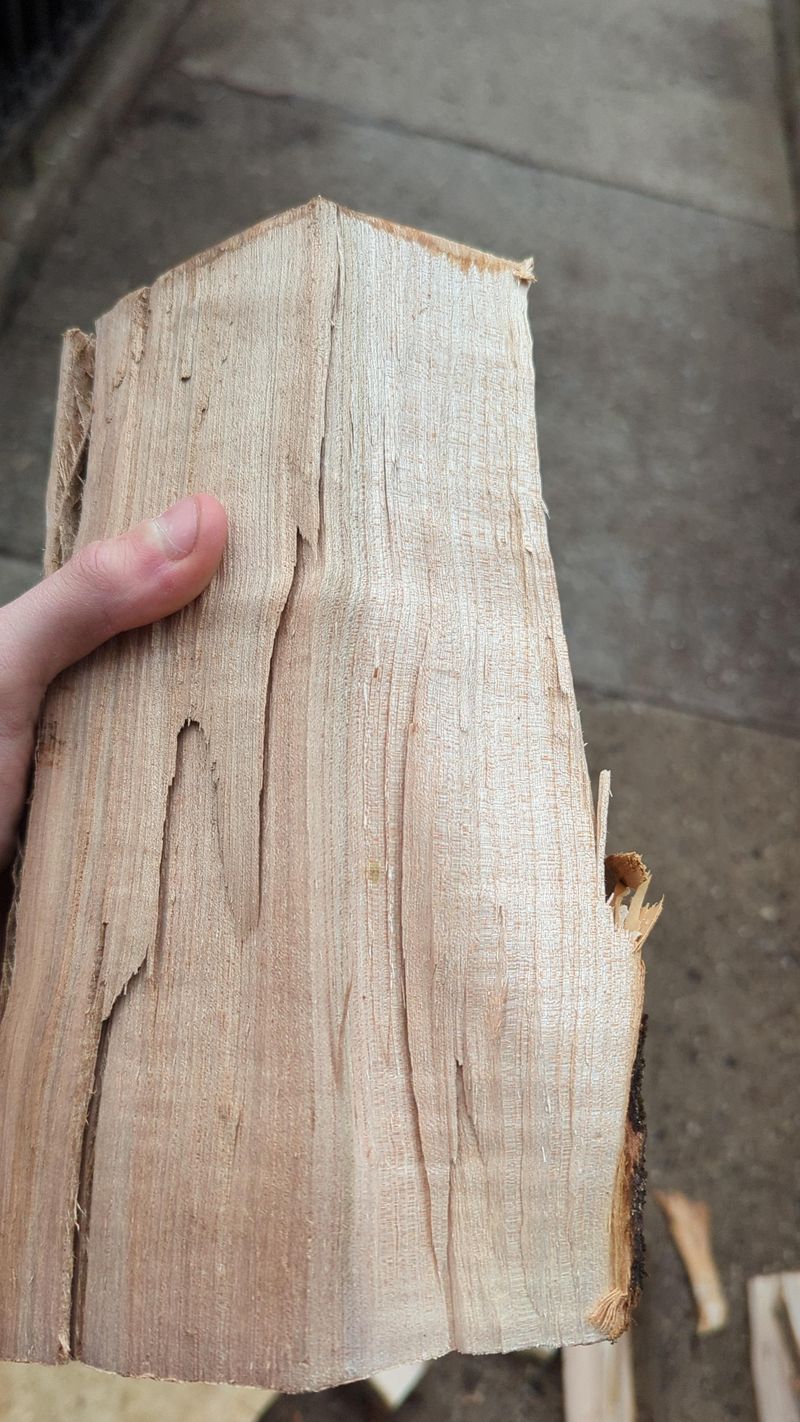
Crossing into New York with a trunk of Pennsylvania or Vermont logs? Hit the brakes on that plan right away.
Untreated firewood from any other state or country is not allowed into New York. The only exception is wood that has been properly heat-treated and certified.
The rule surprises plenty of travelers, especially folks who live close to the border. Your home might sit 10 miles from your cabin, yet a state line still blocks your wood.
Distance does not matter in that case. Once wood crosses the border untreated, it breaks the rule, even if the trip is short.
Why so strict? New pests often show up first in neighboring states before reaching New York forests.
Blocking untreated wood at the border acts like a locked front door. It keeps unwanted guests from sneaking into healthy woods that have not seen them yet.
Fun fact: several other states, including Michigan and Vermont, have similar firewood rules of their own. Moving wood between states is a hot topic across the country.
Your New York Garden Changes Every Week. Your Plan Should Too.
Gardening in New York changes quickly throughout the season. Every Friday you’ll receive a simple weekly plan showing exactly what to plant, prune, fertilize, harvest, and protect so you never miss the right timing.
If you live outside New York, the easiest fix is simple. Pack marshmallows and skewers, but leave the logs behind.
Plenty of hardware stores, farm stands, and gas stations near cabin areas sell bundles. You will save trunk space and avoid any trouble on the drive in.
Bringing certified heat-treated wood is fine. Just make sure the label is still attached and easy to read.
Cutting Your Own Wood? You Need A Self-Issued Certificate
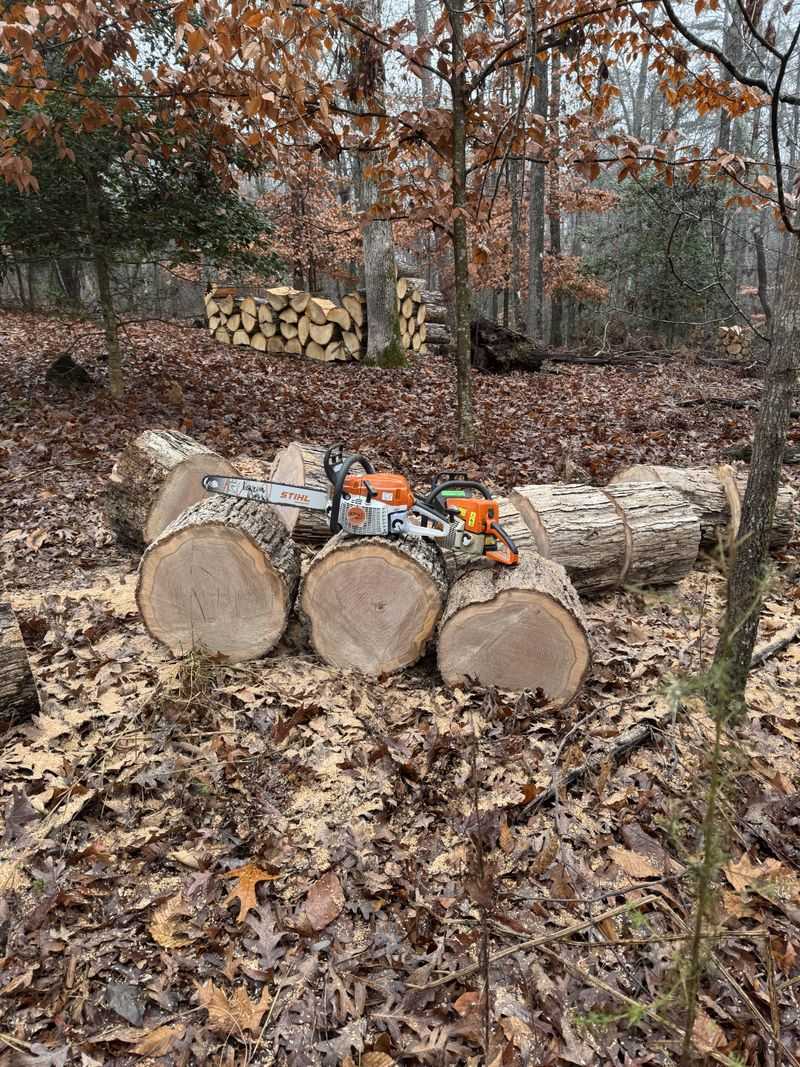
Owning the land and swinging the axe yourself feels like enough proof. Sadly, New York sees it a bit differently.
Anyone moving untreated firewood cut for personal use needs a Self-Issued Certificate of Origin. You can download the form for free from the state Department of Environmental Conservation website.
Filling it out takes just a few minutes. You list your name, the address where the wood was cut, and where you are taking it.
Think of it like a hall pass for your logs. If an officer asks questions, you hand over the paper and explain the trip.
The 50-mile limit still applies, even with the certificate. The paper proves the source, but it does not stretch the distance rule.
Skipping the form can lead to fines, even for wood from your own trees. Many people learn that lesson the hard way at campground check-ins.
Here is a smart tip from seasoned cabin owners. Print several blank certificates and keep them in your glove box.
That way, you can fill one out whenever you load wood for a trip. A clipboard and pen in the car make the job even easier.
Store a photo of each completed form on your phone too. Paper gets lost, crumpled, or soaked by rain more often than you might expect.
A little paperwork now saves real headaches later. Your future self will thank you.
Store-Bought Firewood Needs A Receipt Showing Its Source
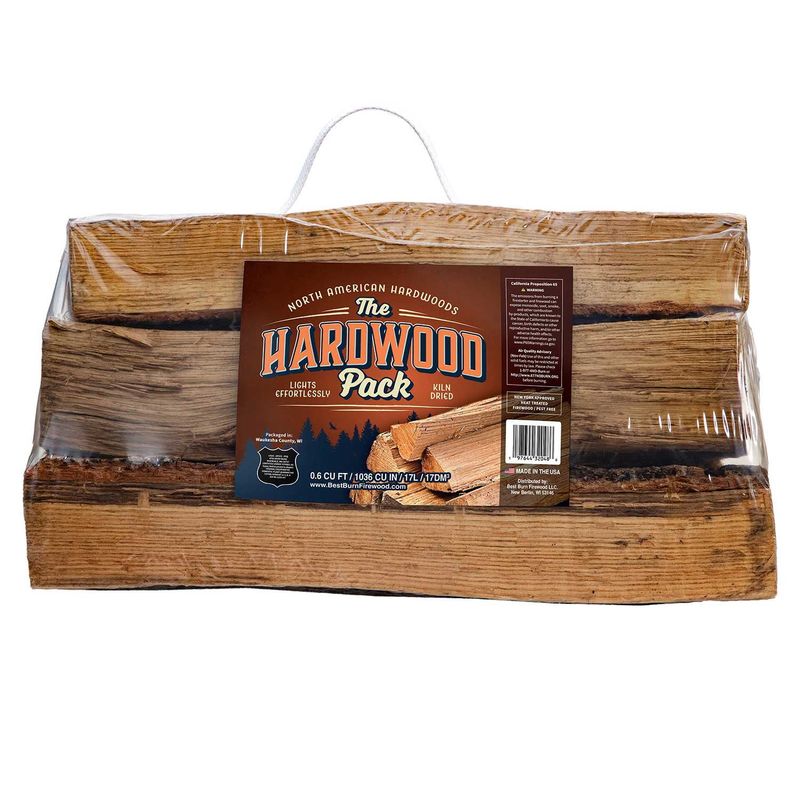
A quick stop at a roadside stand seems harmless. You grab a few bundles, toss them in the car, and head off.
Hold onto that receipt, though, because it matters more than you think. New York requires buyers of untreated firewood to keep a receipt or label showing where the wood came from.
The source location sets your 50-mile limit, not the store location. A shop in one county might sell wood harvested two counties away.
So your bundle may already be partway through its allowed travel distance. Checking the label tells you how much room is left.
Good sellers make the job easy by printing the harvest town right on the packaging. If you cannot find that info, ask the cashier before paying.
Vague answers like it comes from around here are a warning sign. Choose another seller who can give a clear, written source.
Here is a simple system that works well. Tuck receipts into a zip-top bag and keep it with your firewood until it is burned.
Snapping a quick photo of the label also helps if the paper tears. Some campgrounds ask to see proof at the gate, so having it ready speeds things along.
Buying close to your destination is the safest move overall. A short drive means less distance math and less worry about rules.
One small slip of paper can protect both your wallet and the woods around you.
Only Certified Heat-Treated Wood Can Go Anywhere
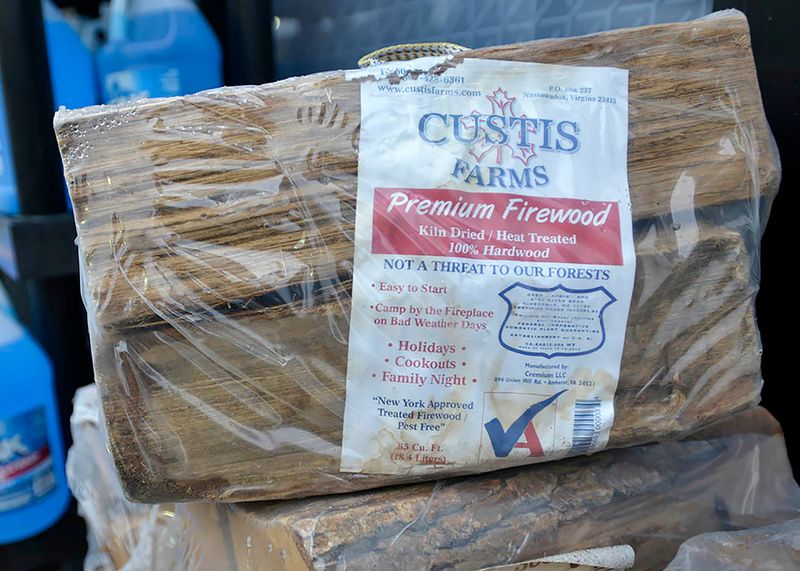
Want firewood with no travel limits at all? Certified heat-treated wood is your golden ticket.
Once properly treated and labeled, this wood can travel anywhere within New York State. No 50-mile math and no self-issued paperwork are needed.
The process is strict for good reason. Wood must reach a core temperature of 160 degrees Fahrenheit for 75 minutes straight.
That heat reaches deep inside each log, not just the surface. Insects, larvae, and many fungi cannot survive that kind of long, steady cooking.
Look for a label that reads New York Approved Heat-Treated Firewood/Pest Free. Federal USDA certified labels are also accepted in many cases.
Without that wording, the wood counts as untreated under the rules. A fancy package or premium price alone does not qualify.
Here is a bonus many campers love. Heat-treated wood is usually very dry, so it lights faster and burns cleaner.
Less smoke means happier eyes and fewer coughs around the fire pit. It also leaves less sticky buildup inside cabin chimneys and wood stoves.
Keep the label attached until you burn the last piece. Loose logs with no tag look just like untreated wood to an inspector.
Certified bundles cost a bit more than plain ones. Many people find the freedom and peace of mind well worth the few extra dollars.
“Kiln-Dried” Doesn’t Always Mean Heat-Treated
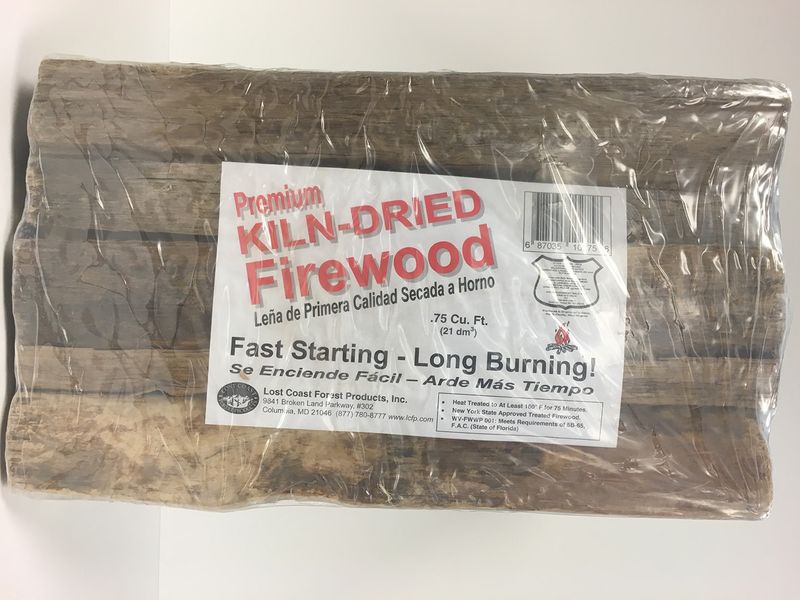
Two words on a package can fool even careful shoppers. Kiln-dried sounds official, but it does not promise what you might assume.
Kiln drying mainly removes moisture so the wood burns better. Temperatures and drying times can vary a lot from one company to another.
Some kilns run hot enough to destroy pests, and some do not. Without certification, nobody can be sure which kind you bought.
New York requires wood to hit 160 degrees Fahrenheit at its core for 75 minutes. Only wood labeled as meeting that standard gets the travel-anywhere pass.
So what should you look for at the store? Read the whole label, not just the big bold words on the front.
Search for phrases like certified heat-treated or New York Approved. A USDA or state certification stamp is another good sign.
Here is a quirky bit of trivia. Kilns have been used for thousands of years, mostly for pottery and bricks.
Drying firewood in them came along much later as a way to sell cleaner-burning logs. Pest control was a side benefit, not the original goal.
If a bundle says only kiln-dried, treat it like untreated wood. Follow the 50-mile limit and keep a receipt showing its source.
Being picky at the checkout counter takes just a moment. It could spare you a costly surprise on the road.
Quarantine Zones Can Make The Limit Even Shorter
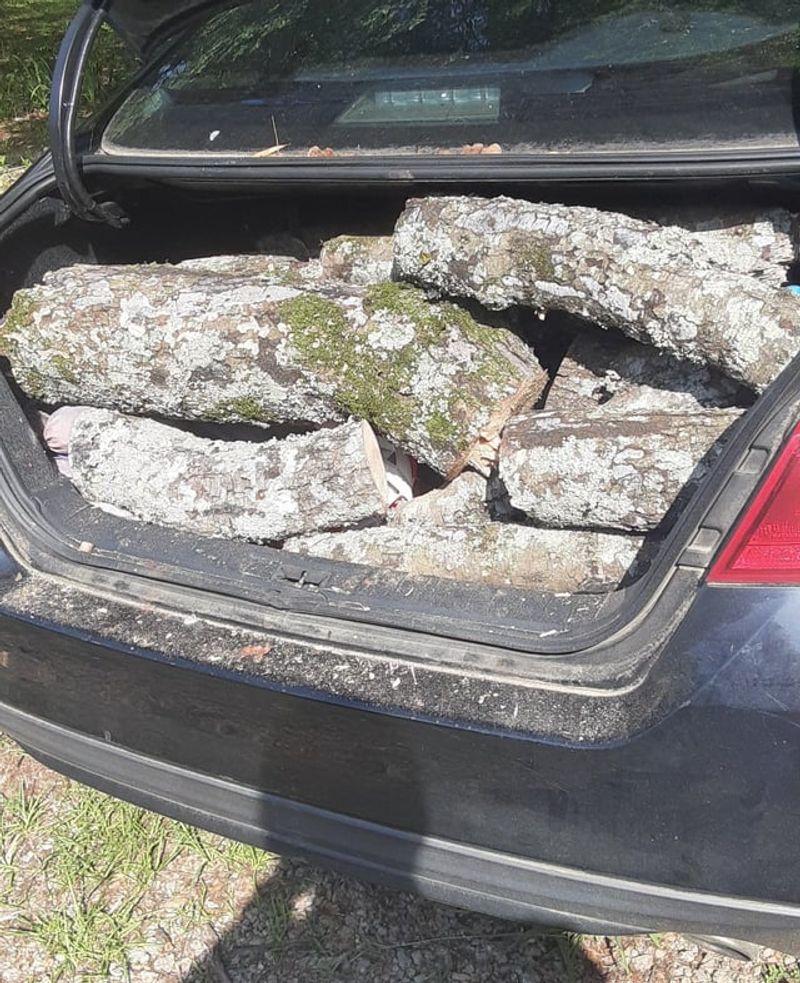
Just when the 50-mile rule starts to feel simple, quarantine zones step in. They can shrink your safe travel area quite a bit.
State and federal agencies set quarantines around areas with serious pest problems. Moving wood out of those zones often follows tighter rules than the usual limit.
If a quarantine border sits closer than 50 miles, the stricter rule wins. Your firewood may be allowed to travel only a few miles in some spots.
Quarantines have targeted threats like the Asian longhorned beetle and the spotted lanternfly. Boundaries can change as pests spread or as cleanup efforts succeed.
That shifting map is what trips people up. A route that was fine last summer might cross a new boundary this year.
Here is a practical step before every season. Visit the New York Department of Agriculture and Markets website and check current quarantine maps.
Local extension offices can also help if you have questions. Staff there tend to know the latest updates for your county.
Campground hosts and park rangers often know about nearby restrictions too. A quick phone call before your trip can clear up confusion fast.
Treat quarantine zones like temporary construction detours. They are annoying, but they exist to protect something important down the road.
Staying informed keeps you legal and helps contain the pests. Every careful traveler adds a little more protection for the forests around them.
Breaking The Rule Can Mean Tickets And Seized Wood
Imagine pulling into your favorite campground, ready to relax. Then a ranger spots the unlabeled logs in your trunk.
Breaking firewood rules in the state can bring a fine of up to 250 dollars. An extra civil penalty of up to 100 dollars may be added on top.
In serious cases, the law even allows up to 15 days in jail. Most people get a ticket, but the possibility is real.
Officers can also take your wood away on the spot. In some cases, they may order you to haul it back to its source.
Picture driving three hours home with a load of logs you cannot burn. That ruins a weekend faster than a rainy forecast.
Enforcement often happens at state campgrounds, park entrances, and check stations. Rangers sometimes ask about firewood during routine stops near popular forest areas.
Honesty goes a long way in these moments. Answering clearly and showing receipts or certificates can smooth the conversation.
Here is a money-saving reality check. A 7-dollar bundle bought locally costs far less than a 350-dollar penalty.
Many campgrounds also sell wood right at the camp store. Prices may run a little high, but convenience and peace of mind come included.
Following the rules keeps your trip stress-free. Your budget stays safe for the fun stuff, like s’mores and maybe a canoe rental.
Hidden Pests Ride Along Inside The Logs
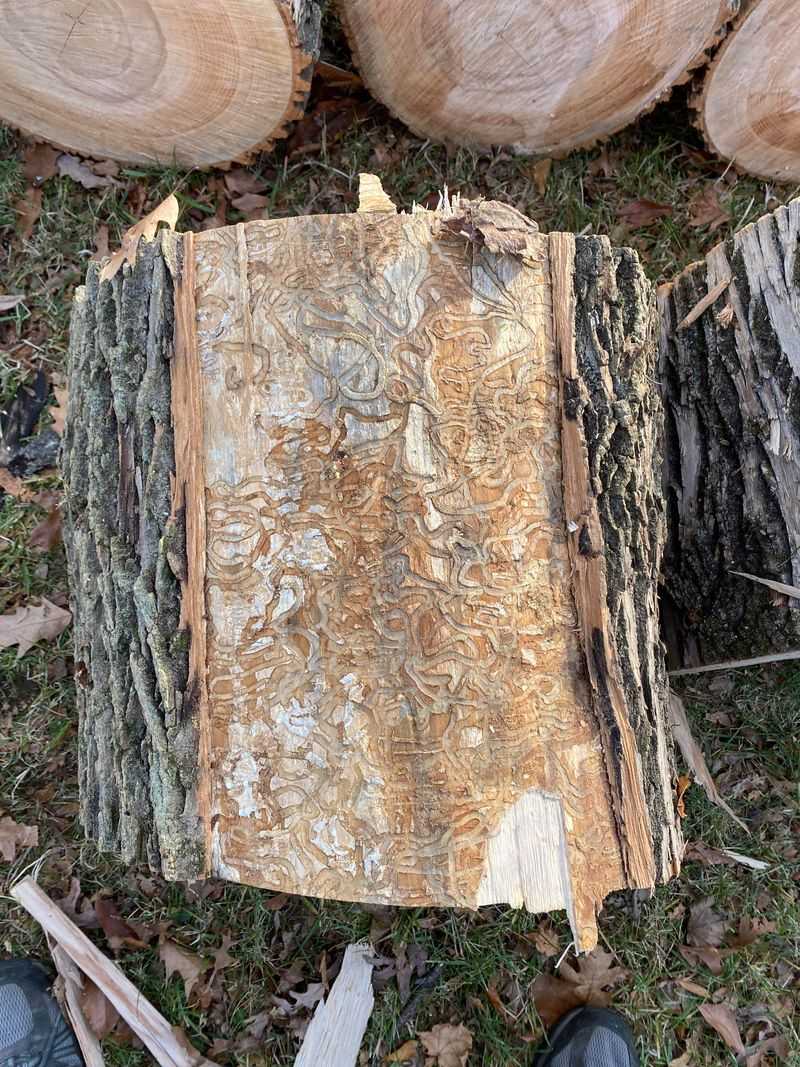
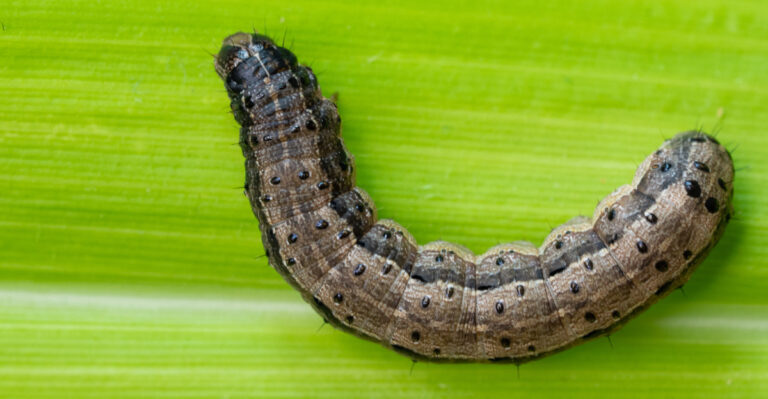
Peel back the bark on an old ash log and you might find wavy tunnels underneath. Those S-shaped trails are a calling card of the emerald ash borer.
Tiny insects and fungi often hide deep inside firewood where nobody can see them. A log can look perfectly healthy while carrying dozens of hidden passengers.
The emerald ash borer has already destroyed millions of ash trees across North America. It reached New York around 2009 and has spread widely since then.
Asian longhorned beetles threaten maples, the trees behind the famous syrup. Spotted lanternflies lay egg masses on bark and many outdoor surfaces.
Diseases like oak wilt can travel in firewood too. Spores hitch a ride and infect healthy trees miles from the original outbreak.
Most of these pests move slowly on their own. Some ash borers fly only a short distance each year without human help.
Firewood changes that pace in a big way. One truckload can carry pests across a state in just a few hours.
Here is a quick spotting tip for curious campers. Look for small D-shaped holes, sawdust piles, or loose, cracked bark.
If you see signs like those, report them to the state DEC. Photos with location details help experts track outbreaks quickly.
Keeping these hitchhikers out protects the shady trails and bright fall colors everyone loves.
Buy It Where You Burn It
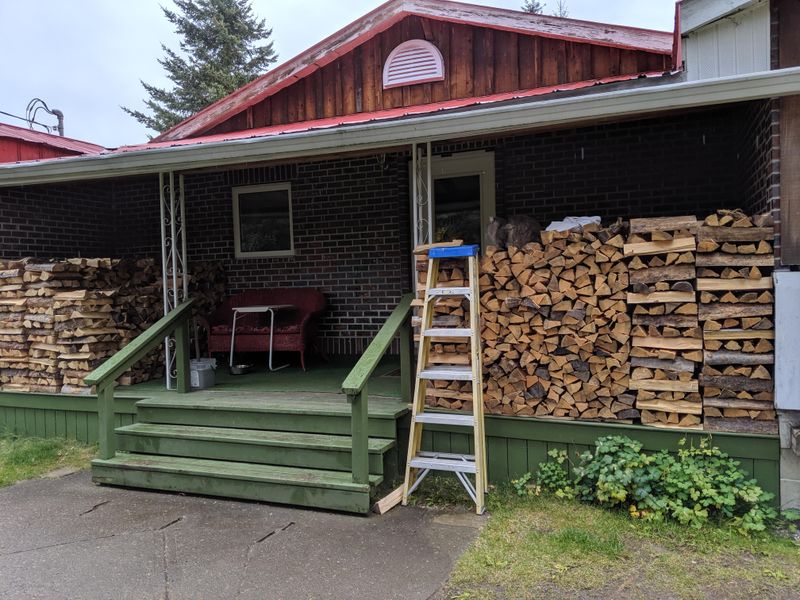
The easiest rule to remember fits on a bumper sticker. Buy it where you burn it.
Grabbing firewood near your cabin skips almost every headache in this list. No distance math, no state lines, and very little paperwork to track.
Many rural roads have honor-system firewood stands. You drop cash in a box and take a bundle, which feels charmingly old-fashioned.
Local sellers often know exactly where their wood came from. Some even cut it from their own family land just down the road.
Buying locally supports small businesses in cabin country too. Your money stays in the community that makes your getaway so special.
Here is a helpful habit for regular visitors. Ask neighbors or cabin rental hosts about trusted wood sellers in the area.
Some suppliers will even deliver a full cord to your door. Stocking up early in fall saves trips when snow starts piling up.
Campers should call ahead, since many parks have their own firewood policies. Some state campgrounds sell wood on site and ban outside bundles entirely.
Leftover wood at the end of a trip? Leave it at the cabin or offer it to the next visitors.
Hauling it back home only restarts the travel problem. A simple local purchase keeps your fires warm and New York forests healthy for years ahead.