8 Tips To Get Your Christmas Cactus Blooming In North Carolina
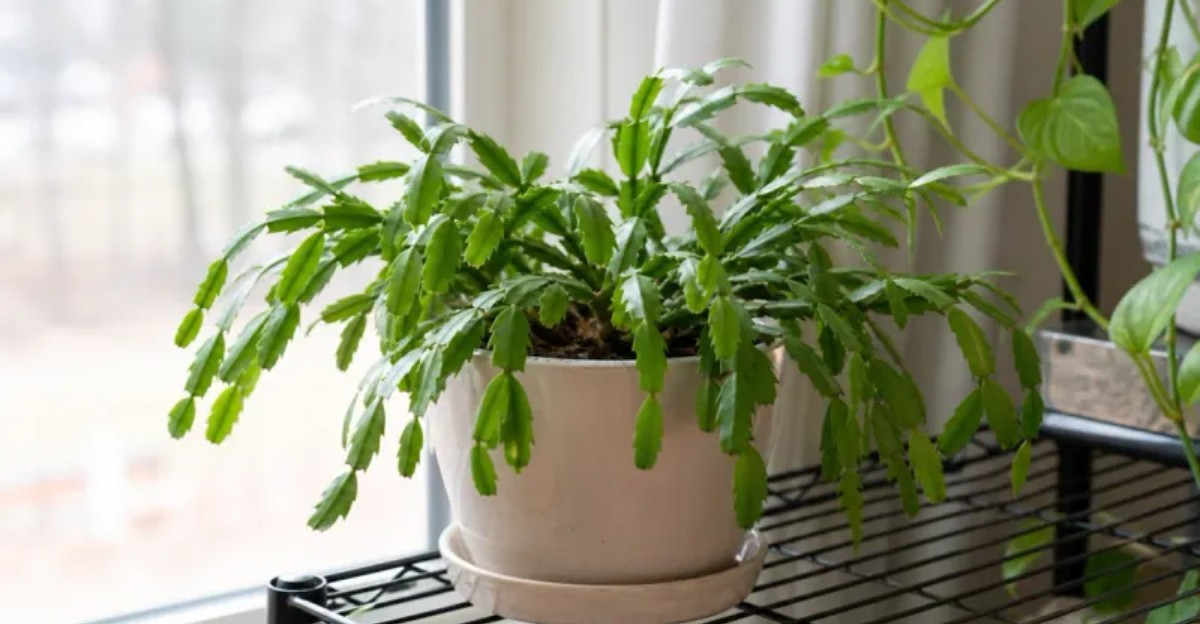
A certain holiday houseplant decides whether to bloom by counting the hours of darkness it gets each night. I love that a flat green stem can quietly keep track of time like a clock on my windowsill.
In North Carolina, our crisp October nights and shorter afternoons happen to give it exactly the signal it wants. Still, a cozy living room with lamps glowing late into the evening can confuse it more than you’d expect.
I believe many plants labeled as stubborn are simply getting mixed messages from their warm bright indoor homes. A few small changes in your routine this fall can turn a green pot into a burst of color.
Many gardeners in North Carolina use these tricks each autumn, and most of them cost nothing beyond a little patience. So could a dark closet or a chilly back porch be the secret your plant has been waiting for?
1. You Need Long Dark Nights First
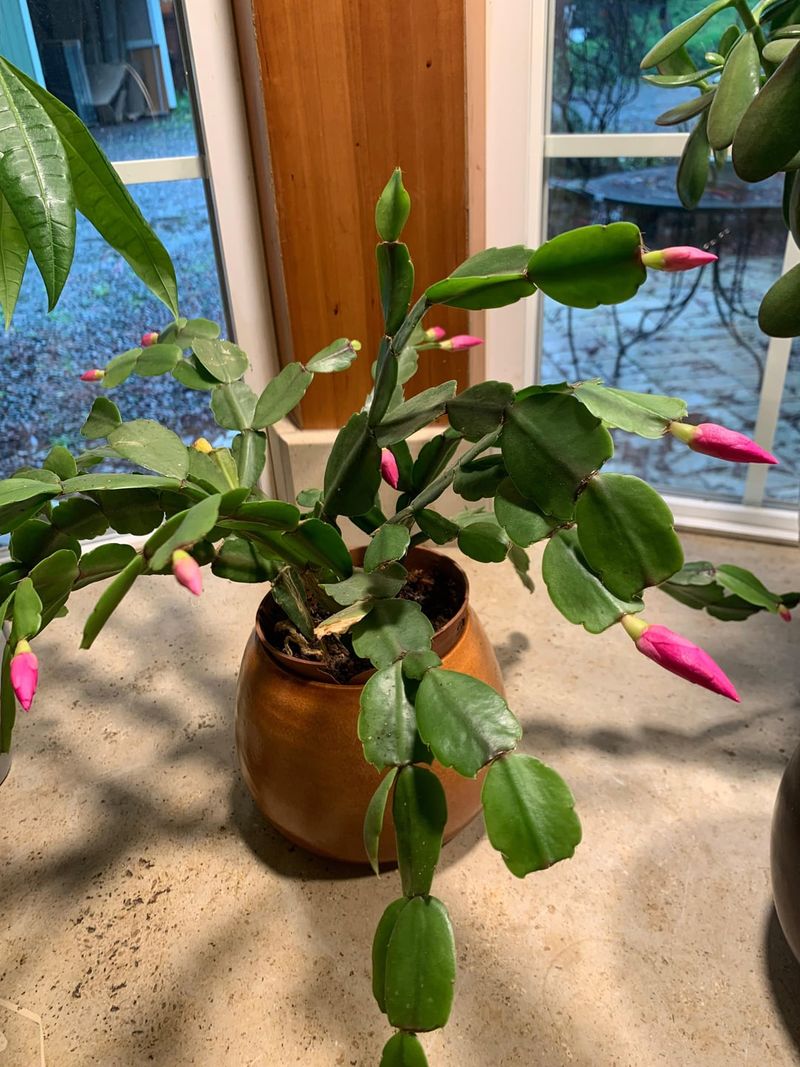
Your plant is basically a little light meter, and it reads the night more carefully than the day. University extension experts explain that Christmas cactus sets flower buds when nights stretch to about 12 to 14 hours.
In October, the natural darkness outside starts to match what the plant wants, which makes timing feel easy. The tricky part comes indoors, where a single lamp or television glow can interrupt that long, quiet stretch.
Regular bright light at night can interrupt the dark period and delay bud formation. I keep mine in a spare bedroom that stays dark from early evening until breakfast time each day.
You can also move the pot into a closet around 5 p.m. and bring it back out each morning. Some gardeners simply slip a cardboard box over the plant at dusk, which is an easy option in small homes.
During the day, the plant still needs bright, indirect light so it has enough energy to build buds. An east-facing window or a spot a few feet from a sunny window usually keeps it content and healthy.
Plan on giving your plant this dark treatment for about six weeks, or until small buds appear on stem tips. Starting in early October in North Carolina lines things up nicely for blooms around the December holidays.
Once the buds are visible and look like tiny pink beads, you can relax the strict darkness schedule. Your patience pays off when those first glowing flowers unfold from the ends of the arching green stems.
2. Give Your Plant A Cool Autumn Chill
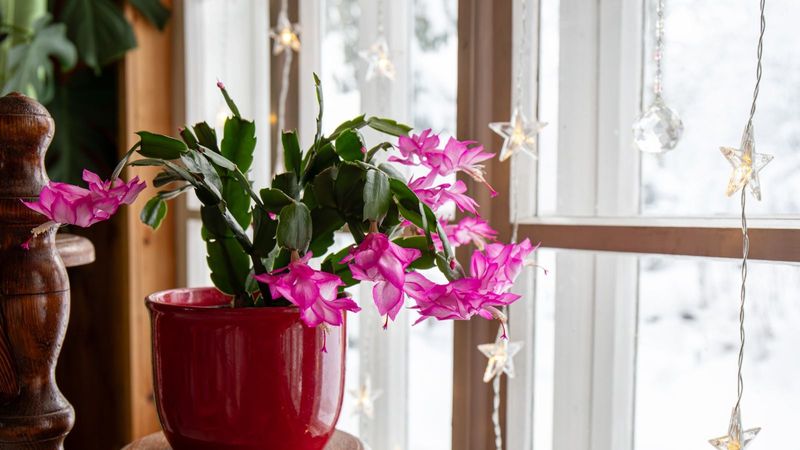
Think of cool nights as a gentle nudge that tells your plant the holiday season is getting close. Research from extension services shows temperatures around 50 to 55 degrees help buds form even with longer days.
When nights stay that cool, the plant can set buds with less reliance on a strict darkness routine. Warm rooms above about 70 degrees, on the other hand, can slow bud formation or stop it for a while.
Fall in North Carolina often brings nights in the 40s and 50s, with the coolest nights in the mountains and Piedmont. A covered porch or screened sunroom can offer that crisp chill while nights stay above about 45 degrees.
Your North Carolina Garden Changes Every Week. Your Plan Should Too.
Gardening in North Carolina changes quickly throughout the season. Every Friday you’ll receive a simple weekly plan showing exactly what to plant, prune, fertilize, harvest, and protect so you never miss the right timing.
I like checking the forecast each evening with my coffee, just to make sure no surprise cold snaps sneak in. Temperatures below about 45 degrees can stress the plant, so bring it indoors when the numbers start dropping.
Indoors, a cool basement window or an unheated guest room makes a fine home for the bud-setting weeks. Keep the plant away from heat vents or a busy fireplace that can dry the air and warm the stems.
Coastal gardeners might need extra creativity, since mild autumn nights near the shore can stay fairly warm. Pairing a cooler room with long dark nights gives your plant two strong signals at the same time.
Combining both methods often leads to fuller bud sets and a more dependable bloom schedule each December. After buds form, a steady room around 60 to 65 degrees helps the flowers open slowly and last longer.
3. Ease Up On The Watering Can
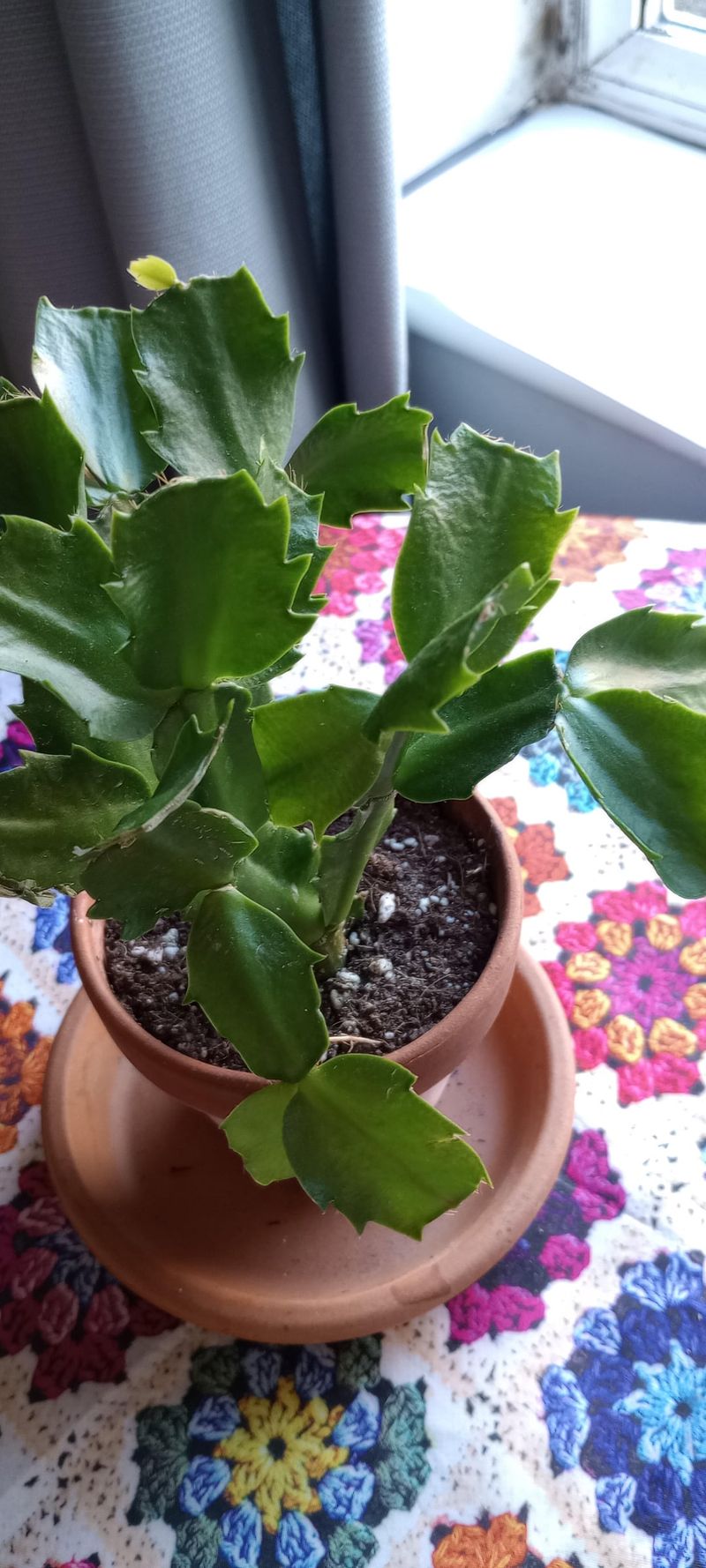
Many people are surprised to learn this cactus comes from cloudy mountain forests in southeastern Brazil, not deserts. In the wild, it grows on tree branches and rocks, soaking up rain and then drying out quickly.
That history explains why it likes moisture but hates sitting in soggy soil for days at a time. During fall, extension experts suggest watering a bit less often to help encourage the plant to set buds.
A simple finger test works well, so poke your finger about an inch into the potting mix first. If the top inch feels dry and crumbly, give it a drink, but if it feels damp, wait longer.
When you do water, soak the soil thoroughly until a little water trickles out of the drainage hole. Empty the saucer afterward, because roots resting in standing water can rot faster than you might think.
I once overwatered a plant, and the limp, mushy stems taught me a quick lesson. Since then, I lean toward slightly dry soil in autumn, and my plants seem much happier for it.
Still, the soil should not stay bone dry for weeks, since stressed plants may shrivel or drop buds. Wrinkled, limp segments often mean the plant needs water, while yellowing or mushy ones suggest too much.
Once buds appear and grow larger, return to a more regular watering routine to keep them plump. Room temperature water is a kind touch, since icy water straight from the tap can shock tender roots.
4. Skip The Fertilizer Until After Blooms
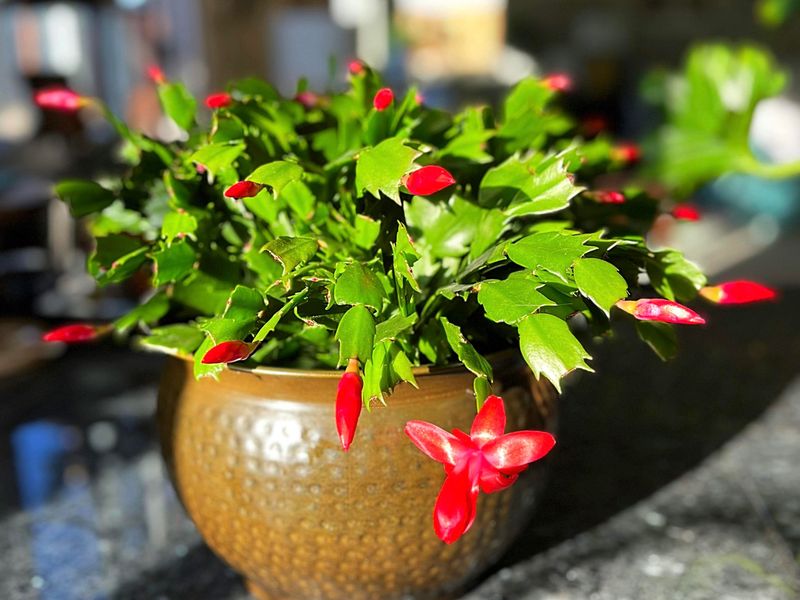
Feeding a plant feels like a loving gesture, yet timing matters a lot with this holiday favorite. Extension guides recommend stopping fertilizer by late summer or early fall so the plant can focus on buds.
Extra nutrients in October often push out new leafy growth instead of the flowers you are hoping to see. You might end up with a lush green plant that stubbornly refuses to bloom until much later in winter.
If you fed your plant all summer, simply set the fertilizer bottle aside now and let it rest. I tuck mine on a high shelf in the garage so I am not tempted to grab it by habit.
After the blooms fade in late winter, you can start feeding again with a balanced houseplant fertilizer. A half-strength mix every few weeks during the growing season usually keeps the stems strong and deep green.
Some growers also give a little Epsom salt now and then, though research on this is limited, so treat it as an optional extra rather than a required step in your routine.
Fertilizer salts can build up in the pot over time, leaving a white crust on the soil surface. Flushing the soil with plain water a few times a year helps wash away that buildup and protects roots.
Think of autumn as a quiet rest period, when your plant saves its energy for the big show. Less fuss now usually means more flowers later, which feels like a pretty sweet trade for gardeners.
5. Bring It Inside Before Frost Arrives
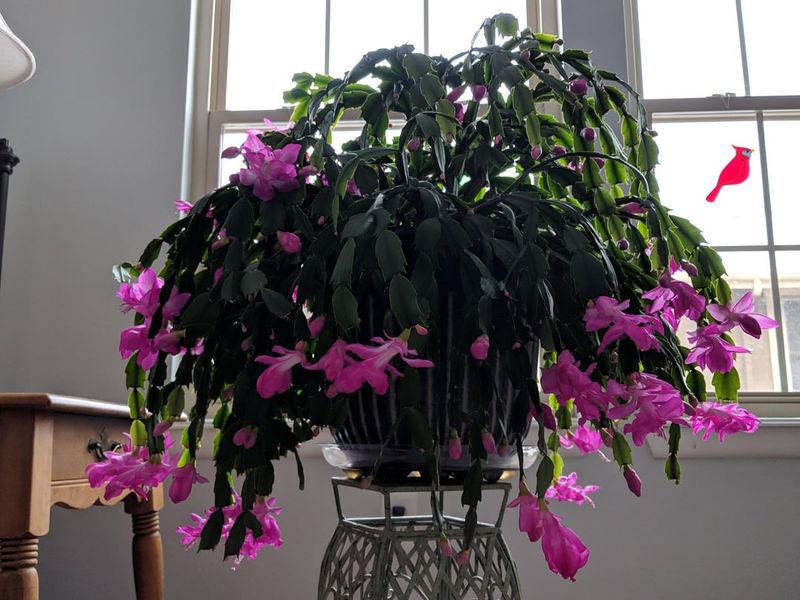
Plenty of people summer their plants outdoors, and those breezy months can make the stems sturdy and full. Leaving them outside a bit into fall is fine, but frost can quickly turn tender segments soft and brown.
First frost dates in North Carolina vary widely, arriving in the mountains well before the coast. Mountain gardeners may see frost in early or mid October, while coastal areas often wait until November.
Your local county extension office can share average frost dates, which helps you plan the move with confidence. A good rule is bringing plants inside once nighttime temperatures start dipping into the low 40s.
Before carrying the pot indoors, check under the stems and around the rim for hitchhiking insects. Mealybugs look like tiny cotton tufts, and a cotton swab dipped in soapy water can remove them gently.
I like rinsing my plants with a soft spray from the hose on a sunny afternoon before the big move. Letting them drip dry outside keeps puddles off your floors and gives you one last look for pests.
Indoors, choose a spot with bright, indirect light that stays dark at night and away from heaters. A sudden jump from cool porch air to a toasty living room can stress buds, so aim for cooler rooms.
Some gardeners leave plants outside on mild fall nights to soak up the natural chill a bit longer. Just keep an eye on the forecast, and bring everything in quickly when a cold front heads your way.
6. Your Cactus Likes A Snug Pot
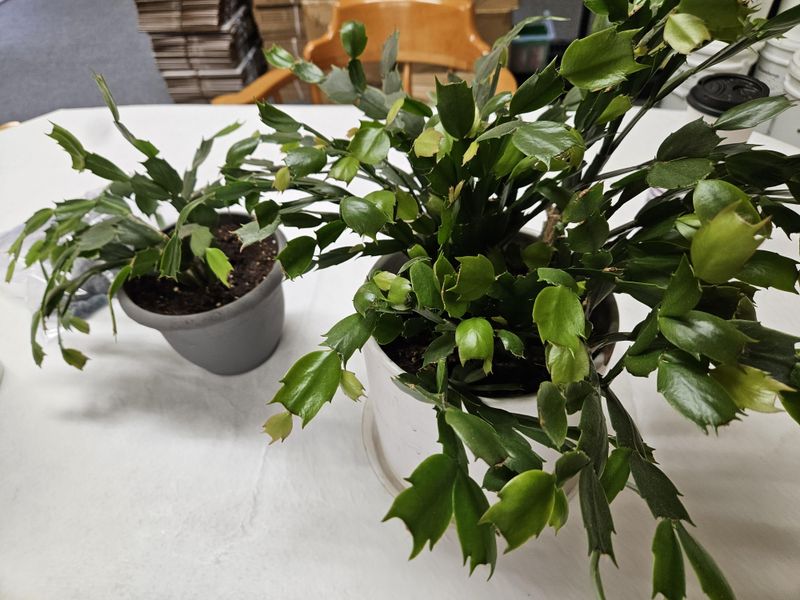
Oddly enough, this plant seems to bloom better when its roots feel a little crowded in the pot. Many extension specialists note that slightly pot-bound plants often produce more flowers than those in roomy containers.
Because of that, autumn is not the right time to move your plant into a bigger home. Repotting now can disturb the roots and distract the plant just when it should be setting flower buds.
Instead, wait until late winter or early spring, after the blooms fade, to think about repotting. Most plants only need a new pot every two or three years, so there is no need to rush.
When that time comes, choose a pot just one size larger with a drainage hole in the bottom. Going too big leaves extra soil that holds water for days, which can lead to root rot problems.
A light, fast-draining mix works best, like regular potting soil blended with perlite or orchid bark. I love the airy feel of that mix between my fingers, since it reminds me of a forest floor.
Clay pots can help soil dry a bit faster, which suits gardeners who tend to water generously. Plastic pots hold moisture longer, so they can work well in dry, heated homes during the winter months.
Christmas cactus can live for decades, and many families pass these plants down for generations. A snug pot and steady care can help your own plant become a treasured heirloom someday too.
7. Keep Buds Safe From Sudden Changes
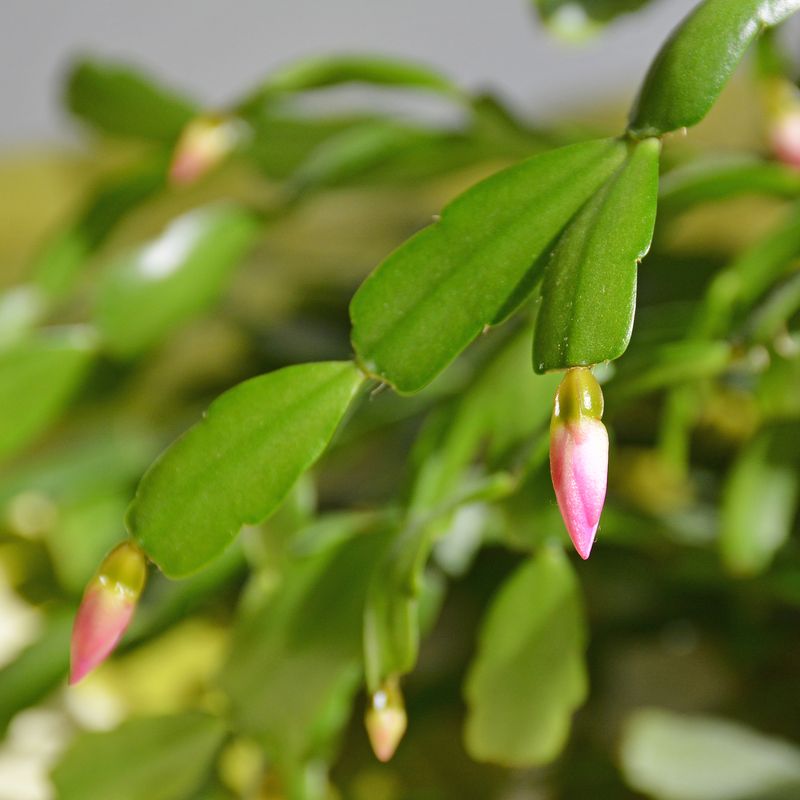
Nothing feels more disappointing than watching plump buds tumble onto the windowsill just days before they open. Bud drop is a common complaint, and it usually happens when the plant feels stressed by sudden changes.
Moving the pot to a new room can trigger it, especially if light or temperature shifts a lot. After buds form, pick one cozy spot and leave the plant there until the flowers finish their show.
Cold drafts from doors that open often can also shock the buds, especially during chilly holiday gatherings. Hot, dry air from heating vents can be just as tough, drying out tender buds before they bloom.
Once the furnace kicks on in late fall, indoor air can get surprisingly dry for this forest plant. Setting the pot on a tray of pebbles with a little water underneath adds gentle humidity around the leaves.
Grouping a few houseplants together also helps, since they share moisture and create a tiny humid pocket. I keep mine clustered near a bright kitchen window, and the little jungle look makes me smile daily.
Uneven watering can cause trouble too, so keep the soil lightly moist while buds swell and color up. Turning the pot often may seem helpful, but buds can drop when they suddenly face a different direction.
Losing a few buds is normal and rarely a sign of serious trouble, so try not to panic. Steady, calm conditions usually carry most buds through to full bloom, filling your room with cheerful color.
8. Find Out If You Own A Thanksgiving Cactus
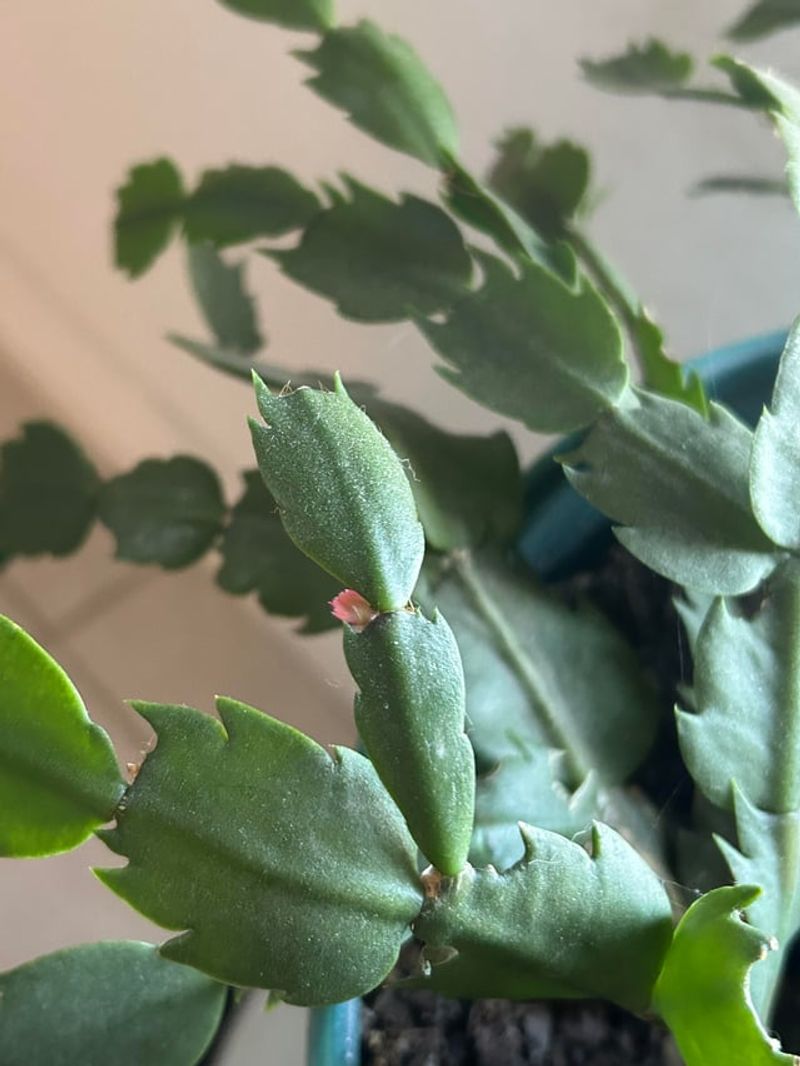
Did you know that many plants sold as Christmas cactus at stores are actually Thanksgiving cactus instead? Both belong to the same plant group, but they bloom at slightly different times during the fall and winter.
Thanksgiving cactus usually flowers in November, while true Christmas cactus tends to open closer to late December. Knowing which one you have helps set realistic hopes for when those first flowers will finally appear.
Take a close look at the edges of each flat stem segment to spot the difference quickly. Thanksgiving cactus has pointy, claw-like teeth along the edges, while Christmas cactus has smoother, rounded scallops instead.
The flowers offer another clue, since pollen-bearing parts are yellow on one type and purplish brown on the other. Thanksgiving cactus has the yellow pollen, while Christmas cactus shows darker, purplish brown pollen in the blooms.
Easter cactus is a third holiday cousin, but it blooms in spring and needs slightly different care. Luckily, Thanksgiving and Christmas types respond to the same cool nights and long periods of darkness each fall.
If you own a Thanksgiving type, buds may already be forming now, so keep conditions steady this month. Gardeners across North Carolina often enjoy Thanksgiving blooms on the dinner table, which feels wonderfully festive.
I think owning both types is a fun trick, since it stretches the flower show across two holidays. Whichever one sits on your windowsill, a little detective work makes your bloom plans much more accurate.