Why California Gardeners Should Not Ignore An Unexpected October Heat Wave
Autumn in California has a habit of slipping in a surprise just as gardeners settle into a new routine.
Beds fill with tender transplants, timers get dialed back, and the hot season seems safely behind.
Then the thermometer climbs again, sometimes with dry winds riding along, and plants that looked perfect a day earlier start to sag.
The timing makes these spells trickier than midsummer heat, since so much of the garden sits in a vulnerable stage at once.
The good news is that most damage can be prevented with a handful of simple, inexpensive moves.
A little attention over a few hot days often decides how the rest of the fall garden performs.
1. Heat Stresses Freshly Planted Fall Starts
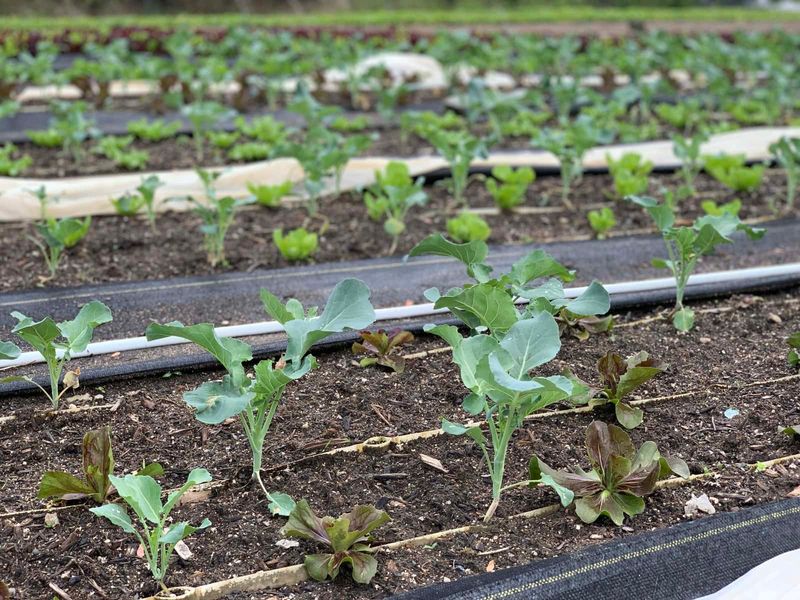
A six-pack of broccoli starts set out just three days earlier still has roots shaped like the little plastic cells they came from. Those roots reach only a few inches of soil, and that top layer dries first in hot weather.
Established plants can pull water from deep down, while new transplants can’t yet. On a 95-degree day, leaves lose water faster than tiny roots can replace it.
The result can mean limp leaves by noon, scorched edges, and a slow start that sets plants back for weeks.
Midday wilting isn’t always a crisis. Many plants droop in the afternoon and perk up after sunset, so an early-morning check offers the clearest picture.
Plants still sagging in cool morning air need water right away.
Protection starts with a slow, deep soak around the root ball and the surrounding soil, which encourages roots to grow outward.
A quick spray on the leaves accomplishes little, and a finger check once or twice a day during the heat spell keeps things on track.
Pausing new planting until the heat breaks makes sense. Starts can wait happily in light shade for a few more days, and watering those waiting pots daily keeps them from drying in their small cells.
Once temperatures drop, late-afternoon planting gives them a cool night to settle in before facing the sun. A temporary shade cover for the first few days helps them adjust even faster.
2. Water Needs Jump Even In October
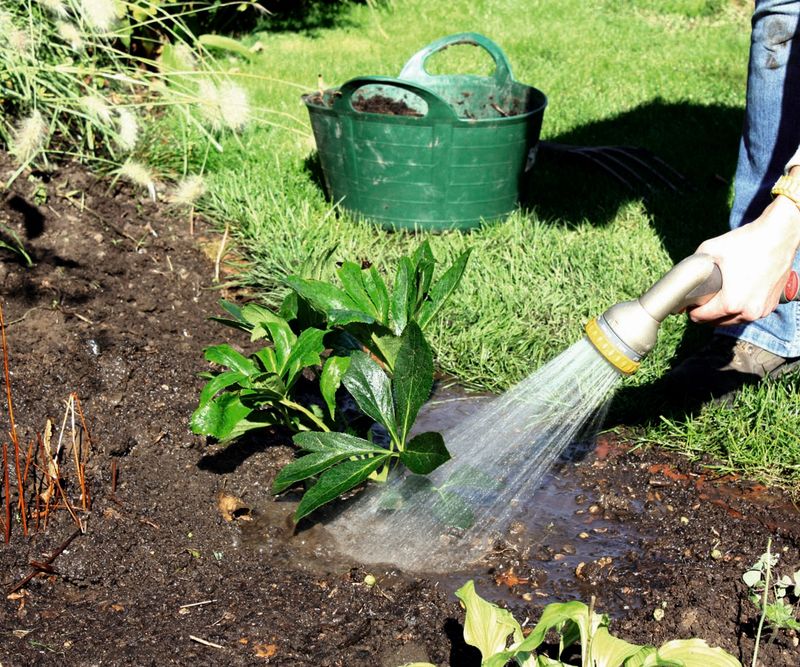
Plenty of Californians turn sprinkler timers down in early fall, and it makes sense, with shorter days and cooler nights. A heat wave rolling in, though, can leave that trimmed schedule falling short.
Hot, dry, windy air pulls moisture from leaves and soil far faster than mild weather. UC ANR describes this combined loss as evapotranspiration, and on a heat wave day, it can climb close to summer levels.
Plants that seemed fine last week can run low in a single afternoon.
Adjusting before stress shows works best. Deep, less frequent watering pushes moisture down where roots can reach it and where soil stays cooler, rather than short daily sprinkles that wet only the surface.
Early morning makes the best time, since less water drifts away and leaves dry quickly. Smart controllers tied to local weather data often adjust automatically for heat spikes.
Your California Garden Changes Every Week. Your Plan Should Too.
Gardening in California changes quickly throughout the season. Every Friday you’ll receive a simple weekly plan showing exactly what to plant, prune, fertilize, harvest, and protect so you never miss the right timing.
A simple tool helps. A long screwdriver or soil probe that slides easily several inches into the ground signals moist soil, while one that stops short signals time to water.
Local rules still apply. Many California water agencies set watering days, hours, or limits that remain in effect during fall, so a quick check of the district’s website before adding cycles avoids trouble.
Drip lines and soaker hoses help gardens stay within those rules while delivering water right where plants need it. Once the heat passes, the timer can return to its fall setting.
3. Cool Season Seedlings Wilt Or Bolt
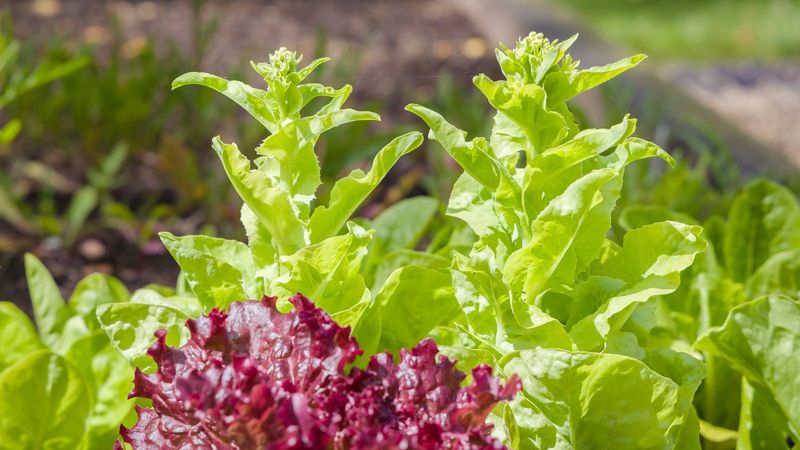
A week of 90-degree weather can push lettuce to grow a tall stalk instead of tender leaves. Gardeners call this bolting, and it usually means bitter salads ahead.
Cool-season crops such as lettuce, spinach, cilantro, arugula, and many Asian greens grow best in mild weather. Heat signals that their season is ending, so they rush into flowering and seed production.
Once a plant bolts, leaves turn tough and sharp-tasting, and the process rarely reverses.
Tiny seedlings face a different problem. Their stems are thin and their roots barely formed, so hot soil near the surface can stress them before they get going.
A seed bed can also dry out within hours, stalling seeds that had started to sprout. Lettuce seed also germinates poorly in very warm soil, often stalling above about 80 degrees.
Quick protection makes a real difference. Evenly moist soil, sometimes requiring gentle watering twice a day for newly sown seeds, keeps germination on track.
A piece of shade cloth or an old sheet draped over a simple frame during the hottest hours shields tender growth, and harvesting mature leafy greens early, before heat turns them bitter, saves the crop.
Planning ahead helps too. Slow-bolting varieties hold up better, and another sowing once temperatures settle provides a backup.
Across much of California, fall sowing works best in waves anyway, so a second planting fits naturally into the season and keeps the salad bowl full through winter.
4. Sunburn Hits Bark And Late Fruit
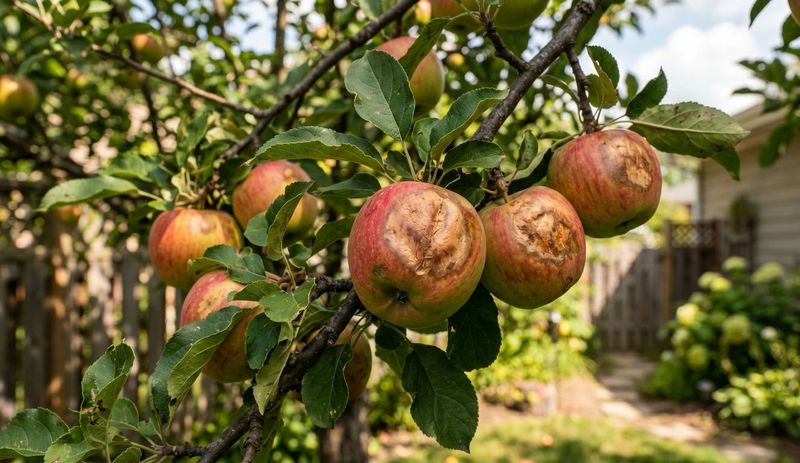
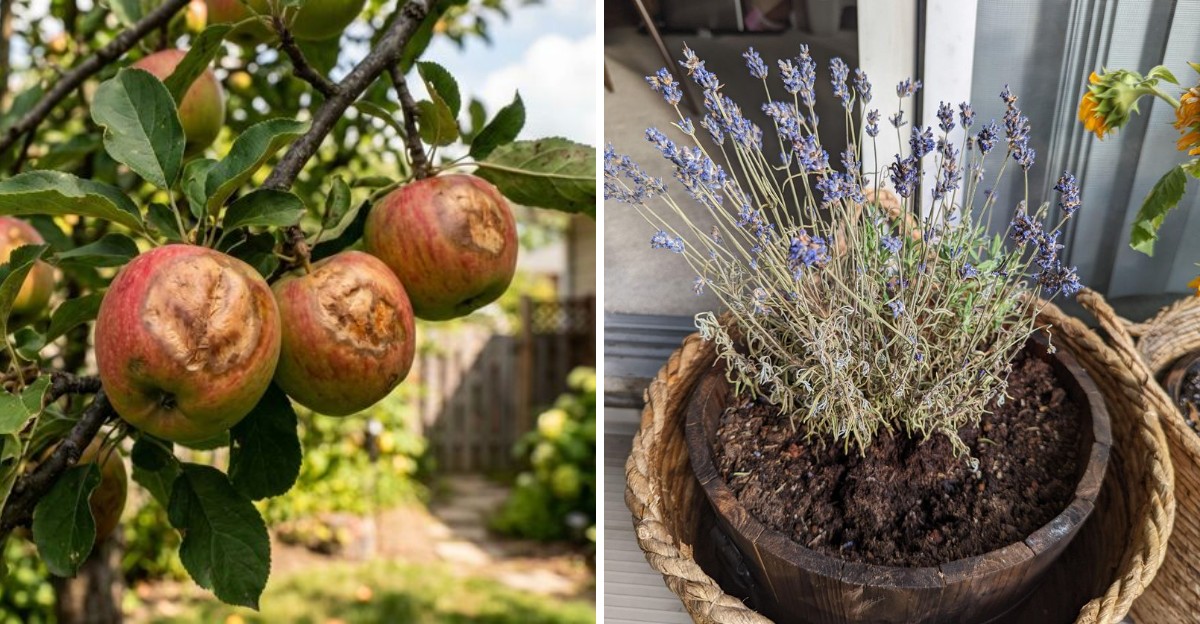
A pale, leathery patch on the sunny side of an apple might look like a simple bruise, yet it often turns out to be sunburn.
California fruit trees still hold apples, pomegranates, citrus, and persimmons in October, and a heat wave can damage exposed fruit right on the branch.
Sunburned fruit shows tan, white, or brown patches, usually on the side facing afternoon sun. Damaged skin can crack or soften, inviting rot. Citrus and pomegranates often show it as hard, discolored patches.
Fruit hidden under leaves usually stays safe, which makes heavy fall pruning that opens the canopy a poor idea.
Bark can burn too. Young and recently pruned trees carry thin bark with little leaf cover, and strong sun on the south and west sides can injure the tissue just beneath it.
That injury may lead to cracks, peeling, and openings for wood-boring insects and disease.
UC ANR has long recommended a simple fix for exposed trunks: white interior latex paint mixed roughly half and half with water. The light color reflects sunlight and keeps bark cooler, and commercial tree wraps can also work for young trees.
For ripening fruit, picking anything ready before the heat peaks saves it from damage. Deep watering keeps leaves healthy and full, which shades fruit naturally.
Lightweight shade cloth draped over small trees helps during the worst afternoons. Fruit that already shows sunburn can still be used, with damaged spots trimmed away.
5. Dry Vegetation Raises Fire Risk

October rarely brings a quiet month for wildfire in California. By fall, many hillsides have gone months without rain, grass has turned golden and brittle, and shrubs hold very little moisture.
With a heat wave and dry offshore winds added, a small spark can spread fast.
CAL FIRE explains that hot temperatures, low humidity, and strong wind combine to create dangerous fire weather, and the National Weather Service issues Red Flag Warnings when those conditions line up.
Santa Ana winds in Southern California and Diablo winds farther north often blow in fall, which helps explain why autumn fires can turn severe.
The garden plays a part here. Spent plants, dry leaves, and piles of clippings near the house can catch embers.
Zone 0 rules approved this year call for the first five feet around homes in designated fire hazard areas to stay clear of dry debris and combustible mulch.
Gutters, roofs, and the space under decks deserve clearing as well.
Tools deserve caution too. Mowers, string trimmers, and similar equipment can throw sparks when metal strikes rock, so they’re best kept off dry grass during hot, windy days, with yard work shifted to early morning.
Staying alert rounds things out. Local emergency alerts, Red Flag Warnings, burn bans, and evacuation guidance all deserve prompt attention, and well-watered plants near the home hold up far better than dry, neglected ones.
6. Mulch And Shade Cloth Cut The Damage
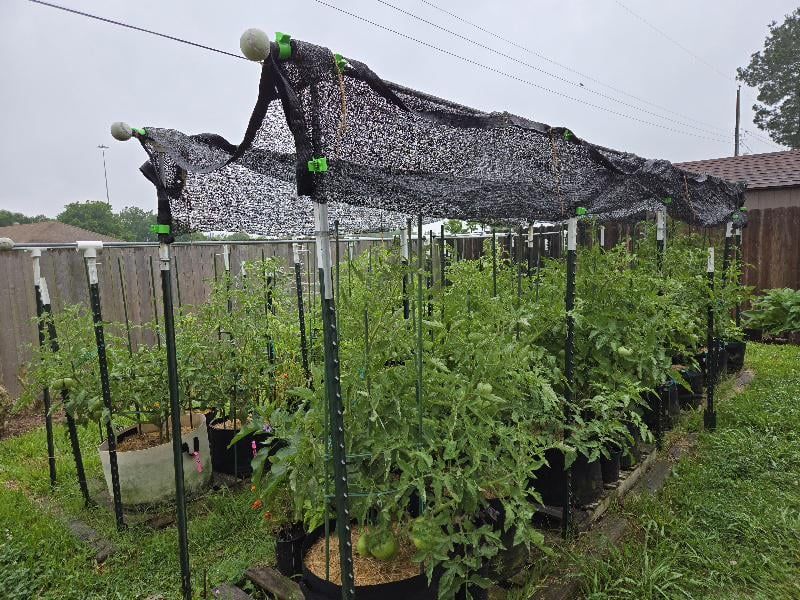
Bare soil in October sun can grow surprisingly hot, sometimes far hotter than the air, and tiny roots near the surface feel all of it. A blanket of mulch changes the picture almost overnight.
UC ANR recommends a layer of organic mulch, such as wood chips, shredded bark, or straw, about two to four inches deep. Mulch shades and cools the soil, slows evaporation so water stays in the root zone longer, and blocks weeds competing for moisture.
Keeping mulch a few inches from stems and trunks matters, since mulch piled against bark holds moisture and can lead to rot.
For tiny seedlings, a thinner layer of fine material, such as straw or compost, lets sprouts push through.
In fire-prone areas, bark mulch and wood chips belong beyond the first five feet of the house under Zone 0 rules, with gravel or bare soil closer in.
Shade cloth handles the other half of the job. A light cloth blocking about 30 to 50 percent of sunlight gives new plants a break without leaving them in darkness, stretched over wire hoops, stakes, or even patio chairs.
Open sides allow air to flow so heat doesn’t build underneath. Securing edges well matters during windy spells, since loose cloth can tear or blow away.
The cloth works like a temporary sun hat, going up before the hottest part of the day and coming down once the heat wave ends, since cool-season crops need plenty of light through fall.
7. Containers Dry Out In Hours
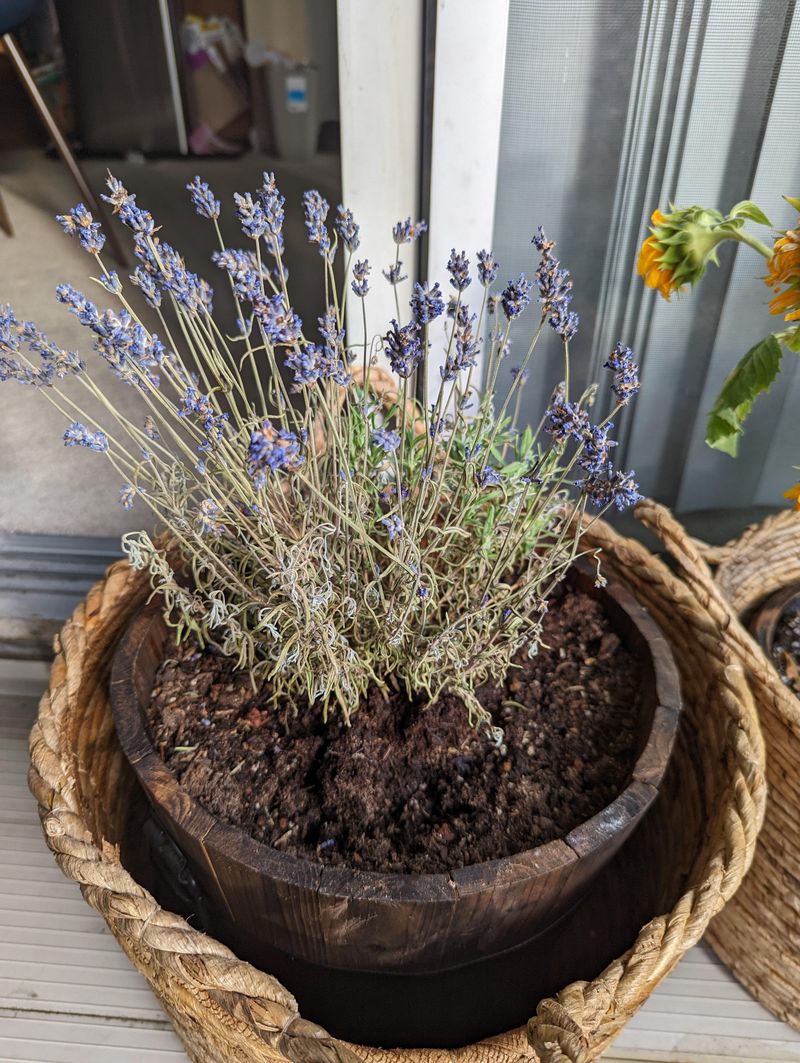
Morning watering, afternoon wilting. Container gardeners know this pattern well during a heat wave, since a pot holds only a small amount of soil and very little stored water.
Heat strikes pots from every side. Sun warms the container walls, and hot pavement or a sunny wall adds even more.
Terracotta loses moisture through its sides, dark plastic can heat up enough to stress roots, and small pots and hanging baskets dry fastest of all.
Twice-daily checks make sense while the heat lasts. A finger pushed about an inch into the soil reveals dryness, and slow watering until water runs from the bottom refills the pot.
Soil that has pulled away from the edges can let water rush past roots. Soaking the pot in a tub of water for about 30 minutes rehydrates the mix.
Moving pots helps considerably. Grouping them in a spot with afternoon shade, such as under a tree or along an east-facing wall, lets them shade one another and hold a bit more humidity.
Wood blocks or plant stands lift pots off hot concrete. A light-colored pot or a decorative sleeve also reflects some of the heat.
A thin layer of mulch on top of the potting soil also slows drying. Self-watering containers and drip emitters keep moisture steady during busy days, and a saucer emptied after watering prevents roots from sitting in warm, stagnant water.
8. Pests Stay Active In Warm Spells
A kale leaf turned over after a warm week may reveal a crowd of gray aphids. Pests ignore the calendar, and in California, a fall heat wave can keep them busy long after gardeners expected a slowdown.
Aphids favor tender new growth, and fall transplants are full of it. They suck plant sap, curl leaves, and can spread plant viruses.
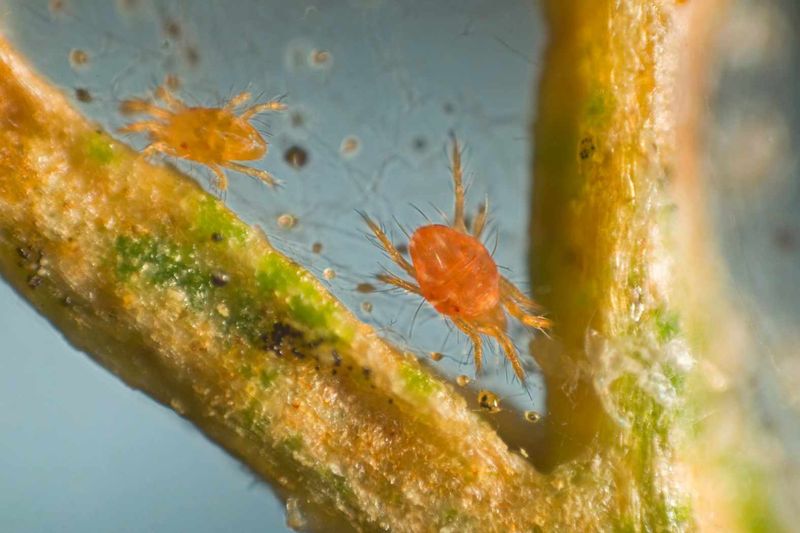
Spider mites pose an even bigger heat problem, and UC IPM notes they thrive in hot, dry, dusty conditions, with numbers that can jump quickly.
Tiny yellow or pale speckles on leaves, along with fine webbing, point to mites. Tapping a branch over white paper often reveals moving specks that look like pepper.
Heat-stressed plants are also weaker, so pest damage hits them harder. Whiteflies also tend to build up during warm fall spells, especially on squash and tomatoes.
Simple steps go a long way. A strong spray of water knocks aphids and mites off plants and washes away the dust mites prefer, while steady watering helps plants resist damage.
Insecticidal soap or horticultural oil can help when needed, though spraying during high heat is best avoided, since leaves can burn. Early morning applications on cooler days work far better.
Helpful insects deserve room too. Lady beetles, lacewings, and tiny parasitic wasps feed on aphids, and broad-spectrum sprays sharply reduce those allies along with the pests.
A little patience, plus a garden hose, often keeps things in balance until cooler weather arrives.