Can You Legally Garden On Your NYC Fire Escape? The Answer Surprises Most People
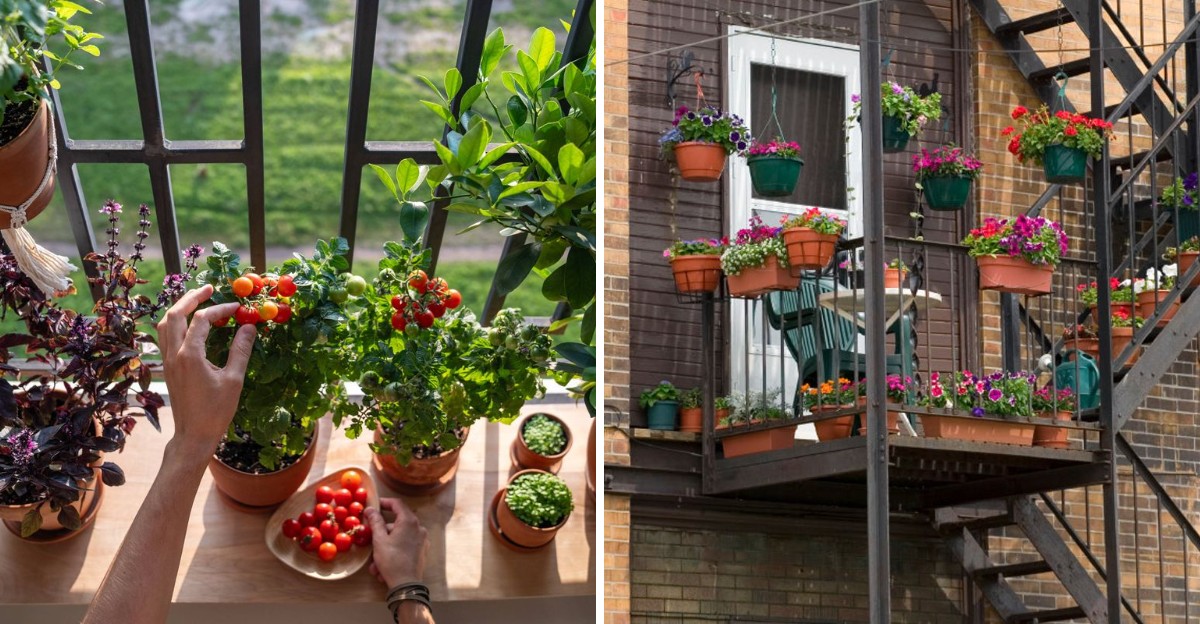
A row of tomatoes on a black iron fire escape looks charming and very New York. Plenty of renters dream of turning that landing into a tiny oasis.
It has sun, fresh air, and a street view. But the rules catch many renters off guard.
New York City requires fire escapes to stay clear, and even one pot can count. A single complaint can bring an inspector and a violation.
Before you haul up that bag of potting soil, know what the rules say. Learn why they exist and who gets the bill.
You’ll also find smart, legal ways to grow plants in the city. Enjoy the greenery without a fine or a fight with your landlord.
Fire Escapes Must Stay Clear At All Times

Think of your fire escape as a staircase built for the worst day of the year. When smoke fills a hallway, that iron landing becomes the only way out for many families.
New York City treats fire escapes as official emergency exit routes. The law says they must stay free from obstructions continuously, not just most of the time.
Firefighters also use these landings to reach apartments quickly. A cluttered platform can slow them down when every second matters for the people inside.
Many people see the fire escape as bonus outdoor space. Sadly, the city sees it as a pathway, and pathways are meant to stay empty.
Imagine a neighbor two floors up climbing down in the dark. One planter in the way could trip them, bruise them, or block their route entirely.
Here is a helpful habit to build right now. Step out your window once a month and check that the whole landing is truly bare.
Look at the ladder and stairs leading down too. Rust, loose bolts, or stuck drop ladders should be reported to your landlord in writing.
Fun fact for history buffs: NYC began requiring fire escapes in the 1860s after tragic tenement fires. Those old iron frames still line thousands of buildings today.
Keeping your landing clear might feel like losing a mini patio. Still, it protects you, your neighbors, and the brave crews who respond to emergencies.
Even Small Pots Count As Obstructions

Plenty of renters believe one little succulent is harmless. Unfortunately, NYC inspectors do not grade on size when it comes to fire escape clutter.
Placing anything on a fire escape breaks the rules. Even a tiny flowerpot counts as an illegal obstruction under city guidelines.
City inspectors find all sorts of items on these landings during visits. Flowerpots top the list, along with mops, bicycles, grills, and old chairs.
Why would a small pot matter so much? In a panic, people move fast, and a hidden pot becomes a nasty tripping hazard.
Picture someone carrying a toddler down the steps at night. A ceramic pot on the edge of a step could cause a serious fall.
Pots also tend to multiply over time. One herb turns into five planters, then a crate, and suddenly the whole landing is packed.
Your New York Garden Changes Every Week. Your Plan Should Too.
Gardening in New York changes quickly throughout the season. Every Friday you’ll receive a simple weekly plan showing exactly what to plant, prune, fertilize, harvest, and protect so you never miss the right timing.
Hanging baskets clipped to the railing are not a clever loophole either. They can snag clothing, block hands, and still count as items on the structure.
A smart move is to bring your small pots indoors right away. Line them up on a windowsill tray where they still catch plenty of sunlight.
If you love the look of greenery outside, try window boxes only where your building allows them. Just make sure they never touch the fire escape or block any exit path.
Blocking The Window Exit Is Off-Limits Too
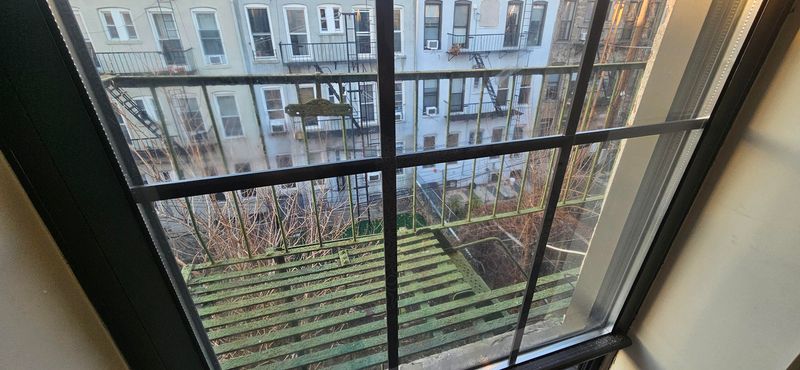
Here is a sneaky rule that trips up lots of tenants. The window leading to your fire escape must stay just as clear as the landing itself.
Access to that window cannot be blocked in any manner. A big plant stand or shelf crowding the frame can create a legal problem.
Air conditioners are another common mistake around the city. NYC rules say AC units cannot sit in a fire escape window.
Security gates bring their own set of rules. Key-locked gates on fire escape windows are illegal, so approved gates must open without a key.
Why so strict? During a fire, nobody has time to hunt for a key or shove aside a heavy planter.
Take a quick look at your own setup today. Can you open the window fully and climb out in a few seconds without moving anything?
If not, rearrange things before you forget. Move tall plants to a different window and keep the sill free of stacked pots.
Curtains are fine, but skip heavy furniture pushed against the wall. Dressers, desks, and bookcases near that window can slow your escape.
Got a gate with a padlock left by a past tenant? Ask your landlord to replace it with an approved model that opens quickly from inside.
Your Building Could Get The Violation
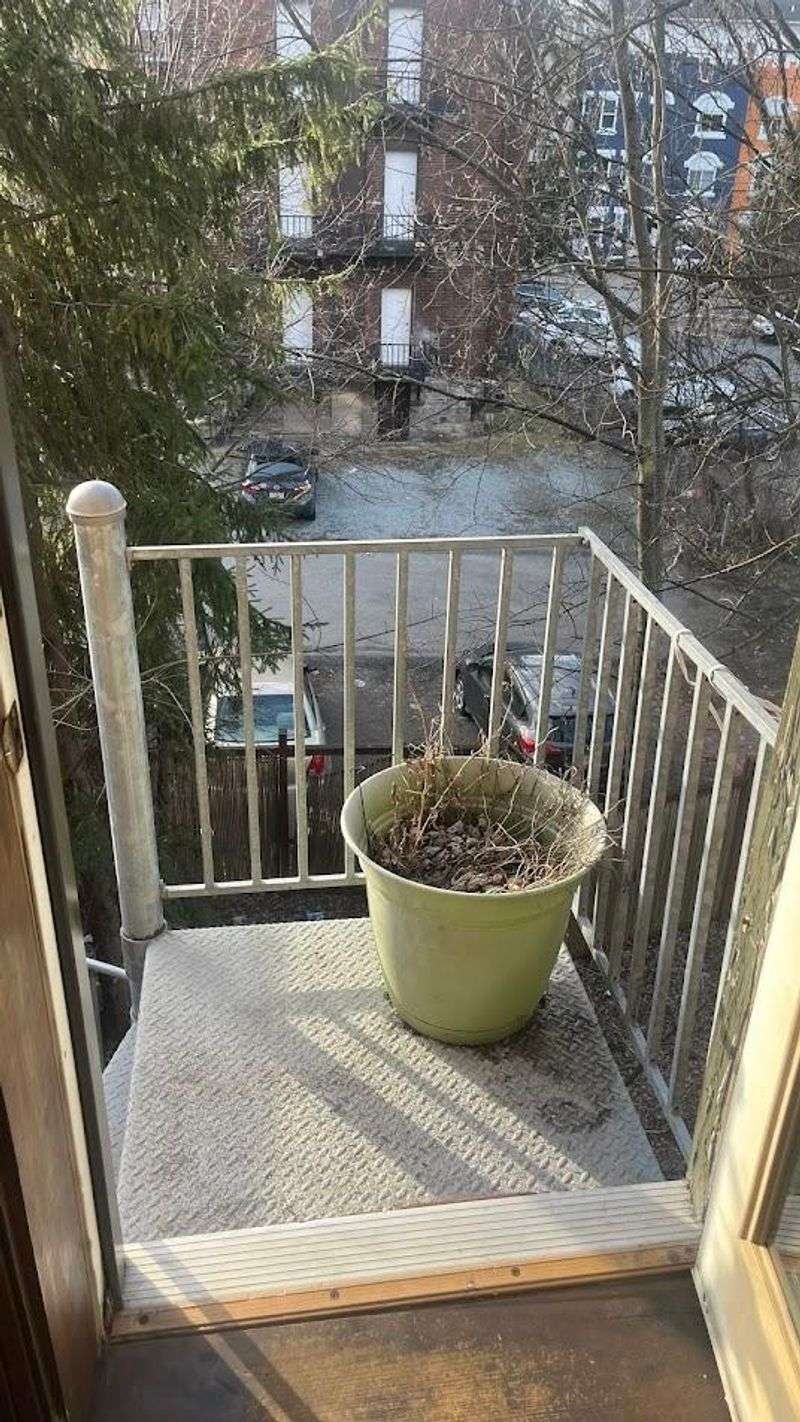
Surprise number one for many renters: the ticket usually goes to the property owner. That means your tomato plants could cost your landlord real money.
Building owners are responsible for keeping fire escapes safe and usable. They must make sure these exits stay clear and in working order.
When inspectors find an encumbrance, they can issue a Class B hazardous violation. Owners typically get about 30 days to correct the problem.
Department of Buildings violations can also bring serious fines. Those penalties add up quickly, especially for repeat issues in the same building.
So what happens next? Your landlord will likely send a notice asking you to remove the items fast.
Ignoring that notice can sour your relationship with management. It may also follow you when you apply for your next apartment.
Tenants have power here too. If a neighbor blocks a shared fire escape, you can call 311 to report it.
Reporting is not about being a snitch. It is about making sure everyone on that iron ladder can get out safely.
A good tip is to keep things friendly first. A polite knock and a quick chat often solves the issue before anyone needs to call the city.
Water Runoff Can Start Neighbor Wars
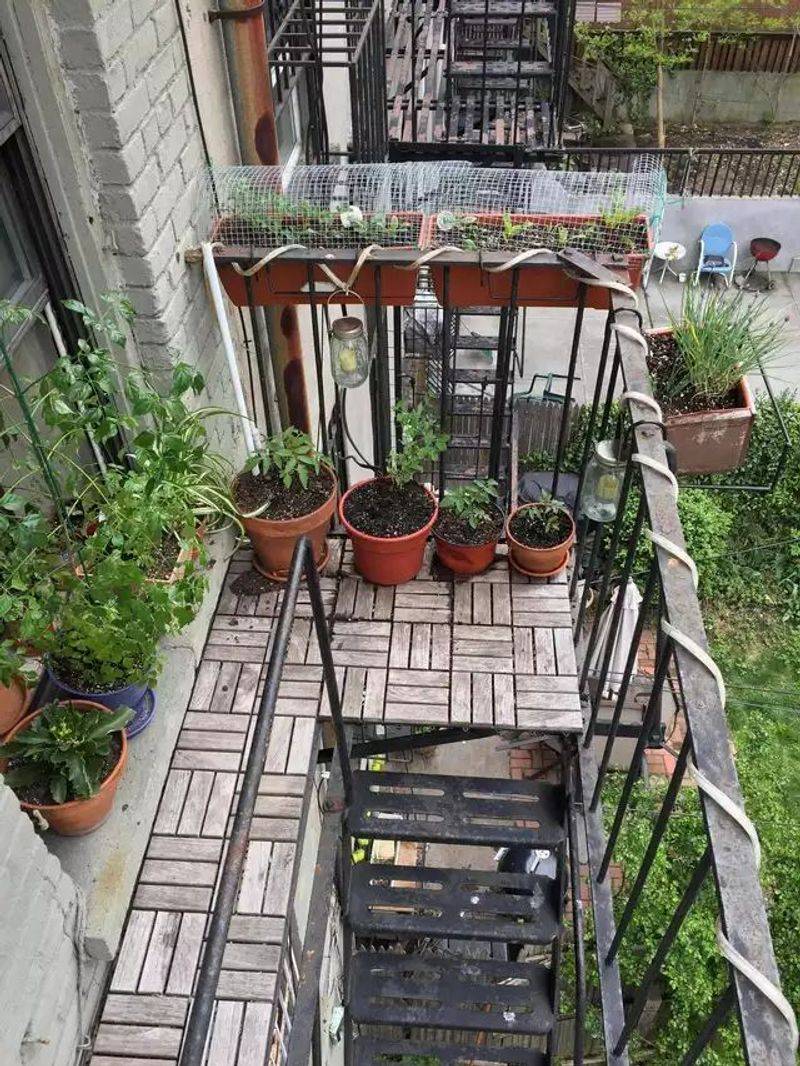
Nothing sparks hallway drama faster than muddy water dripping onto someone’s open window. Watering plants on a fire escape can turn a calm neighbor into a furious one.
Fire escapes are made of open metal grates. Water pours straight through, carrying dirt, leaves, and fertilizer onto every landing below.
Your downstairs neighbor might have laundry drying or a cat napping on the sill. A sudden shower of brown water is not a welcome gift.
Extra moisture can also cause damage over time. Soggy soil and standing water speed up rust on old iron structures.
Rusty bolts and weak railings are a real concern in older buildings. Your watering habit could quietly shorten the life of the whole fire escape.
Stains on brick and window frames are another headache. Landlords notice those streaks and often trace them right back to the source.
Indoor plants come with their own drip risks, so plan ahead. Use saucers under every pot and water slowly until a little drains out.
Bottom watering works wonders for herbs too. Set the pot in a bowl of water for twenty minutes, then let it drain in the sink.
Good neighbors make city life easier. Keeping your water inside keeps the peace on every floor below.
Falling Pots Are A Real Danger To People Below
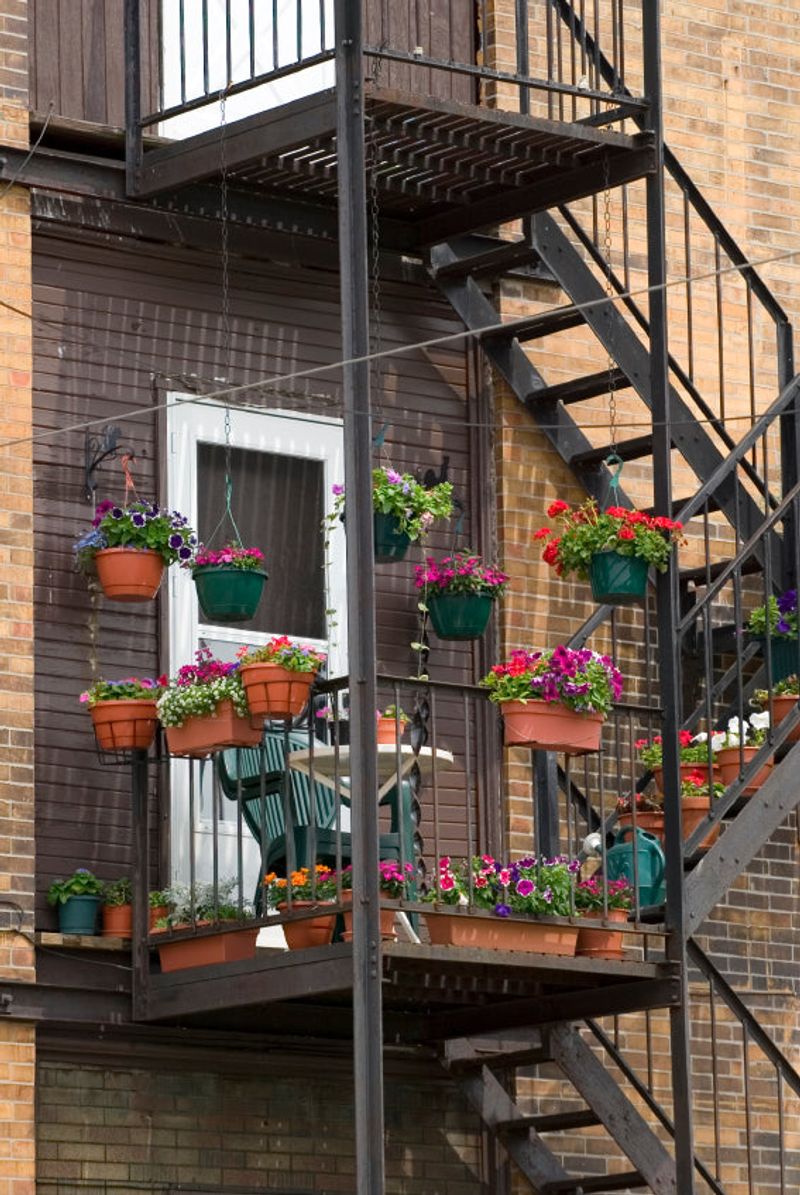
Gravity does not care how cute your planter looks. A clay pot falling from five stories up can seriously hurt anyone walking underneath.
Objects dropping from fire escapes pose a serious risk to pedestrians. NYC sidewalks are busy, and people rarely look up while walking.
Wind is a big factor in the city. Strong gusts between tall buildings can tip lightweight pots or blow loose baskets right off a railing.
Cats, squirrels, and pigeons also love knocking things over. One curious paw is all it takes to send a pot tumbling.
Past incidents in New York have involved falling fire escape parts. Some have led to serious injuries and tragic losses for families.
Extra weight adds to the danger. Heavy wet soil puts stress on aging iron, especially in buildings over a century old.
Think about who walks below your window every day. Kids heading to school, delivery workers, and older neighbors all share that sidewalk.
If you must keep anything near a window, keep it indoors. Choose plastic pots over ceramic for extra safety if a spill happens inside.
Clearing your fire escape protects people you may never meet. That small choice can spare someone a trip to the emergency room.
Your Lease May Have Even Stricter Rules
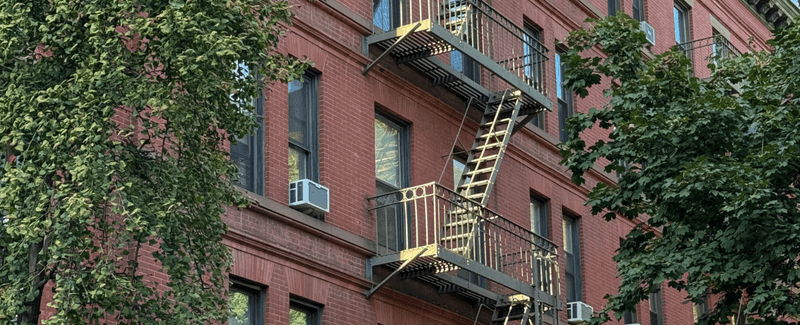
Ever skimmed your lease and signed it in a hurry? Most of us have, and that fine print might be hiding a fire escape clause.
City law is only the starting point. Your lease can add extra rules that go even further than the official regulations.
Many leases ban placing any items on fire escapes at all. Some also limit window boxes, hanging planters, or anything attached to the building.
When you sign, you usually agree to follow all building and city laws. Breaking those terms can lead to warnings, fees, or worse.
Repeated violations may even put your tenancy at risk. In some cases, landlords have pursued eviction over ongoing safety problems.
Here is a smart move for this weekend. Pull out your lease and search for words like fire escape, windows, balcony, and plants.
Co-ops and condos often have house rules too. Those bylaws can include detailed guidelines about gardening, weight limits, and watering.
Not sure what something means? Email your building manager and ask directly so you have a written answer to save.
Asking first shows you are a careful tenant. Many landlords appreciate that and may even suggest an approved spot for your plants.
Sunny Windowsills Inside Are A Safer Bet
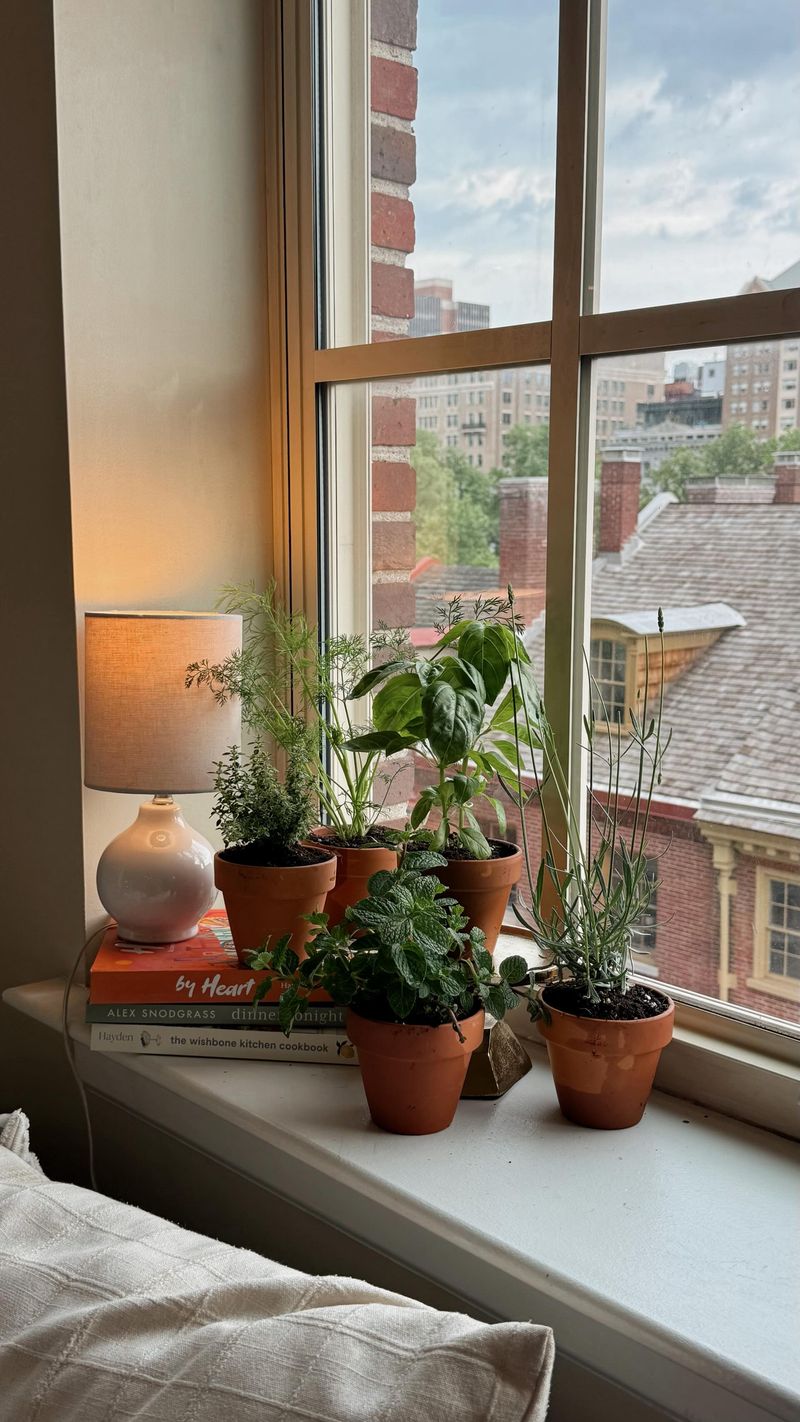
Good news for plant lovers: your best garden spot might already be inside. A bright windowsill can grow surprisingly lush herbs without breaking any rules.
South-facing windows get the most sunlight in New York. East and west windows work well too for many leafy plants.
Herbs are a fantastic starting point. Basil, parsley, and chives thrive indoors and taste amazing in homemade pasta or eggs.
Microgreens are another clever choice for small apartments. They sprout fast, need little light, and can be harvested in about two weeks.
Want a quick win? Grab a shallow tray, sprinkle radish or pea seeds, and keep the soil lightly damp.
Rotate your pots every few days so stems grow straight. Plants lean toward light, and turning them keeps them balanced.
Dark apartment? A simple LED grow light can make up the difference.
Clip one above your plants and run it about twelve hours daily.
Watch for dry winter air from radiators. Group your plants together or set them on a tray of pebbles and water for extra humidity.
Indoor gardening also keeps your harvest away from city soot. Your herbs stay cleaner, and you can snip fresh leaves without leaving your kitchen.
Balconies And Rooftops Are The Legal Alternatives
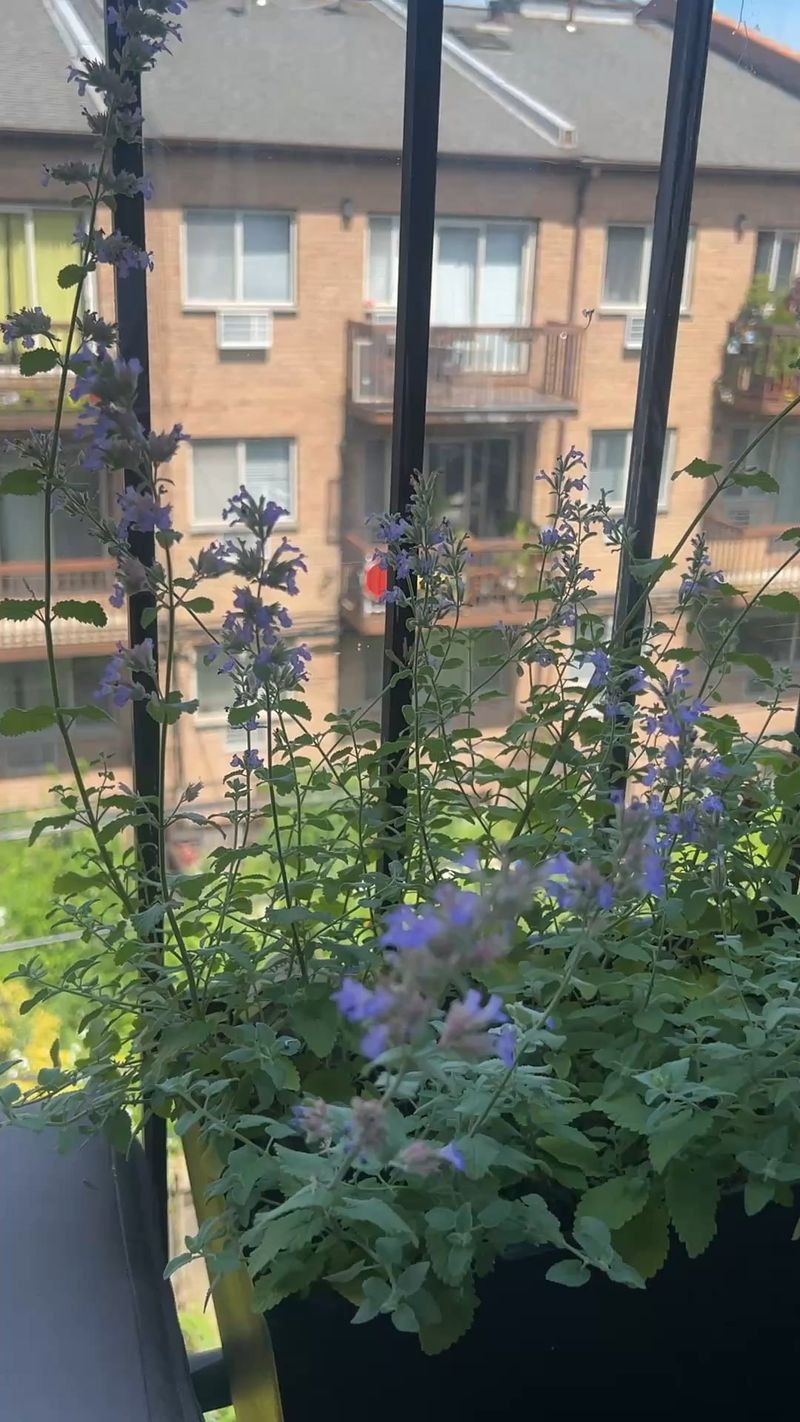
Lucky enough to have a real balcony? Unlike fire escapes, balconies are often fair game for container gardens in the city.
Before you go shopping, check your building’s rules. Some places limit how many pots you can have or what they can weigh.
Weight matters more than most people realize. Wet soil is heavy, and large planters can strain a balcony built decades ago.
Choose lightweight containers like fabric grow bags or plastic planters. Mix in perlite to lighten your potting soil too.
Rooftops open up even bigger possibilities. Some NYC buildings host shared gardens with raised beds, benches, and string lights.
Rooftop gardens usually need more planning, though. Owners may need a structural review and permits before adding beds or heavy features.
The NYC Department of Buildings website shares guidance on these projects. It is a helpful place to start if your building is curious.
Tenants can rally support for a shared rooftop garden. Gather interested neighbors and present a simple plan to management.
Fun fact: Brooklyn Grange runs farms on New York rooftops. They grow tons of vegetables each year high above busy streets, proving the idea works on a large scale.
Community Gardens Offer Real Growing Space

Tucked between brownstones and bodegas, hundreds of green hideaways bloom across the five boroughs. Community gardens might be the best-kept secret for NYC plant lovers.
New York City has over 500 community gardens. They offer real soil, sunshine, and space that no fire escape could match.
Many of these gardens get support from GreenThumb, a program run by NYC Parks. Its website helps you find nearby gardens and their coordinators.
Joining usually means pitching in with volunteer hours. You might water shared beds, pull weeds, or help during open garden days.
Some gardens offer individual plots for members. Waitlists can be long, so sign up early and stay patient.
The perks go beyond fresh vegetables. You meet neighbors, swap seeds, and learn tricks from gardeners who have grown there for decades.
Kids love these spaces too. Many gardens host workshops, harvest festivals, and composting lessons for families.
A friendly tip: visit during open hours before applying. Chat with members to see if the vibe and schedule fit your life.
Bring gloves, a water bottle, and a curious attitude. Before long, you may find yourself growing far more than your fire escape ever could.