12 Pennsylvania Natives That Feed Birds All Winter
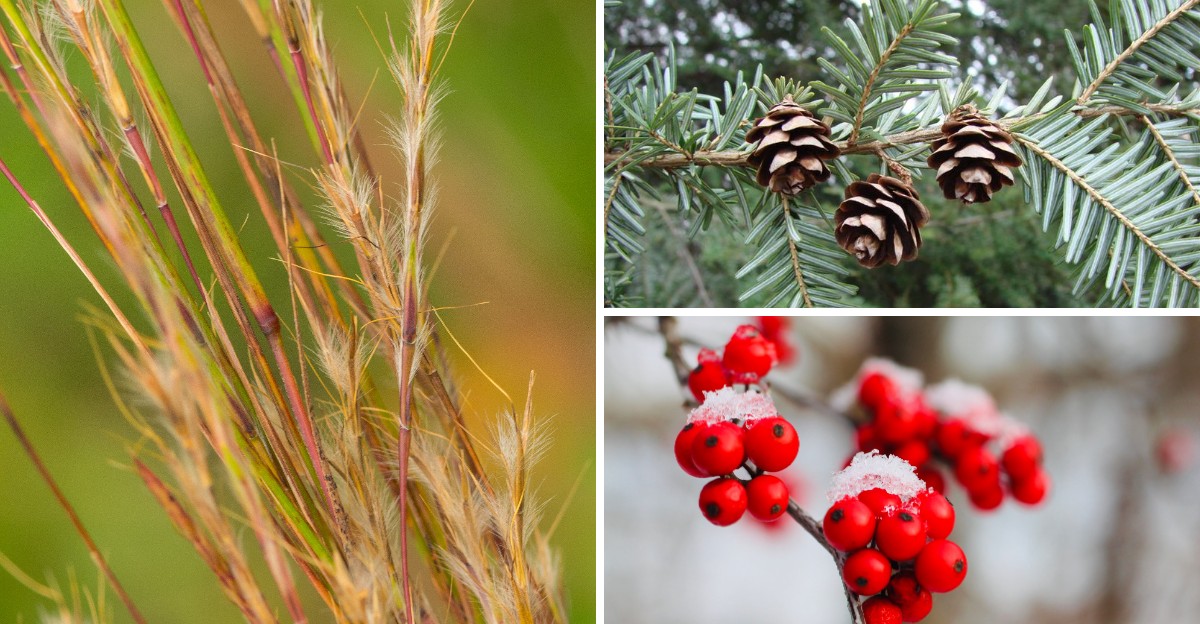
Your garden can feed more birds in January than your feeder does in a busy spring week. I learned that the slow way, watching empty feeders while bushes outside buzzed with hungry visitors.
Pennsylvania winters run long and gray, and insects mostly vanish from the menu by November each year. Berries and tiny cones become the real currency of survival from December into the hungry days of March.
Early October is the sweet spot for planting, with warm soil and cooler air helping roots settle. I believe a few smart choices now can turn your Pennsylvania yard into a busy winter diner.
Some picks feed birds through blizzards, and one surprise even doubles as a cozy winter bedroom. The final pick on this list might already be growing somewhere near your mailbox right now.
1. American Mountain Ash
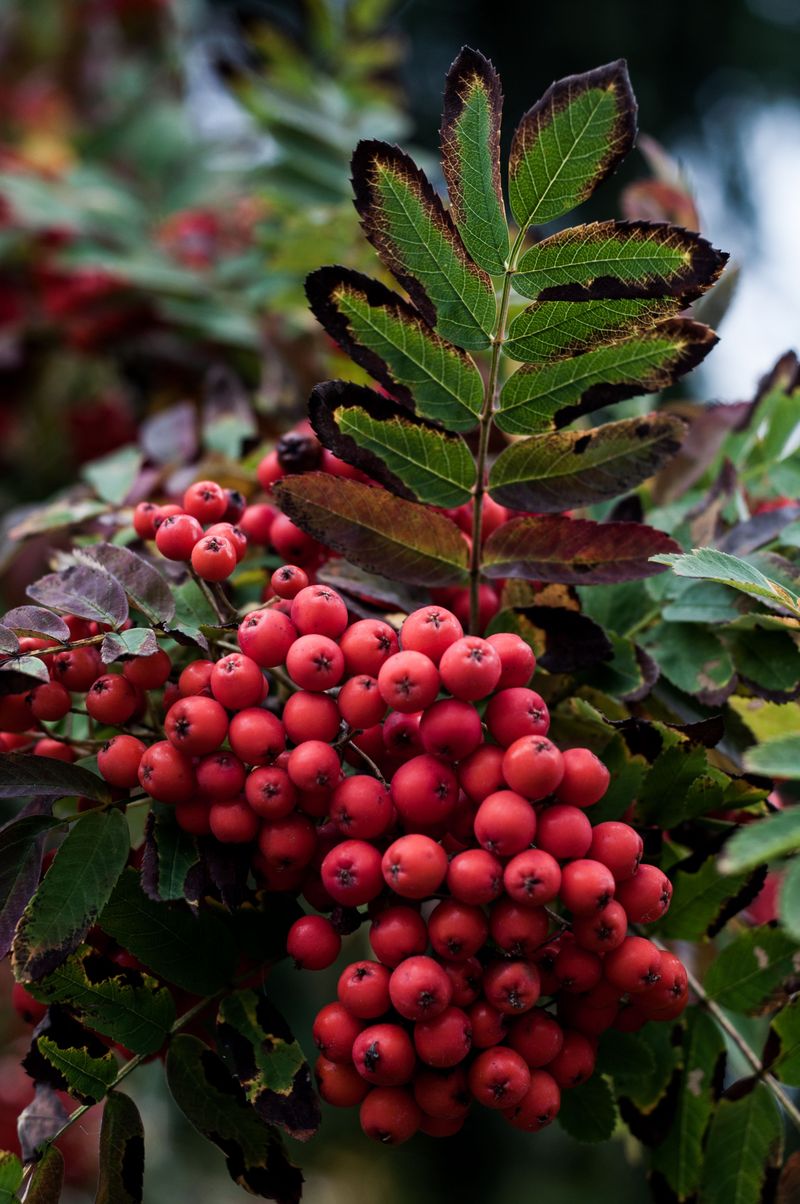
Bright orange berry clusters hang from this small tree like tiny lanterns glowing against a pale October sky. I love how those fruits stay put long after the leaves fall, waiting for hungry birds to notice.
Cedar waxwings and evening grosbeaks often swoop in for these berries, and robins join the party in colder weeks. Pine grosbeaks also visit northern spots during some winters, which makes spotting them a real backyard treat.
Despite its name, this tree is not a true ash, so emerald ash borer leaves it alone. It belongs to the rose family instead, sharing distant roots with apples and the pears in your kitchen.
You should give it a cool, sunny site with moist, well-drained soil that rarely bakes in summer heat. It grows naturally in the northern mountains and higher elevations, where nights stay chilly and the air feels fresh.
Early fall planting gives the roots several mild weeks to settle before the ground freezes hard in December. Keep the young tree watered through dry spells, and you will likely see berries within a few seasons of growth.
2. Eastern Hemlock
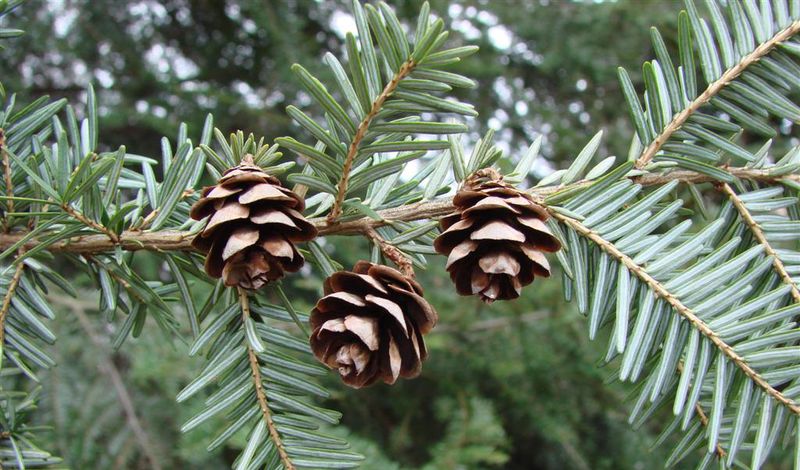
Tiny cones barely the size of a grape hide all over our official state tree, and birds treat them like snack packs. You might walk right past them, yet chickadees spot every seed tucked between those papery scales.
Pine siskins and dark-eyed juncos often pick through hemlock seeds during the coldest months of the year. Crossbills are the real specialists here, using crossed bill tips to pry open cones with impressive skill and patience.
The shelter matters just as much as the food on chilly nights when wind howls across open fields. Dense, drooping branches block snow and wind, giving small birds a warm pocket to rest until the morning sun returns.
Hemlock prefers shade, cool roots, and steady moisture, so a north-facing slope or woodland edge suits it nicely. I am sure your patience will pay off, since this evergreen grows slowly but can live for many centuries.
One honest warning comes with this pick, because hemlock woolly adelgid troubles many trees across the eastern states. Check the undersides of branches for white cottony dots, and ask your county extension office about effective treatment options.
Your Pennsylvania Garden Changes Every Week. Your Plan Should Too.
Gardening in Pennsylvania changes quickly throughout the season. Every Friday you’ll receive a simple weekly plan showing exactly what to plant, prune, fertilize, harvest, and protect so you never miss the right timing.
3. Little Bluestem
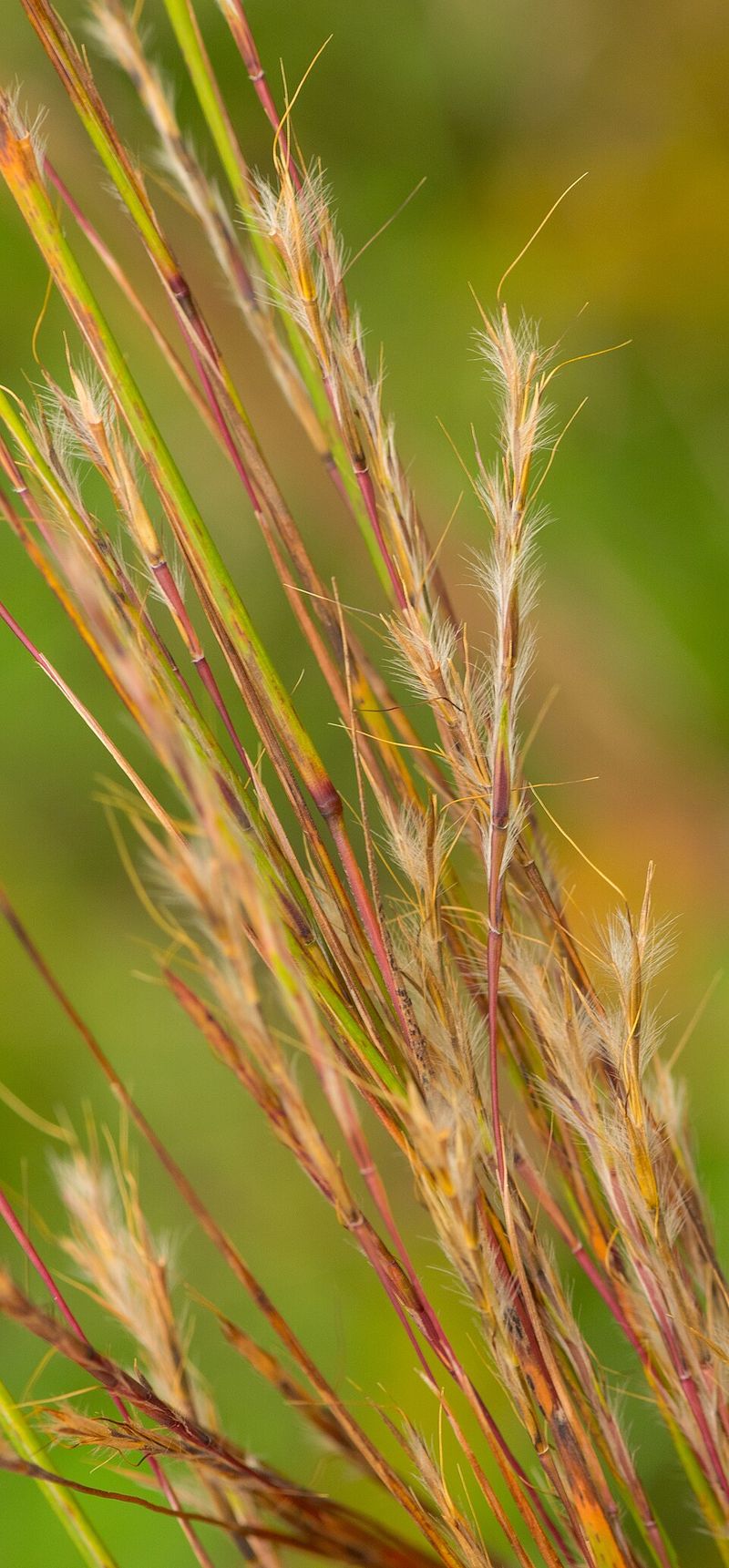
Copper stems that glow like a campfire make this grass one of my favorite sights on a frosty October morning. Fluffy silvery seed tufts catch the low sun, and the whole clump seems to shimmer in a breeze.
Small seeds tucked along those stems feed sparrows and juncos through much of the long, gray winter season. Tree sparrows and field sparrows often hop along the base, picking up seeds that have dropped onto the snow.
Here comes a fun twist, because this bunchgrass also serves as a cozy winter home for certain insects. Some skipper butterflies use little bluestem as a caterpillar host, so leaving the clumps standing helps future pollinators too.
Full sun and lean, well-drained soil keep the stems upright, while rich soil can make them flop over. You definitely need to skip heavy fertilizer, since this tough native prefers hard living on dry slopes and sunny banks.
Resist the urge to tidy up this fall, and let the stems stand until late winter or early spring. A quick trim before new growth appears keeps the clump neat and gives birds every last seed they can find.
4. Eastern Red Cedar
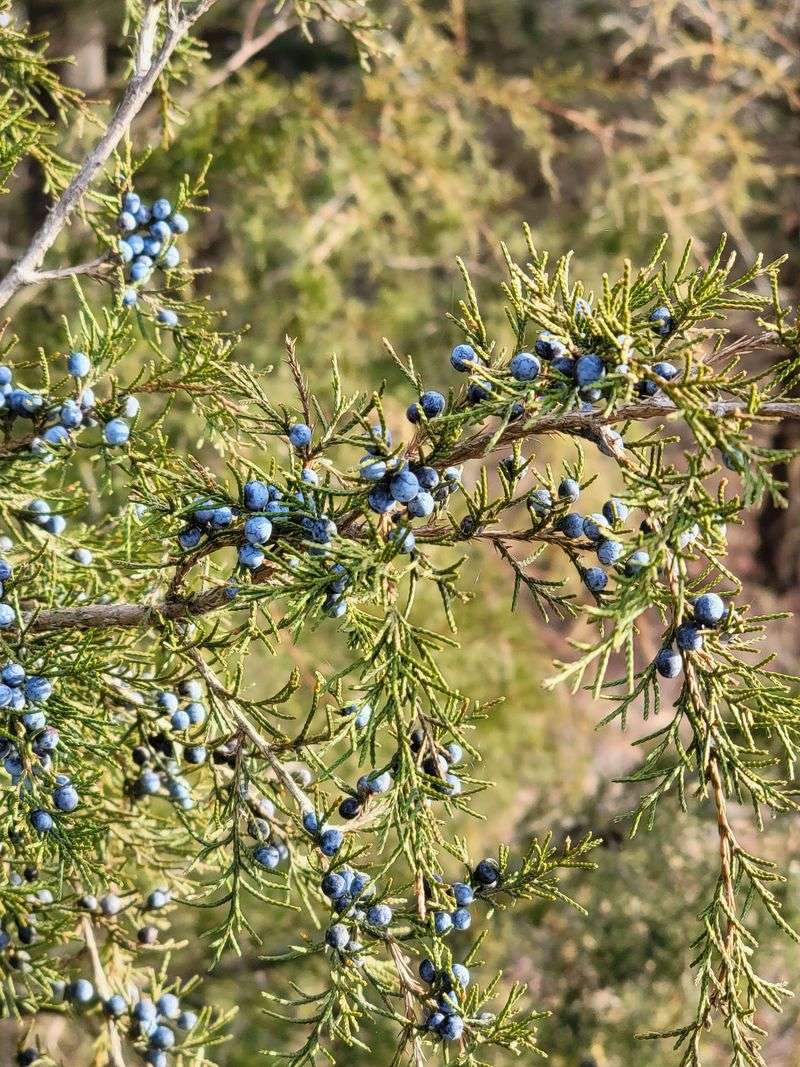
A whole bird species carries this tree in its name, and cedar waxwings truly earned that honor over time. Flocks arrive in sleek, masked groups, stripping the frosty blue berries with surprising speed and plenty of cheerful chatter.
Those berries are actually tiny cones with a soft, waxy coating that gives them a dusty blue glow. Only female trees produce them, so planting several young cedars together boosts your odds of getting a fruiting tree.
Robins, bluebirds, and mockingbirds also snack on the cones during cold snaps when other food runs thin. The dense, prickly foliage creates a safe roosting spot where small birds can hide from hawks and bitter winds.
This tough evergreen handles poor soil, drought, and road salt better than many trees I know in the region. It loves full sun and grows across much of the state, from open old fields to rocky hillsides.
Keep cedars away from apple trees if possible, since cedar apple rust can pass between the two plants. Fall is a fine time to plant, as long as you water deeply until the ground freezes in early winter.
5. Winterberry
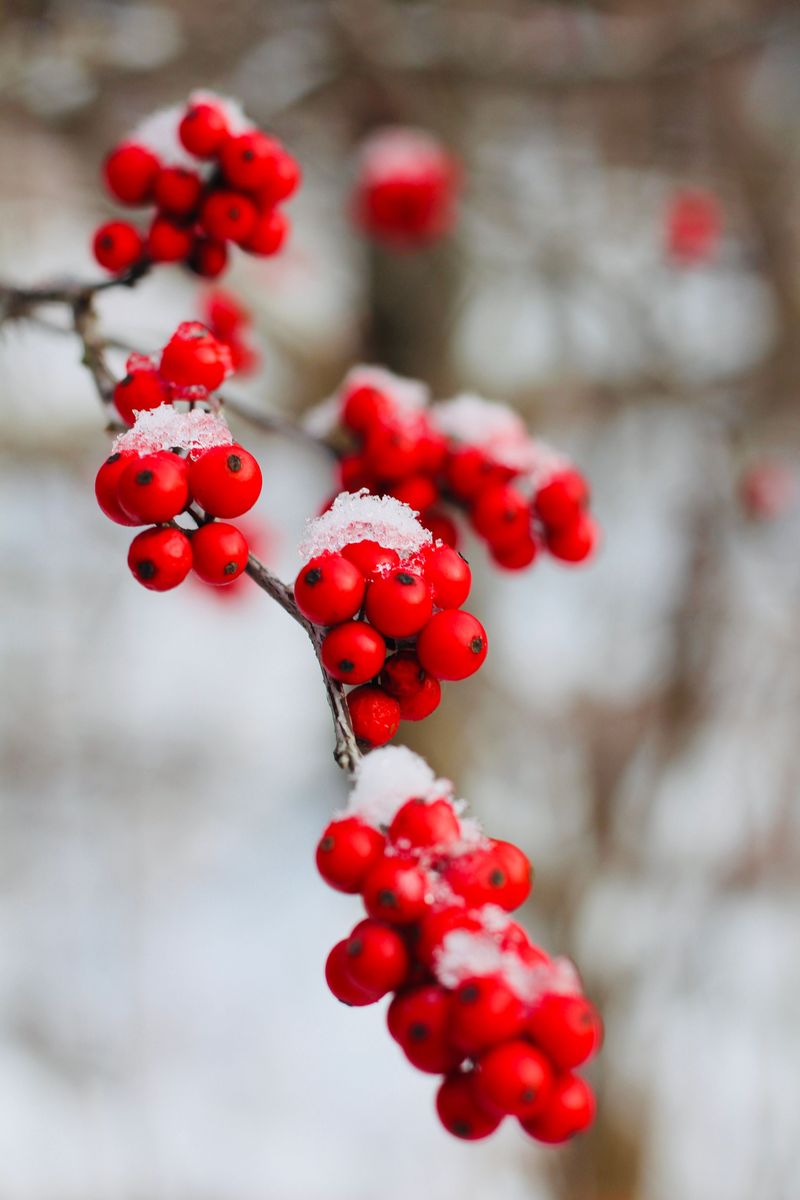
Bare twigs dripping with scarlet berries look almost fake once the leaves drop away in late fall. I can’t imagine a more cheerful sight against fresh snow, and the birds seem to agree with me completely.
Winterberry is a native holly that loses its leaves, which leaves the bright fruit fully on display. Robins and bluebirds often feast on the berries, especially during late winter when other food has grown scarce.
You need both male and female plants for berries, since only the females produce fruit after pollination. One male shrub can usually serve several female plants nearby, so ask your nursery for a matching pollinator variety.
Moist or even soggy soil suits this shrub well, making it a smart pick for low spots that puddle. It also grows fine in average garden soil, though it prefers slightly acidic conditions and at least partial sun.
Early October brings ripe red berries, so this is a great time to buy shrubs already showing color. Plant them in groups for a bolder show, and watch the birds return to that bright buffet all winter long.
6. American Holly
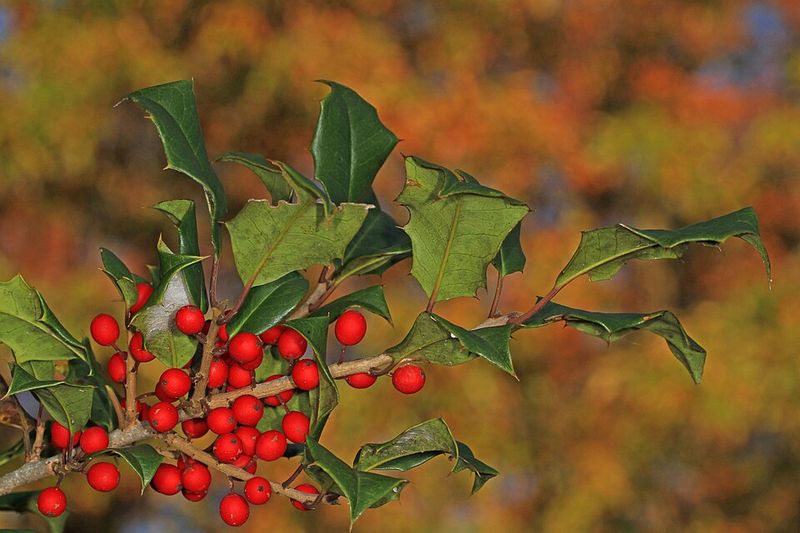
Spiny green leaves and glossy red berries make this tree look like a holiday card come to life. Birds see it a little differently, treating every branch as a pantry and a safe shelter rolled together.
The berries ripen in autumn, but many birds wait until late winter before eating them in large numbers. Robins, mockingbirds, and cedar waxwings often show up together, clearing branches once colder weather softens and changes the fruit.
Thick, leathery leaves stay green all year, which gives small birds a sheltered place to rest on icy nights. Those prickly edges also discourage some predators, adding another layer of comfort for your feathered visitors during long nights.
American holly grows naturally in the southeastern part of the state, where winters run a little milder overall. It prefers acidic, well-drained soil, and a spot shielded from harsh winter wind keeps its leaves from browning.
Like winterberry, this holly needs a male tree nearby for the female trees to produce their bright berries. Plant young trees in early fall, mulch the roots generously, and expect slow but steady growth over many patient years.
7. Red Chokeberry
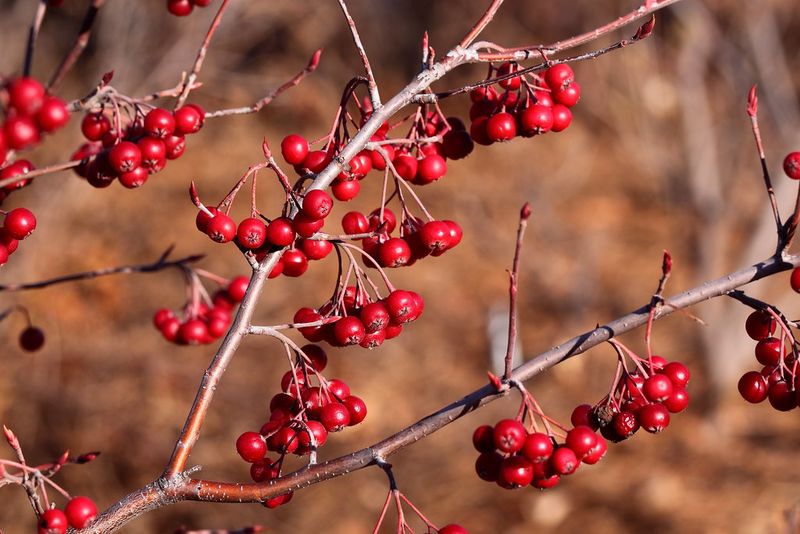
Sour enough to make your face pucker, these red berries become a welcome treat once winter settles in. Birds often ignore them in fall, then return in the colder months when the fruit softens and sweetens.
That late timing makes red chokeberry a fantastic backup food source during the leanest stretch of winter. Robins, mockingbirds, and cedar waxwings are among the visitors you may spot nibbling the berries through January and February.
The fall leaves turn a fiery red that rivals any maple, so your yard gets a bonus show right now. I believe this shrub deserves far more attention, since it brings color and food together without asking for much.
Red chokeberry tolerates wet soil, dry soil, and plenty in between, which makes it remarkably easy to place. Full sun gives the best berry crop, though it still performs reasonably well in partial shade along woodland edges.
This shrub tends to spread slowly by suckers, forming a loose thicket that birds love for cover and nesting. Give it room to roam, or trim the extra shoots each spring if you prefer a neater, more tidy shape.
8. American Cranberrybush Viburnum
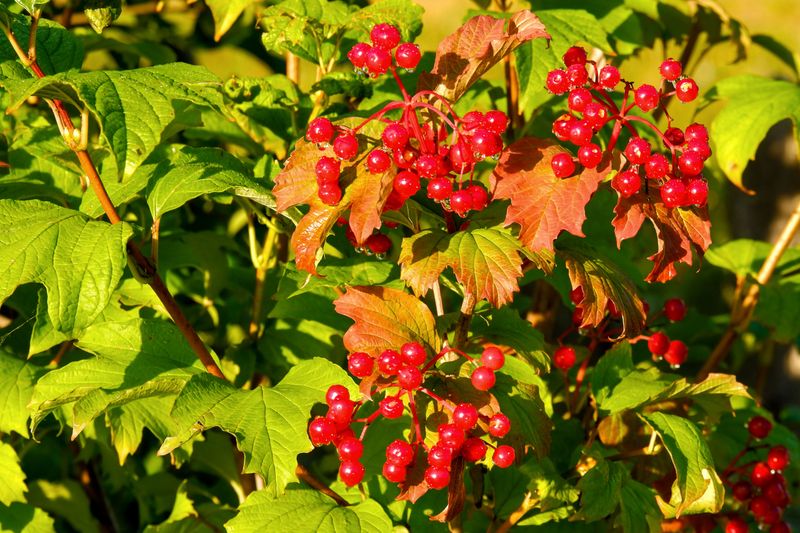
Shiny red clusters that look exactly like cranberries dangle from this shrub, glowing like stained glass in sunlight. You could almost mistake it for a bog plant, yet it grows happily in ordinary garden beds and borders.
The fruit ripens in late summer and early fall, then clings to branches deep into the cold months. Birds often leave the berries alone at first, returning later when hunger makes the tart fruit look much more appealing.
That delayed feeding makes this shrub especially valuable in late winter, when many other natural pantries are empty.
Cedar waxwings, robins, and grouse are among the birds known to visit the clusters once snow covers most ground food.
Shop carefully, because the European cranberrybush looks very similar and sometimes gets sold under confusing names at stores.
Ask for the native form, often labeled Viburnum trilobum, so your planting truly supports local wildlife and their winter needs.
This viburnum likes moist, well-drained soil and full sun to partial shade for its best fruit production. Maple-shaped leaves turn red and purple in October, giving your garden a warm glow while the berries ripen fully.
9. Staghorn Sumac
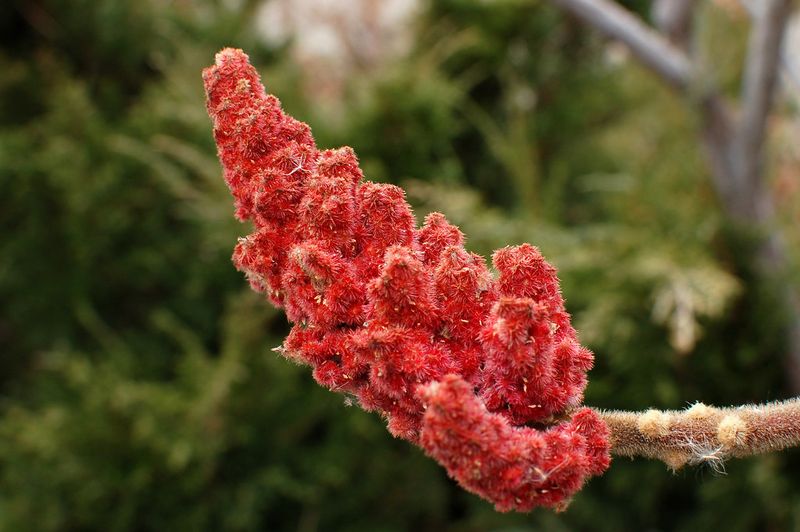
Fuzzy branches that feel like velvet deer antlers gave this plant its memorable name long ago. Run your fingers along a young stem, and you will understand the comparison right away with a happy little grin.
Upright cones of crimson fruit stand tall above the branches, and they often last through the entire winter season. Birds usually treat them as a backup meal, turning to sumac when tastier berries have already been eaten away.
That late-season role makes the fruit clusters a true lifeline during brutal stretches of ice and deep snow. Bluebirds, robins, and even wild turkeys may visit sumac when the landscape offers almost nothing else to eat.
October brings a fireworks show of orange and scarlet leaves that can stop drivers on country roads. I am sure your neighbors will ask about it, because few native shrubs glow quite this brightly in early autumn.
Staghorn sumac spreads quickly by root suckers, so plant it where a colony can grow freely and safely. Dry banks and sunny slopes suit it nicely, and the roots help hold soil in place on tricky ground.
10. Flowering Dogwood
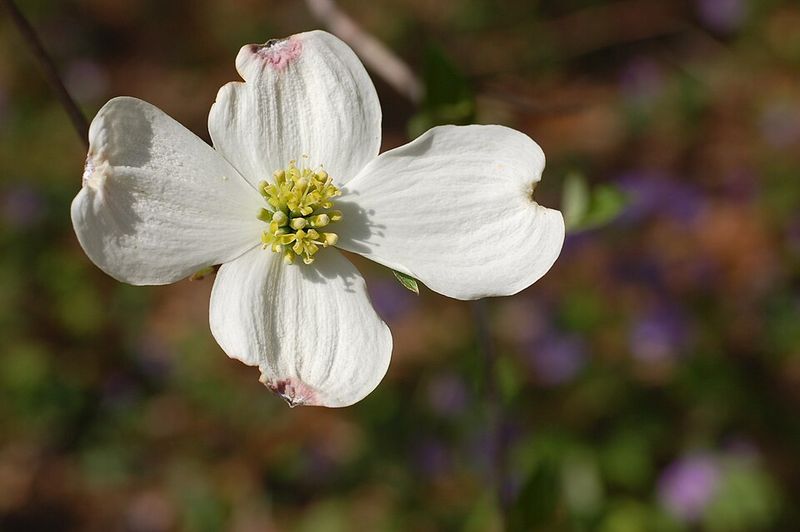
Glossy red berries packed with fat make flowering dogwood a high-energy snack bar for busy autumn birds. Each fruit is small, yet the rich content helps birds build reserves before cold weather really sets in.
I should be honest here, because these berries rarely last until January in most backyard gardens. Robins, thrushes, and cardinals often clean the branches by early winter, which makes this pick a crucial fall fueling station.
Migrating birds depend on that rich fruit as they pass through the region during September and October. Resident birds benefit too, entering the colder months with a healthy layer of fat to help them survive frosty nights.
The leaves turn deep burgundy right now, and the tree shows off white spring blooms later in the year. Few small trees offer this much beauty, which explains why it remains a beloved favorite in many neighborhood yards.
Plant dogwood in partial shade with moist, acidic soil and good air flow to reduce leaf disease. Avoid planting it in hot, exposed spots, since stressed trees often struggle with pests and drought during long summers.
11. Northern Hackberry
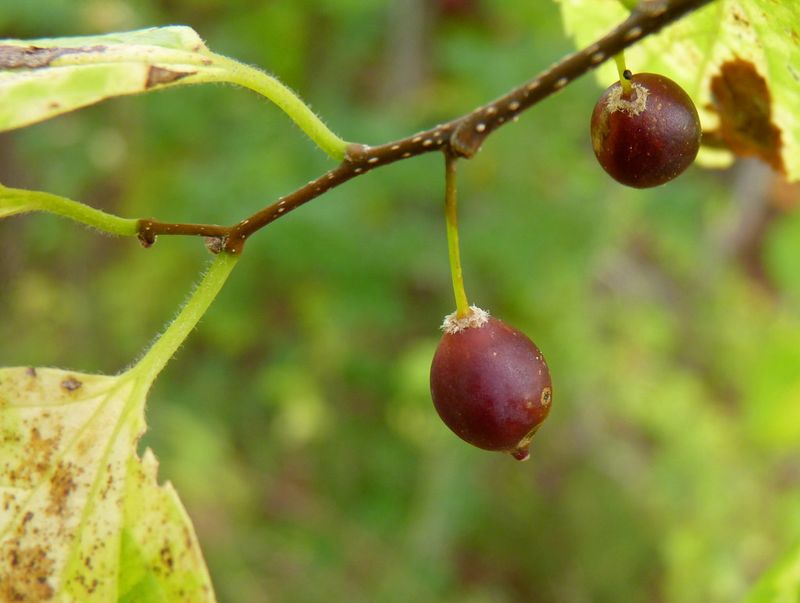
Bumpy, warty bark makes this tree look like it was sculpted by a playful artist with too much clay. Kids often love touching the strange ridges, and adults usually stop to wonder what kind of tree it is.
Small purple fruits ripen in fall and frequently cling to the branches well into the long winter months. Each one has a thin, sweet skin around a hard seed, and birds seem to find them very satisfying.
Robins, cedar waxwings, mockingbirds, and woodpeckers are among the many birds that enjoy this fruit through colder weeks. Some butterflies also rely on hackberry leaves as caterpillar food, giving this tree a busy schedule in warmer months.
Hackberry handles tough city conditions like compacted soil, pollution, and drought better than many popular shade trees. It grows throughout Pennsylvania and tolerates both wet and dry spots, making it a forgiving choice for new gardeners.
You may notice small bumps on the leaves, which are usually harmless galls caused by tiny insects called psyllids. They rarely hurt the tree, so there is little reason to worry or spray anything when you spot them.
12. Black-Eyed Susan
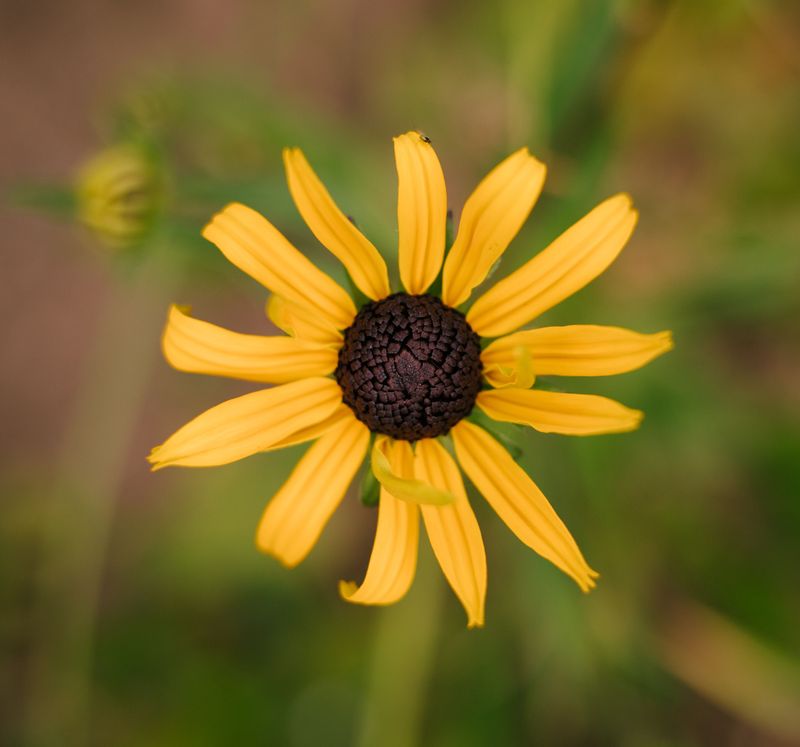
Golden petals may be fading now, but those dark button centers are turning into a seed buffet. I wonder how many gardeners snip them off too early, never realizing they just removed a bird feeder.
American goldfinches love these seeds and often cling to the stems, pecking away with acrobatic skill and patience. Chickadees and sparrows may join them, picking seeds from the heads or searching the ground below for leftovers.
The seed heads stand tall through late fall and into early winter, giving birds steady food after flowers vanish. Snow sometimes caps each dark dome like a little hat, creating a charming scene outside a frosty kitchen window.
Black-eyed Susan thrives in full sun and handles dry, average soil without much fuss or extra fertilizer. It reseeds easily, so a small patch planted this year can turn into a cheerful golden drift over time.
Pennsylvania gardeners can still plant nursery pots in early October while the soil stays warm and workable. Leave the stems standing through winter, then cut them back in spring once fresh green leaves start poking through again.