What an Arizona Bobcat Sighting in Fall May Really Mean
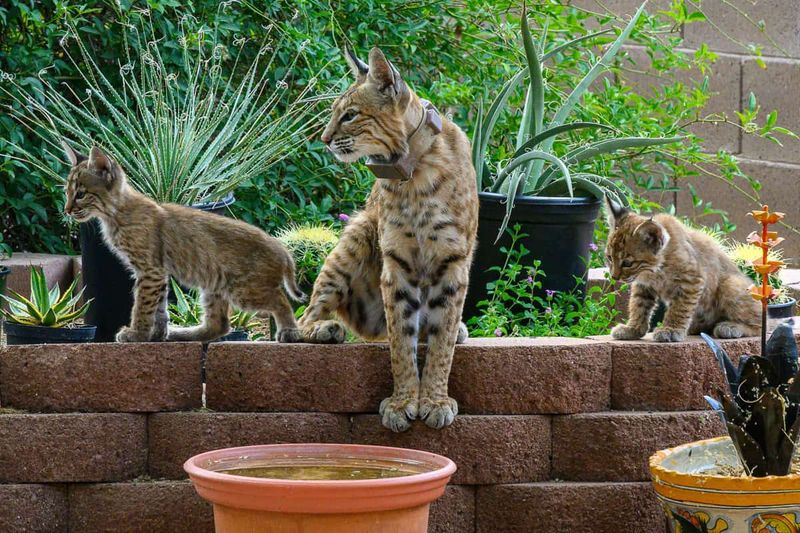
A tawny cat with tufted ears slips across your patio at dusk, and your heart skips. Bobcats live all over Arizona, so a visit to a suburban yard has more than one possible explanation.
Knowing what a sighting can and cannot tell you helps you stay calm and make smart choices. Here is a clear look at fall, yard attractions, and simple ways to keep people and pets safe.
What an Arizona neighborhood sighting does—and does not—mean
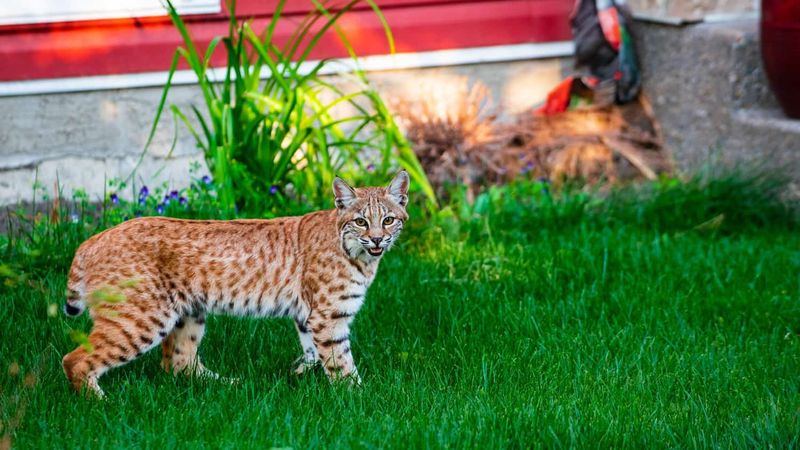
Seeing a bobcat can feel like a rare event, yet bobcats are common across Arizona. According to Arizona Game and Fish Department guidance, sightings in some Phoenix and Tucson suburbs are not uncommon.
Bobcats are elusive and tend to avoid people. One walking through a yard, then moving on, is usually just an animal going about its night or early morning.
That said, a single sighting is a snapshot. It does not show that more bobcats are around this season, and it does not point to an unusual wildlife event across the state.
Nothing about one visit proves danger either.
Think of it as a reminder that wild neighbors share your streets. A calm mindset, a few habits that protect pets, and respect for distance go a long way.
Why young bobcats may range more widely in fall
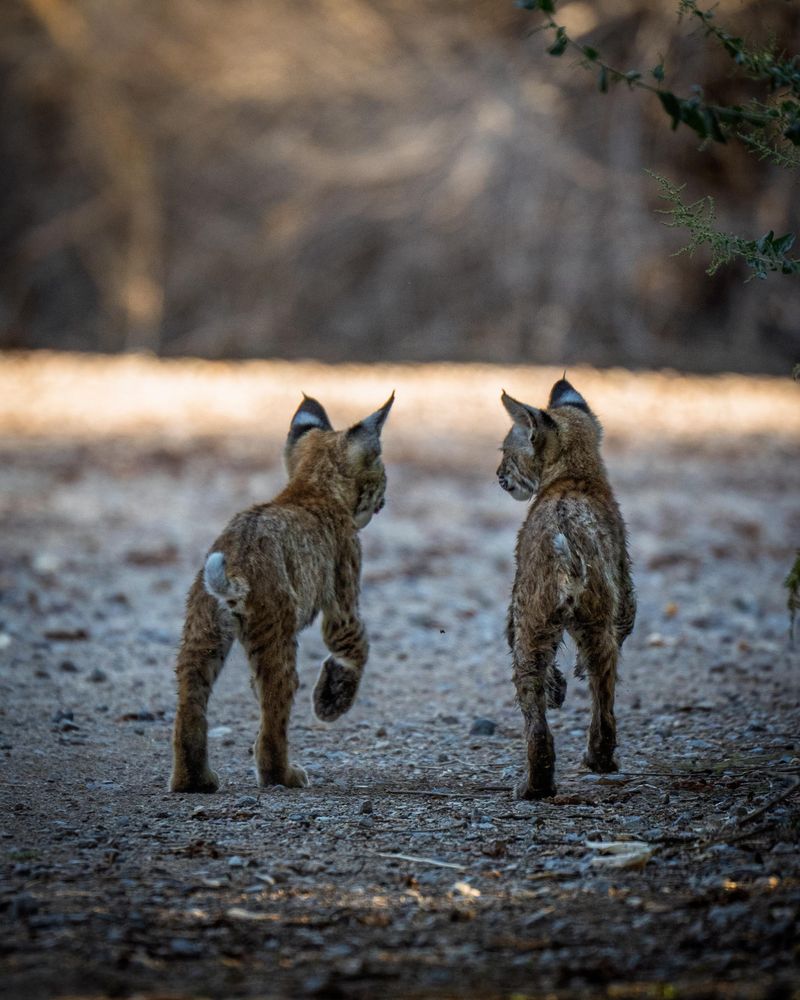
Autumn may bring a different kind of bobcat into view. A U.S.
Forest Service species review notes that young bobcats generally disperse during their first fall, meaning they leave their mother’s area and look for their own.
Arizona timing fits that picture. Arizona Cooperative Extension says kittens are usually born from April to early June and may stay with their mother for 7 to 12 months.
So a young animal exploring wider ground in fall is a reasonable possibility for some sightings. It is only a possibility, though.
You cannot tell an animal’s age from a glimpse, and nobody can say why it chose your street.
Fall dispersal also is not fall breeding. In Arizona, kittens typically arrive in spring, so this season is about young animals on the move, not new litters.
What in a yard may attract a bobcat
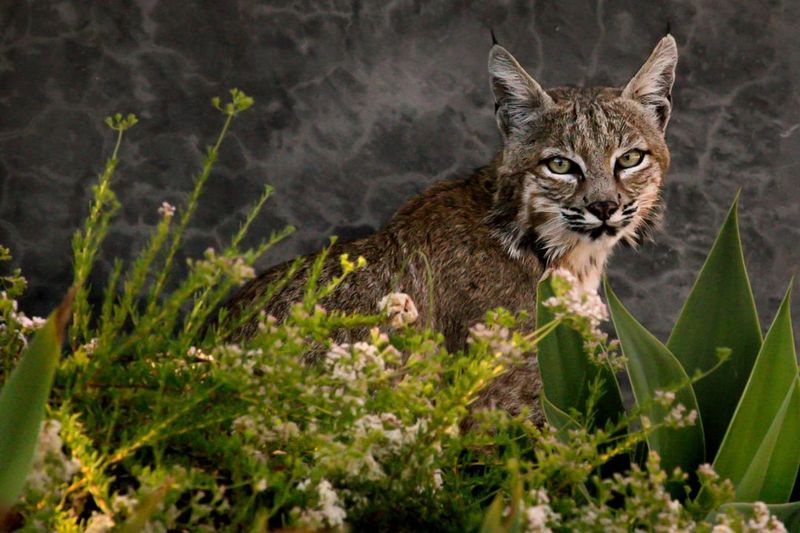
Bobcats follow food, water, and cover. Rodents, rabbits, and birds all make a yard interesting, and so can poultry or small pets left outside on their own.
Water sources, dense brush, and shade add to the appeal. Gaps under decks or inside sheds can offer shelter, and Arizona Game and Fish notes that bobcats may rest under backyard shrubs.
They are most active around sunrise and sunset, so those are the hours when you are most likely to cross paths.
Here is the catch: when you spot one, you cannot know which of these things, if any, drew it in. It may have been crossing through on its way somewhere else.
Still, a quick walk around your property with this list in hand can show you which spots deserve attention. Look low, near fence lines, woodpiles, and thick plantings.
Your Arizona Garden Changes Every Week. Your Plan Should Too.
Gardening in Arizona changes quickly throughout the season. Every Friday you’ll receive a simple weekly plan showing exactly what to plant, prune, fertilize, harvest, and protect so you never miss the right timing.
Protect pets and poultry
Small pets are the main worry for most households. Keep cats and small dogs indoors or in a sturdy, roofed enclosure, and stay with them whenever they are outside, especially around dawn and dusk.
Walk dogs on a leash.
A tall fence is not a guarantee. A six-foot fence alone may not protect small animals, because bobcats can climb and jump.
A roof over the play area closes that gap.
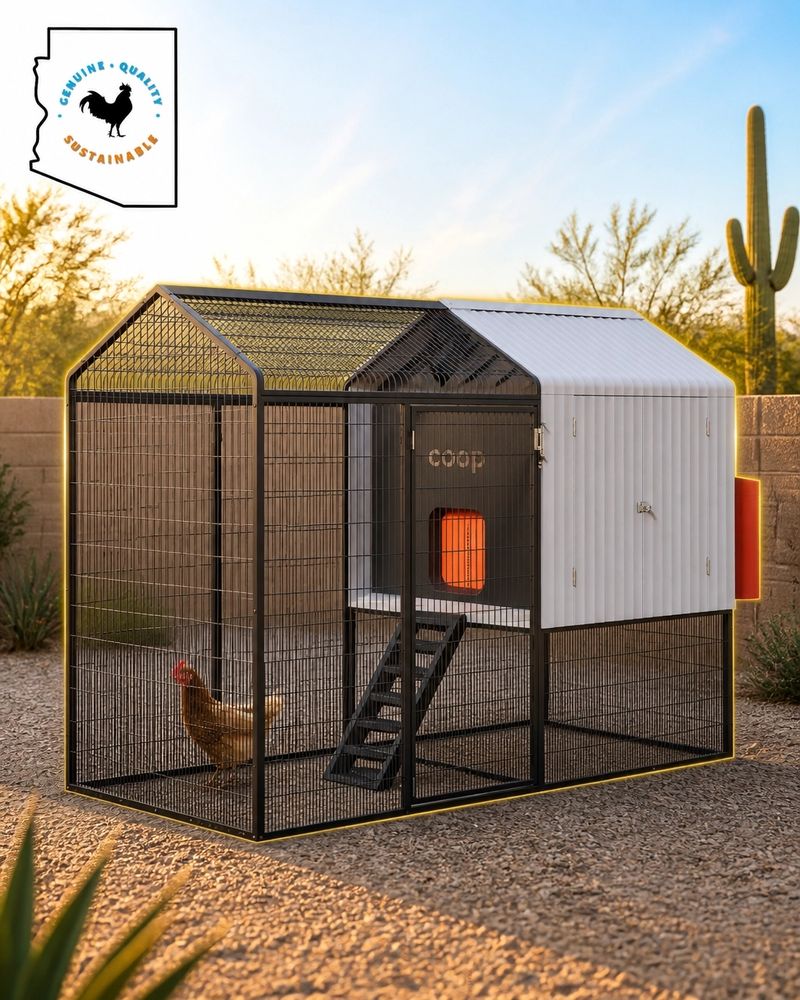
Chickens need extra planning. Arizona Game and Fish recommends a sturdy enclosure with a roof, heavy-gauge hardware cloth, secured openings, and an underground barrier.
Chicken wire is not enough.
Try checking latches each evening and look for any spot where a paw could pry. Small fixes now save trouble later.
Reduce food, water, and shelter opportunities
Easy meals make a yard more tempting. Bring pet food and water indoors between feedings, so nothing sits out overnight for wildlife or the rodents that follow.
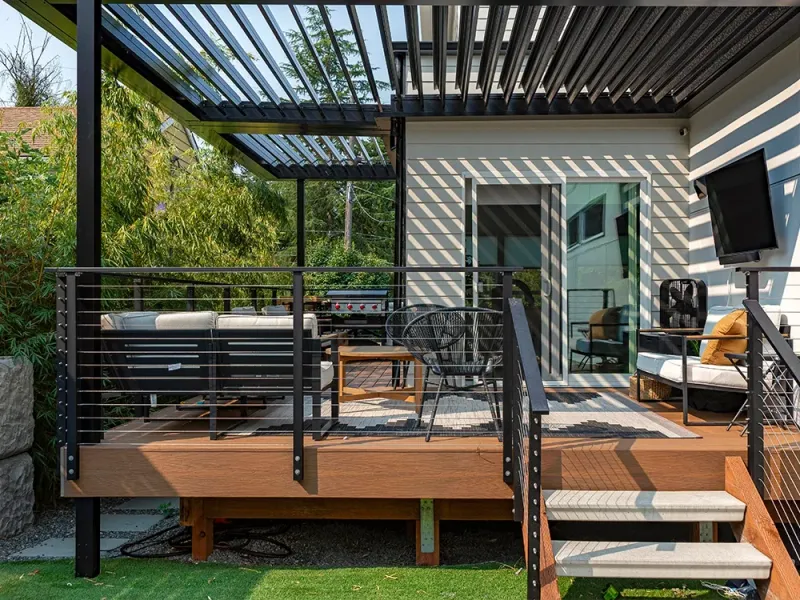
Next, look at hiding places. Close off openings beneath decks and fences, and check sheds for gaps.
Trimming dense brush near the house can also remove cozy resting spots.
Skip feeding wildlife of any kind. In Maricopa, Pinal, and Pima counties, feeding wildlife is unlawful.
Local ordinances may apply in other parts of Arizona, so check with your city or county.
Removing a single bobcat is not a lasting answer when yard attractions remain, and relocated animals may return. Changing the yard is the step that stays with you.
How to respond when a bobcat is nearby
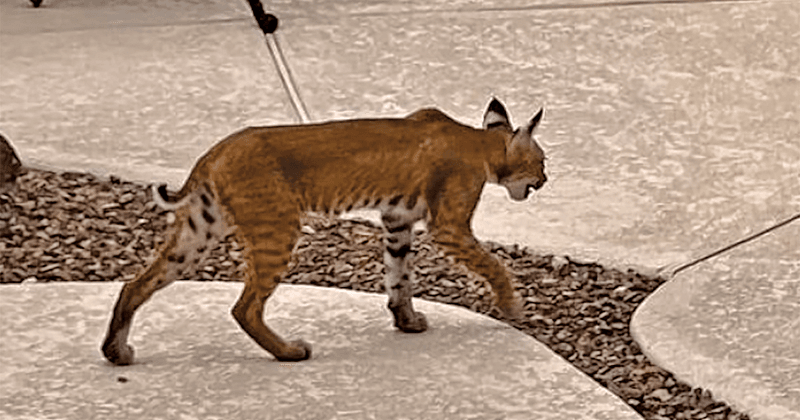
Stay calm and keep your distance. Bring pets and children inside, then watch from a window or doorway.
If the animal lingers, Arizona Game and Fish says loud noise or a garden hose may scare it off. Never try to corner it, feed it, or handle it.
If a bobcat is confined, such as in a pool enclosure or garage, clear the area and open an exit only if it is safe to do so. Then let it leave on its own.
If it stays trapped, contact AZGFD or a wildlife-control professional.
Do not approach any animal that seems sick, unusually aggressive, erratic, or shows signs of paralysis. Call AZGFD or 911.
After any bite or scratch, seek immediate medical attention.
Most visits end quietly, with the cat gone before breakfast.