What to Cover in Your Arizona Yard Before the First Frost Hits
Arizona winters feel gentle, but one clear, calm night can drop temperatures below freezing and leave your favorite plants droopy and brown by morning. In the Phoenix and Tucson areas, frost usually shows up between late November and February, often with little warning.
Knowing which plants need a cover, and which ones can tough it out, saves you money, water, and heartbreak. Here are the ten things in your yard worth protecting before that first cold snap arrives.
1. Young Citrus Trees
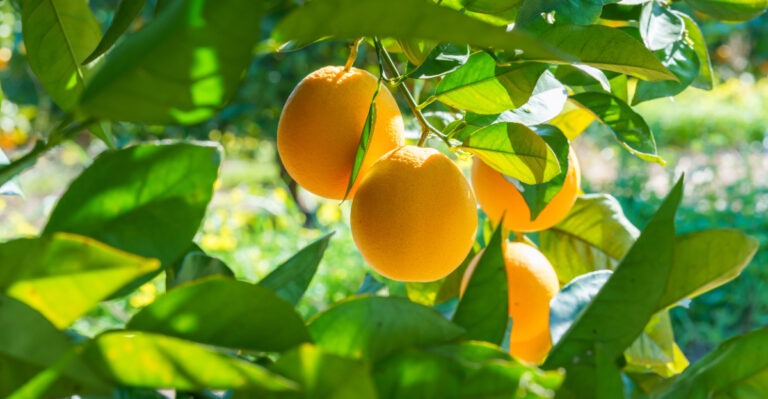
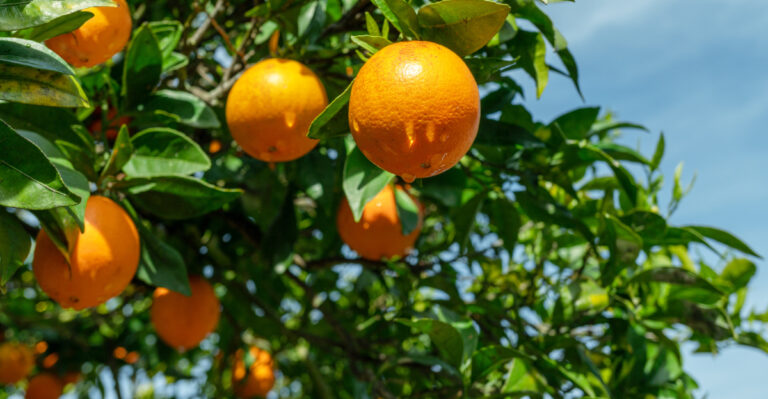
Picture a backyard lime tree loaded with green fruit, then imagine it with crispy, curled leaves after one 27-degree night. Limes and lemons are the most cold-sensitive citrus in the low desert, and trees under about four years old have the least wiggle room.
Drape frost cloth over the whole canopy and let it reach the ground. The soil releases stored heat overnight, and a cover that touches the dirt traps that warmth around the tree.
Use a few stakes so the fabric rests above the leaves instead of pressing on them.
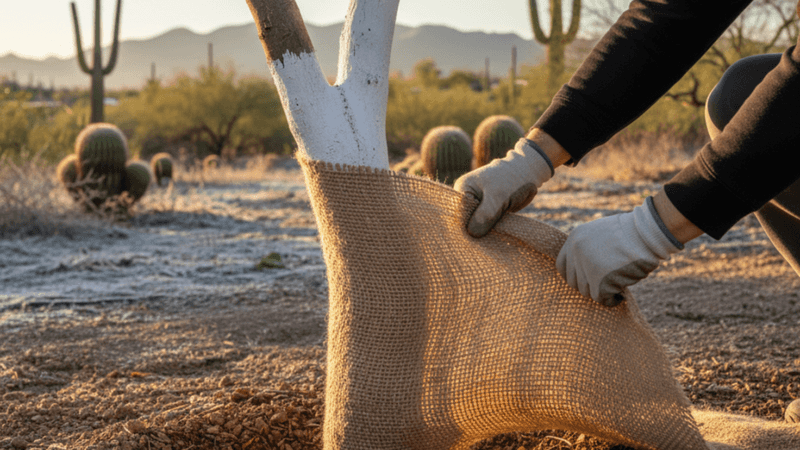
Trunks need help too. Wrap the lower trunk of young trees with burlap or several layers of old cloth, since a damaged trunk is much harder to recover from than a few lost leaves.
Pick ripe fruit before a hard freeze if you can, because frozen fruit can turn dry and pulpy inside.
Water the soil deeply the morning before the cold arrives. Moist ground holds more heat than dry ground, giving roots a cozier night.
Pull the cover off once temperatures climb above freezing so the tree can soak up winter sun and keep producing for your kitchen.
2. Bougainvillea
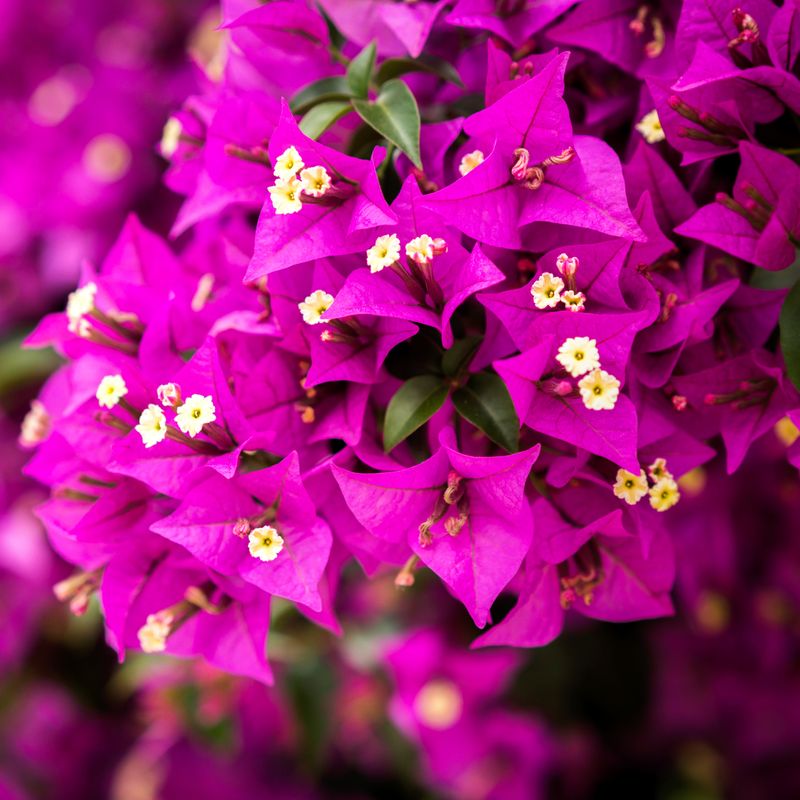
Few plants shout Arizona quite like a wall of magenta bougainvillea. Yet this sun-loving vine comes from tropical South America, and it never quite made peace with desert winter nights.
Once the forecast hints at the low 30s, toss a breathable sheet or frost cloth over the plant. Skip plastic tarps and shower curtains, because plastic traps moisture and passes cold straight to the leaves.
Weigh the edges down with rocks or landscape staples so a breezy night does not undo your work.
Bougainvillea growing against a south- or west-facing wall already has an edge. Those walls soak up daytime heat and release it slowly after dark, creating a small warm pocket.
If you are still planning where to plant one, that spot is the smart choice.
Should frost nip the tips anyway, resist the shears. Brown, damaged growth actually shields the healthy stems underneath from the next cold spell.
Wait until new leaves appear around March, then trim back to green wood. Most established bougainvillea bounce back by late spring, ready to cover that wall in color again and offer cover for small birds.
3. Yellow Bells (Tecoma stans)
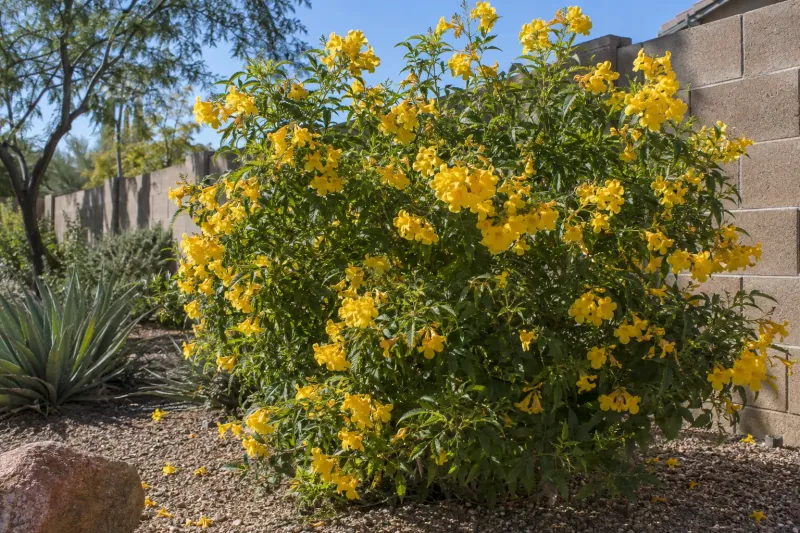
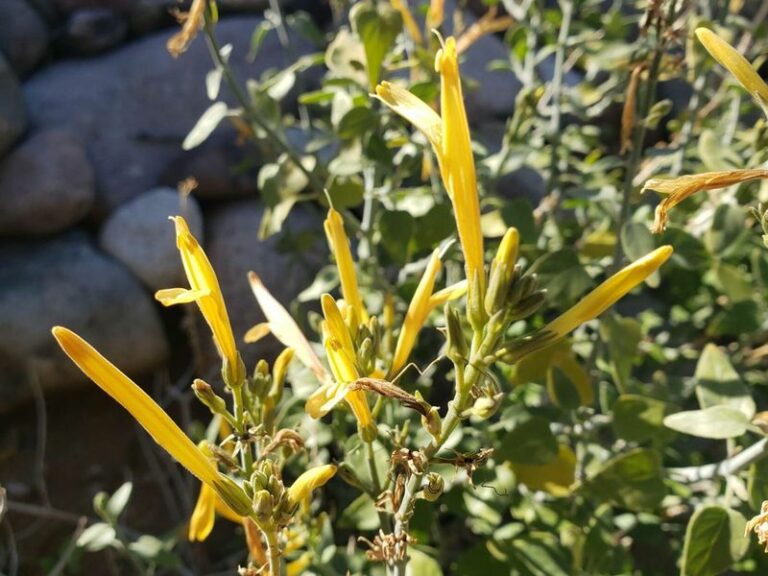
Hummingbirds treat yellow bells like a neighborhood diner, zipping between those golden trumpets from spring through fall. That pollinator payoff is a big reason so many Arizona homeowners plant it, and a reason worth protecting it in winter.
Your Arizona Garden Changes Every Week. Your Plan Should Too.
Gardening in Arizona changes quickly throughout the season. Every Friday you’ll receive a simple weekly plan showing exactly what to plant, prune, fertilize, harvest, and protect so you never miss the right timing.
Tecoma stans is heat-tough and fairly drought-tolerant, but frost can brown its foliage and even push it back to the ground in a hard freeze. Roots usually survive, though a covered plant tends to rebound faster and bloom sooner the following season.
For larger shrubs, a full frost blanket draped over stakes works best. Smaller or newly planted ones can get a cardboard box or a light old blanket overnight.
Keep those covers off during sunny afternoons.
A two to four inch layer of wood chip mulch around the base adds another layer of insurance. Mulch keeps soil temperatures steadier, which matters for young plants with shallow roots.
Here is a fun bonus: the native Arizona yellow bells found in rocky canyons near Tucson tends to handle cold a little better than some showy hybrids. If frost keeps beating up your current plant, a native form may be the lower-fuss upgrade.
4. Lantana
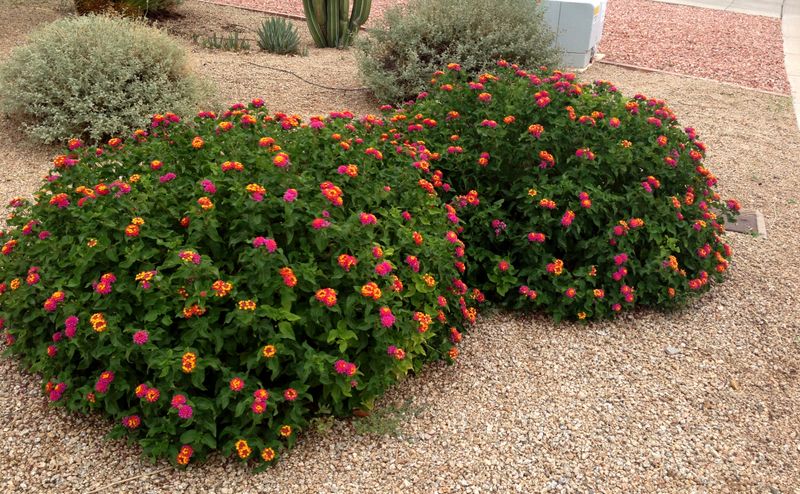
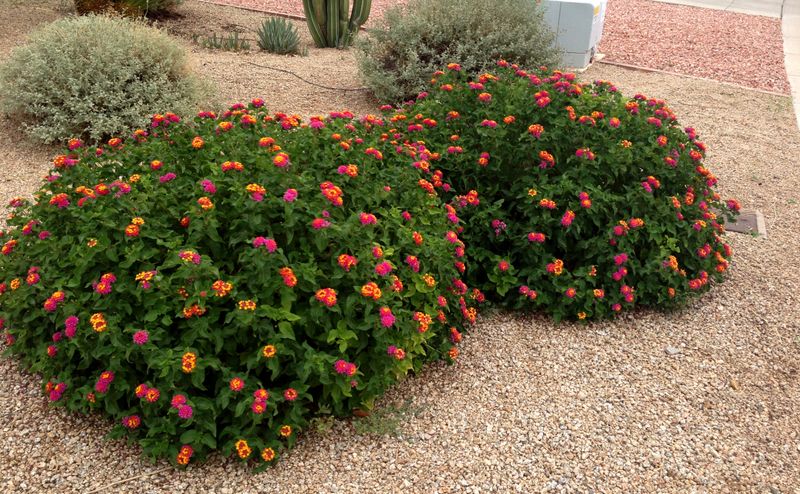
Butterflies are the main fans of lantana, and anyone who has watched a queen or painted lady flutter across a sunny bed knows why gardeners love it. Low, spreading, and thirsty for very little, it covers a lot of ground on a small water budget.
Cold weather is its weak spot. A hard frost can turn the whole mound brown and crispy almost overnight.
Because lantana grows wide and low, frost cloth pinned flat over the bed with landscape staples is the easiest fix.
Run the fabric past the edges of the planting and secure it well. Wind sneaking under the cover lets warm air escape fast.
Timing matters more than fancy gear. Throw covers on in the late afternoon before sundown, while the soil still holds the day’s warmth, and peel them off mid-morning once things warm up.
If frost does brown the tops, leave them alone until spring. Those scruffy stems shelter the crown and give overwintering insects a place to hide, which in turn feeds the lizards and birds that patrol your yard.
In March, cut back to fresh growth and the butterflies will return.
5. Columnar Cactus Tips
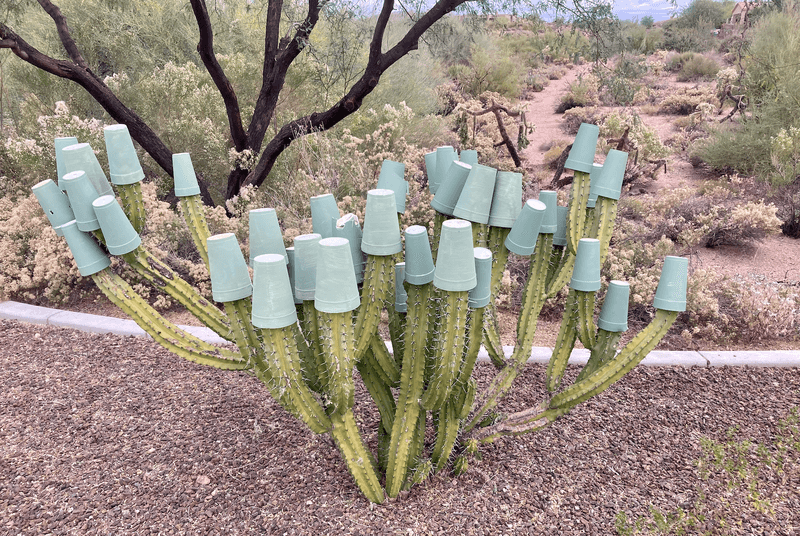
Styrofoam cups on top of cactus look like a strange neighborhood prank. Desert gardeners know better, because that simple trick protects the most vulnerable part of a columnar cactus: the growing tip.
Young saguaros, Mexican fence post, and organ pipe cactus all grow from the top. Freezing air can scar that soft tissue, leaving permanent marks or slowing growth.
A foam cup or a small wad of frost cloth slipped over the crown makes a cheap, effective shield.
Organ pipe, in particular, comes from warmer southern Arizona and tends to struggle more in colder pockets of Phoenix and Tucson.
Watering works differently for cactus than for leafy plants. Keep soil dry before a freeze, since drier tissue handles cold better than plump, water-filled stems.
A light layer of gravel around the base can also limit direct cold contact with the soil.
Remember to pull the cups off when the cold passes. Leaving them on too long blocks sunlight and can trap moisture.
Protecting these tall cacti pays off for wildlife too. Mature columns eventually provide nesting holes for woodpeckers and flowers that feed nectar bats, making every saved tip an investment in future habitat.
6. Tender Succulents
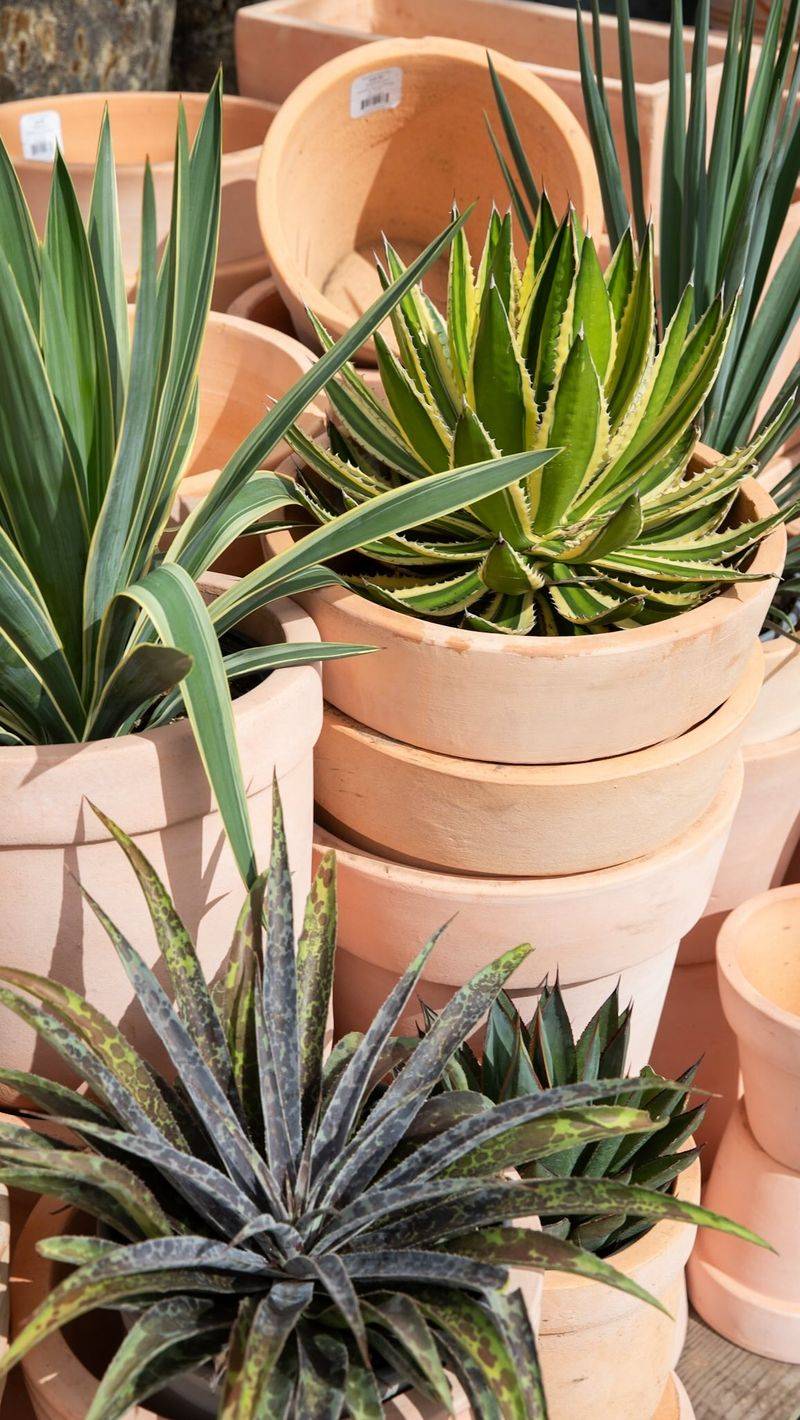
Ice is the real enemy of a succulent. Those fleshy leaves are packed with water, and when that water freezes, crystals can rupture cells and leave mushy, translucent patches.
Not every succulent needs babysitting. Many agaves native to Arizona, such as Parry’s agave, shrug off normal low-desert cold.
The ones to watch are imports like jade plant, some aloes, elephant food, and soft-leaved Agave attenuata.
Cover these with breathable cloth, a cardboard box, or even paper bags for small specimens. Plastic is a poor choice here because condensation on the inside can freeze right against the leaves.
Like cactus, succulents prefer dry soil going into a cold night. Hold off on watering for several days before a predicted freeze, and avoid mulching them with wet organic material.
Here is a planning tip for the long run. When replacing frost-damaged plants, lean toward hardy natives.
Agaves bloom on towering stalks that feed bats, hummingbirds, and bees, and the tough species need almost no winter fuss.
Pick the right succulents, and frost nights become a short checklist instead of a scramble with every sheet in the linen closet.
7. Hibiscus and Bird of Paradise
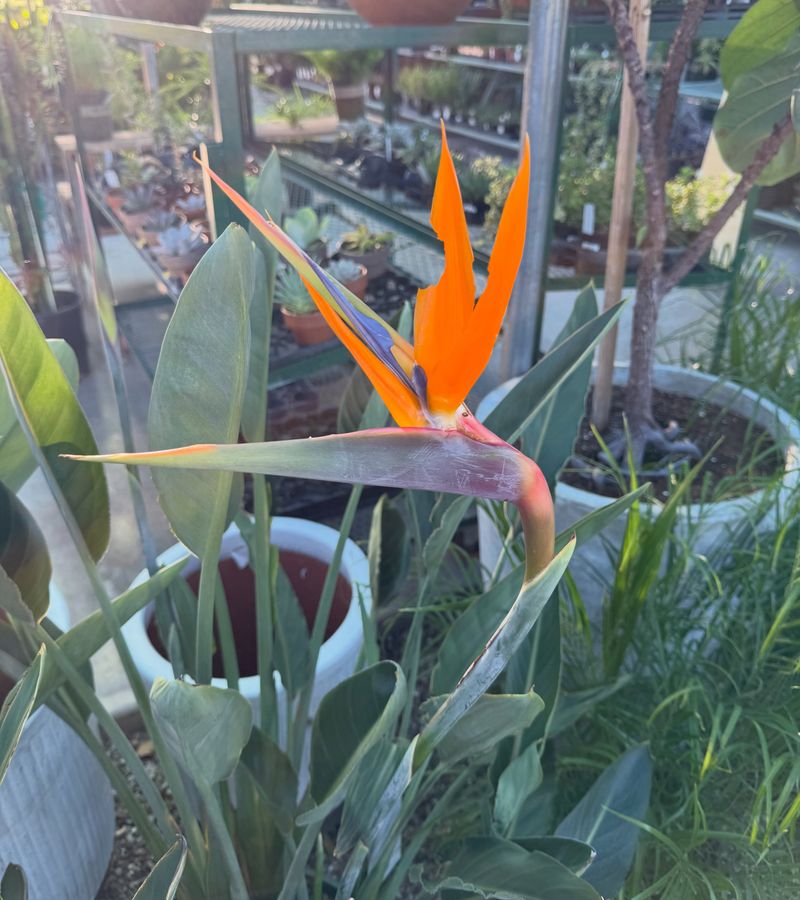
Tropical flowers in the desert are a bit of a gamble, and frost night is when the bet gets called. Hibiscus and orange bird of paradise both bring vacation vibes to a pool area, but neither handles freezing well.
Hibiscus can lose leaves and buds below 32 degrees and suffer real damage in the upper 20s. Orange bird of paradise, the Strelitzia type, tolerates a little more cold, though its large leaves still split and brown after a hard frost.
A simple frame of PVC pipe or garden stakes, topped with frost cloth, keeps fabric off these big leaves. Let the cover drop all the way to the soil and anchor it with heavy pots or rocks.
Old incandescent holiday lights strung under the cover add a small boost of heat on the coldest nights. LED strands stay cool, so they will not help here.
Worth knowing: the desert-adapted Mexican and red bird of paradise are different plants entirely. They tend to handle cold better and attract hummingbirds with less water.
If tropical care feels like too much work, those tougher cousins make a smart swap.
8. Potted Plants and Hanging Baskets
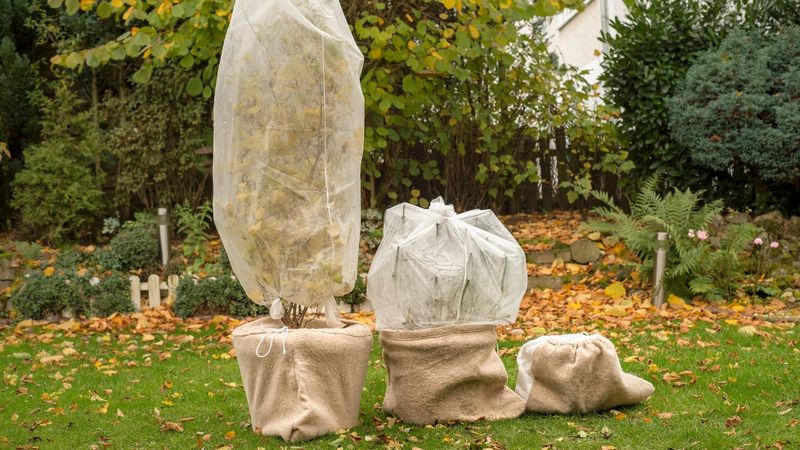
Containers are the easiest plants to save, simply because they can move. Roots in pots sit above ground with cold air on every side, so they chill much faster than roots tucked into soil.
When frost is forecast, gather pots into a tight group against a south- or west-facing wall. Clustering creates shared warmth, and that wall radiates heat collected during the day.
Hanging baskets are the most exposed plants in the whole yard. Take them down and set them on the ground near the house, or bring them into a garage for the night.
For pots too heavy to budge, wrap the container with burlap or bubble wrap, then cover the plant itself with frost cloth. Insulating the pot protects the roots, which matter most for survival.
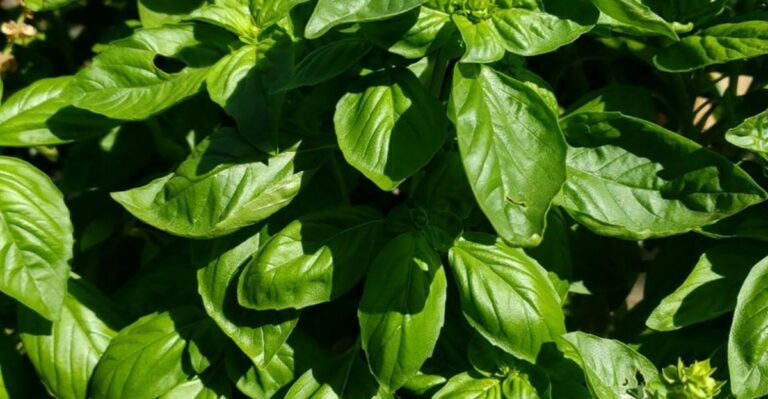
Herbs like basil will sulk at the first chill, while rosemary and sage usually handle it fine. Sort accordingly, and save your energy for the sensitive ones.
Once spring arrives, consider swapping a few tropical pots for native salvias or penstemon. They thrive in containers, feed pollinators, and rarely need a midnight rescue mission.
9. Newly Planted Natives
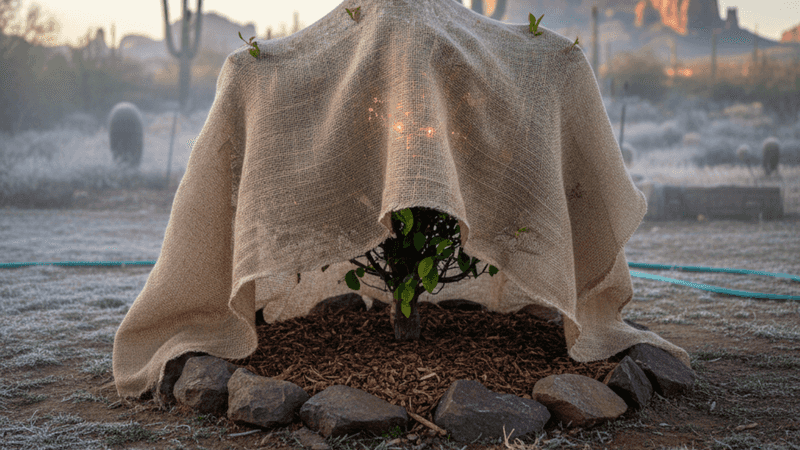
Fall is prime planting time in the low desert, which creates a funny twist. Those brand-new natives you set out in October may face their first frost before their roots settle in.
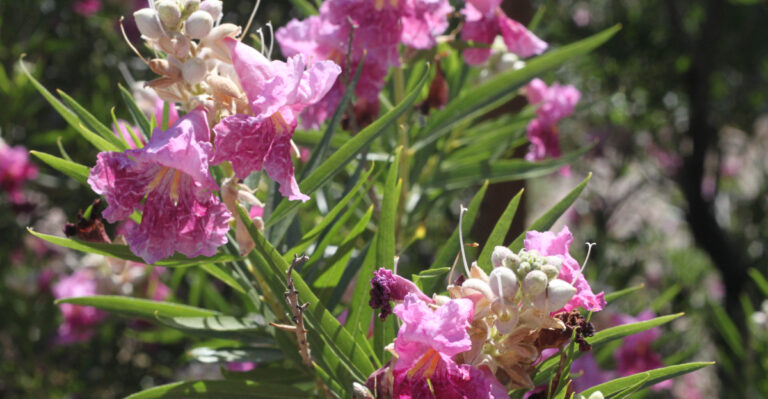
Desert willow, penstemon, and palo verde are tough once established. As youngsters, though, their shallow roots and tender stems can take a beating on a frigid night.
A little protection during the first winter helps them reach the hardy adult stage.
Small plants do well under an upside-down bucket, cardboard box, or mini tent of frost cloth. Ring each one with two to four inches of wood chip or straw mulch to hold warmth in the soil.
A deep watering the morning before a freeze helps as well, since damp soil traps more heat. Just avoid soggy conditions that invite root rot.
Why bother with plants that are supposed to be tough? These natives are the backbone of a working yard.
Desert willow blooms draw hummingbirds, penstemon feeds native bees, and palo verde eventually shades the house in July. Giving them a safe first winter means more shade, more pollinators, and less water down the road.
10. Low-Lying Cold Spots
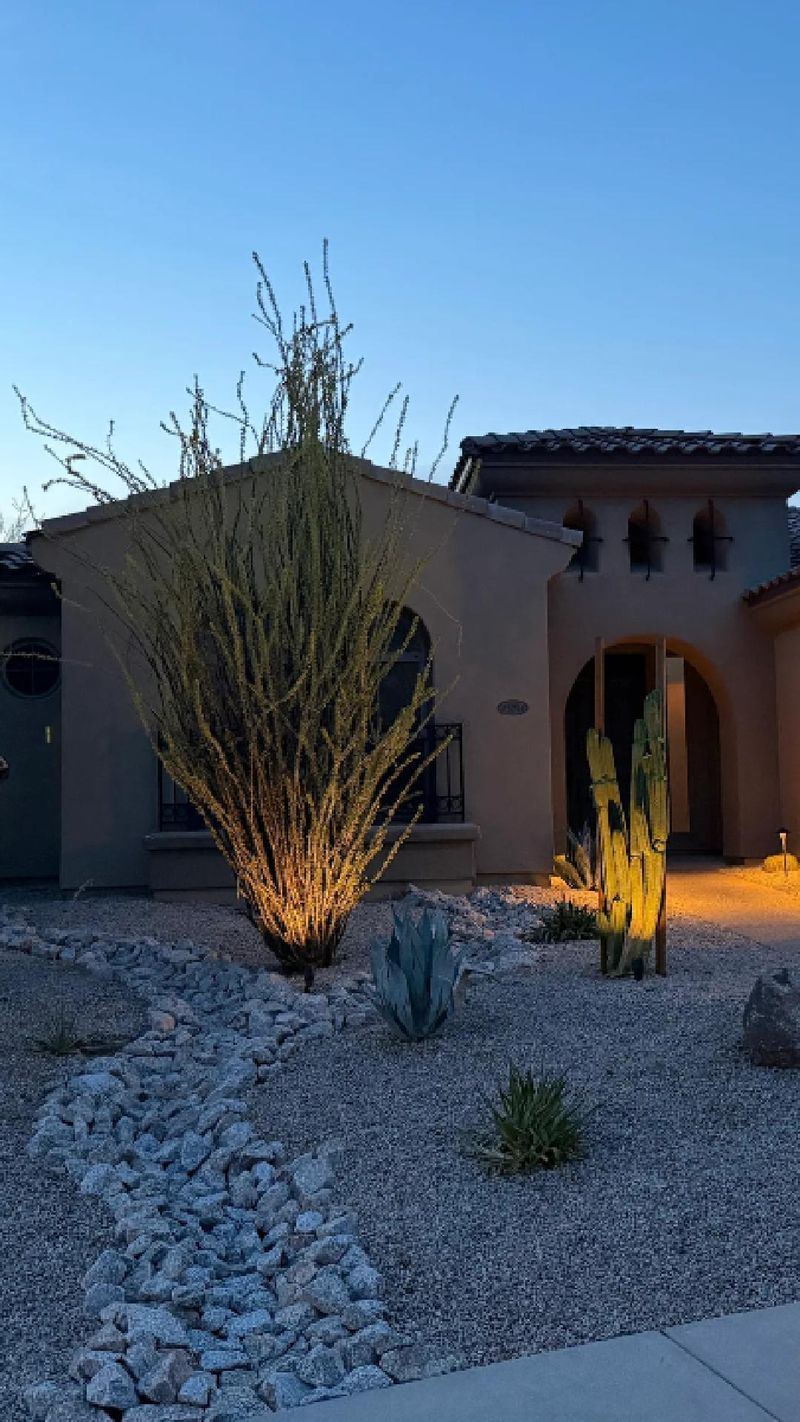
Cold air behaves like water, sliding downhill and pooling in the lowest spots it can find. That is why one corner of a yard can frost over while plants twenty feet away stay perfectly fine.
Walk your property and look for dips, the bottom of sloped driveways, sunken patios, and open spots far from walls. Anything tender planted in those zones needs your first and thickest covers.
Tracking these spots pays off quickly. On a frosty morning, check where white crystals linger longest on gravel or rooftops.
Snap a photo and keep it as a map for future cold nights.
Clear, calm nights are the riskiest, since no clouds hold heat near the ground. Watch for forecasts below 35 degrees and plan to cover sensitive plants in these pockets.
Long term, these cold corners are perfect for frost-tough natives. Brittlebush, desert marigold, and many agaves handle chilly pockets without blinking.
Save the warm walls and sheltered corners for citrus and tropicals. Matching each plant to the right microclimate turns frost season from a yearly scramble into a calm, quick routine, leaving more cozy evenings for you.