The Florida Herb That Loves Heat And Keeps Producing Into Fall
Some herbs struggle when summer heat lingers, but one particular herb can keep producing fresh growth well into fall.
That makes it an appealing choice for gardeners who want something useful beyond the hottest months. Its ability to handle warmth sets it apart from more temperature-sensitive favorites.
Still, growing through the heat does not mean this herb can thrive without proper care.
In Florida, warm fall conditions may give it extra time to develop before cooler weather arrives. The right growing conditions can make a difference in how long it remains productive.
Pay attention to its needs rather than assuming summer care should continue unchanged.
With suitable conditions, this herb may keep offering fresh harvests after other seasonal crops begin slowing down.
That extended growing period is part of what makes it worth considering for your garden.
1. Summer Heat That Wilts Lettuce Barely Slows This Kitchen Favorite
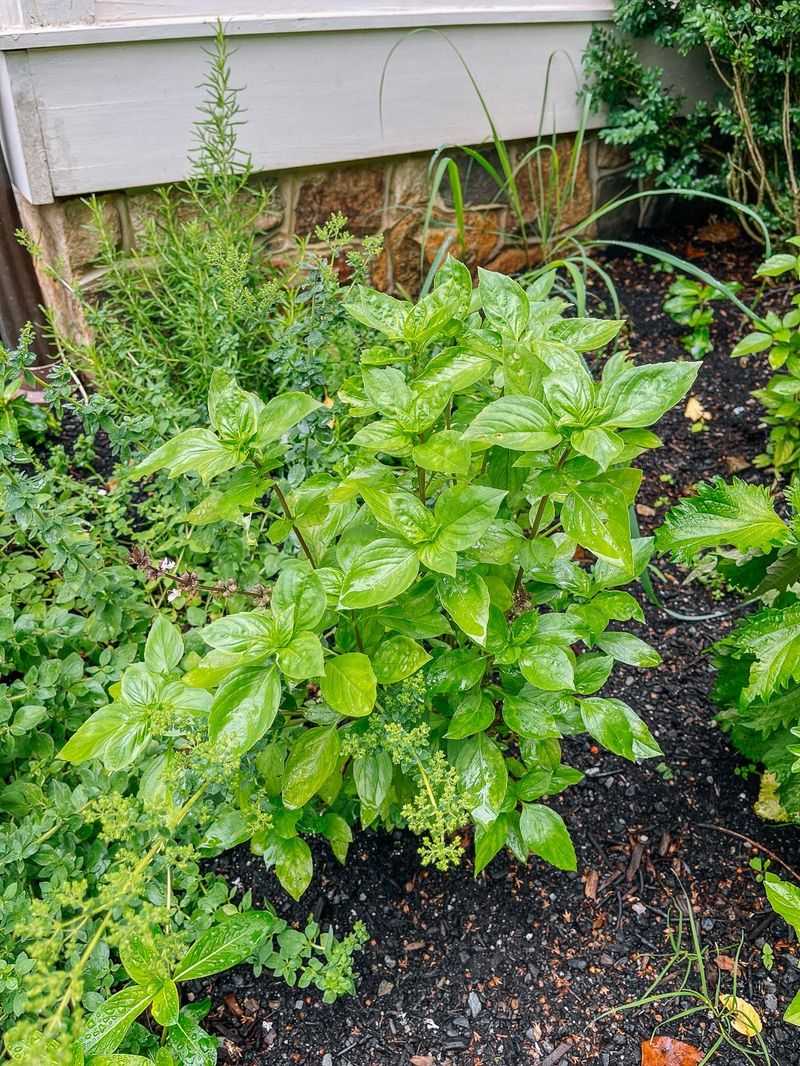
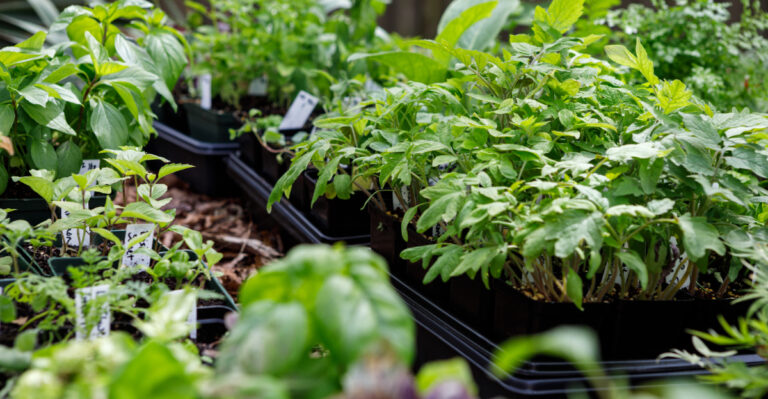
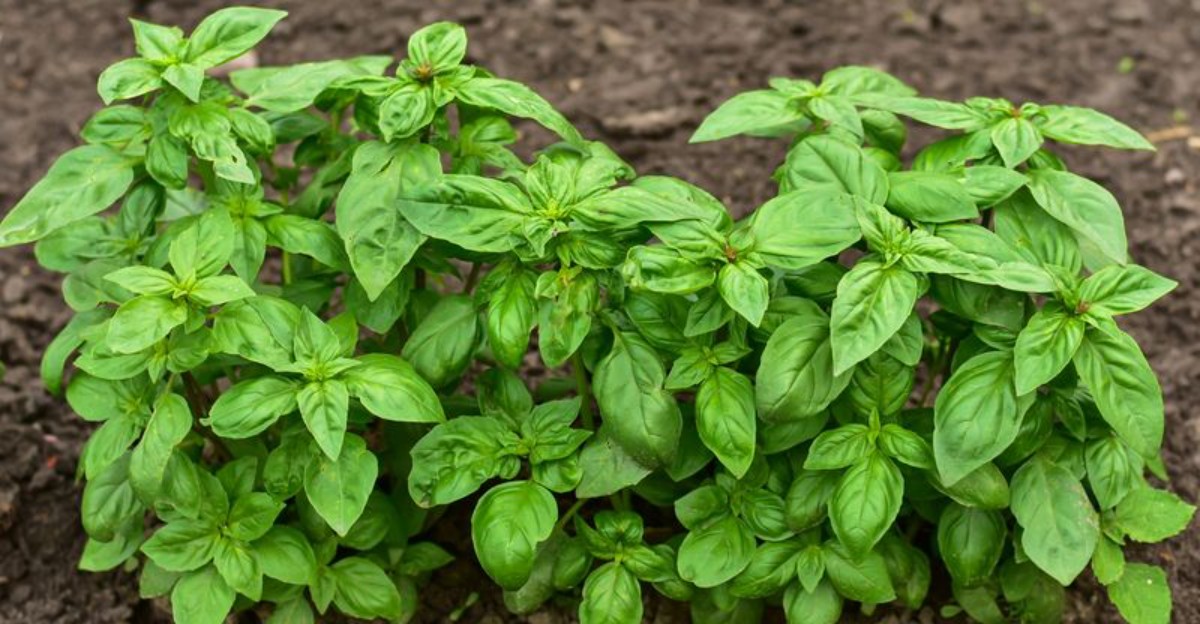
Lettuce bolts and turns bitter once summer heat arrives, but basil often seems to enjoy it. Sweet basil is a warm-season herb that grows best in warm soil and plenty of sunshine.
Heat-tolerant types like Thai basil tend to hold up especially well when the days stay hot and sticky.
In Florida, UF/IFAS lists basil as a warm-season herb, which is why it fits the long growing season here. South Florida gardeners may grow it for much of the year, while North Florida growers usually plant after frost risk passes in spring.
Full sun is usually best, though a little afternoon shade can help during the hottest stretch of summer. Plants in containers may need water more often, sometimes daily, since pots dry out quickly.
Soil matters too. Basil likes well-drained ground, and soggy roots can lead to rot during heavy summer rains.
Raised beds or pots with good drainage holes can make a real difference in a wet season.
Results will vary with your soil, rainfall, and care routine. Even so, basil is one of the more forgiving herbs to try when other leafy crops struggle in the heat.
Keep a plant near the kitchen door, and you may find yourself snipping leaves for dinner far more often than you expected.
2. Pinching Off Flower Buds Keeps Fresh Leaves Coming
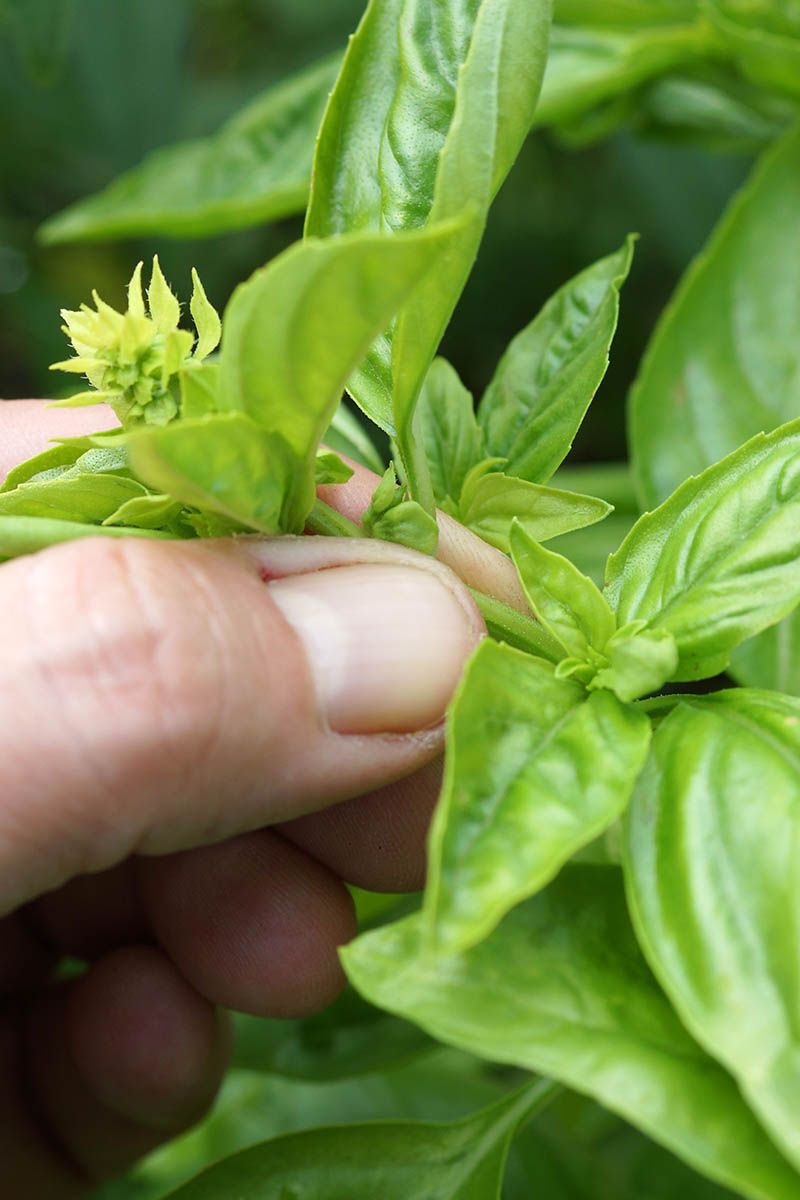
Small flower spikes look harmless, yet they change how your basil behaves. Once a stem starts flowering and setting seed, the plant tends to put less energy into new leaves.
Leaf flavor can also shift a bit as flowering continues, and some gardeners notice the leaves get smaller.
Pinching off those buds early is a simple fix. Use your fingers or clean snips to remove the tip just above a healthy pair of leaves.
Check your plants every few days during warm months, since buds can show up quickly.
Long summers in Florida mean basil may try to flower again and again. Staying on top of it is part of the routine, much like watering or weeding.
Not every flower needs to go, though. Bees and other pollinators visit basil blooms, so some gardeners let one plant flower while keeping the others trimmed.
Your Florida Garden Changes Every Week. Your Plan Should Too.
Gardening in Florida changes quickly throughout the season. Every Friday you’ll receive a simple weekly plan showing exactly what to plant, prune, fertilize, harvest, and protect so you never miss the right timing.
Those pinched tops are still useful in the kitchen. Toss the tender leaves into pasta, eggs, or a quick salad.
Consistent pinching will not make a plant last forever, and older stems can turn woody over time. Still, the habit usually stretches out your harvest and keeps the plant looking full and leafy much longer than one left alone.
3. Harvesting Just Above A Leaf Pair Encourages Bushier Plants
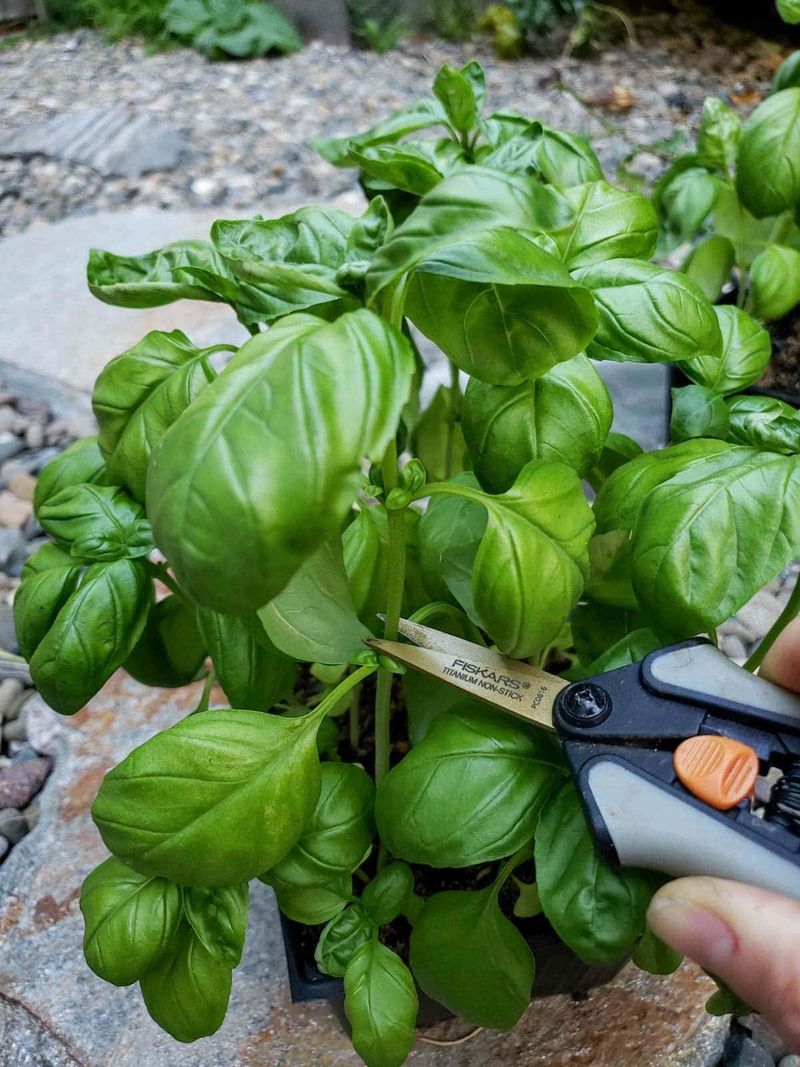
Where you cut matters more than how much you cut. Basil grows leaves in pairs along the stem, and tiny side buds sit right where those leaves join.
Snip just above a leaf pair, and those little buds often grow into two new stems.
Over time, one tall stalk can turn into a rounder, fuller plant with more leaves to pick. Picking only single leaves from the bottom, on the other hand, can leave you with a tall, thin plant.
Once your basil is roughly six to eight inches tall, you can start trimming the tips. A common guideline is to avoid removing more than about one third of the plant at once.
Morning is a good time to harvest in Florida, before the afternoon heat makes the leaves soft. Rinse the leaves gently and use them soon for the best flavor.
Regular harvesting also helps slow flowering, so the two habits work together nicely.
Plants still need decent sun, water, and soil to respond well. A stressed or shaded plant may not branch out much, no matter how carefully you cut.
Keep clean scissors handy in the garden. A quick trim each week can keep your basil productive and tidy.
4. Thai Basil Can Handle Hot Summer Conditions Well
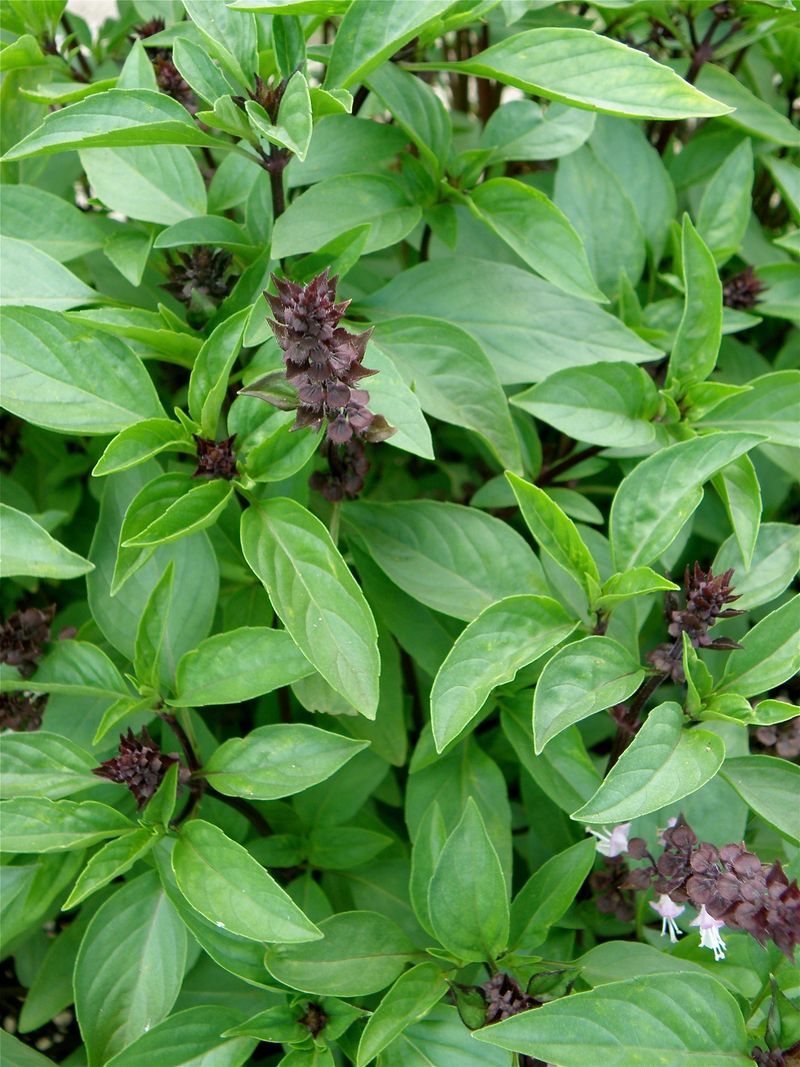
Purple stems, narrow leaves, and a sweet licorice scent make Thai basil easy to spot. Gardeners often grow it because it tends to stand up to heat better than some Italian types.
Its flavor holds up well in cooked dishes, especially stir-fries, curries, and noodle soups.
Hot, humid weather is a big part of Florida summers, and Thai basil usually copes with it nicely. Many home growers find it keeps going through stretches where sweet basil looks tired.
Like other basils, it still needs sunshine and well-drained soil. Heavy rain can be a problem if water collects around the roots.
Flowers on Thai basil are attractive, and some people let them stay for the bees. If leaves are your main goal, keep pinching the blooms to encourage more growth.
Seeds and small plants are often sold at garden centers in spring. Starting a few plants at once gives you plenty to cook with and a backup if one struggles.
Heat tolerance does not mean the plant is trouble-free. It can still face pests, disease, or stress, depending on the weather and care.
For a hot-season herb with bold flavor, though, it is well worth a spot in the garden.
5. Yellowing Leaves With Gray Fuzz Underneath Signal Downy Mildew
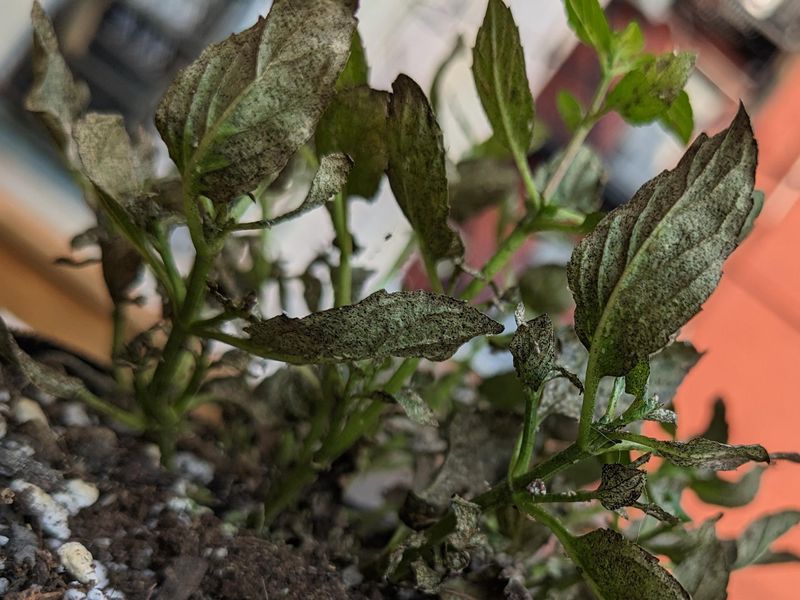
Flip a yellowing leaf over before you blame the fertilizer. Basil downy mildew often starts as yellow patches on top of the leaf, sometimes bordered by the veins.
Underneath, you may see a gray, dark, or purplish fuzzy coating, especially after humid nights.
Downy mildew has become a well-known problem for basil growers, and it has been reported in Florida. Humid weather and long periods of wet leaves can favor the disease.
Yellow leaves can have other causes, like overwatering, poor drainage, or a lack of nutrients. Checking the leaf underside is one of the best ways to tell the difference.
If you spot the fuzz, remove affected leaves or badly infected plants and bag them instead of composting.
Watering at the soil level, rather than over the top, helps keep leaves drier. Spacing plants apart and trimming crowded stems can also improve airflow.
Morning watering gives leaves time to dry during the day. That small change can lower the risk a bit, though it will not prevent every case.
Not sure what you are seeing? Your local UF/IFAS Extension office can help identify the problem and suggest options that fit your situation.
6. Resistant Varieties Like Prospera Can Reduce Mildew Trouble
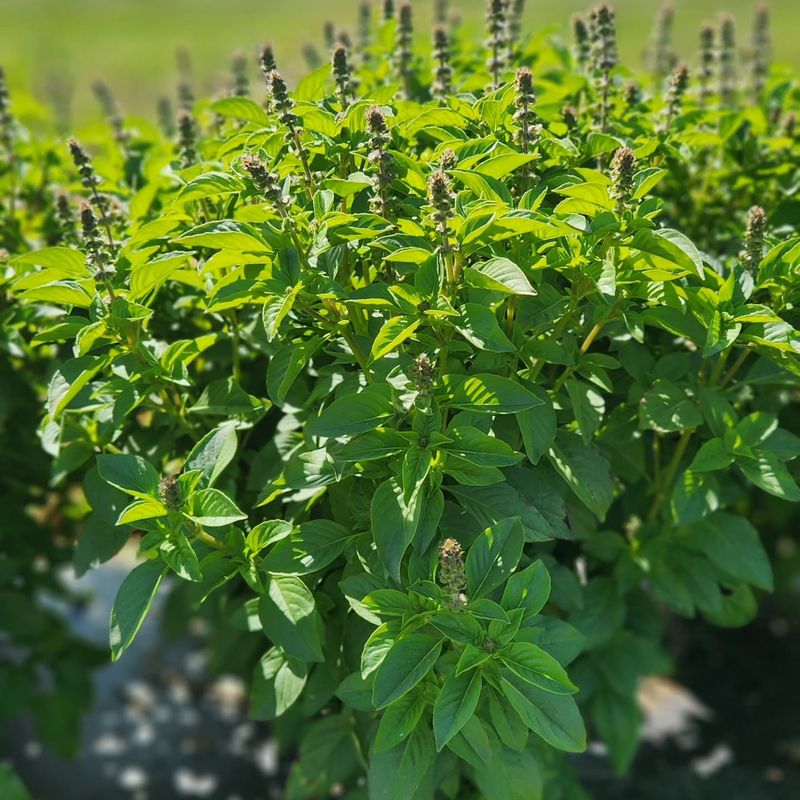
Picking the right seed packet may save you more trouble than any spray. Plant breeders have developed sweet basil varieties with resistance to downy mildew.
Prospera is one well-known example, and it offers the classic Genovese-style flavor many cooks like.
Resistance is not the same as immunity. Under heavy disease pressure, a resistant plant can still get some mildew, but it often holds up better than a typical variety.
Other resistant types are available too, and names like Rutgers Devotion or Obsession DMR sometimes show up in catalogs. Selection may vary by seed company and by year.
Humid summers in Florida make these choices worth considering, especially if mildew wiped out your plants before. Pairing resistant seeds with good spacing and careful watering gives you the best odds.
Look for terms like DMR or downy mildew resistant on seed labels.
Thai basil and some other basil types may also show fewer problems, though results differ between gardens. Trying a few kinds side by side can show what works in your own yard.
Keep notes on which plants stayed healthy through summer and fall. Those notes can guide your choices next season and help you skip varieties that struggled.
7. Temperatures Below Forty Degrees Can Damage Basil Leaves
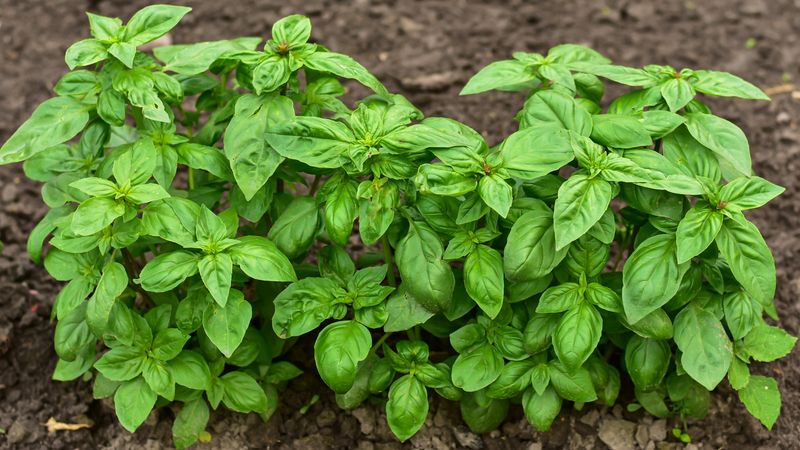
Basil dislikes cold far more than heat. Leaves can show chilling injury when temperatures drop below about 40 degrees, even without frost.
Damaged leaves may turn dark, spotted, or blackened, and frost can damage the plant badly.
Across Florida, cold timing differs a lot by region. North Florida often sees chilly nights in late fall and winter, while South Florida may have only a few cool spells.
Central Florida falls somewhere in between, and some winters are milder than others. Watching the local forecast is the most reliable way to plan.
When a cold night is coming, harvest generously before it arrives.
Potted basil is easy to move into a garage or indoors overnight. For plants in the ground, a frost cloth or old sheet can offer some protection, though it may not save tender leaves during a hard freeze.
Store harvested basil at room temperature in a glass of water, like cut flowers. Cold refrigerators can also darken the leaves.
Fall can still be a productive time before cold arrives, especially farther south. Some gardeners root cuttings in water to keep a small plant going indoors until spring planting time returns.