The Louisiana Christmas Cactus Light Habit That Can Delay Holiday Blooms
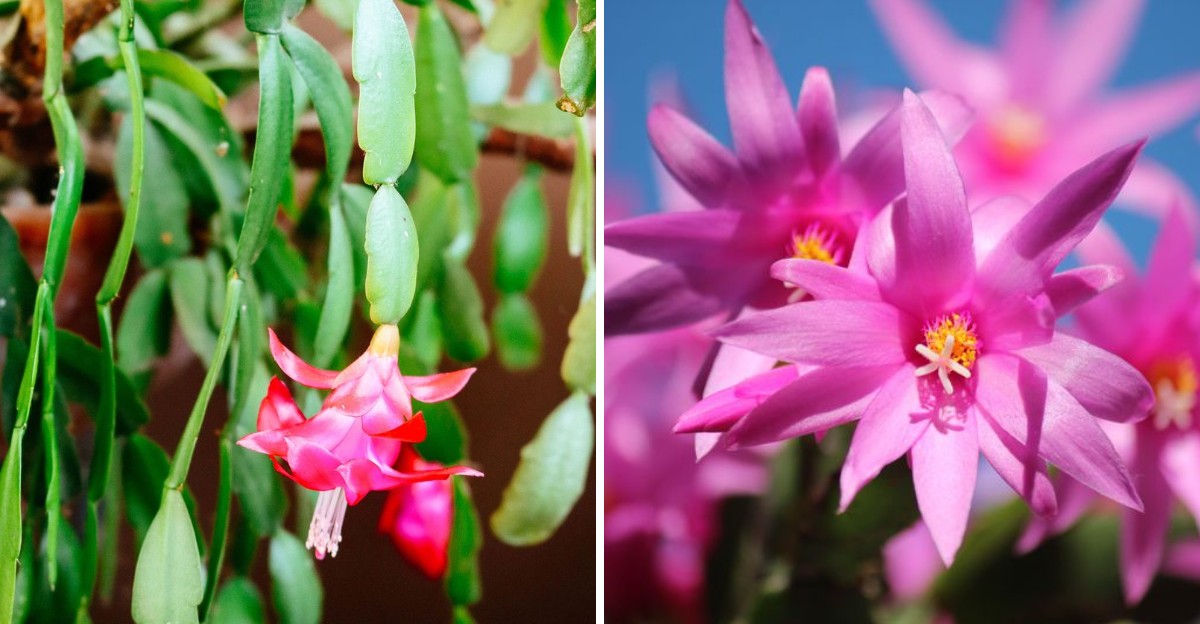
Your Christmas cactus looks healthy, yet it has quietly decided to skip December. Louisiana porches host plenty of these glossy green showoffs by October.
You water them, praise them, and maybe hum a Cajun waltz. Still, flat green pads and a few segments greet you in December.
Check your lamp. Bloom buds need long, uninterrupted darkness, and your living room may not provide it.
Lamps, televisions, and party lights expose the plant to artificial light until late. Extra light can tell your cactus that nights stay short.
Cooler nights help too, and Louisiana autumns often run warm. Without that signal, the plant may send energy to green pads, not blooms.
A dark closet and a cooler corner can flip that switch in weeks. Timing matters, and mid-October is the ideal start. Tonight your lamp goes dark and the countdown begins.
Too Much Light After Sunset Can Block Buds
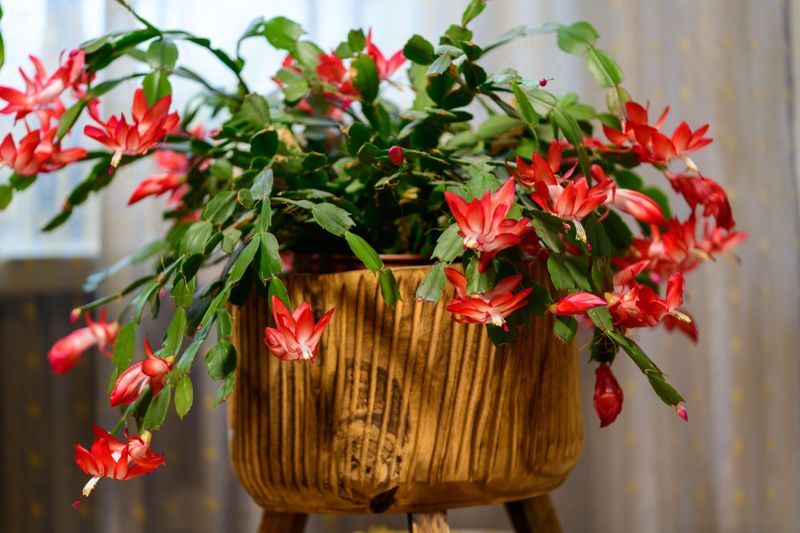
Picture a plant that reads the calendar by staring at the night sky. Your holiday cactus works just like that, and it needs long nights to set buds.
A common issue is letting artificial light break up its evenings in fall. A lamp, a TV glow, or a porch bulb can reset its inner clock.
These plants are short-day bloomers, which really means they are long-night bloomers. They need about 12 to 14 hours of steady darkness each night to form flower buds.
Bright or repeated light in the middle of the night can count as a break. The plant may read that glow as a short night and keep growing new segments instead.
In many years, Louisiana adds another factor to this story. In warm years, autumn nights can stay mild, which delays the cooler temperatures that help buds.
When cool nights arrive late, long darkness becomes your best tool. Without either helper, many plants may stay green and bloomless through the whole holiday season.
Think of it like a kid who stays up late every night before a big test. The plant may skip budding and simply keep growing pads instead.
Many gardeners blame water, fertilizer, or the pot first. Those matter, but light at night is a common hidden factor behind a bloomless December.
Fixing this problem costs little beyond a bit of planning. Once you protect those long nights, your plant can finally do what it was born to do.
The Six To Eight Week Window Starting In October
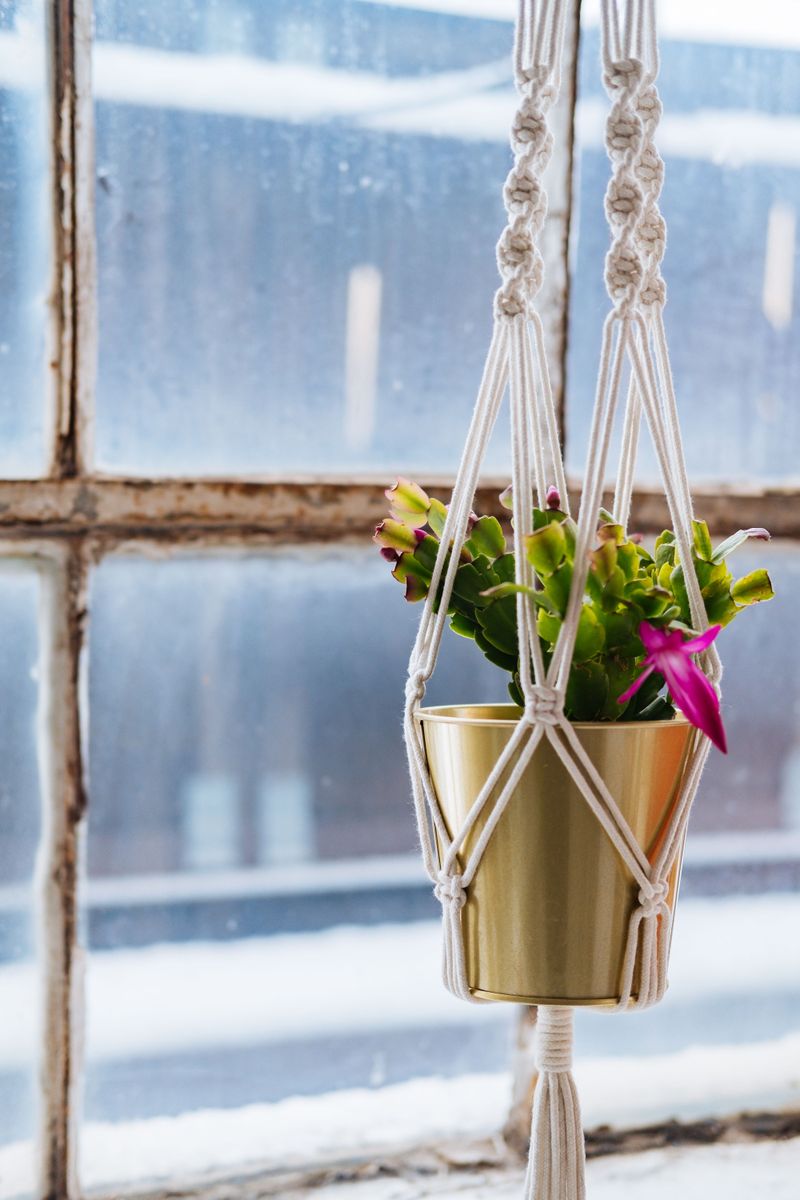
October is the month that decides your December. Starting now gives the plant roughly six to eight weeks of long nights before the holidays.
Holiday cactus plants typically need six to eight weeks of long nights to set buds. After that, the flowers take a few more weeks to swell and open.
Count backward from Christmas, and you land right around the middle of October. If you wait until Thanksgiving, you may only see blooms in late January instead.
Some folks grow the Thanksgiving cactus by mistake, since stores often mix up the labels. Its pads have pointy, claw-like edges, and it blooms a few weeks earlier.
Your Louisiana Garden Changes Every Week. Your Plan Should Too.
Gardening in Louisiana changes quickly throughout the season. Every Friday you’ll receive a simple weekly plan showing exactly what to plant, prune, fertilize, harvest, and protect so you never miss the right timing.
Both types respond to long nights, so the plan works for both. The claw-edged kind reacts more strongly, so expect color sooner.
In south Louisiana, mid-October still feels like summer on many afternoons. That warmth is fine, as long as the evenings stay dark and quiet.
Mark the start date on your kitchen calendar or phone. A simple reminder keeps you from losing track when life gets busy around Halloween.
Consistency matters more than perfection during these weeks. Skipping a single night here and there may nudge the bloom date back by a few days.
Mature plants with lots of healthy pads may well respond faster than tiny cuttings. Give young plants a little extra patience this first season.
Once tiny pink or red bumps appear at the pad tips, you can relax a bit. The hardest part of the job is behind you by then.
Porch Lights, Lamps, And Other Hidden Night Lights

Walk through your home after dark and look at it like a plant would. Suddenly that cozy reading lamp looks much brighter than before.
Ceiling lights, TV screens, and even a bright hallway nightlight can disturb the dark. A plant near a busy living room window may struggle to bloom.
Outdoor light sneaks in too, especially in Louisiana neighborhoods. Streetlights, security floods, and porch bulbs left on for trick-or-treaters can shine right through glass.
Plants kept outside on a porch face the same problem. A motion light that clicks on whenever a cat strolls by can break the night again and again.
Here is a quick rule of thumb to try. Stand by your plant after dark, and if you can read there, it’s probably too bright.
Grandmothers in the South often kept these plants in spare bedrooms for good reason. Those rooms stayed shut and dim, so the cactus often bloomed reliably each winter.
That old trick still works today. A guest room, laundry nook, or seldom used office can make a perfect fall home.
Blackout curtains are another easy fix for rooms that face the street. They block the glow without forcing you to move the plant at all.
Just check that nobody flips the light on at midnight looking for socks. One curious family member can undo a week of careful work.
Taping a small note to the light switch saves plenty of trouble. Something like plant sleeping, lights off works wonders with kids and spouses.
A Simple Closet Or Box Routine For Dark Nights
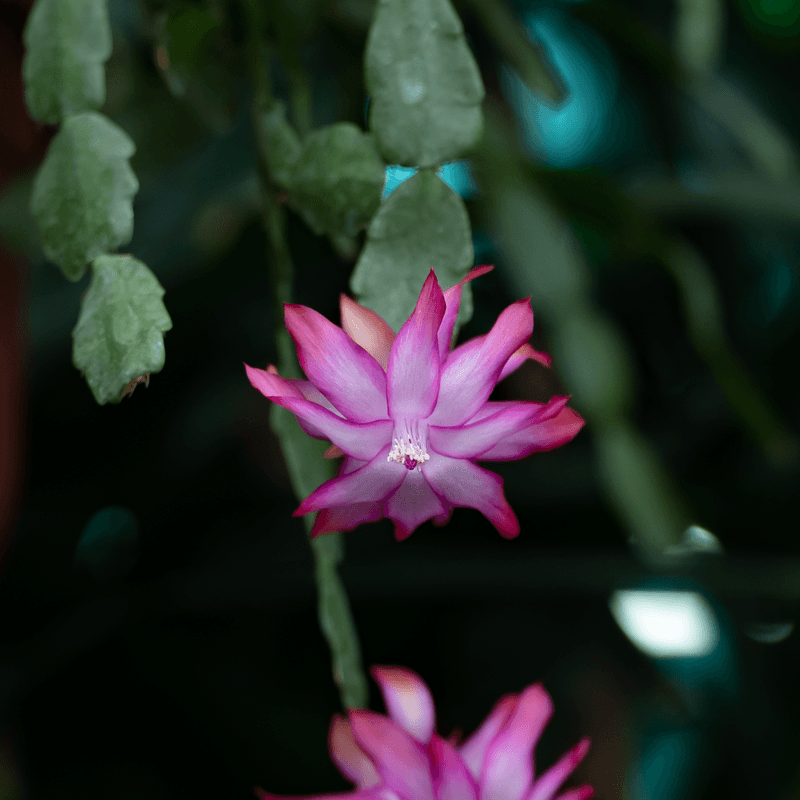
No spare room in your house? A closet, a cardboard box, or a dark cabinet can do the same job.
Each evening around six, move the plant into its dark spot. Around eight the next morning, bring it back to a bright window.
That schedule gives about 14 hours of darkness and 10 hours of daylight. Bright, indirect light during the day keeps the plant strong enough to build buds.
Skipping the daytime light is a mistake people make when they get excited about darkness. A plant left in a closet all day will weaken instead of bloom.
If you prefer a box, pick one tall enough that it will not crush the pads. Drop it over the pot each evening, and lift it off at breakfast.
Cool temperatures help too, ideally between 50 and 60 degrees at night. In Louisiana, an unheated garage or shaded porch might hit that range, depending on the year.
Watch the forecast, though, because these plants dislike cold. Bring them inside if temperatures drop below 45 degrees.
Water a little less during this stretch, letting the top inch of soil dry first. Skip fertilizer for now, since the plant should focus on flowers, not leaves.
A dark bathroom cabinet works for small pots, too. Keep the door shut overnight, then open it each morning for fresh air.
It sounds like a chore, but it takes about one minute each day. Many gardeners pair it with feeding the dog or making the morning coffee.
Buds, Blooms, And The Payoff By December
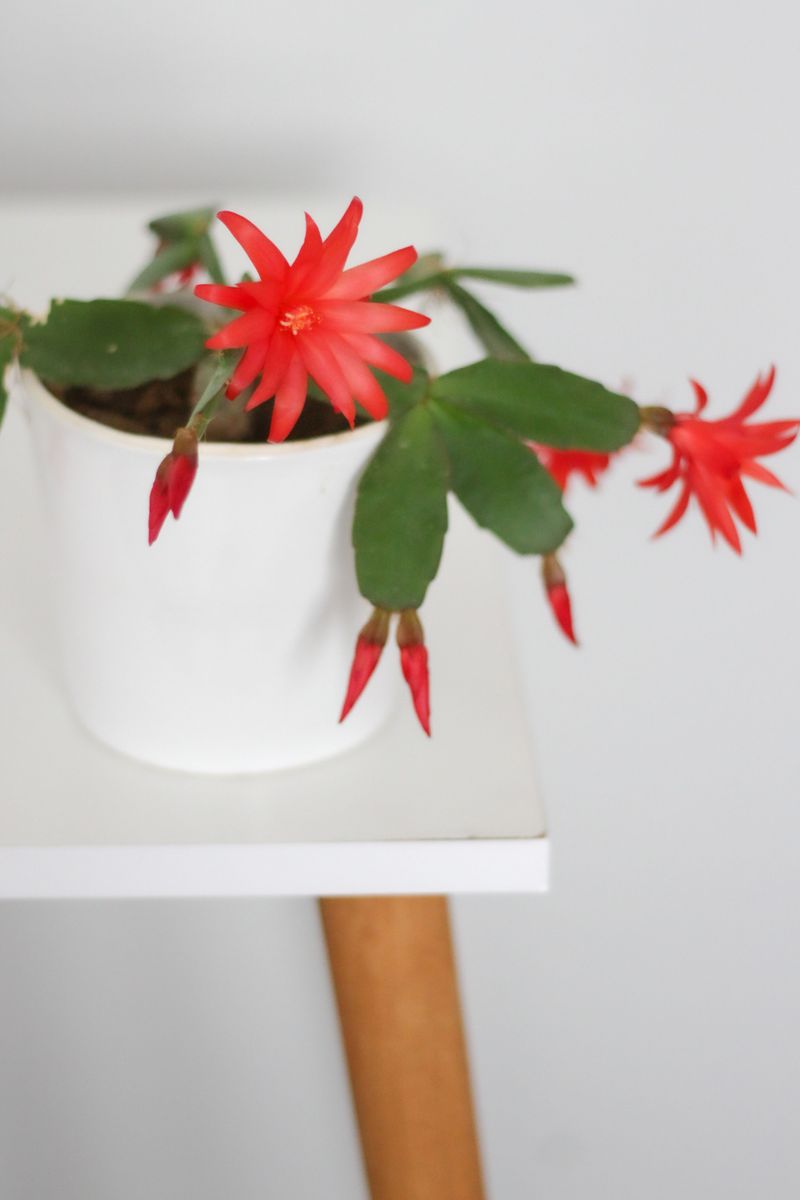
Few garden moments feel as sweet as spotting the first tiny bud. It looks like a pink freckle on a pad tip, and it means your work paid off.
Buds usually show up after four to six weeks of steady long nights. From there, they grow slowly for several more weeks before opening.
Once buds are clearly visible and well formed, you can stop the nightly closet routine. The plant has made its decision and will carry on without your help.
Now comes the tricky part, because buds dislike sudden change. Sudden moves, cold drafts, or big temperature swings can make them drop off early.
Pick a bright spot away from heater vents and drafty doors, then leave it there. Turning the pot often can also confuse the buds, so resist the urge.
Keep the soil lightly moist while buds are forming. Bone-dry soil is one of the top reasons flowers fall off before they open.
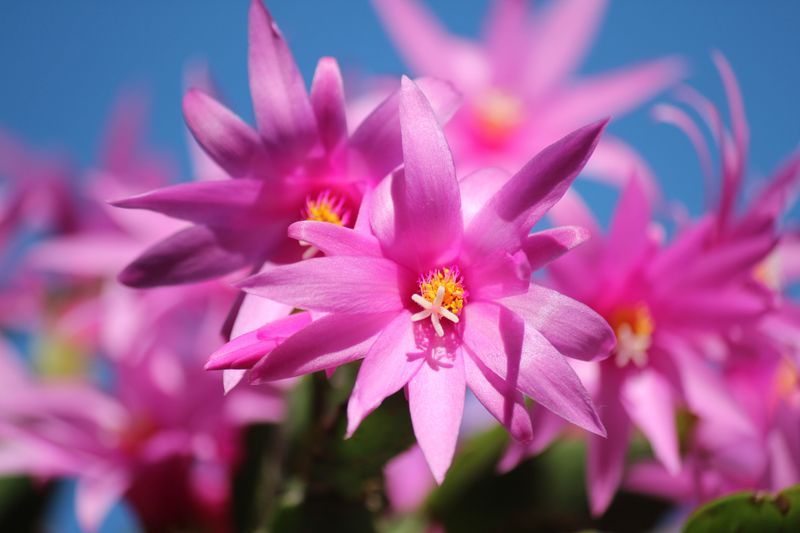
By mid-December, the payoff can be vivid. Bright pink, red, white, or coral flowers dangle from every arm like little lanterns.
Each flower lasts several days, and a healthy plant can keep blooming for weeks. That makes it a long-lasting holiday plant you can enjoy for weeks.
Some families in Louisiana have passed the same plant down for generations. Imagine a cactus older than your grandpa, still putting on a show each Christmas.
Snap a photo when the first flowers open. Next year, that picture becomes a handy reminder of what all those dark nights can do.
Next Year’s Plan For A Repeat Holiday Show
Smart gardeners treat the end of bloom season as the start of next year’s show. A little care in each season sets up another round of December color.
After the last flower fades, let the plant rest for about a month. Water lightly and keep it in a cool, bright room.
Spring is the time to prune and repot if needed. Twist off a few pad sections to shape the plant, and root those pieces for gifts.
During Louisiana summers, these plants enjoy a shady porch or the dappled light under a tree. Harsh afternoon sun can scorch the pads and turn them reddish.
Feed with a balanced houseplant fertilizer every few weeks from spring through August. Stop feeding by September so the plant can shift gears toward blooming.
Set a phone reminder for early October right now, while the idea is fresh. Future you will be grateful when the darkness routine starts on time.
Think about where the plant will spend its fall nights before the season arrives. Choosing that dark corner ahead of time removes the guesswork later.
A snug pot helps, too, because these plants bloom best when slightly root-bound. Repot only every two or three years into a container one size larger.
Use a fast-draining cactus or orchid mix when you repot. Soggy soil invites root rot, which can set back years of growth.
Treat your cactus like a friend who needs early bedtimes in autumn. Respect those long, quiet nights, and it can reward you with color each winter.