Stop Mold And Algae Before They Take Over Your Louisiana Siding By Following These Prevention Tips
Your siding is already changing right now, and you might not notice. Green film spreads quietly across walls while you sleep. Black streaks creep into brick, wood, and painted trim.
Louisiana’s climate practically invites this growth every single season. Humidity clings to your home like an uninvited guest. Rain soaks your exterior, then thick heat locks moisture inside.
That combination breeds spores faster than most homeowners ever realize. Algae feeds on dust and pollen, multiplying fast across your siding. Mold spreads deeper still, softening surfaces you cannot easily replace.
Louisiana homes face this challenge harder than almost anywhere else in the country. Cleaning products alone will not solve what’s happening beneath the surface.
Prevention demands understanding why this growth thrives here specifically. Ignoring it guarantees expensive repairs further down the road.
Nothing about this problem waits patiently for anyone, including you. Real protection starts now, before the situation becomes irreversible.
1. Cut Back Trees Shading The Walls
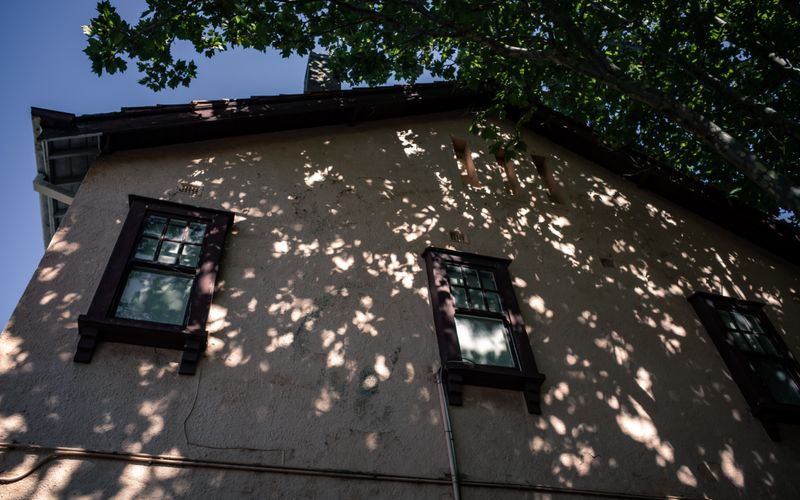
Shade feels nice on a hot afternoon, but it can be an overlooked contributor to moisture buildup on your siding.
Trees hanging over your home block sunlight that would otherwise dry out moisture on the walls. Without that drying power, water just sits there, feeding every spore that lands on your exterior.
Cutting back branches keeps sunlight hitting your siding throughout the day. That natural drying action is one of the most powerful weapons you have against mold and algae growth.
Aim to keep branches a few feet away from your walls to let sunlight and air reach the siding. This gives air and light enough room to do their job properly.
You do not need to chop down beloved trees to protect your home. Strategic trimming is enough to shift conditions in your favor.
A good pair of loppers or a pole saw handles most jobs easily. For large limbs, hire a certified arborist to avoid damage to the tree or your roof.
Check your yard every spring and fall for new growth creeping back toward the house. Trees grow faster than most people expect, especially after a rainy season in the South.
Staying on top of this one task can dramatically reduce the moisture clinging to your siding all year long. Sunlight helps dry out moisture, but pair it with the other steps below for full protection.
2. Wash Siding Using A Mild Bleach Mix
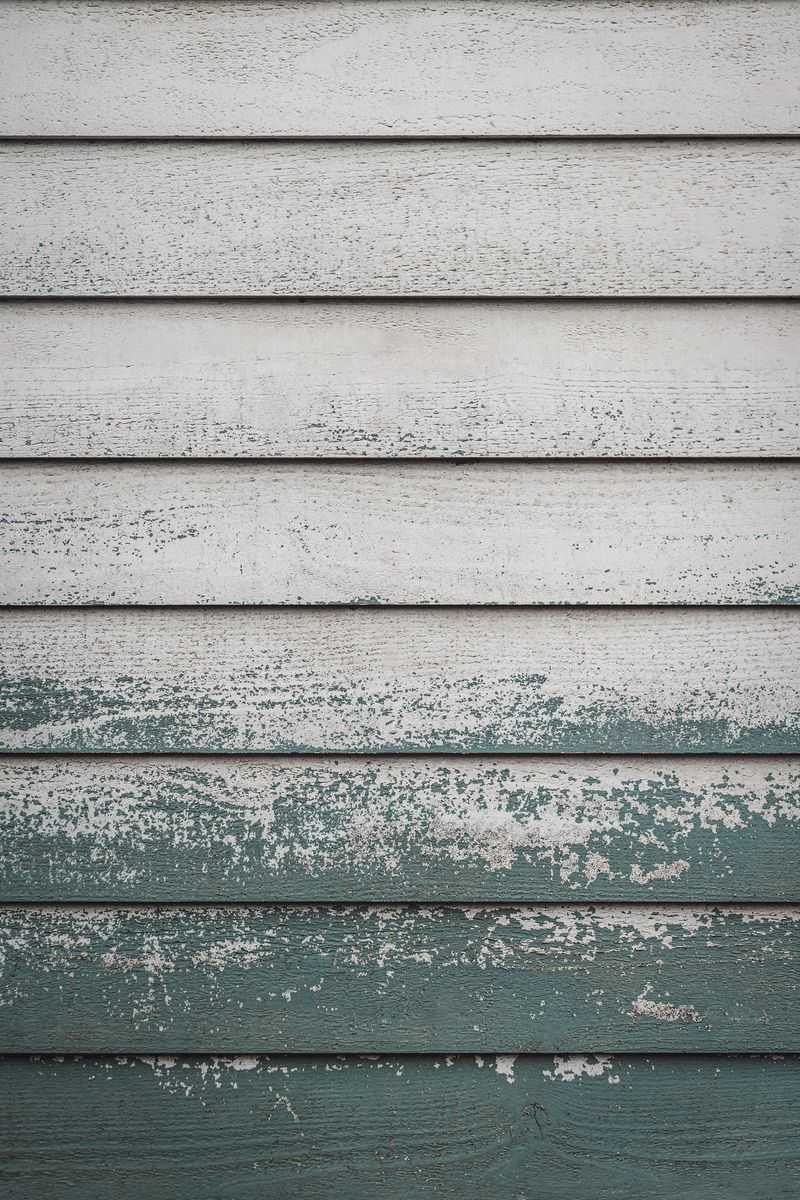
Green streaks on your siding are not just ugly. They are alive. Algae and mold colonies spread fast once they get a foothold on your exterior walls.
A mild bleach solution is one of the most effective ways to stop that spread cold. Mix one cup of bleach with a gallon of water, then add a few drops of dish soap to help it stick.
Apply the mix with a soft-bristle brush or a garden sprayer. Work from top to bottom so the solution runs down over already-treated areas instead of dripping onto clean spots.
Let the mixture sit for about ten minutes before rinsing it off with a hose. That dwell time gives the bleach a chance to break down the mold at the root level.
Your Louisiana Garden Changes Every Week. Your Plan Should Too.
Gardening in Louisiana changes quickly throughout the season. Every Friday you’ll receive a simple weekly plan showing exactly what to plant, prune, fertilize, harvest, and protect so you never miss the right timing.
Always wear rubber gloves and eye protection when working with bleach outdoors. Protect nearby plants by soaking the soil around them with water before you start washing.
This cleaning method works best on vinyl, fiber cement, and painted wood siding. Avoid using bleach on natural cedar or redwood, as it can strip the wood’s natural oils and cause damage.
Repeat this wash at least twice a year, once in spring and once in fall. Consistency is what keeps your exterior looking fresh and stops mold and algae from making a comeback on your siding.
3. Add Gutters To Redirect Rainwater
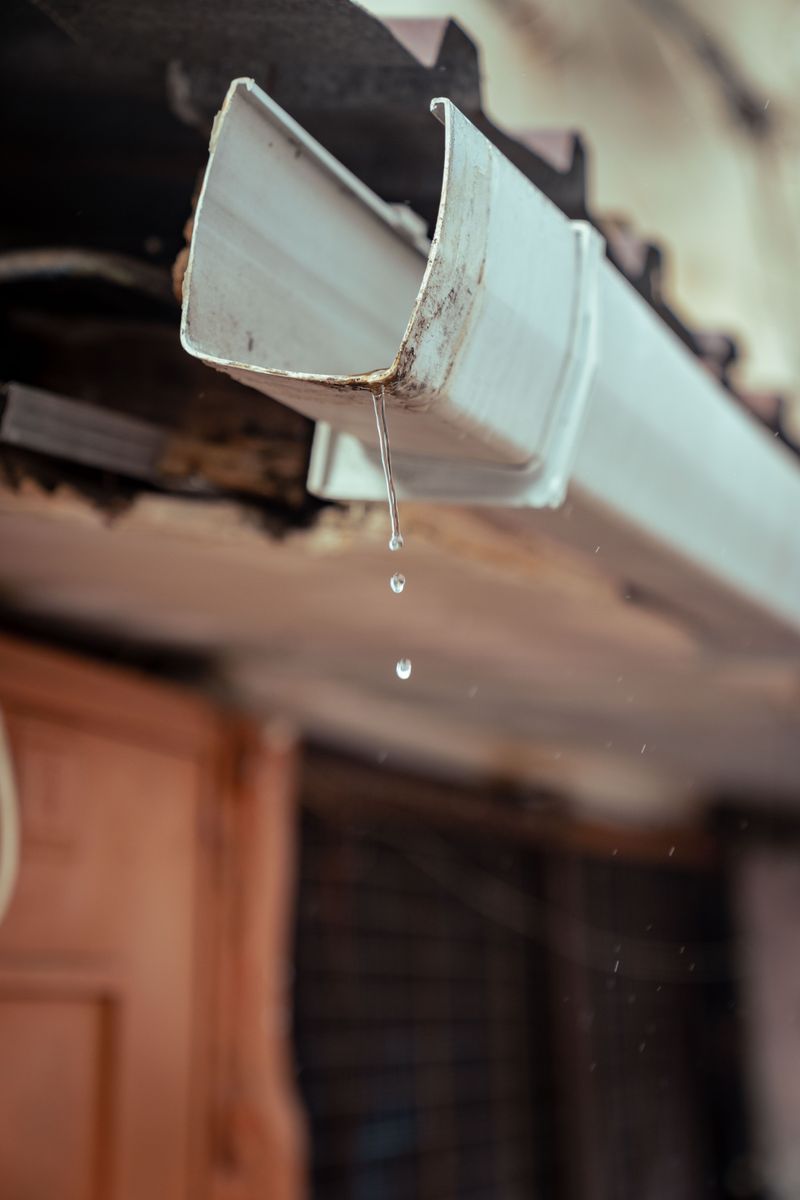
Rain in the South falls heavily and often. Without proper gutters, all that water cascades straight down your walls and soaks into every crack along your siding.
Constant moisture against your exterior is exactly what mold and algae are waiting for. Standing water at the base of your walls makes the problem even worse over time.
Gutters channel rainwater away from your home’s surface and direct it safely to downspouts. Those downspouts then carry the water away from the foundation, keeping the whole exterior drier.
Make sure your downspouts extend well beyond the base of the house to keep water away from the foundation. Water that pools close to the foundation will wick back up against the siding and restart the moisture cycle.
Clean your gutters at least twice a year to prevent clogs. Blocked gutters overflow and dump water right back onto the walls, defeating their entire purpose.
Consider adding gutter guards to cut down on leaf buildup between cleanings. They are a small investment that saves you a lot of ladder time throughout the year.
Seamless aluminum gutters are a popular and durable option for homes in wet climates. They have fewer joints, which means fewer spots for leaks to develop and send water where it does not belong.
Proper water management is one of the smartest moves a homeowner can make. Dry siding is resistant siding, and gutters are the first line of defense against mold and algae.
4. Coat Surfaces With Mold-Resistant Sealant Yearly
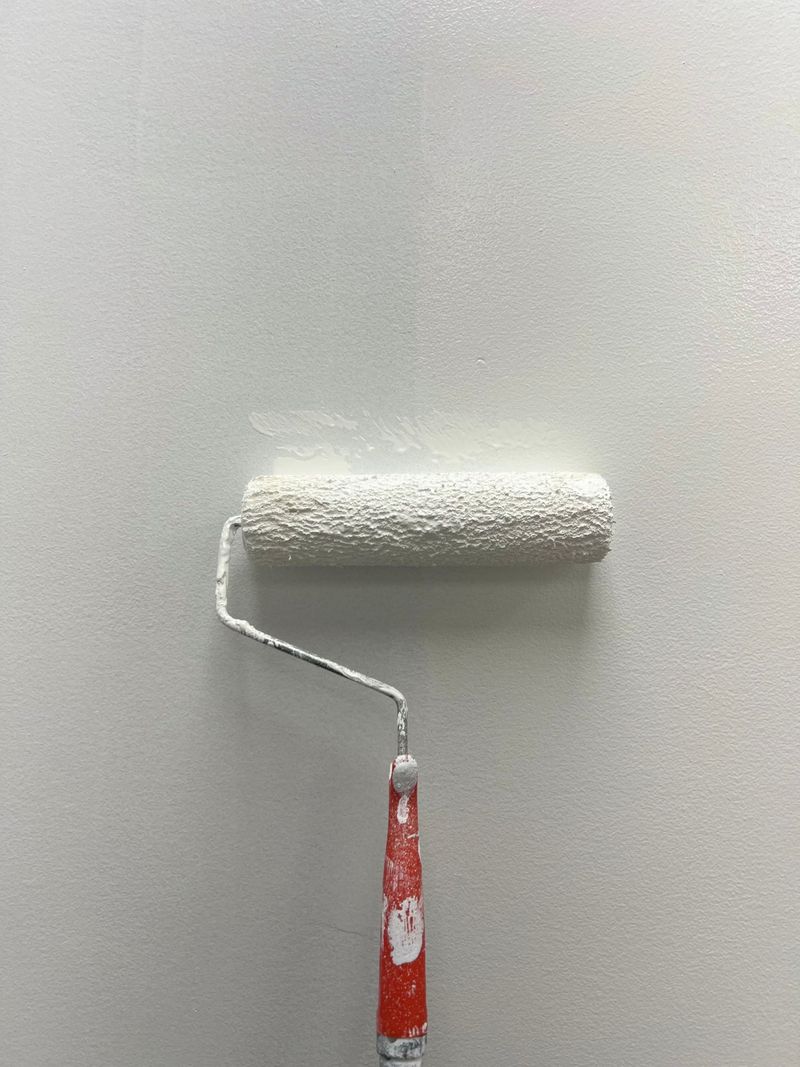
Think of mold-resistant sealant as a protective barrier for your exterior walls. It creates a barrier that makes it much harder for spores to grab hold and grow.
Most sealants contain antifungal compounds that actively repel mold and algae. They work by making the surface inhospitable to the organisms that cause those ugly dark streaks.
Apply a fresh coat every year, ideally in late spring before the rainy season ramps up. Waiting too long into summer means mold may already have a head start on a freshly cleaned surface.
Before applying sealant, clean your siding thoroughly and let it dry completely. Sealing over damp surfaces traps moisture underneath, which actually encourages the growth you are trying to stop.
Use a paint roller or a wide brush for flat surfaces and a smaller brush for trim and corners. Even coverage is the goal, missed spots become entry points for spores.
Look for products labeled antimicrobial, mildew-resistant, or mold-inhibiting. Some exterior paints include these properties in their formula, so check product labels before buying.
Sealants work best on smooth surfaces like vinyl, fiber cement, and painted wood. Rough or textured siding may need a thicker application to fully coat all the tiny grooves where moisture hides.
Annual coating is a small effort that pays off in a big way. Protecting your siding now saves you from expensive scrubbing, repairs, and replacements down the road.
5. Repair Leaky Pipes Close To Siding
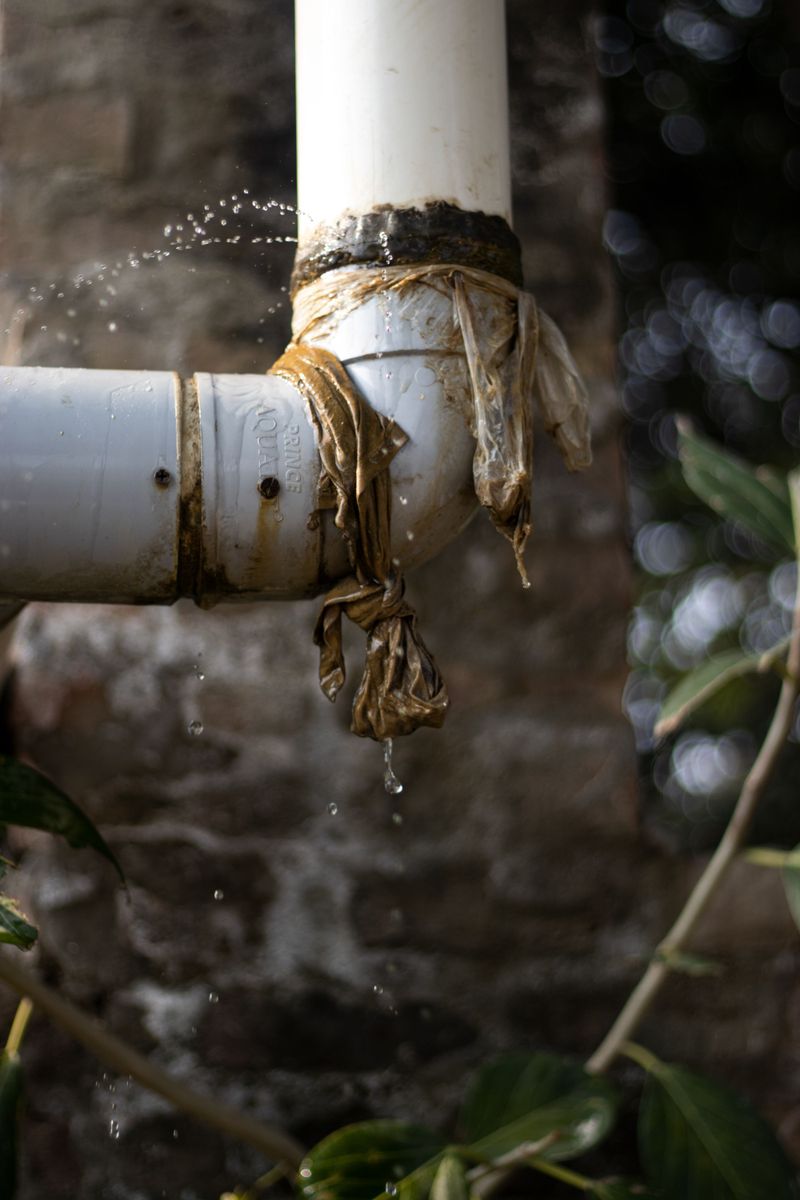
A slow drip sounds harmless. But a pipe leaking near your siding creates a steady moisture source that supports mold growth.
Outdoor faucets, irrigation lines, and hose connections are common culprits. Even a tiny drip can soak into siding over weeks and create a massive moisture problem behind the surface.
Check all exterior pipes and connections at least once a season. Look for water stains on the siding nearby, which are often the first sign of a hidden drip.
Tighten loose fittings and replace worn washers as soon as you spot them. These are quick, inexpensive fixes that prevent much bigger headaches later on.
If a pipe runs through or along your exterior wall, make sure it is properly sealed where it meets the siding. Gaps around pipes are entry points for both moisture and pests.
After heavy rain, walk the perimeter of your home and look for pooling water near the base of the walls. Water that lingers there often traces back to a nearby plumbing issue.
Do not overlook your air conditioning condensate line either. Many AC units drain directly against exterior walls, and that steady drip creates a moist strip of siding that algae absolutely loves.
Catching and fixing leaks early is one of the simplest prevention steps available. Dry pipes are one important piece of a broader mold-prevention strategy.
6. Boost Airflow In Attics And Crawl Spaces
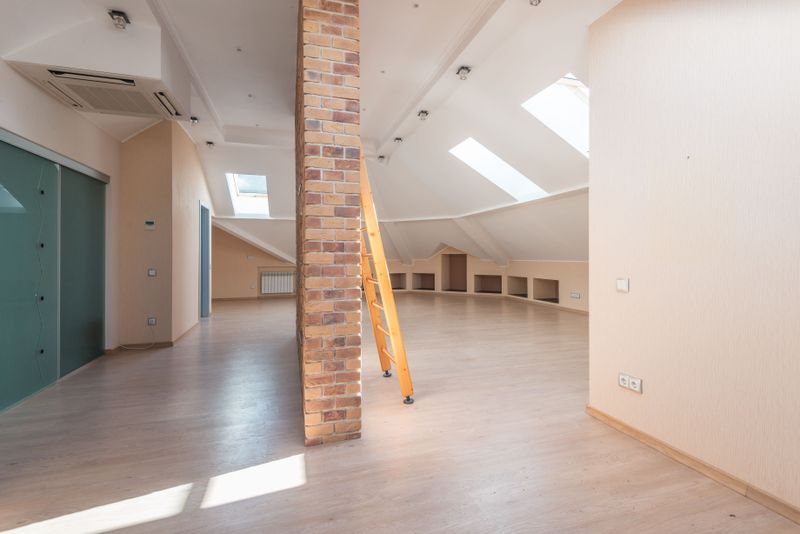
Stagnant air is a major contributor to mold growth. When moisture has nowhere to go, it settles into surfaces and creates the exact conditions that allow mold and algae to thrive.
Attics and crawl spaces are the sneakiest sources of trapped humidity in a home. Heat and moisture build up in these hidden areas and then push outward through walls and siding.
Adding vents or exhaust fans to your attic helps that warm, moist air escape before it causes damage. Cross-ventilation, intake on one side and exhaust on the other, works best for moving air efficiently.
Crawl spaces need ventilation too, especially in humid Southern climates. A vapor barrier on the ground combined with proper venting keeps moisture from rising up into your walls.
Check that existing vents are not blocked by insulation, debris, or animal nests. A partially blocked vent loses much of its effectiveness, so keep vents clear of debris and insulation.
Soffit vents along the eaves and ridge vents at the roof peak work together to create a natural airflow cycle. This system pulls fresh air in low and pushes hot, humid air out high.
If you are unsure whether your ventilation is adequate, a home inspector or HVAC contractor can assess it quickly. Many moisture problems on exterior siding trace directly back to poor airflow inside the structure.
Good airflow keeps your whole home healthier. Better circulation means less moisture buildup, and less moisture means mold and algae have far fewer chances to take hold.
7. Rinse Exterior Surfaces With A Power Washer
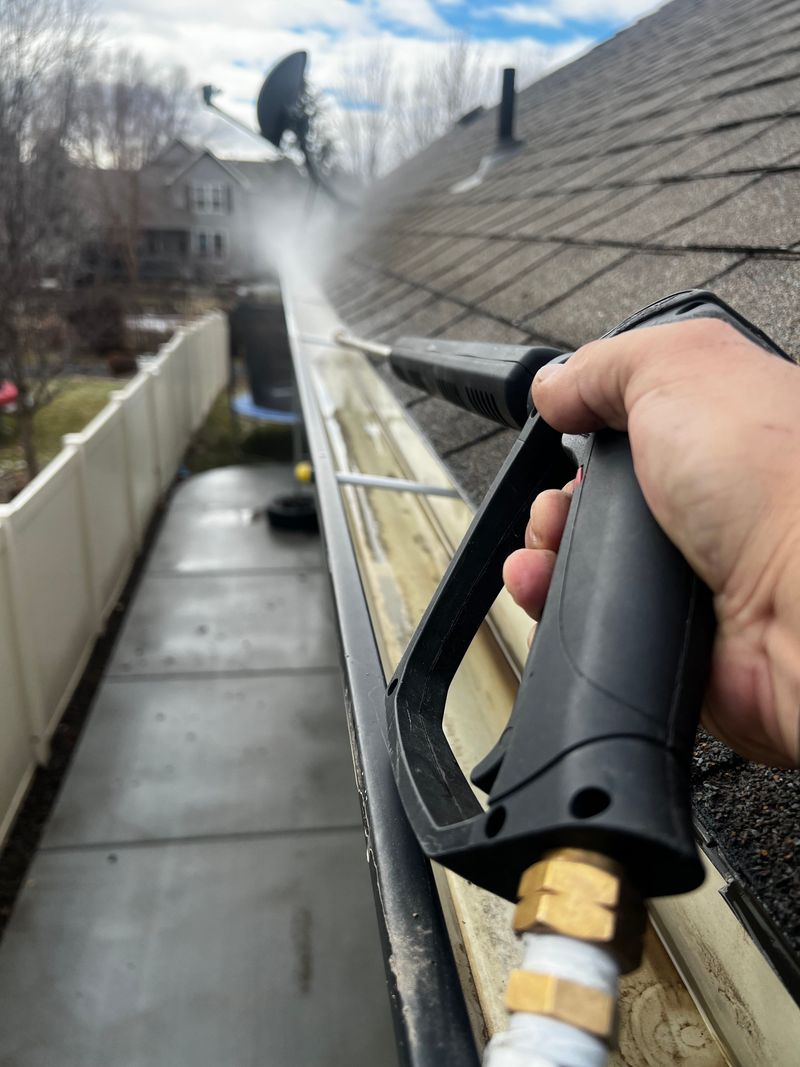
Power washing your siding feels incredibly satisfying. Power washing quickly removes years of grime, algae, and dirt from the wall.
A pressure washer removes the surface buildup that bleach washes might miss. It physically knocks loose mold colonies, pollen, and organic debris that cling to textured siding surfaces.
Use a wide-angle nozzle, around 25 to 40 degrees, to avoid gouging the siding material. Narrow nozzles concentrate pressure into a sharp stream that can crack vinyl or strip paint.
Keep the wand moving at a steady pace and hold it at a slight downward angle. Spraying upward forces water behind the siding panels and creates a new moisture problem underneath.
Work in sections from the top down, just like you would with a brush. Starting from the bottom traps dirty water above clean areas and forces you to redo your work.
For stubborn algae patches, apply a cleaning solution first and let it soak for a few minutes. Then rinse with the power washer for a two-step approach that removes most stubborn algae patches.
Plan to power wash at least once a year, ideally before applying sealant or fresh paint. A clean surface helps any protective coating bond properly and last much longer.
Renting a power washer for a weekend costs far less than a professional cleaning service. Tackling this job yourself gives you control over every inch of your home’s exterior.
8. Choose Algae-Resistant Siding When Replacing
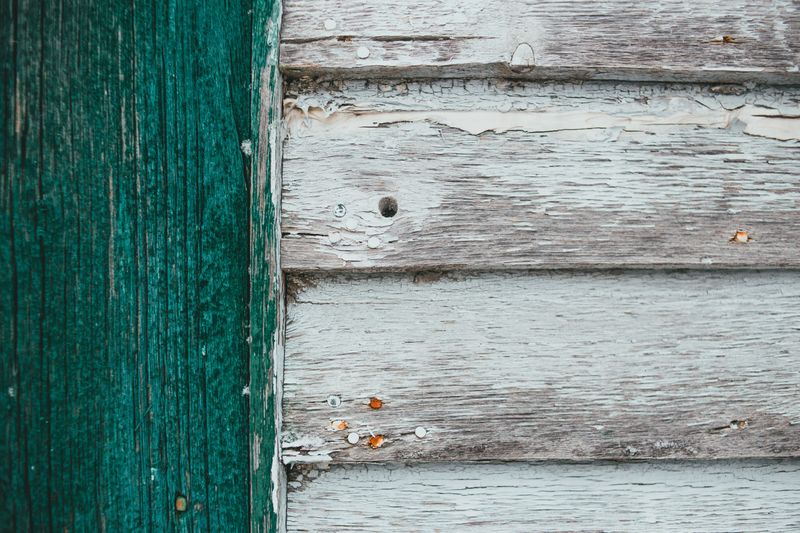
When it is time to replace worn-out siding, choosing an algae-resistant product can significantly reduce future maintenance.
Manufacturers now make siding specifically engineered to resist moisture absorption and biological growth. These products include additives that make the surface slippery and inhospitable to mold spores and algae cells.
Fiber cement siding is one of the top choices for humid climates. It does not absorb water the way wood does, and it holds paint well without cracking or warping in extreme heat.
Engineered wood siding treated with zinc borate is another solid option. Zinc borate is a natural compound that inhibits fungal growth without posing risks to humans or pets.
Vinyl siding with built-in antimicrobial agents has also become widely available. Look for products that specifically advertise mold and algae resistance on the packaging or product spec sheet.
Color matters more than most people realize. Lighter-colored siding tends to show algae growth faster, while darker colors dry out more quickly after rain but can absorb more heat, which may affect certain siding materials over time.
Ask your siding contractor whether any warranties cover biological growth or discoloration, since coverage varies by manufacturer and product.
Upgrading to resistant materials is the longest-lasting prevention step you can take against mold and algae on your siding. Pair it with regular maintenance and your exterior will stay clean for years to come.