More Hawks Near Your Ohio Home Means Fewer Voles Tunneling Through Your Lawn
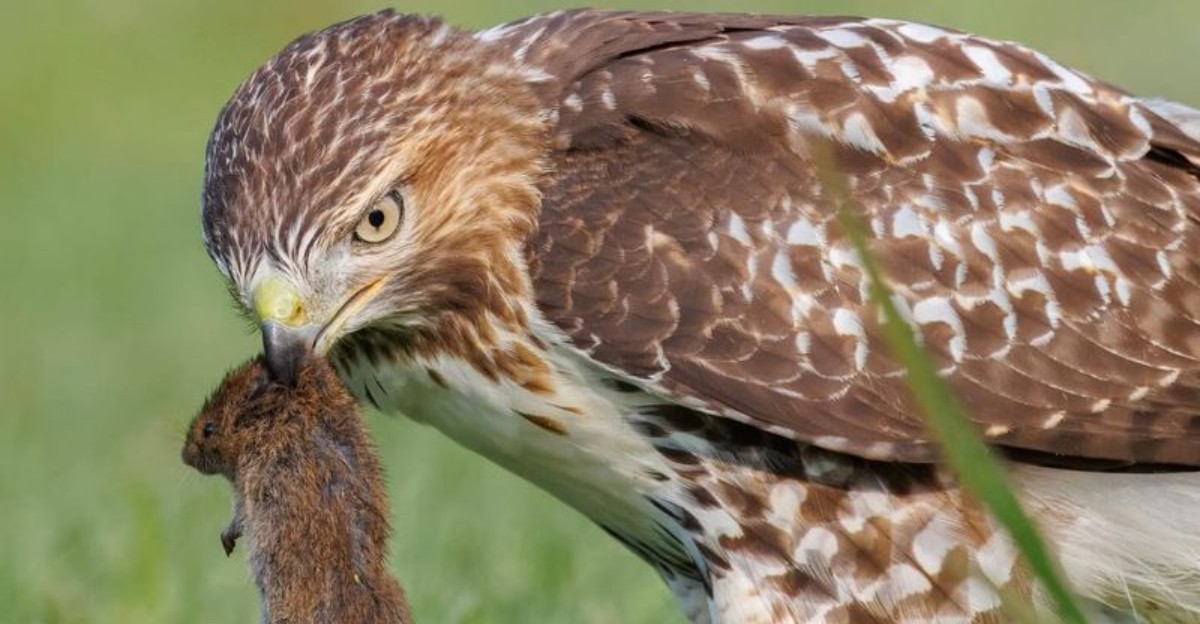
Hawks circling above your neighborhood may be doing more than searching for their next meal, especially if voles have been troubling your lawn.
These small rodents create narrow runways through grass and feed on roots and other plant material. Their activity can leave noticeable damage beneath otherwise healthy turf.
Hawks hunt voles when they can spot them moving through exposed areas.
In Ohio, several hawk species feed on small mammals, making these birds natural predators of lawn pests. Their presence does not guarantee fewer voles, but it can contribute to keeping populations in check.
Give hunting birds space rather than trying to attract them with food.
Reducing dense ground cover can also make vole activity easier to spot. Understanding the connection helps you appreciate why hawks sometimes spend time watching neighborhood lawns.
1. Voles Are A Common Food Source For Hawks
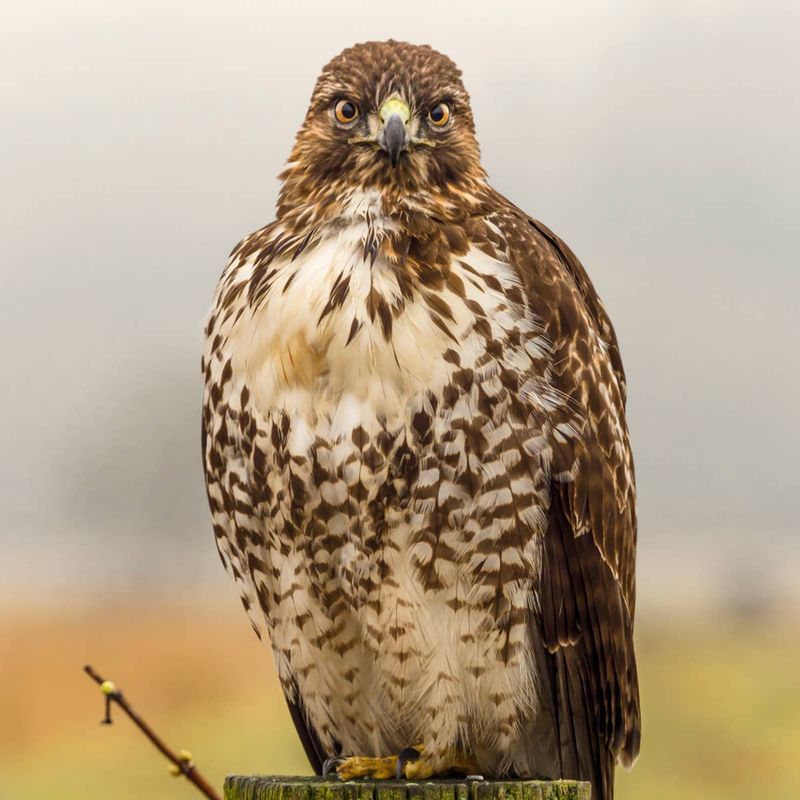
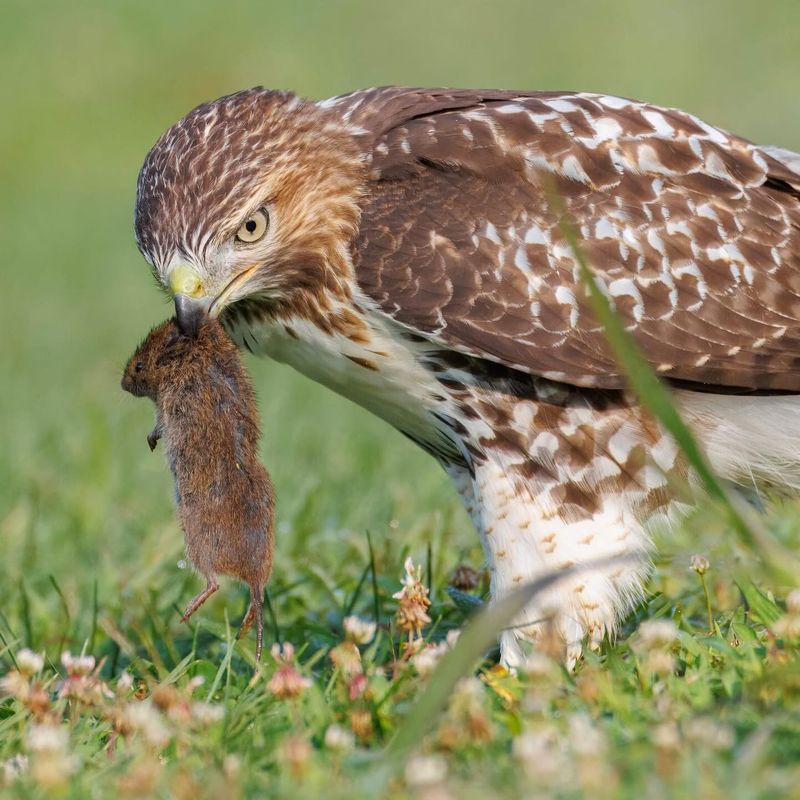
Ask any bird watcher what a red-tailed hawk eats, and voles will come up fast. Small rodents make up a large share of the diet for several hawk species found across Ohio.
Meadow voles are a favorite target because they are plentiful and active both day and night.
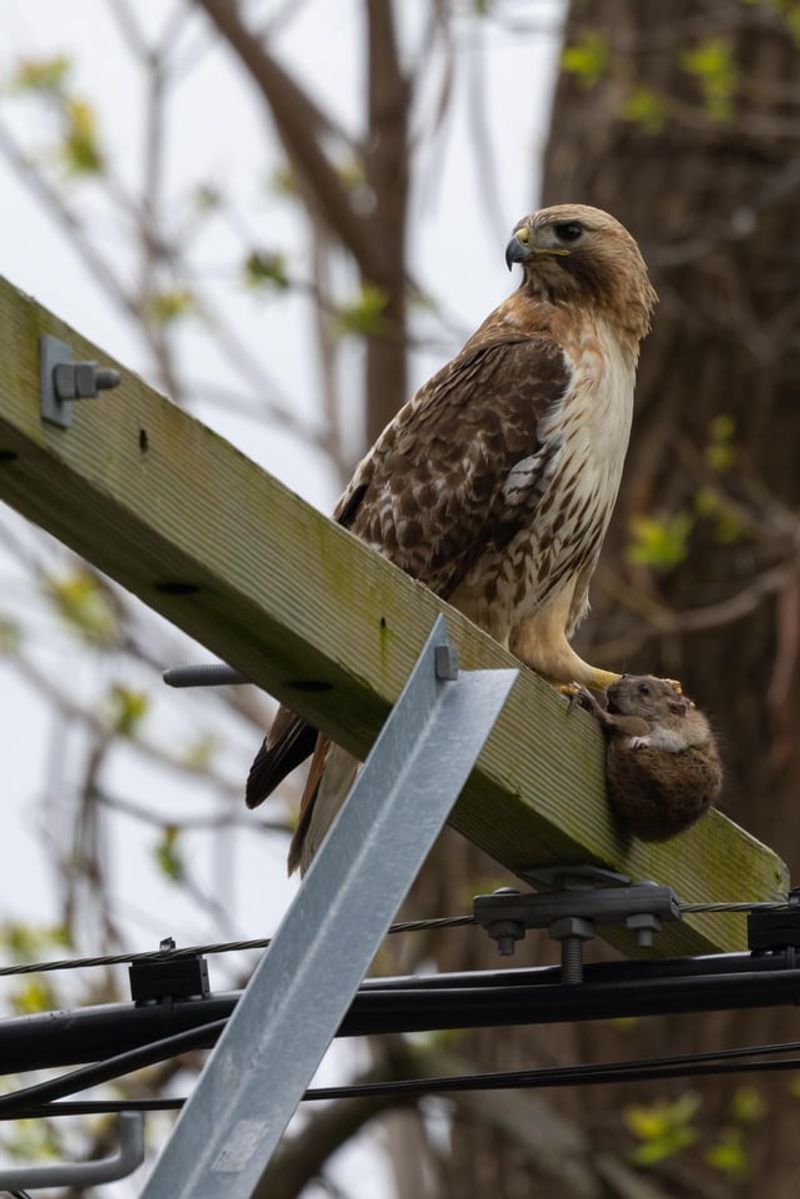
Red-tailed hawks are the ones you will spot most often, usually perched on poles or tree branches near open ground. They sit still for long stretches, watching the grass below for any small movement.
Northern harriers hunt differently, gliding low over fields and grassy areas in search of rodents.
Rough-legged hawks show up in parts of the state during winter, and they also feed heavily on voles. Their visits vary from year to year, so seeing one is a treat rather than a sure thing.
Owls deserve credit here too, since barn owls and other species hunt voles after dark.
None of this means a single hawk will clear out every vole in your yard. A hawk covers a wide hunting area and grabs whatever prey is easiest to catch on a given day.
Still, predators that hunt nearby add steady pressure on rodent numbers over time. Letting hawks feel welcome near your property is a simple, low-cost way to support that natural balance.
2. Open Lawns Make Small Rodents Easier To Spot
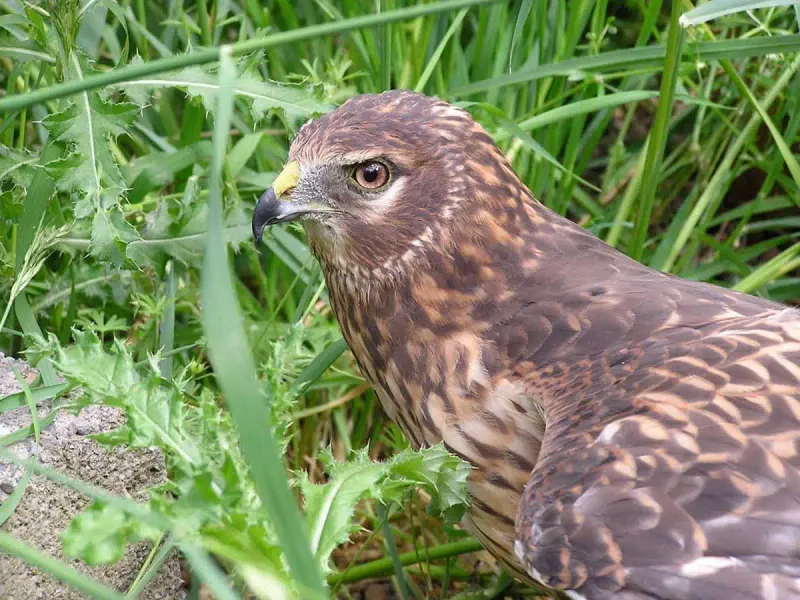
Hawks hunt with their eyes first. A clear view of the ground gives them a much better chance of spotting a vole as it moves between hiding places.
Short, open turf works a bit like a stage where every small motion stands out.
Picture a red-tailed hawk sitting on a utility pole beside a wide Ohio backyard. From that height, a vole crossing a patch of mowed grass is far easier to notice than one tucked under thick cover.
Open space also gives a hawk room to swoop down without branches or shrubs blocking its path.
Yards that mix open lawn with a few tall trees nearby can be especially appealing hunting spots. Trees offer perches, while the lawn below offers a clear view.
You do not need to cut down shrubs or strip your landscape bare to help. A balance of open turf and planted beds can still give predators a fair shot.
Your Ohio Garden Changes Every Week. Your Plan Should Too.
Gardening in Ohio changes quickly throughout the season. Every Friday you’ll receive a simple weekly plan showing exactly what to plant, prune, fertilize, harvest, and protect so you never miss the right timing.
Some homeowners add a tall pole perch near the edge of a large yard or field. Results vary, and a perch is more useful on bigger, open properties than on small city lots.
Keep in mind that hawks hunt where prey is easiest to reach, so open areas tend to see more of their attention.
3. Vole Runways Stay Hidden Beneath The Grass
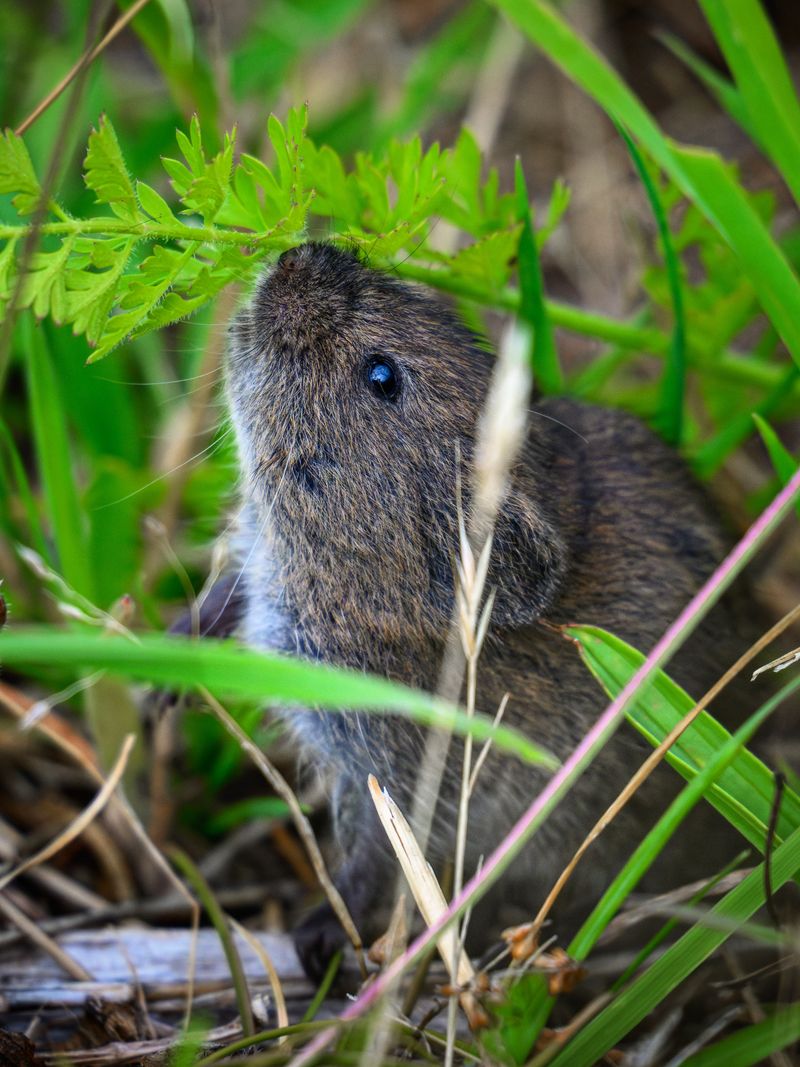
Snow can be a vole’s best friend. Under a thick winter blanket, these rodents build shallow trails through the grass where hawks cannot see them.
Runways are narrow paths, often about one to two inches wide, worn right on the soil surface.
Voles chew grass blades down to the base while they travel, which leaves behind those winding, flattened lines you notice in spring. In Ohio, the damage usually becomes clear right after the snow melts in late winter or early spring.
Moles get blamed often, but they leave raised ridges and soil mounds instead of surface trails.
Telling the two apart matters because the fixes are different. Voles feed on plants, while moles mostly eat grubs, earthworms, and other soil creatures.
Small holes about the size of a quarter, connected to the runways, are another clue that voles are present.
Once snow cover disappears, those runways become exposed, and predators get a better look at any voles using them. Gently raking the matted grass in spring helps the lawn dry out and recover.
Most turf damage from voles is surface-level, so grass often fills back in as the weather warms. Thin or bare patches may need some reseeding, depending on how bad the feeding was and how healthy the soil is.
4. Tall Grass Gives Voles More Places To Hide
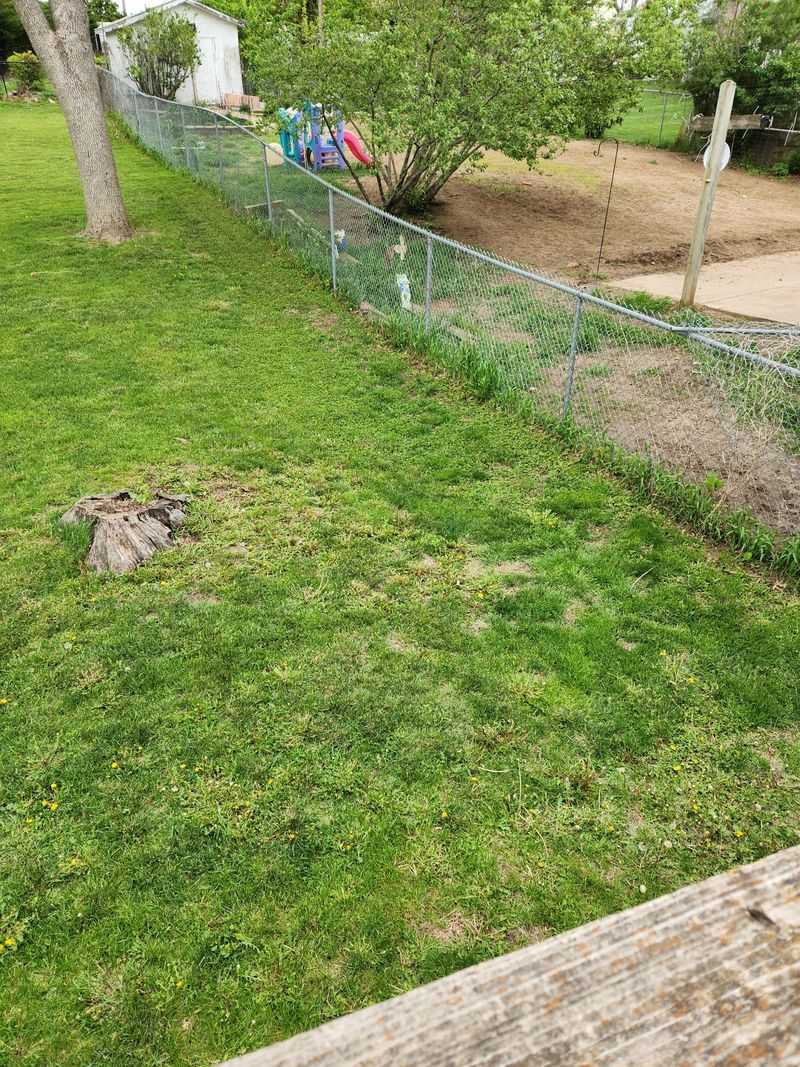
Overgrown edges are vole magnets. Thick grass, weedy fence lines, and dense ground covers give them shelter, food, and protection from hungry birds.
A hawk overhead may struggle to see anything moving under that kind of tangled cover.
Voles feel safer when they can stay hidden, so they tend to settle in areas with plenty of plant growth. Unmowed strips along ditches, sheds, and property lines often become favorite hangouts.
Heavy mulch piled against shrubs and young tree trunks can create similar hiding spots.
Pulling mulch back a few inches from the base of trees and shrubs is a simple step many Extension experts recommend. It reduces cover and makes it harder for voles to chew bark without being noticed.
Plastic or hardware cloth guards around young tree trunks offer extra protection through winter.
Ornamental grasses and pollinator plantings still have a place in Ohio yards. You can keep them, but consider placing them away from vulnerable young trees or garden beds where vole feeding would hurt most.
Cutting back weedy borders in fall is another practical move before snow arrives. Less cover heading into winter can mean fewer voles finding comfortable spots near your lawn, though results depend on local vole numbers and surrounding land.
5. Regular Mowing Leaves Them More Exposed To Predators
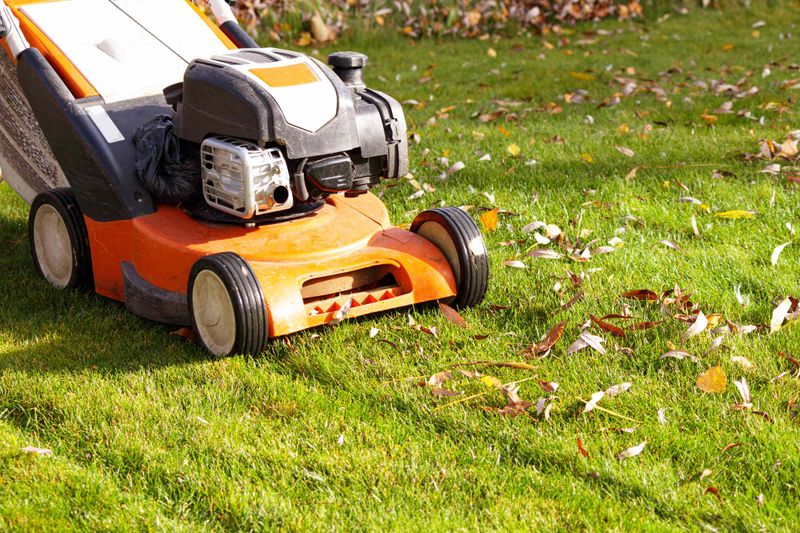
Your mower can quietly help the hawks. Keeping grass at a reasonable height removes some of the cover voles rely on to move around unseen.
Cool-season lawns in Ohio generally do well when mowed to roughly three inches during the growing season.
Scalping the grass too short is not the goal, since that can stress the turf and invite weeds. A steady mowing routine at a healthy height strikes a better balance between lawn health and exposure for rodents.
Fall mowing matters more than most people expect.
Many homeowners lower the mower slightly for the last cut of the season, often to around two and a half inches. Shorter grass going into winter gives voles less material to tunnel through under the snow.
Timing varies across the state, since northern areas near Lake Erie may stay green later in some years, while southern counties have their own patterns.
Raking or mulching fallen leaves helps too. Thick leaf mats left on the lawn can give voles extra shelter and smother the grass beneath.
Mowing alone will not stop a large vole population. Combined with trimmed edges and predators nearby, though, it makes your yard a less comfortable home for these rodents.
6. Hawks Are Only One Part Of Natural Vole Control
Counting on hawks alone would be like expecting one shortstop to win the whole game. Plenty of other animals help keep vole numbers in check.
Foxes, coyotes, snakes, weasels, and owls all eat voles when they get the chance.
Owls work the night shift, which covers hours when hawks are resting. Barn owls are uncommon in Ohio, but great horned owls and eastern screech-owls are found statewide.
House cats also catch voles, though free-roaming cats create serious problems for songbirds and other wildlife.
Vole populations naturally swing up and down, sometimes reaching high numbers before dropping off. Weather, food supply, disease, and predators all play roles in those cycles.
Because of that, a bad vole year might be followed by a calmer one, even if you change very little.
Your best plan combines several steps rather than leaning on any single fix. Trim cover, protect young trees, keep grass at a healthy height, and let wild predators do their part.
Snap traps baited with apple slices or peanut butter can help in small problem areas, if placed carefully under a cover where pets and birds cannot reach them. Checking local guidance before trapping is a smart move, since rules and best practices can vary.
7. Poison Baits Can Put Wildlife At Risk
Quick fixes sometimes come with hidden costs. Rodent poisons may seem like an easy answer to vole damage, but they can travel up the food chain.
A poisoned vole does not always stay underground, and a weakened one may be easier for a hawk or owl to catch.
Predators that eat poisoned rodents can be harmed too, especially with certain anticoagulant products that build up in their bodies. Wildlife experts have raised concerns about this risk for raptors in many states, including Ohio.
Pets and children face dangers as well if bait is left where they can reach it.
Many rodenticides sold for home use carry label limits on where and how they can be placed. Reading and following those directions is required by law, not just a suggestion.
If you choose any chemical option, a licensed pest control professional can help reduce risks to non-target animals.
Castor oil repellents are sold for voles, but their results tend to be mixed. Rain, soil type, and vole numbers can all affect how well they seem to work.
Habitat changes, tree guards, and careful trapping are generally safer first steps. Keeping hawks healthy means they can keep hunting near your home season after season.